
 English
 Español
 Français
 Português
Il nostro obiettivo è cooperare alla costruzione di un mondo più unito, spinti dalla preghiera di Gesù al Padre “perché tutti siano una sola cosa” (Gv 17,21), nel rispetto e nella valorizzazione delle diversità. | continua a leggere>
Un amore rivolto a tutti e che non discrimina; che prende l’iniziativa; che ama come sé e non rifiuta nessuno, neppure i nemici. Alla base del Movimento, ci sono l’Arte di Amare, la Dimensione Comunitaria e il Dialogo. | continua a leggere>
Bambini, Ragazzi, Adulti, Famiglie, Religiose o Sacerdoti; cristiani, persone di altre religioni o con diverse convinzioni. Se vuoi vivere anche tu per un Mondo Unito, ecco alcune idee per cominciare: | continua a leggere>



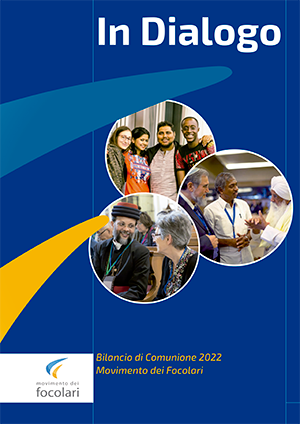
Bilancio di Comunione
Il Movimento presenta un nuovo Bilancio di Comunione relativo all’anno 2022 incentrato sul tema del dialogo. Una vera e propria narrazione, non solo della condivisione spontanea di beni, ma di esperienze ed esigenze ispirate dall’amore evangelico che si fa cammino di vita.
| Continua a leggere>
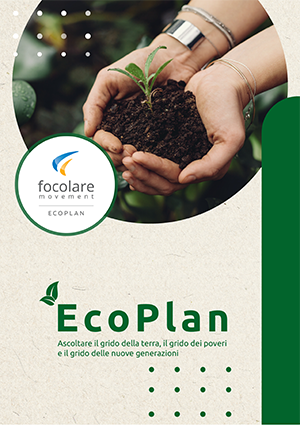
Focolare EcoPlan
“Ci impegniamo a verificare la sostenibilità ecologica delle nostre strutture e attività (…) Vogliamo dedicarci alla formazione di una coscienza ambientale che porti a stili di vita più sostenibili”. Questo è uno degli obbiettivi presi dai Focolari nell’Assemblea Generale del 2021. In risposta è nato il Focolare EcoPlan. | Continua a leggere>
Podcast: “Benedetti dubbi”
A cosa siamo chiamati? Quale la strada migliore da seguire dinanzi a uno dei tanti bivi che la vita ci mette davanti? Conosciamo noi stessi e, soprattutto, dove hanno nascosto l’antidoto contro le paure? Sono le domande, quelle che sommergono la nostra quotidianità, le protagoniste di “Benedetti dubbi”, la nuova serie di podcast pensato per i giovani e dai giovani. A cura di Tommaso Bertolasi e Laura Salerno | Ascolta>
Podcast: “Edu for unity”
Un percorso a tappe verso una nuova cultura educativa dell’infanzia e dell’adolescenza. Per imparare a conoscere e ad accompagnare i giovani nella loro crescita, prendendoci cura della realizzazione piena e libera a cui sono chiamati. “EDU FOR UNITY” è il podcast realizzato dell’équipe di “EduxEdu, Educarsi per educare”, programma internazionale di formazione per educatori promosso dal Movimento dei Focolari. | Ascolta>
United World Project
Un progetto per contribuire a realizzare il mondo unito mappando, promuovendo e mettendo in rete le buone pratiche, i processi, le iniziative personali e collettive, le azioni piccole o grandi, quotidiane o straordinarie che contribuiscono a rendere il mondo, un luogo di pace, più fraterno e unito. | Partecipa>
