
Fifty years ago in Ascoli Piceno, a town in central Italy, two Focolare priests, Fr Pino and Fr Mario, decided to begin a simple apostolic activity together, proposing a series of meetings for young people. After just a few weeks, they were surprised to find hundreds of young people gathering around them, eager to live the Gospel in their everyday lives. It was the birth of the Diocesan Movement: an expression of the Focolare Movement, entrusted with animating the various expressions of the local Church through the spirituality of unity. Over these fifty years, it has seen works of God flourish in dioceses and many vocations emerge to priestly, lay and religious life.
On 13th-14th December 2025, a commemorative celebration took place in the city. It was attended by Margaret Karram and Jesús Morán, President and Co-President of the Focolare Movement, along with Cardinal Giuseppe Petrocchi who, with Chiara Lubich, was a co-founder of the Diocesan Movement. Several bishops, Focolare priests and focolarine from the area were also present.
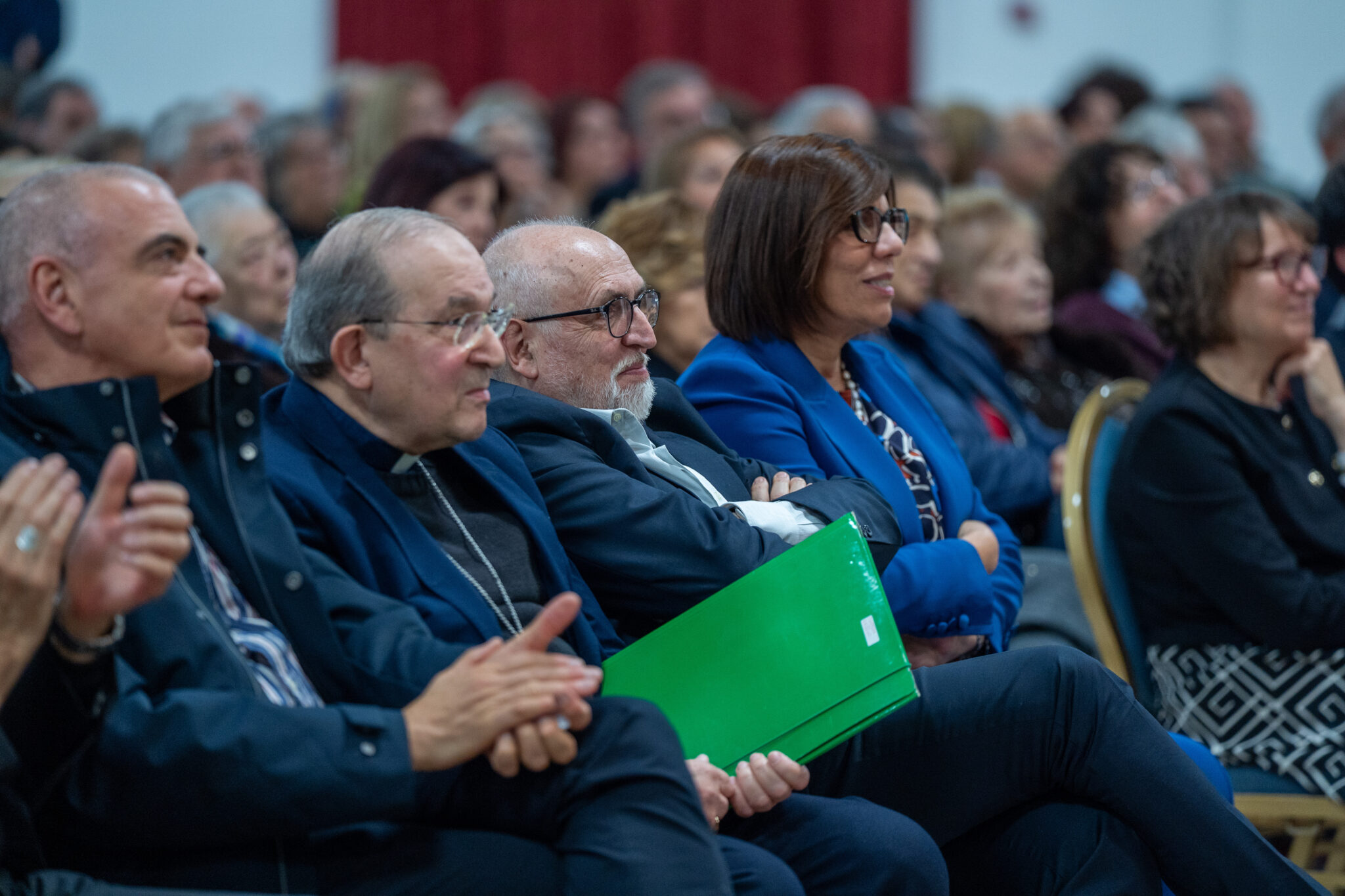
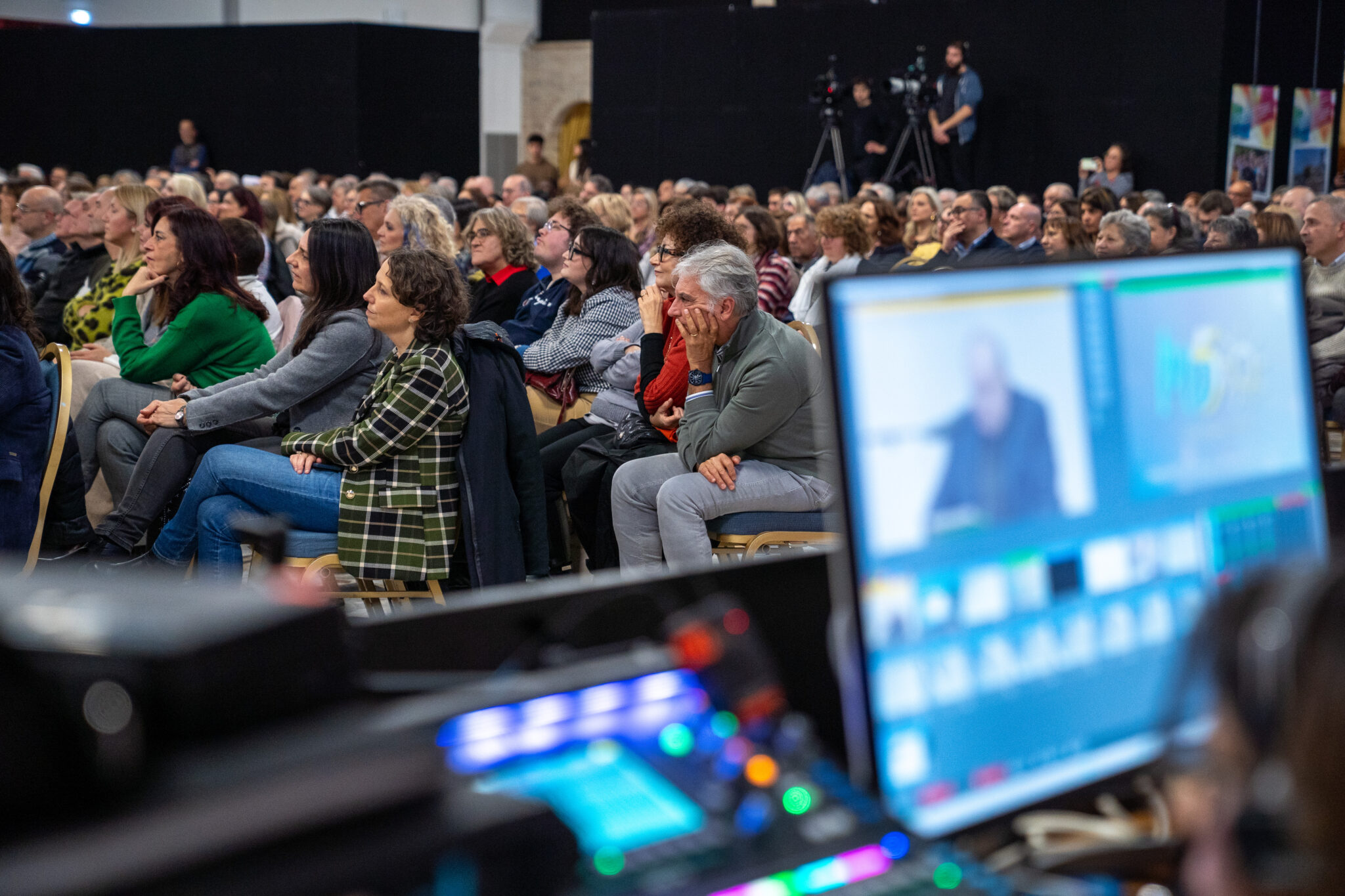
During the meeting with Margaret and Jesús, Bishop Gianpiero Palmieri of the diocese said, “The relationship I have with the Diocesan Movement is a very positive one, because it is deeply rooted here in Ascoli. The priests, lay people and deacons of the Diocesan Movement contribute to the life of our diocese in its missionary and evangelising task. What the Diocesan Movement can offer—and will continue to offer, now and in the future—is precisely this contribution, according to its charism, which is unity, to evangelisation itself, with the ability to dialogue with everyone.”
On the afternoon of 13th December, the Focolare communities of Ascoli Piceno, Teramo, Fermo, Pesaro, Macerata and Cuneo—dioceses in northern Italy where the Diocesan Movement has recently taken root—gathered together. Margaret said, “I am always struck by the vitality and joy of your communities because you have been able to go beyond the doors of churches and parishes and build networks with people and secular organisations in your cities. You have shown coherence in your evangelical choices, multiplying initiatives of closeness to the poorest, migrants and those on the margins. Thanks to the faithfulness of so many of you, today we can say that the Diocesan Movement is a grace for the Church and for the Work of Mary.” Jesús added: “The Diocesan Movement is the fruit of Chiara Lubich’s ecclesial genius. It is the ability to give birth to the Church within a group of souls in the community. Here in Ascoli we have seen this lived experience. With her ecclesial genius, Chiara brought about a community that is fully Church, at the service of the Church.”
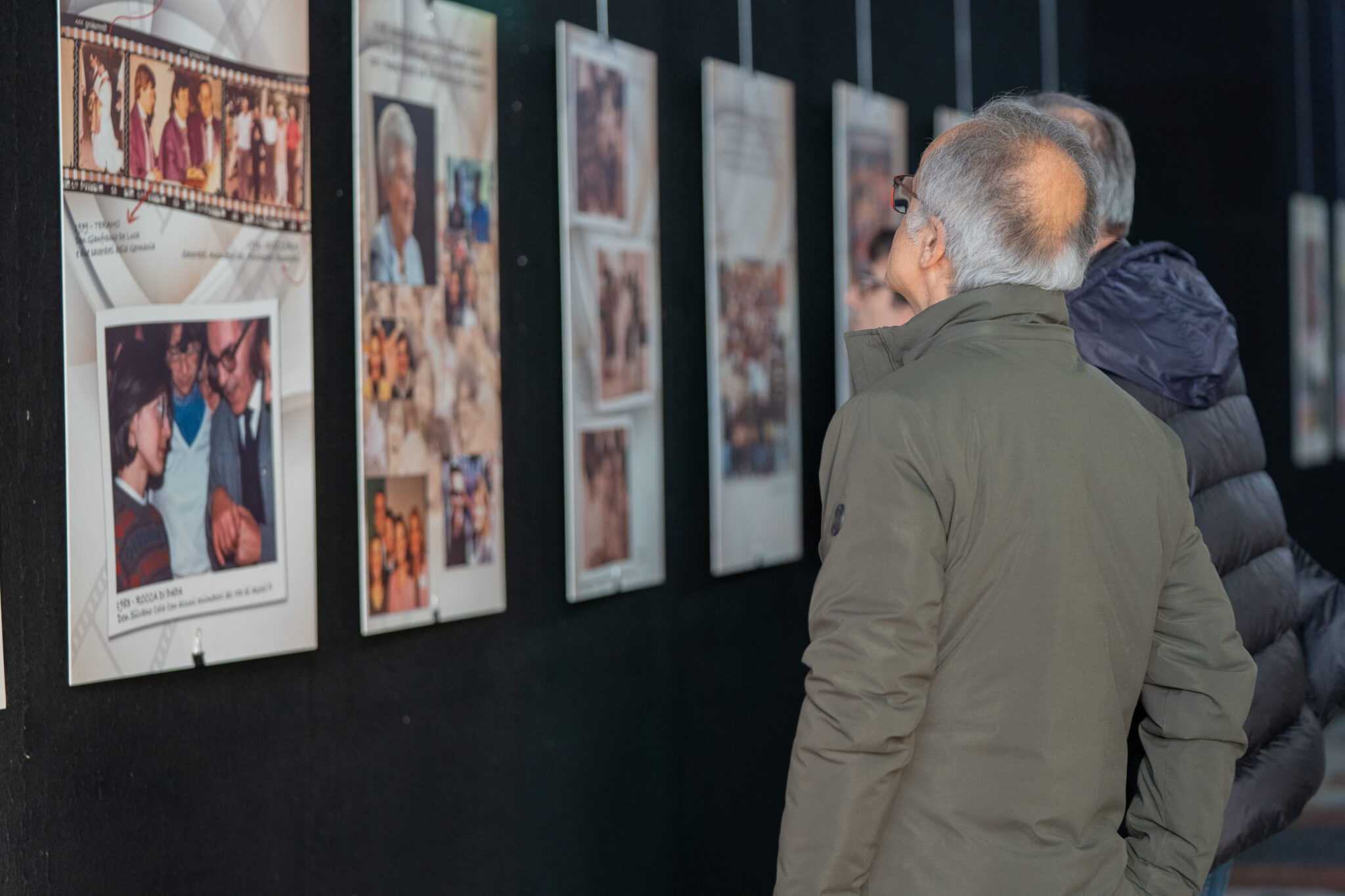
The Card. Giuseppe Petrocchi , known to all as Fr Pino, retraced some of the early stages of the Movement, identifying the signs of the Holy Spirit. He added: “The spirituality of unity that the Lord gave to Chiara Lubich, and her witness, offer an intense charismatic light for exploring new theological, pastoral and social horizons, with the humble Virgin of Nazareth at our side as mother, teacher and model. For her and with her, we raise our Magnificat of praise and gratitude. Today, you yourselves are this Magnificat.”
In the various testimonies shared by members of the local communities, the experience of Church-as-communion was evident: the ability to build bonds of charity among the structures and members of the local Church, between charisms and ministries, and with everyone.
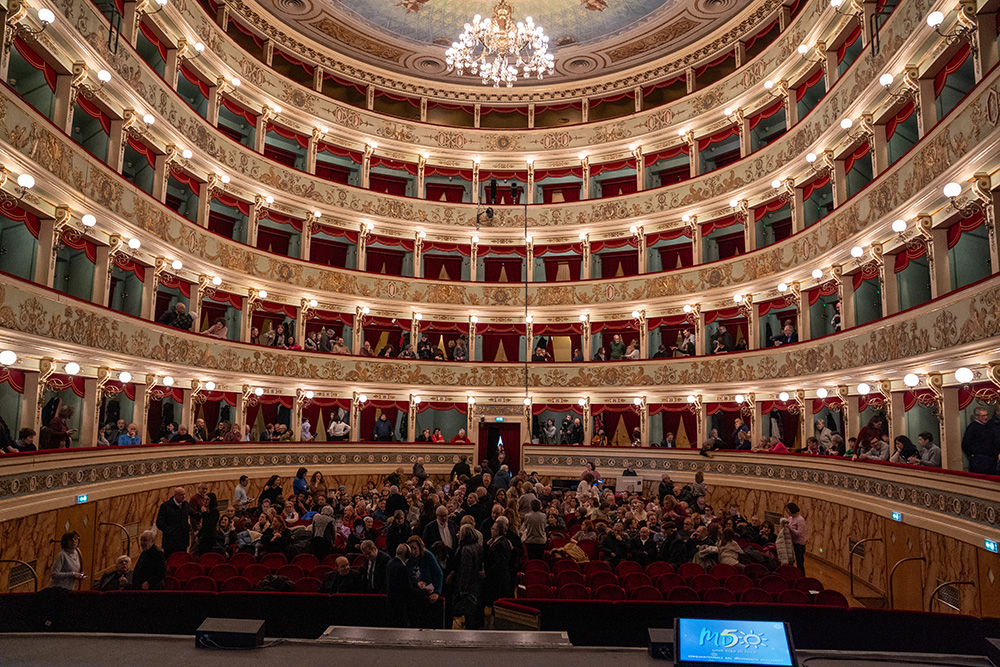
On 14th December, a round table entitled “The Charism of the Diocesan Movement in the Church and Society Today” was held at the city’s prestigious municipal theatre. Representatives of both civil and religious institutions took part, including the mayor and the bishop, as well as members of Catholic movements and associations, representatives of other Churches, and many citizens eager to learn more.
Mons Piero CodaSecretary General of the International Theological Commission of the Holy See, stated: “The Diocesan Movement presents itself as an original and timely expression, a concrete ‘grounding’, of the renewal set in motion and guided by the Council. It begins with the recognition and appreciation of the local Church—the diocese—as the concrete and irreplaceable place of communal experience of the Gospel, lived in its prophetic incarnation at the cultural and social level. With hearts and minds open to all, in harmony with the spirit of Vatican II and the charism of unity, Christians of other Churches or ecclesial communities can belong to the Diocesan Movement and people of other religions or of non-religious convictions can also take part. Is this not exciting?”
The Diocesan Movement can therefore be a bridge between the Gospel and the city and among the various social components of society. Margaret added, “This is its relevance today: to safeguard and ignite relationships, to open paths of mission in our Churches and in the many civic and social contexts. Everything begins with mutual love which, when lived, generates greater communion in the Church, greater fraternity in our environments, and greater hope for the world.”
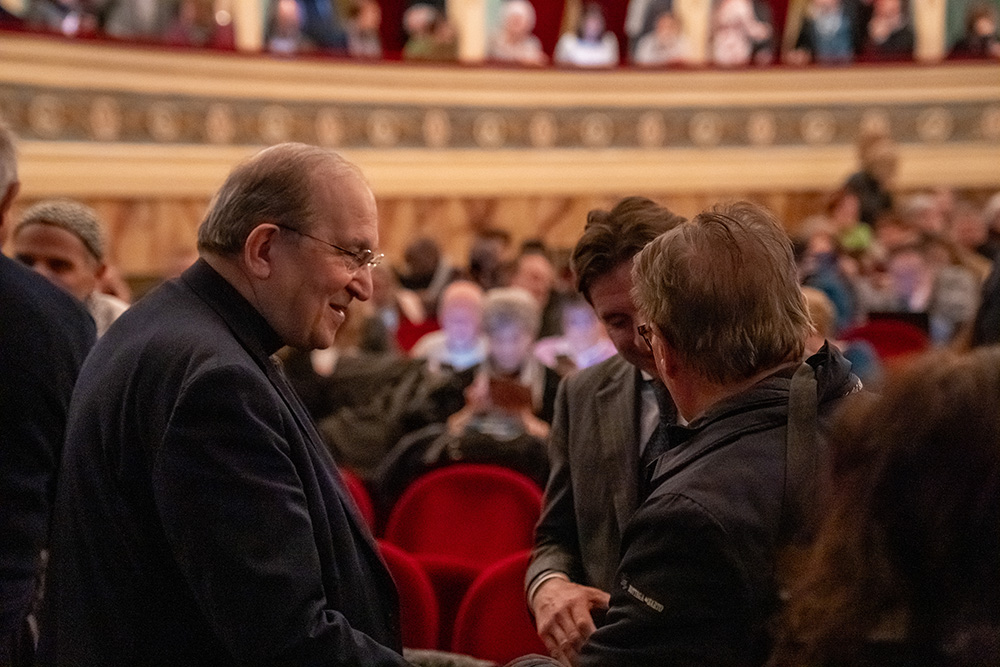
An experience born fifty years ago not by chance, but through a journey that nourished the soul of the local community in Christ. Jesús Morán emphasized, “Chiara Lubich did not found the Diocesan Movement sitting at a desk. Rather, she recognised in the experience unfolding in the Church of this city (Ascoli) in the 1970s the unmistakable mark of her ecclesial soul, of her charism. Chiara was able to recognise it because here, also through that group of priests and young people, the Church of Ascoli was experiencing Christ within itself. That is how it was—and that is how it must always be.”
Already in the 1970s, the Diocesan Movement was initiating a process of synodality in the local Church. Today, it can and must be an instrument to ensure that the synodal journey the Church is undertaking becomes lived reality in local Churches. “The synodality of the Church requires not only well-equipped doctrinal classrooms, but also practical training grounds,” said Cardinal Giuseppe Petrocchi in his address. “In this sense, the Diocesan Movement can be a laboratory where we learn to live this communion as the Holy Spirit designs it before our eyes in the Church of today.”
Luigino Bruni, economist and university professor, said, “I am one of those young people who encountered the ideal of unity of the Focolare Movement in Ascoli through the Diocesan Movement. I went to the parish because I was searching for God. The experience of those years—there were about 200 young people—was very intense and rich in ideals. You didn’t become part of a movement but of the future of the Church and of the world. From Ascoli, we felt we were changing the Church, the world and the economy, so much so that I chose this path in the years that followed.”
Marie-Thérèse Henderson from the Ancona focolare added, “It is striking to see different generations living and working together to support and contribute to parish life in the everyday life of the Diocesan Movement and then to see, in the relationship between lay people and priests, that simple and prophetic reality the Church longs for and hopes for: the dimension of synodality and unity that belongs to the Church itself.”
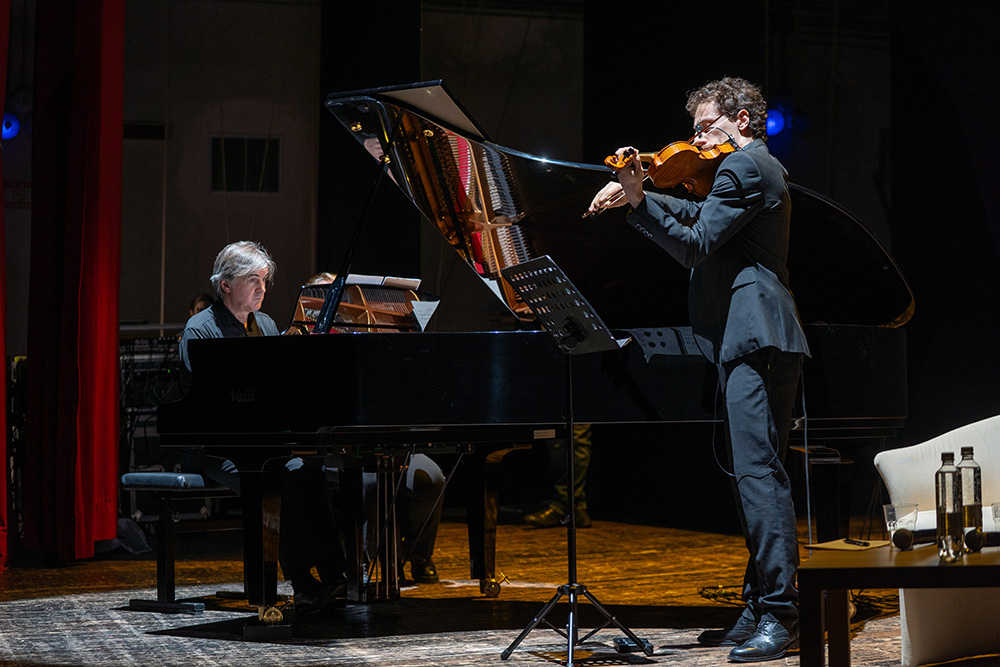
The speakers’ contributions were interwoven with artistic moments featuring Alessandro Cappella, Enrico Mazzuca, Silvia Capponi, Elena Piermarini and Laura Ubaldi.
Lorenzo Russo
Photo: © Joaquín Masera-CSC Audiovisivi
Turn on subtitles and choose your desired language
0 Comments