11 Sep 2018 | Focolare Worldwide
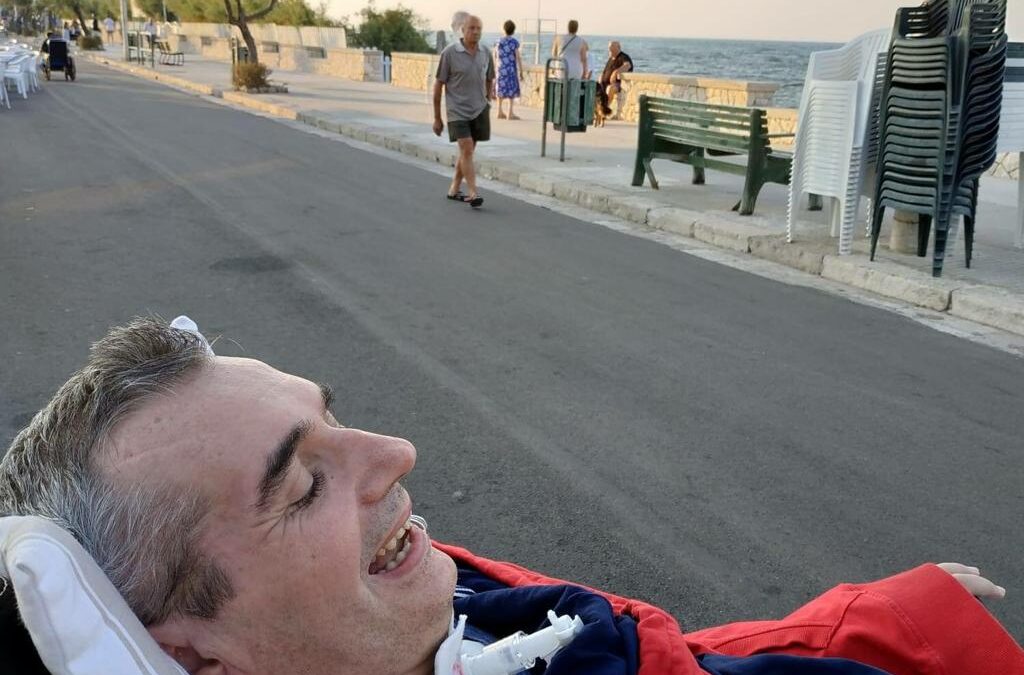
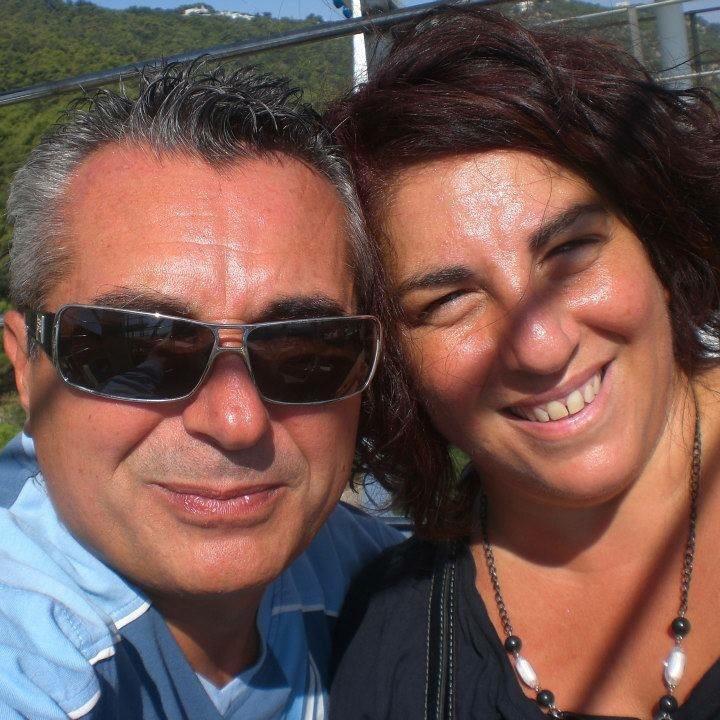 “The year was 1975. I was at high school in Sicily. Learning about Cicero’s denunciation of Cataline in ancient Rome sparked a lively discussion among me and my schoolmates about the hot topic of freedom. Our class teacher wisely channeled our increasingly heated argument into a formal debate between the supporters of Cicero, expressed by one of my companions, and those of Cataline, for whom I was the spokesperson. My passionate defense of freedom became so ardent that they all applauded me. And from that day, the idea of freedom has characterized my whole life. But what is freedom? And am I free?” Francesco is Italian; he is 59 and is married to Paola. The progressive nature of his illness means he can no longer move his body or speak. But he can move his eyes. Last year he started a blog, at the suggestion of a journalist who contacted him for a brief interview. At first Francesco used his thumbs and later began using an eye-gaze device, which may be slow but allows him to communicate the strength and dynamism he is finding within himself even as his body is becoming less active. His blog is entitled: “SLA: io Sono Libero d’Amare”. SLA = Sclerosi Laterale Amiotrofica translates as “ALS. I am Free to Love”. “I’m no author. But a voice within suggests what words to put down. I’ve found I’m watching a film of my life that I never knew of before. This is my strength and I’ve been able to start communicating in this way. I receive messages that are deeply moving. I’ve simply expressed some of my thoughts and I receive back so much love. People communicate their emotions, sufferings, joys and most of all, life!”
 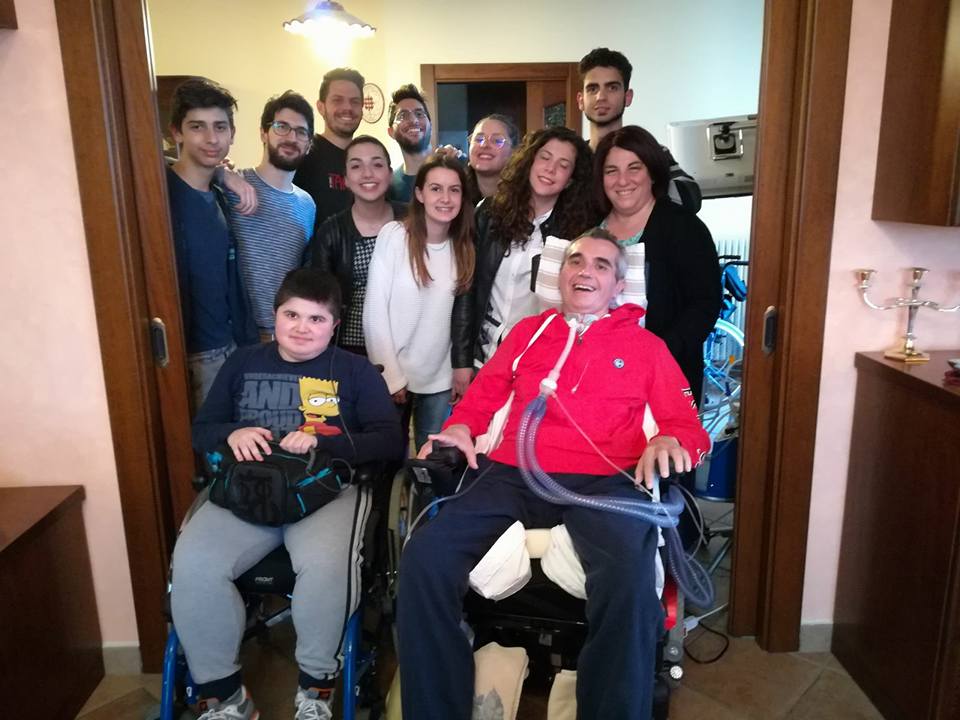 “In my life, I’ve always tried every day to find time for a personal and intimate moment with God. It’s not always been possible, but every time I passed a church, I’d say “Ciao” to Jesus present in the tabernacle. Often I would actually go inside the church just to dedicate a little bit of my time to God. I’d try to silence myself so that He could speak to me. And before leaving I’d entrust the difficulties of the day to Him, sometimes joking ‘Jesus, this one is yours because I certainly can’t solve it on my own’. And I have to say, He’s never let me down.” “How often, no matter how full our life may be, do we detect a feeling of emptiness or apathy inside us which covers our life with a veil of unhappiness?” “One man brought me a glimmer of light: Augustine of Hippo. Reading his Confessions prepared me for an event in August 1976 which changed my life: my meeting with God who is Love and who loves me immensely. How can I correspond to this infinite love? It was the Gospel, which I’d read but not actually lived, that gave me the answer: how can you love the God you do not see, if you don’t love the neighbour you do see? This was my Copernican revolution. I found myself among a group of friends living this experience: we would read the Gospel together and try to put it into practice. My heart practically exploded with joy, and I began to appreciate that even suffering can be life!”
 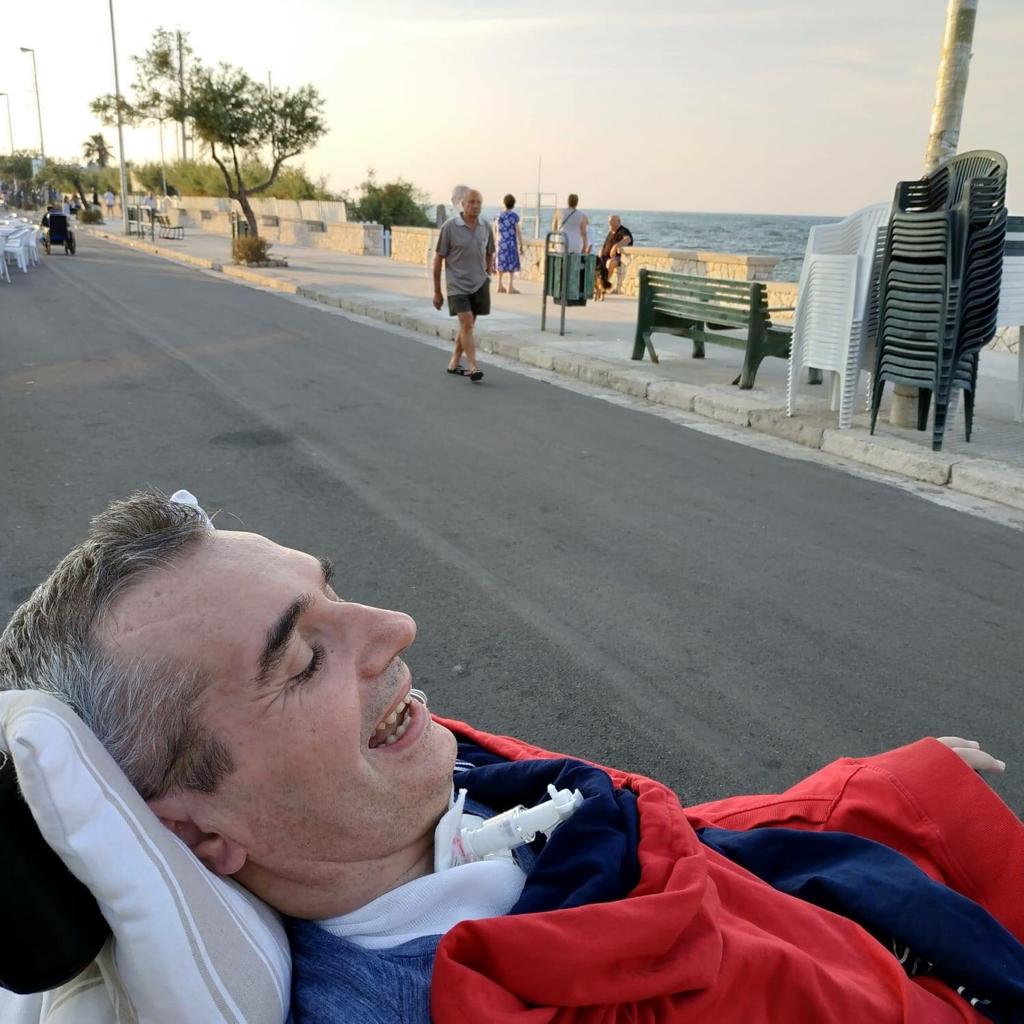 “I can still remember the smell of the sea, even if my illness has left me with no sense of smell, (…) I can feel the sensation of water on my skin, even if I’ve not been able to swim for the past three years. But this is not nostalgia. I’m not suffering over what I used to be or what I’ve become. I close my eyes and my body is floating. It’s not a dream or fantasy; it’s my Lord who continues to say to me ‘Do not fear’.” “This disease – ALS – was written in my heart from when I was born, but I didn’t know it until a few years ago. My tax code actually starts with ALS, and I don’t think it’s just coincidence! I don’t believe in fate, but I trust in one who has chosen me as her son and has never abandoned me. Mary, the mother of Jesus is my safety net, like the one a trapeze artist has (…).” “It is an experience that keeps on repeating itself, every time I’m assailed by doubt and I feel my hope sinking. Mary is always there, so I can’t be afraid! (…) Mary has marked out the way for me, and Chiara Lubich has taught me every day to point my interior compass on Jesus Forsaken on the cross. He is the secret to finding the Truth.” “Living the present moment perfectly brings us into God eternally. That’s what Chiara has taught me. And in the present moment I can cry out loud, maybe not with my voice but with my heart: I am FREE TO LOVE!” (In Italian = “SONO LIBERO di AMARE!” SLA – Sclerosi Laterale Amiotrofica). Extracts from Francesco’s blog (in Italian)
9 Sep 2018 | Focolare Worldwide

Maurizio Certini
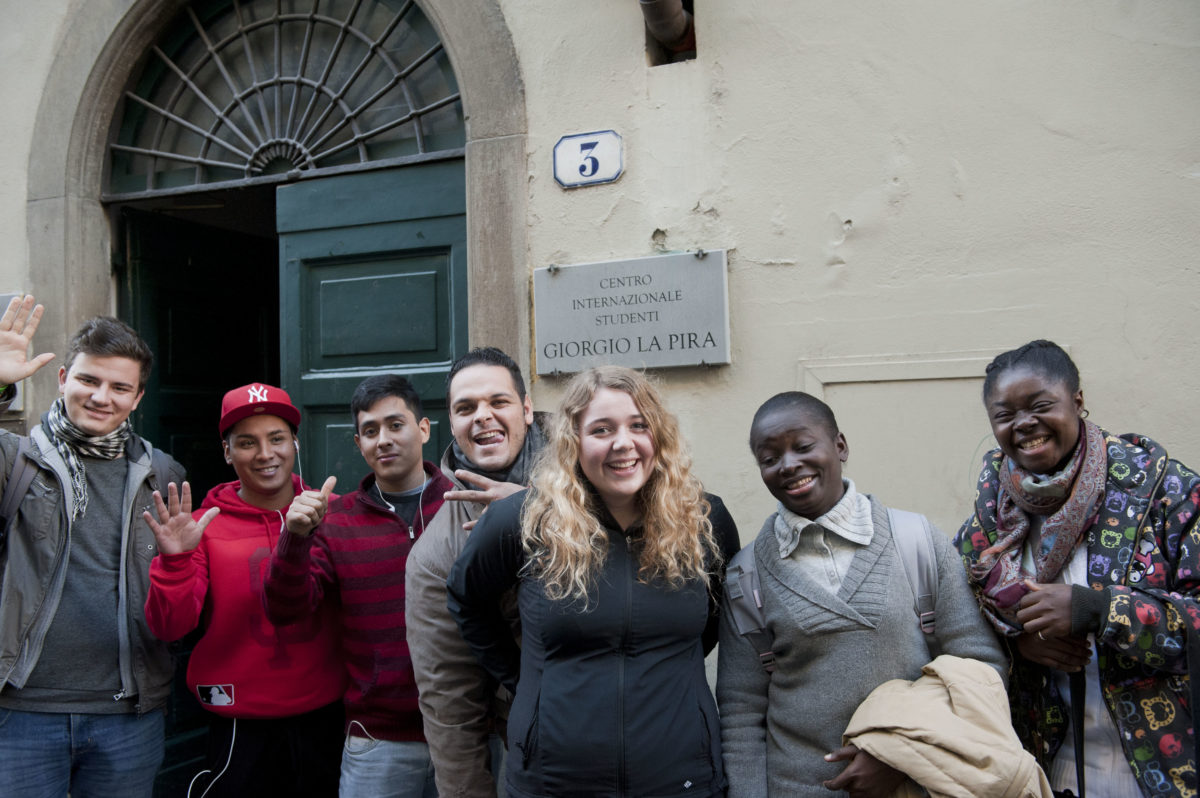 What is the situation now, forty years later? Of course, living conditions for overseas students, who are very able but without much financial support, have certainly improved, thanks to their being exempt from taxes and to the availability of accommodation and canteens. Nonetheless, coming here to study still poses significant challenges. They are far from home and have to look after themselves; it is hard to study in a cultural context they know very little about; there is a great deal of bureaucracy and also the attraction of consumerism. When you get to know the stories of these young people, you are struck by their courage and fortitude in tough times and their perseverance in facing difficulties. More serious problems can arise in the second or third year when, even though they are willing and highly motivated, they don’t get enough credits to stay in the university residences. Suddenly, it is as though they are standing on a precipice, and that can make them start going downhill, which eventually leads to them abandoning their studies and their dreams being ruined. How many young people have passed through the Centre? A huge number. We were keen to address their needs and find solutions, so as to give them hope. Many of them were disappointed and discouraged but managed to pick themselves up and finish their studies. Studying at an overseas university is a unique opportunity both culturally and professionally. However, special attention is needed to link the academic aspect with their need to connect among themselves and with others. This needs to be coordinated and be sensitive to cultural and religious differences, putting the students themselves at the centre, accompanying them in an integral way. Can an association supported mainly by volunteers have an impact on politics and society? Giorgio La Pira often quoted the words of the great renaissance architect, Leon Battista Alberti: What is a city? It’s a big house for a big family”. Today the whole world is a global city. Through our work, we look at the world’s cities through the eyes and stories of our many “guests” and we are open to reciprocity. The word “ospite” in Italian means both host and guest. At the Centre we seek to generate community knowing that we are in an ever more pluralistic social context. We need people who are open to dialogue and who can integrate with one another reciprocally. Today people’s need for community is particularly strong: the world is always in a rush, it’s alienating; there is growing violence, lies, suspicion and fear. Our little ‘field of action’ broadens out every day to the level of citizenship, both national and international. We believe we can win only if we generate community, wanting to build up society as a civil body, putting the human person and their dignity at the heart of everything we do. By Chiara Favotti
3 Sep 2018 | Focolare Worldwide
“The dream of becoming a doctor, which I had always nurtured, became even stronger when, years ago, my father and my brother were involved in a serious accident. The hospital became our home away from home because of a series of surgeries on my father’s legs. During that period I began to understand the difficulties patients had, especially those who didn’t have sufficient funds. “I’ll become a doctor,” I said, “and offer the hope of medical care to everyone.” My family was also in precarious financial conditions. My father, because of a permanent disability caused by the accident, couldn’t work anymore. When school was finished, my dream to study Medicine was shattered when my mother said to me: “We don’t have the money.” I wept bitterly, but then thought: “If Jesus wants this, then I want it too.” We had always been in touch with the Focolare, and they knew my great wish. Several days later, they telephone me to tell me that they had found someone who was willing to help me out financially. I was so happy! It was a sign of God’s love. I began school at the university. It wasn’t all so easy. Every day I needed a good dose of patience and endurance. There were students from different cultures and religions in my class and several of them were bullies towards me whose character was softer and submissive. I tried just the same to be friends with everyone and to stay united to Jesus who gave me strength to face every difficulty. I was also only sleeping for two hours at night because of the tons of pages I had to memorise. I spent all my time studying, but still I was unsuccessful in an exam or missed going out with my friends. And then I was really missing my family. But I was certain that God had plans for me. During the internship we worked 30 to 36 hour shifts on the ward with the patients, and that was really exhausting. We had to do many things at the same time, make sure that the patients were receiving care while studying for exams. The encounter with each patient was an opportunity to love. Even though I was tired and half asleep, I tried to present myself to them with lots of energy, smiling and listening with sincere compassion. In the hospital, the nurses tended to be short with us interns and liked to give us orders. Nevertheless, I tried to silence my pride and build relationships of friendship with them. After a while they changed their attitude. In my group there was one girl who was always contrary to everything and raising her voice against all of us. No one could stand her. I thought: “If I don’t love her, who will?” I learned to understand her difficulty and love her. At first it was hard, I because she always had something she wanted to obtain. I prayed to Jesus for courage and strength to persevere in my understanding attitude. In the en, she also began to understand me better and we became friends. If there’s one thing I learned, it’s that things can go less than well, but you can still grow stronger. I was afraid many times of not managing to “begin again,” which is the secret I’ve learned from Chiara Lubich. Now I’m a doctor and my dream has come true and I have many more opportunities to love God, serving him in my patients as I remember the Gospel sentence: “Whatever you did to the least of these brothers and sisters of mine, you did it to me.”
2 Sep 2018 | Focolare Worldwide
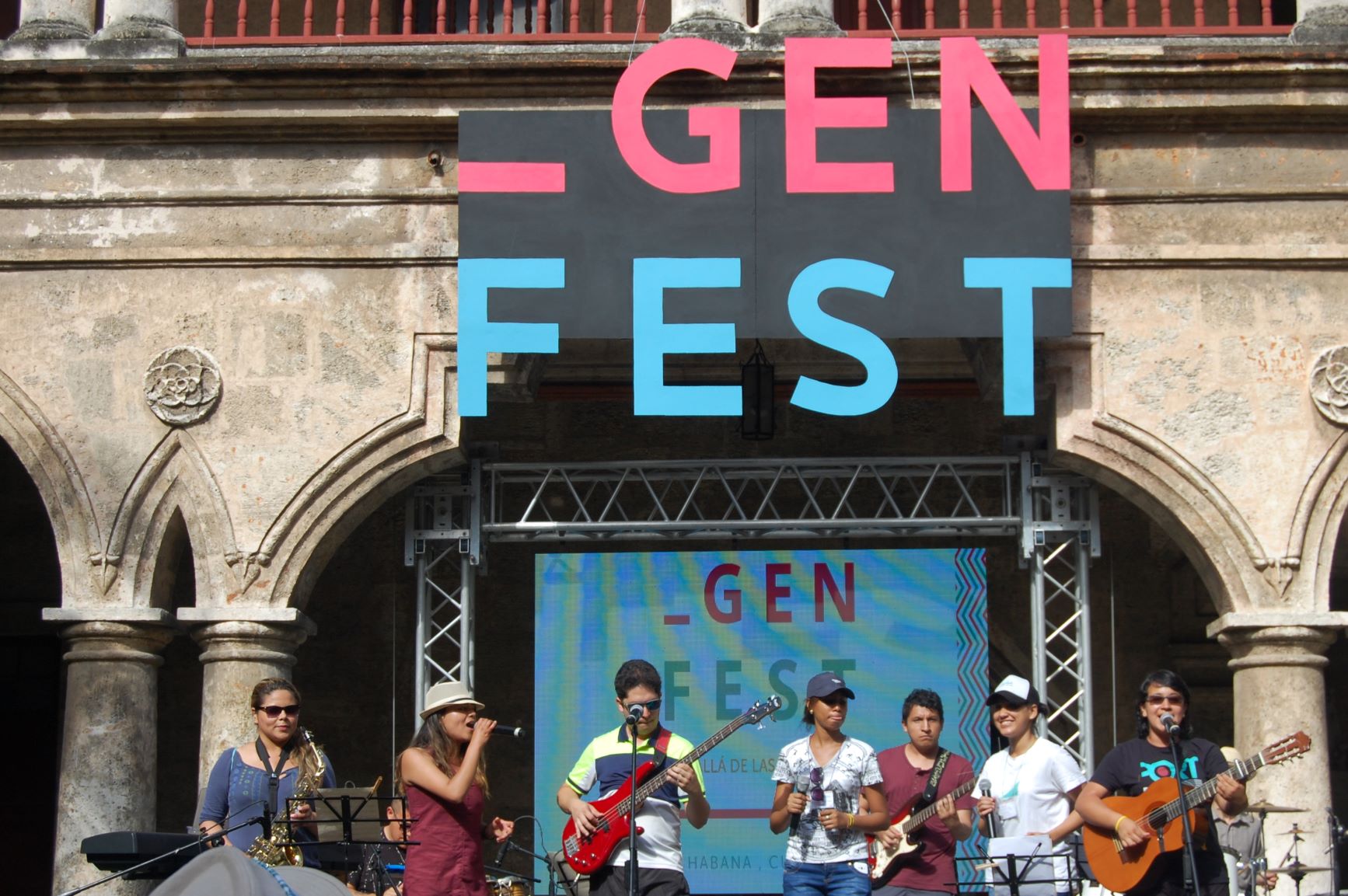 “The first Genfest ever in Cuba ended on Sunday, August 12. It was dream that we had kept in our hearts, entrusted to God, and he made it happen!” So write the Youth for a United World in Cuba. A wave of young people from all over the island came to Havana for the Genfest, an event that had “many firsts.” In fact, they write, up until now “we had never been able to put together an event of this size, obtaining the necessary permissions from the Party office in charge of relationships with religious organizations, with whom there was an excellent collaboration. It was achieved with the help of artists and professionals who through their passion, dedication and by not holding anything back – despite enormous challenges – were able to give harmony and beauty to the content that the young people asked for, after months of working together.” The opening event took place in the historic centre of the city, where Pope Francis had invited the Cuban youth in September 2015 to foster “social friendships” with and among everyone, “to build the Cuba you dream of.” On Saturday, August 11, participants explored the theme of “Beyond all borders” in nine workshops about social economics, Economy of Communion, ecumenism, relationships, the skills need to build peace, postmodernism, etc.
 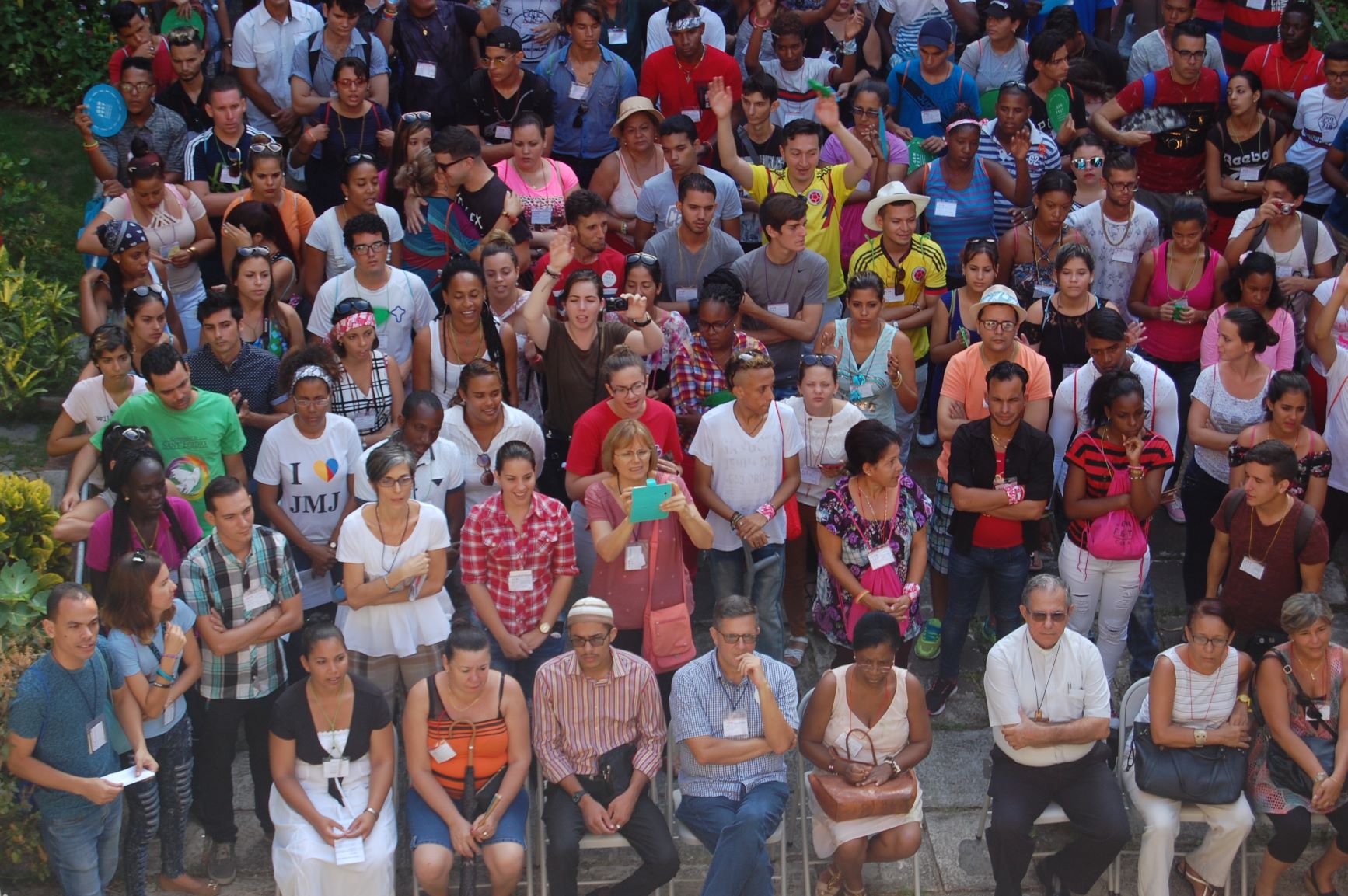 “In the afternoon, at one of the city’s famous cinemas with close to 600 participants, there were testimonies through art and shared experiences on how it is worth living for a united world. There was a profound moment in particular: an actress portrayed Chiara Lubich and her thoughts on how suffering generates life, which is the secret to going ‘beyond all borders.’” “This was the most beautiful experience of my life,” wrote one young woman, “where unity and love are the essence of a lifestyle that builds a more united world. You were able to awaken my faith and hope.” “For those of us who worked on this for almost a year,” says one of the organizers, “it was a long journey that was not without its challenges, due to conditions in the country. However, there was always the help of divine providence, which would arrive just at the right time to give us courage and resources: from South Korea, Colombia, Bulgaria, Italy, Mexico, Puerto Rico, Canada, the Philippines… “We threw ourselves into doing things we had never done before: singing, dancing, presenting on stage, telling our experiences, overcoming our shyness or being ashamed of anything. We learned to listen to each other more, not impose our opinions, and help ideas emerge together. Practically, we learned to love each other.”
 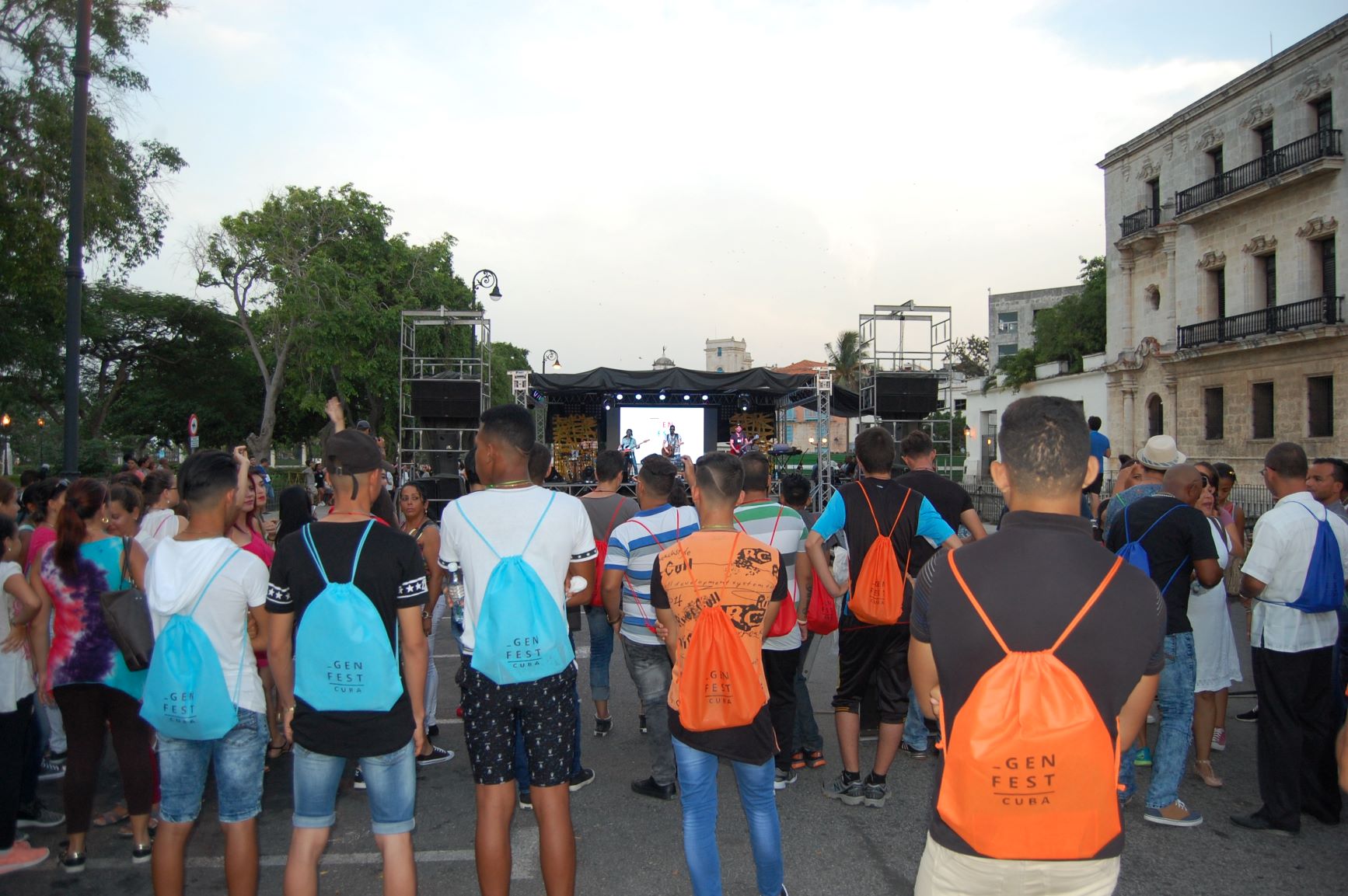 They add, “Genfest was an explosion of love and unity that revolutionized our city.” One of the participants said, “We are making history, not the kind that stays in books, but in the souls of all of us who think, work and participate in the Genfest. The memory of Old Havana remains, and today it is reborn thanks to the Youth for a United World.” “Collaborating with the other movements, youth outreach, and the Council of Churches in Cuba was really nice and productive,” they write. “Genfest in Cuba honored its objective ‘to go beyond every border,’ overcoming huge challenges during the preparation and because of how big it became. It demonstrates how for God, nothing is impossible. We are bringing this revolution of love to the whole world, and many people who did not know of our dream have now witnessed it. We thank all those who believed in this crazy adventure and were there with us with their support. What a profound joy it is to know that we are part of such a big family!”
30 Aug 2018 | Focolare Worldwide
A great number of displaced people waiting to return to their homes still submerged by the devastating floods, has in the meantime been gathered in 3,800 relief camps. The rescue and aid operations are brought ahead amid great difficulties due to the inaccessibility of some zones. In some cases, water and food have been launched from helicopters, given that roads and bridges have been destroyed. The local communities of the Focolare have written: “We’ve just returned from the Mariapolis (at about 300 km from Kerala) held with the members of the Word of Life groups scattered within a range of 120 km. Our hearts are with the people of Kerala which has been destroyed by the strong rains. We are still in the monsoon season, and the hot winds provoke these tropical typhoons. As far as we know, the members of the Movement are safe. A retreat had been programmed for the priests in Trivandrum (south Kerala), but it had to be cancelled since it is not safe to travel and many priests are involved in the tragedy. In the weekend, our local communities will be involved in gathering foodstuff and prime commodities to be sent to the stricken areas. We count on your prayers.” Also Pope Francis prayed for the victims and that “our solidarity and concrete support for the community will not be lacking.”
The following accounts were created for those who wish to donate:
| Azione per un Mondo Unito ONLUS (AMU – Action for a United World) |
Azione per Famiglie Nuove ONLUS (AFN – Action for New Families) |
| IBAN: IT58 S050 1803 2000 0001 1204 344 at Banca Popolare Etica |
IBAN: IT55 K033 5901 6001 0000 0001 060 at Banca Prossima |
| SWIFT/BIC code: CCRTIT2T |
SWIFT/BIC code: BCITITMX |
| Description of payment: Kerala Emergency (India) |
| The contributions paid in the two accounts with this payment description will be managed jointly by AMU and AFN. Tax reliefs are provided for such donations in many EU countries and in other countries in the world, according to diverse local norms. |
