13 Oct 2017 | Focolare Worldwide
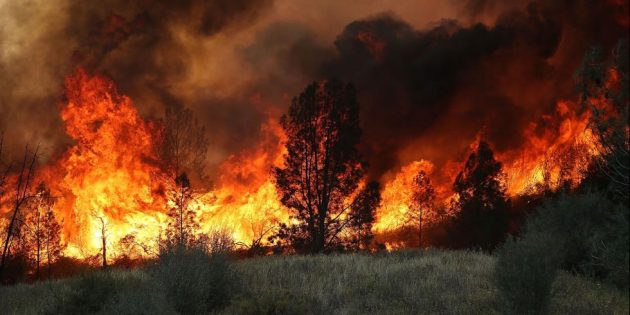
The untamed fires that are devastating parts of California, strengthened by the strong winds and unseasonable temperatures, have left dozens of victims, the largest number in the recorded history of California, along with hundreds of people who are missing. The number of volunteers and equipment is quite striking: more than 8 thousand fire-fighters and volunteers, 550 ground equipment, 73 helicopters and more than 30 air-planes. Images of the fires that are destroying more than 80,000 hectares are spreading around the world. Countless homes have been burnt down. The most devastated counties include Sonoma, Mendocino, Yuba and Napa. Thousands of people have already been evacuated, especially in Napa County, which is known for its wine vineyards. One of the most hit areas is Sonoma County where Santa Rosa is located, which is head location for more than 200 thousand inhabitants. Entire regions of the city have been reduced to ashes. From Santa Rosa, Cindy Fitzmaurice, from the Focolare community was able to send news through Facebook, concerning the difficult conditions that many are living in now that they’ve had to abandon their houses. “We’re ready to flee,” she writes, posting a photo taken around three o’clock in the morning, in which the sky appears orange. “My heart is in pieces for my friends who have lost everything. We’re learning what really matters, and it’s certainly not material things.” It’s been a hard experience for Cindy and her neighbours, fleeing the fires in the middle of the night, looking for shelter in the homes of friends. Some had to escape with nothing but their pyjamas, leaving everything else behind. Fortunately, she writes again: “Evacuated, but safe and sound. May God bless Santa Rosa. Leaving my house after 25 years was hard. But at least we had enough time to do it and, for this, we are eternally grateful. Other’s can’t say the same. We’ll see what tomorrow will bring.” Following a night of fear and praying, last Wednesday Cindy was able to tell her friends about the good news: “Feeling extremely grateful. We are back home this morning. “Feeling extremely grateful. We are back home this morning. For now. the winds shifted east overnight toward Napa. Good for us, but so bad for others. I can’t even imagine their loss. Cindy thanks her friends who take care of them, especially her elderly mother-in-law. “All we can do is be grateful and see how we can help others. Thank you all for your prayers.” Cindy’s 18 year old niece works at a nursing home: “All the residents were evacuated to anther city. I’m proud of how she’s taking care of all of them.” Many others have posted photos on Facebook of their houses devoured by the flames and reduced to ashes. But they’re grateful to be alive. This is what matters most.
13 Oct 2017 | Focolare Worldwide
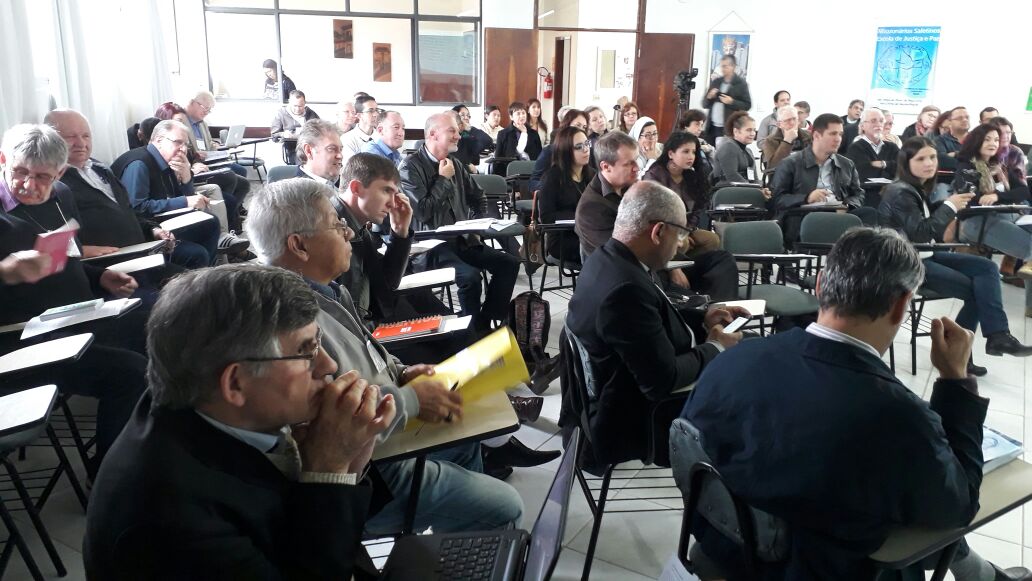
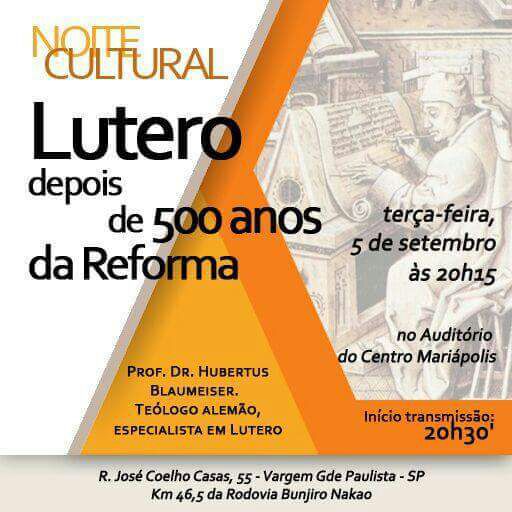 Curitiba, capital of the state of Paraná (Southern Brazil), is a city that holds many records: it has the highest educational index rates of the country, the lowest illiteracy rates and a high quality of education (The Federal University is the first in Brazil). It is considered the most eco-sustainable Brazilian city, thanks to innovative plans that have reconciled urban growth with care for the environment. In this “primacy city”, an important step was taken in the long and fruitful ecumenical journey between Catholics and Lutherans. The Commission for ecumenism and interreligious dialogue of the National Conference of Bishops of Brazil (CNBB) and the Commission for bilateral Catholic-Lutheran dialogue, in collaboration with Catholic University of Paraná (PUCPR), chose the “green city” as the venue of the Ecumenical Marian Symposium, from 1 to 3 September.
  The occasion arose from two important anniversaries. The first was the third centenary of the salvaging of the statue of Our Lady of Aparecida from the waters of the Paraiba do Sul river. The Brazilian people are very familiar with the story of the group of poor fishermen who in 1717, in view of the banquet organized for the imminent visit of the governor of the São Paolo Province, after an unsuccessful day of fishing, again launched their nets into the river. To their surprise, they found a small muddy statue of “Our Lady,” first the body and then the head, entangled in their nets. Upon throwing their nets once again, these were unexpectedly filled with a great amount of fish. It was the first of a long series of miracles obtained from the “Black Virgin,” who subsequently became the patron of the Brazilian people. The second anniversary was the 5th centennial of the Protestant Reformation. The celebrations were jointly carried out with the historical event of Lund in October 2016, by the Catholic and Lutheran churches, in a spirit of communion, dialogue and thanksgiving. The Curitiba Symposium is thus part of an important ecumenical path.
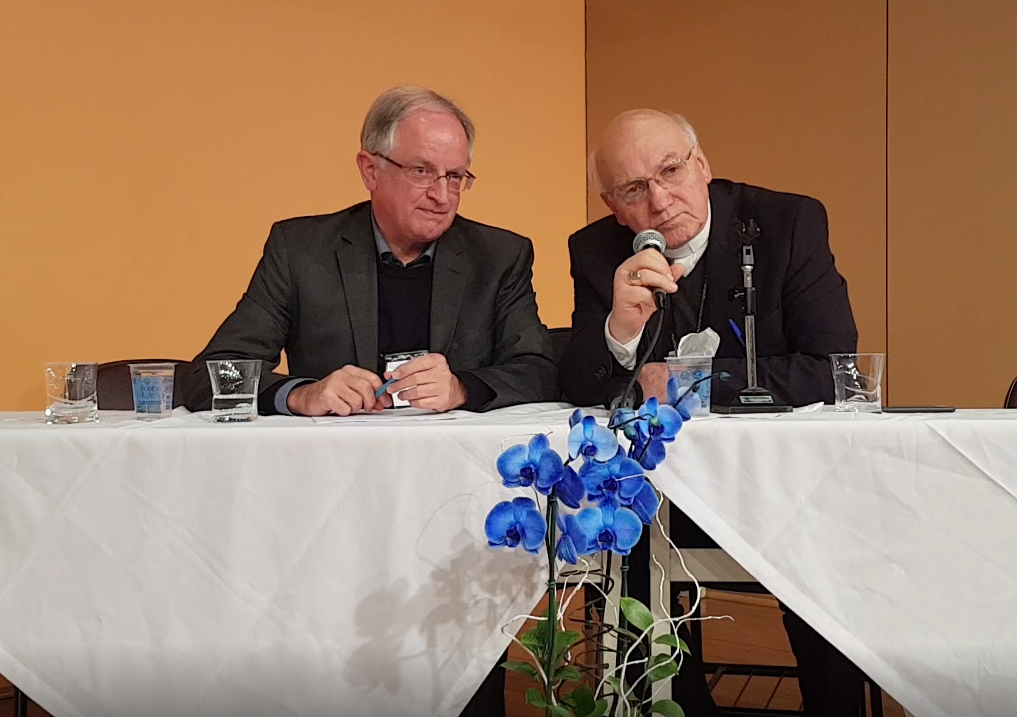
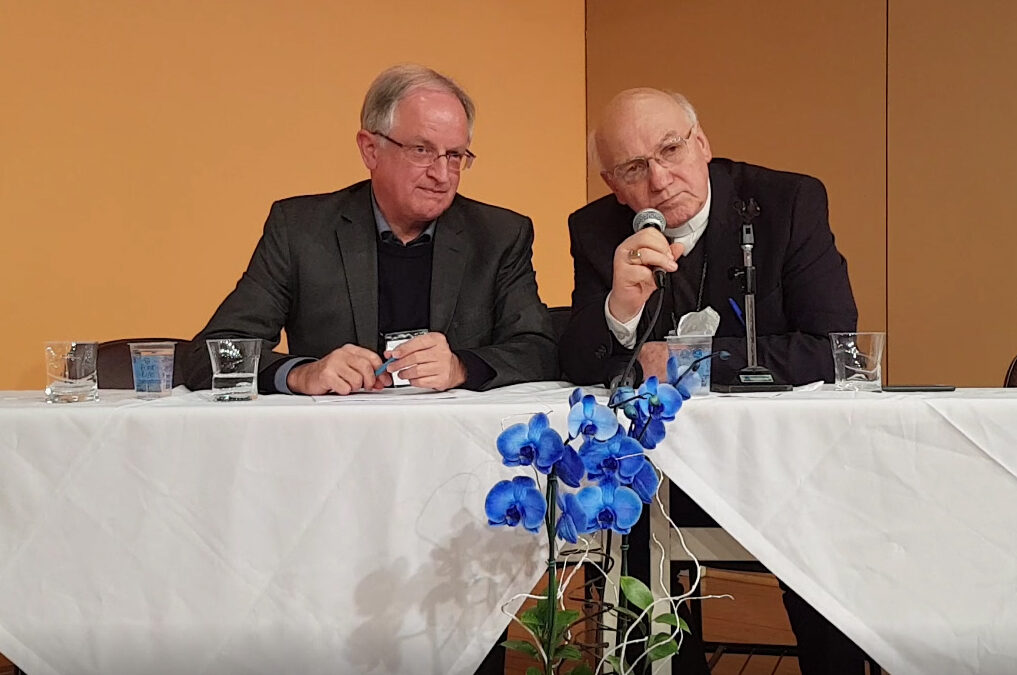
Fr Hubertus Blaumeiser and Bishop Dom Biasin, President of the Ecumenical Commission.
11 Oct 2017 | Focolare Worldwide
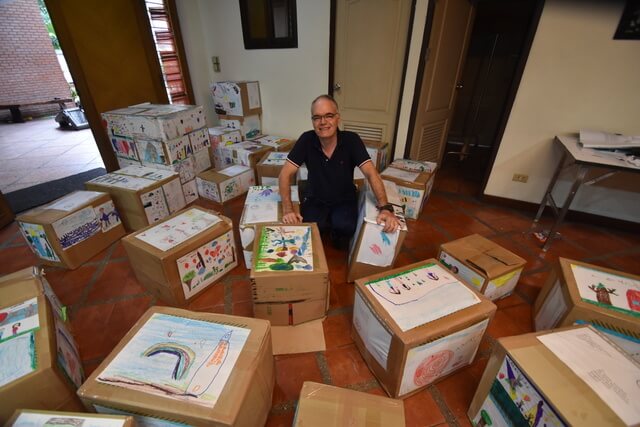 “We just got back from three days among the Karen refugees in Mae Sot, at the border with Myanmar. It was quite an experience, like any experience that brings you into direct contact with people’s pain.” Luigi Butori has lived in south east asia for many years, in one of the focolare or “hearth” communities of that region. “We loaded up the van, more than 30 crates that had arrived from Italy and took off with Glauco and Num, a Buddhist Gen. It’s now customary for us to make this 500 km journey every three or four months.” Mae Sot is a city of west Thailand close to the Myanmar border. It’s an important link with the nearby country, a place of refuge for many refugees and immigrants in general. They live in bad social and economic conditions. “These are our people,” Luigi writes. Those of them who have a job in the agricultural plants or in local industry are at times the victims of exploitation and paid starvation wages. But multitudes of refugees have found a refuge in the many camps that have been set up by international organisations that work in the border region, on Thailand territory. Many of the persecuted come from the Karen people. Their story is largely unkown. They’re simple farming folk who were forced to fun away. This is one of the many neglected conflicts which the media, however, considers to be of low intensity.
 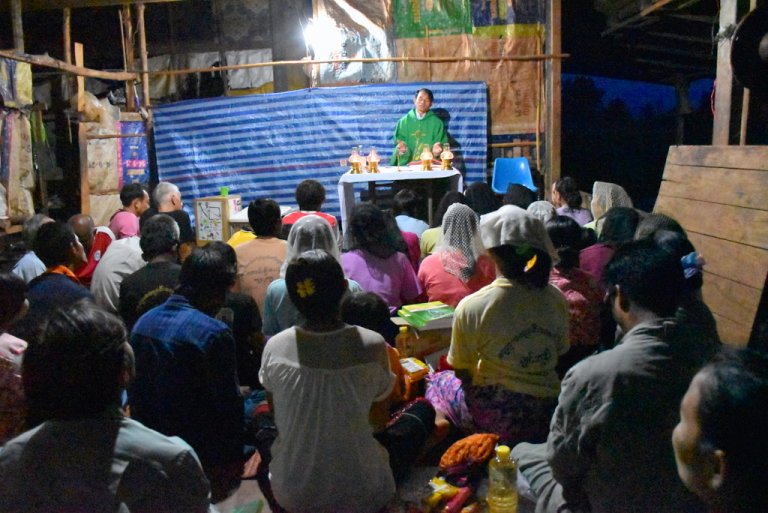 We had planned this trip a long time ago with Father Joachim, a Burmese priest who lives in Mae-Sot. Jim, another focolarino from Bangkok, met us in the morning, after a ten-hour overnight bus ride with a lot of checkpoints along the way. Every time you arrive in Mae Sot, it feels like you’re entering another world where values are changed. In the place of consumerism and comfort, we meet people without anything, yet they’re happy with the little they receive from us, and which we’ve recevied from many others from far and near. They know that we’re only there out of love for them: “This love that you bring to us is the reason why we carry on living and hoping,” they said to us more than once. We ate togetherw with them, which was a witness that spoke on its own. One evening we went into the midst of the camps and it was like walking into the middle of nothingness, with our van sinking into the mud and surrounded by the corn fields. It was all because we had to pick up a Catholic family and go to another location where forty Catholics were awaiting us for Mass. It was dark, rainy, and the place was full of mosquitos. We stood beneath a canopy in a large barn with a little bit of light. I suddenly started to think about the beautiful cathedrals in Rome where I lived five years ago. I thought about the paintings, the organs and the beautiful lights. That barn filled with mosquitos, with that gentle light and with all those people seated on the ground, seemed like a basilica to me. Because Jesus was there, spiritually, with us, in the midst of that crowd that didn’t have anything.” For several years Luigi has been the link between a schools twinning project that links Karen children in Mae Sot with those of Latina and with a group in Lucca, Italy and Poshiavo, Switzerland. With the funds and the materials gathered, it has been possible to build and start up a small school called “Drop by Drop”. “All of us in Class Four have met Luigi,” write the students from the C. Goldoni Elementary School in Latina. “We were happy to see him again, but mostly curious to hear the news about our Karen friends and their school. He showed us photographs and shared information about what’s going on up there. We were surprised to see how things that we consider totally normal – like a bathroom, a wooden bridge – for them is still something that is totally missing in their daily lives. Thanks to the Drop by Drop project we can build bridges of solidarity with our friends far away.”
10 Oct 2017 | Focolare Worldwide
In front of the situation that has been created in Catalonia, the Focolare Movement in Spain has launched a communiqué through which one commits to living a culture of dialogue, “a powerful tool that makes interests in others possible, entering into the reality they live, to know it, accept it and, inasmuch as possible, comprehend it. We consider plurality a positive challenge and enormous value.” Many initiatives are being promoted to solicit dialogue, especially with the political class. “We strongly support them, because we consider them to be signs of a mature democratic society that wagers on reconciliation.” The Focolare Movement in Spain simultaneously proposes a collection of signatures, in which the whole world can take part, with the goal of finding a path to peaceful coexistence in diversity, and the acknowldgement of the human dignity of every person and institution that represents them. It is a campaign of sensitization and commitment on the social network, under the hashtag #SoyDiálogo, which invites one and all to become active promotors of listening, respect, dialogue and peaceful actions.
2 Oct 2017 | Focolare Worldwide
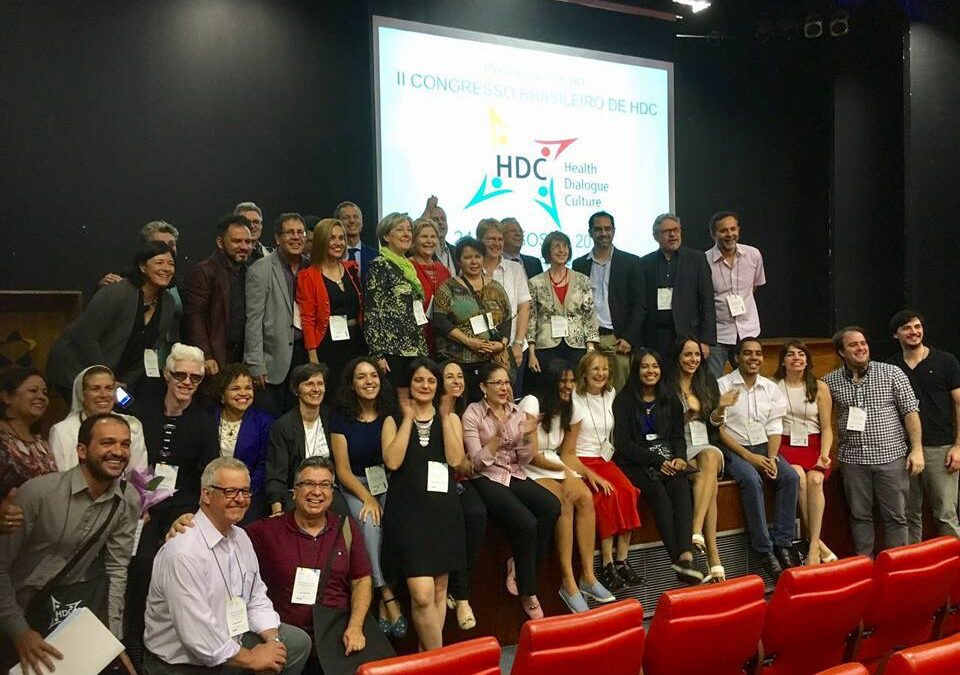
 Health as a common good and sustainability of care systems are topics healthcare operators have to face worldwide, especially with the progressive increase of the average life expectancy and the increased need for care. How can the sick be assisted in an effective and likewise sustainable manner? And also: is there a correlation between spirituality and the global health of a person? These were the themes discussed in the convention organised by the Health Dialogue Culture, an international network of healthcare practitioners established in 2003 to contribute through a vital dialogue with science, to a culture that respects life and the dignity and integrity of every person, in the perspective of the promotion of social and individual health. Inspired by the charism of unity of the focolare Movement, Health Dialogue Culture offers room for reflection in connection with practice, from which guidelines are to be drawn as a contribution to the debate on the need to create new paradigms for the healthcare systems. The congress was held as a continuing program with other previous events on the same theme, and particularly with the one held in Padua (Italy) in 2013, entitled What medicine: across globalization, sustainability and personalization of treatments, and with the Letter of Ethics which gathered the results.
 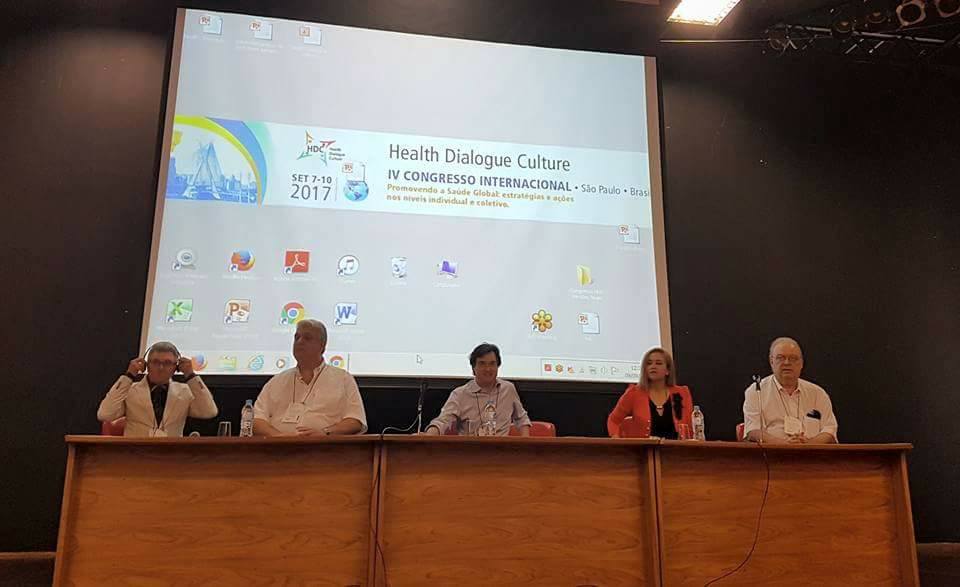 Among the new paradigms for the treatment of the sick person, the relational dimension is taking on an increasingly strategic role, that is, the set of relations at multiple levels (with the patients, among healthcare practitioners, and with the institutions) that revolve around the care issue. Long ignored in the drawing up of socio-healthcare models, also the spiritual dimension, wherever applied, has a substantial impact on the quality of life and the treatment outcomes. The Sao Paolo congress offered a structured programme with reports, labs, workshops, sharing of experiences and good practices, with a fruitful discussion on new methodologies to reach equity and accessibility to healthcare services at local and global levels. «The real challenge of this convention – the organisers said – was the cultural and professional wealth due to the variety of speakers and participants (over 270) and their coming from countries with the most diverse healthcare standards such as Congo, Cameroon, Norway, Venezuela, Chile, Paraguay, Uruguay, Benin, Amazon, Brazil, Dominican Republic, Spain, the UK, Italy and Austria. Particular attention was paid to the themes of disability, ageing, the methods in treating pain and suffering through palliative treatments and the training of operators (care for the caregivers).
 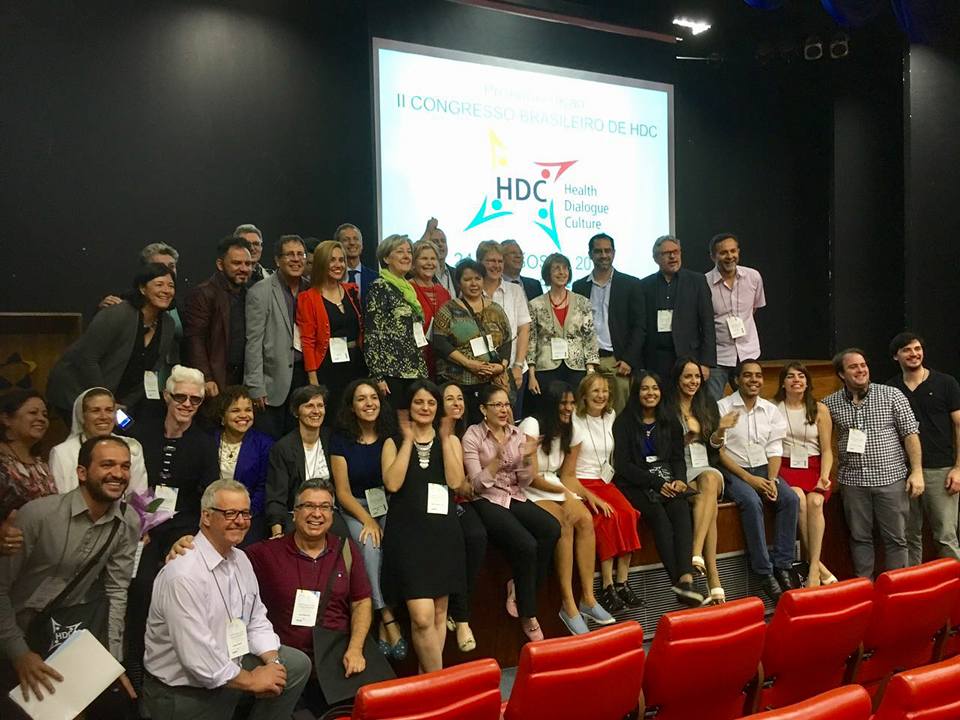 A specific programme was activated during the Congress with interactive sessions for students and young professionals of the biomedical area. A young student of medicine commented at the end of the works: “This congress has changed my ideas on medicine, with new ideas that make me a better person, and with the certainty that they also will make me a better professional.” A Brazilian doctor: “Science is not cold and distant. We have learned that we can practice science without forgetting the essence which unites us: Love.” Maria Voce, Focolare President, sent a message to the participants with the wish that they would “live their professions with a love that generates fraternity, all tending towards the good of the human family.” She recalled a phrase of Chiara Lubich was recalled: «Equilibrium of love lies in loving each single person next to us and working for the entire community from our own corner of life.”

27 Sep 2017 | Focolare Worldwide
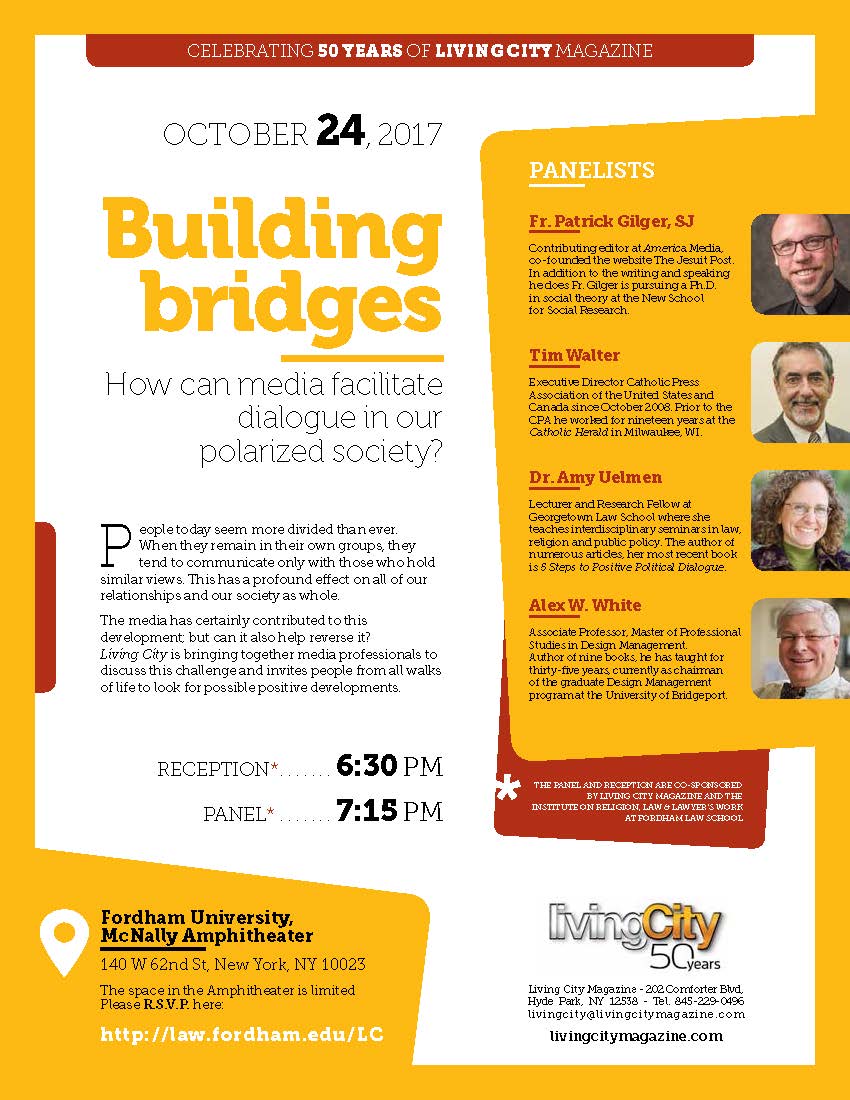 To celebrate its 50 years of activity, the English language magazine, founded in 1967 in New York as one of the 32 editions of the Focolare Movement, held a conference on 24 September entitled, “Building bridges: how can media facilitate dialogue in our polarised society?” at Fordham University in New York, with the contribution of professors and journalists. Living City is read and appreciated not only in the United States, but also in Canada, Australia, Ireland, Malta, New Zealand and many other English-speaking countries. Its readers are people of all ages and religious convictions. Recently it was awarded 5 prizes by the Catholic Press Association of North America.
