
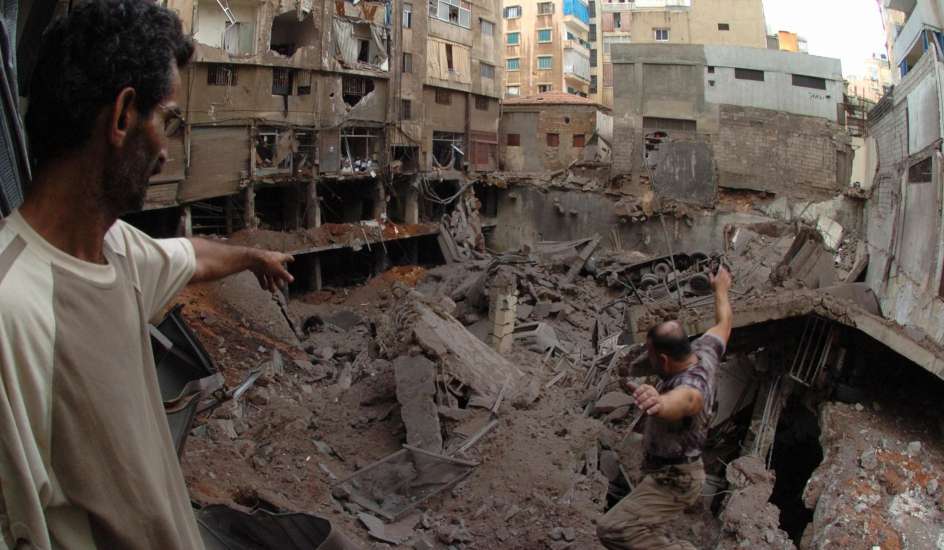
 “My country, Lebanon, was under Syrian control for many years. This is why serious tensions developed between the two countries. And it only got worse when a large number of Syrian refugees arrived: almost two million people. Compared to our 4.5 million inhabitants, it was almost half the population. “When the war began in Syria, some families from the Focolare community in Aleppo came to Lebanon to get away from the war for a while. After that, when the situation worsened in their country, they were no longer able to go back to their homeland and were taken in at a Focolare center. Within that hostile atmosphere, helping them was a decisive choice that went against everything. It meant that we had to make an effort to erase all the prejudices that the Lebanese have about Syrians. “We wanted to give witness to peace and love between us. We started by visiting them, building strong bonds with them. Parents, teens and kids – we all lent a hand so that these families wouldn’t feel alone in such difficult times. We spent the days together, organizing evenings and trying to lighten their load, listen and understand them. “While we could not resolve the problem between countries, we could at least build an oasis of peace around them. They didn’t have anything, having had to leave their country without bringing their things or clothes. We put what we had in common, collecting clothes in particular. These we offered them sensitively, since it was not easy for them to accept material help. “Their living conditions were hard. They were unemployed, in enemy territory, and often hoping to hear news about relatives or friends. We young people went to the beach together to try to ease the tense atmosphere. We started hanging out a lot, spending a lot of time together. We read the Word of Life so we could share our life experiences. We started to feel like we were part of the same family. “A year later, these families had to look for someplace to live. They were stressed and had a lot of financial difficulties. Yet together we believed in God’s providence. Searching with them for houses and work, we were quite aware of the difficulties we would face. We went into houses searching for somewhere for ‘our Syrian friends’ to stay, and we would get harsh reactions. For example, the apartment owners would charge extremely high prices in order to turn them away. “On their last day before leaving the center, one family still had not found a house or furniture. One of us reminded everyone that we had to have faith that God would intervene. To our great joy, the next day we found a house that didn’t cost anything, and someone else who was moving gave us their furniture, too. We also found schools for their children that cost very little. We started a French school with a group of teachers, which allowed the Syrian children to start school. “Now these families have left Lebanon and moved to Canada, Belgium or Holland. They wrote us to say that they felt so supported and at home in Lebanon. One family said, ‘Without the support of the Lebanese families, we would never have been able to start all over again so easily.’ “When they departed, they left what they had for other families who would come after them. Now we have three residences available that we use to help Syrian and Iraqi families who are in Lebanon before emigrating. We try to be always available to love them and safeguard these relationships of peace.”
Give thanks for gifts received
Give thanks for gifts received
0 Comments