
 The MilONGa project is the name for a thousand NGOs in action, and offers to young people of 18 and above, the opportunity to practice the role of protagonists in the social work yards of the world’s outskirts. The initiative is promoted by the Focolare Movement in synergy with other humanitarian organisations in the territory. To implement the project, the Focolare in the five continents placed their own facilities and their experience in the field of international relations at the service of the youth, to give them the chance to become promoters of peace and dialogue, in a constant effort to build bridges among individuals, peoples and cultures. Another objective is to develop in the youth those cross-linked competencies that can make them an active part in their own group and be able to influence decision-making processes and lifestyles in their respective social settings. This is a sort of “intercultural volunteer work” which gives the new generations a way of training themselves as protagonists in the change processes, while trying to capitalise on the assets acquired with the implementation of social projects in the world. It is an occasion to learn how to take stock – in the attitude of reciprocity – of the different cultural contexts, put into practice an active citizenship, and develop their own relational and leadership competencies. All of these happen in a continual synergy with the other actors of the project, and not as isolated individuals but in a programme of growth together.
 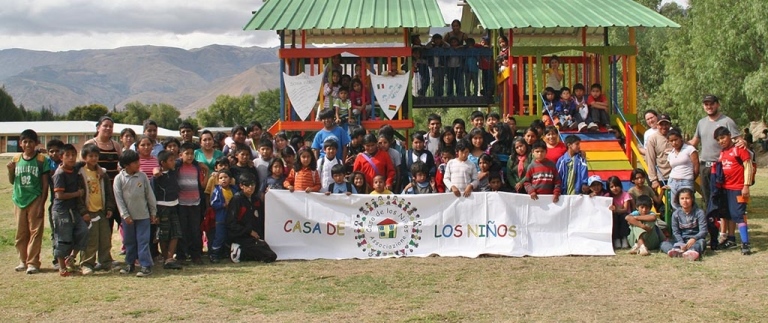 The first phase will provide assignments in the South American and Caribbean countries, to then extend to other areas where there are socially inclusive development activities that can host them, and where the youth may spend periods of one to six months, accompanied by local volunteers and tutors. Consult the portal United World Project to view the localities where volunteer services can be done and download the pdf file for registration. Subsequently, the regional coordinators will contact the subscribers for an interview, and assess with them a personalized proposal which also includes preliminary training (in collaboration with AMU, the Focolare NGO), informal teambuilding and networking activities, and present associations that will host them onsite. Upon reaching the destination, after a brief training period on the local context, the youth will start their established volunteer service, during which they will also be involved in cultural tours, participation in international events and recreational activities. For Europe, the agency in charge of the selection and dispatch of volunteers is New Humanity, for the Spanish-American regions, the Sumá Fraternidad, and for Brazil, Sociedade Movimento dos Focolari. Gustavo Clariá Website Milonga Facebook Info: mariachiarahumura@gmail.com
Learn from everyone
Learn from everyone

0 Comments