
The journey in Asia and Oceania of Margaret Karram and Jesús Morán, President and Co-President of the Focolare Movement, continues towards the Fiji Islands after concluding the second stage on Japanese land. Here you find some updates on their stay in Japan. ありがとう Arigato Thank you 思いやり Omoiyari Care for others 健康 Kenko Health 平和 Heiwa Peace 美しさ Utsukushisa Beauty 正直 Shojiki” Honesty According to a survey by the Japanese national TV NHK, these six words are the ones Japanese people love most. They well describe the soul of this people and the value they place on harmony in social life and with nature. Margaret Karram and Jesús Morán, President and Co-President of the Focolare Movement, with the Focolare Centre’s delegation immersed themselves in the very rich culture of Japan for the second stage of their journey to East Asia, from 25 April to 2 May 2023. The Church in Japan: recreating community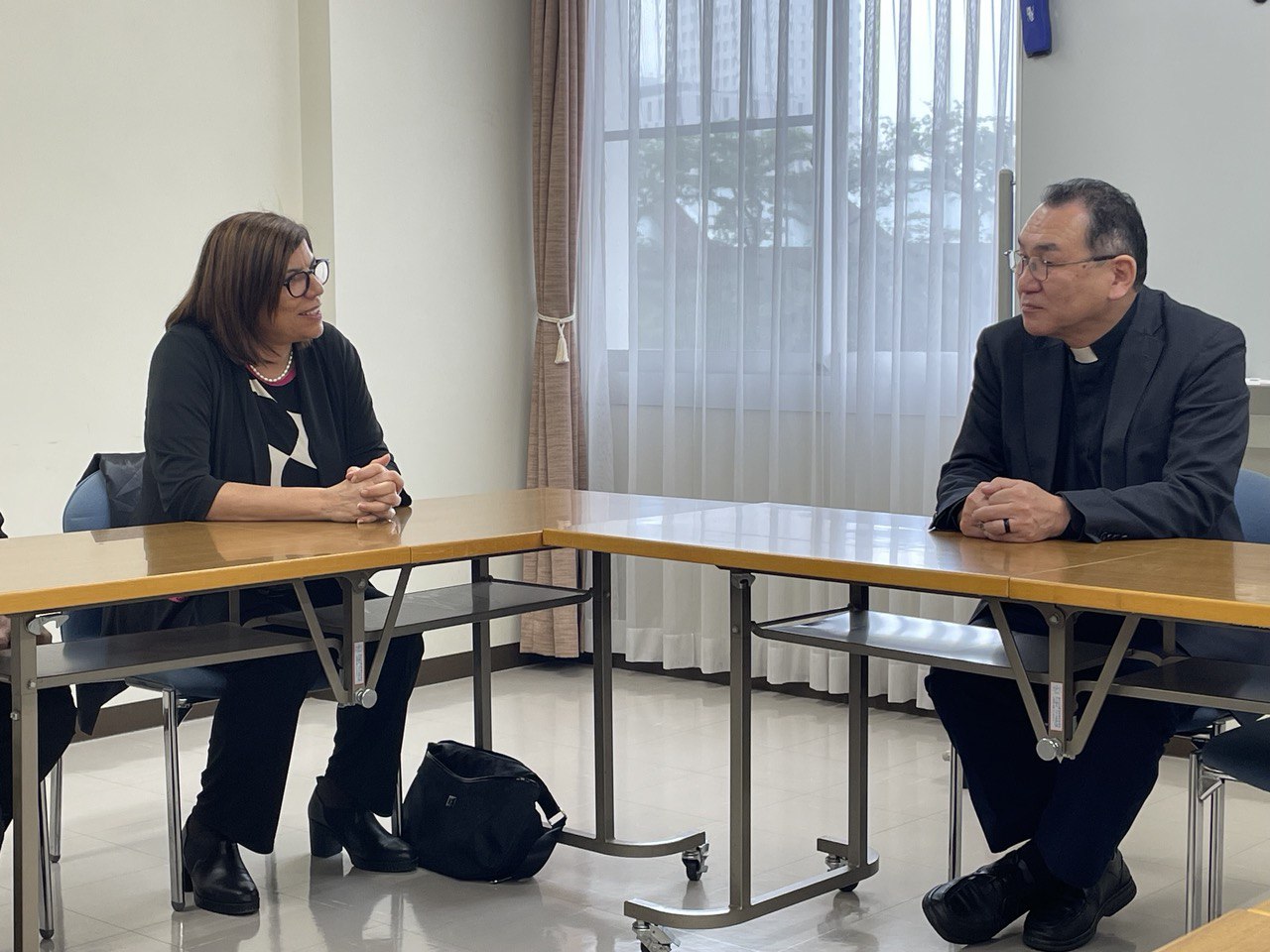 The doors to the “Land of the Rising Sun” were opened to them by the Archbishop of Tokyo, Archbishop Tarcisius Isao Kikuchi. He described the local Catholic Church as “small and silent”. There are 536,000 Christians who form 0.4% out of a population of 130 million where Buddhism and Shintoism are the majority religions. It is difficult to know which is the main one, since many Japanese follow both, and so there is a tendency to bring together different aspects of various religions. He explained that the current lifestyle is leading to a disintegration of the family, and this causes people to feel lonely and cut off. “There is a need to recreate community,” he said, “and the Focolare can help the Church do this. I encourage you to make your spirituality known to the bishops first (there are sixteen in Japan), so that through them it reaches the communities’.
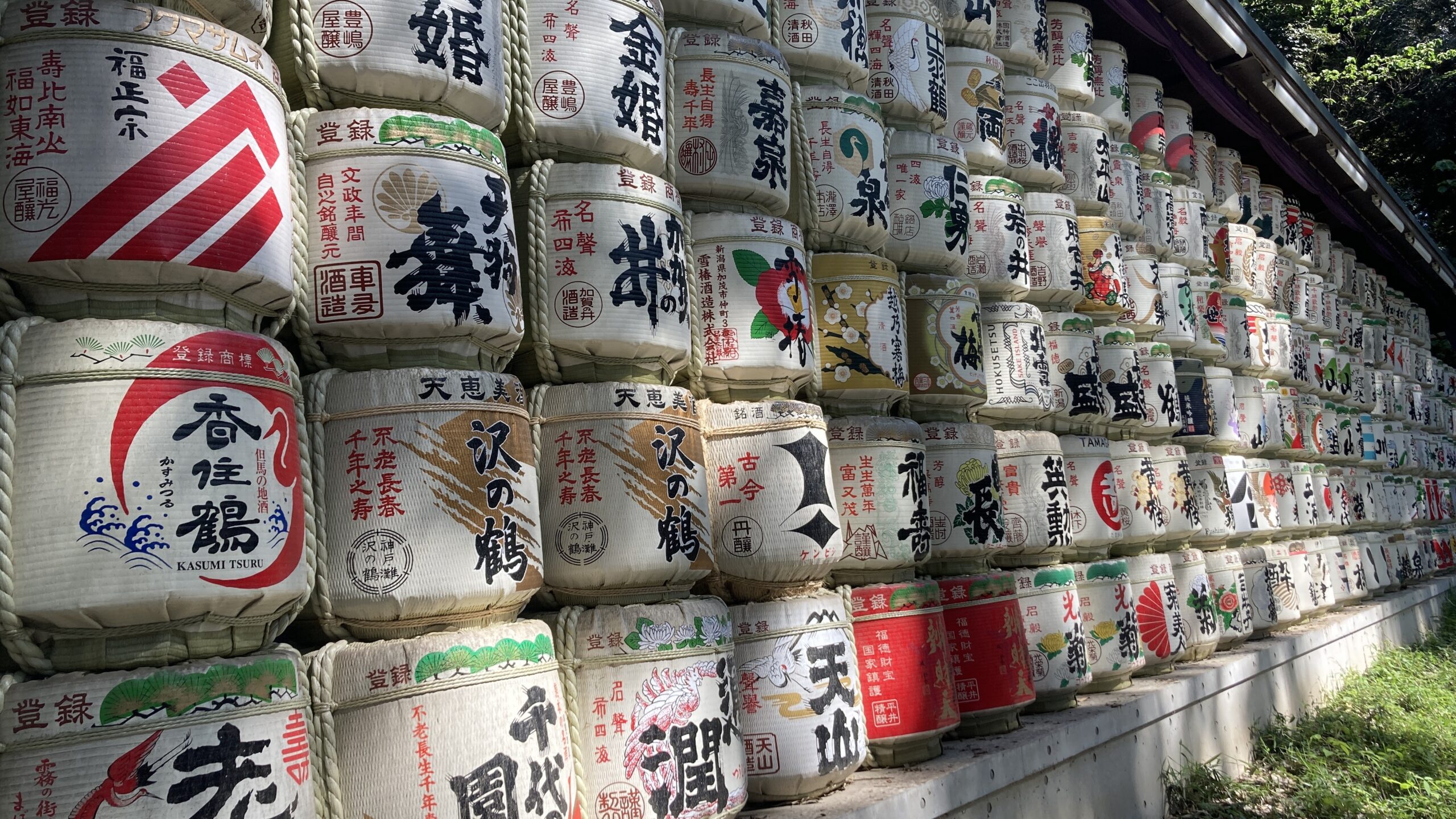
 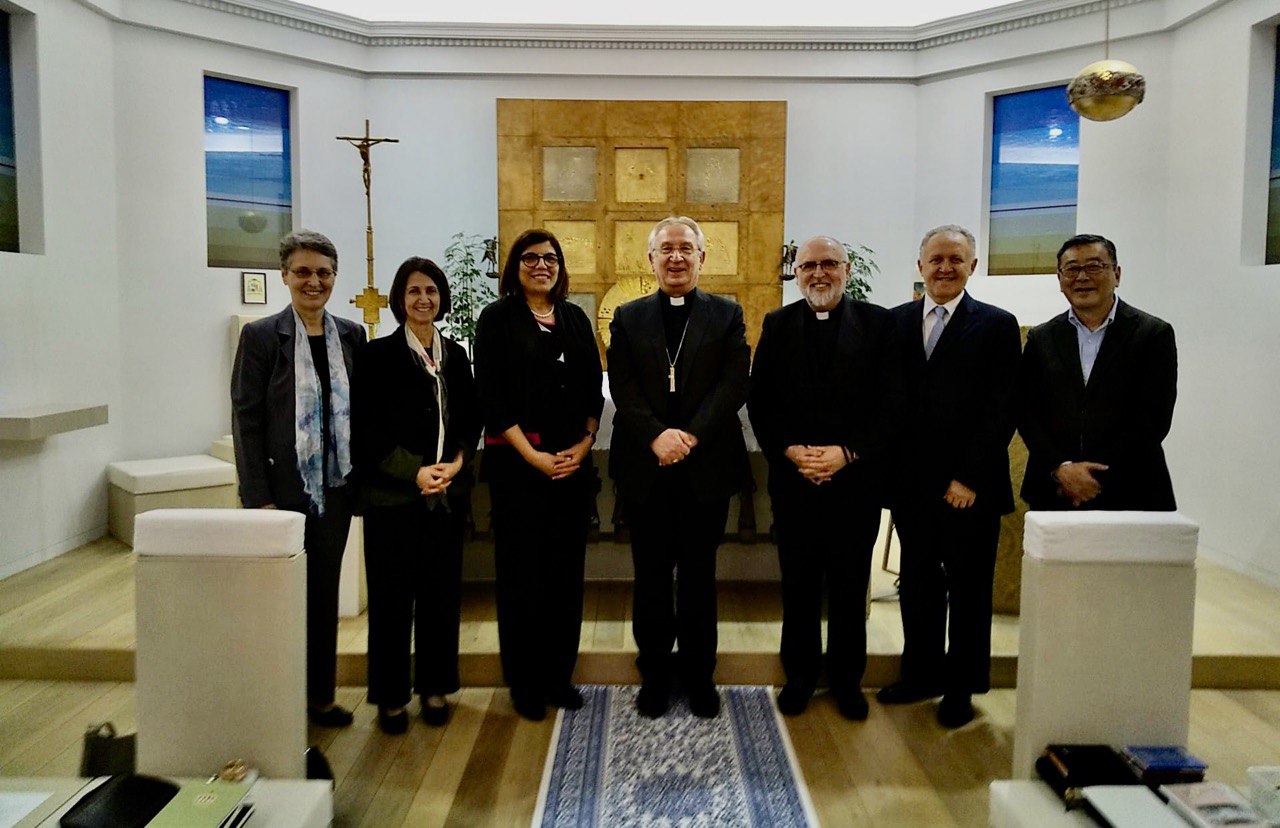 The conversation continued during the visit to Archbishop Leo Boccardi, Apostolic Nuncio in Tokyo. Christians are only 2% of the population of Asia. So, what is their role? The Nuncio too encouraged the Focolare to spread the charism of fraternity. “In Japan there is order and respect among people,” he explained, “but there is also a lot of indifference. The pandemic has left an open wound: we must rebuild relationships”. “I have seen a church being born,” Igino Giordani (Foco) wrote as early as 1959. He perceived the sacredness of this country’s Christian history when he went to Tokyo at the invitation of the Canossian Sisters. He was the one who sowed the first seeds of the spirituality of unity in this country. The focolares only arrived in 1976 and ’77 and today there are three, located in Tokyo and Nagasaki. The community numbers about a thousand people scattered over the five main islands of the Japanese archipelago. Living between modernity, tradition, and a thirst for spirituality Eight days, however, are not enough to get to know the soul of a people in depth. For Margaret Karram and Jesús Morán, every meeting and conversation was precious, as was the visit to significant places in Tokyo such as the Shintoist Menji Jingu Shrine or the ultra-modern district of Shimbuya. This is how Japan expresses its great variety: it is one of the most highly developed countries in the world yet is firmly bound to tradition. Society is very homogeneous and fosters the common good over that of the individual. This people has great sensitivity, gentleness, and pays attention to others, as well as a great capacity for work and a sense of duty.
  The Japanese are guided by the ‘feeling of the heart’ that knows how to grasp what is essential from concrete facts. And it is significant that the first meeting President and Co-President of the Focolare had was with the young people of the Movement, the Gen. They shared with one another in a harmonious atmosphere of simplicity and family. There was the same depth of relationship and sharing in their meetings with the focolarini and volunteers. Jesuits and Focolare together, a sign of hope for the world On 29 April, the Catholic university in Tokyo, Sophia University, hosted the eagerly awaited symposium “Can we be a sign of hope for the world?”, to which Margaret Karram and Jesús Morán were invited as speakers. The seminar offered an exceptional opportunity for dialogue between two charisms: the ‘historical’ one of St Ignatius, which brought Christianity to Japan in the 16th century, and the charism of Chiara Lubich. The focus was on the subjects of dialogue and unity in a social and religious context which is thirsting for spirituality. The other speakers were Fathers Renzo De Luca, the Jesuit provincial in Japan, Augustine Sali and Juan Haidar, lecturers at the university. The potential of this synergy emerged clearly from the talks. Margaret Karram began by saying that hope is what humanity needs most and it can be found if we engage in dialogue, even with those who are very different from us, without ever wearying. And she concluded: ‘The small and large efforts towards dialogue that each one of us can make, in building heartfelt and warm relationships, are the solid foundation on which to build a more fraternal world’. Fr De Luca explained how dialogue has been part of the DNA of Japanese Christians since the beginning. “During the persecutions, they did not reciprocate the violence they received with more violence, which is why the Popes have presented them to the world as a model”. Fr Sali reflected on the challenges of the Japanese Church in the face of secularisation, a church which must find new pathways for dialogue to offer Christian spirituality to people everywhere. In his talk, Jesús Morán explained that the Synodal path, that the Catholic Church is taking, can be an answer, but only if it is animated by communion-fellowship. “Communion and synodality naturally lead to a new encouragement to dialogue, which is increasingly necessary given the growing polarisation of societies at all levels”. Fr Haidar returned to the theme of hope and assured all present that “We have no reason to lose hope, because good is stronger than evil and God is always on the side of those who do good”. One of the symposium participants defined this shared reflection by Jesuits and the Focolare, as a “chemical reaction” that can produce new life. “I realised that dialogue requires courage, perseverance and patience; above all, I have to start doing it myself”.
 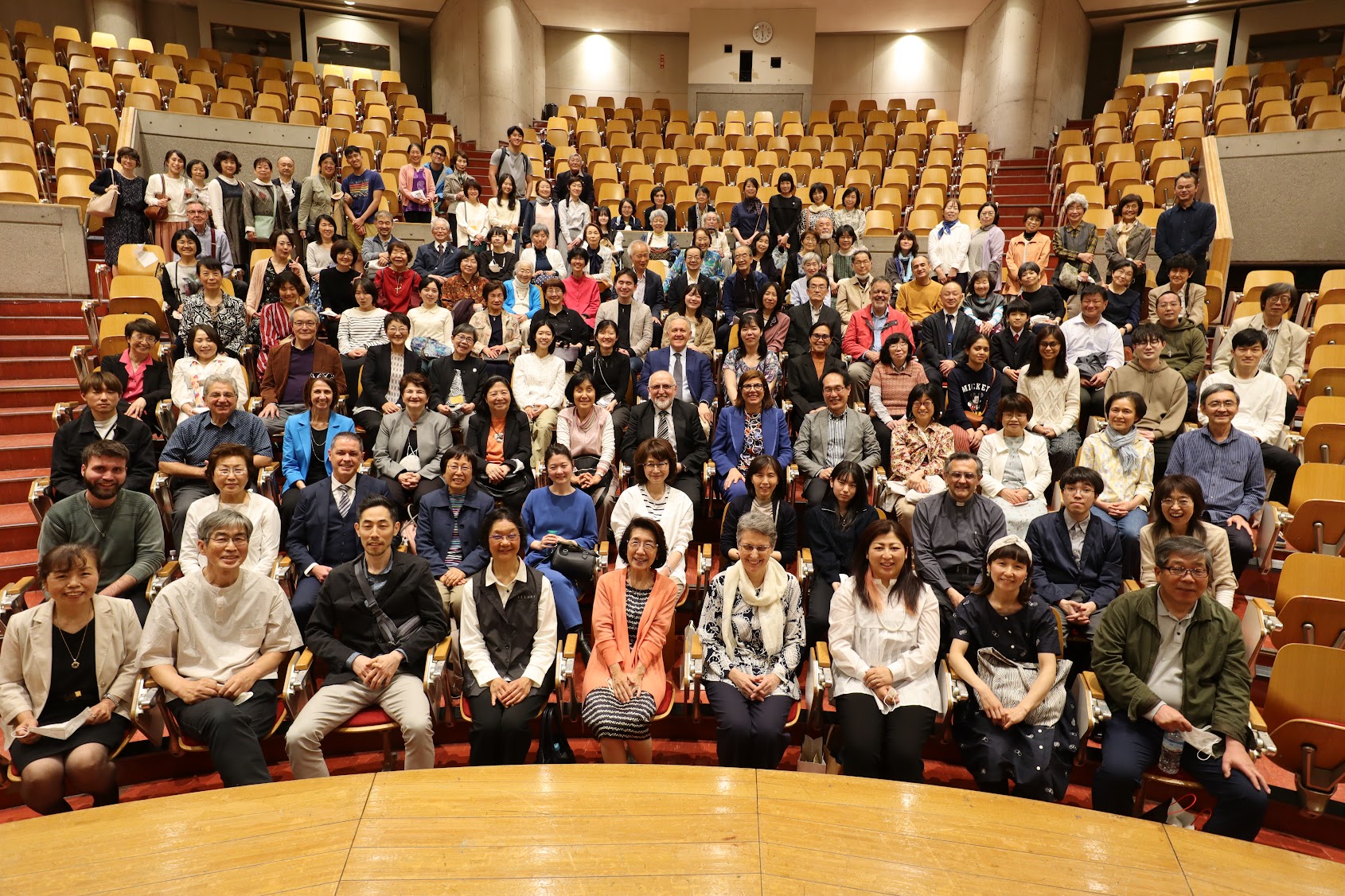 “Open your hearts to everyone”, Margaret Karram’s message for the Focolare community “We are here because we want to share what we have received as a gift from God,” said Natzumi and Masaki at the start of the meeting with the Focolare community in Japan that same afternoon. There was joy and emotion in being together in person for the first time in almost three and a half years, after the pandemic. The experiences shared spoke of great faithfulness in living the Gospel in daily life in a social context that is often hostile, due to indifference or social distance. One volunteer touched on a challenging issue for all Christians in Japan: the difficulty in handing on the faith, especially to the younger generations. “If you live the Word,” Jesús Morán replied, “you can be sure that you are giving Jesus. Usually we want to see results, but Jesus is not interested in this because He wants to touch people with His life. Let us give Him everything, then He will reap what He wants and how He wants”. “Do you have a message for the Focolare community in Japan?” This was the last question that came as a surprise for President and Co-President: “The message is dialogue,” Margaret Karram replied. “I encourage you to have a new openness of heart towards everyone. It is true that Christians are a minority here, but our vocation, as members of Focolare, is to go out to others, courageously, and to open up new paths that can help build fraternity and a peaceful world’. Jesús went on: “Our specific lifestyle is to live unity and so each one of us is fully in our vocation. We are a ‘sacrament of God’s love’ for others, as Chiara Lubich says. May no one feel alone, but go forward together, because faith is lived together’. Visiting the Rissho Kosei-kai: we are one family On 1 May, 42 years after Chiara Lubich’s visit, Margaret Karram and the Focolare delegation accompanying her, entered the large sacred hall of the Rissho Kosei-kai (RKK) Centre. It is difficult to describe the joy and emotion, visible on everyone’s faces: it was like an embrace between brothers and sisters who have been journeying together for many years. This warmth was expressed by President Nichiko Niwano and his daughter Kosho.
 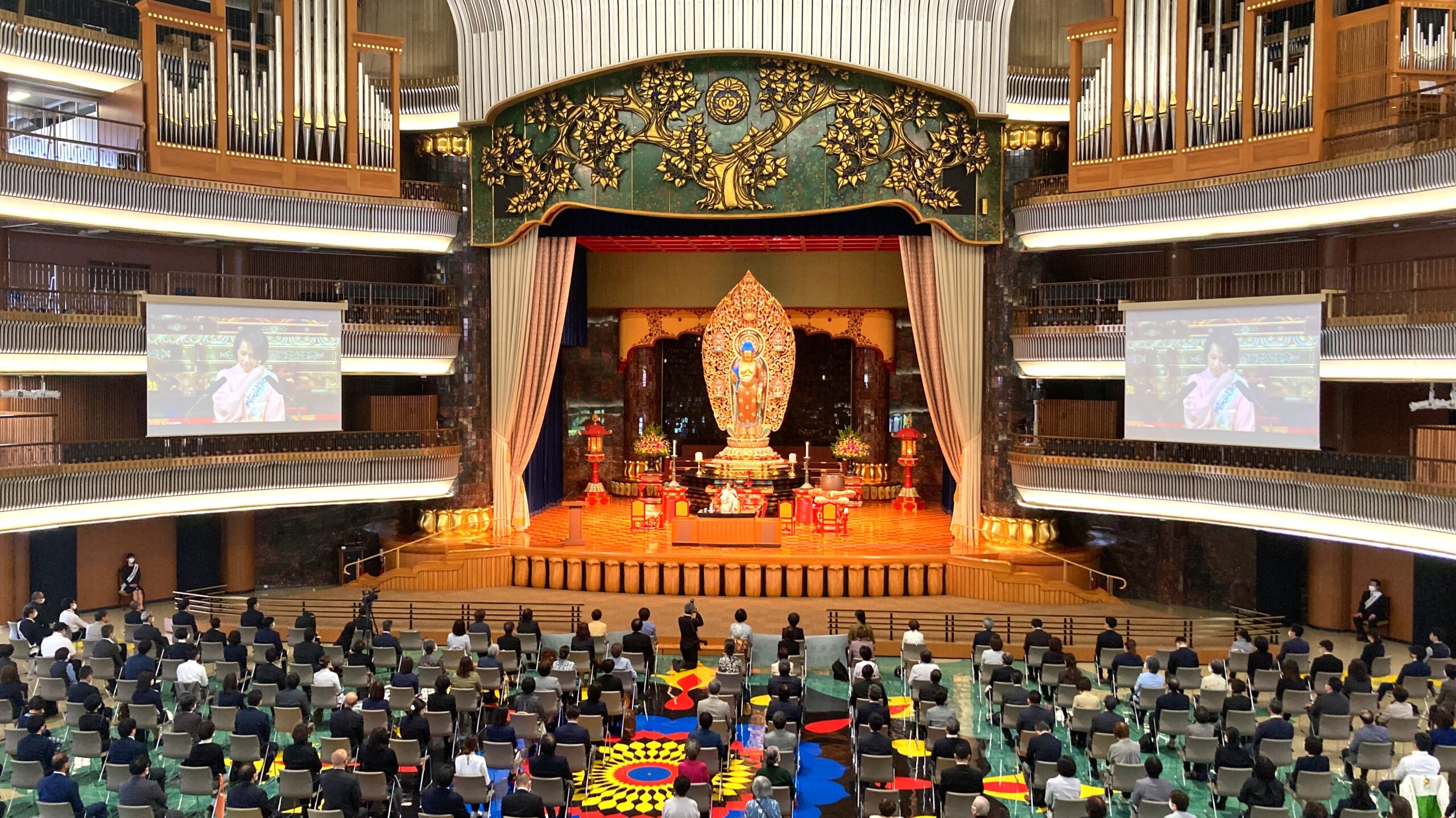 The Rissho Kosei-kai is a lay Buddhist movement founded in 1938 by the Reverend Nikkyo Niwano. It has about one million followers in Japan, and centres in several countries. It is very active in promoting peace and well-being through humanitarian and cooperative action. In 1979 Nikkyo Niwano met Chiara for the first time. Speaking of her he said, “I have met an extraordinary person with whom I can live in fellowship.” Since then, the relationship between the two movements has never been interrupted. ‘Today we are here as one big family,’ Margaret Karram said in her greeting to the many people present and those following the ceremony online, ‘What all humanity holds most dear is the supreme value of peace. (…). Together we can be a sign of hope in the world; together, as one family, our two Movements can be like small lights shining in society, living compassion and love, which are our most powerful weapons”. Nichiko Niwano responded saying, “Today is a day we will not forget; it is a day to be grateful for because our movements are meeting together. We are like members of one family, and we have so much in common. “It is the dialogue between us that makes this happen,” continued his daughter Kosho, who in the future will succeed to the RKK presidency, “I thank my grandfather Nikkyo Niwano who made dialogue and meeting others the foundation of my life. “We experienced a morning of recollection and sacredness,” Margaret Karram concluded, “and I am bringing with me what I have learnt thanks to you: to always be grateful for what I receive as a gift. I renew the Focolare’s commitment to go forward together to fulfil the dream of a better world”.
Stefania Tanesini

0 Comments