

Maurizio Certini
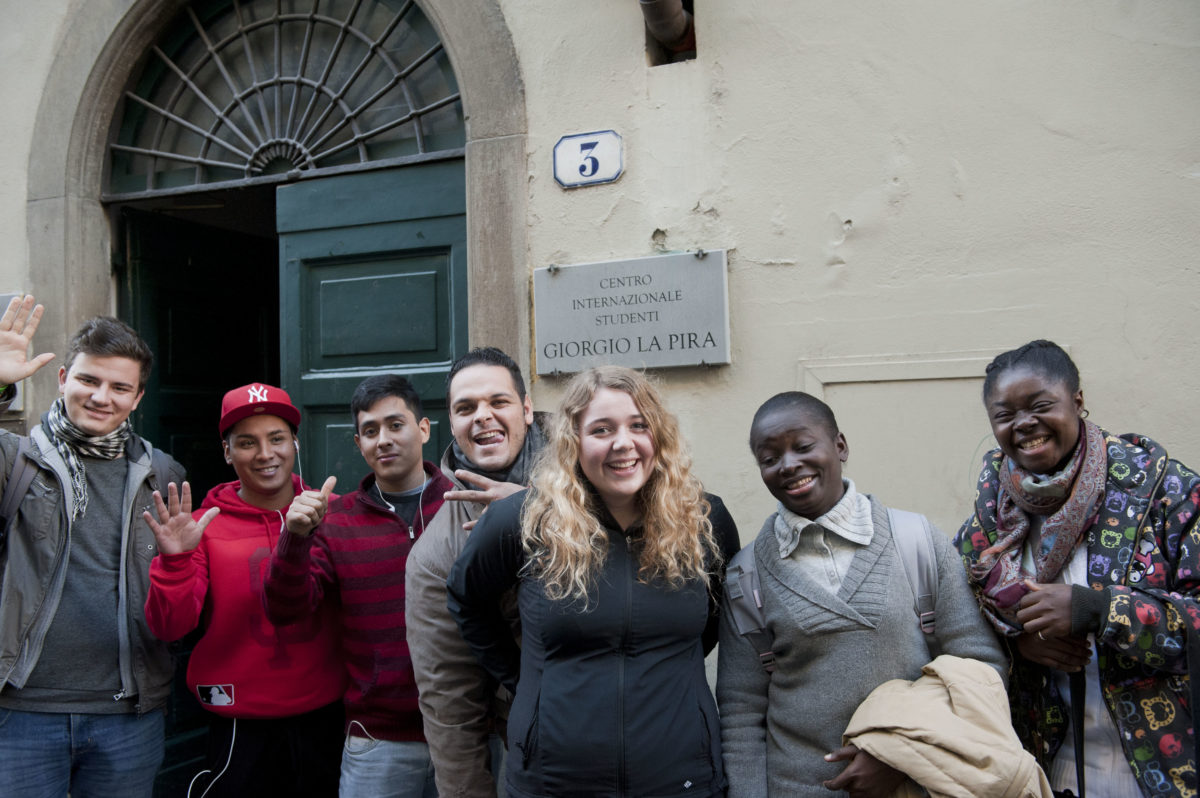 What is the situation now, forty years later? Of course, living conditions for overseas students, who are very able but without much financial support, have certainly improved, thanks to their being exempt from taxes and to the availability of accommodation and canteens. Nonetheless, coming here to study still poses significant challenges. They are far from home and have to look after themselves; it is hard to study in a cultural context they know very little about; there is a great deal of bureaucracy and also the attraction of consumerism. When you get to know the stories of these young people, you are struck by their courage and fortitude in tough times and their perseverance in facing difficulties. More serious problems can arise in the second or third year when, even though they are willing and highly motivated, they don’t get enough credits to stay in the university residences. Suddenly, it is as though they are standing on a precipice, and that can make them start going downhill, which eventually leads to them abandoning their studies and their dreams being ruined. How many young people have passed through the Centre? A huge number. We were keen to address their needs and find solutions, so as to give them hope. Many of them were disappointed and discouraged but managed to pick themselves up and finish their studies. Studying at an overseas university is a unique opportunity both culturally and professionally. However, special attention is needed to link the academic aspect with their need to connect among themselves and with others. This needs to be coordinated and be sensitive to cultural and religious differences, putting the students themselves at the centre, accompanying them in an integral way.
  Can an association supported mainly by volunteers have an impact on politics and society? Giorgio La Pira often quoted the words of the great renaissance architect, Leon Battista Alberti: What is a city? It’s a big house for a big family”. Today the whole world is a global city. Through our work, we look at the world’s cities through the eyes and stories of our many “guests” and we are open to reciprocity. The word “ospite” in Italian means both host and guest. At the Centre we seek to generate community knowing that we are in an ever more pluralistic social context. We need people who are open to dialogue and who can integrate with one another reciprocally. Today people’s need for community is particularly strong: the world is always in a rush, it’s alienating; there is growing violence, lies, suspicion and fear. Our little ‘field of action’ broadens out every day to the level of citizenship, both national and international. We believe we can win only if we generate community, wanting to build up society as a civil body, putting the human person and their dignity at the heart of everything we do. By Chiara Favotti
0 Comments