22 Mar 2016 | Focolare Worldwide, Senza categoria
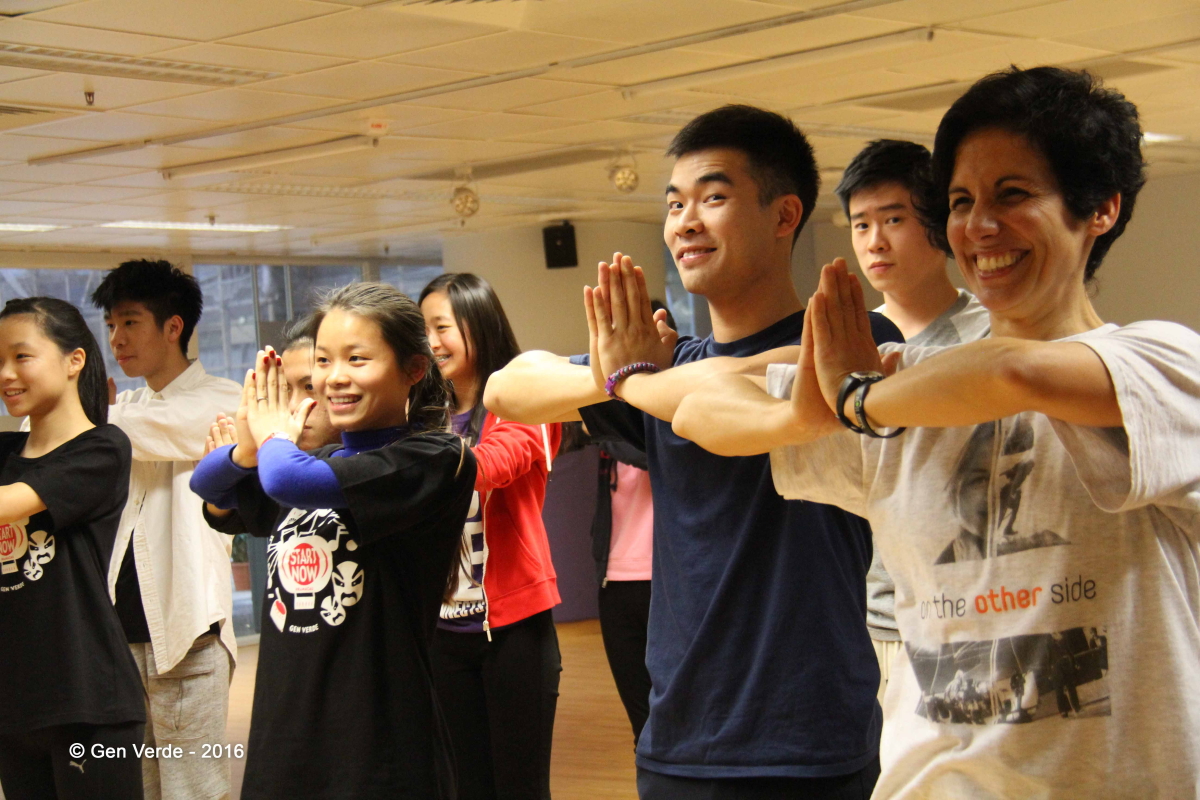
 “It is the most beautiful and moving concert I have ever attended.” “Your music soothes the soul.” “I can no longer be indifferent to the world around me: I have to do something.” These are some of the impressions with which the audience expressed their enthusiasm for “On the other side,” the latest concert of the international band Gen Verde, given in Hong Kong, Macao and four cities of Taiwan (Haulien, Taipei, Kaoshiung and Taichung). Gen Verde is an international all-women band with members from 14 countries and four continents. They cover all the roles: authors, composers, musicians, dancers, lighting, video and sound technicians, management, etc. In theatres and stadiums filled to the brim with enthusiastic audiences, these women offer a programme interwoven with their own life stories, portrayed through music and drama, through which they give voice to their ideal of unity, presented as the key elements urging humanity to move towards universal brotherhood. Various pieces, complete with choreographies, unfolded to the rhythm of an engaging style of pop-rock music of various shades which all went to underpin this theme, while the backdrop projected significant key words, graphics and images of great historical impact.
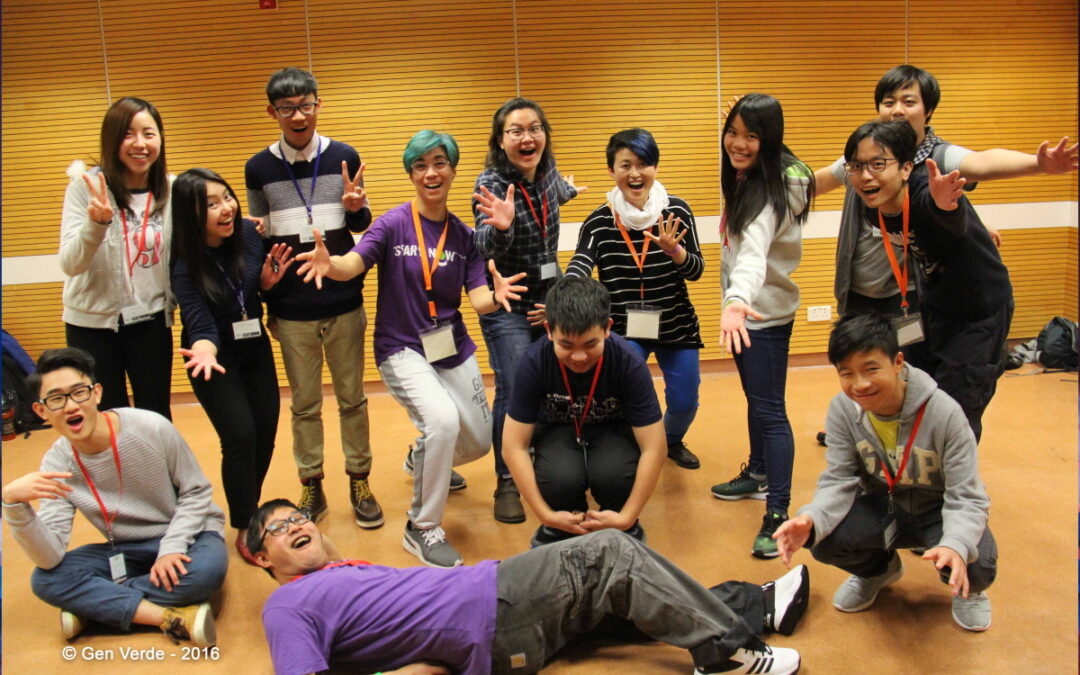
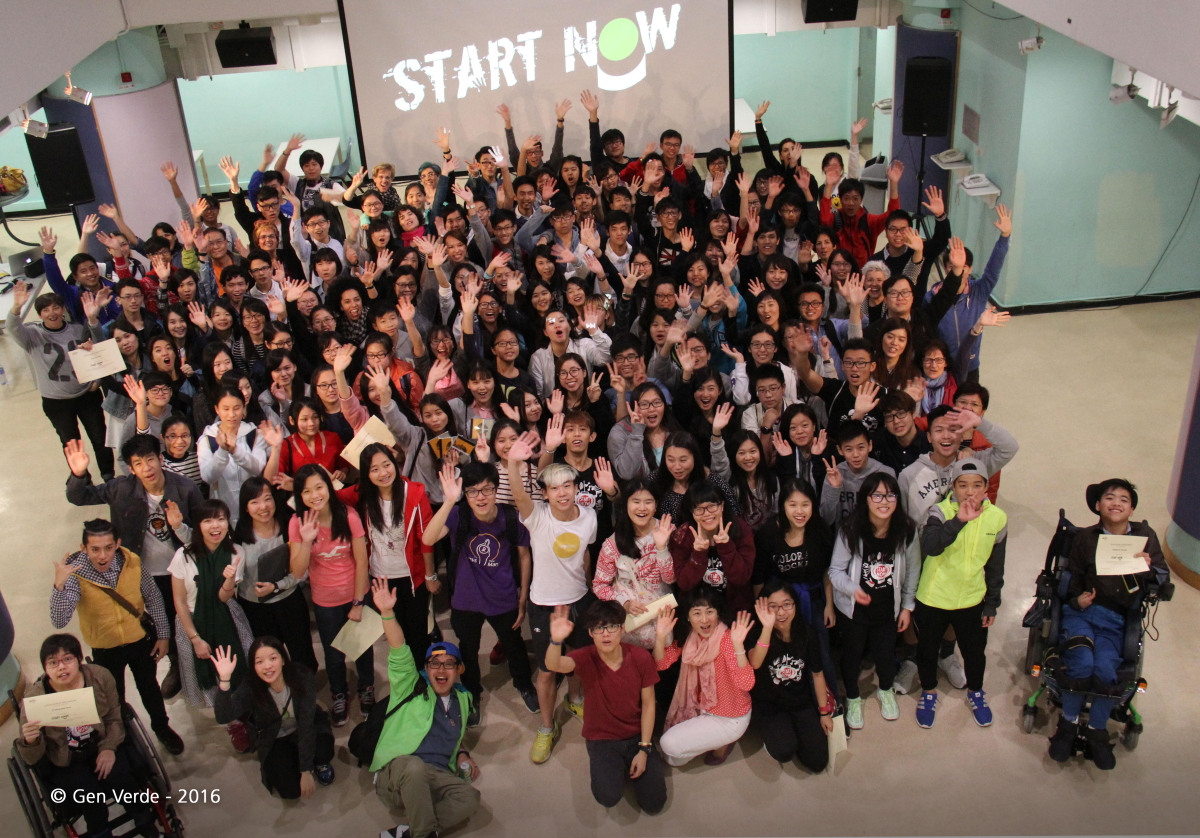
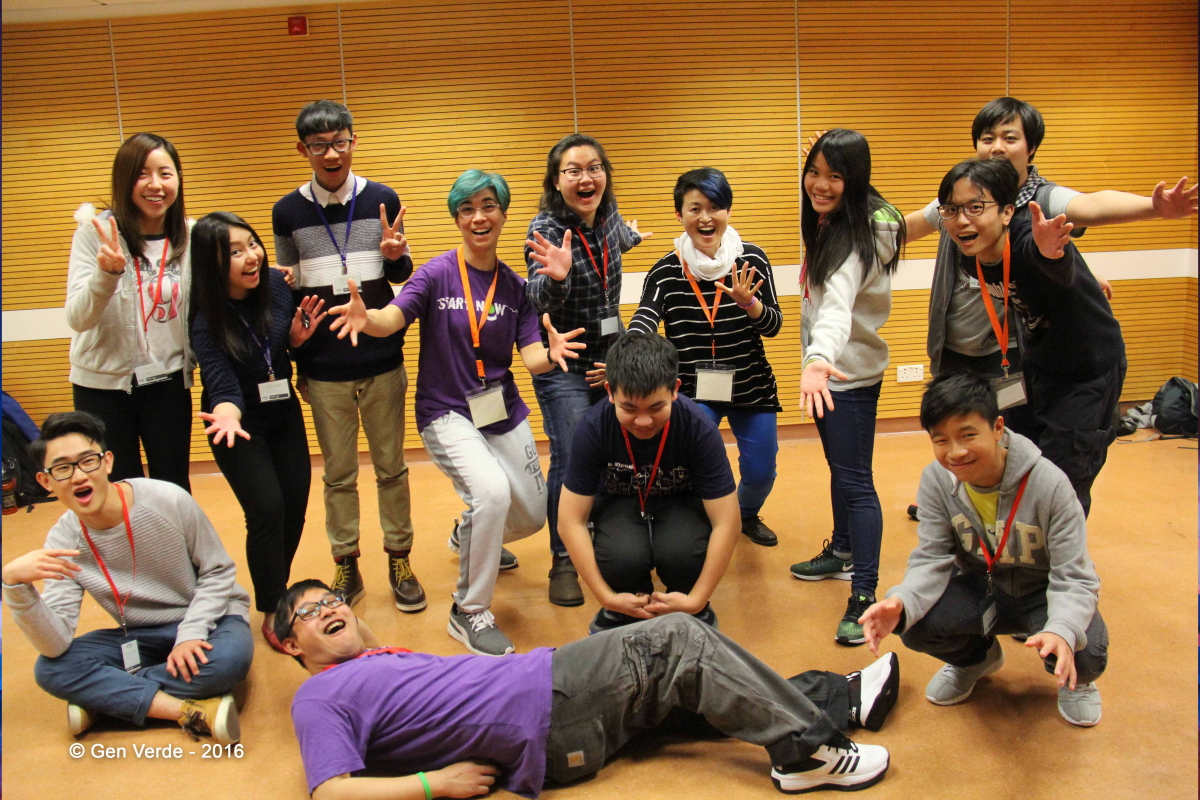
  Since some pieces were presented in the local languages, the message came through loud and clear. In addition, in the days preceding the concerts, in three of these cities, the band involved the high school and university students in the “Start Now” project with the support of the local Focolare community. The universal language of music and the arts led the youth to undertake a dialogue beyond their differences, to build the show “together.” The fact was that, in every piece, participation and enthusiasm were so vital, that the workshop participants gave the same commitment as the artists in launching their message.
  For Gen Verde, meeting the Asian youth was important, to see that also at this latitude, the expectations of the new generations are to share their experiences and move away from stereotyped images and give a mark of trust and altruism to their lives. “Many of them – a member of the group said – confided their difficulty in living in an extremely competitive society where they are always under pressure to excel. At the same time they demonstrated great sensitivity to the themes of the environment, peace and universal brotherhood, and dialogue with all.” “You have given us hope, courage, energy and enthusiasm,” one of them wrote to Gen Verde. And a girl said: “In all sectors we are pushed to be top of the class: instead we learned from you that we must follow our conscience and be true to ourselves.” A businessman said: “Looking at the young people this evening I would say, with youth like this, Hong Kong is saved!” After the rioting that a few days earlier had traumatized the city, the concert re-lit the fire of hope in him. To live for a united world wherever we are. This is the message that remains in the hearts of those who meet Gen Verde, whatever culture or creed they profess, because in each of them is imbued the conviction that together comes the strength to make the world a better place. See Photo gallery Hong Kong and Photo gallery Taipei
21 Mar 2016 | Focolare Worldwide
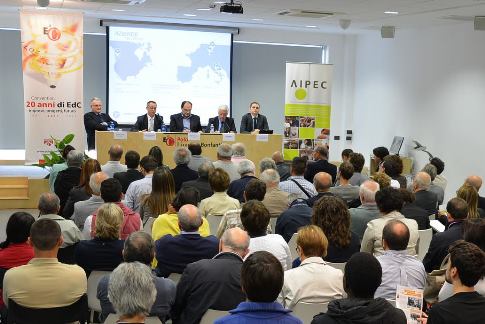
 “I’ve been running the family business for more than 40 years,” says Livio from the Italian Province of Cuneo (Italy). “Along with me there is my wife, our 4 children and my sister. Along with our 28 employees we deal in galvanic treatment of dumbells, tanks, motorcycles, mufflers, automobile parts, fitness equipment, and so on. The chrome coating is good for appearance, but most of all for preventing rust. For several years now our business has been applying the values of the Economy of Communion, a project which joins the need to generate profit with the aspiration to help the needy and put people at the centre of things. This goes for employees, between shareholders, with clients, providers and competitors. Following a long period of almost constant growth, we were unexpectedly hit by the serious crisis that still affects many companies like ours. Of course, we’re not going to give up, and we continue to do all we can to find new clientele – and we never stop believing in this new way of understanding the economy.
 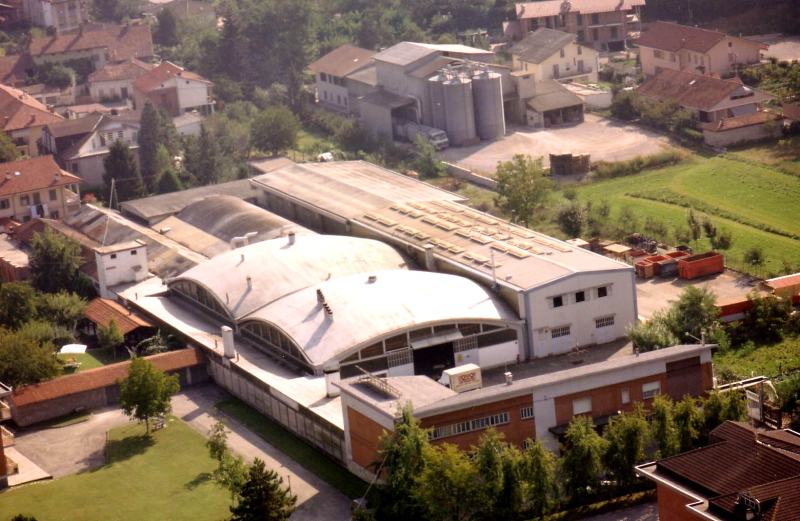 In 2014 we welcomed three members of an important German automotive group who were potential customers. After the technical presentation of the company by our children and other collaborators, seeing that the visitors were so impressed and so curious we spoke to them about the Economy of Communion and its growth throughout the world. We also told them about the AIEC in Europe and AIPEC in Italy (of which I’m the president): two business owners associations whose members run their businesses inspired by the “culture of giving”. Eventually, while proposing an interesting job offer they remarked: ‘We’re surprised that despite the fact that your production company has such limited forces, you were able to create a galvanic process which is actually quite complex’. The processing systems and many years of hard work certainly had something to do with it, but also the stories of some of our experiences during the lull periods when we didn’t have much business and hired several migrants and two young people who were in the midst of serious problems, and of everyone’s commitment to live in a relationship of brotherhood also outside working hours. We think that another factor was our way of giving priority to relationships in a healthy detachment from wanting to do business at any cost.”
 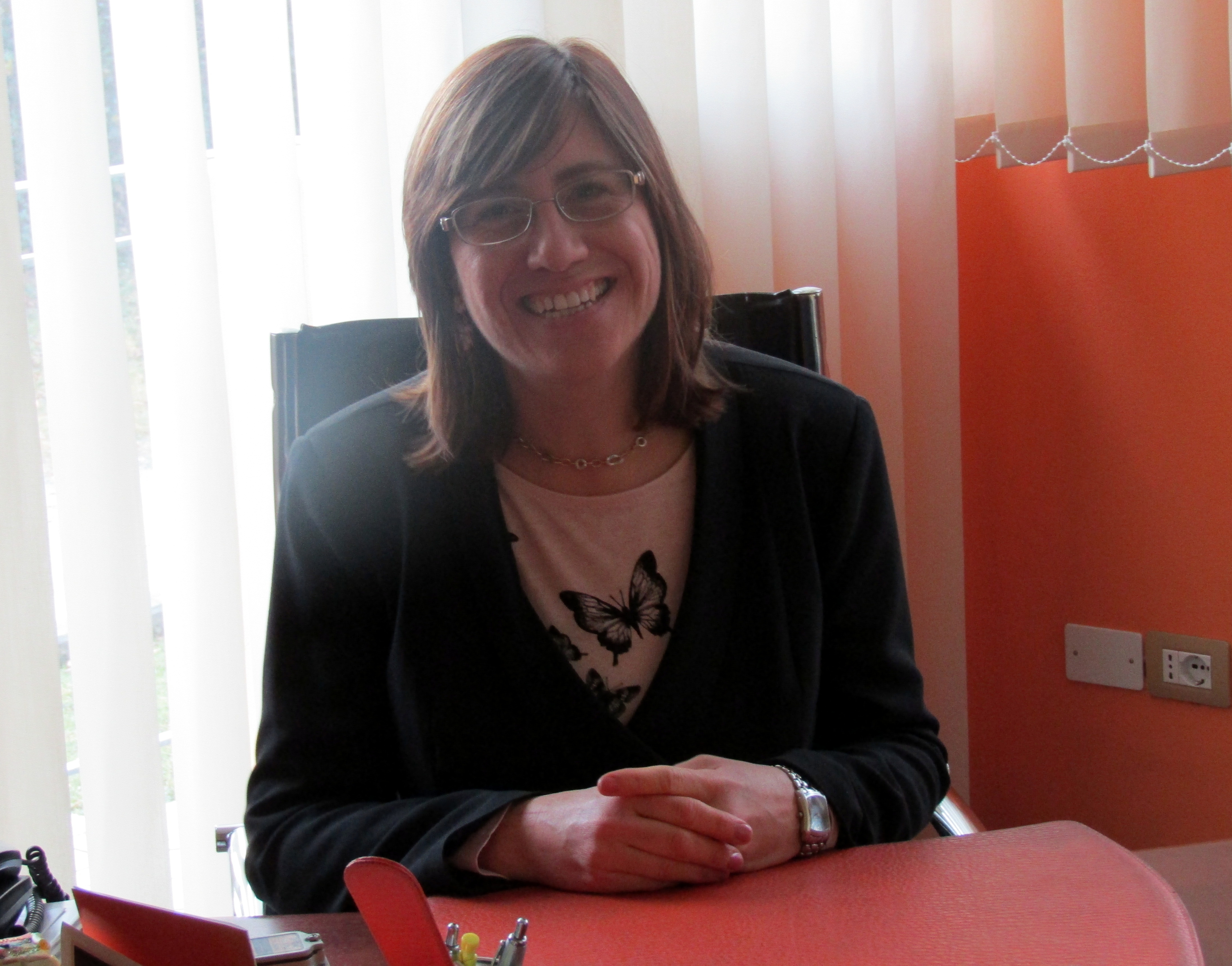 “I’m director of a mechanical manufacturing company,” says Enrica from Turin, Italy. “We also have 28 employees. My father, whom I soon began to work for, conveyed to me the values of sharing, the spirit of sacrifce and the commitment to always improve. In the year 2000 orders were reduced to a minimum, but no one was fired and, at Christmas, because of the lack of liquidity it was decided that we would pay the Christmas Bonuses from our own pockets. In 2003 we got a foreign job offer. My father and I jumped on it, involving and empowering all the employees. We worked very much to gain the trust of banks, suppliers, clientele and establishing compactness. Three months later, we were overwhelmed by the crisis and by my father’s sudden illness. Thanks be to God, I was able to count on the support of many people and, after a year and a half of temporary layoffs, all the employees returned to the business. But I was tired and opressed by it all. At that point I came to know about AIPEC, which was established in 2012, and about these business owners who I felt close to because of their working style and their ‘culture of giving’. That’s how I began to attend their meetings, comparing myself to them and to various social categories. I felt welcomed, encouraged, instructed – to the point that I recently accepted a position in directing AIPEC. Together with the others who were elected, I continue to discover the beauty and the responsibility involved in run a business in which you do your best to maintain a stable economy and at the same time share in relationships, take a listening position and offer concrete support. Because a gift given bears fruit, and it is fruit that lasts.”
19 Mar 2016 | Focolare Worldwide, Senza categoria
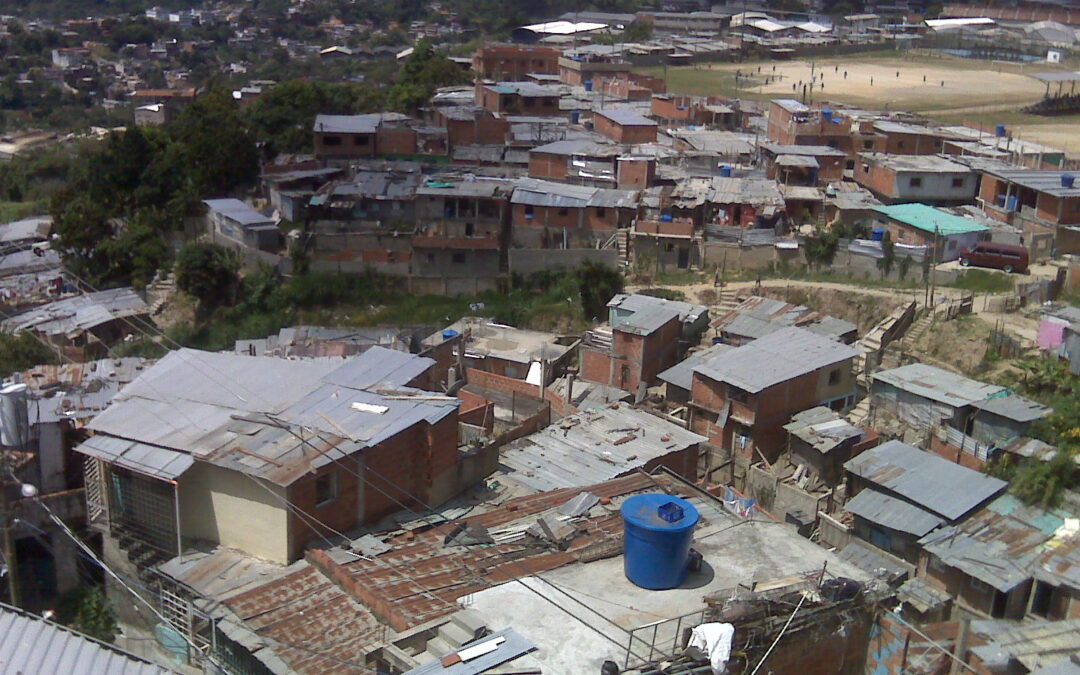
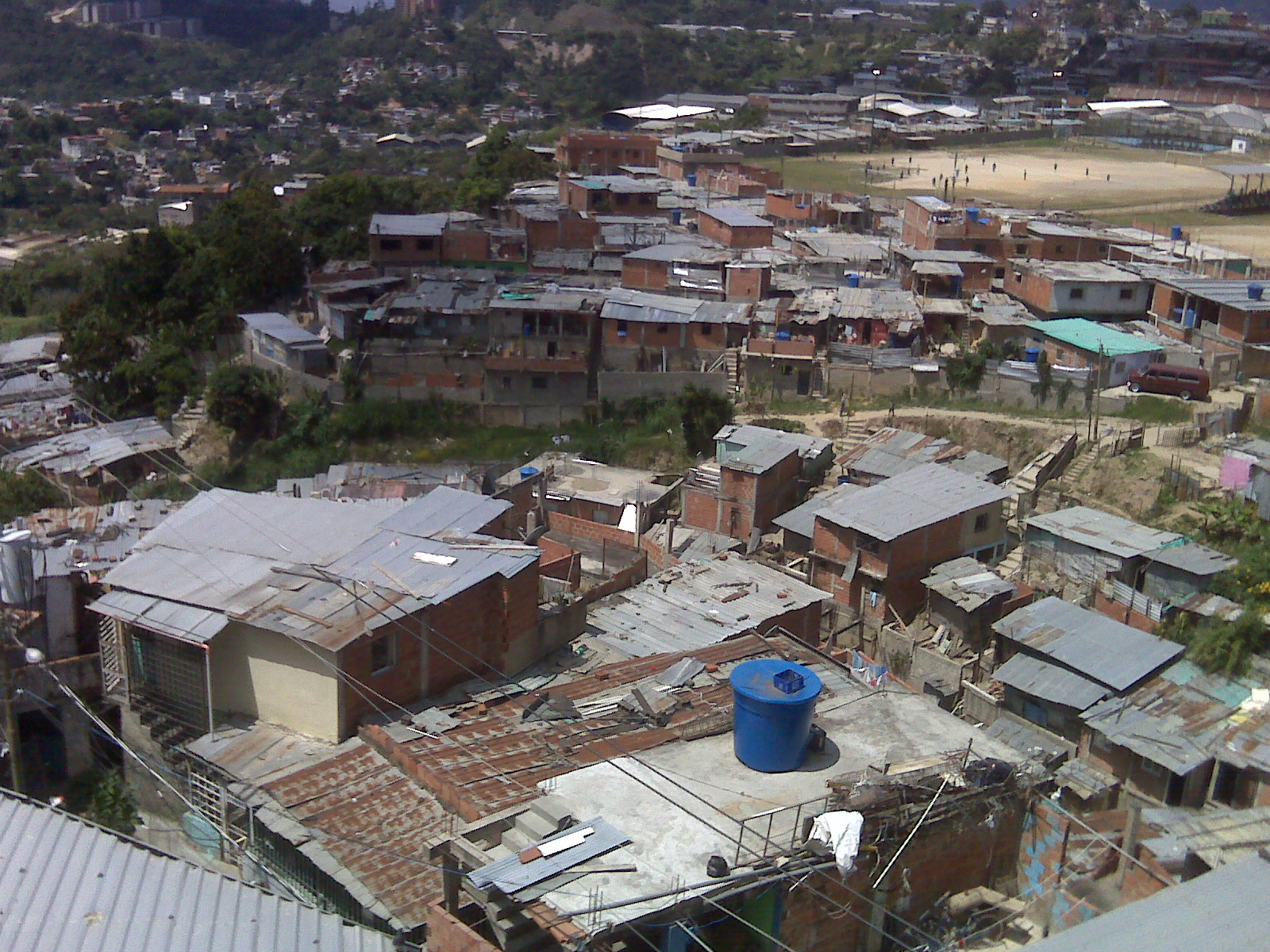
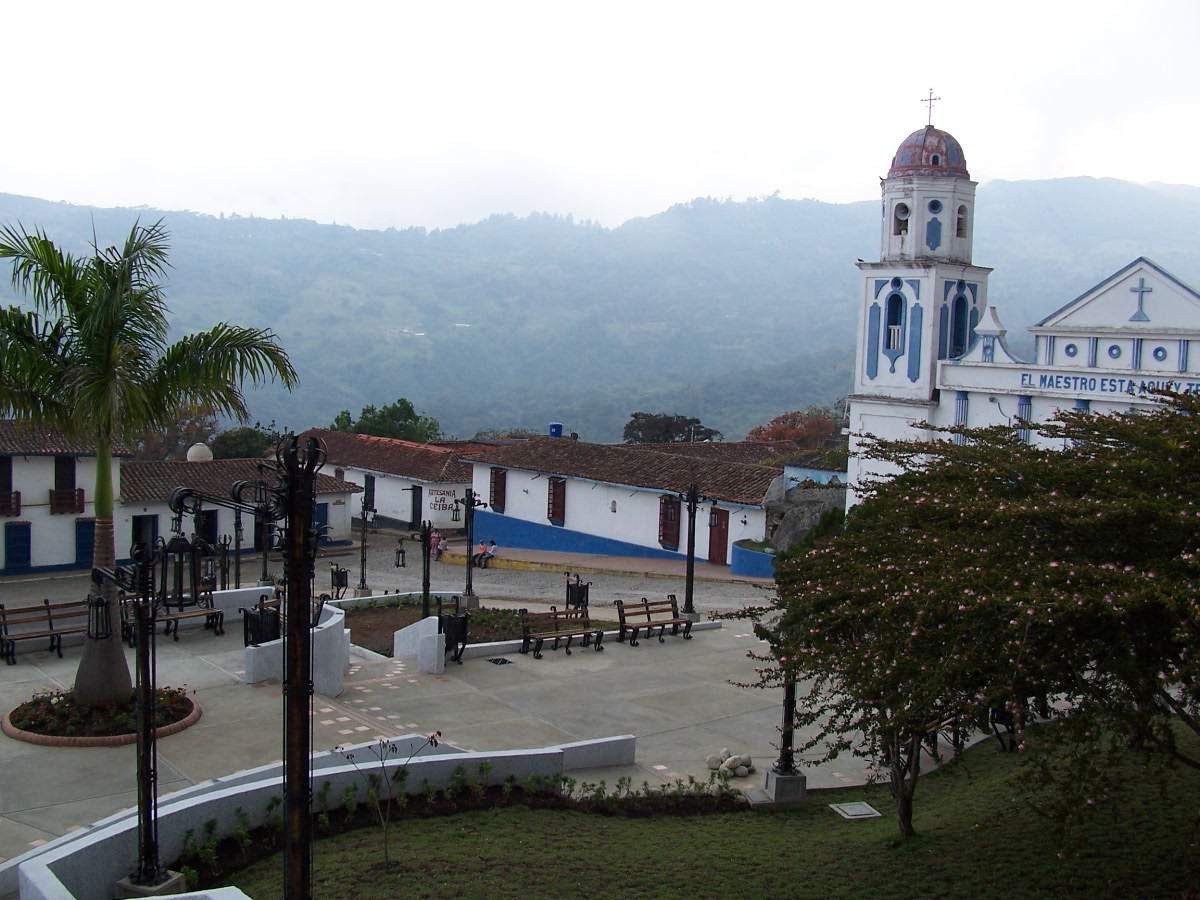 “In such a fractured and divided Venezuela we want to live the Gospel radically, wherever we work, or study, to build bridges of unity and peace. In the town council for example, there are 3 people who live the spirituality of unity, one belonging to the Government’s party and 2 in the opposing parties, and yet they respect and help one another.” One of them Ophelia, of the Focolare community speaks about a marginal district of the city of Valencia called Colinas de Guacamaya “A friend of mine asked me to accompany her to the doctor’s – she said and so the long waiting line started for the medicine: an old man in search of his treatment for diabetes, another asking for headache pills, a boy at the drug store asking for a painkiller. Just one pill, but he didn’t have enough money to pay for it.” But Ofelia had a bag of medicine in her car which she always brings along with her, with medicines that arrived from “Divine Providence”, as she herself recounts, and could offer them for free to all those who were there. The looks on their faces were of incredulity and gratitude. Betty and Orlando have 4 kids and they transferred to the “Little Cloud” Mariapolis Centre,in the district of Junquito, close to Caracas. “To serve those in need– Betty recounts –, we had lost touch with some members of the community so we organized the social pastoral. We wanted to respond to the need of food, clothing and homes for some families of the parish. So with the help of the town council, we managed to build a house fit to host a poor elderly man.” “The current social crisis, with the high in security indices the country is beset with, opened our hearts even more to the needs of the families in our community who live in fear of even losing their lives. We found out about a boy’s father who was in serious conditions due to a gunshot wound. in his head. We rushed to the hospital where he was admitted at the intensive care and died a few days later. We are now continuing to give our concrete love, with care and attention to protect the mother and son, whom we took in with us.”
  “Upon the request of the parish priest – María Carolina of the Junquito community recounts – we went to a rural zone that can be reached only by jeep. The Florida community were waiting for us, and in need of so many material things, and up to a few months earlier did not even have electricity. A community of sacrificed people, dedicated to farming and who walk kilometres to go to Mass once a month. An experience that involved all of us and which started up a communion of goods: from all over clothes, medicine, toys, shoes, food arrived… with trucks filled to the brim with goods but above all, hope, and love for this community. Even if difficulties are not missing, upon our arrival the people came out of their homes, running to meet us with applause, immediately imbuing a family atmosphere!.” The community of Puerto Ayacucho, in the State of Amazzona, is a border zone, inhabited by aborigine communities. They were beset with serious problems: the presence of guerillas, the exploitation of gold, a high rate of single mothers. It had just undergone a painful experience with the death of a boy, Felipe, a member of the Focolare, who had been killed two months earlier by gunshots. This is a frequent event in Venezuela, especially in this region. He had died to save the life of his brother who was wanted by the guerilla. Juan,his best friend, told us that «Felipe had set an appointment to enrol in the catechism class, but he died the day before… Together we had planned a lot for the future.» Felipe’s death had left a mark in this community: a new commitment to live to build peace, give new horizons and hope especially to the youth.
18 Mar 2016 | Focolare Worldwide
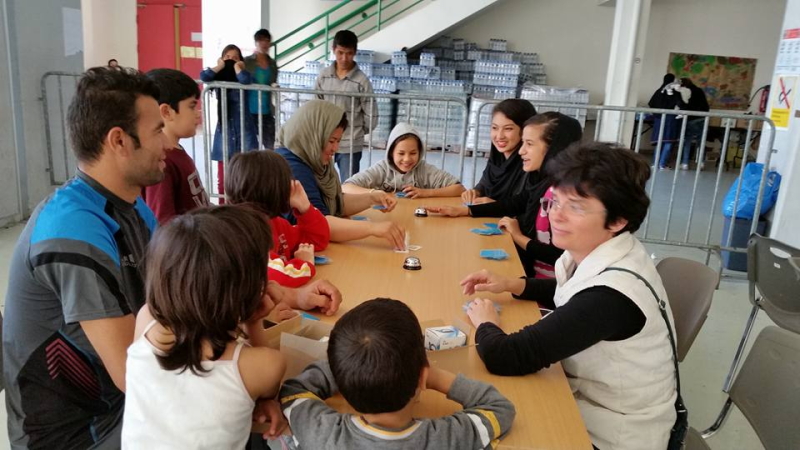
 The flow of refugees has not stopped for months. They are living in a state of emergency on the islands of Lesbo, Kos, in Athens and in Idomeni. There are many secular and religious associations – Orthodox, Catholic, Protestant – and the NGOs that have never ceased to be there with help and assistance for these suffering people. The local community of the Focolare Movement, although small, both in Athens and in Salonica (Greece) has opened its arms and heart collaborating with several associations, including Caritas, The Pope John XXIII Community and others.
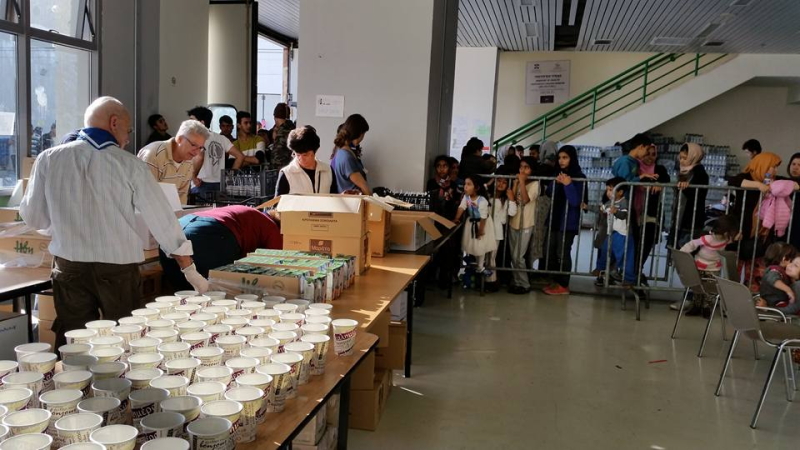
 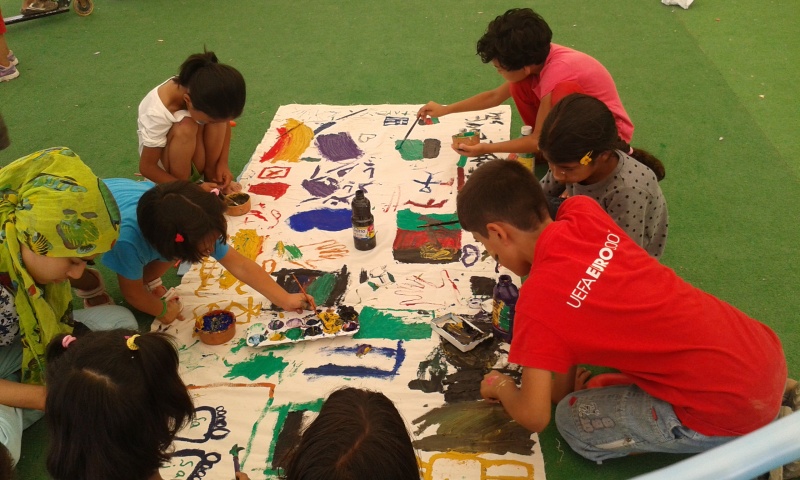 “Particularly in Athens,” they write, “we went to several refugee camps that are opened and closed according to the influx of arrivals. We have involved friends and colleagues in a food and clothing collection campaign to distribute to the different welcoming centres. From Salonica every week a group from the Focolare community in collaboration with Caritas, travels to the outskirts of Macedonia with relief and emergency aid.” “I went with some of my friends and colleagues from work to one camp where between 500 and 1000 people arrive each day,’ writes Mariangela from the focolare in Athens. “We help with the distribution of the meals, the sorting and mending clothing and play with the many, many children. We’d want to be able to say something to them, to share their burdens, but the language prevents us. The only way for us to communicate is with a smile, a caress and concrete deeds. In the end you feel like you’re able break through. It all seems so little in this sea of desperation, but we try to give at least one drop of love.” Maristella Tsamatropoulou, works on the National Greek Caritas Team: “The current refugee crisis doesn’t but expand the landscape of assistance that Caritas already began, to alleviate the Greek socio-economic crisis.” She explains, “It’s a matter of humanitarian aid that sees to the distribution of meals, of basic needs, both on the islands where the mass gatherings require it. . . but then the hospitality in hotels where there are the very important child care workers with their programmes for children, psychologists and the possibility to bathe. The different programmes that are structured and supported through foreign financing would never be able to carry out their work without the chain of solidarity that involves the efforts of so many volunteers on the front lines and on the back lines (the ones who make the appeals and collect the items).” At a pastry shop bar in Syros, the owners have involved their customers in gestures of solidarity such as collecting medicines, clothing and food, along with “A coffee waiting. . .” deal that allows you to leave a coffee for someone who is unable to pay. At Christmas, 235 people arrived! Some bread shops have begun “a loaf of bread waiting” in their businesses. “We’re so struck by the generosity and solidarity of the people,” they write from the Focolare community. “In spite of the serious financial crisis, the Greek people are pulling out all of their fraternal power, towards the poorest, finding unexpected energy and crativity to lift up so many people. It’s a true lesson in being human!”
18 Mar 2016 | Focolare Worldwide
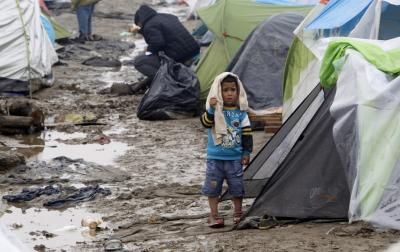
Thousands of refugees with hopes of crossing the Greek border live under tents in mud. The “mirage” is to reach Europe. Dolores Poletto is Croation. She works twice a week with Caritas Macedonia and lives in the focolare community in Skopje. She reports what she saw along the border. “I was at the refugee camp in Gevgelija, Macedonia with some colleagues from Caritas. It was an informal visit. On the other side of the border was a sea of people. We also crossed the border between Greece and Macedonia.” Closed Borders. The humanitarian crisis that refugees are enduring in Greece, Macedonia and Serbia is the result of the closing of border crossings along the Balkans migration route. On March 9, Slovenian authorities closed the border. Croatia has also announced that it will close its border and Serbia immediately announced the same. According to the most recent data – but the numbers are estimates – there are now some 14 thousand refugees at the Macedonian border. In Greece there are more than 34 thousand. Idomeni is like a funnel. The same thing is happening here that we have seen happening for months in Calais at the French border on the English Channel. The migrants arrive after having crossed through Greece and the Aegean on overloaded boats. “A multitude of people,” Dolores says. “They arrive in very poor condition . . . We’re on the border where before they crossed into Macedonia. People want to be as close as possible, so curtains have been put up behind the railway station.” Along with the mud, there is also the cold. “The daytime temperature is comfortable, rising as high as 18 degrees (C), but in the evening it drops to 2-3 degrees.” Living conditions in the camp deteriorate daily. Along with the cold, food is scarce and hygienic conditions are appalling. Many stand in line waiting for food,” Dolores says. “It’s hard to describe what their psychological state is like under such conditions. Many say that they’re from Syria. All of them would like to go to Germany, Austria . . . They have only one question for us: “When will the border open?” They’re prepared to do anything, so long as they reach their goal . . . ready even to die. “You know, I just heard news of 3 refugees who starved to death trying to cross illegally between Macedonia and Greece. This is so sad.” Caritas has been on the scene since the beginning, along with many other NGOs. “They’re waiting, hoping to cross the border,” Dolores explains. “That’s why they don’t want to move to more suitable camps. It’s difficult to help them.” The border police are here ensuring that no one crosses the border, in accordance with agreements made with Europe. When faced with this “impasse . . . you feel completely helpless.” Dolores has been deeply affected by this experience on the border. “We can stay with them on the Cross; I’m not able to forget those images. There are quite a few journalists there. I spoke with several of them and returned home to watch the news reports on TV. I said that if I had watched them without having visited that place, they would only have only been another series of daily news reports, but now after having touched it with my own hands, it feels more like a live wound on humanity’s body.” Source: SIR
17 Mar 2016 | Focolare Worldwide, Senza categoria
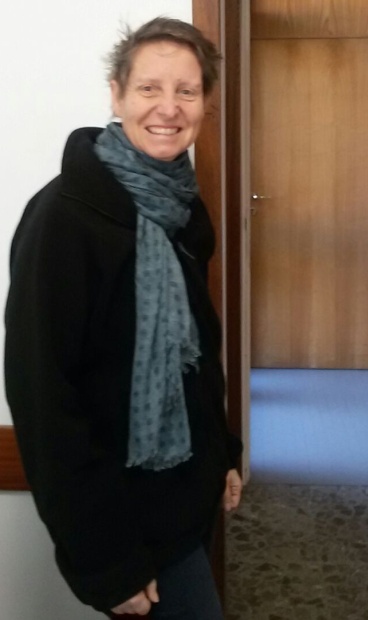 “I started to give a hand, Annette, a German Focolarina recounts, “in December 2014. The cold had already set in and there was urgent need for blankets. In trying to find out more, a member of the RomAmoR ONLUS proposed: “More than blankets we need you to come and give us a hand.” The week after I was already at the Ostia station. It was a really moving experience. On approaching those people I discovered that oddly enough, they were the ones to welcome me! I realised that this is not an uncomfortable category of people to avoid, but persons who wish to relate with others, and are capable of imbuing human warmth. After a while also the volunteers came with a hot dinner and the anonymous, cold and bleak station, warmed up. ” Annette has changed since then. The first nights she couldn’t sleep thinking of Giovanni, Stefan, Mohamed who did not have a warm bed like hers. She started to review her wardrobe, to see if there was still something else she could share, despite the fact that in the Focolare community already tries to live only with the essentials. But above all, she continued going to the station every Monday. One evening, looking at the notebook that listed the requests of the homeless, she saw that a man needed a pair of shoes. Since there were none in the house she remembered Chiara Lubich’s experience during the war, when she asked Jesus present in the poor, for a pair of shoes. “So I did the same thing and in two weeks ten pairs of shoes arrived!”
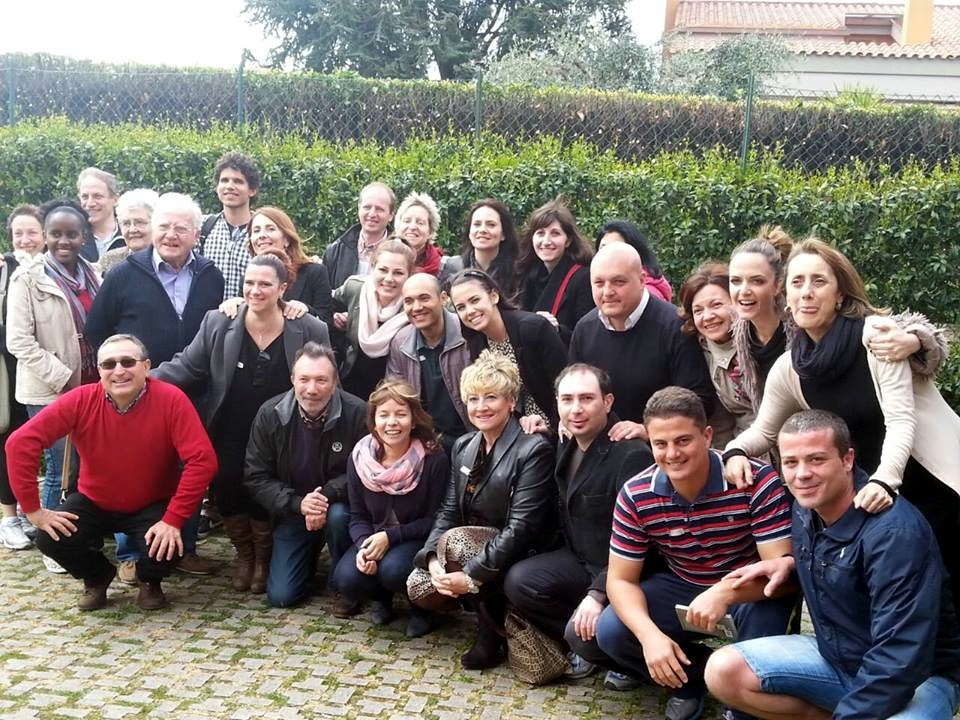
Photo © Dino Impagliazzo
