
 Cameroon, in the equatorial region of West Africa, is composed of two groups of regions that speak French and English respectively. The differences between them are not limited to language, but also some aspects of public administration. An escalation of violence is threatening the country of 23 million people livining within a territory of 475 thousand square kilometers. Raphaël Takougang, a Cameroonian lawyer and member of the Focolare, who now lives in Italy, explains: “The francophone part became independent on January 1, 1960. For the English-speaking part there was a referendum on October 1, 1961 to decide whether or not to join neighbouring Nigeria, which was already Anglophone, or stay with Cameroon. The northern part of this region chose to join Nigeria, the south preferred to stay with Cameroon. Thus was born a Federal Republic with two states, East Cameroon and South Cameroon, each with its own institutions – Parliament, government, legal systems – and others at the federal level. On May 20, 1972, another referendum resulted in the United Republic of Cameroon. In 1984, a small change in the Constitution removed the word “united” and, from then on, the country has been called the Republic of Cameroon. Ever since 1972 the malaise has been growing among the Anglophones who are a strong minority in the country, and there is even a name for it: the Anglophone problem.
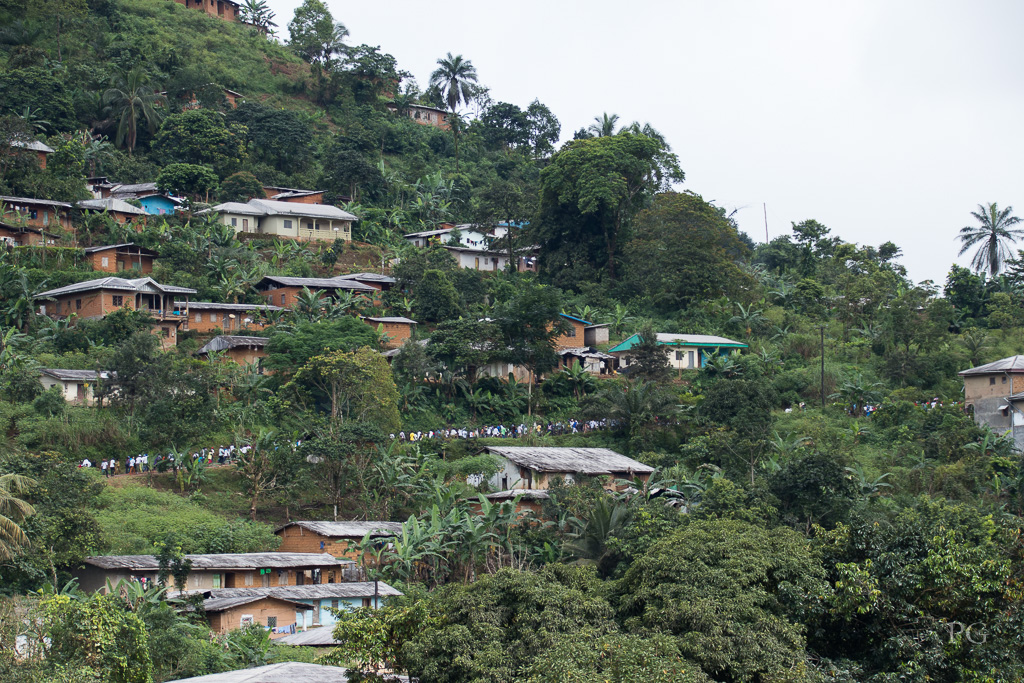
  Ever since 2016 the crisis situation in the Anglophone region set off a series of strikes, first against teachers, then against lawyers. The people of the Mariapolis in Fontem, in the very heart of the Cameroon forest, explain: “While on the one hand the bishops had always encouraged dialogue, the boycotting of educational and justice institutions had an unexpected result on the crisis, which worsened with an escalation of strikes also among commercial businesses and transportation systems, in accordance with a strategy known as “Dead City.” No students showed up for the beginning of the last year school year. Despite the threats of reprisals against transgressors, here and there, some schools courageously opened their doors and others followed their example. The OLSW College in Fontem also resumed classes.” The Mariapolis in Fontem was born from the testimony of concrete love of some doctors, who arrived there in 1966, after the local bishop appealed to Chiara Lubich to take care of the Bangwa people, who were suffering from a very high infant mortality rate that was leading to their extinction. In a short time, thanks to the contribution of people from all over the world, Fontem equipped itself with schools, a hospital and other service facilities. Since then, the Bangwa people and several other neighbouring peoples have set out on the path of fraternity, which can be seen now in other citadels that have begun on the African continent. With its 80 thousand citizens, Fontem is a meeting and training place for people from all over Africa and the world. Here they experience how the exchange and collaboration among men and women of different races, cultures and traditions can bear fruits of brotherhood even in regions battered by conflicts.
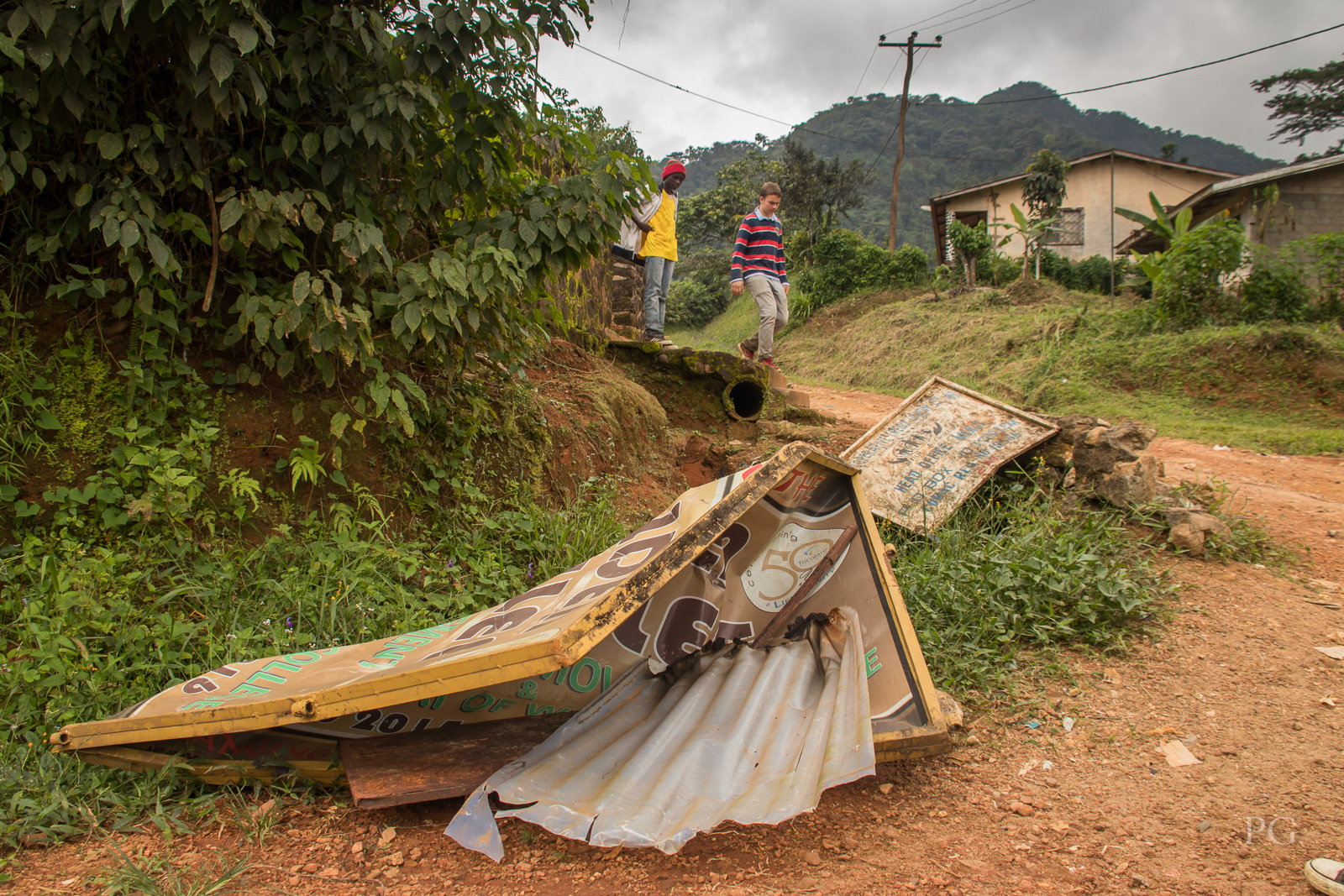
 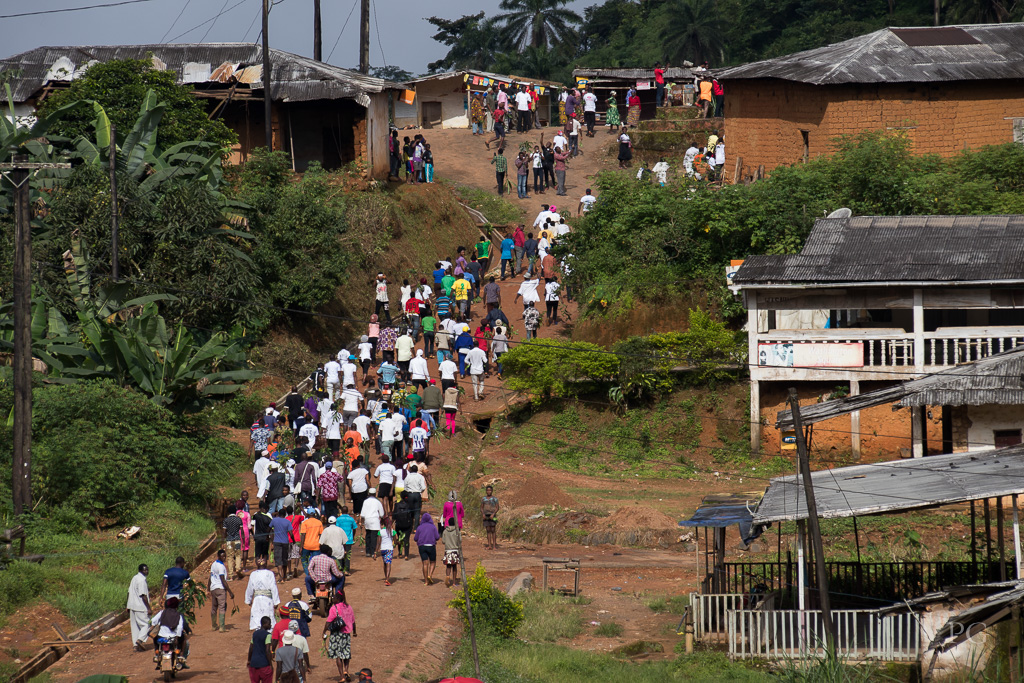 “The Catholic college in Fontem suffered an attack,” the locals have reported, “but many people of the village have come to help students and teachers, even at the risk of their own lives. With the approach of the anniversary of the aforementioned referendum, of October 1, which is such an historical date for the Anglophone region of Cameroon, violent demonstrations were feared, and the Focolare community organized prayer groups that included people from other regions of the country and from abroad. There has been no loss of life in Fontem. Every occasion is good for building relationships with the various civil, traditional and ecclesial authorities. We try to help those near to us to go beyond the fears, to create family moments, starting from those closest to us, who are often confused by the many voices and the media. The young people have organized “talent show” evenings and the “Sports for Peace” event to promote a more positive spirit “. “All during this period, even in the midst of difficulties – they conclude – the life of the Focolare community has continued. We hope that this challenge of love for all will enable us to discern and to act for the good of our country “.
Cultivate real fraternity
Cultivate real fraternity
0 Comments