Focolare Movement

Guatemala: technology at the service of indigenous culture

Apr 1, 2022

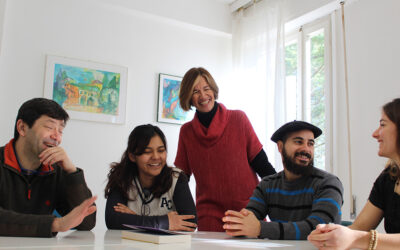
Educa is a project that has offered 25 young people in Guatemala training in computer programming and web design. Some of the scholarship holders come from indigenous ethnic groups and want to put the technical skills they have acquired at the service especially of the women in their communities. The aim is to enhance their culture and help women to excel, so that there are equal opportunities for all.

Educa is a project that has offered 25 young people in Guatemala training in computer programming and web design. Some of the scholarship holders come from indigenous ethnic groups and want to put the technical skills they have acquired at the service especially of the women in their communities. The aim is to enhance their culture and help women to excel, so that there are equal opportunities for all. https://www.youtube.com/watch?v=qAQb1XlAH1Y

0 Comments

Submit a Comment

Your email address will not be published. Required fields are marked *


Subscribe to Newsletter

Thought of the day

Related post

Sophia University Institute: a new Academic Proposal

Sophia University Institute: a new Academic Proposal

A renewed and comprehensive university course (three-year Bachelor’s and Master’s) aimed at the professions of the future with a double degree (ecclesiastical and civil) based in the new teaching campus in the city of Florence (Italy).

Audience with Pope Leo XIV

Audience with Pope Leo XIV

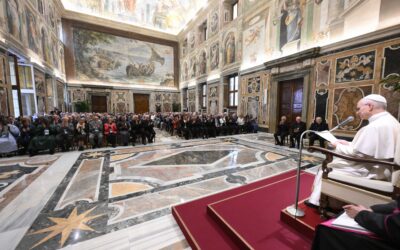
On Saturday 21 March 2026, participants in the Assembly of the Focolare Movement were received in private audience by Pope Leo XIV. The Pope reaffirmed the essence and fruitfulness of the charism of unity, a gift from God for the Church and for the world, and encouraged everyone to live this post-foundational phase with confidence, transparency and responsibility.

Living the Gospel: “Stay with us, for it is nearly evening” (Lk 24:29)

Living the Gospel: “Stay with us, for it is nearly evening” (Lk 24:29)

How can we recognize the presence of Jesus when faced with darkness, injustices and inequalities? When hardship and suffering seem to obscure all hope? The road to Emmaus becomes a symbol of each person’s journey of faith, of our deep desire to rediscover Christ in everyday choices; an encounter that leads to joy and shared testimony. It is the moving invitation that we can all extend to him so that, once he is found, he remains with us and among us.