
A few weeks ago, I was part of the MED25 project, a school-ship for peace. We were 20 young people from across the Mediterranean—North, South, East, and West—sailing together on a boat called “Bel Espoir.” We set off from Barcelona, and since the weather wasn’t as expected, we stopped in Ibiza before reaching Ceuta. From there, we traveled overland to Tetouan and then returned to Malaga. It wasn’t just a trip—it was a journey into each other’s lives, minds, and cultures.
Living on a boat with so many different people was beautiful, but not always easy. Every day, we had to share responsibilities: cooking, serving meals, cleaning, washing dishes. We rotated tasks in teams, so everyone experienced the full rhythm of life onboard. We also learned how to sail—which was pretty wild at first. I wish I could say it eventually became second nature, but in truth, it was harder than expected. You quickly learn how much teamwork it takes to move forward—literally.
But we weren’t there just to sail and cook. We were there to talk—really talk. We explored eight big topics together: culture, education, the role of women, religion, the environment, migration, Christian traditions, and of course, peace. These weren’t theoretical discussions. They were deeply personal. We shared our perspectives, and sometimes, we clashed. Some discussions got heated. There were moments of frustration. Some conversations even turned into real arguments.
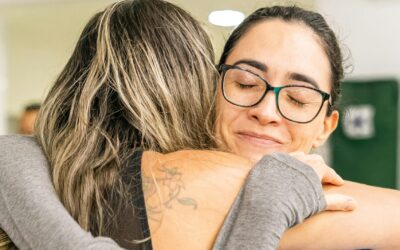
But here’s the truth—on a boat, you can’t just walk away. You can’t go home and sleep it off. You live together. You eat together. You sail together. You are literally in the same boat. And that changes everything. It makes it impossible to stay angry for long. We had to talk it out. We had to listen. And sometimes, we had to admit we were wrong.
That, for me, was the most powerful part of the experience. I realized that most conflicts—between people or nations—don’t come from hatred. They come from ignorance. From stereotypes. From misinformation. And just like we had the chance to truly get to know each other on that boat, the world can do the same. If we could overcome years of misunderstanding in just two weeks together, imagine what could be possible if people were truly willing to listen.
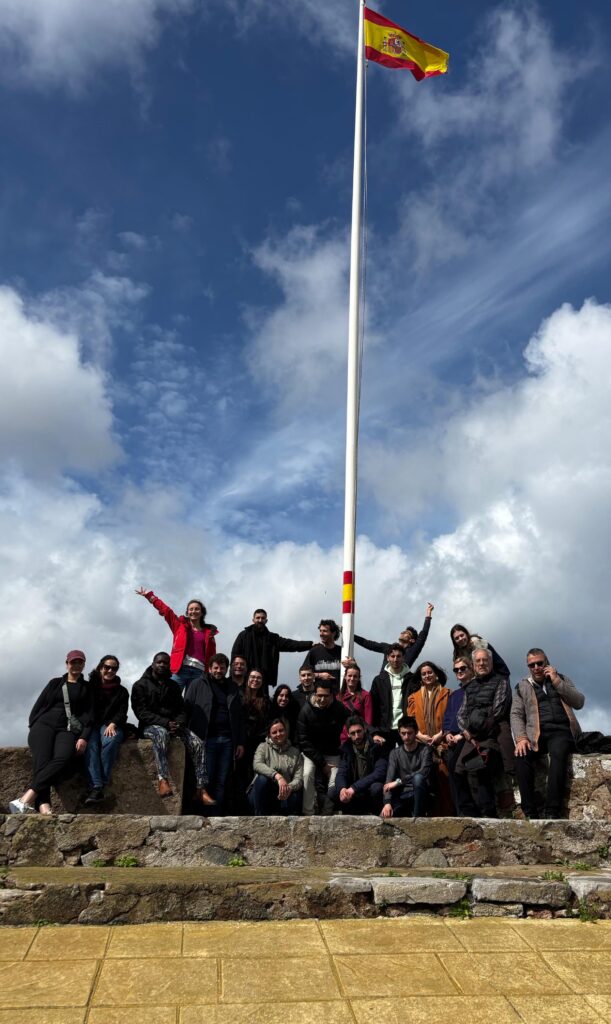
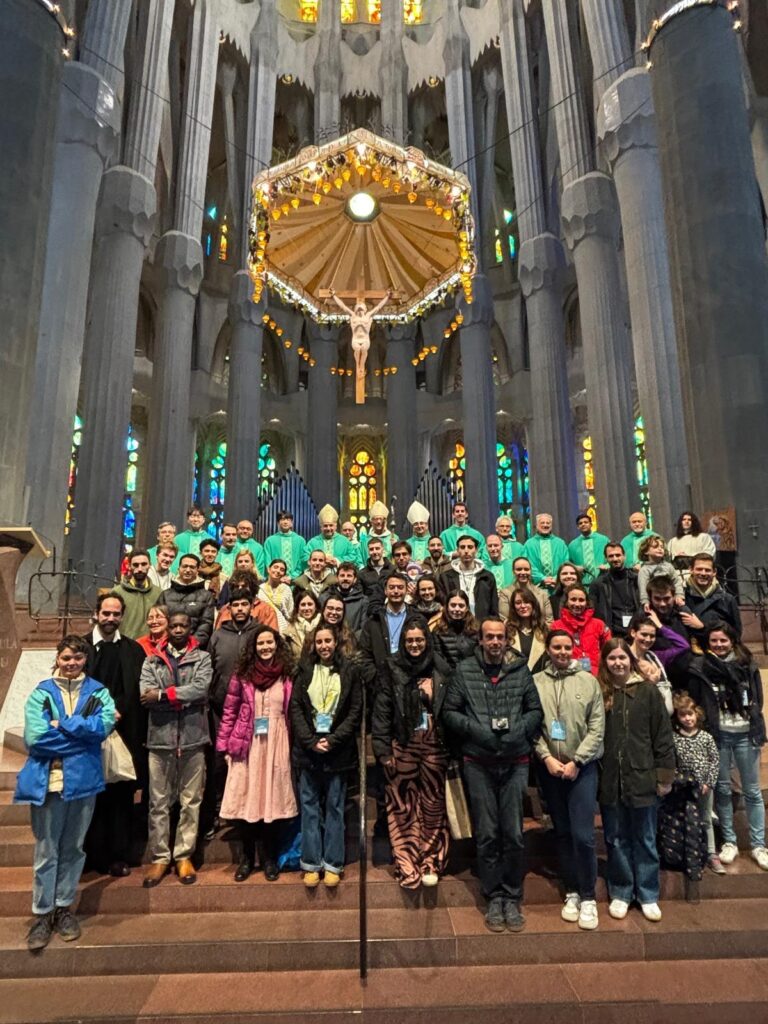
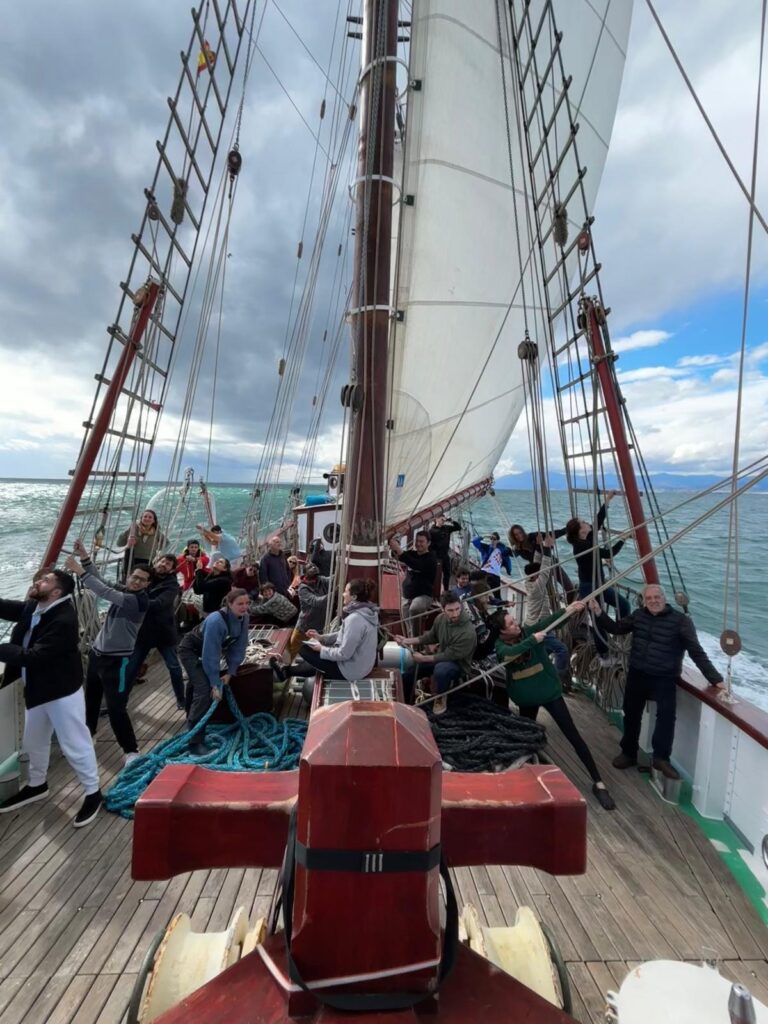
I also discovered many unexpected things. Like how Lent is celebrated differently in Europe compared to the Middle East. Or how religion plays a completely different role in politics and public life depending on where you are. In Europe, it’s often a private matter, whereas in many Middle Eastern countries, it shapes laws, policies, and daily life. These weren’t just facts—I felt the difference through the people I lived with.
What touched me the most was that, despite all our differences, we had so much in common. We laughed a lot. We danced. We got seasick together. We also fasted together, since it was both Lent and Ramadan. We created art, read books, got silly, prayed in many different languages at the same time, discovered religions like Christianity, Islam, Hinduism, and Judaism, slept under the open sky, and shared quiet, sacred moments. And through all that, I realized that peace isn’t something far off or unreachable. It’s deeply human. It’s messy, and it takes work. But it’s possible.
I came back changed. Not because I think we’ve solved all our problems, but because I now believe that peace isn’t a dream—it’s a choice. A choice that starts with truly seeing and listening to the other.
And if 20 strangers could do that together on a boat in the middle of the sea, then there’s hope for the rest of the world too.
Bertha El Hajj, Young Ambassador of Peace
To listen to this experience or others click on
Curated by Maria Grazia Berretta
0 Comments