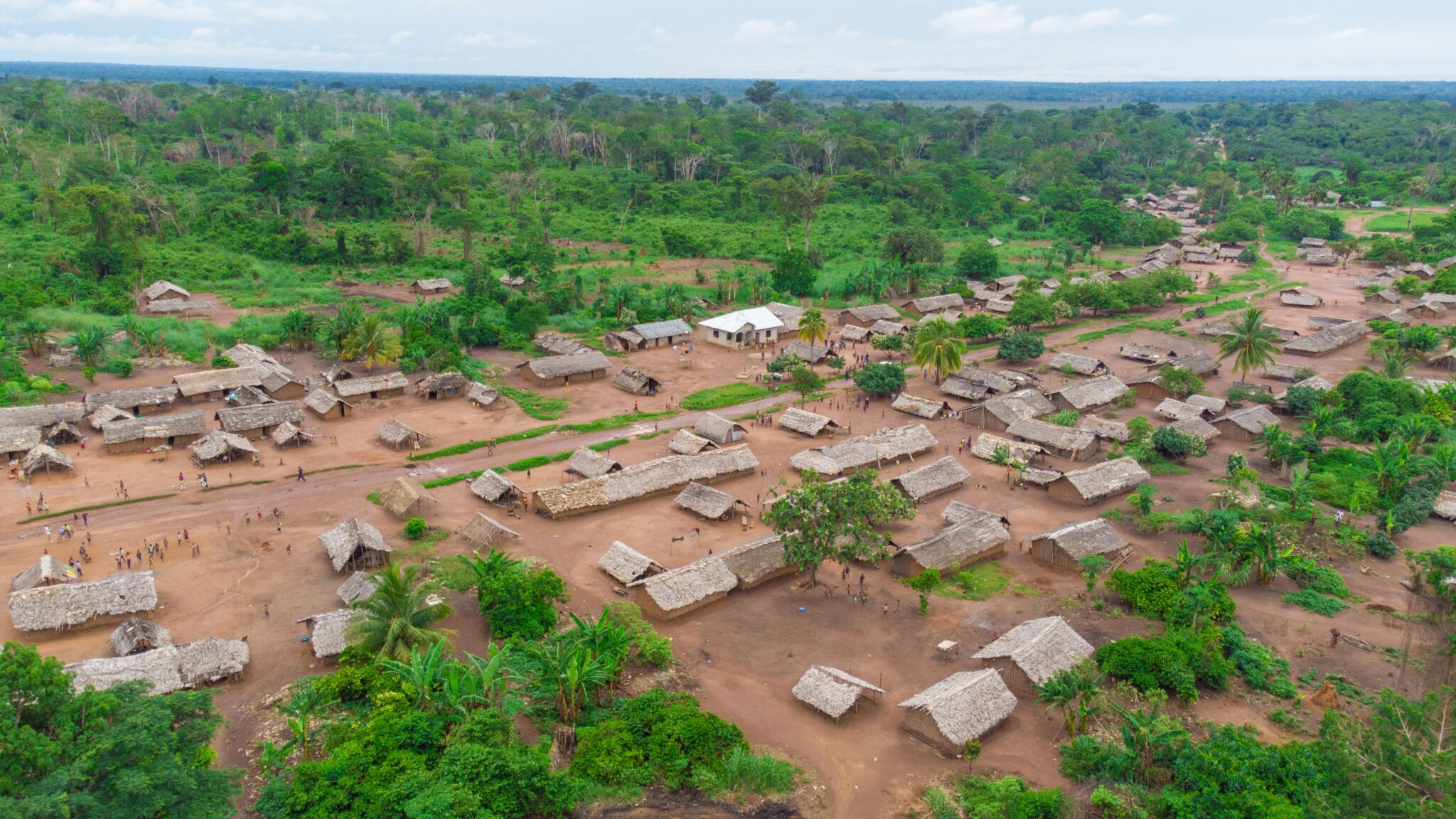
Kalera is a small village in Upper Katanga in the Democratic Republic of Congo, the birthplace of Abbot Jean Baptiste Ilunga Binsela, a priest and animator of the Laudato Sì Movement.
The region is extraordinarily rich in minerals such as cobalt and coltan, resources that power technologies and economies around the world. Yet, Jean Baptiste grew up in a very different reality. His village had no electricity, little sanitation facilities, limited access to water and other services and no local schools or adequate roads. Over the years, the community has endured repeated flooding.
Jean Baptiste left Kalera to continue his studies and become a priest. Then he returned to the village where, in 2023, something began to change.
Through his formation as an animator of the Laudato Sì Movement, Jean Baptiste deepened his understanding of the central messages of the encyclical:
Everything is interconnected: faith and creation, poverty and energy, human dignity and the economy, the minerals beneath the earth and the lives of the people who live above them.
This ecological conversion led Jean Baptiste to ask a difficult question: how could a community surrounded by resources that help power the world, remain without energy itself?
His response reminds us that conversion cannot simply remain a personal spiritual experience.
Living Water is meant to flow: it flows when contemplation becomes compassion, when faith helps us see the connections between the Earth and the people who depend on it and when that awareness leads us to action.
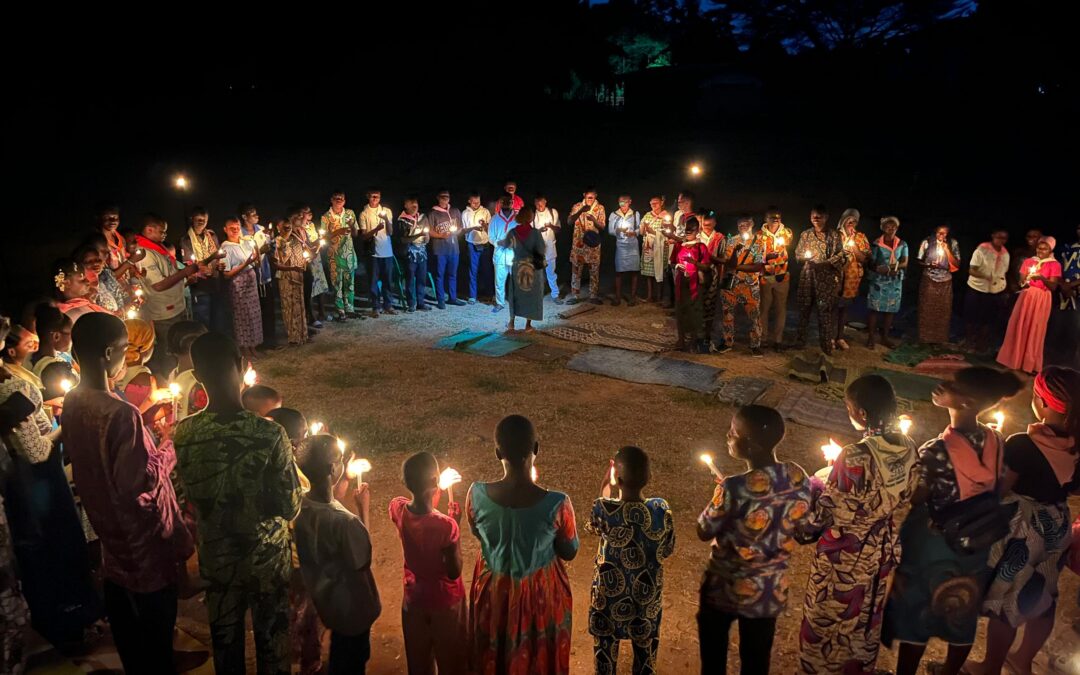
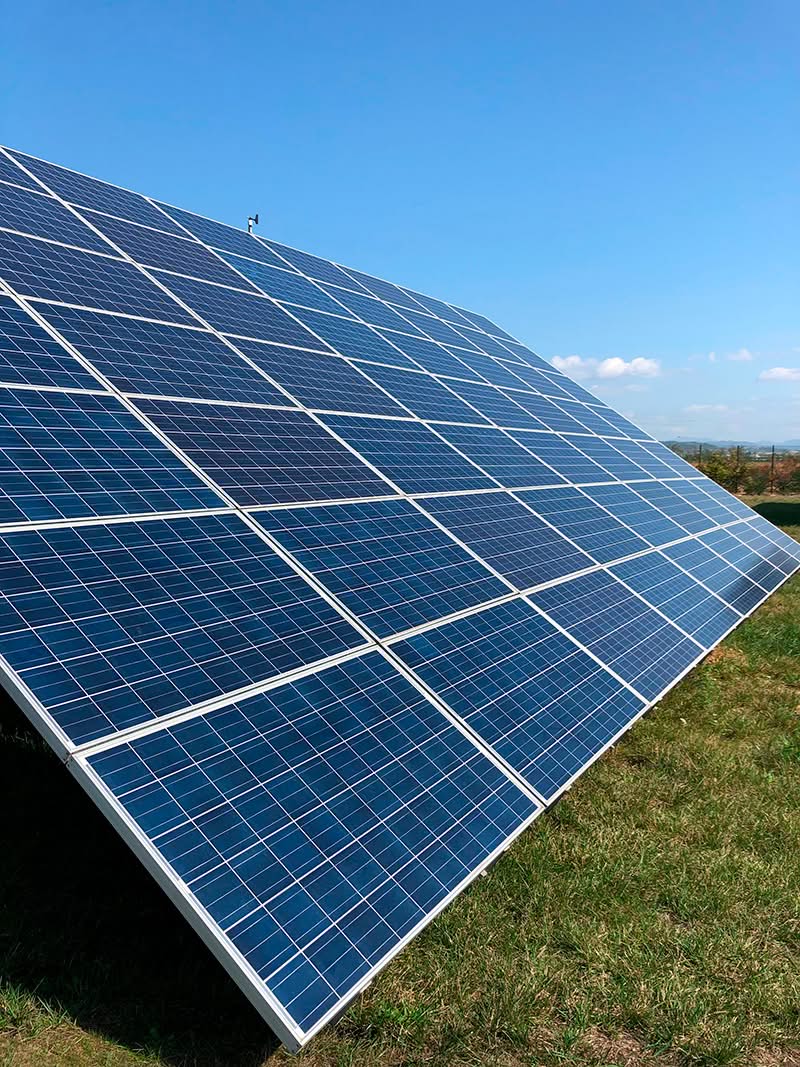
In Kalera, that flow took the form of renewable energy. Jean Baptiste started working towards achieving a fossil fuel free village. The installation of solar energy gradually opened up new possibilities. Children can now study after sunset. Families can charge their phones and stay connected. The local health centre can refrigerate medicines. The Chapel of Sant’Annarita has electricity, strengthening the pastoral life of the community.
For the people of Kalera these changes seemed almost miraculous. Jean Baptiste says they even began comparing their village to Capernaum, remembered in the Gospel as a place of healing and transformation.
Solar energy brought light. But something deeper also began to flow: hope.
When inner conversion extends outwards, in fact, it can nourish relationships, restore dignity, strengthen communities and open up new possibilities in places that have been forgotten.
The story of Jean Baptiste is one small stream flowing into in a much larger river. Around the world, many communities are finding their own way to immerse themselves in Living Water, helping to increase a river that brings healing, unity and hope to our common home in this Season of Creation 2026.
The Focolare Movement is a partner of the Laudato SìMovement. The Season of Creation began in 1989 on the initiative of the Orthodox Ecumenical Patriarch Dimitrios I, who established the Day of Prayer for Creation on 1st September. In 2007, the Third European Ecumenical Assembly extended this celebration into a month-long period ending on 4th October, the feast of St. Francis of Assisi. Finally, in 2015, Pope Francis officially added the observance to the calendar of the Roman Catholic Church, consolidating its global ecumenical character. In 2026, several Churches included the new feast, the “Feast of Creation in Christ” (Creation Sunday) in their liturgical calendar. Pope Leo XIV has approved a “Mass for the Care of Creation” for 1st September, the beginning of the Season of Creation.
Run4Unity, the worldwide marathon of the Teens for Unity, takes place every year, on the first Sunday of May, at 12:00 in every country in the world. Imagine that while some young people are running against the background of the Egyptian pyramids, the prizes for the race just concluded in India are being awarded and in Asunción in Paraguay, preparations are underway for sporting events about to start in a big city park. Races and tournaments dedicated to peace and solidarity that, starting in Oceania and ending in the Americas, involve thousands of young people over a 24 hour period, all ready for the “start” when their time zone reaches noon. At that time they receive the relay baton from the countries of the preceding time zone and, one hour later, they pass it on to the countries of the next time zone.
A brilliant and simple idea which came from the International Centre of Teens for Unity and some Gen 3 boys and girls in 2005, after Chiara Lubich, who had just returned from a trip to India, told them about the beautiful experience she had when she had been invited to participate in a huge vent of young people of the Hindu Swandhyaya Movement who were deeply committed to sport. Chiara said, “Perhaps sport could be a way forward for young people.”
The format of Run4unity spread in the blink of an eye, adapted locally according to the different countries and the particular characteristics of each culture: sport became combined with initiatives for interreligious dialogue, development projects for those most in need, care and protection of the environment and commitment to peace and fraternity among peoples.
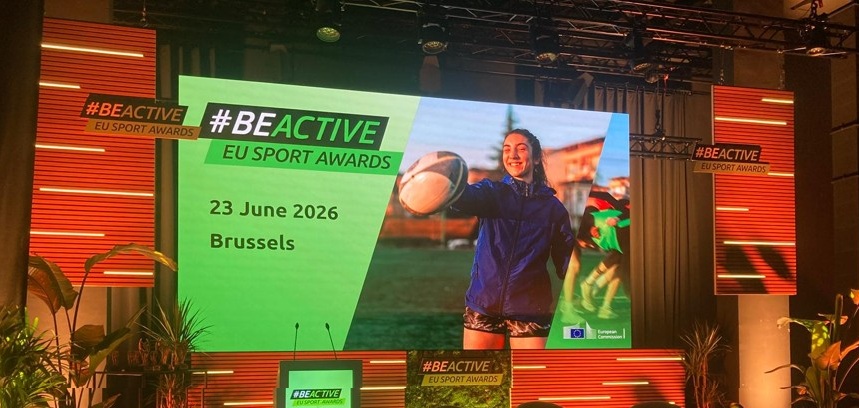
In 2025, the DG EAC (Directorate-General for Education, Youth, Sport and Culture) a Directorate of the European Commission, together with the EACEA, (the European Education and Culture Executive Agency) which manages funding programmes for education, culture, audio-visual media, sport, citizenship and volunteering launched the #BeActive EU Sport Awards.
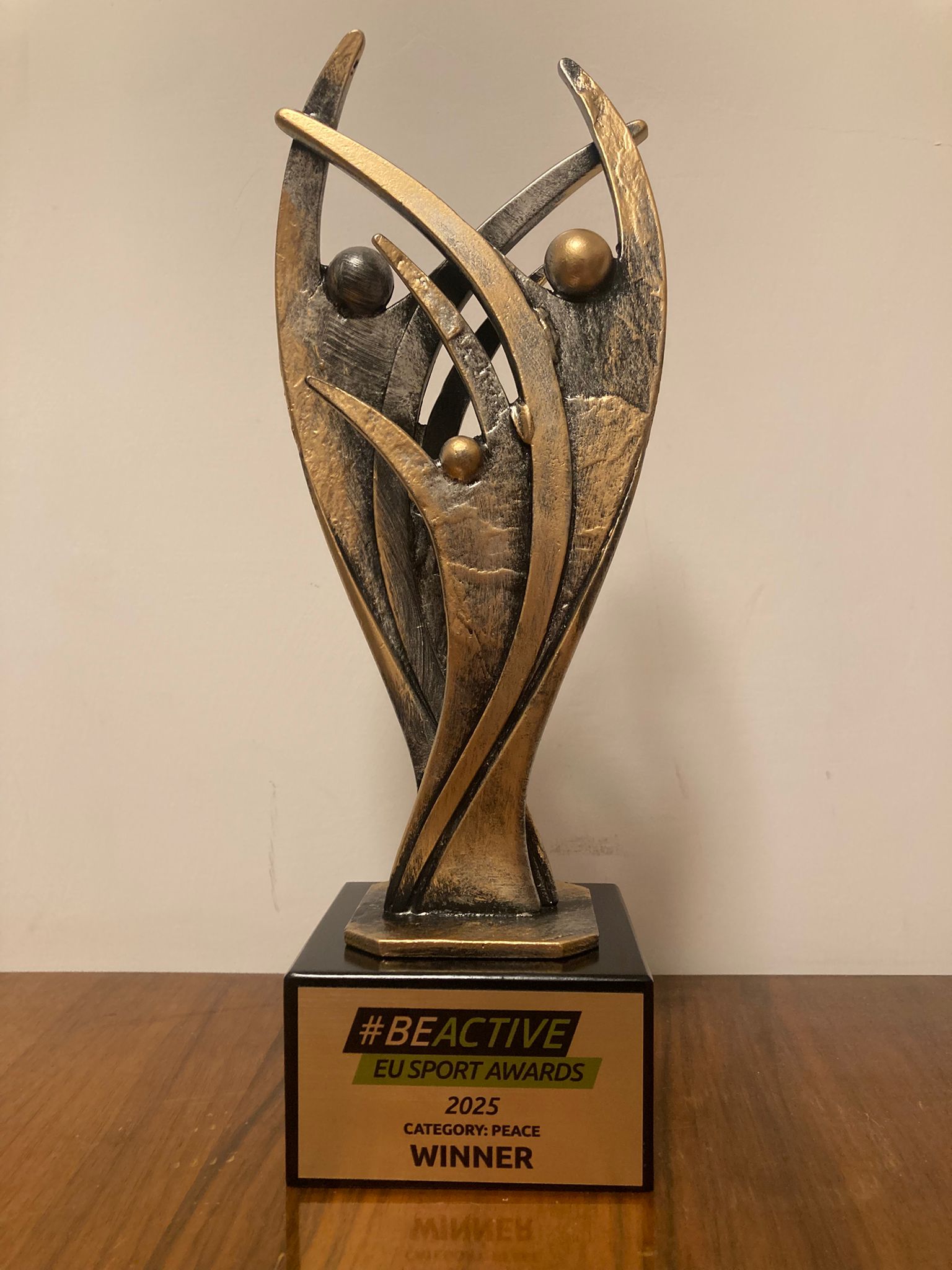
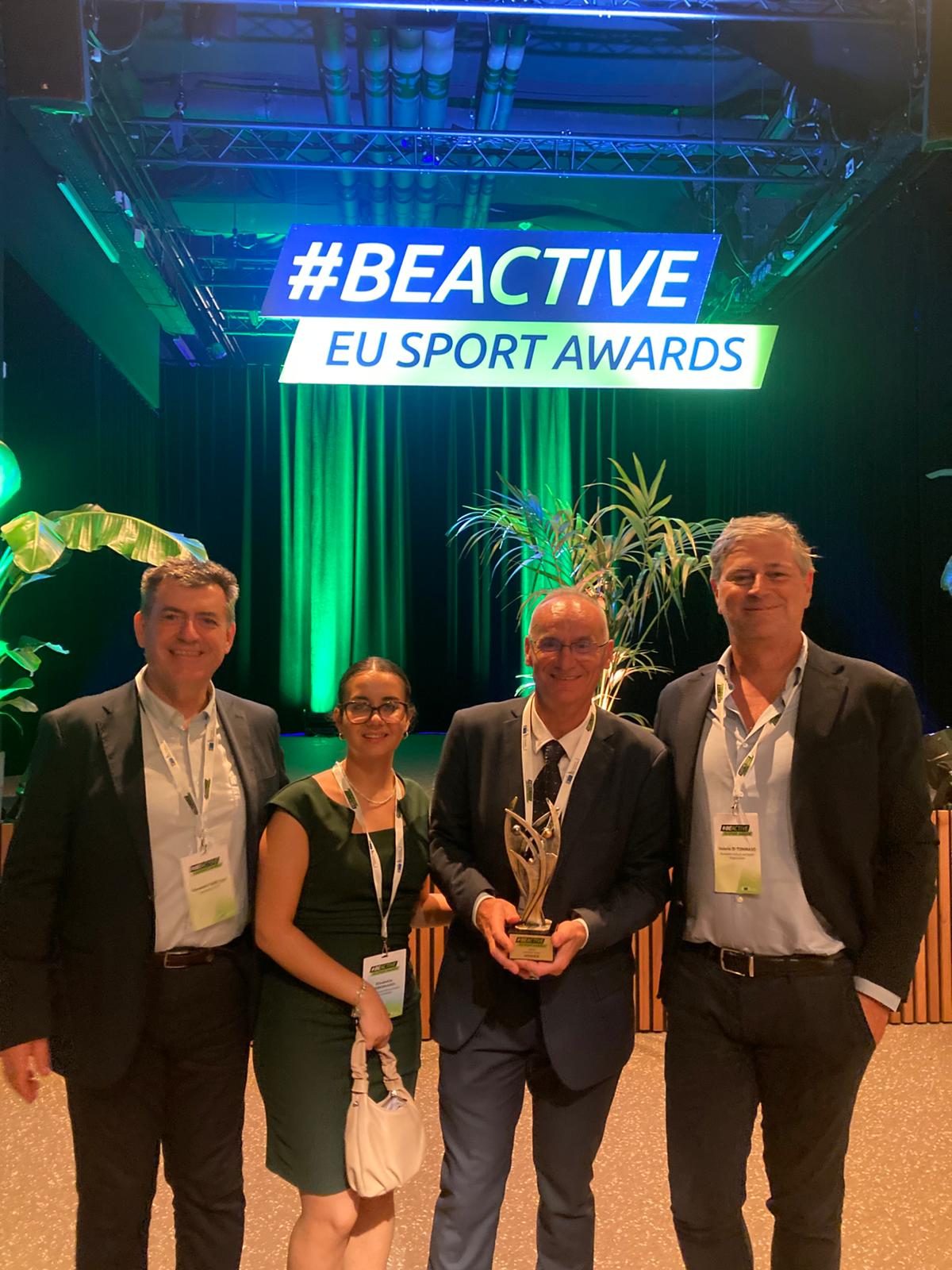
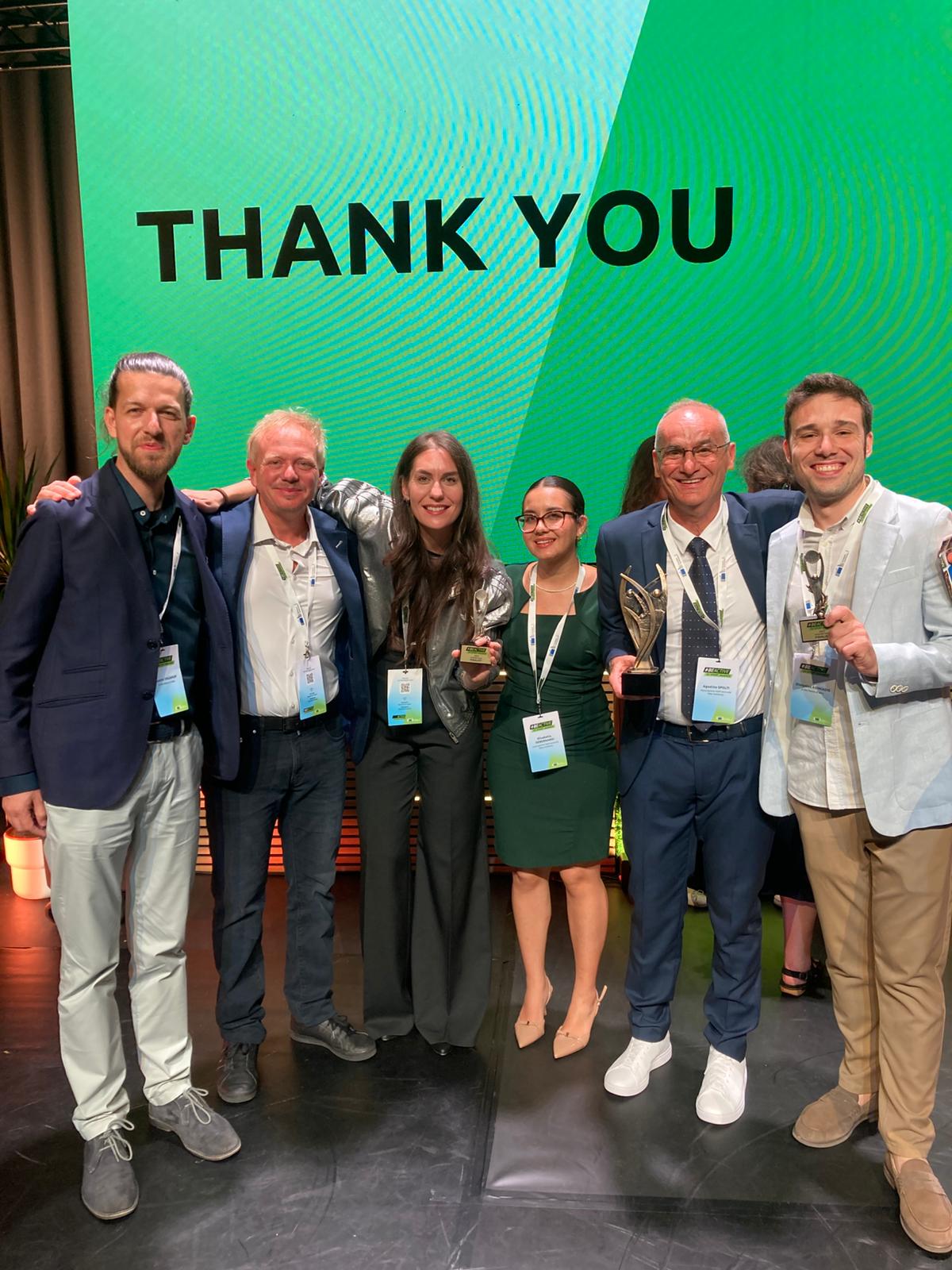
New Humanity of the Focolare Movement submitted the long standing international Run4Unity project which was selected as a finalist in the Peace category. The Run4Unity organizers said, “A few weeks ago we learned that we had been selected from among 279 sports initiatives and that we were among the 15 finalists, 3 for each category The communication included an invitation for 2 representatives of each project to go to Brussels on 23rd June, 2026 for the award ceremony,. Agostino Spolti (formerly co-responsible for Ragazzi per l ‘Unità) and Elisabetta De Bernardi (a Gen 2 from Turin who had participated in several Run4Unity events focused specifically on peace, both as a Gen 3 and later as a Gen 2) went and …we won!”. This prestigious recognition comes in 2026, 21 years after the first Run4Unity, which this year saw relay events take place in over 100 countries, with thousands of young people, accompanied by youth leaders and adults in a fruitful intergenerational collaboration.
Sport is a way to live inclusion, concern for others, respect and growing together and – as stated in the competition announcement, it is obviously a way to form and spread a culture of peace. Agostino Spolti said, “We won because Run4Unity embodies all these elements: sport, the passing of the baton between different countries, the experience of belonging to one human family, taking time to reflect and to pray for peace with the “Time Out” and all of this has enormous educational value.”
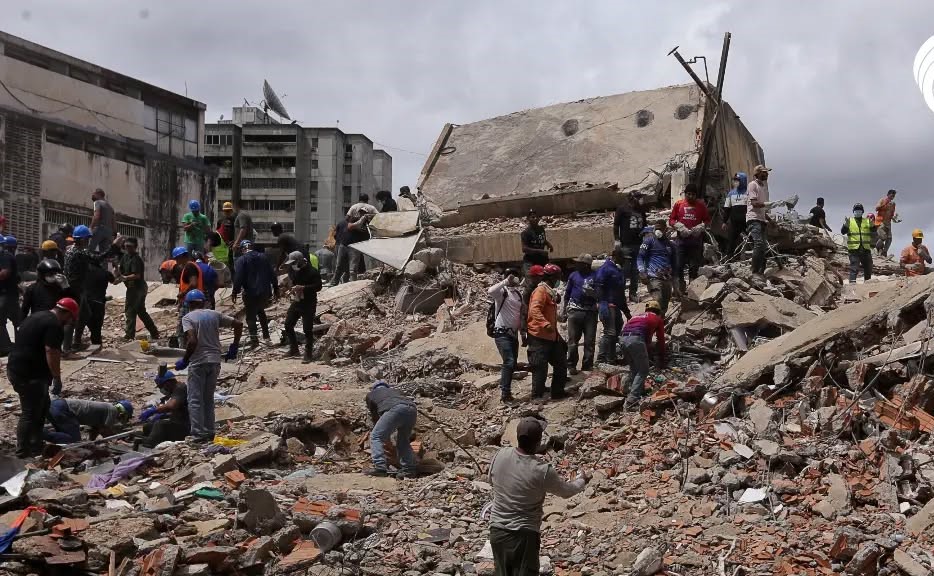
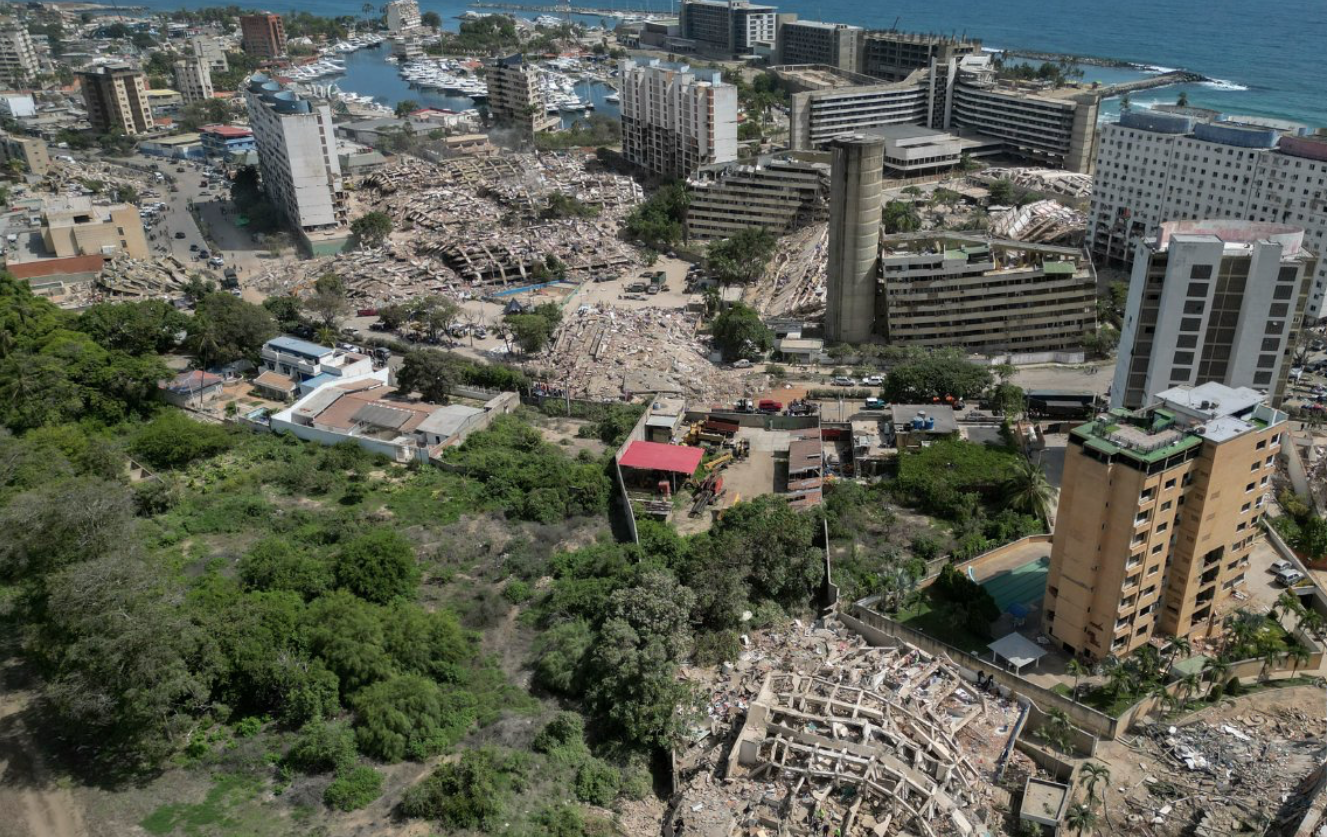
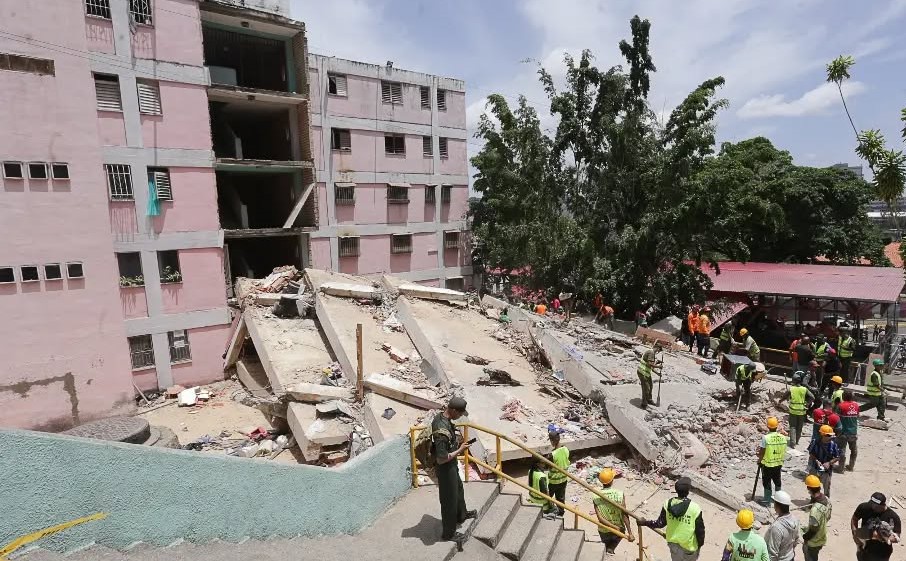
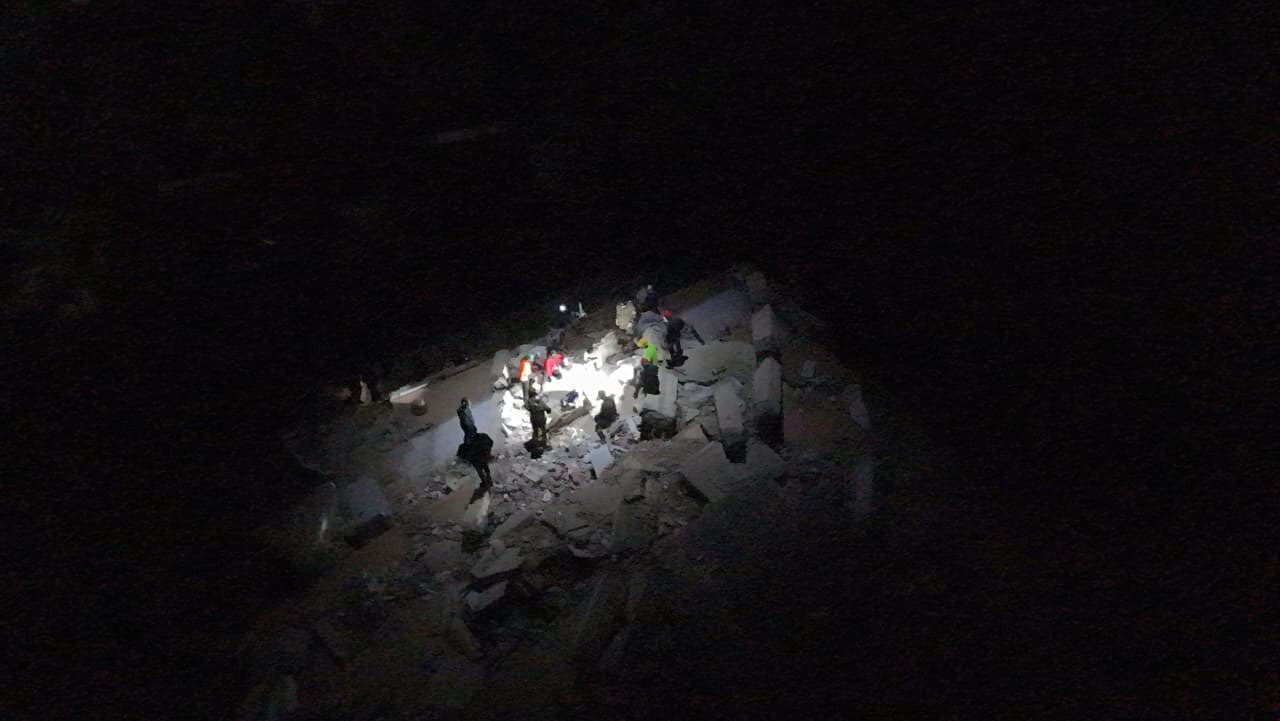
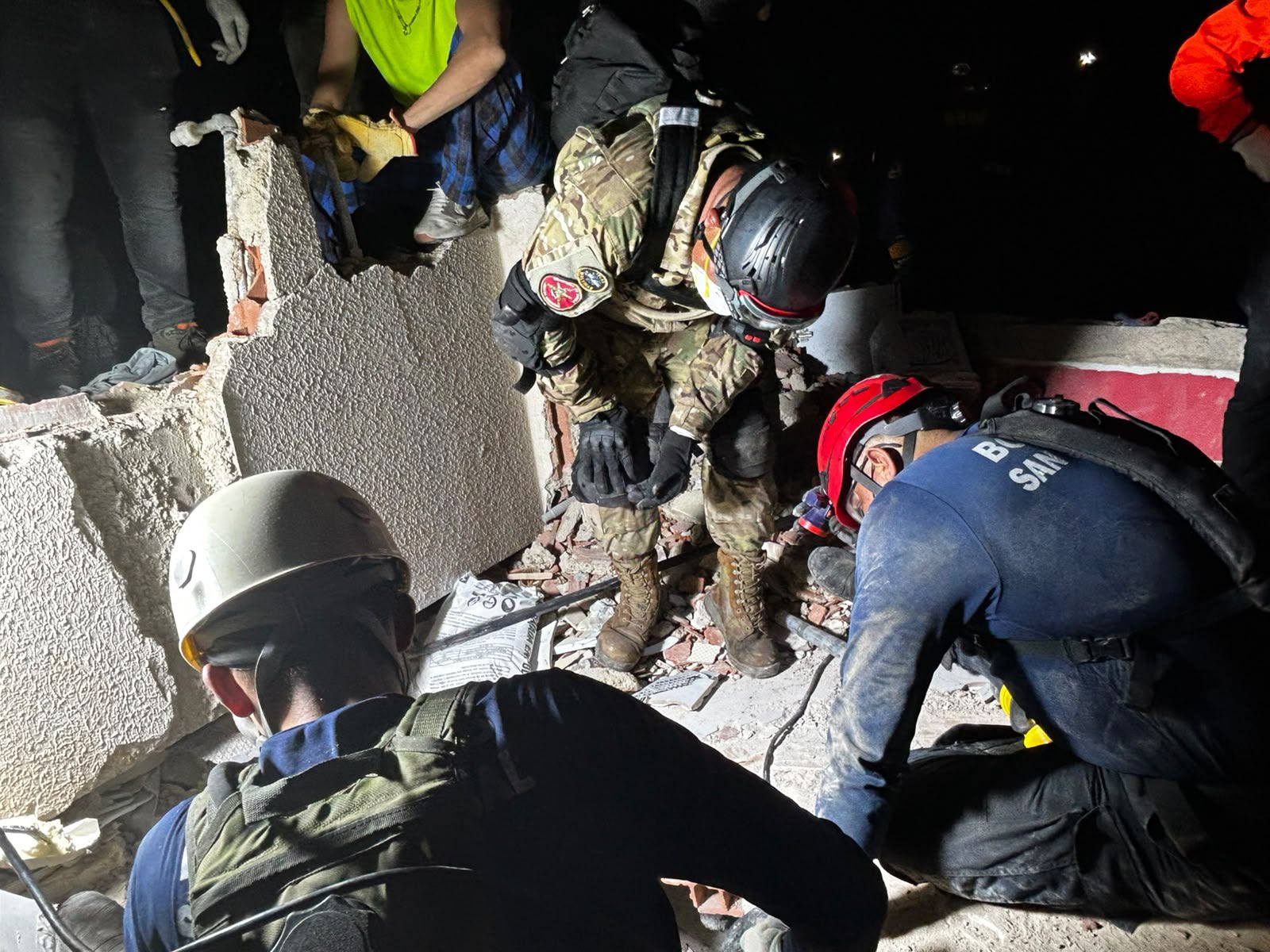
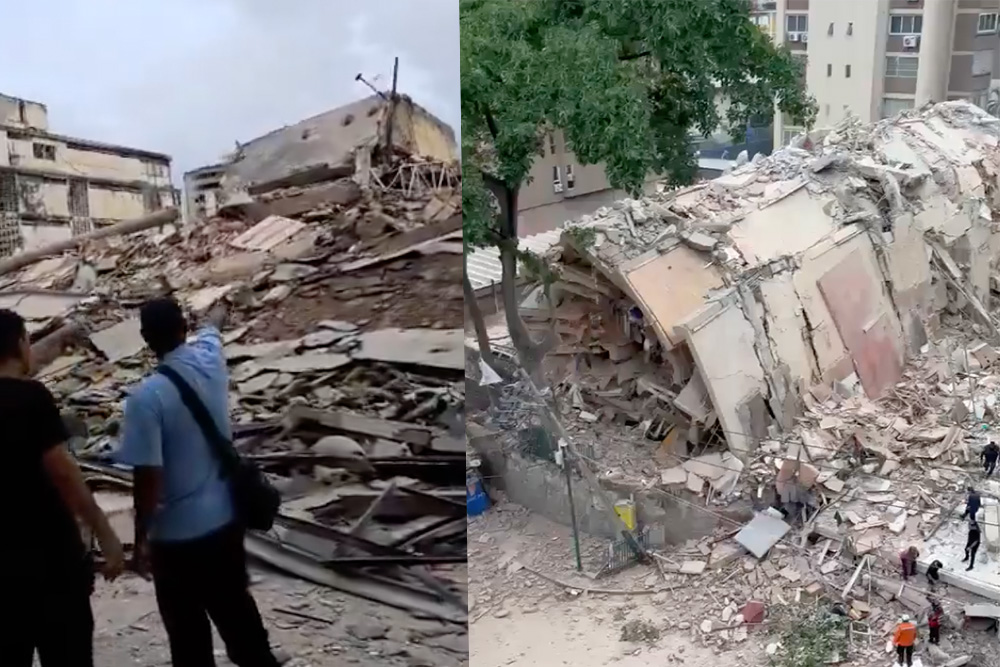
On Wednesday, 24th June 2026, at 6:04pm, Venezuela changed forever in less than a minute. Two earthquakes, magnitude 7.1 and 7.5, separated by just 39 seconds, struck the north-central part of the country. The epicenter was located near Morón, in the State of Carabobo, but the most devastating impact was felt in La Guaira, Caracas and the surrounding areas, where many houses and buildings collapsed. The toll of casualties, missing and injured continues to rise as rescue operations proceed. Specialized teams from many countries are arriving to join the search for survivors, bringing humanitarian aid and essential supplies, as part of an international response that is growing by the hour.
The aftershocks have given no respite; there have already been over 100. Some are barely noticeable while others force us to flee our homes repeatedly. We are living in a constant state of alert. We sleep little. Fatigue weighs heavily on us, as does fear. Added to this are the difficulties of a city trying to continue functioning: the telephone signal and internet connection work intermittently, electricity supplies fluctuate constantly and, in many buildings, the supply of gas has been suspended as a precaution. Even the simplest decisions require enormous effort: organizing ourselves, carrying out practical tasks, coordinating teams, or simply contacting loved ones to know if they are safe. Everything becomes more difficult when the earth keeps reminding us that it has not yet stopped shaking.
Venezuela is dealing with this earthquake from a condition of vulnerability. Many buildings were built without the earthquake-resistant standards that are now the norm in other regions and some have suffered from years of wear and insufficient maintenance. This emergency is unfolding with an already challenging socio-economic reality, which makes the response process even more complex.
However, in the midst of this fragile reality, we are also discovering an immense strength that comes from communion.
As the Focolare Movement, we have opened our homes – the Focolare centres that, fortunately, have not suffered any structural damage – to welcome those who have had to abandon their homes. Some families can no longer return home, because their buildings are at risk of collapsing; others have lost everything. We have offered accommodation, food, clothing and whatever else that can alleviate the most urgent and immediate needs.
Sadly the tragedy has also touched our family very closely. A volunteer from the Movement lost several family members due to the collapse of the buildings in which they lived. Only one granddaughter survived and has already been treated in the hospital. Like them, many families wait anxiously among the ruins for news; others mourn their loved ones and many continue to cling to the hope of finding those still missing alive.
Solidarity is part of our identity and these days it becomes tangible. From the very first hours after the earthquake, journeys between Caracas and La Guaira multiplies: private cars, volunteers, parishes, organizations and neighbors bringing water, food, medicines, clothes and tools. Entire communities from other regions of the country that experienced the earthquake very lightly, have spontaneously organized collection centers, sorted donations and prepared the aid that continues to reach the worst affected areas through the Church. Every small initiative, every phone call, every package prepared with care, every person who offers their time, weaves a network of fraternity that supports those who need it most today.
We are also deeply moved by the number of people, both within and outside Venezuela, who wish to help. We haven’t been able to respond to all the messages we have received. Family, friends, members of the Movement and people who simply want to know how we are or ask how they can contribute. We are activating every possible channel so that this enormous generosity can find concrete expression and reach where it is most needed.
We would like to express our sincere thanks to all of them. Thank you for the prayers, for the messages of closeness and for the concrete gestures of solidarity that are already being put into practice. In moments like this, we experience vividly what Chiara Lubich has left us as a guiding horizon: “Be a family”.
Perhaps the biggest challenge is to live in the present moment. Not to anticipate the fear of the next tremor or to remain paralyzed by the magnitude of the suffering. Remaining in the present is, now more than ever, the way to discover what Love asks of us in each moment.
Living the charism of unity, in this context, means giving a concrete response: being bridges where there is isolation, offering fraternity where fear created division and sowing hope where uncertainty seems to prevail.
There’s still a long road ahead. The emergency is not over and reconstruction will take time. Yet amid so much loss, we are also witnessing a humanity that refuses to give up, that organizes itself, that shares the little or much that it has and that reminds us once again that, even when the earth trembles, love can remain the firmest ground on which to rebuild hope.
The Focolare Movement’s Emergency Coordination Team has launched a special fundraising campaign to support the people of Venezuela through Action for a United World (AMU) and Action for New Families (AFN). The donations received will be managed jointly by AMU and AFN to provide the people affected by the June 24, 2026, earthquake with essential aid for food, medical care, housing, and shelter in various cities across the country, in collaboration with local churches.
Every contribution will provide immediate support and allow us to imagine together a future of hope and reconstruction.
Azione per un Mondo Unito ETS (AMU) IBAN: IT 58 S 05018 03200 000011204344 at Banca Popolare Etica Codice SWIFT/BIC: ETICIT22XXX
Azione per Famiglie Nuove ETS | Banca Etica – filiale 1 di Roma – Agenzia n. 0 | Codice IBAN: IT 92 J 05018 03200 000016978561 | BIC/SWIFT: ETICIT22XXX
Reason for payment:: Venezuela Emergency
Tax benefits are available for such donations in many EU countries and in other countries around the world, according to different local regulations.Italian contributors will be able to obtain deductions and allowances from income, according to the rules for non-profit organisations
Some time ago, thanks to modern technology, after many years of not seeing each other my former school classmates reunited: we created a group on WhatsApp. Between anecdotes and old photos, we managed to identify a companion that no one had heard from anymore and we added him to the group.
He told us that he lived on the street. A series of health problems, a battle with cancer, losing his job and family break up had left him with nothing. At first, some of us contributed some money, but faced with a second call for help, the response was silence or rejection.
Even though we hadn’t been close friends at school, I felt couldn’t just look on. I thought that since he had reappeared in my life through that WhatsApp group, I should do something. I couldn’t simply ignore him
I decided to meet him. I wanted to see for myself how he was doing and listen to him. He had spent a few days in a hostel, but had soon ended up back on the street. I didn’t have the means to solve his housing problem or offer him a home, but I felt the need to discern what God wanted from me in that situation.
We met and talked for a long time. I was deeply moved by the decline in his physical health, so I offered to help him with a natural medicine that I could provide so that, at least, he might regain a bit of peace and well-being. But beyond his physical state, I remembered that he had once felt a strong religious vocation and that he had even been on the verge of entering the seminary. I asked him about his faith.
He told me that he had distanced himself from everything; he had not set foot in a church or approached the sacraments for years. With complete sincerity, I advised him that since his illness was progressing and he felt in danger, he should seek refuge in God.
I suggested that he go to Mass, talk to a priest and, if he felt up to it, go to confession. The next day he called me overcome with emotion. He had gone to church, gone to confession and received communion. He thanked me from the bottom of his heart because he realized that, having lost all material things, his relationship with God was the only thing he really had left.
We’re still in touch today. He managed to get a pension and is feeling a little better. I continue to help him with this natural medicine complementary to his treatment and, every now and then, we meet for coffee or I bring him something he needs, like a pair of trainers. But over time I have come to understand that the most important thing was neither medicine nor shoes: it was the fact that someone stopped to talk to him.
Sometimes, a “neighbour” appears in a WhatsApp group and we run the risk of leaving them trapped in virtuality, where no one assumes any responsibility. My friend taught me that being attentive to another person’s needs, even if we cannot provide a definitive solution, is already a lot. If we could all make even a small gesture, how different things would be for other people! Let’s not allow others to be just a message on a screen, let’s make our help concrete, human and, above all, present.