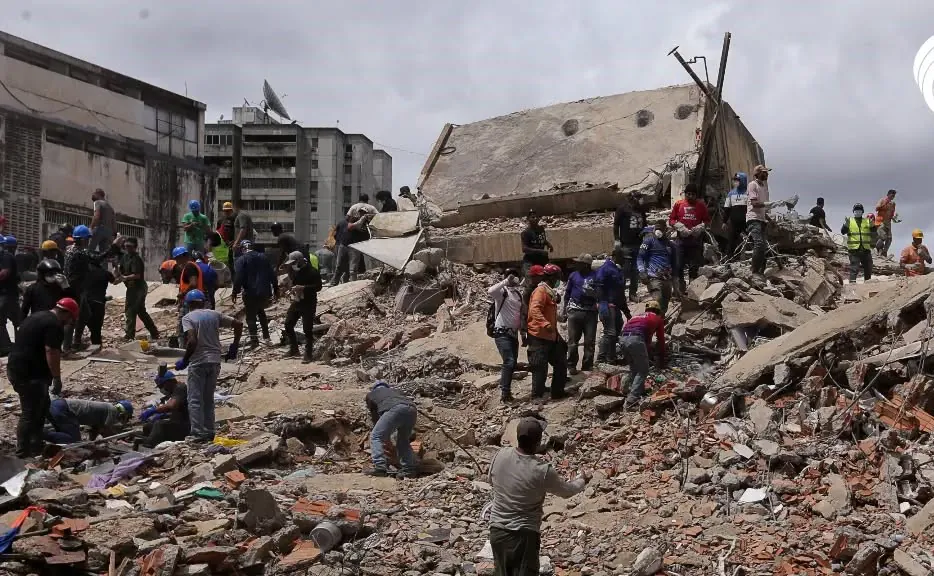
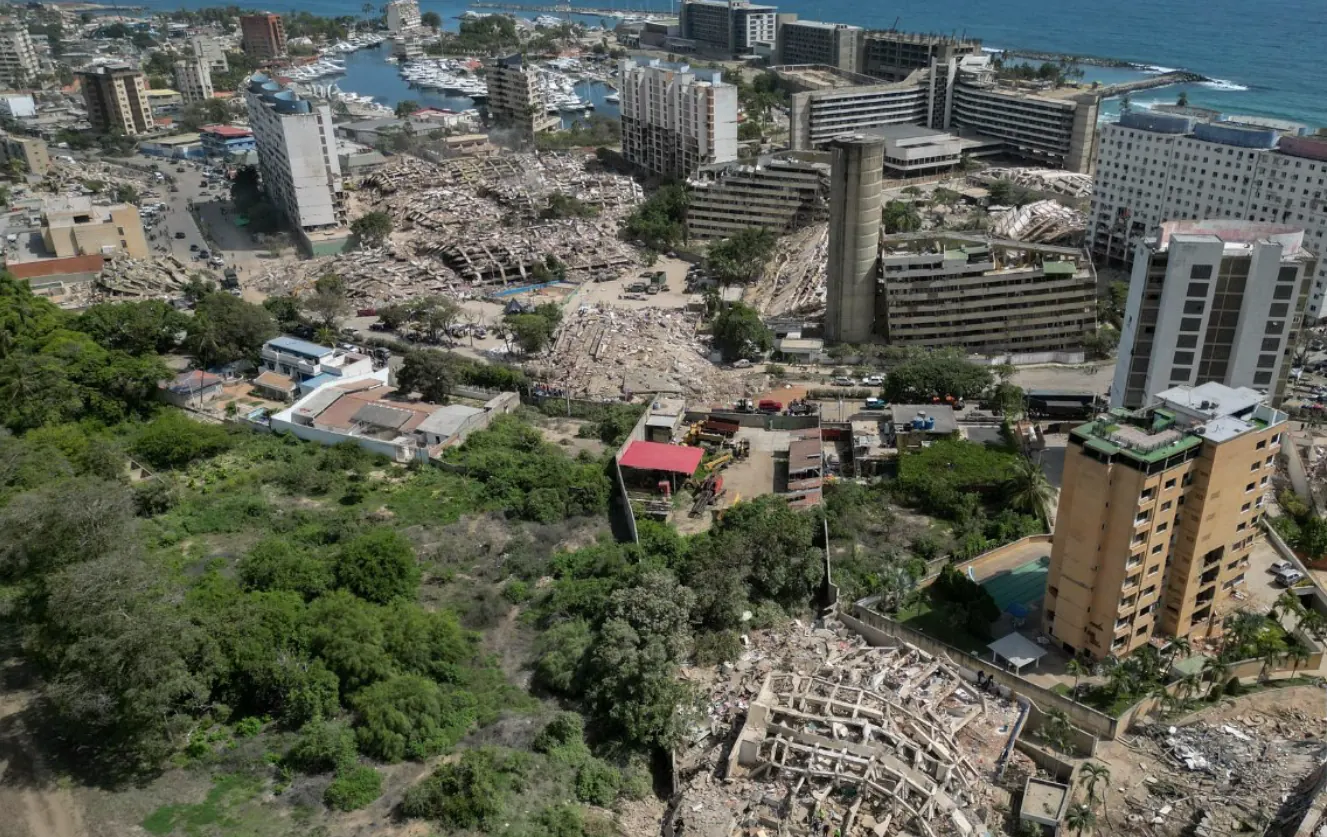
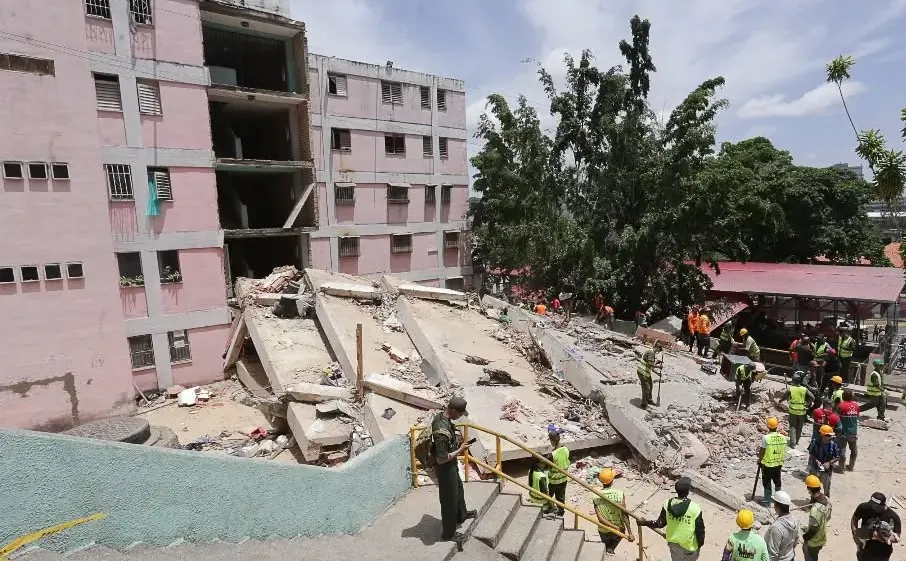
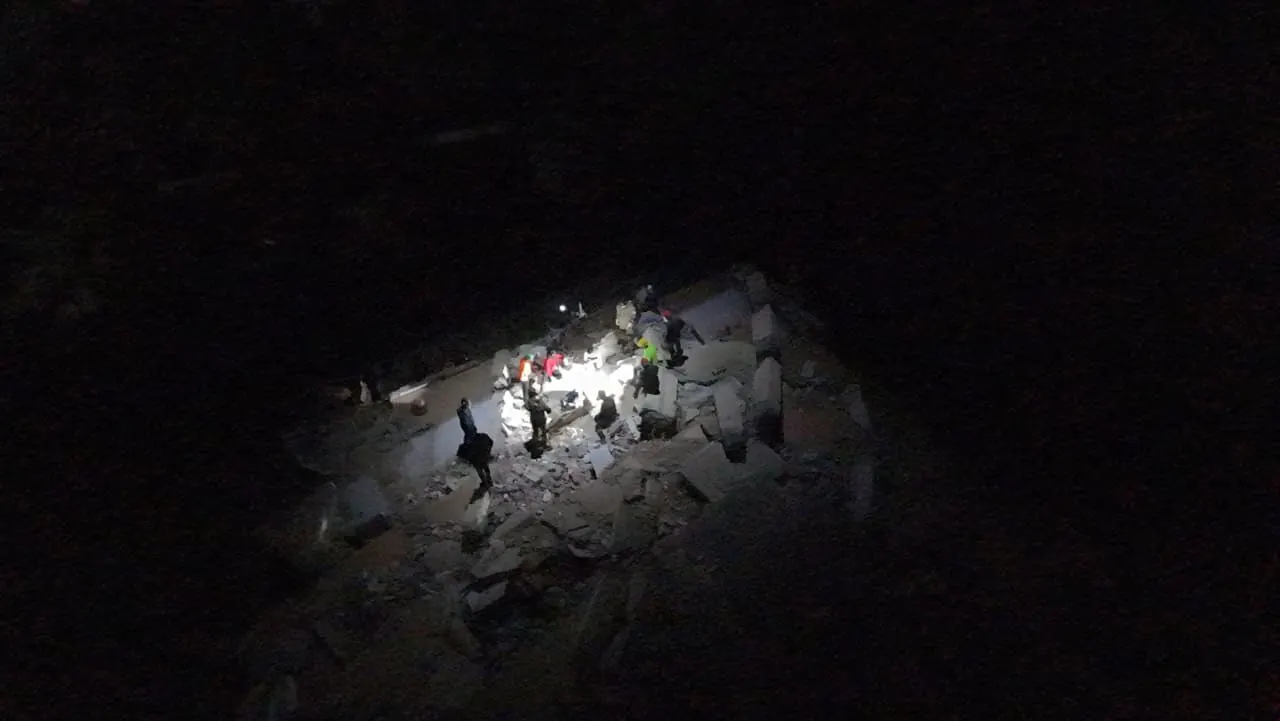
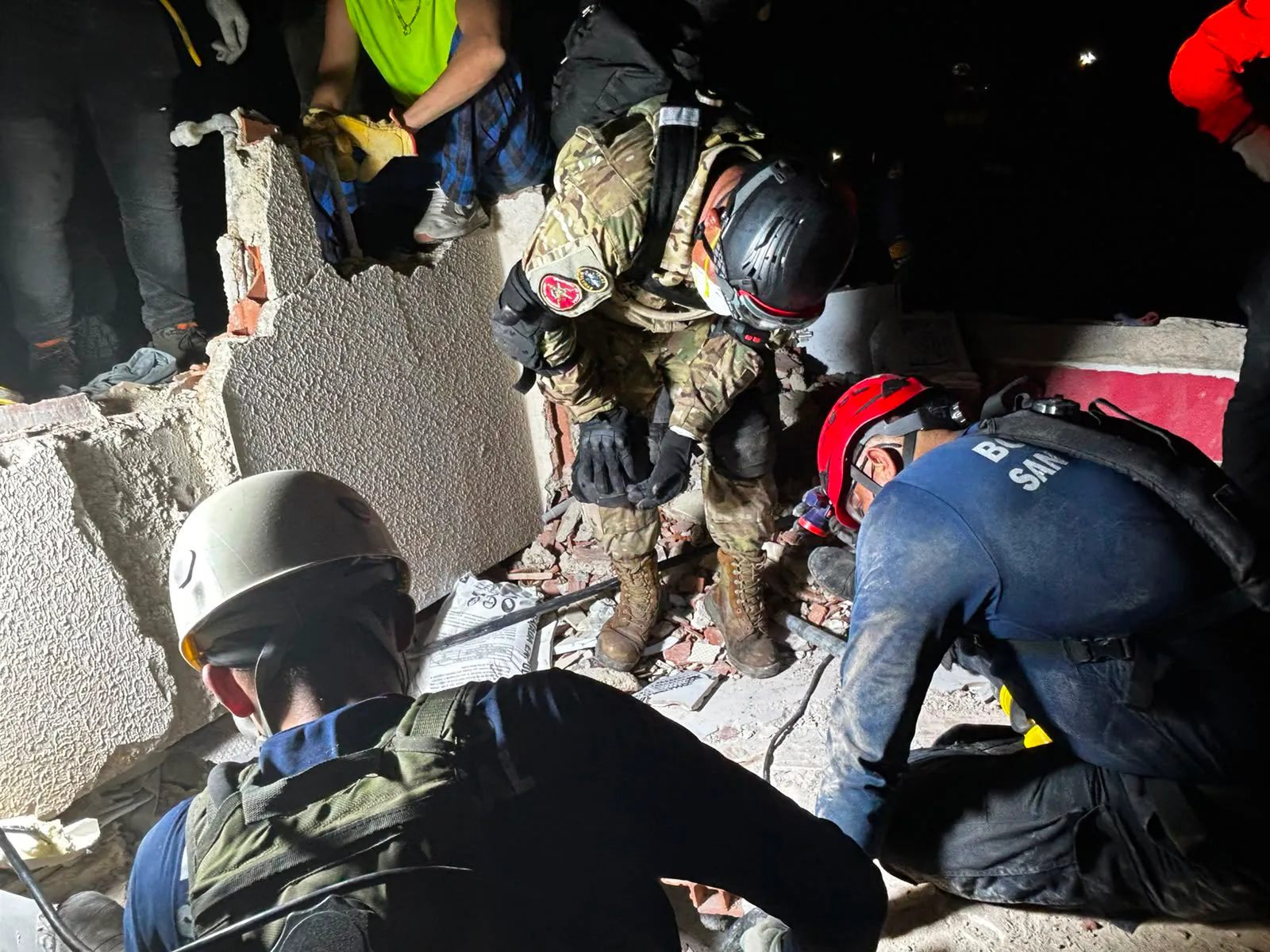
On Wednesday, 24th June 2026, at 6:04pm, Venezuela changed forever in less than a minute. Two earthquakes, magnitude 7.1 and 7.5, separated by just 39 seconds, struck the north-central part of the country. The epicenter was located near Morón, in the State of Carabobo, but the most devastating impact was felt in La Guaira, Caracas and the surrounding areas, where many houses and buildings collapsed. The toll of casualties, missing and injured continues to rise as rescue operations proceed. Specialized teams from many countries are arriving to join the search for survivors, bringing humanitarian aid and essential supplies, as part of an international response that is growing by the hour.
The aftershocks have given no respite; there have already been over 100. Some are barely noticeable while others force us to flee our homes repeatedly. We are living in a constant state of alert. We sleep little. Fatigue weighs heavily on us, as does fear. Added to this are the difficulties of a city trying to continue functioning: the telephone signal and internet connection work intermittently, electricity supplies fluctuate constantly and, in many buildings, the supply of gas has been suspended as a precaution. Even the simplest decisions require enormous effort: organizing ourselves, carrying out practical tasks, coordinating teams, or simply contacting loved ones to know if they are safe. Everything becomes more difficult when the earth keeps reminding us that it has not yet stopped shaking.
Venezuela is dealing with this earthquake from a condition of vulnerability. Many buildings were built without the earthquake-resistant standards that are now the norm in other regions and some have suffered from years of wear and insufficient maintenance. This emergency is unfolding with an already challenging socio-economic reality, which makes the response process even more complex.
However, in the midst of this fragile reality, we are also discovering an immense strength that comes from communion.
As the Focolare Movement, we have opened our homes – the Focolare centres that, fortunately, have not suffered any structural damage – to welcome those who have had to abandon their homes. Some families can no longer return home, because their buildings are at risk of collapsing; others have lost everything. We have offered accommodation, food, clothing and whatever else that can alleviate the most urgent and immediate needs.
Sadly the tragedy has also touched our family very closely. A volunteer from the Movement lost several family members due to the collapse of the buildings in which they lived. Only one granddaughter survived and has already been treated in the hospital. Like them, many families wait anxiously among the ruins for news; others mourn their loved ones and many continue to cling to the hope of finding those still missing alive.
Solidarity is part of our identity and these days it becomes tangible. From the very first hours after the earthquake, journeys between Caracas and La Guaira multiplies: private cars, volunteers, parishes, organizations and neighbors bringing water, food, medicines, clothes and tools. Entire communities from other regions of the country that experienced the earthquake very lightly, have spontaneously organized collection centers, sorted donations and prepared the aid that continues to reach the worst affected areas through the Church. Every small initiative, every phone call, every package prepared with care, every person who offers their time, weaves a network of fraternity that supports those who need it most today.
We are also deeply moved by the number of people, both within and outside Venezuela, who wish to help. We haven’t been able to respond to all the messages we have received. Family, friends, members of the Movement and people who simply want to know how we are or ask how they can contribute. We are activating every possible channel so that this enormous generosity can find concrete expression and reach where it is most needed.
We would like to express our sincere thanks to all of them. Thank you for the prayers, for the messages of closeness and for the concrete gestures of solidarity that are already being put into practice. In moments like this, we experience vividly what Chiara Lubich has left us as a guiding horizon: “Be a family”.
Perhaps the biggest challenge is to live in the present moment. Not to anticipate the fear of the next tremor or to remain paralyzed by the magnitude of the suffering. Remaining in the present is, now more than ever, the way to discover what Love asks of us in each moment.
Living the charism of unity, in this context, means giving a concrete response: being bridges where there is isolation, offering fraternity where fear created division and sowing hope where uncertainty seems to prevail.
There’s still a long road ahead. The emergency is not over and reconstruction will take time. Yet amid so much loss, we are also witnessing a humanity that refuses to give up, that organizes itself, that shares the little or much that it has and that reminds us once again that, even when the earth trembles, love can remain the firmest ground on which to rebuild hope.
Some time ago, thanks to modern technology, after many years of not seeing each other my former school classmates reunited: we created a group on WhatsApp. Between anecdotes and old photos, we managed to identify a companion that no one had heard from anymore and we added him to the group.
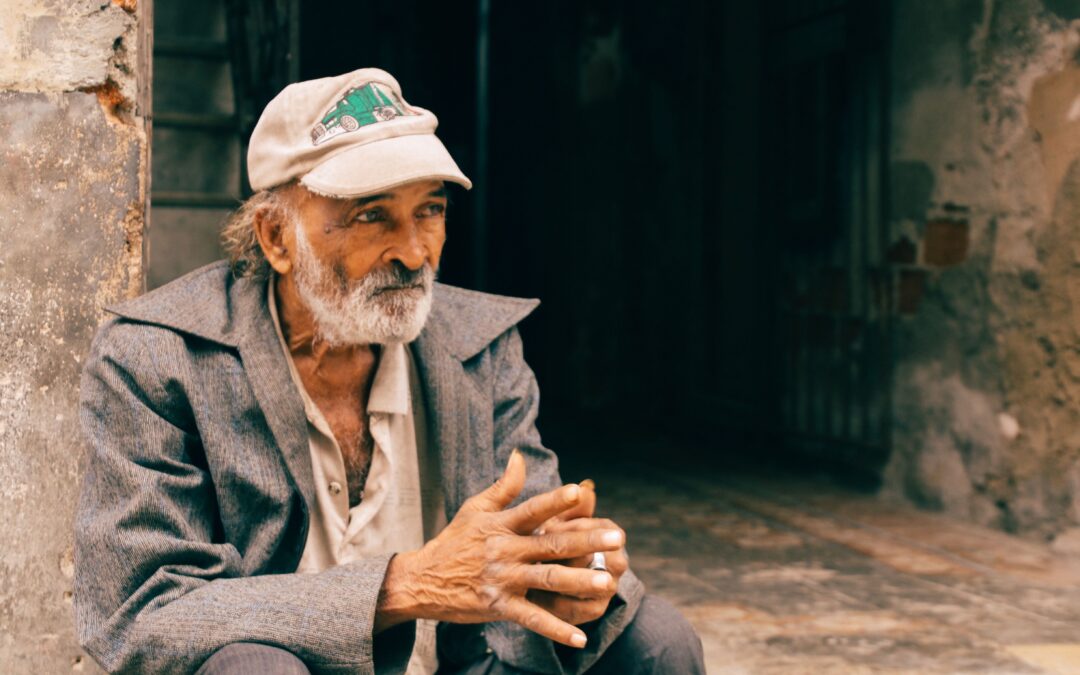
He told us that he lived on the street. A series of health problems, a battle with cancer, losing his job and family break up had left him with nothing. At first, some of us contributed some money, but faced with a second call for help, the response was silence or rejection.
Even though we hadn’t been close friends at school, I felt couldn’t just look on. I thought that since he had reappeared in my life through that WhatsApp group, I should do something. I couldn’t simply ignore him
I decided to meet him. I wanted to see for myself how he was doing and listen to him. He had spent a few days in a hostel, but had soon ended up back on the street. I didn’t have the means to solve his housing problem or offer him a home, but I felt the need to discern what God wanted from me in that situation.
We met and talked for a long time. I was deeply moved by the decline in his physical health, so I offered to help him with a natural medicine that I could provide so that, at least, he might regain a bit of peace and well-being. But beyond his physical state, I remembered that he had once felt a strong religious vocation and that he had even been on the verge of entering the seminary. I asked him about his faith.
He told me that he had distanced himself from everything; he had not set foot in a church or approached the sacraments for years. With complete sincerity, I advised him that since his illness was progressing and he felt in danger, he should seek refuge in God.
I suggested that he go to Mass, talk to a priest and, if he felt up to it, go to confession. The next day he called me overcome with emotion. He had gone to church, gone to confession and received communion. He thanked me from the bottom of his heart because he realized that, having lost all material things, his relationship with God was the only thing he really had left.
We’re still in touch today. He managed to get a pension and is feeling a little better. I continue to help him with this natural medicine complementary to his treatment and, every now and then, we meet for coffee or I bring him something he needs, like a pair of trainers. But over time I have come to understand that the most important thing was neither medicine nor shoes: it was the fact that someone stopped to talk to him.
Sometimes, a “neighbour” appears in a WhatsApp group and we run the risk of leaving them trapped in virtuality, where no one assumes any responsibility. My friend taught me that being attentive to another person’s needs, even if we cannot provide a definitive solution, is already a lot. If we could all make even a small gesture, how different things would be for other people! Let’s not allow others to be just a message on a screen, let’s make our help concrete, human and, above all, present.
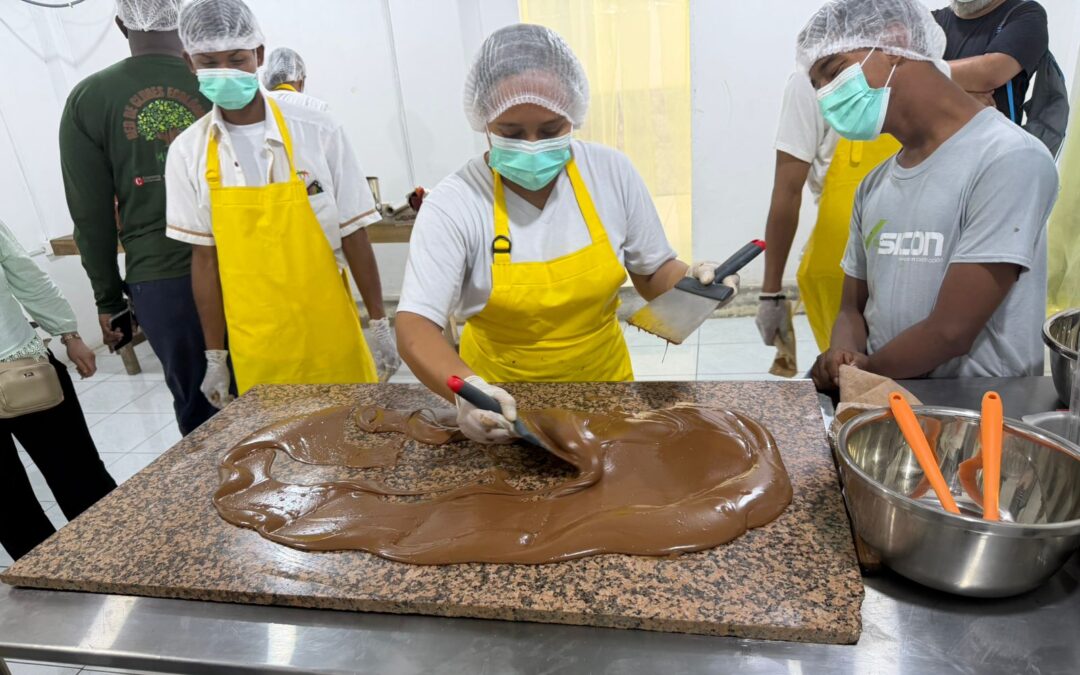
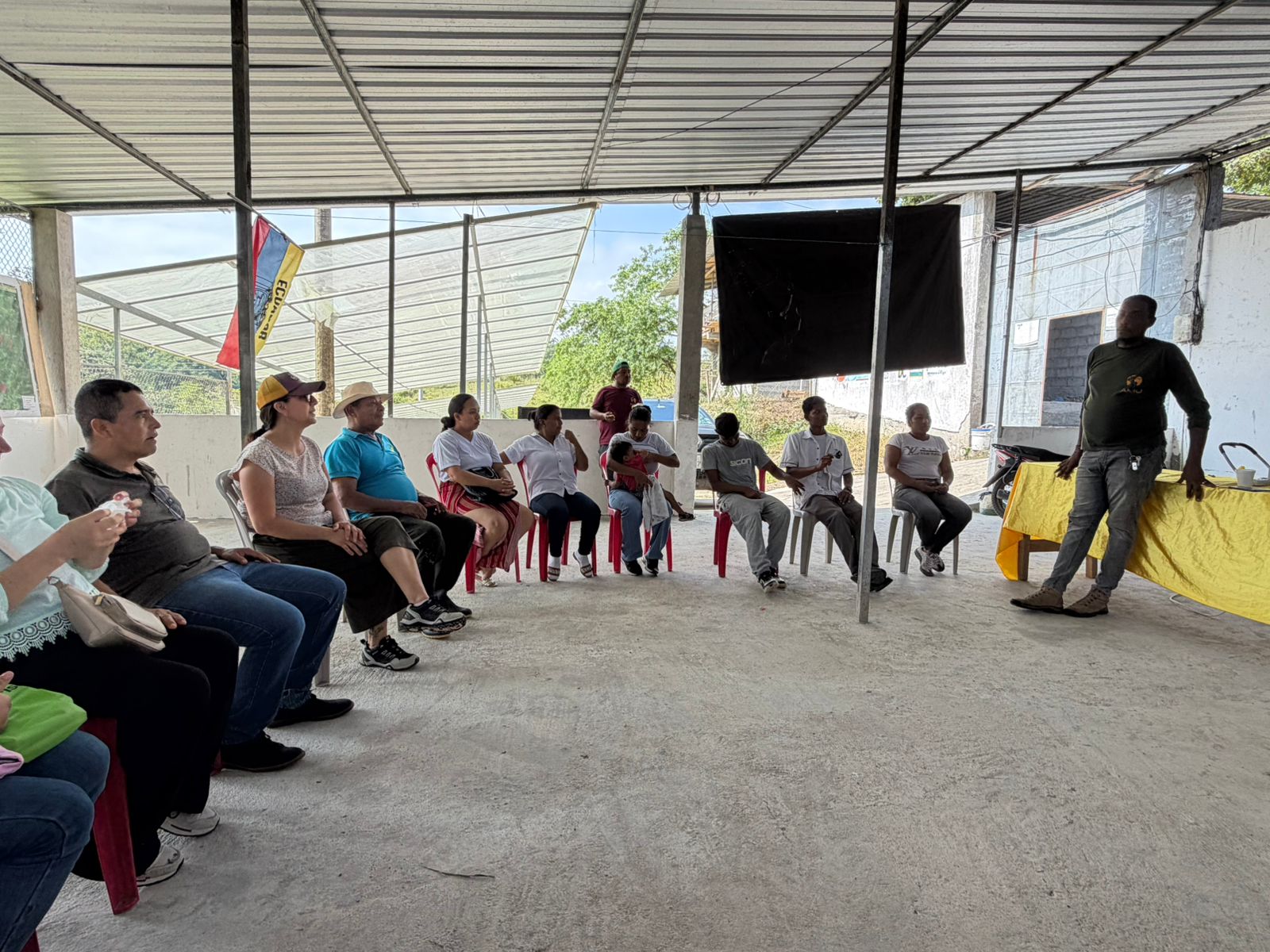
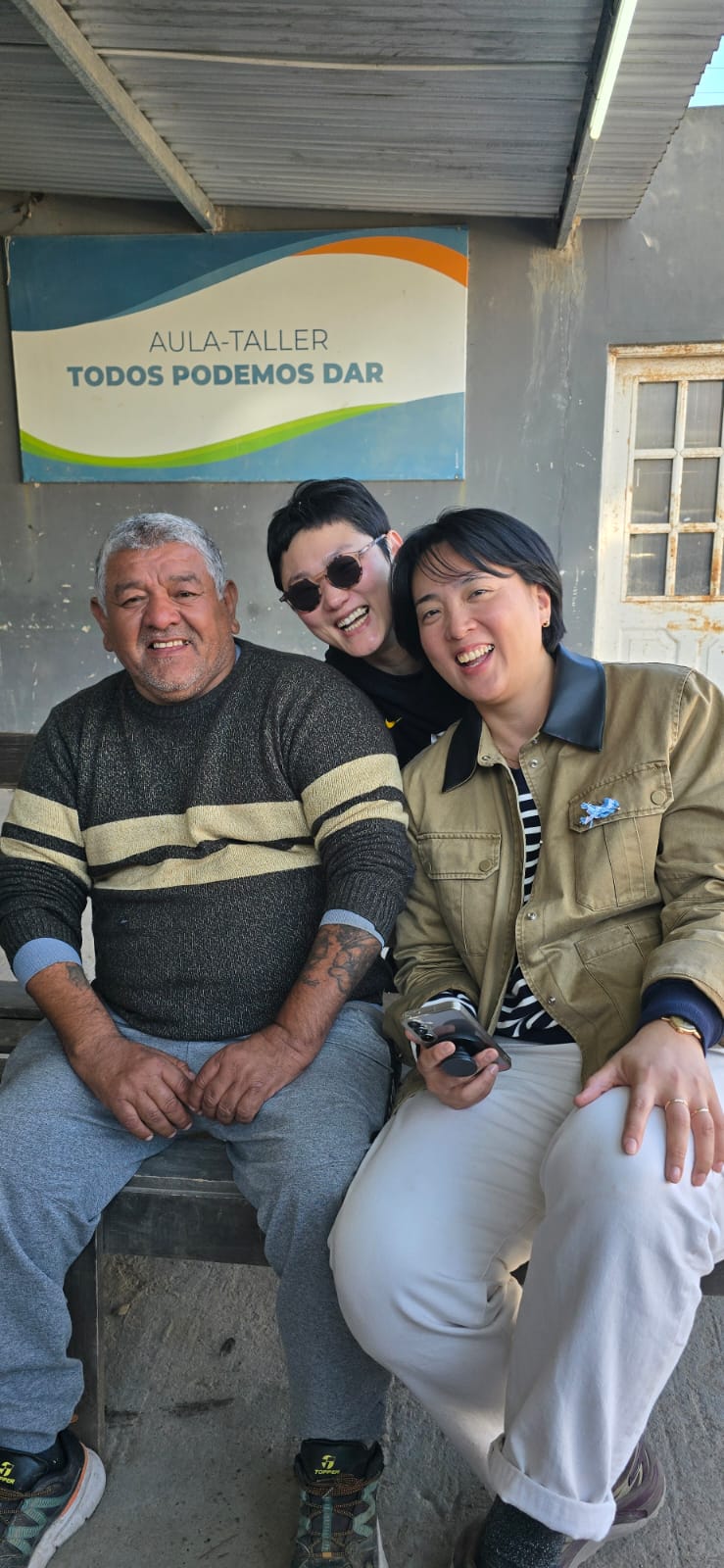
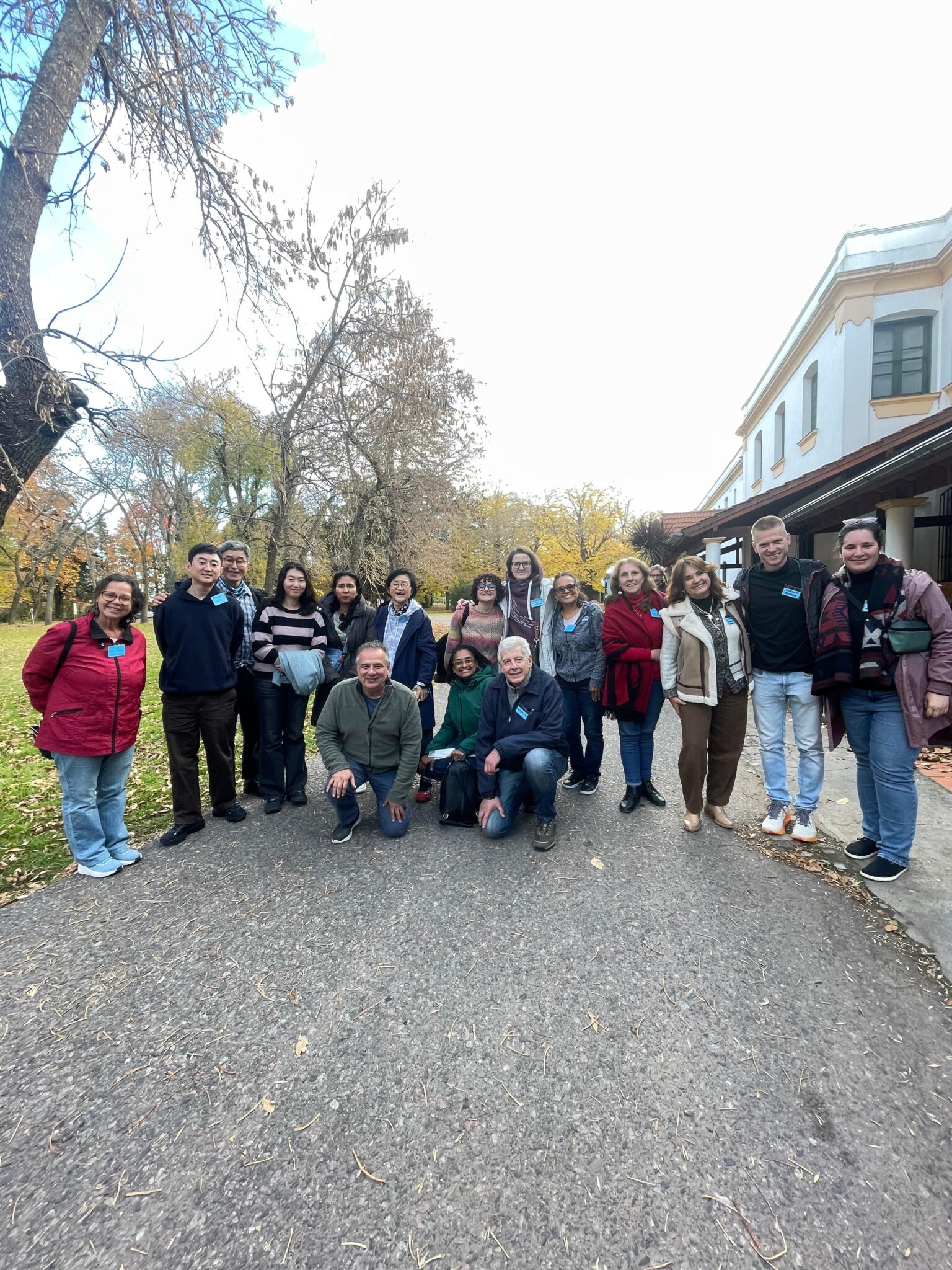
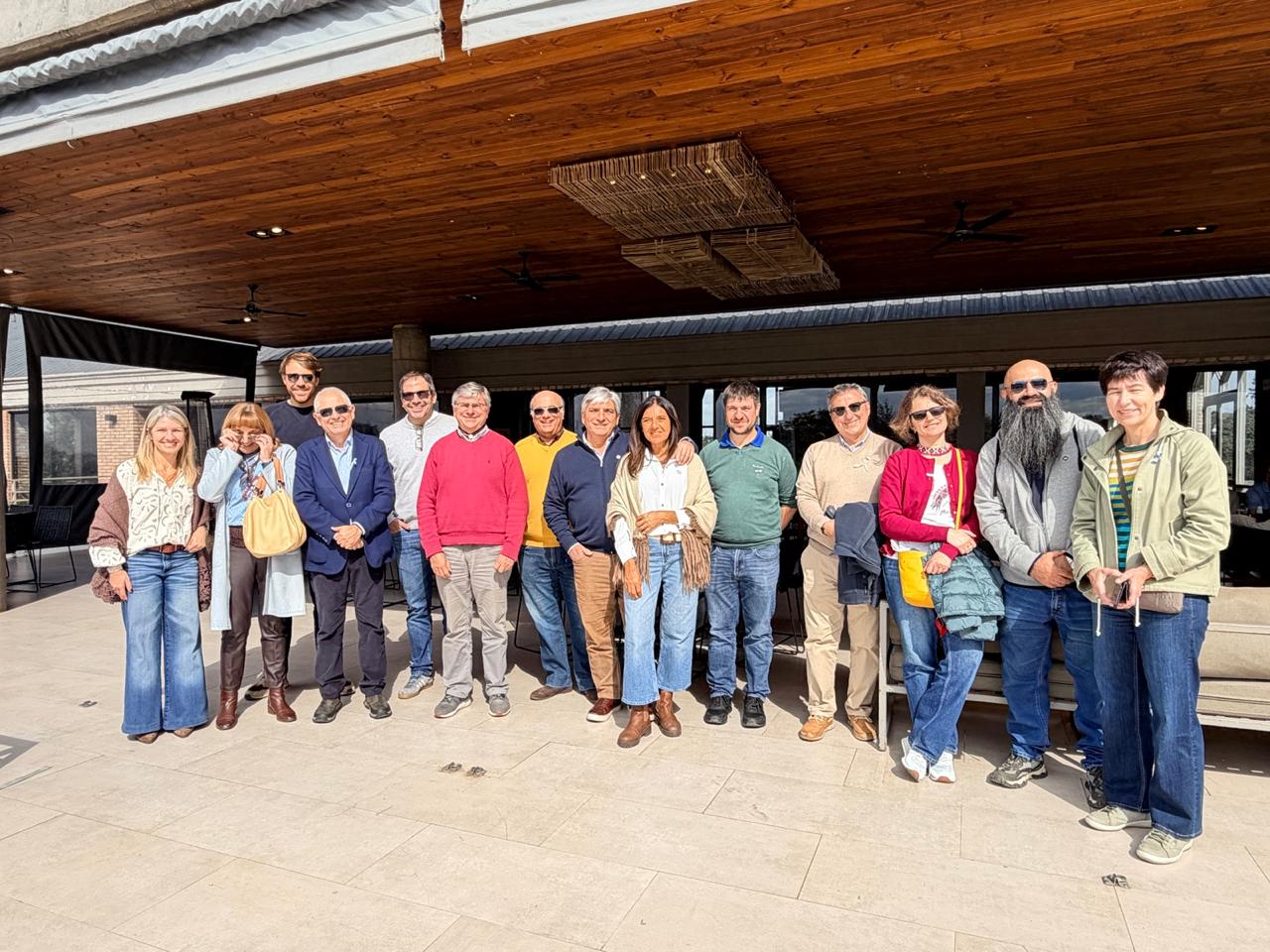
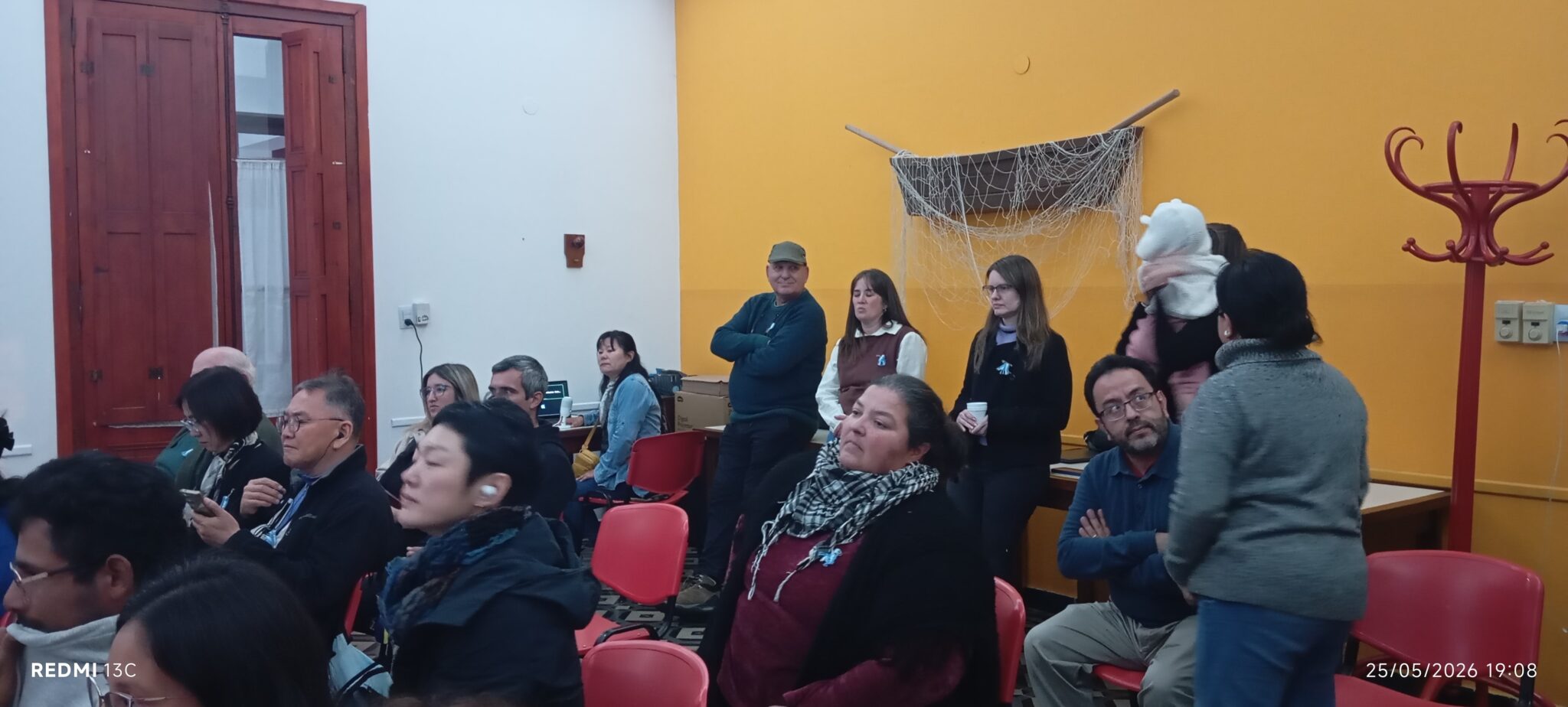
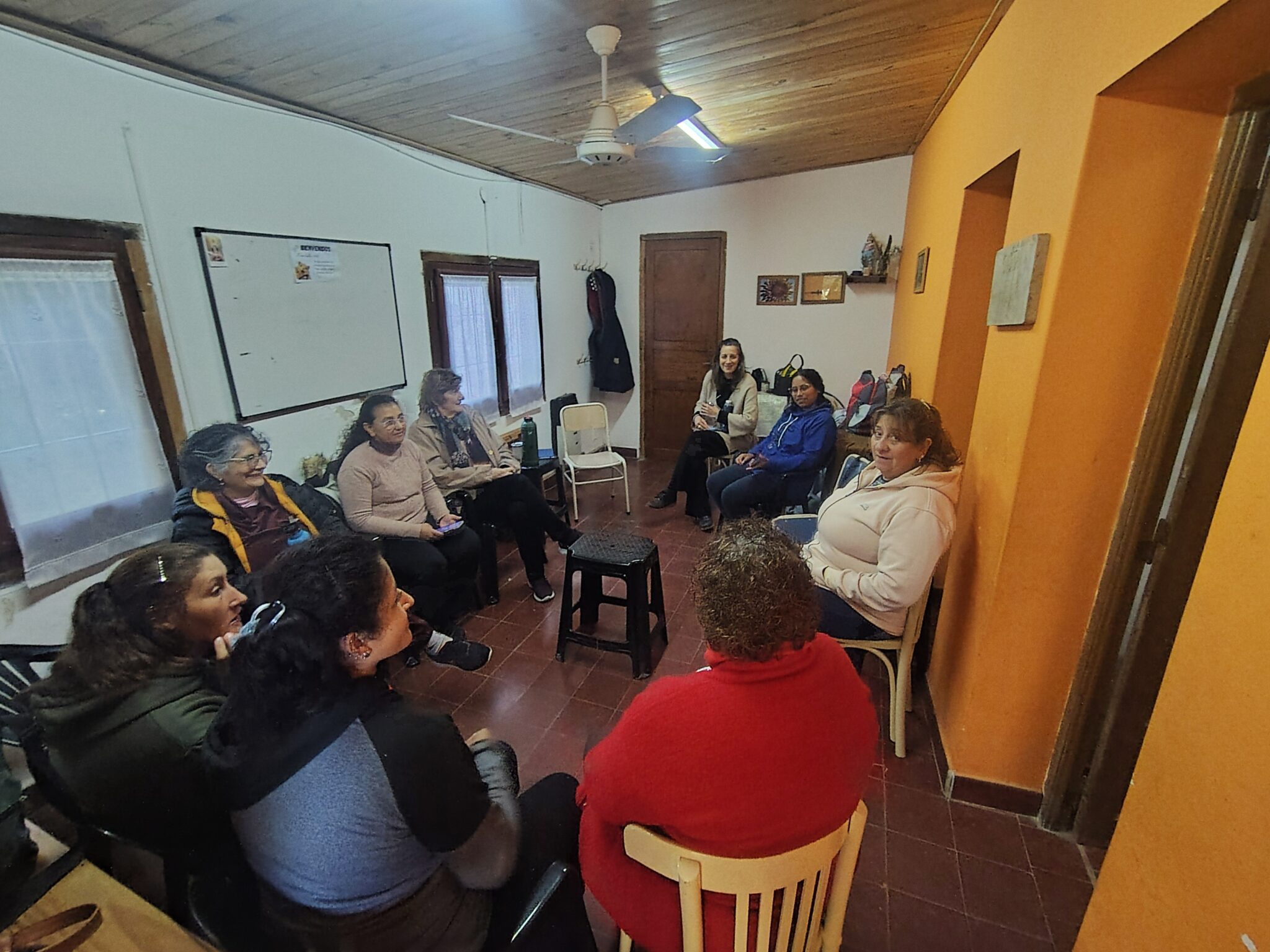
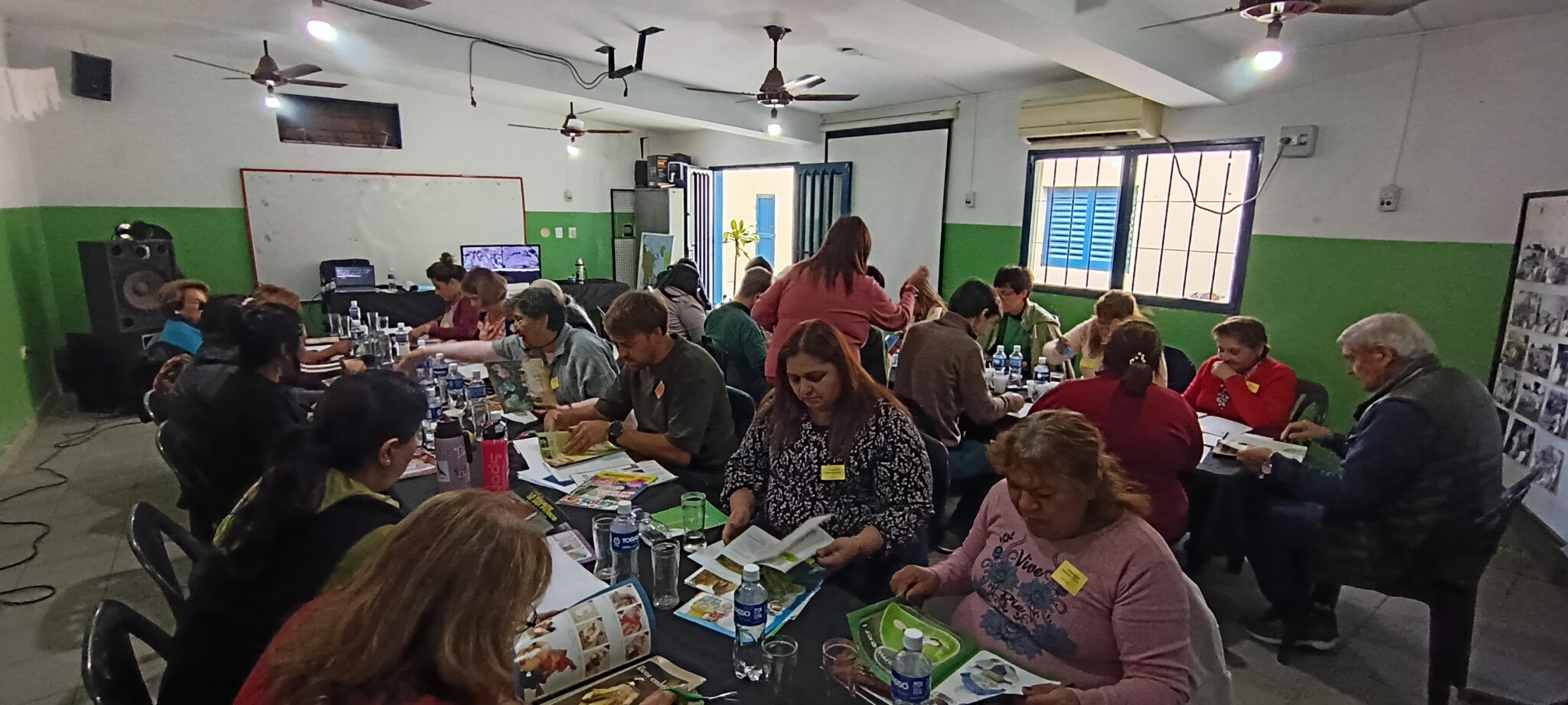
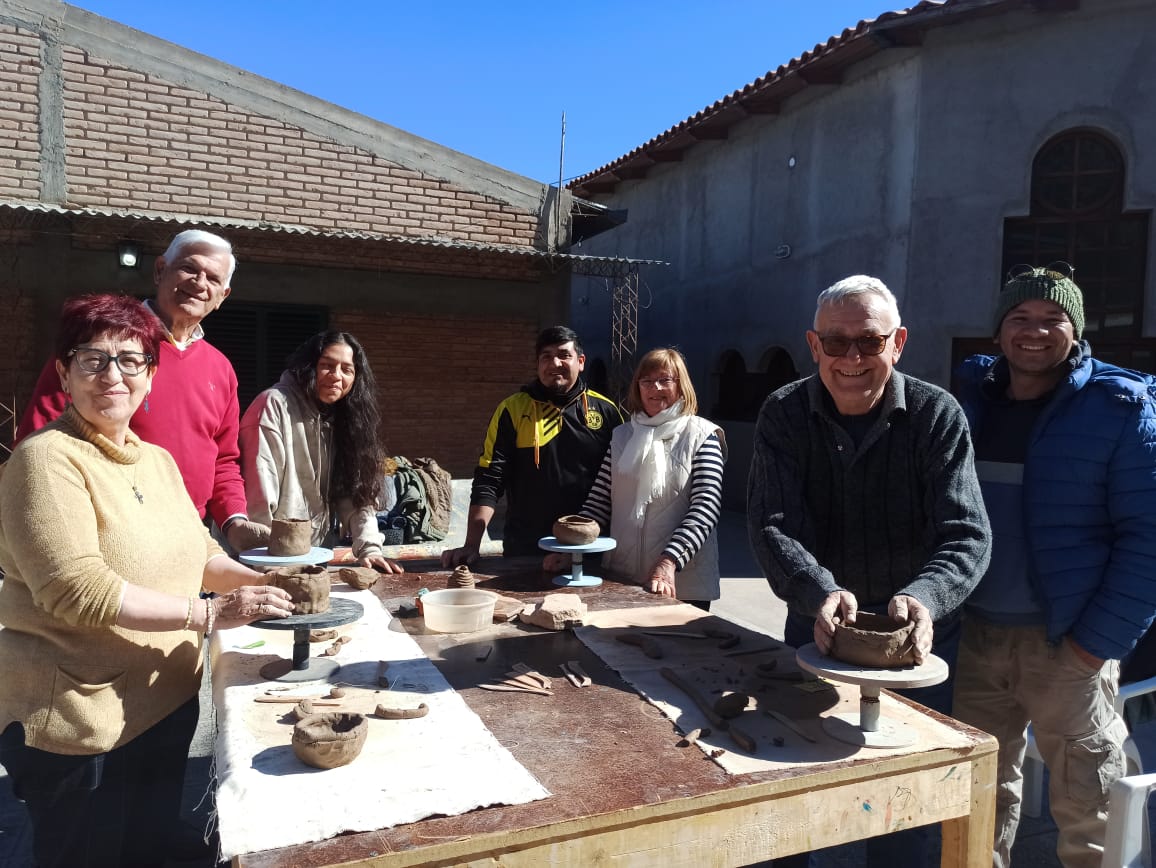
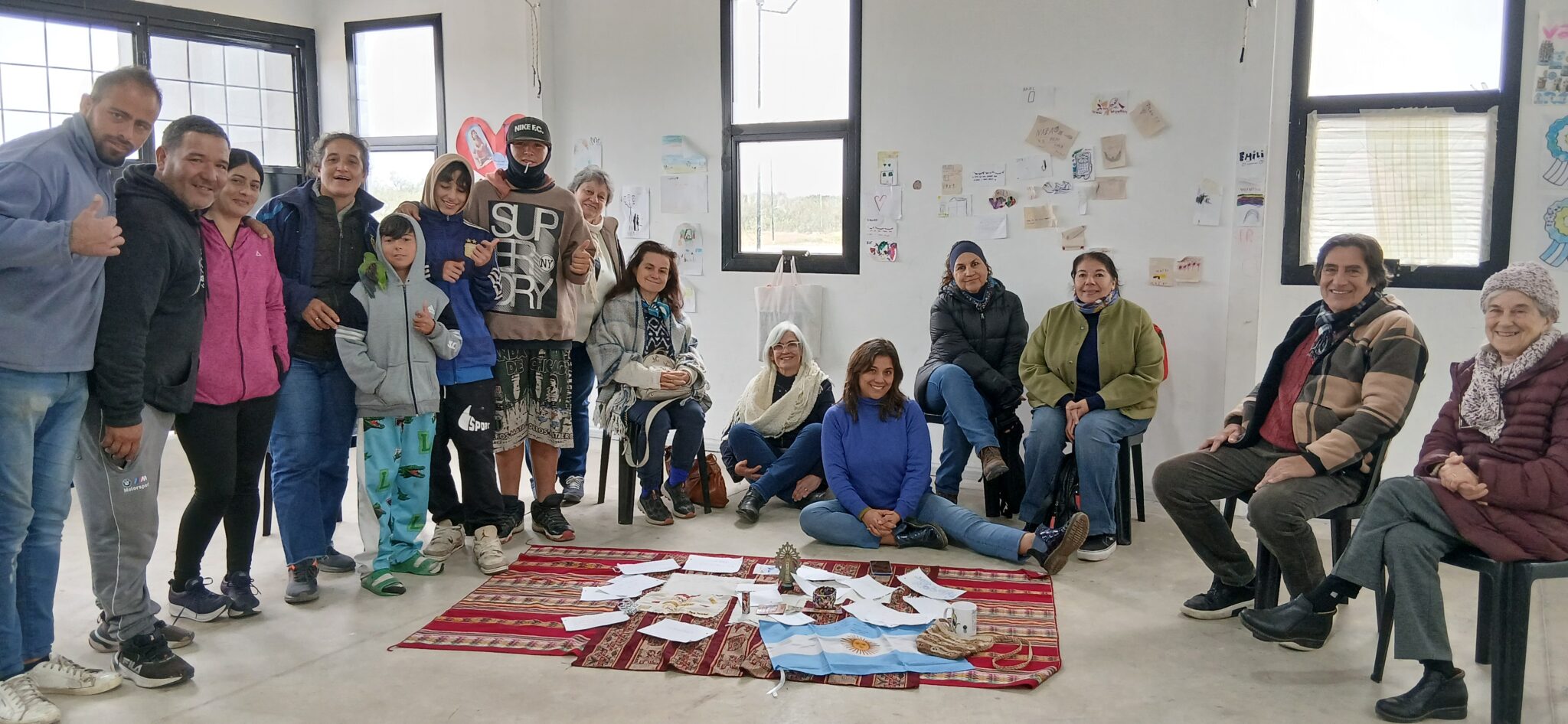
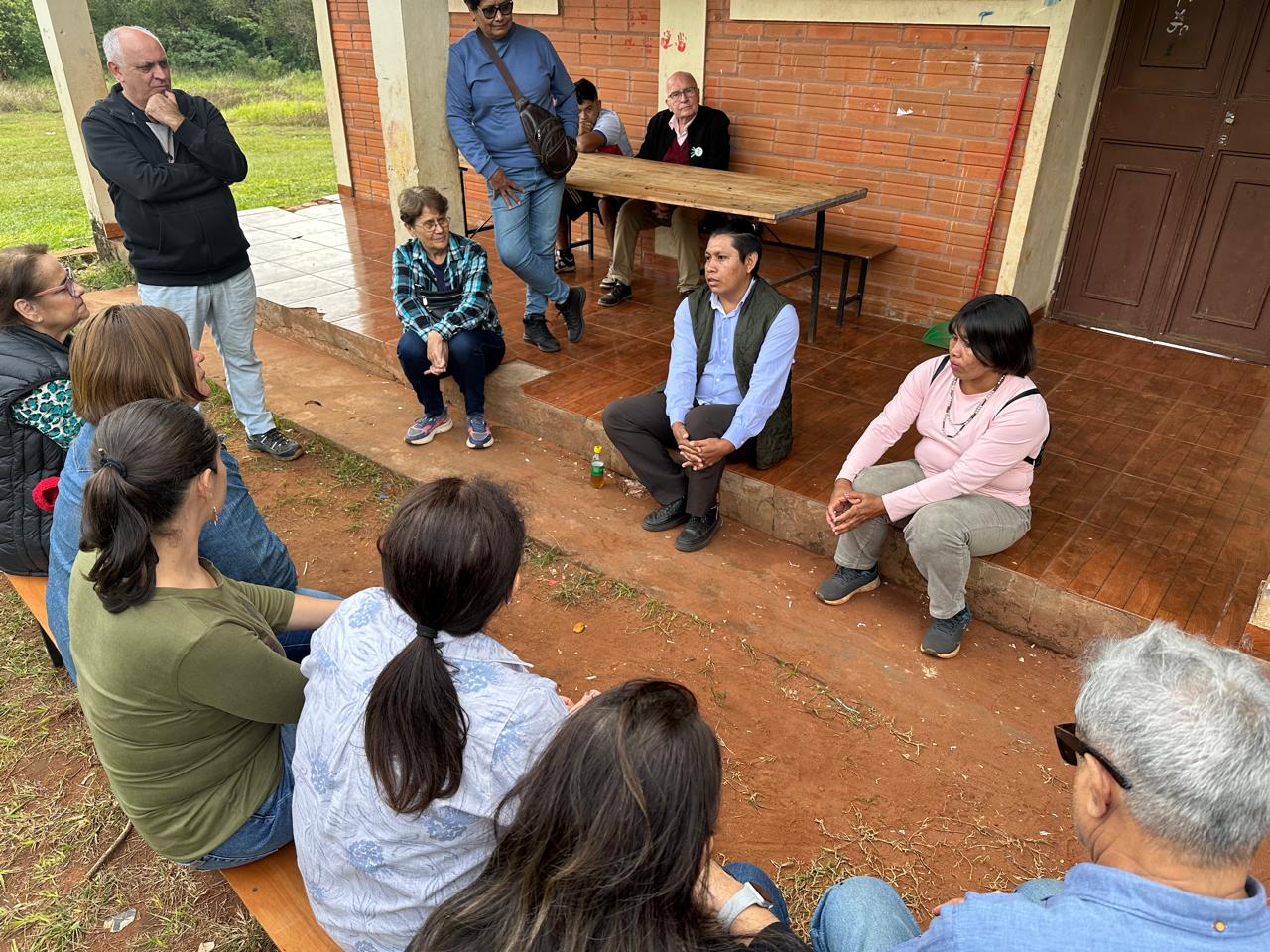
Five hundred people from 43 countries, representing every continent, have gathered in different parts of Latin America, for this important event dedicated to the Economy of Communion, 35 years after its birth.This “path of regeneration”, as it has been defined, began on 25th May 2026 and is a kind of “journey” of the Economy of Communion through various regions that will end on 29th-30th May in Buenos Aires. The first stage involves participants immersing themselves in different social projects around the Southern Cone. The key word of this experience is “encounter”: encounter between different worlds, lives, situations and different forms of wealth. A “meeting again” that generates relationships and communities.
Isaías Hernando, from Spain, a member of the International Commission of the Economy of Communion explained, “The Economy of Communion is lived by bringing together people from different sectors, entrepreneurs and academics, those who live in situations of poverty or vulnerability and indigenous populations. In some way it aims to offer a preview of what a different economy can really be like. This is precisely the spirit of the first phase of the event: it is not just a matter of visiting symbolic places, but of entering into situations where this experience is already visible. Not simply showing it but engaging in dialogue and a deep encounter between people from different cultures and those who live in situations of fragility. It is an experience that highlights the vocation of the Economy of Communion – to build fraternal communities “.
Why do we talk about “regeneration”? Anouk Grevin, from France, Coordinator of the International Commission of the Economy of Communion told us: “The idea of regeneration comes from the desire to care for the wounds of the economy and of our earth. Wounds regenerate from within – the skin rebuilds itself around the wound. Of course, there can be help from the outside, but everything begins there. This is the meaning we wanted to express in thinking about the regeneration process.”
It is a project in which the protagonists are those who live in the very places where wounds exist, who dwell within serious wounds. Anouk added, “It is a journey in which all of us have recognized ourselves as part of this fraternal and global community. We do not bring answers, we do not bring resources, we bring an experience of communion that is intended in itself to be generative”.
A characteristic of the Economy of Communion is that it requires the involvement of all the actors together: entrepreneurs, scholars, ordinary citizens, employees, micro-entrepreneurs and people who live in difficult situations. Anouk further stated, “It is not just an entrepreneurial project or a business model, but a community of people building a new economy together, precisely in places that are often not associated with the dominant economy, and that are already generating something new”.
The work is ongoing. There has been a vast range of experiences since the birth of the Economy of Communion and it is hoped that the days in Buenos Aires will open up new perspectives, as Hernando desires: “I believe that the intuition that Chiara Lubich had in 1991, when she launched the Economy of Communion in Brazil, had a strong prophetic character, in the sense that living this experience and making it real, means in some way anticipating the future. In this sense, I think that at this moment of history, the Economy of Communion is called to highlight that prophecy, somehow making it real and incarnate albeit on a small scale”.
by Carlos Mana Photo: Courtesy of EdC
WORK ON VARIOUS SOCIAL PROJECTS
Sunrise, EcuadorVolcadero, Paraná, Entre Ríos (AR)Mariápolis Lía, O’Higgins (AR)Scuola Chiara Lubich, JCPaz (AR)Rete Piccoli produttori, Entre Ríos (AR)Casita Estrella, Paraná (AR)Fondazione Lucia, Tucumán (AR)Scuola Aurora, Catamarca (AR)Custodi della Casa Comune, La Plata (AR)Asunción, Paraguay
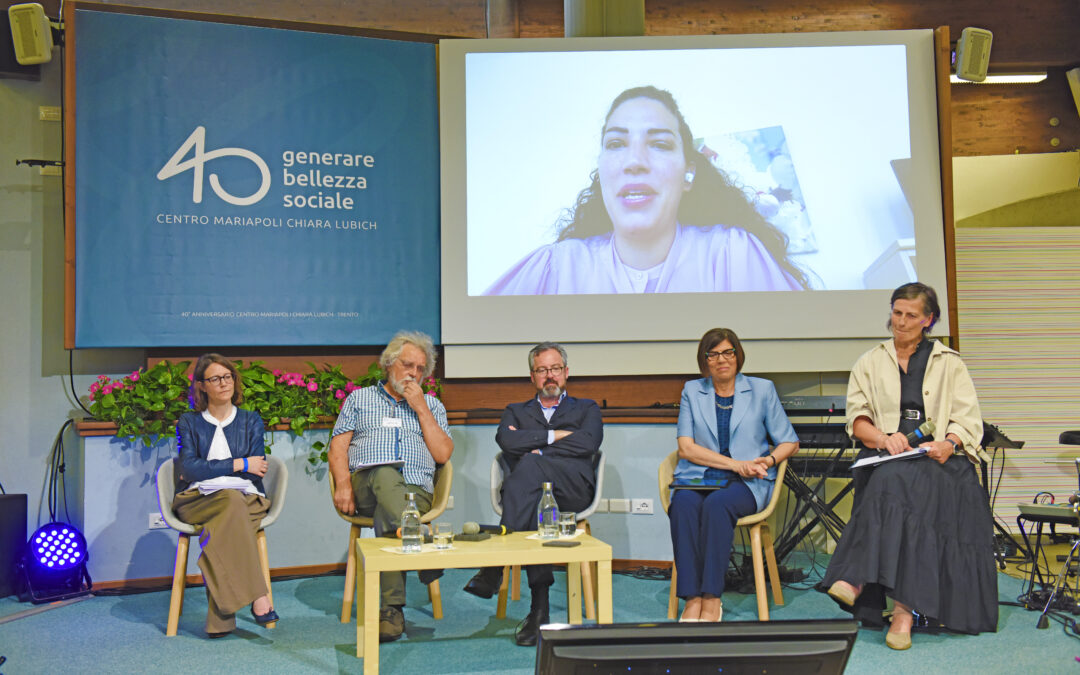
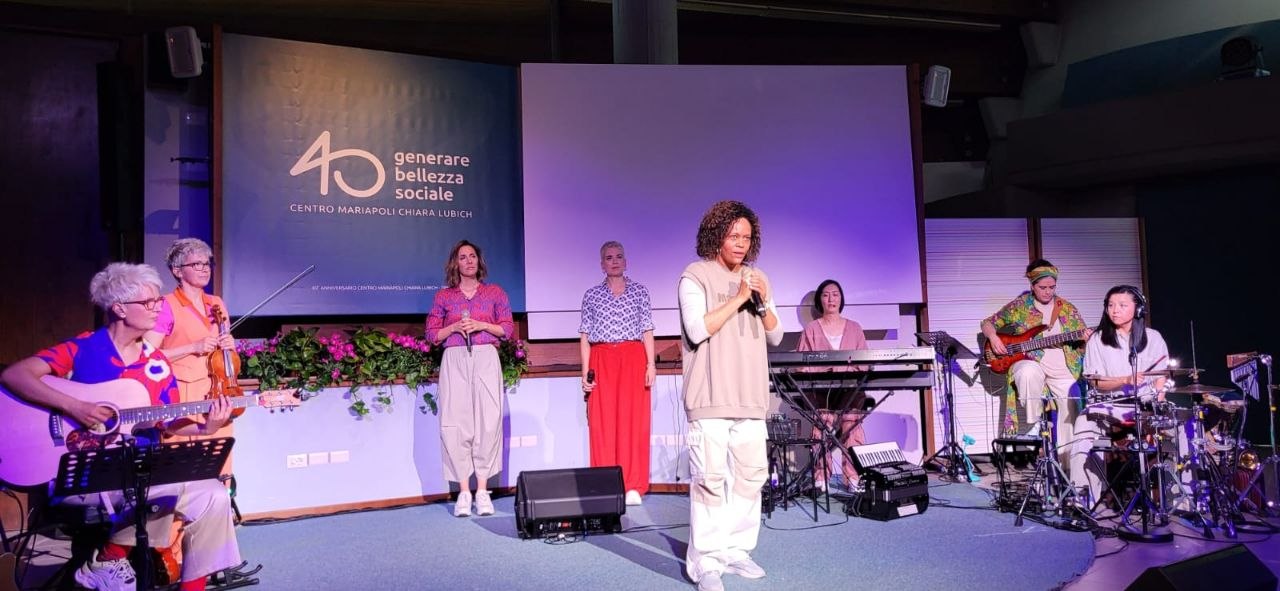
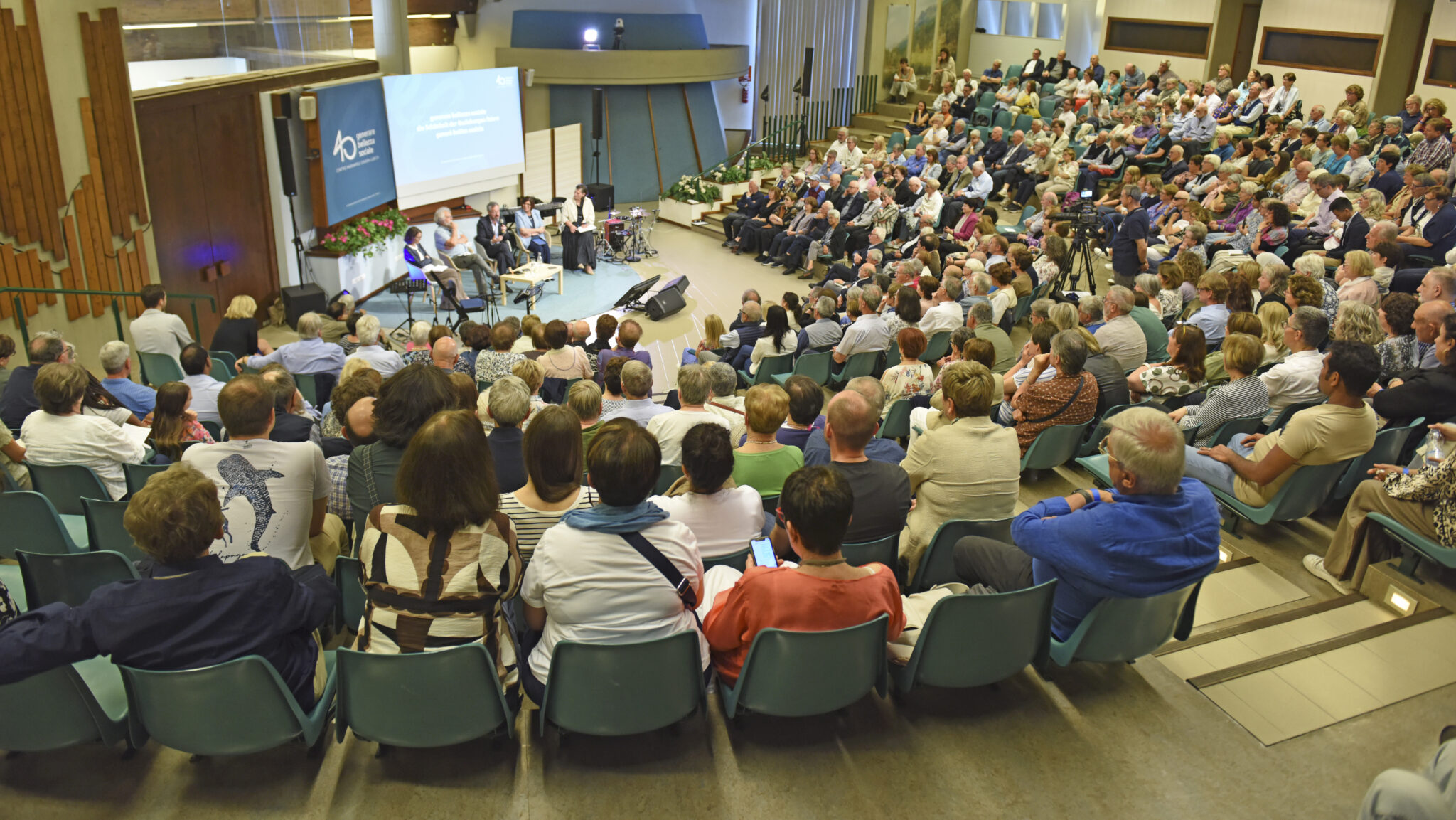
There are places that do more than simply welcome people. They bring them into relationship with one another, generating authentic connections, trust and community. This is where the “social beauty” is born: from the quality of the encounters we are able to build. “Generating Social Beauty” was the title of the events marking the 40th anniversary of the Chiara Lubich Mariapolis Centre in Trent. It was not a traditional celebration, but a live, open and participatory workshop.
This vision took shape in 4 challenges, in four events open to the city and the region.
A two-day workshop with the Gen Verde Performing Arts Group, an artistic workshop with about thirty young people from 14 to 20 years old, a concrete experience of community expressed through music and performance. It was an engaging, lively and colourful event where young people were able to experience alongside the artists how the performing arts can become a space for learning teamwork, creativity and listening.
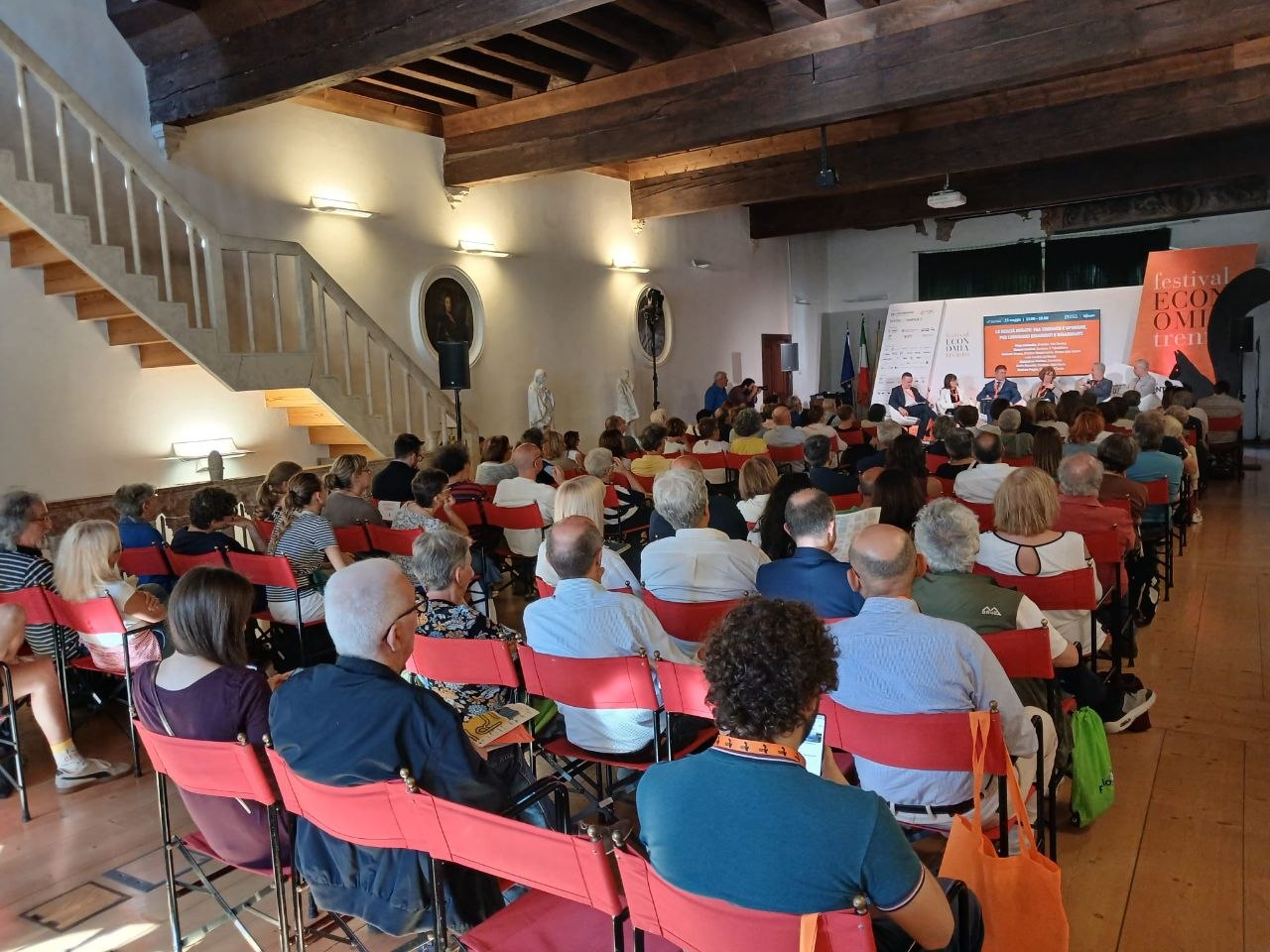
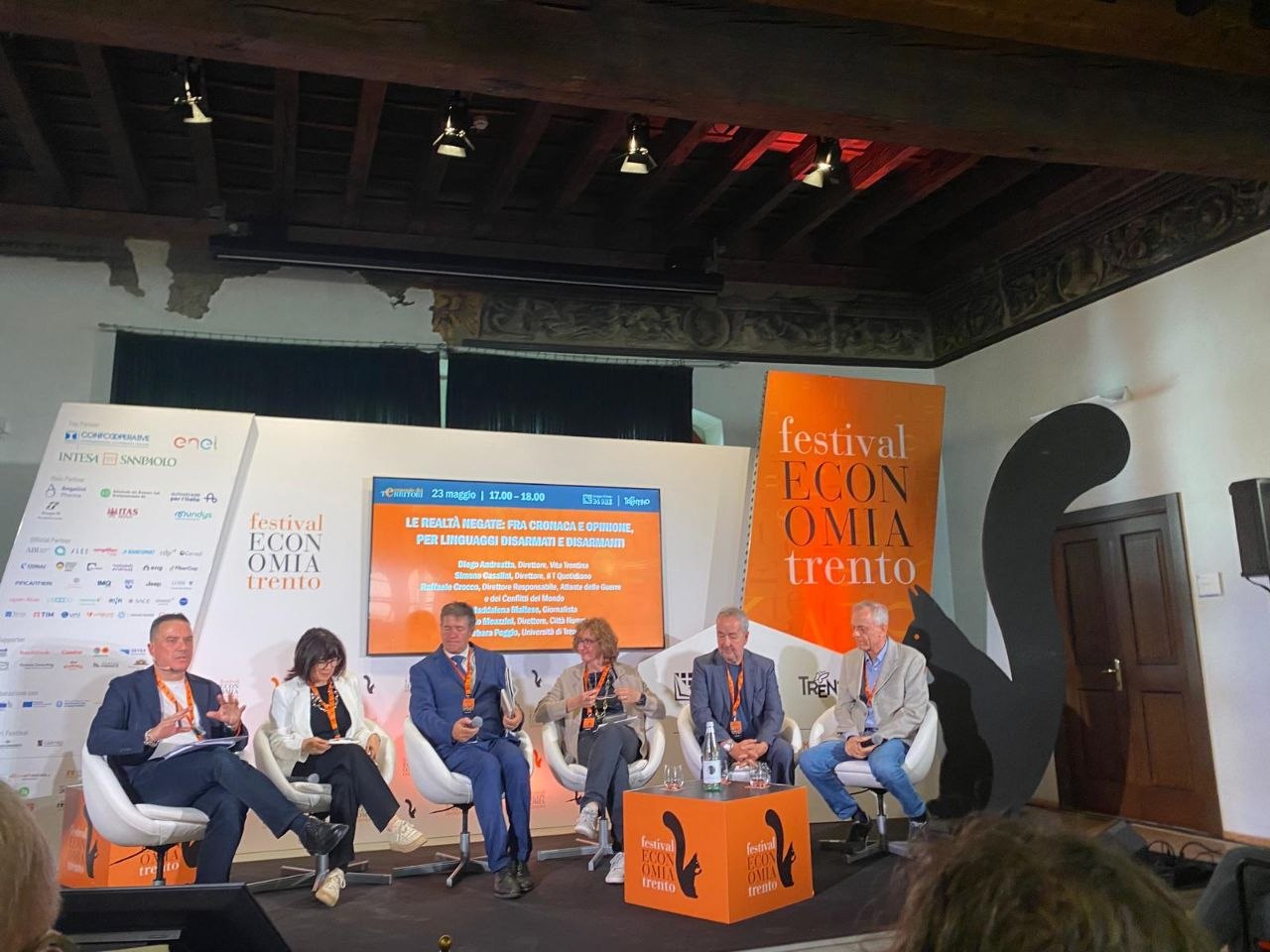
A conference, promoted by New Humanity, NGO of Focolare, was included in the program of the “Festival of the Economy” entitled “Denied realities: between news and opinion, towards disarmed and disarming languages”. Five experts in the world of communication engaged in dialogue on the most complex issues of our time and the way they are narrated (the event is available in Italian on the website www.festivaleconomia2026.it/)
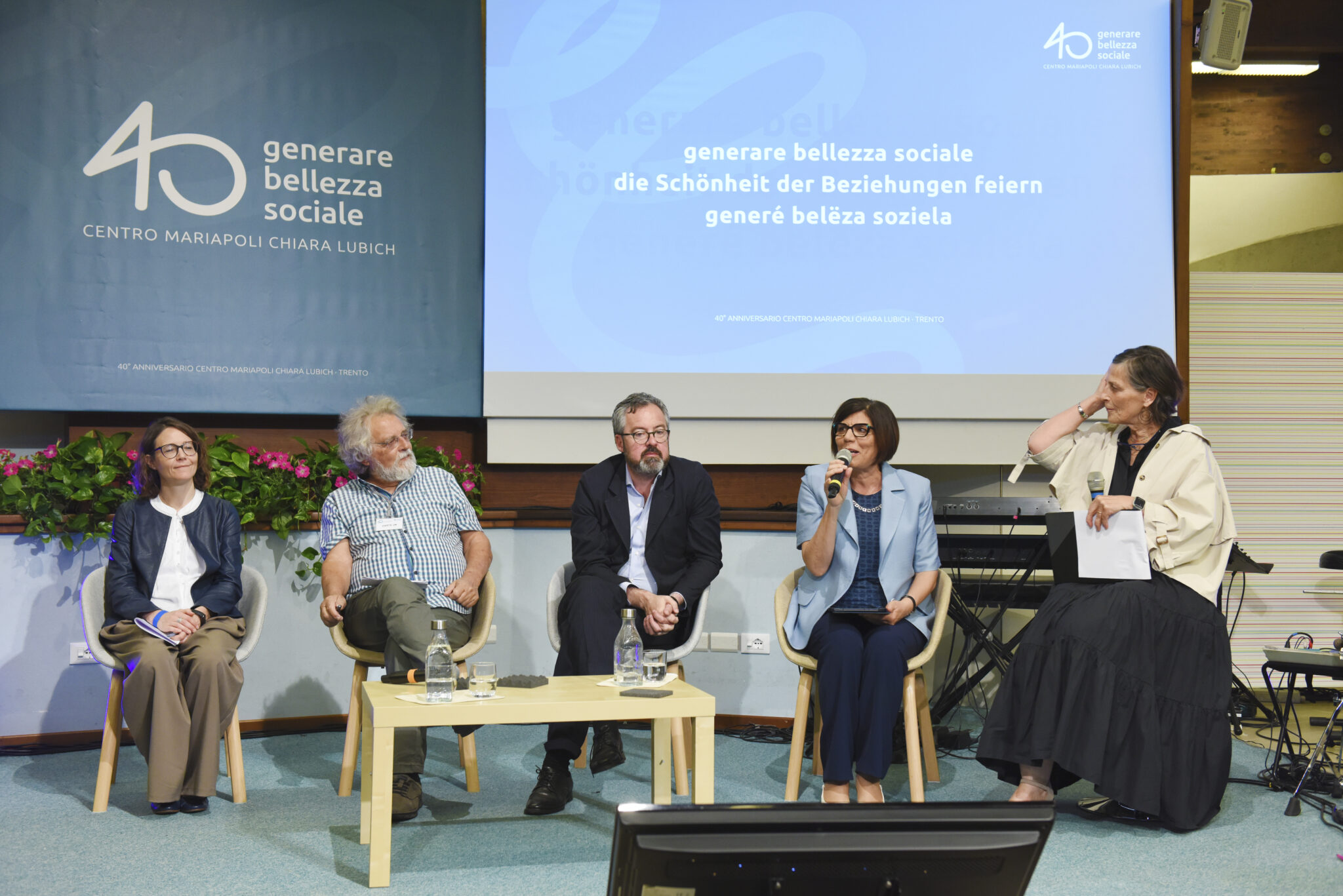
An Open Day in which the Mariapolis Centre opened up to the city, not only as a physical place, but as an experience of encounter. It was a day of welcome and dialogue with the civil and religious realities of the area. Elena Granata, Professor of Urban Planning at the Politecnico di Milano and vice president of the School of Civil Economy, began with an insightful reading of the reality of our cities entitled “Generating Beauty for Everyone”.
This was followed by a round table featuring valuable and thought provoking contributions from various civil and ecclesial realities working to build a city and a community that is more united and enriched by diversity. Speakers included: Franco Ianeselli, Mayor of Trent, Annalisa Pasini, delegate of Witness and Social Commitment of the Diocese of Trent, Sara Alouani, journalist with Il T Quotidiano and Claudio Bassetti President of CNCA – National Coordination of Welcoming communities of Trentino – South Tyrol. Margaret Karram, President of the Focolare Movement, who wanted to begin her new mandate in Trent, the city of Chiara Lubich, also offered her contribution. She said, “From here, let’s look to the future. Because of its position, history and sensitivity, Trent is called to dialogue, it cannot renounce this vocation. Trent can still speak to the world today by living a fraternity that becomes culture, style and practice”.
Displays and experiences in various places in the Mariapolis Centre were the backdrop for the day. In the afternoon and evening the stage was taken over by the dynamic artistic energy of the Gen Verde Performing Group.
Over 1,000 people participated in the events of the 40th anniversary. For everyone, it was an opportunity to place the value of relationships, of “closeness” back at the centre, a dialogue not aimed at itself, as Margaret Karram pointed out, but “at building universal fraternity, not an optional extra but a necessity: it means participating in the life of others.”
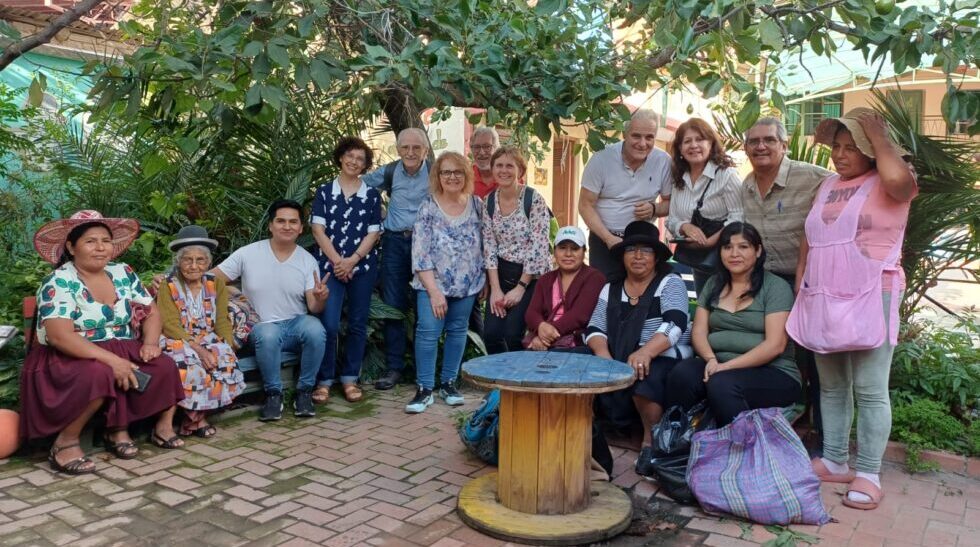
Azione Famiglie Nuove (New Families’ Action) is an international non-profit organization of the Focolare Movement that works for the free and integral development of every person, community and nation, starting with the most fragile and disadvantaged in the world. Since 2005 it has also been officially authorised by the Italian Presidency of the Council of Ministers for International Adoptions. Two couples from Vicenza (Italy), Redi and Giacomo and Annalisa and Sergio, are part of this project. Recently they were able to fulfil a long held desire: to meet reunite with some Bolivian families they had met during an AFN Conference in Castel Gandolfo (Rome). From that meeting a simple and authentic bond was born, which no one imagined would continue until it transformed, years later, into a new meeting on the other side of the world.
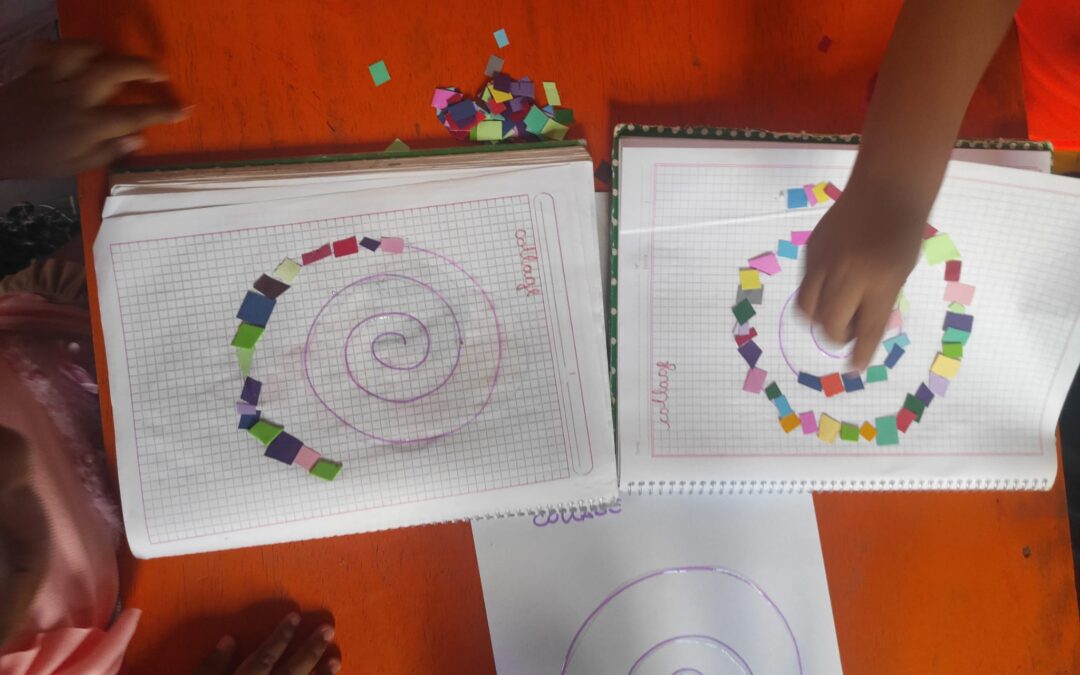
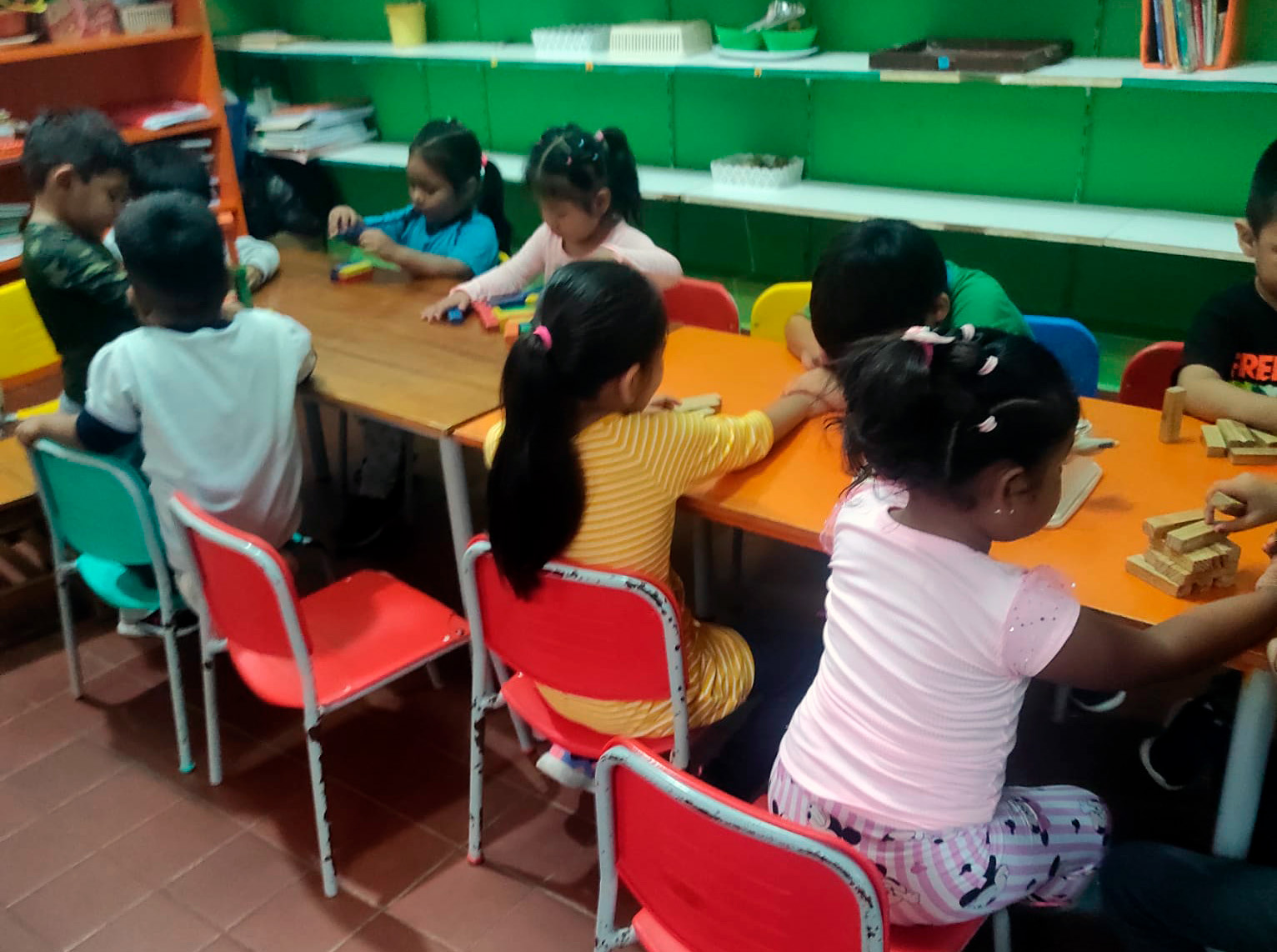
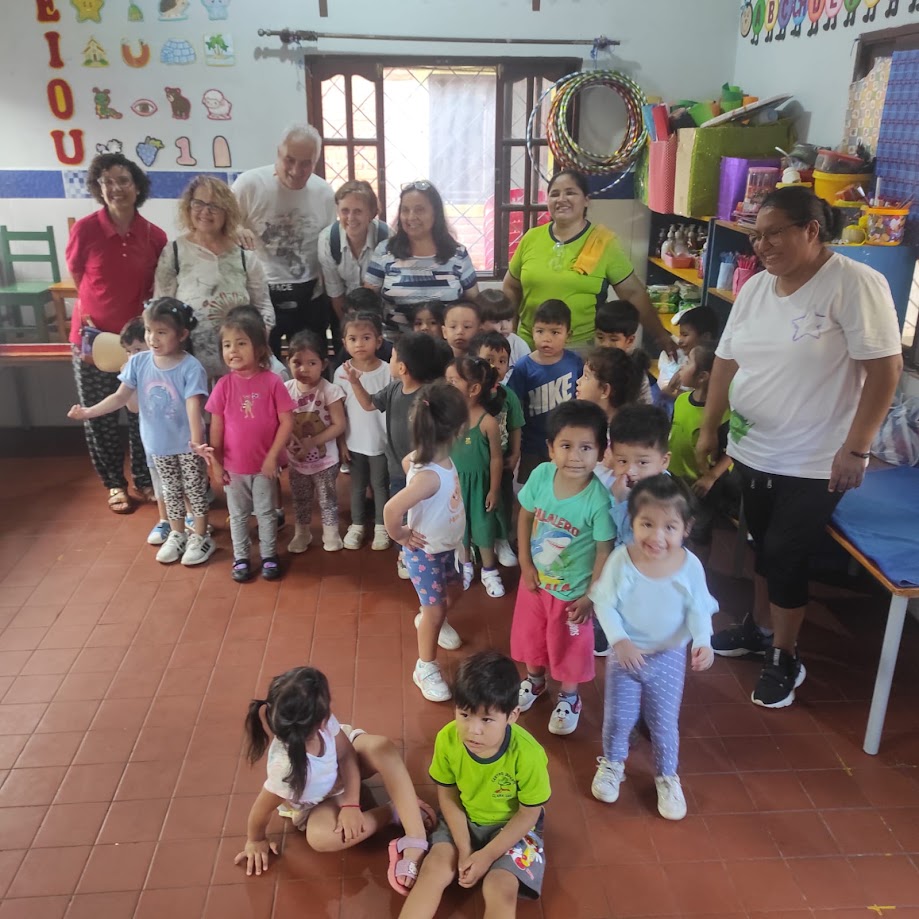
While there, the two Italian couples were also able to visit the AFN project in Bolivia: the “Clara Luz“ children’s centre in Santa Cruz and the “Rincón de Luz“ social centre in Cochabamba. In Santa Cruz, in the La Guardia district, the “Clara Luz” centre welcomes young children and preschoolers every day. “The classrooms are simple, but well cared for and welcoming,” they explained. “Here children find a safe educational environment, while older siblings receive school support”. Around them, a wider programme involves families: home gardens, small livestock projects and training courses that help build autonomy and dignity. The “Clara Luz” centre also hosts young volunteers from the “Milonga Project“.
Centre “Clara Luz” (Santa Cruz, Bolivia)
In Cochabamba, the “Rincón de Luz” centre is a point of reference for the community. “It is a place that welcomes and supports families in their daily lives,” said the two visiting couples. “Food parcels are distributed every week, while workshops and educational activities for children and parents take place throughout the year.”
During the visit, they were very touched by the meeting with Reina, who shared the origins of the project and how, having returned to Bolivia after a period of formation as a family in Loppiano (FI, Italy), she had felt a strong desire to put the ideal of Chiara Lubich, into concrete action. Involving her entire family, children, daughter-in-law, husband, she began to welcome by welcoming a dozen children into her own home. From there, step by step, the project has grown and developed to reach about 150 children, though there is a lot of need for support.
Many local families live in situations of great vulnerability: poverty, loneliness, bereavement and hardship. Particularly striking was the story of a grandmother who caring for her invalid husband and her orphaned granddaughter: “Every day she walks many kilometres searching for food and whenever she can, she comes to the centre for find help”.
Center “Rincón de Luz”(Cochabamba, Bolivia)
Among the people met was Silvio, one of the first children welcomed by the project. Today he is an active part of the “Rincón de Luz” community: he accompanies families with such sensitivity, distributes aid and puts his time at the service of others. You can feel that this place has truly become his home. The trip proved to be a very strong experience, allowing them to “touch” not only poverty, but also the dignity and reciprocity between the people of the community. “We thought we were bringing something – they said – but we received far more in return”.
From this experience came the desire to continue this friendship at a distance: “We have realized that what is really needed is a constant drop and we are already imagining new initiatives to involve others, a solidarity dinner, moments of sharing to make the project known, all ways to expand the family experience between families, where the geographical distance I lessened and gives way to a deep and authentic friendship”.
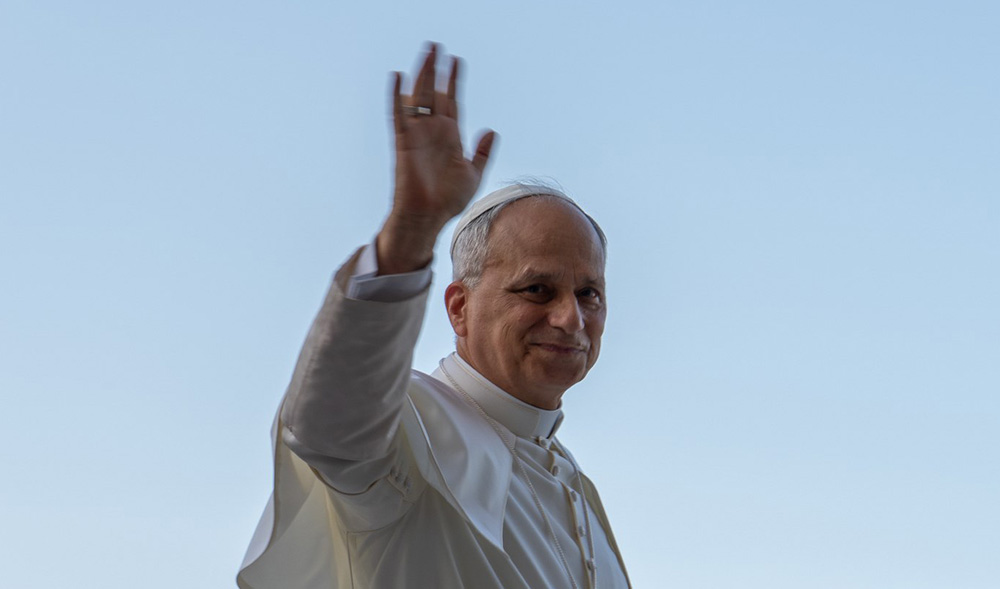
Algeria is the largest African country by land area, and of its 48 million inhabitants, Christians make up less than 1%. It is the country Pope Leo XIV chose as the first stop of his African journey, which will then take him to Cameroon, Angola, and Equatorial Guinea. He arrived on April 13, 2026, and his initial meetings with the Algerian community highlighted the life and work of interreligious organizations and initiatives that have been active in the country for many years, often little known.
One of these is the Focolare Movement, a network dedicated to spiritual unity that arrived in predominantly Muslim Algeria in 1966. Its activities in the country are animated by Muslim members—mostly women—who take part by working in small groups throughout Algeria. They offer assistance in local centers for the elderly, provide tutoring for students, or study together with them.
The experience of a “true” faith—one that “does not isolate but opens, unites without confusing, draws close without imposing uniformity, and fosters genuine fraternity”—was shared in French by Monia Zergane, a Muslim woman whose life has become “a sign of hope for our world.” In the services of the Catholic Church in Algeria, Christians and Muslims work “side by side,” she explained, sharing the same concerns: “to welcome, serve, listen, care for the most vulnerable, organize, secure financial resources, and ensure that activity centers are safe places that uphold human dignity.” It is a service to the most “vulnerable”—women, children, the elderly, the sick—lived “together” and capable of creating a “real fraternity,” she said, grounded in the conviction that “to serve humanity is first and foremost to serve God.” This commitment, she emphasized, is nourished by all the “beautiful” qualities brought into play: skills, dedication, patience, forgiveness, compassion, and kindness.
She also spoke of brothers and sisters who were an “immense help and comfort” to her during illness, recalling with gratitude how she “could rely on their closeness, their unwavering solidarity, their gentleness, and their prayers.” In particular, the presence of a Focolare community and the daily effort to put love of neighbor into practice, she acknowledged, “often challenges me and helps me understand that life is not primarily made up of great, visible works, but of a communion lived day by day.” Aware that fraternity is also built through “simple gestures—a smile, a greeting that comes from the heart, a kind word, a service offered without expecting anything in return—and through the small things of everyday life: exchanging good wishes for a feast, sharing a meal after a time of fasting, listening to the spiritual meaning of a celebration.”