Every year, around 12 million people visit Sungsimdang bakery in Daejeon, South Korea.
What draws all these people there?
Beyond its delicious cakes and breads, at Sungsimdang, customers, partners, and employees also experience a culture of communion that inspires social and environmental initiatives.
· 79.2 fewer tons of carbon emissions each year through the recycling of milk cartons
· Production in partnership with local farmers
· Collaboration with universities in the region.
A true local ecosystem connecting production, education, and culture.
“If we had not discovered the Economy of Communion, perhaps we would have remained simply a ‘good and successful bakery.’”
Audio in the original language. Activate subtitles and select the desired language.
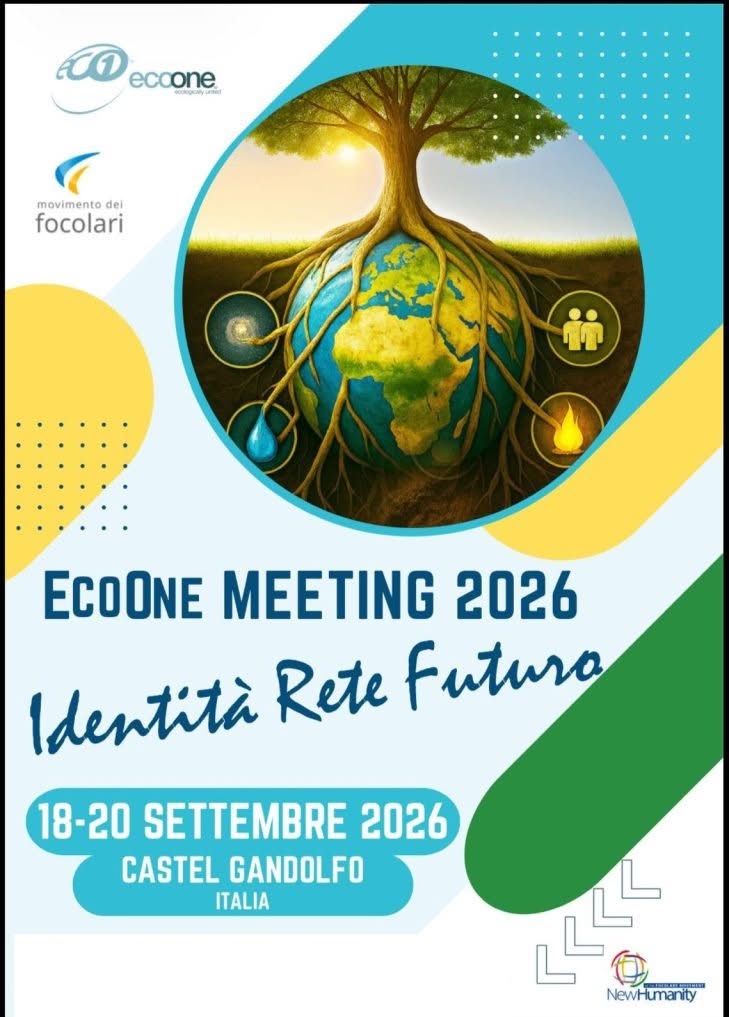
EcoOne, an expression of the Focolare Movement that brings together professionals, teachers, technicians, students and others passionate about ecology, has organized an international meeting to be held from 18th-20th September 2026 in Castel Gandolfo (Italy). Participants from all five continents will take part in three days of sharing, listening and dialogue on the care of creation.
Identity, Network and Future: these are the three key words that will shape the seminar, inviting the participants to reflect on who we are, how we are connected to each other and what goals can help us move forward together.
18th September, IDENTITY: “The cultural and spiritual roots of our commitment”.
19th September, NETWORK: “How can we respond to the challenge of the limits of the planet? Becoming agents and promoters of a culture of integral ecology”.
20th September, FUTURE: “Peace and the ecological challenge. Passing on a culture and practical pathways of relational sustainability”.
It is no coincidence that the event is taking place at this time of year. From 1st September-4th October, Christians around the world celebrate the Season of Creation, an ecumenical journey of prayer and commitment to caring for our Common Home. During this time the Church, together with other Christian communities, is invited to renew its commitment to Creation, guided by prayer, conversion and concrete acts of care.
Stefania Papa, Coordinator of EcoOne said, “The EcoOne Meeting was born from the desire to create an opportunity for encounter and dialogue between people with different experiences, skills and backgrounds, but united by their concern for the environment and the future of the planet. The goal is to bring together contributions from science, education, social engagement and spirituality, to build a dialogue capable of generating ideas, collaboration and concrete pathways. Today’s environmental and social challenges are all interconnected and require spaces for mutual listening, relationships and working together. This is why the Meeting also aims to be a place where experiences and good practice can be shared, networks can be built and existing collaborations strengthened”.
EcoOne has been promoting dialogue between science, ethics and sustainability for years, inspired by Chiara Lubich’s spirituality of unity and the integral ecology proposed by Pope Francis in Laudato Sì.
The Meeting will be a further step in this direction, a laboratory of dialogue and collaboration, where scientific reflection, care for the environment and human relationships can come together to generate new pathways to be built together. It will be a space where young people, educators, professionals and ordinary citizens can share experiences and explore ongoing projects, for the good of Creation.
Mabih, from Ivory Coast, shared one of the most moving stories in the 35-year history of the Economy of Communion.
Owner of Mabs and Smalls Kitchen, she told us how she went from being a traditional boss to becoming a facilitator of dignity after discovering in the Economy of Communion a way of life.
Mabih came to understand that, in a business economy based on communion, the main goal is not profit, but the person.
“When you put the human being at the center, the business does not suffer. It thrives.”
Audio in the original language. Activate subtitles and select the desired language.
Franco and Anna married since 1991, have three children: Benedetta, Francesca and Federico. In August 2025, Franco suddenly left for Heaven, at the age of 63. This news deeply shook many people, not only in their city, Poggio Mirteto (Italy), but also among many friends of the Focolare Movement who knew him, both when he was a Gen (a young member of the Focolare) and, inflamed by the Ideal of Unity, he had said his “Yes” to the call to live for Jesus and also through his work (he worked for years at the Città Nuova publishing house) which brought him into contact with many people.
Together with Anna, their initial “Yes” to forming a family faithful to the promise “where two or more…”, grew throughout their journey of life together, enriched by their commitment in the local community, in particular in the New Families Movement (branch of the Focolare, composed of families who seek to live the spirituality of unity) and by accompanying couples as they prepared for marriage and for the baptism of their children.
After many years at the publishing house, Franco began a new professional experience as a religious education teacher in a technical institute. He gave himself completely to helping his students grow and flourish, despite the difficulties and personal sorrows that the young people confided in him. What remains most vividly in everyone’s memory are his outdoor lessons, in the shade of the trees in the garden outside the school, his profound ability to listen and his smile. His colleagues too remember that smile along with his commitment to creating a family atmosphere in the school through mountain hikes and social occasions.
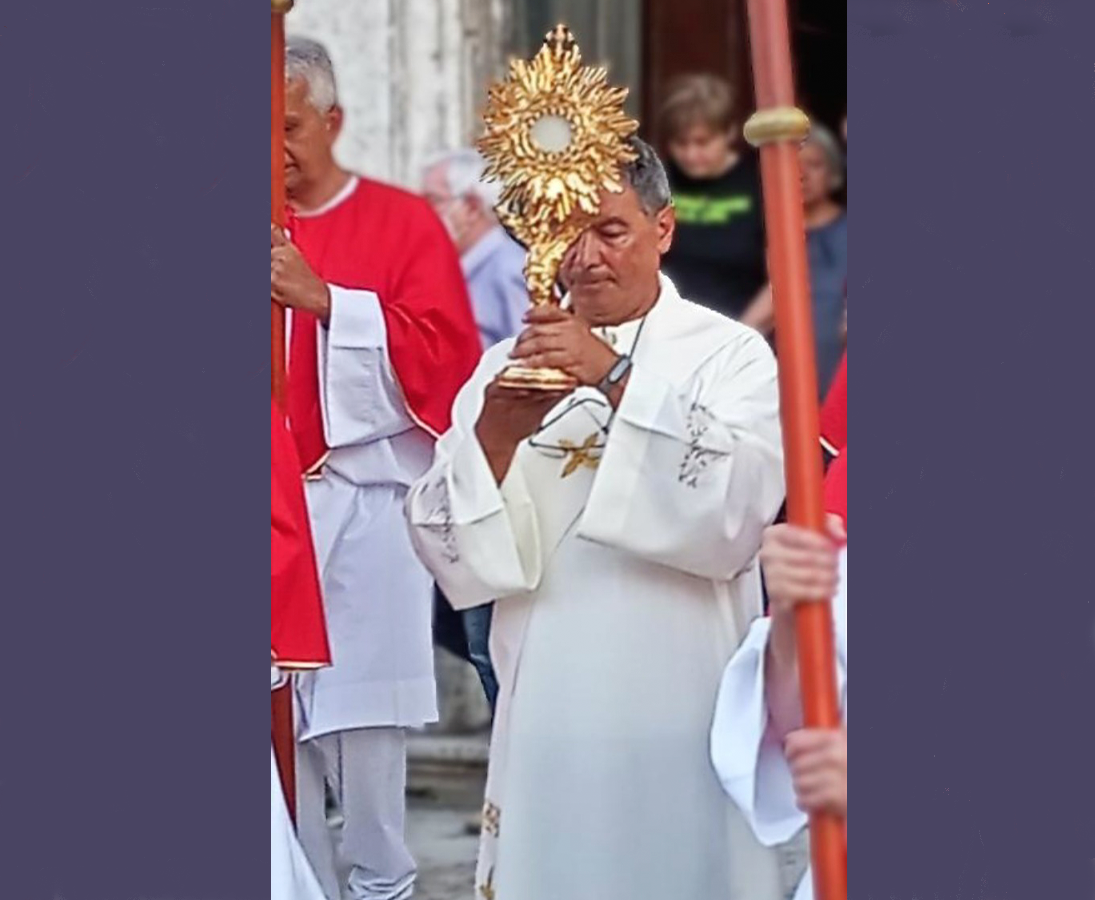
In the final period of his life came his “Yes” to the call to become a Deacon at the service of the Church. He carried this out with humility, quietly but always present, ready to help anyone in difficulty. Those who met him remember how, always with his big smile, he was able to transform the hearts of those who crossed his path.
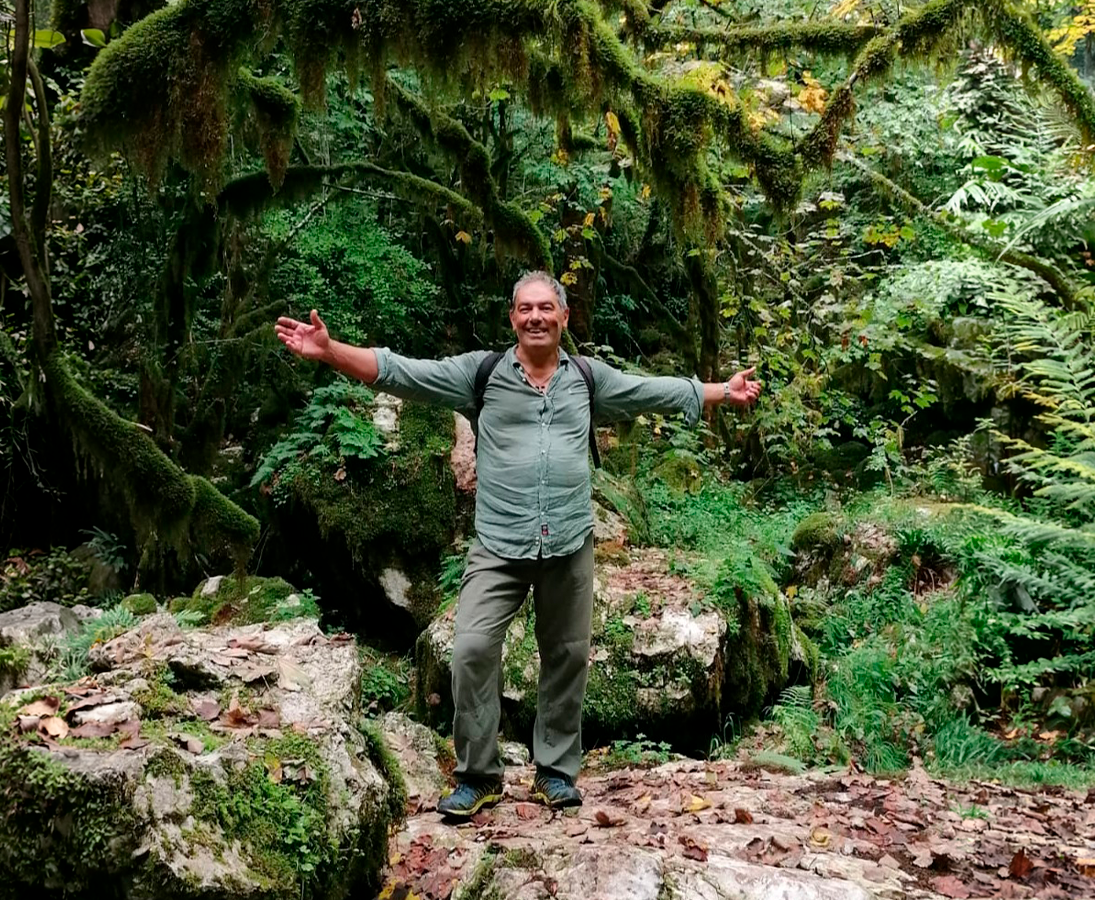
Pictured: Franco with his whole family; a trip to the mountains; whilst serving as a deacon
Their home was always open to everyone and still is. Many friends continue to support Anna and their children, thanks to the love sown over the years.
Even during Franco’s time in hospital, the last week before his death, the doctors were impressed by the continuous stream of young people who came to visit him to say a last goodbye, embrace the family, or simply to be there at their side for a prayer together.
A colleague of his, who described himself an unbeliever, hailed him as “the closest person to the Gospel” he had ever known.
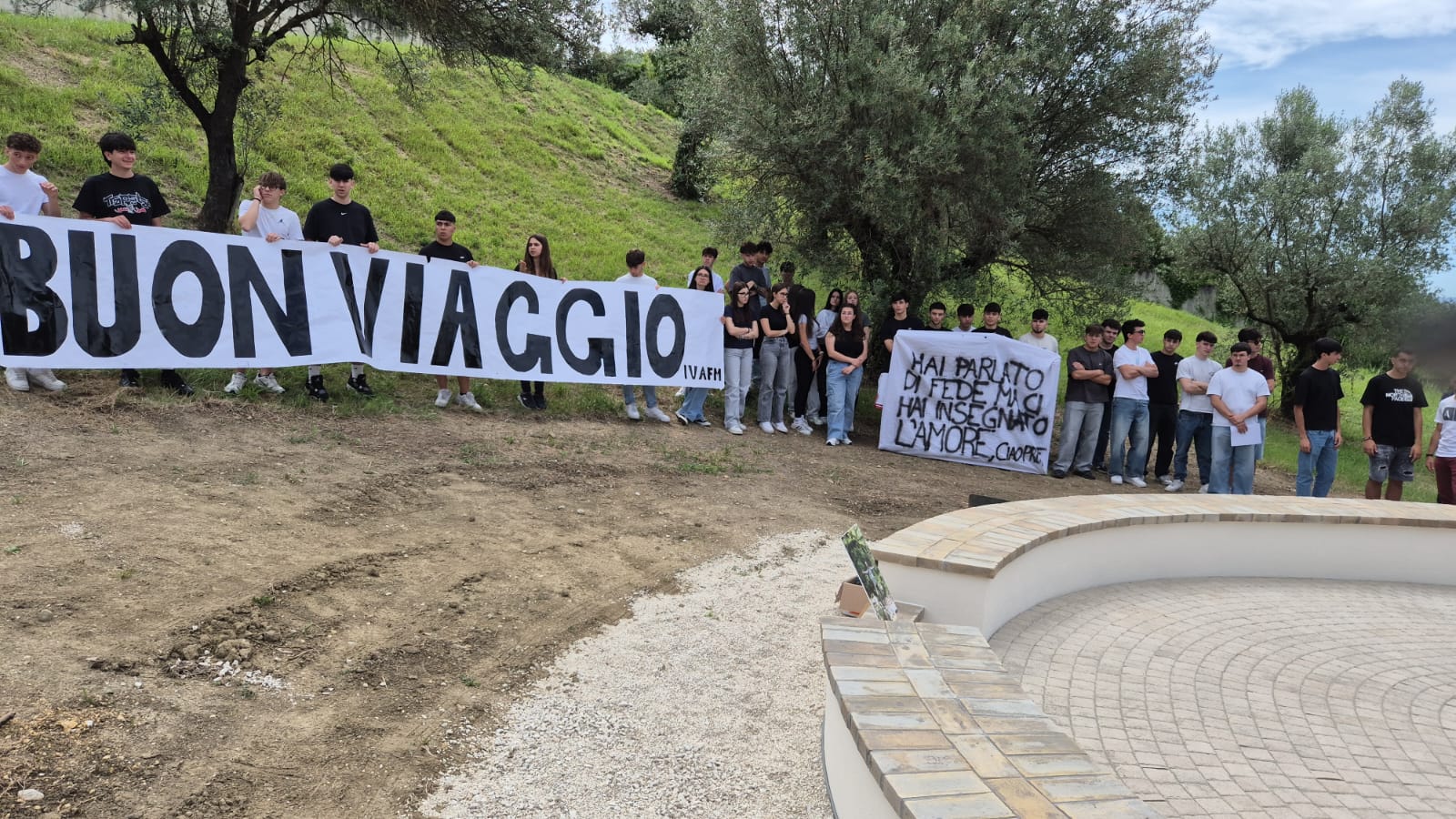
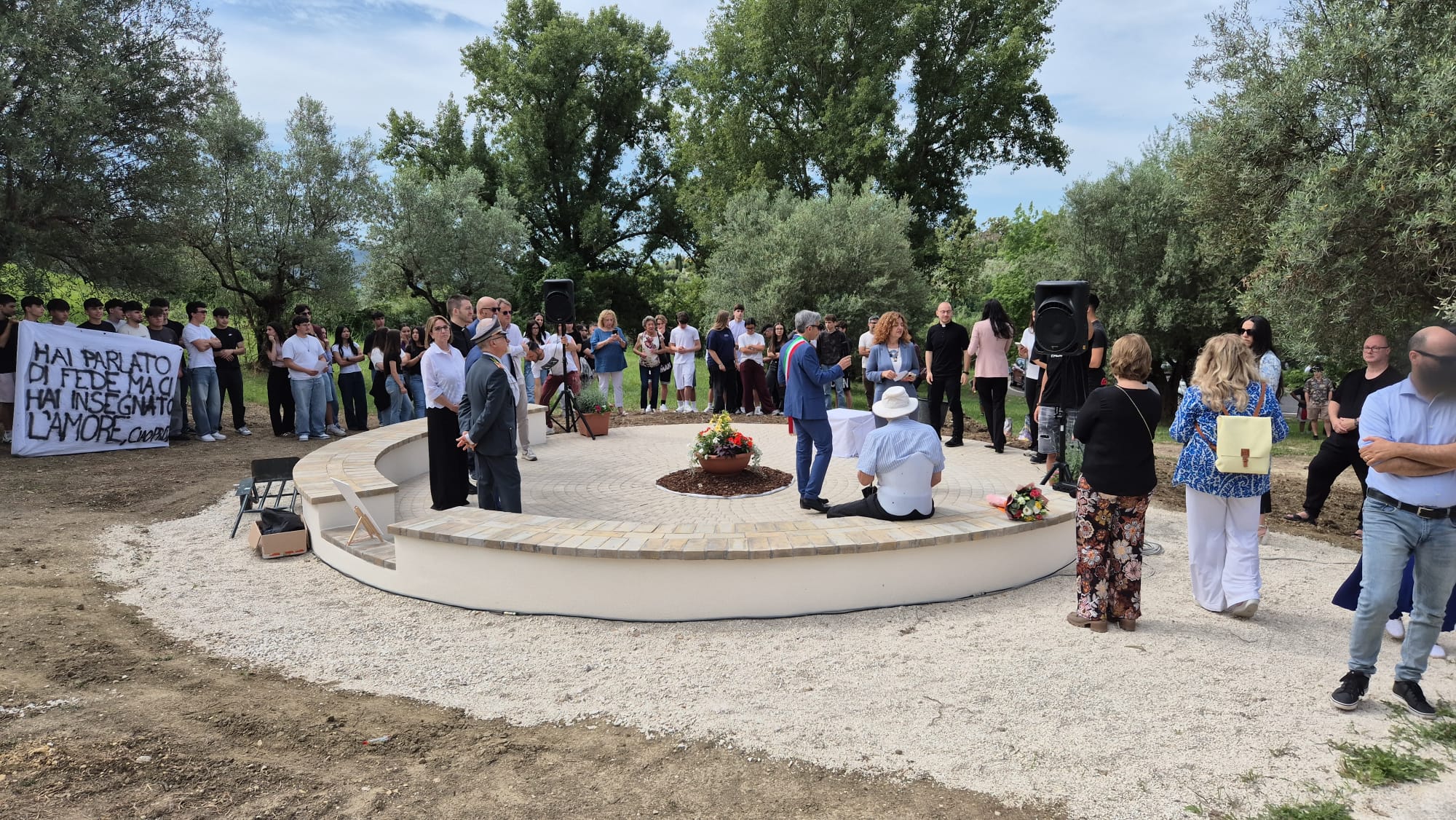
At his funeral in a church packed with people, many young people also gathered in the churchyard: one of their banners read, “You spoke to us of faith but you taught us love”. A large group of priests and deacons stood on the altar around Bishop Ernesto Mandara.
During the homily, Don Mauro Guida, parish priest of the Cathedral of S. Maria Assunta in Poggio Mirteto, quoting Saints Laurence, Claire, Joan, Pontian and Hippolytus, remembered by the Church in the previous days, said: “Every time, every name, every word, every face of holiness, seemed to be the portrait of our dear Franco. Just as once upon a time children showed each other their picture cards, repeating to one another “I have that one, I have it…”, so Franco had suddenly become the image of someone who possessed every quality that could be described or even imagined; “the holiness of the saint next door”, as Pope Francis called it “.
Margaret Karram and Jesus Moran, President and Copresident (in 2025) of the Focolare, said in a letter, “We were deeply moved by the news of Franco’s call to Heaven and fascinated as we followed the story of his life. We assure our prayers and deep gratitude for his beautiful and luminous life. In the certainty that he is has already been welcomed by Jesus, we feel that he is a protector of New Families and of the New Generations. We are united in a very special way to Anna and their children”.
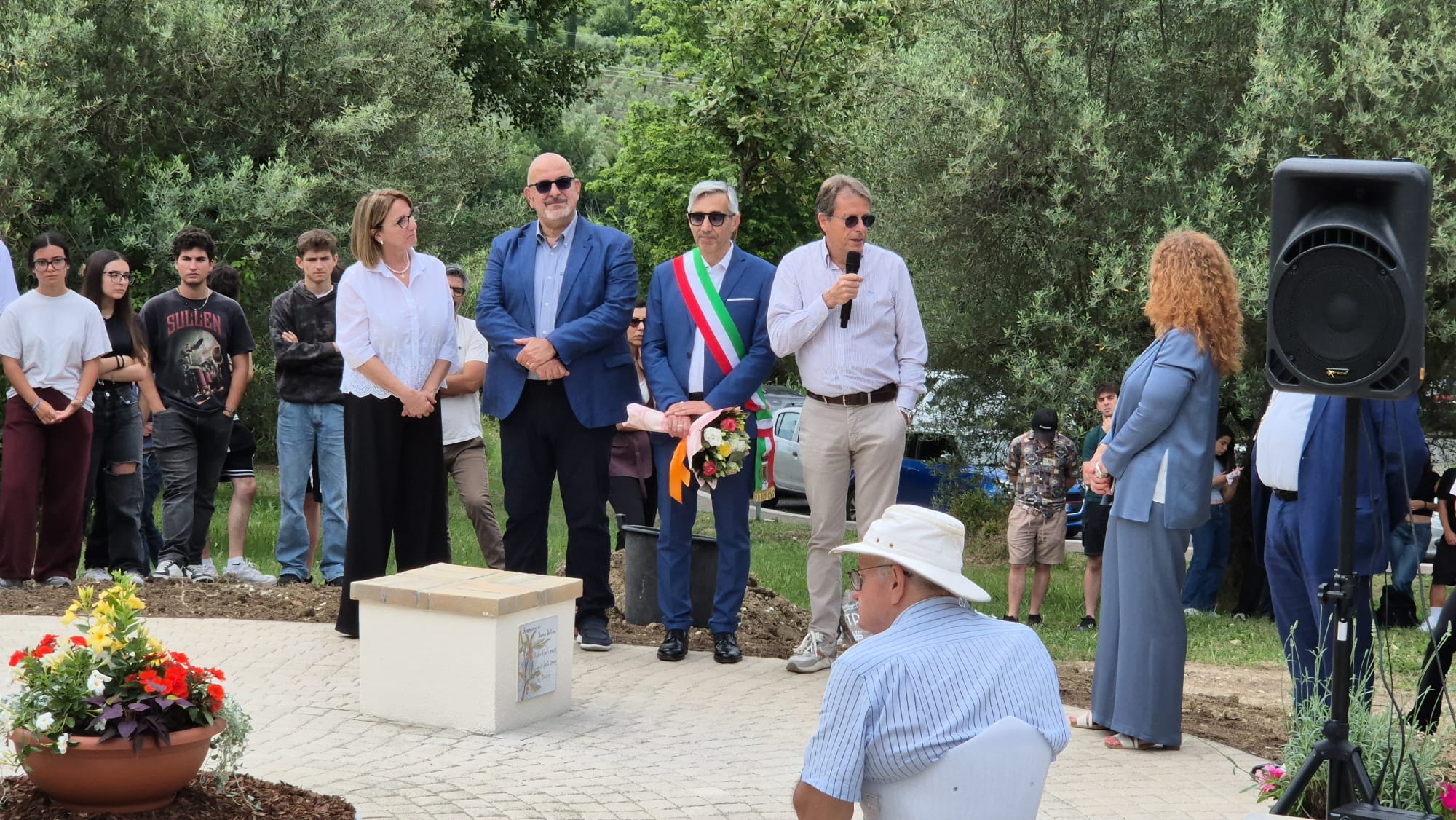
Pictured: the opening of the outdoor classroom at the school where he taught
The school where Franco worked, the IIS Gregorio da Catino di Poggio Mirteto, decided to create an outdoor classroom dedicated to him. This is the post published on the school’s Facebook page: “there are teachers who leave an indelible mark through the way they look at the world: Franco Fortuna was one of them. Today (5th June 2026) in order to remember the love he had for outdoor lesson, we have inaugurated a real outdoor classroom (…). We hope that it can become a place where students can continue to learn, to share ideas and dream, just as Prof. Fortuna would have liked”.
Lorenzo Russo Photos: courtesy of the Fortuna family
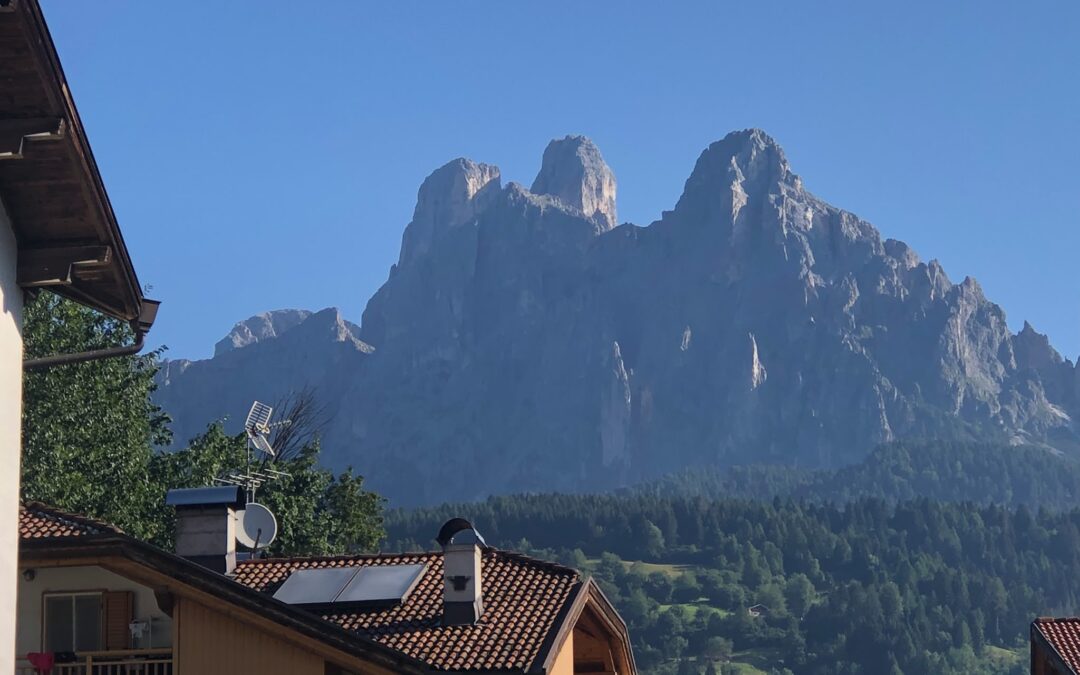
In 1949, Tonadico, a small village in the Dolomites in northern Italy, became a place of immense importance for the Focolare Movement. The mystical experience lived in those mountains by the founder of the Movement, Chiara Lubich, together with her first companions and the well-known Italian parliamentarian and journalist Igino Giordani, continues to shape the spirituality of the Movement throughout the world. Now, 77 years later, the Municipality of Primiero (Italy) and the Focolare Movement have for the first time, conferred the international prize “Tonadico – Città del Patto”. The award was given to Gerhard Pross of the YMCA in Esslingen, Germany. An Evangelical Lutheran, Gerhard is co-founder and former moderator of the ecumenical movement “Insieme per l’Europa”.
A Pact That Remains Relevant
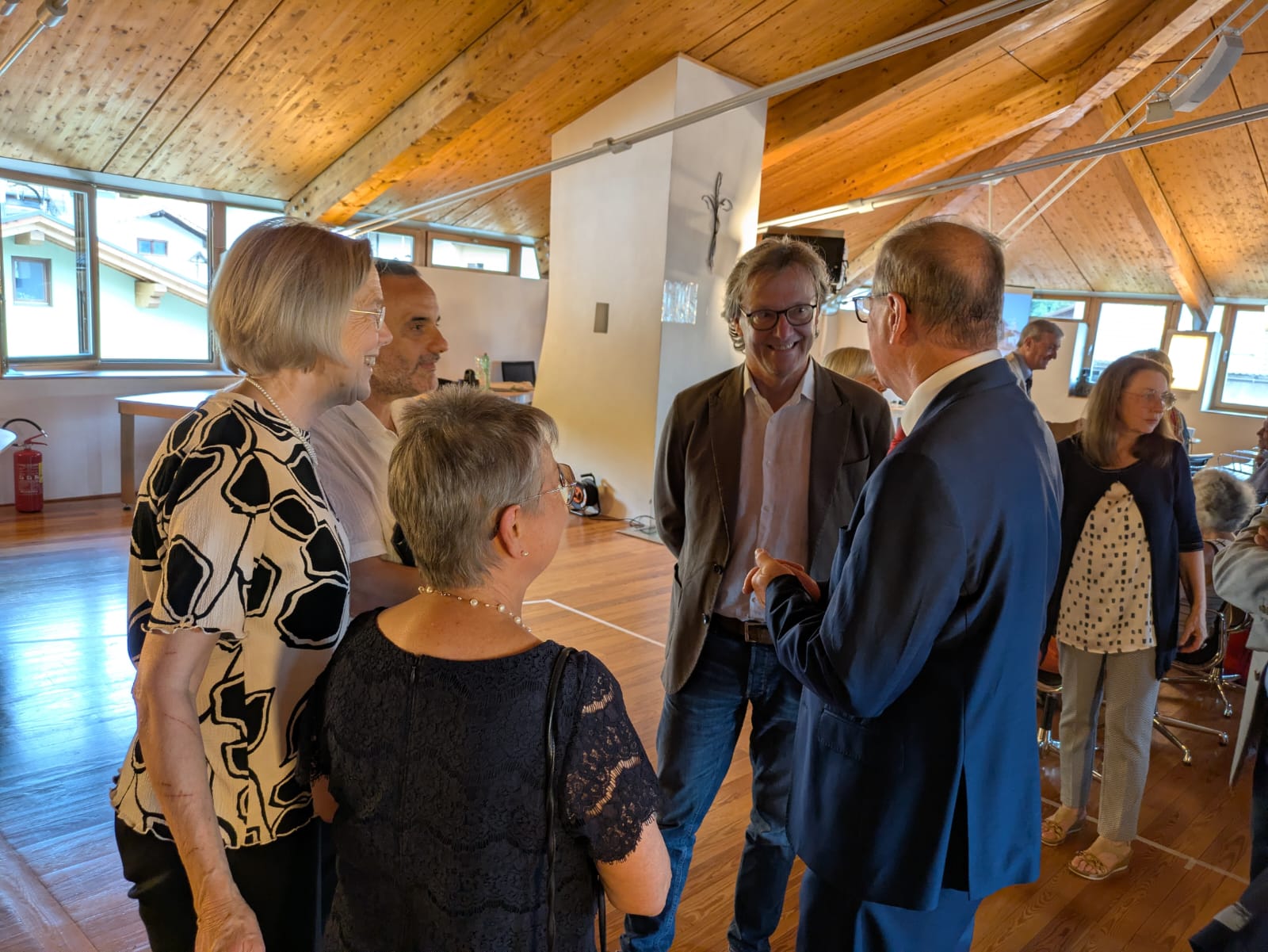
On 16th July 1949, Chiara Lubich and Igino Giordani made a “pact of unity” during a Eucharistic celebration in the church, of Tonadico giving rise to a mystical experience which became known as Paradise ’49. Soon after, Chiara Lubich’s companions joined this pact as well. During the award ceremony the Mayor of Primiero, Daniele Depaoli, emphasized that this “historic moment” remains much more than a simple memory. Depaoli said, in words also reported by Vatican News, that thanks to a spirituality that “penetrates the secular world, civil and political life”, this pact remains relevant today.
During the ceremony, the sociologist Bruno Turra explained the decision to award the newly established prize to Gerhard Pross from Germany. Turra said that Gerhard is a “relationship engineer”, a “master weaver of communities”.
An Ecumenism of Hearts
In his speech, Pross retraced the beginnings of the ecumenical movement “Together for Europe”, describing a meeting at the ecumenical centre of the Focolare Movement in Ottmaring (Germany), immediately after the signing of the joint declaration on the doctrine of justification by the representatives of the Roman Catholic Church and the Lutheran World Federation in Augsburg. There, about 50 leaders from different Christian churches and movements, including Chiara Lubich, prayed together and asked one another for forgiveness for past suffering. Pross recalled, “Afterwards, it was as if the heavens had opened and a sea of grace poured over us”. He had never experienced such a profound moment. There a “true ecumenism of the heart” was born.
There are no boundaries between Heaven and Earth
For him, it was a moment just as mystical as the pact between Chiara Lubich and Igino Giordani: “Here in Tonadico, heaven and earth came together, because Chiara Lubich’s mystical experience abolished the boundaries between heaven and earth”.
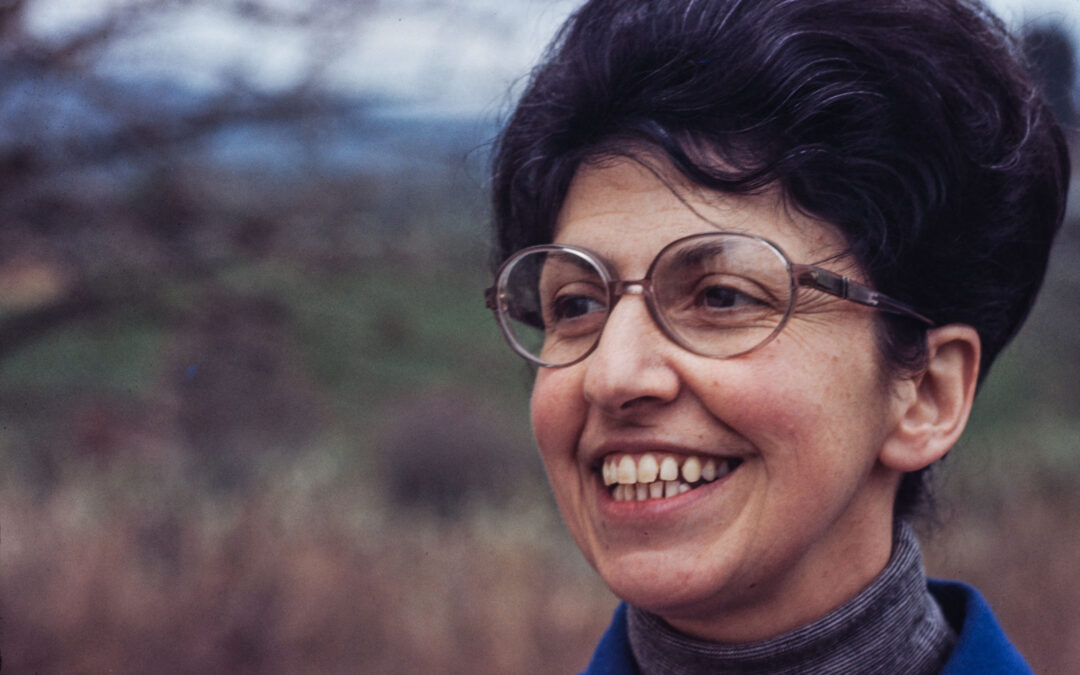
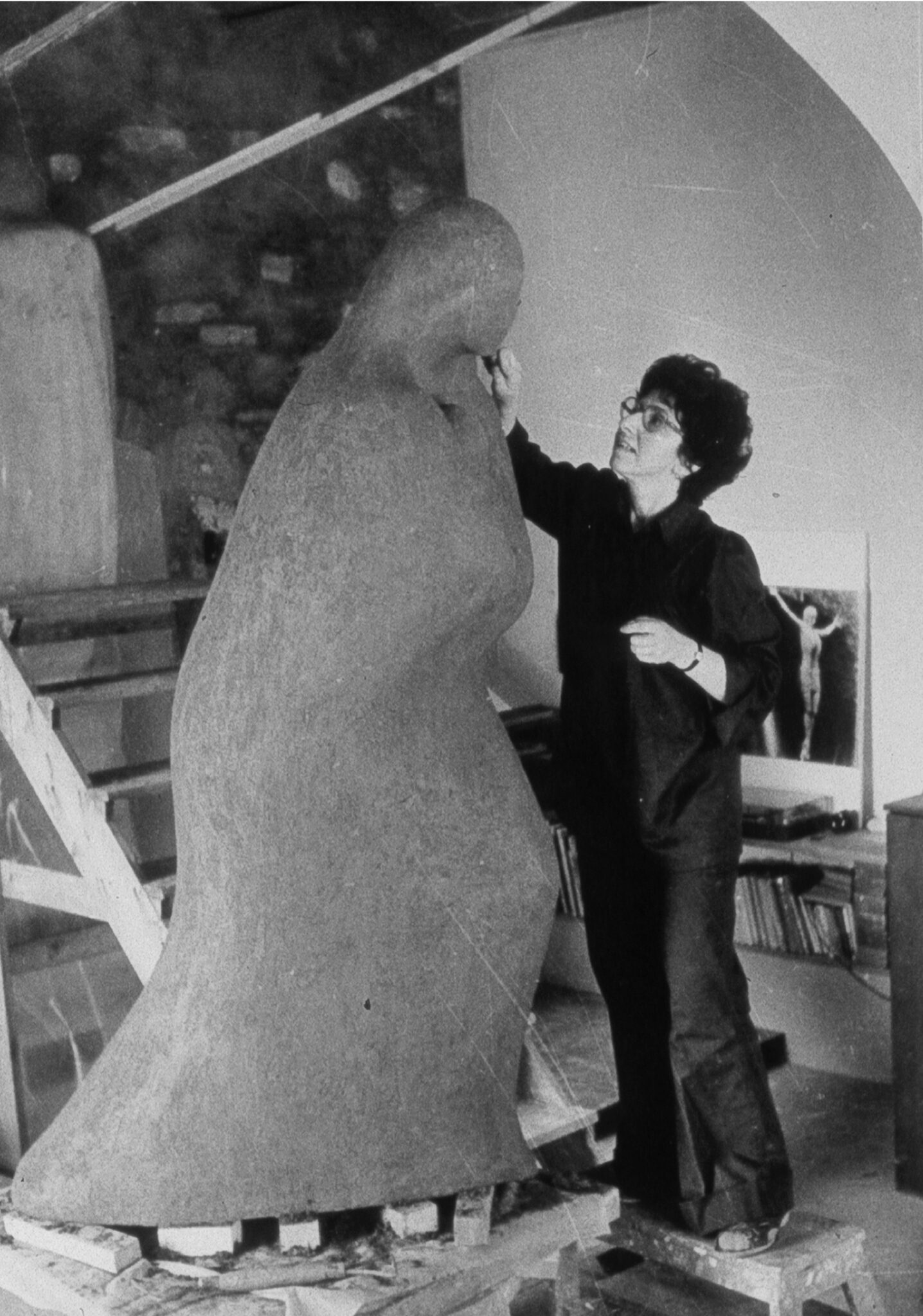
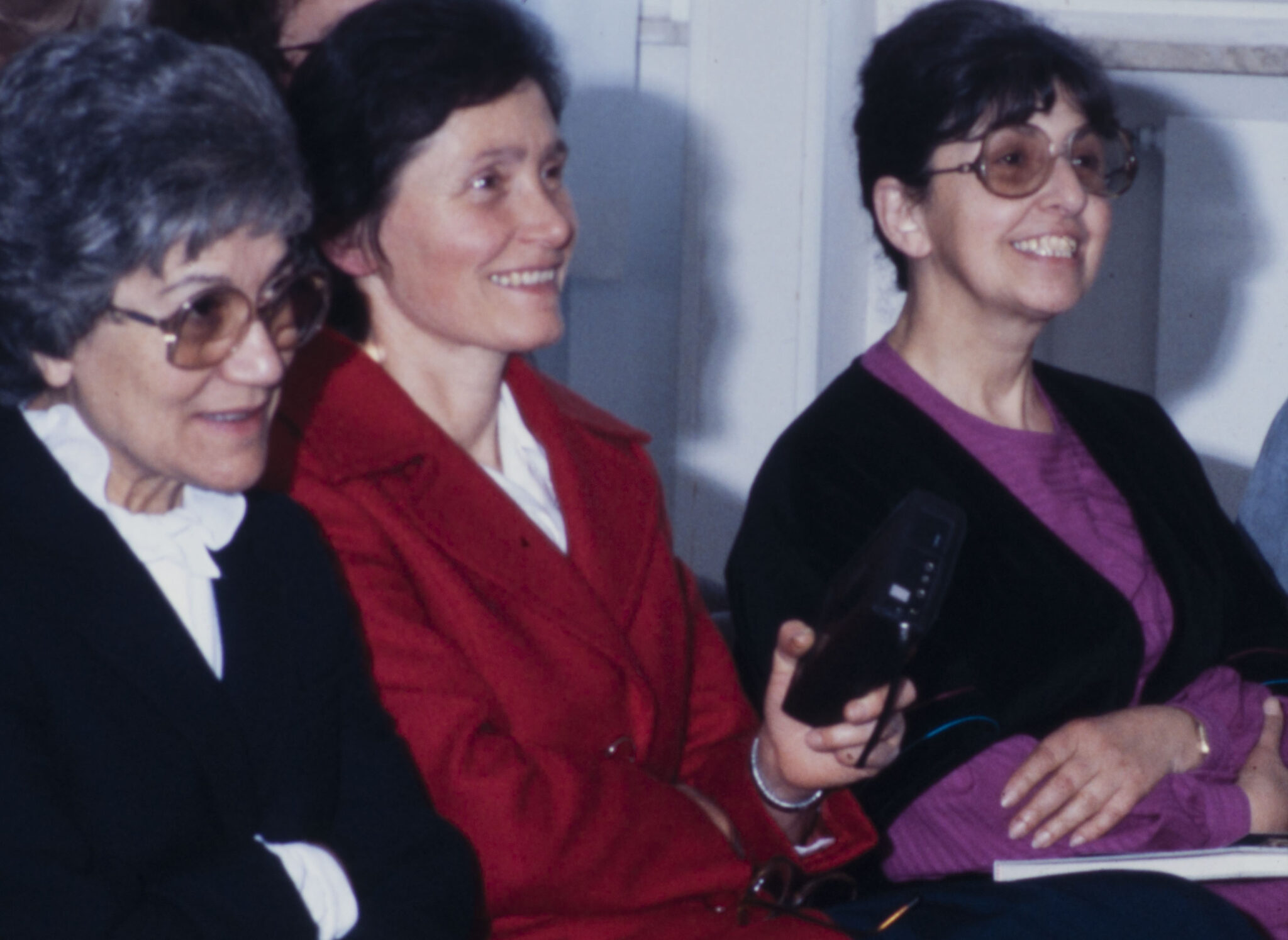
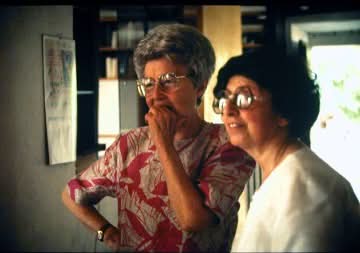
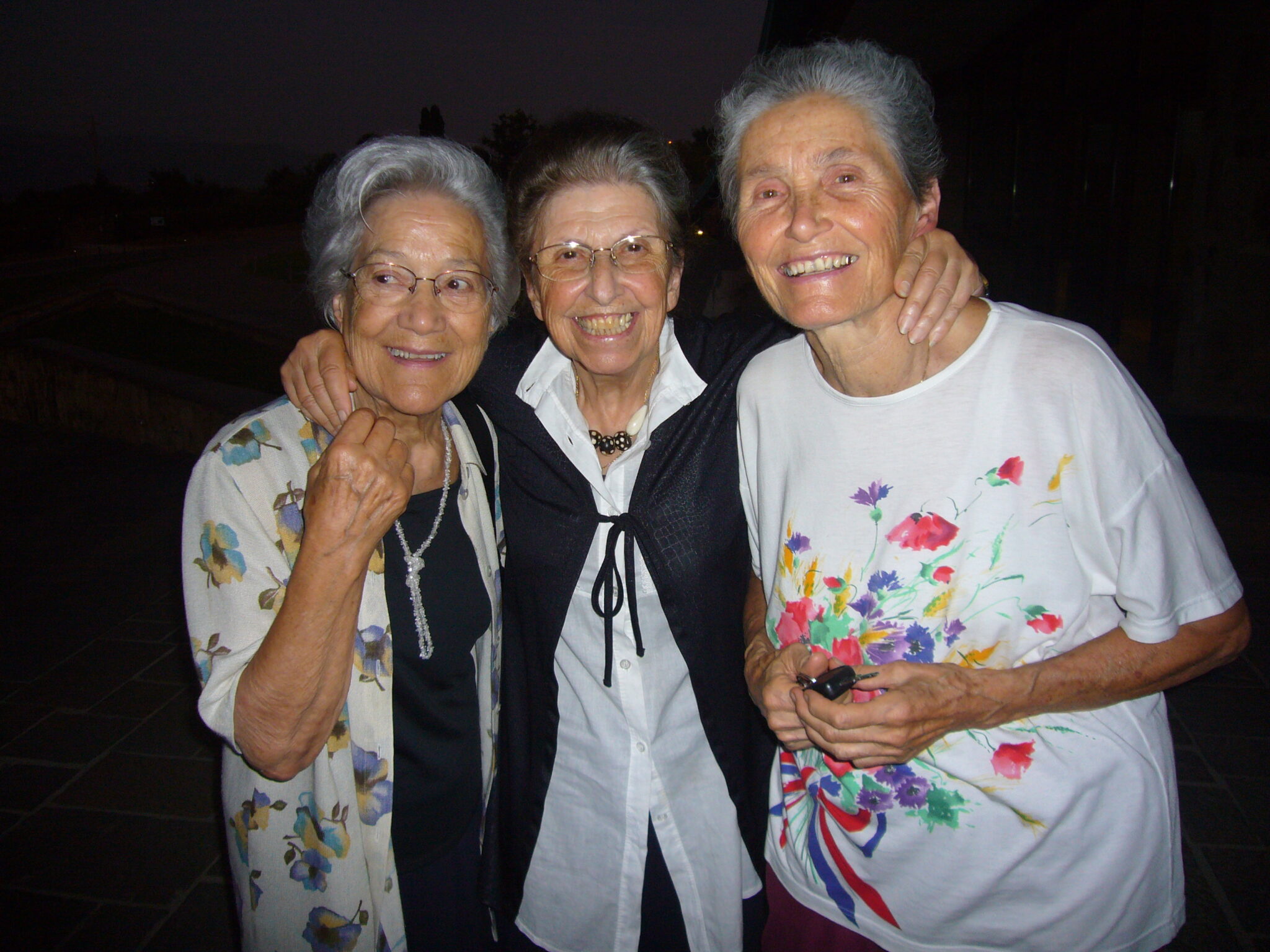
Silvana “Ave” Cerquetti, artist, sculptor and prominent figure of the Focolare Movement, died on 3rd July 2026 in Padua (Italy) at the age of 95.Born in Rome on 9th August, 1930, she dedicated her entire life to the search for beauty as a way to God, leaving a profound mark.
Since childhood, spent between Rome and Montefalco (Umbria- Italy) during the difficult years of the war, Ave showed an extraordinary sensitivity towards creation. It was in the Umbrian village that she first encountered art: she would watch the work of a potter for hours, until she realized that that same clay could become a means of giving shape the world she carried within herself. With the support of her mother, she created a large crib that attracted the attention of the entire town, anticipating a vocation that would develop in the following years.
After studying at the Artistic Lyceum and the Academy of Fine Arts in Rome, where she graduated in sculpture in 1953, she soon established herself as one of the promising young talents of Italian art. As early as 1952, one of her works was selected to represent the students of the Academy at the Venice Biennale. But professional success was not enough to satisfy her inner search.
The episode that would definitively shape her path took place during a visit to an exhibition of the works of Georges Rouault at the Palazzo Venezia. Standing before a face of Christ painted by the French artist, Ave had an experience she herself described as a flash of revelation: she understood that art could become a means of communicating God to people. From that moment came the conviction that would accompany her throughout her life: “I will create sacred art.”
In the following years she devoted herself above all to portraiture, gaining recognition and appreciation in Rome’s artistic circles and a prominent place in the exhibitions in Via Margutta, the street of Roman artists. Those who observed her works emphasized her ability to capture people’s inner lives. For Ave, in fact, every face deserved an almost sacred respect, because it was a reflection of God’s creative work.
A decisive stage came in 1955, during a stay in Sassari (Sardinia- Italy) at a time of profound inner searching. There she met the Focolare Movement through a visit to the local focolare, which she described as the rediscovery of that harmony and beauty she had always sought. Marisa Cerini and Caterina Ruggiu welcomed her warmly. She said: “We were still in the small entrance hall and I immediately had the extraordinary feeling of entering into that unity, harmony and beauty of creation that I had often contemplated. I said to myself: Here is God, here is the Church!” This was the culmination of her search to return to the Catholic Church, since her entire family had at one point joined the Waldensian Church. That is why Ave would forever have a special love for ecumenism, never forgetting to pray each day for the unity of the Churches.
Between 1958 and 1960 she had a strong experience in Latin America. Invited to San Salvador for a cultural exchange, she quickly established herself there. Ave taught sculpture at the Academy of Fine Arts, receiving various awards. She contributed to the establishment of the country’s first permanent gallery of contemporary art and created works of great importance, including a monumental statue of Saint Ignatius. Her professional success was remarkable, but even more significant was the development of her vocation. Her Christian commitment continued to guide her every choice and during the trip back to Italy, stopping at the shrines of Guadalupe, Lourdes and Montserrat, she made the decision to consecrate her life to God in the focolare, an adventure that began in May 1961.
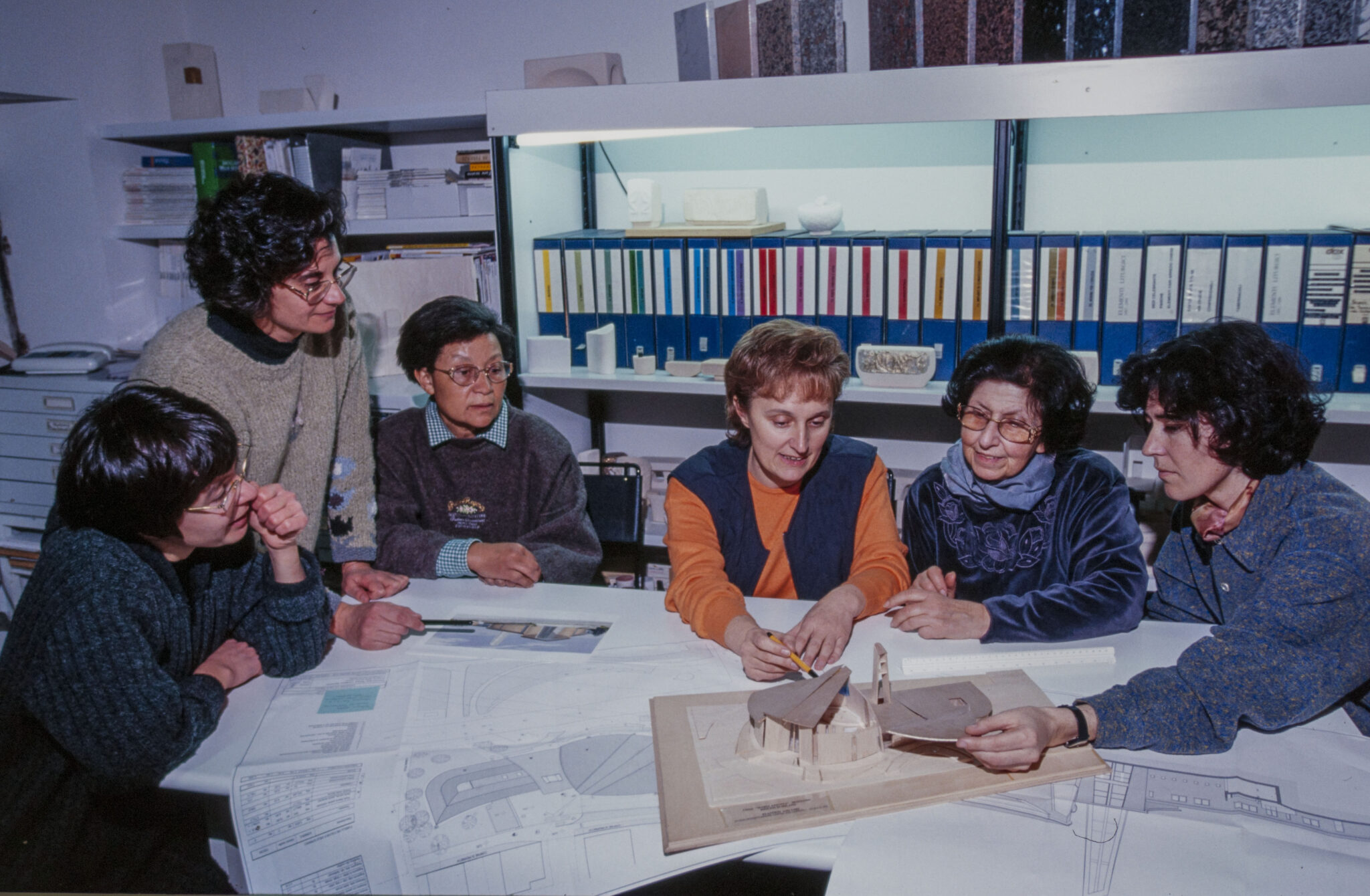
When Chiara Lubich, founder of the Focolare Movement, invited her not to abandon art and sculpture but to place them fully at the service of God, Ave felt within herself the desire to no longer create alone but to work in communion with other artists who shared the same spiritual path. And so it was that together with Tecla Rantucci, sculptor and Marika Tassi, painter, she founded Centro Ave, the first atelier, so baptized by Lubich so that each work would be a gift to Mary. It was at this point that Silvana took the name Ave, in life and in art. The atelier started in a garage in Rome, then moved to Grottaferrata, a town not far from the capital and then to Loppiano (Florence).
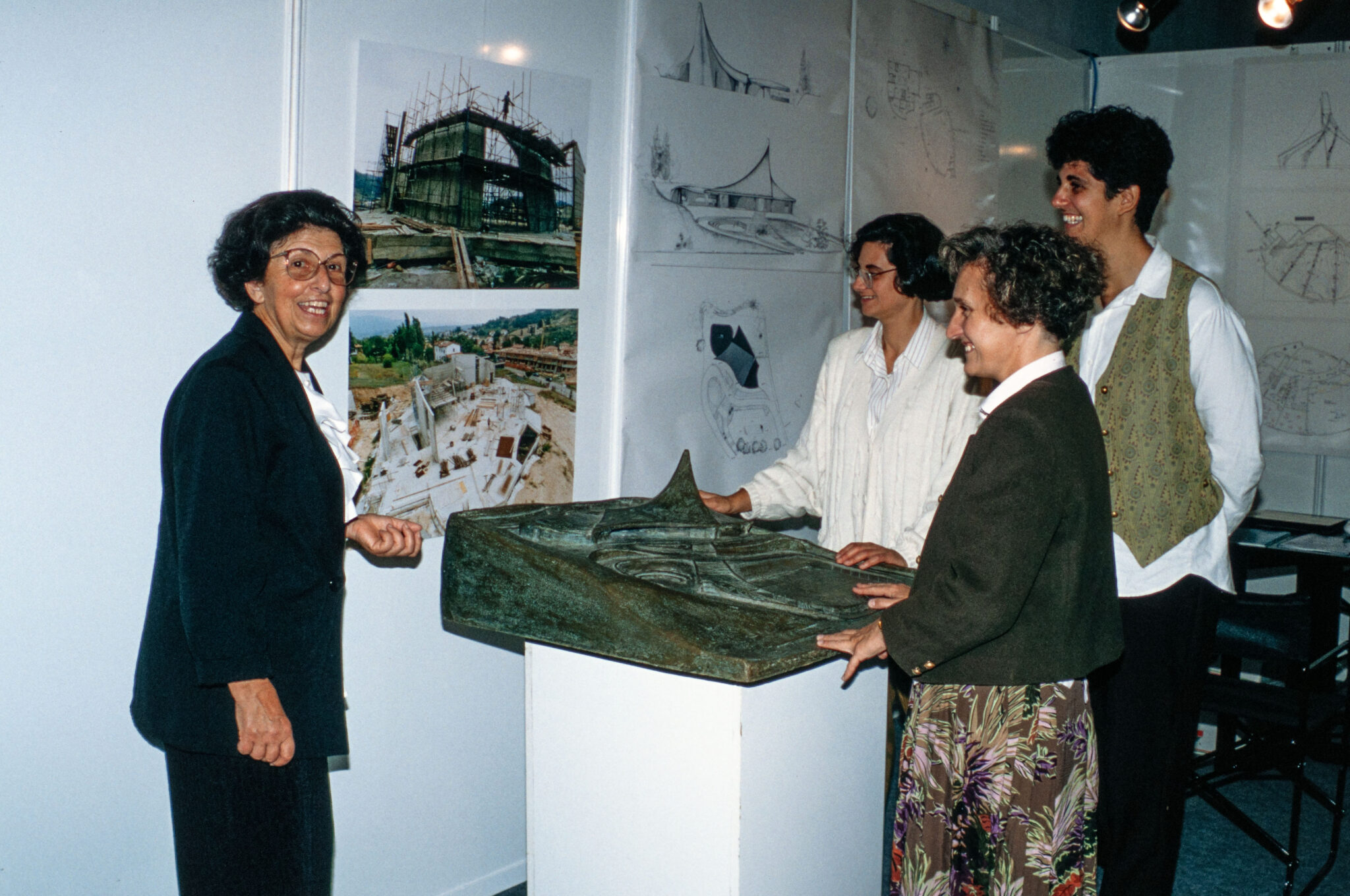
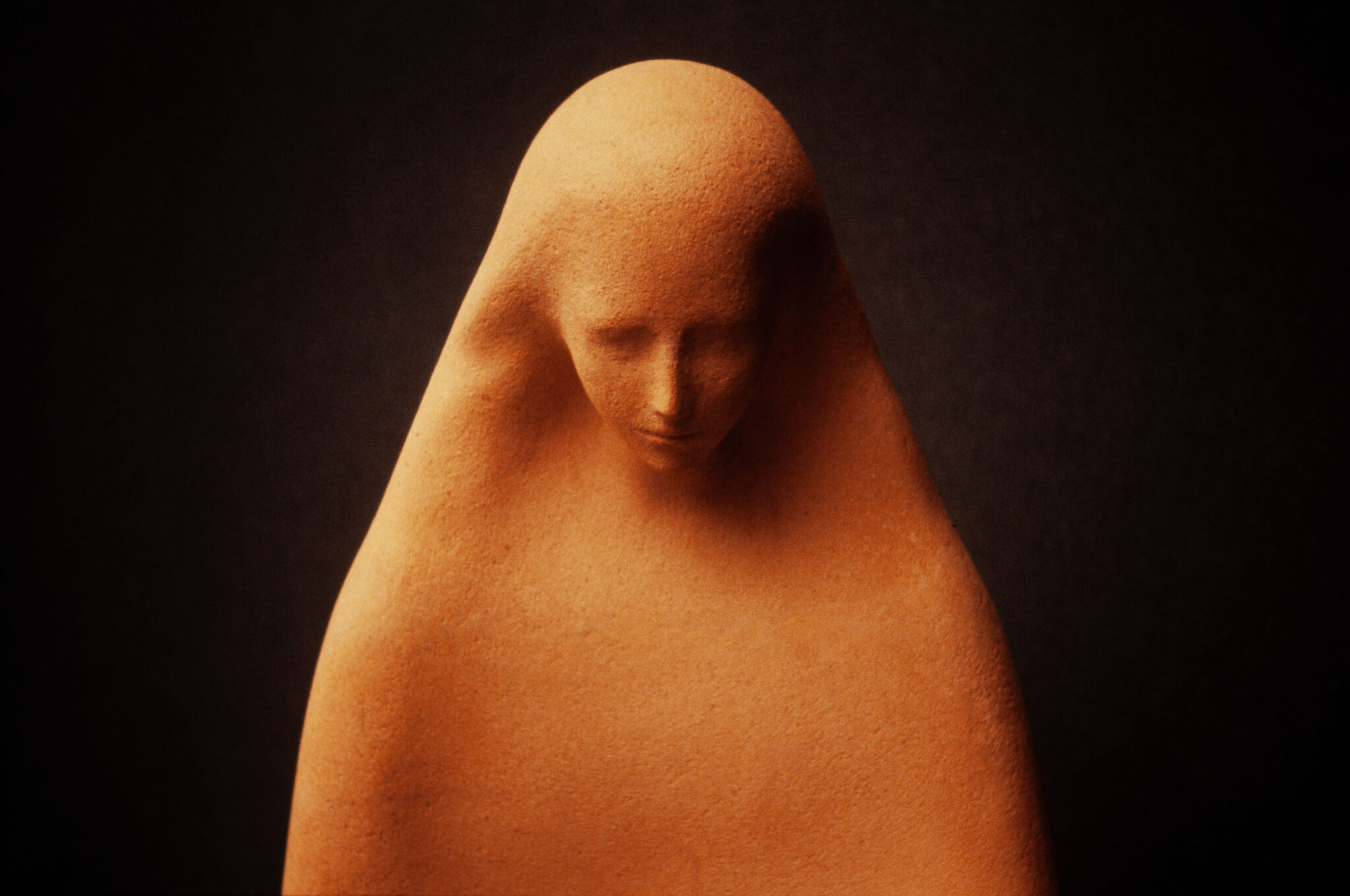
Over the years, under her guidance Centro Ave became an important international laboratory of sacred art. Works were created that entered the imagination of many ecclesial circles, such as the Our Lady of the Beautiful Welcome, the Madonna del Buon Cammino, the Madonna of the Snow and numerous representations of Christ and the Virgin Mary that have spread throughout the world. At the same time, architectural and liturgical design studies were developed that led to the construction of churches, parish complexes and important ecclesial redevelopment interventions.
Centro Ave came to be recognized by critics and within the Church as a clear stylistic reference point, where architecture embraces sculpture and is enveloped by the coloured light of stained-glass windows, creating a perfect balance between the arts. Ave was always the first and tireless guardian of this experience of unity, which began with each person’s commitment to allowing the Master, God, to live among them, starting precisely from this communal dimension.
Referring to this reality, in 1961, Chiara Lubich said, “Let this thirst for beauty that the world feels expand. Send forth great artists, but shape with them great souls who, through their splendour, can guide people towards the most beautiful of the sons of men: Jesus!”
This vision found one of its highest expressions in the Maria Theotokos Shrine in Loppiano where Ave’s special contribution is found. She herself regarded it as the culmination of her artistic and spiritual life. Even in the last days of her life, the people who were next to her told us, just hearing its name was enough to light up her face.
Alongside her creativity, the many people who have worked with her over the years remember above all her ability to bring out the best in others. Ave knew how to recognize the hidden good in people and encourage it to grow. For many generations of artists she was a teacher not only of technique, but above all of vision: a way of recognizing beauty even in the simplest and most ordinary aspects of everyday life.
In 1999, together with Michel Pochet and Liliana Cosi, she also contributed to the birth of the Central Commission of the Inundation of Art, a beautiful expression coined by Chiara Lubich to describe the impact of the spirituality of unity also on contemporary artistic culture. This initiative has grown into a worldwide network of artists that remains active and vibrant.
With her death, Ave Cerquetti leaves a living legacy made up of works of art, artistic communities and human relationships. Her entire life was spent translating into the language of matter, form and light that Gospel phrase that had become her life program: “Let us love one another, because love is from God: whoever loves is begotten by God and knows God.” (1 Jn. 4: 7).