
The European Quarter in Brussels is a maze of offices, headquarters and agencies operating in the European Union, whose acronyms sometimes seem like tongue-twisters. Officials and executives, with a serious and professional air, wander around its streets. Walking through them, you hear different languages and encounter unusual customs. Yet, this variety does not give an impression of confusion, because everything is supported by a great sense of order. This calmness was briefly interrupted from 11th-13th May, when a group of about 100 enthusiastic young people moved through the institutions of the European Union, bringing their commitment and passion into it. They were not a school group on a field trip, far from it! They were the young people of Together for Europe, prepared and inspired, who experience Europe not as a goal to be achieved, but as their secure starting point for engaging with the whole world.
With them were several MEPs and other public figures: Andrea Wechsler, Antonella Sberna, Leoluca Orlando, Eduard Heger, Jeff Fountain, Giuseppe Lupo, Miriam Lexmann, Gerhard Pross and Nicole Grochowin. These are distinguished names: should we mention the nations to which they belong? Maybe there’s no need: they were Europeans – adding that they were Italians, Slovaks, Germans, Dutch, Austrians and so on, does little to explain the reasons that led them to meet with young people.
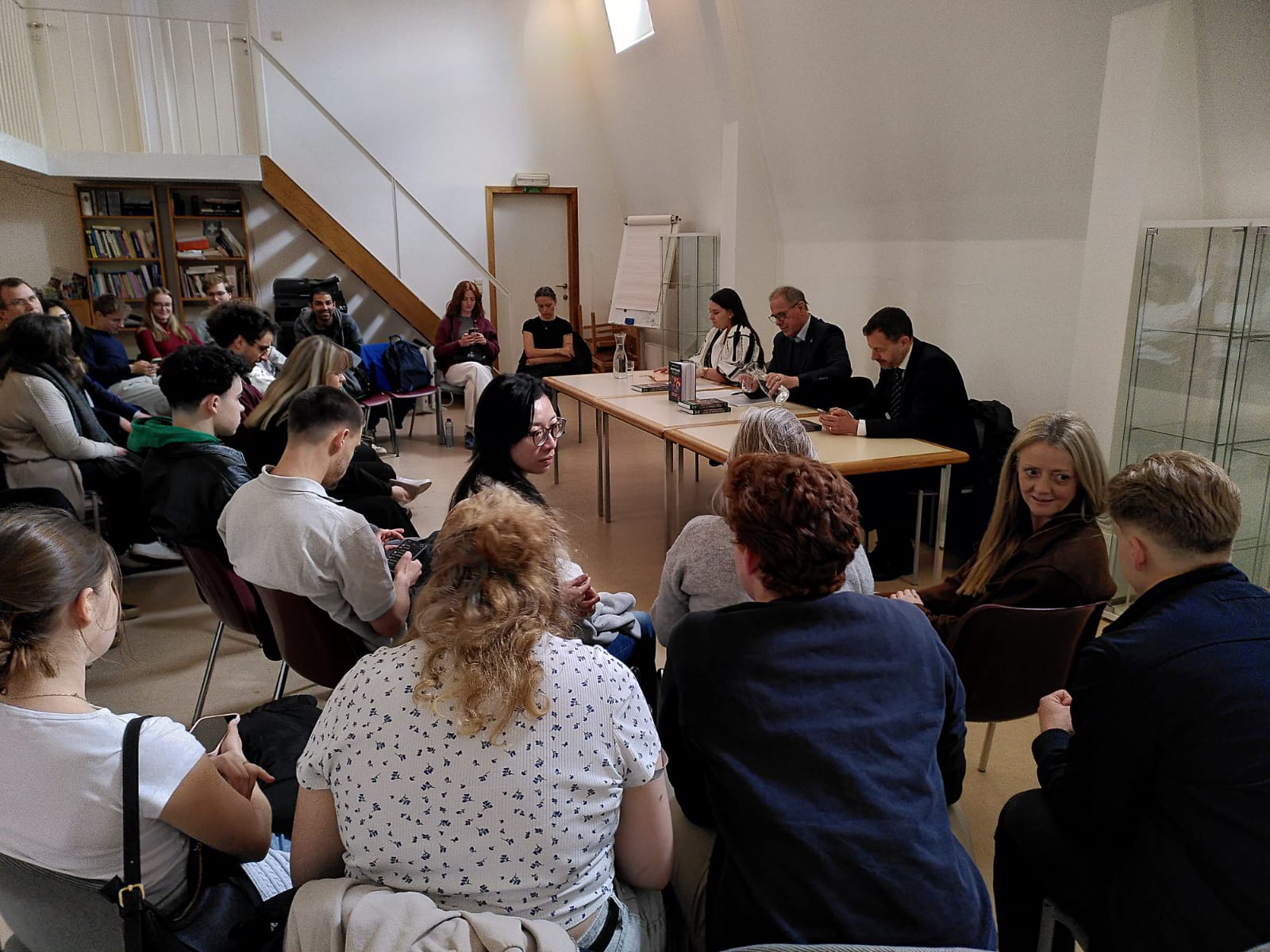
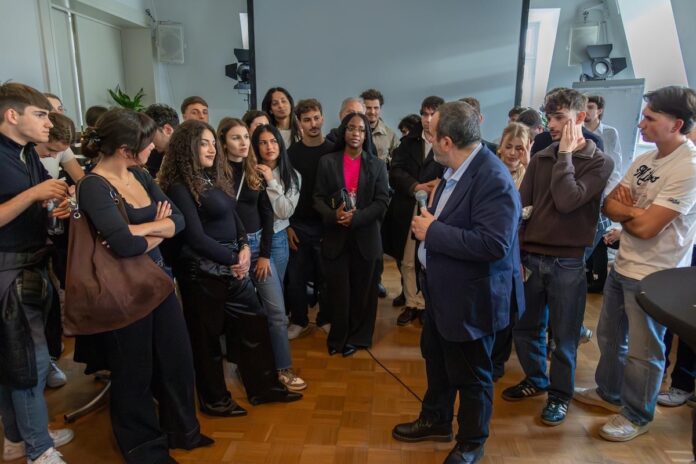
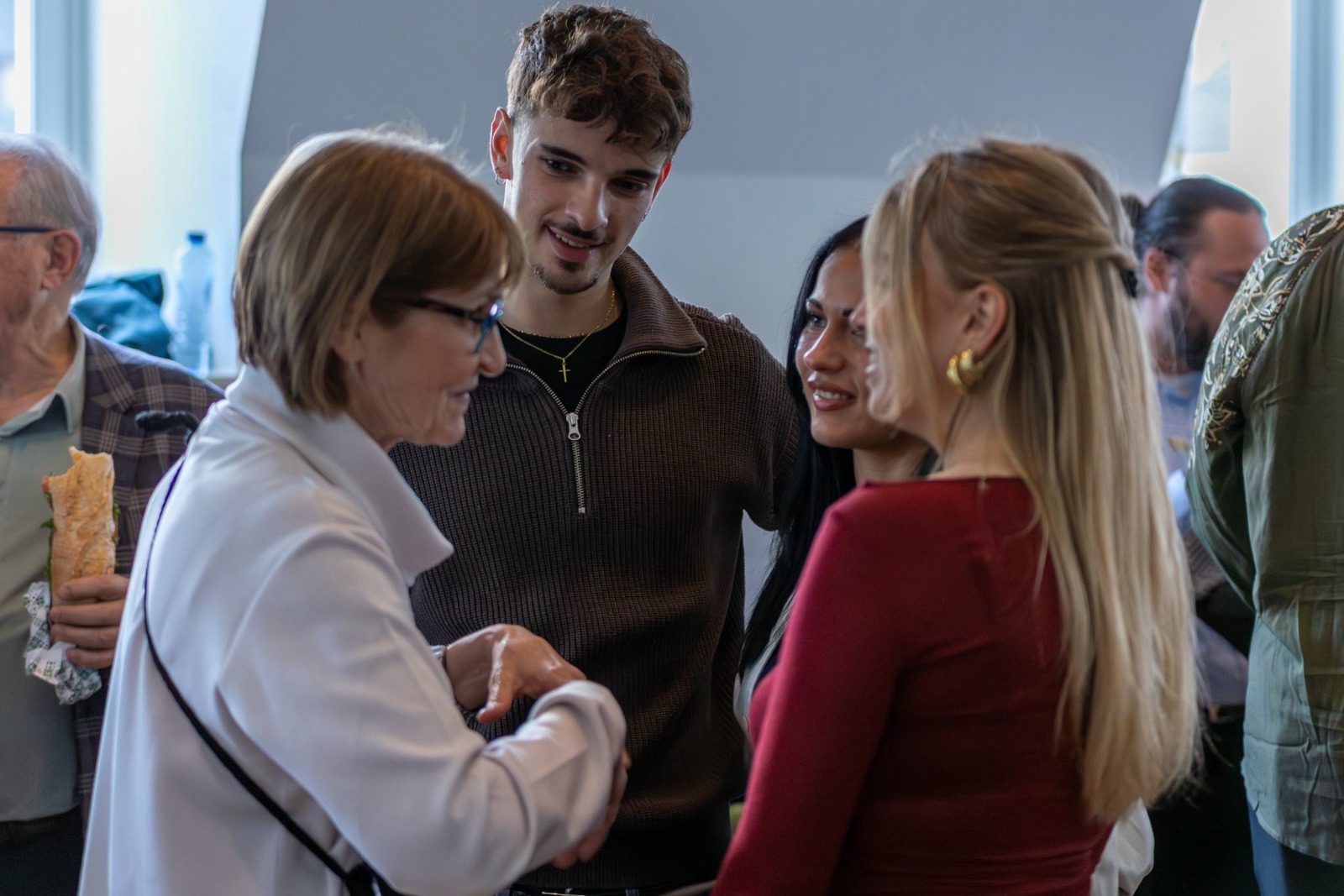
These reasons stem from the current crisis situation, in which it seems there is no longer room for unity between peoples and nations. No one can guarantee peace anymore. In such a context, Together for Europe wanted to show that unity is not an option, but rather the very thread running through the historical development of the peoples of Europe. And if today that thread seems buried under the rubble of ongoing conflicts, Together for Europe sets itself the task of bringing it back to light, offering its experience of collaboration among Christians as a way to rebuild the European structure on the foundations of unity. All together: members of different Churches, citizens of different countries and, above all, people of different generations. Young people, adults and the elderly all inhabit this fractured present and only by coming together can its contradictions be resolved. The challenge, therefore, is also intergenerational. This is why the young people of Together for Europe wanted to present an “Intergenerational Pact” to the MEPs and personalities, in which they set out their shared commitment to work for a Europe that is a kiln of peace and solidarity.
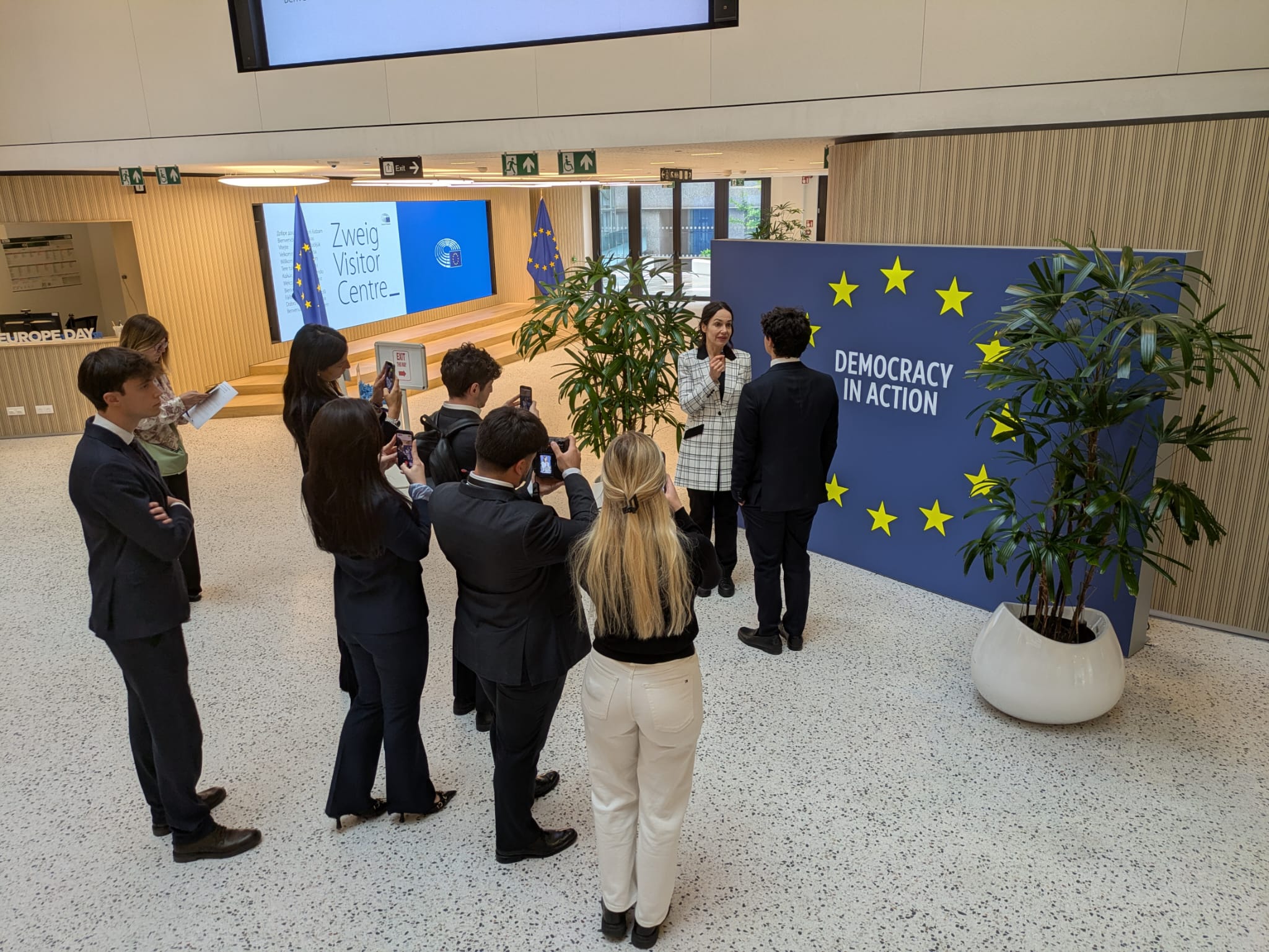
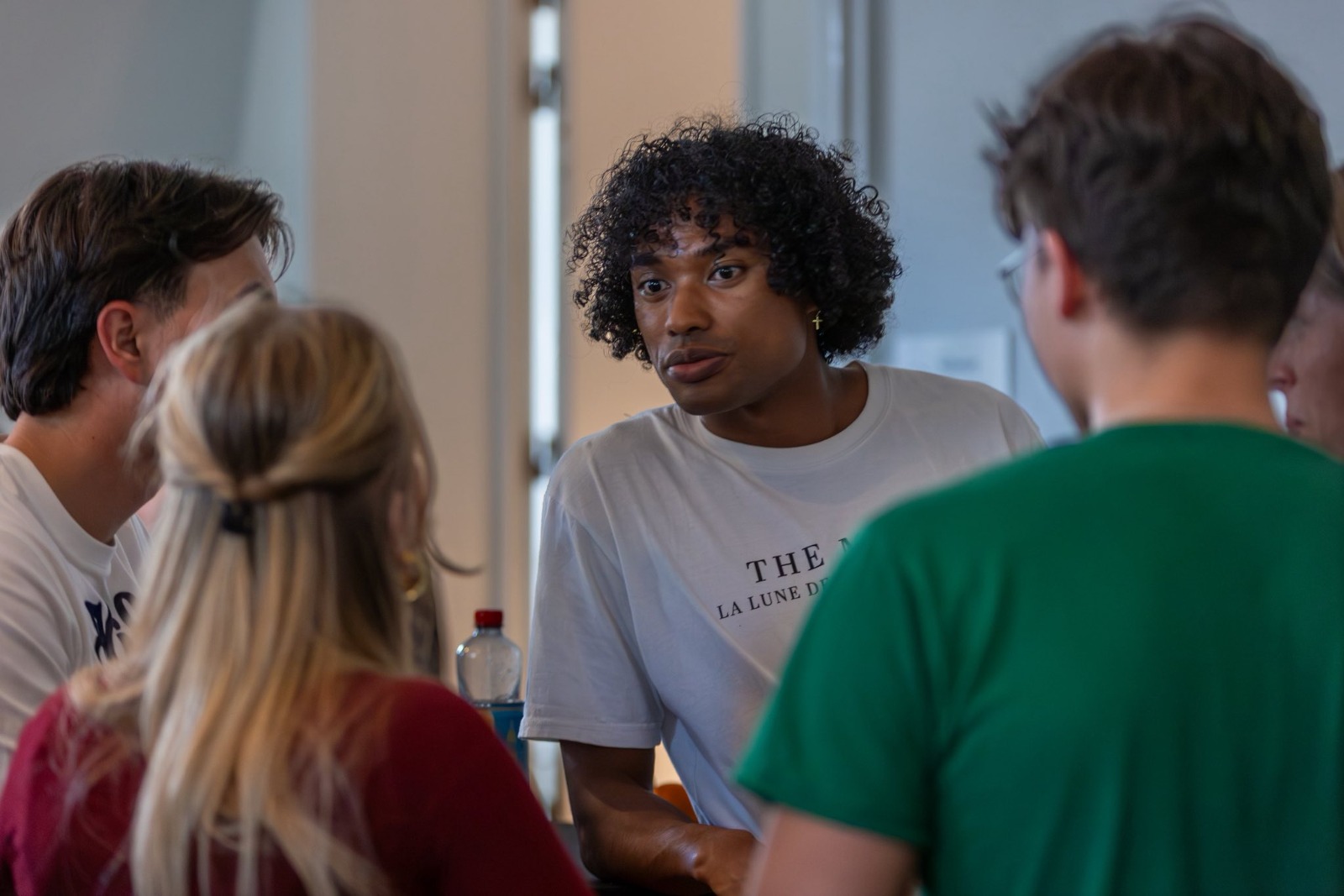
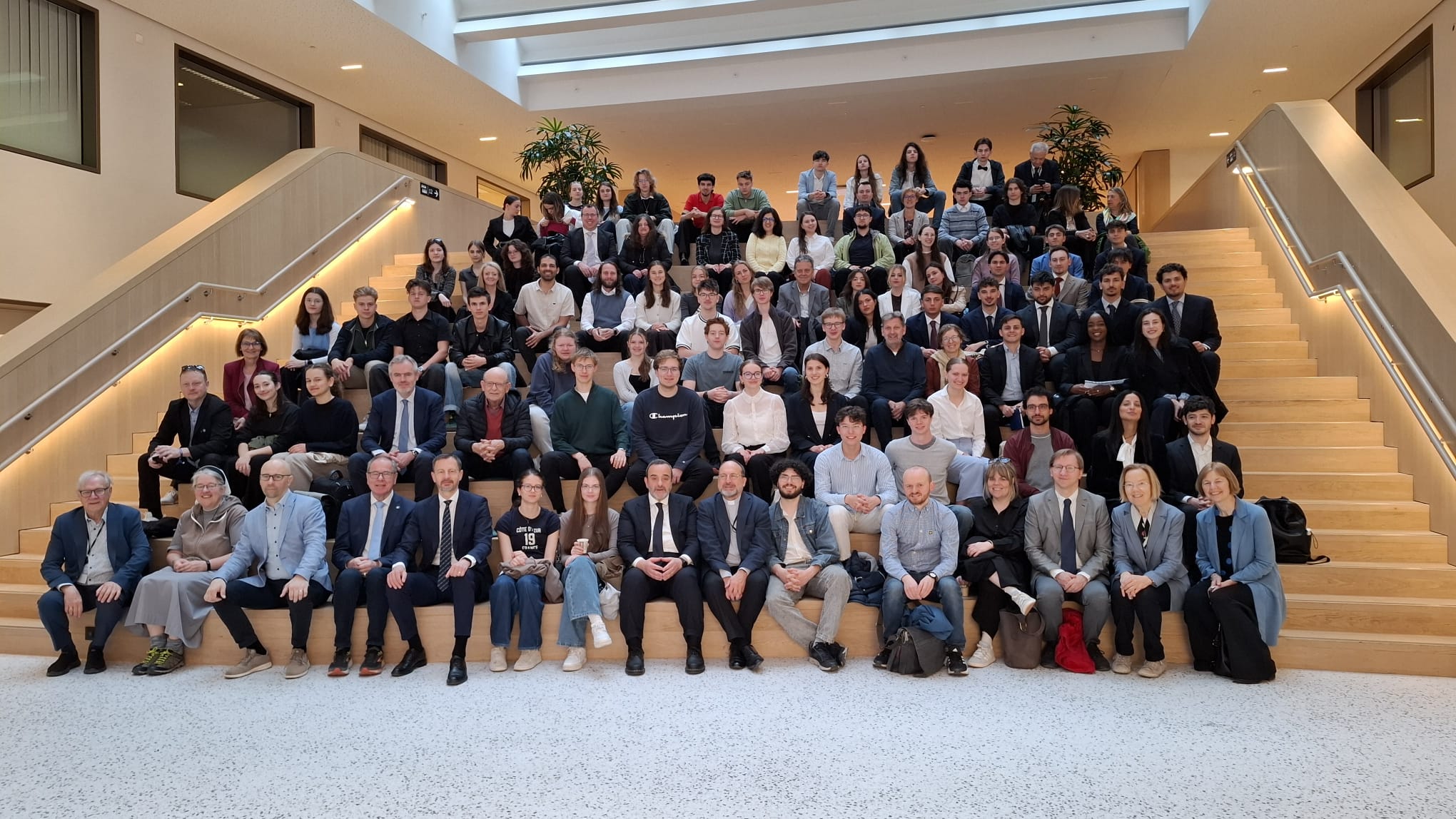
Where did the 100 young participants come from? As well as Europeans (here too, it matters little that they were Finnish, Swedish, Dutch, German, Belgian, Scottish, Slovak, Austrian, Hungarian, Romanian and Italian) there were Americans, Colombians, South Africans, Chinese, Canadians, Brazilians and Mexicans. Because Europe does not exist for itself alone, since its vocation is to unfold on a global level, offering its heritage of values shaped by Christianity, lived through ecumenical dialogue and amplified by the clear-sighted projects of the young people of Together for Europe.
Alberto Lopresti
Photo: © Together for Europe
0 Comments