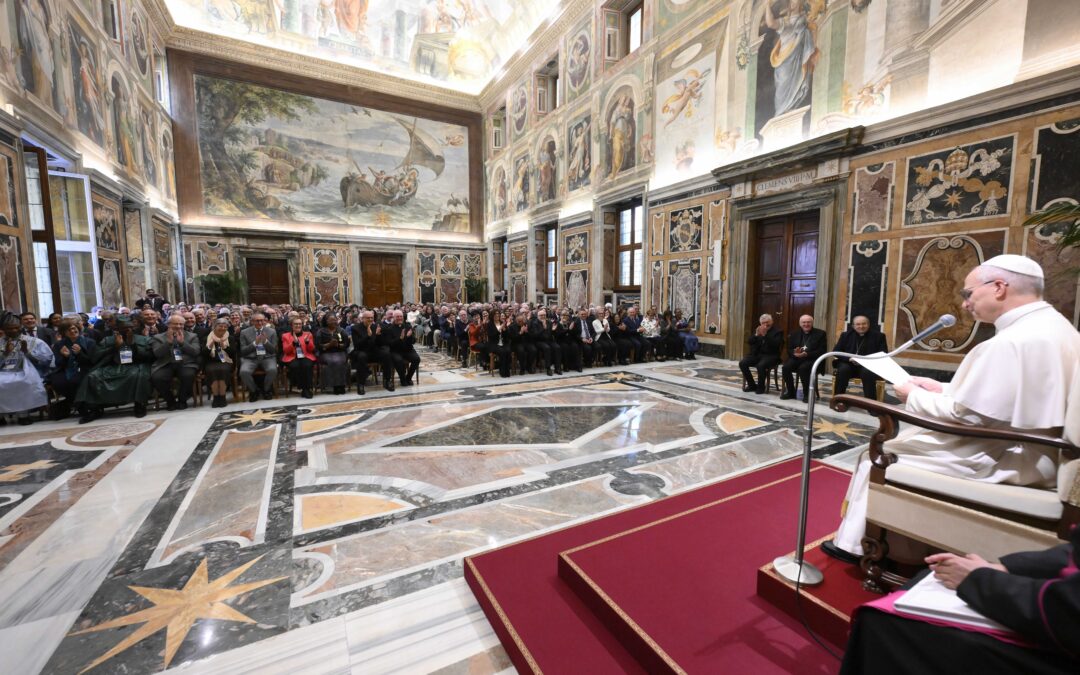
Audience with Pope Leo XIV
We would like to thank Vatican Media for kindly providing the images and photographs of the Audience

We would like to thank Vatican Media for kindly providing the images and photographs of the Audience
As necessary as food

Mongomo is a small town in Equatorial Guinea, on the border with Gabon. Sister Maria writes: “Living with the people here is a great gift for our community. They are so open to the Word of God.” Every month, the people in the nearby villages look forward to their visit. On Sundays, since there is almost never a priest to celebrate Mass, they meet with some of us to hear the Word explained. More than five hundred gather. On the other hand, only about fifty manage to take part in the parish meetings in Mongomo. It must be taken into account that they have no clocks and no notion of the date, so it is very difficult to arrange appointments, so their presence is not constant. Sometimes they have to travel (obviously on foot) ten or twenty kilometres to get there. It is moving to see that they never get tired of hearing about God. I would like you to hear them tell how they put the Gospel into practice: they are simple, concrete experiences… hearing them is enough to convert you. I have often heard some of them repeat that the Word of God is as necessary to them as food. ”
(Sister Mary – Equatorial Guinea)
Reconciliation
I was particularly struck when I heard the Gospel phrase “If you present your offering on the altar and there you remember that your brother has something against you, leave your gift there in front of the altar and go first to be reconciled with your brother…” I wasn’t on good terms with a certain lady. Summoning up my courage, I went to her. Unfortunately, not only did she not listen to me, but she shouted at me to go away. I felt demoralized and I didn’t know what to do. Meanwhile, my son had received a letter from an acquaintance who wanted to apologize to him because of a small misunderstanding between them a few days earlier. I was surprised: firstly, because my son is so young that he can’t read yet, so I had to read the letter to him; secondly, because an adult apologized so sincerely to him. This inspired me to write to that lady asking for forgiveness. A few days later I receive a phone call from her: “Please, you forgive me!” I went back to her, we cleared up all our misunderstandings and full of joy, we reconciled.
(H.B. – Germany)
compiled by Maria Grazia Berretta
Cover photo: © Saulo Leite by Pexels
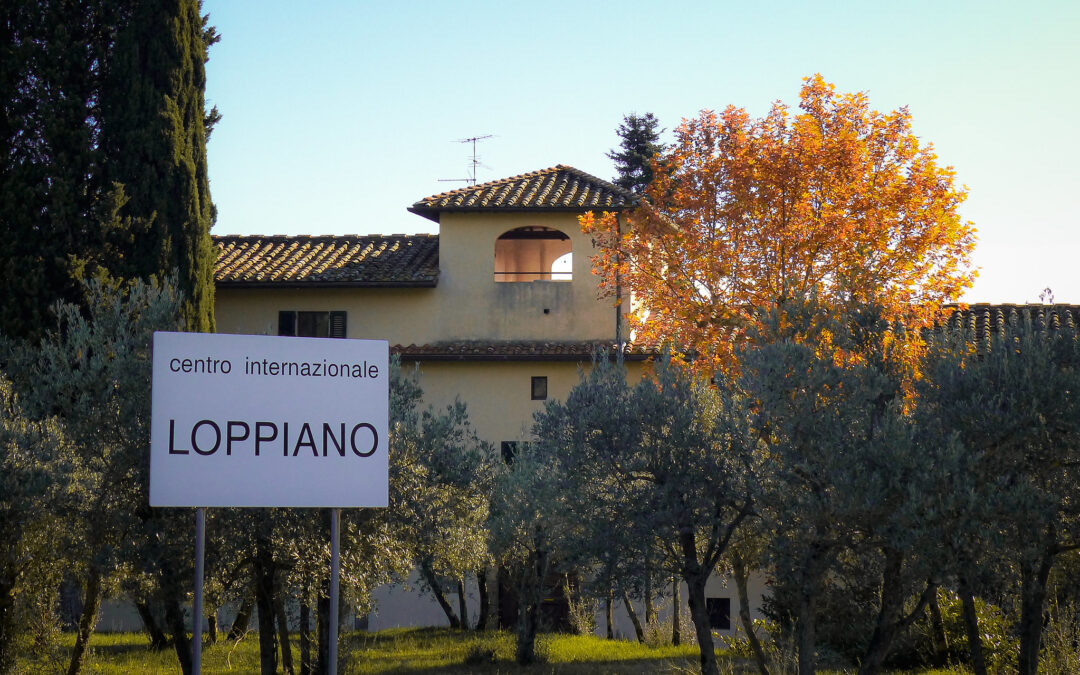
At the launch of the website of the “Co-citizens of Loppiano”, Roberto Brundisini told us that returning to Loppiano after many years reawakened feelings and dreams and inspired the idea of starting new projects.
“One day I went back to visit Loppiano, where I had previously lived for some time. I realized that I felt at home there. I was surprised that I had stayed away for so long and I thought of many others who, like me, had lost touch with this reality. I expressed my thoughts, that this is the home not only of those who live there but also of those who love it. And I know there are many.
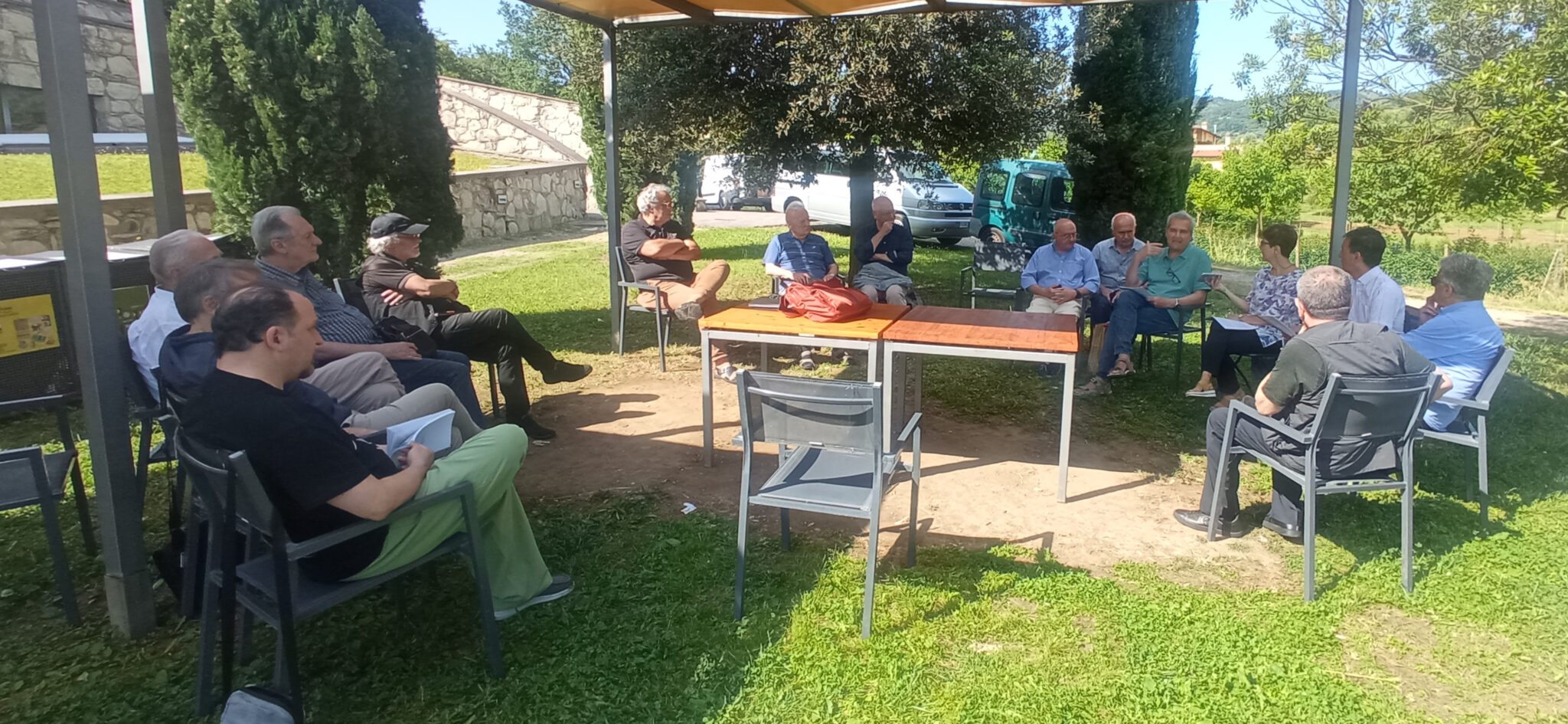
The word spread, dormant circuits were reactivated and, as if from a long hibernation, old and new faces were awakened. Loppiano exists, it’s there, it’s still there! The dreams that had fallen asleep come alive again, with a humble determination. Because the dreams that remain in the drawer grow mould.
So, what should we do? Where can we start first?
Then it hits us, maybe we can establish an energy community. “Yes,” someone replied. Maybe we could set up an alternative agriculture. Fantastic! Contribute to the urban and environmental reorganization of the Little Town according to the criteria of Laudato Sì.
What a dream! Why don’t we organize a welcome centre where people can spend a few days relaxing and re-educating themselves regarding nature and human relationships? Fantastic – someone else continued – I would love there to be a hub, a meeting space for cultural exchanges between young people and perhaps also between artists. Sounds exciting! What if we set up a Web-radio with a universal outlook, given the variety of skills, experiences and knowledge that many of us, scattered across the globe, have acquired over the years? Another dream (…)”
During a recent visit to the International Centre of the Movement, we interviewed the President of the Association, Alessandro Agostini and one of the councillors, Nicola di Settimo.
Turn on subtitles and choose your desired language
Interview Anna Lisa Innocenti e Carlos Mana
Editing: Joaquín Masera.
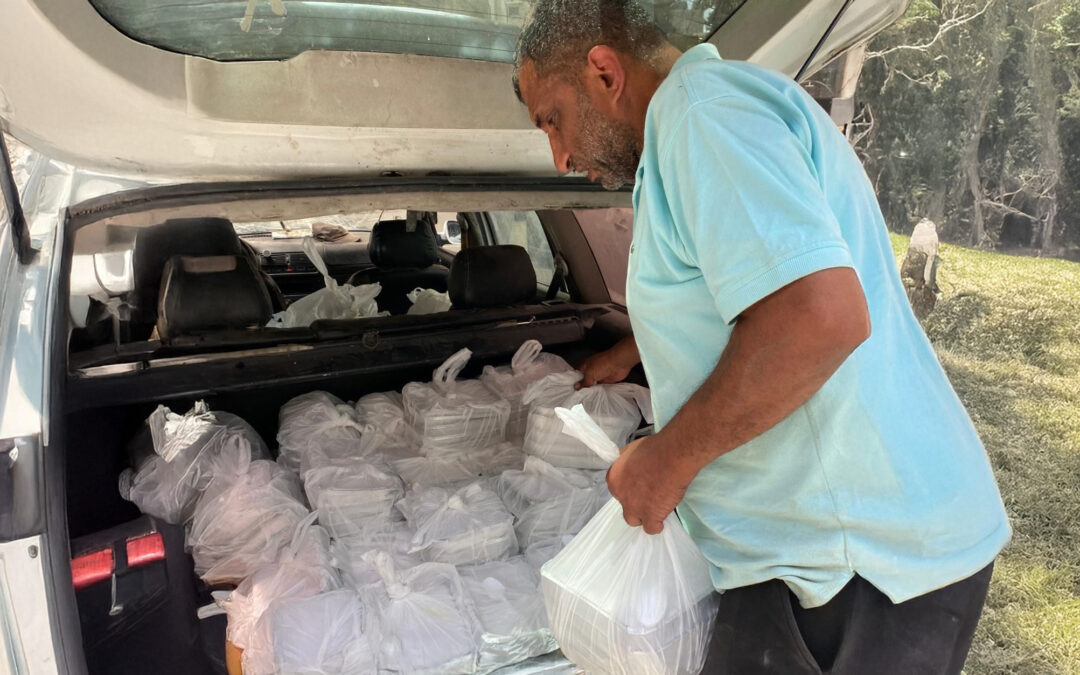
In recent years, the Middle East has gone through one of the most difficult periods in its recent history.Wars, political instability and economic emergencies have affected millions of people, forcing entire families to leave their homes and putting access to the most basic necessities at risk. In this context, the projects supported through the funds raised for the Focolare Movement’s Middle East Emergency Appeal, implemented by AMU and AFN, sought to offer concrete responses to the most urgent needs, reaching a total of 3,337 people, thanks to the use of 362,754 euros allocated to humanitarian interventions.
Gaza: Supporting the Displaced
October 7, 2023 marked the beginning of a new phase of the conflict in the Gaza Strip. According to the United Nations, about 90% of the population has been forced to leave their homes and almost the entire population is now facing extreme levels of food insecurity.
In collaboration with the local network, in particular with the Caritas organization in Jordan and the Latin Patriarchate of Jerusalem, it was possible to support 1,750 displaced people. The interventions involved the purchase and distribution of basic necessities, food assistance and the welcoming of hundreds of people in two parishes. In addition to food and medicine, a safe place was provided where people could find shelter and care.
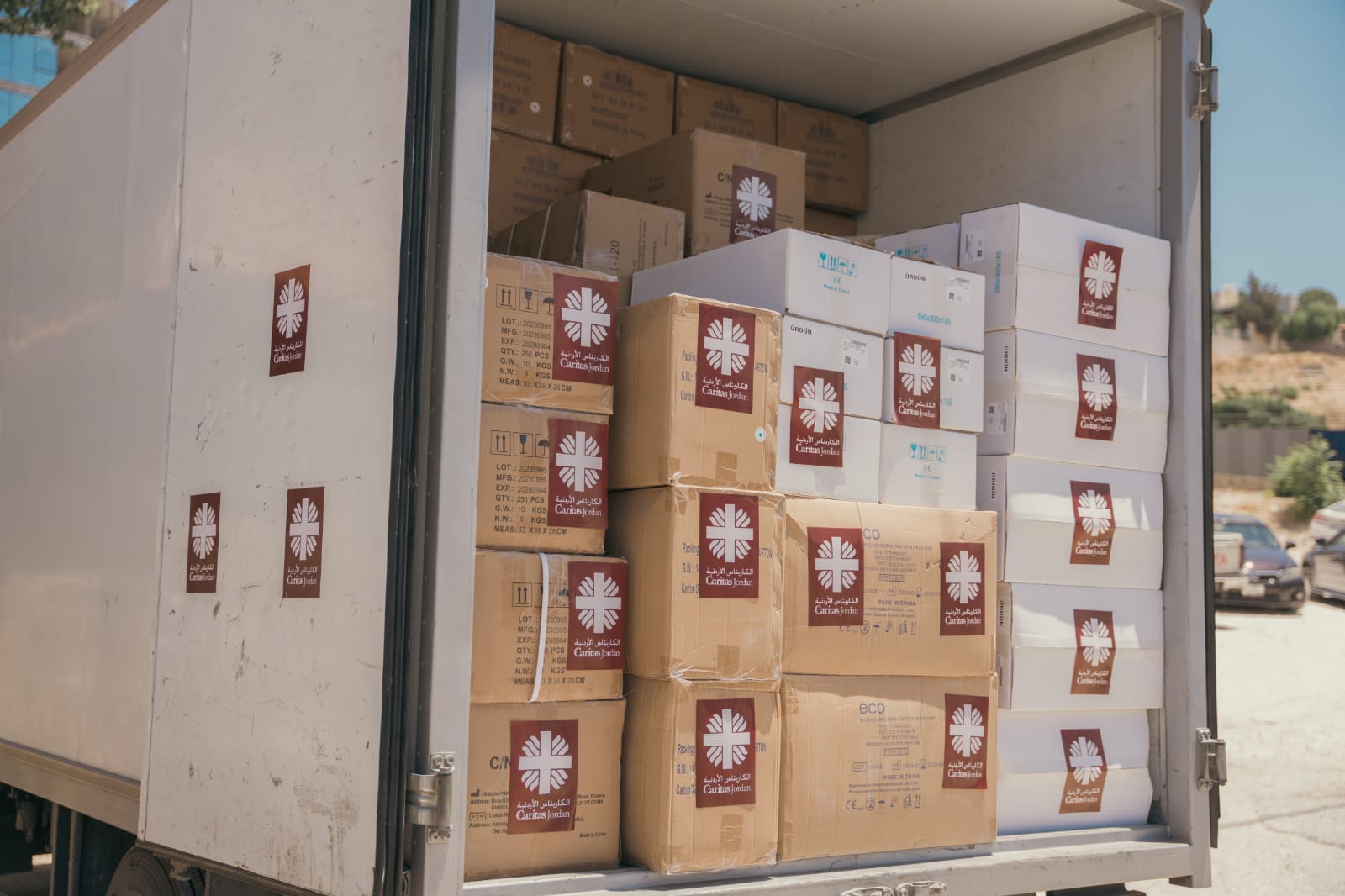
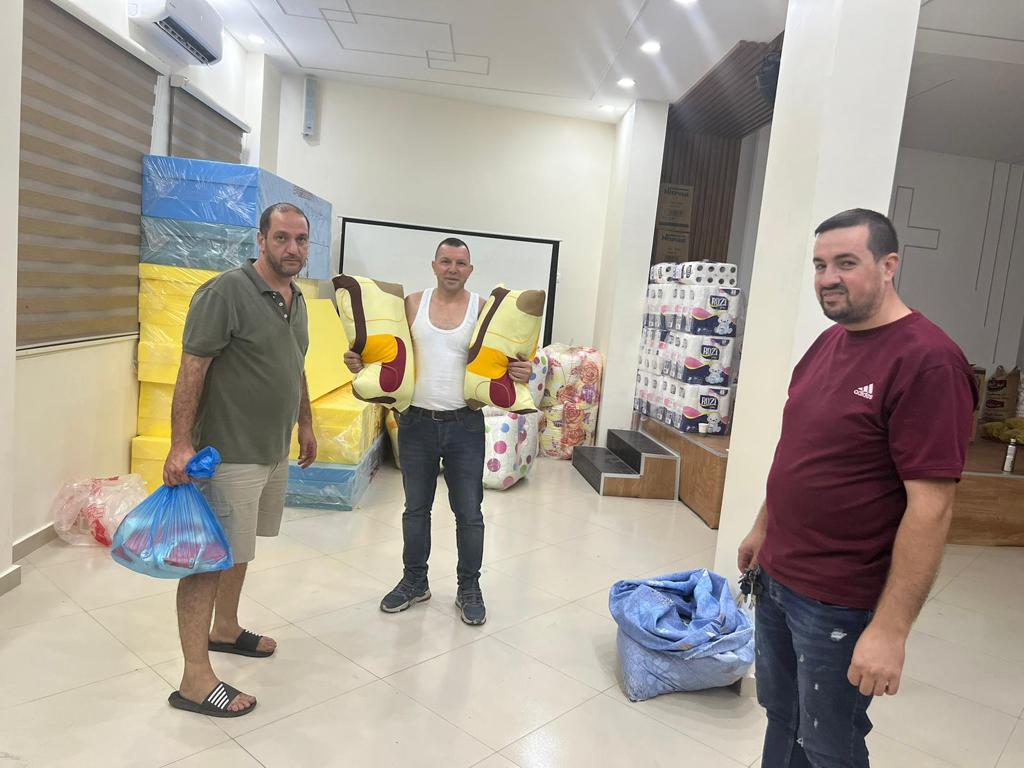
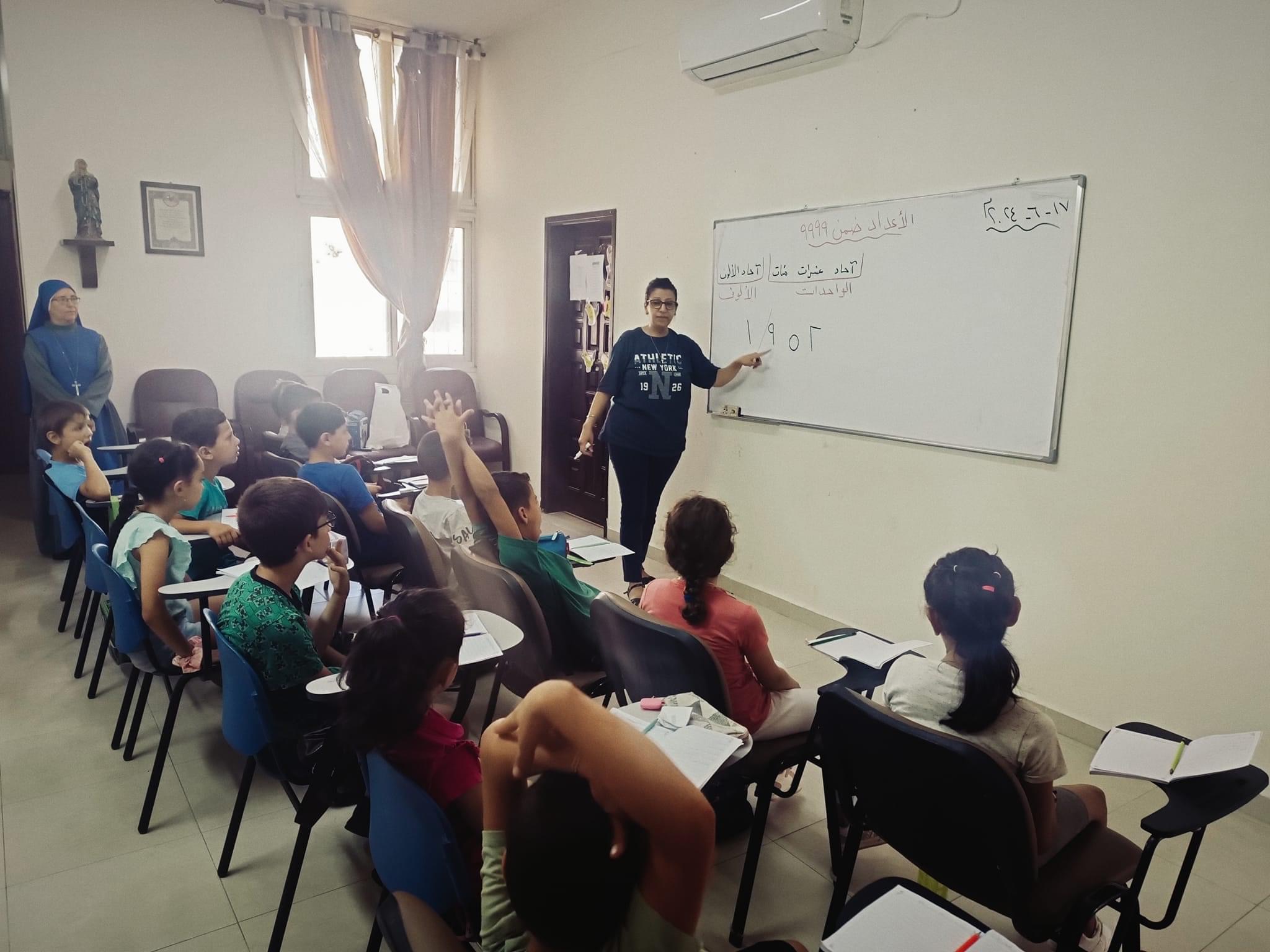
Photo 1: © Caritas Jordan – 2 3 © Patriarcato Latino di Gerusalemme
Lebanon: hospitality and support
In 2024, the intensification of conflicts in southern Lebanon resulted in over one million displaced people. Many families had to leave everything and seek refuge elsewhere.
Thanks to the collaboration with the local Humanité Nouvelle association, 195 people were welcomed at the “La Sorgente” Mariapolis Centre and at the Institut de Réducation Audio-Phonétique (IRAP), in the province of Beirut. Here, displaced people received accommodation, food, medical assistance, clothing and hygiene supplies.
Particular attention was paid to children and young people: 7 classes were organized for 39 students up to the age of 15, allowing them to continue their education even during displacement. Recreational activities, moments of sharing and initiatives promoted by young volunteers helped to create spaces of hope in a situation marked by uncertainty.
Also in Lebanon, the SOSTENIAMOLibano (Let’s Support Lebanon) project was continued. It was established to help people cover the cost of medical treatment in an increasingly fragile healthcare system. The project reached 112 beneficiaries, offering help for the purchase of medicines, psychological support and assistance for hospital treatment.
Another intervention supported small local agricultural producers. Through the “From All Lebanon to All Lebanon” initiative, agricultural and artisanal products were purchased from small producers and distributed to displaced families in the Beirut metropolitan area. This project involved 80 people, contributing both to food support and to the protection of local economic activities.
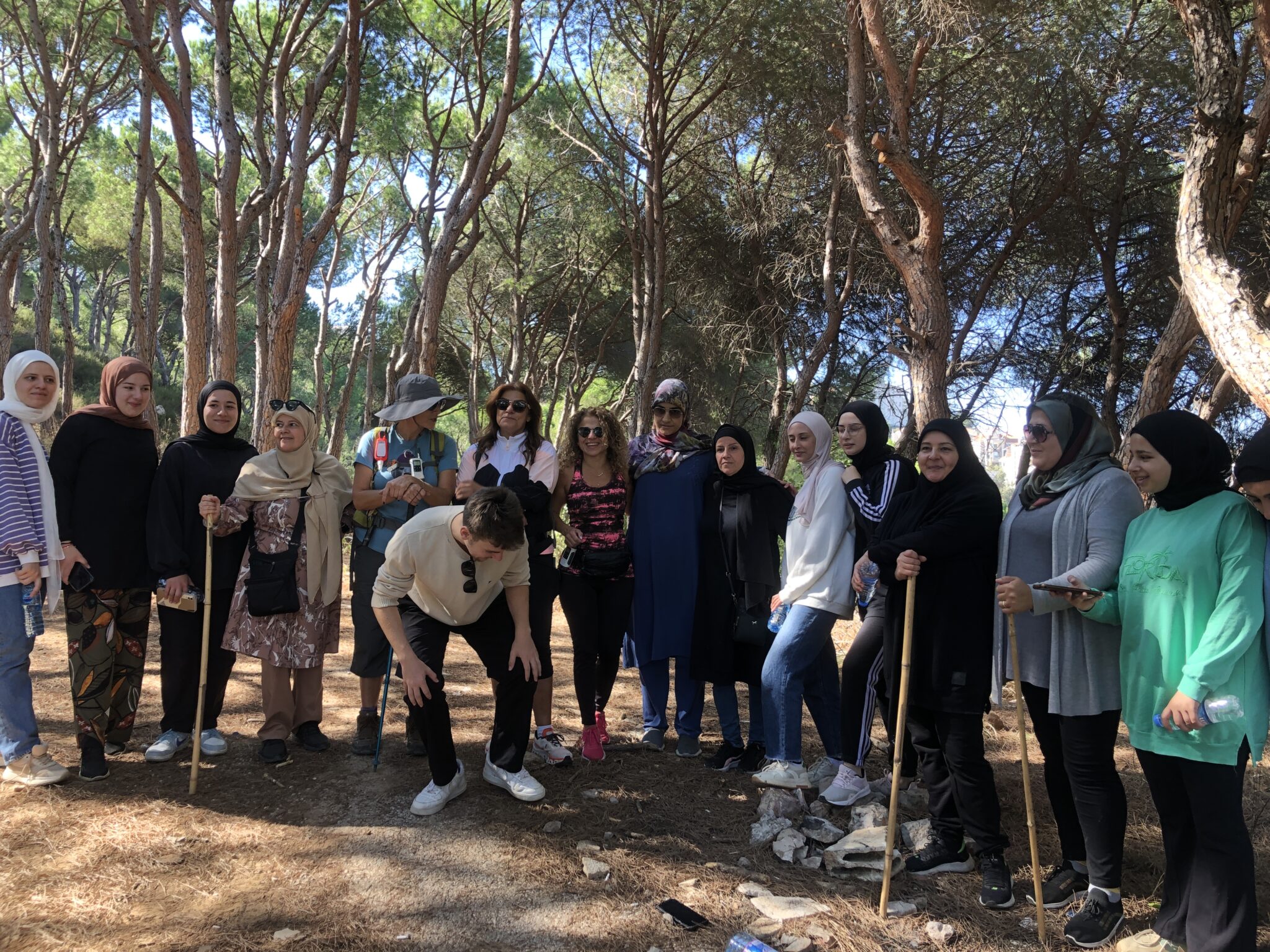
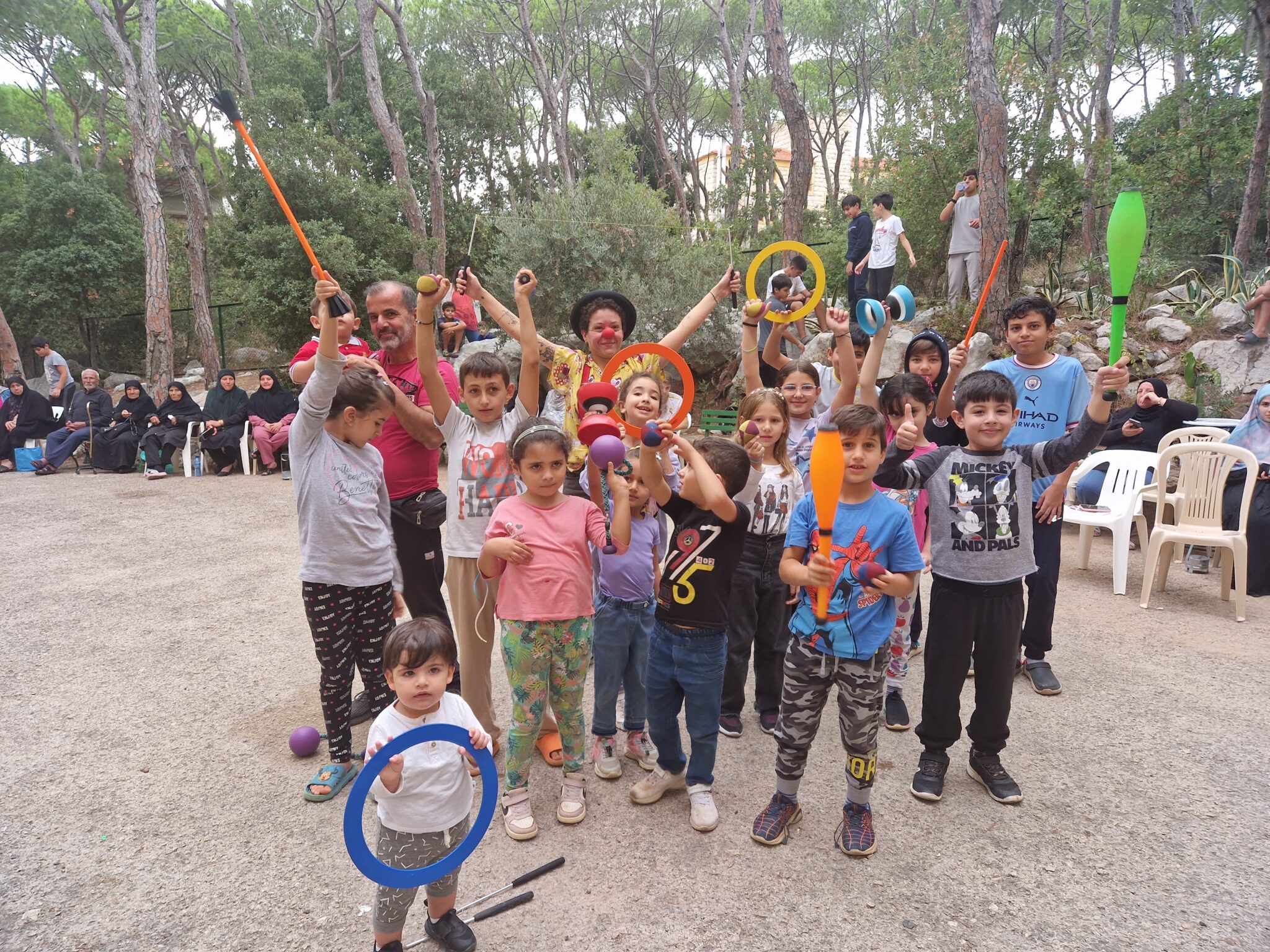
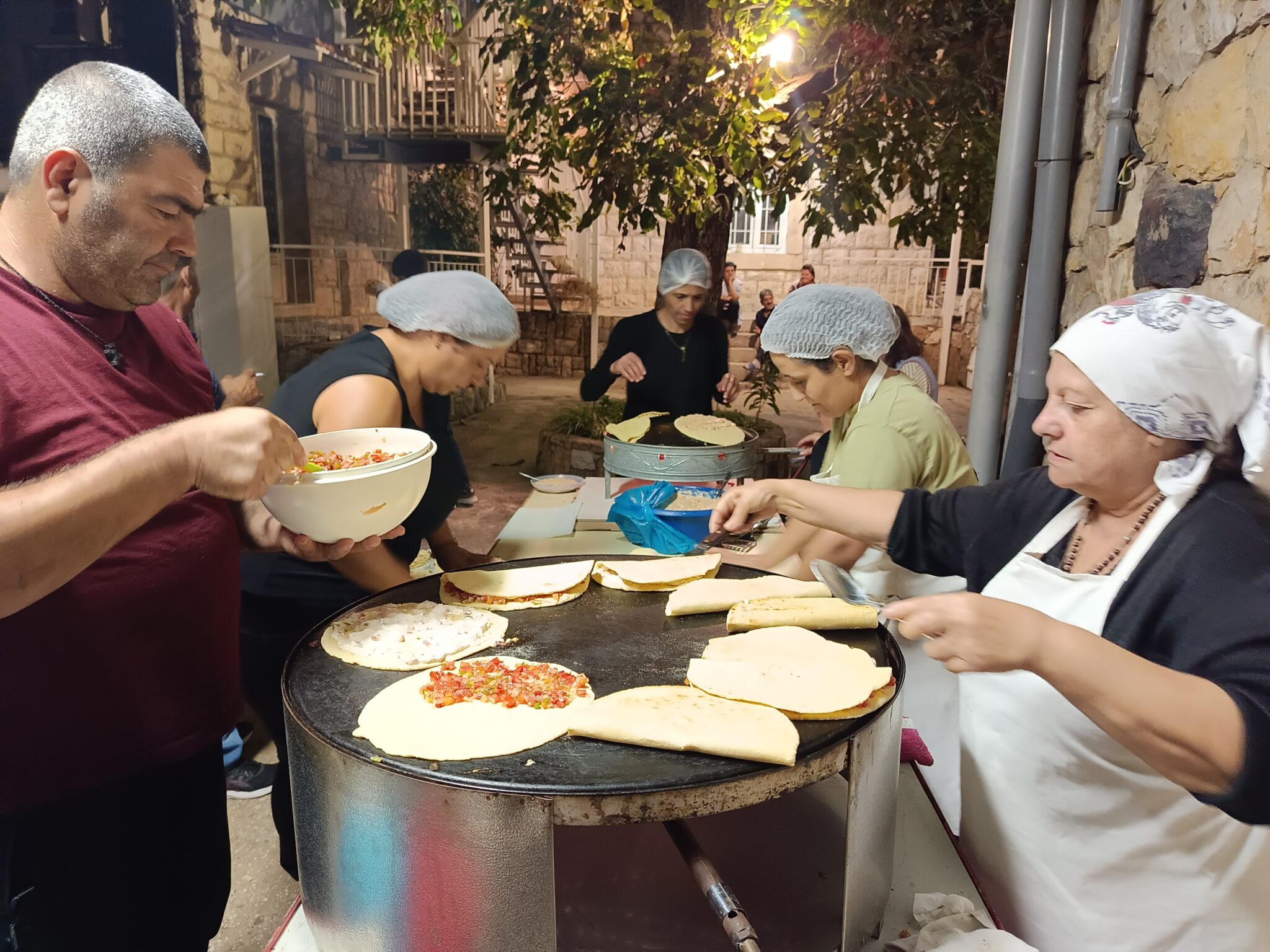
Photo: © Focolari Libano
Syria: Supporting Families in Difficulty
After more than fourteen years of war, Syria continues to experience an extremely fragile situation. In 2024, during a phase of political transition, many families suddenly found themselves without access to money due to the temporary closure of banks.
Thanks to the local network of the Focolare Movement, it was possible to offer financial support to 305 families in Aleppo, Damascus, Homs and other cities, reaching around 1,200 people. The contribution enabled them to meet their most urgent daily expenses such as food, medicines and basic necessities.
A concrete sign of closeness
Beyond the numbers, these projects above all tell stories of solidarity and collaboration between local and international realities. The goal was not only to respond to the immediate emergency, but also to strengthen community bonds and support the resilience of the people involved.
Prepared by Emergency Coordination Team of the Focolare Movement
To make a contribution to the Middle East Emergency click here
Header: © Patriarcato Latino di Gerusalemme
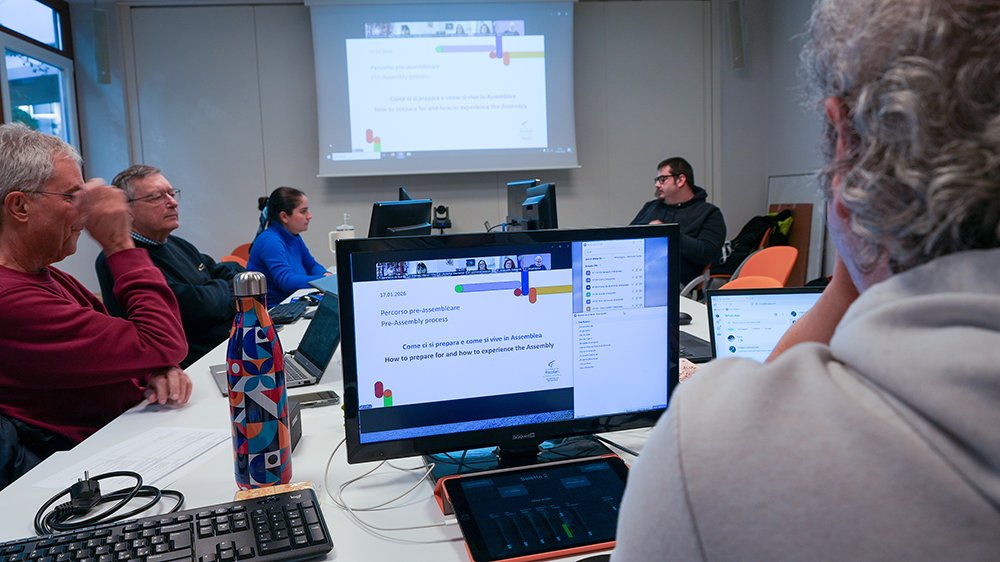
The ‘Pre-Assembly Process’ is currently underway in preparation for the General Assembly of the Focolare Movement, which will begin on the 1st of March 2026 in Castel Gandolfo (Italy) with the participation of representatives chosen from different geographical areas, branches and movements; the members by right (those who are part of the current government, the General Council and Zone Delegates in the geographical areas), and those invited by the President.
We interviewed Prof. Vincenzo Di Pilato, professor of Fundamental Theology and a member of the Preparatory Commission for the 2026 General Assembly, about the preparation process and his personal experience.
Activate subtitles and select the desired language.
Cover photo: © Joaquín Masera – CSC Audiovisivi
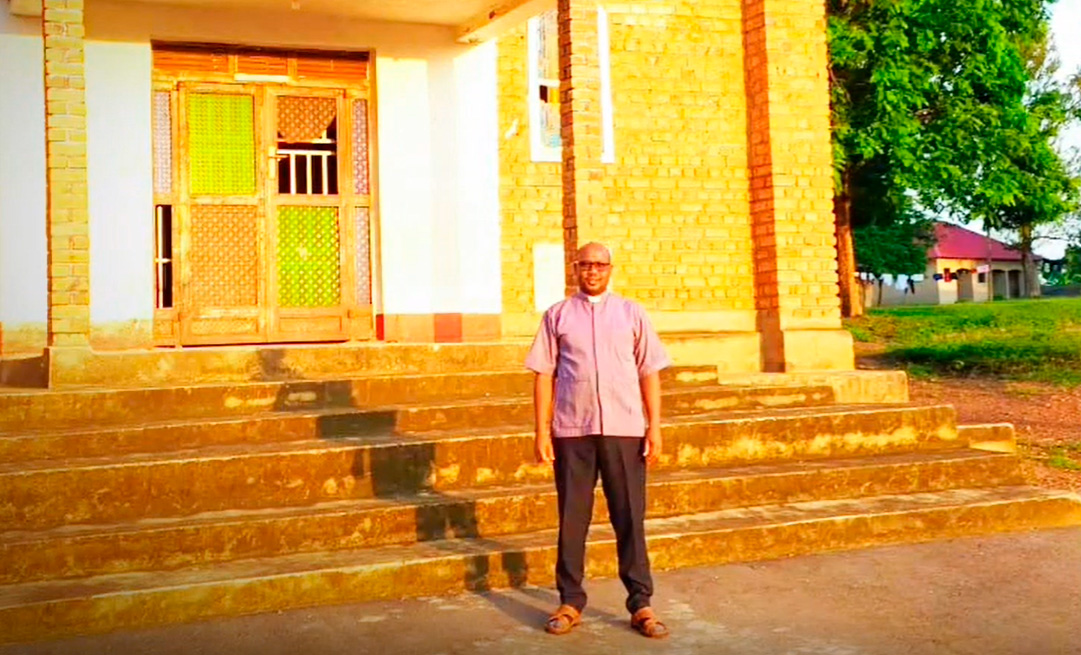
I am an Anglican priest from Uganda and I came to know the spirituality of the Focolare Movement fifteen years ago, when I was in the seminary for ministerial formation. This spirituality has shaped me in an integral way – myself, my family and my Church because it expresses in an exemplary manner, two fundamental aspects: Love and Unity. Nowhere in the Bible do we find Scripture that emphasizes division, separation, hatred, malice, tribalism, denominational divisions, or racial segregation. On the contrary, the Bible calls us to unity and love between people, even when there are differences.
We are called, above all, to love our neighbour, because through loving our neighbour we love God. In this way I have learned to see Jesus in every person who is close to me (cf. Mt 25) and I experience great peace every time I share what little I have with those in need.

In one of his last prayers before the Ascension, in John 17:21, Jesus says: “that they may be one, just as I am one with you, Father”. This implies that unity should be our goal in life. Thanks to this awareness, I have had the opportunity to meet and dialogue with many people of different denominations: Catholics, Orthodox, Lutherans and also with people of other religions, Buddhists and followers of traditional religions, at all levels and in all age groups. This has given me a broader view of how to live and approach life in an integral way. I have experienced the joy of recognizing them as brothers and sisters.
I have also seen Bishops of the Anglican Church of Uganda welcome this spirituality through our experience, expression of life and witness. Currently, five bishops are friends of the Movement, including the Archbishop of the Anglican Church of Uganda. Some of them also participated in the international ecumenical conferences of Bishops organized by the Focolare Movement.
Currently we have started a communion group at Uganda Christian University, with the intention of practicing the aspect of love and unity among young people and university students; at the same time, we also transmit the value of “Ubuntu”[1], within the Together for a New Africa initiative, in which I participate as a tutor of this second round. After all this, people often ask me questions that I struggle to answer: “Why are you always happy? Don’t you ever get angry? You are always available. Don’t you have other things to do? Why are you so generous?” My answer has always been: “Do good, the reward is in Heaven”.
After the four Gospels of the New Testament, the fifth Gospel that everyone should read is that of the “you”, in the other person. We must see ourselves as a living witness, so that in our works and actions the image of God may be reflected, doing to others what we would like to be done to us. Putting into practice what the Bible teaches: to love God with all our heart, with all our mind and with all our soul, and to love our neighbour as ourselves.
Reverend Canonico Bwanika Michael Eric
[1] Ubuntu is a word of Bantu origin from sub-Saharan Africa that expresses a philosophy of life focused on compassion, respect and human interdependence, summarized in the maxim “I am because we are”, emphasizing that the individual is realized through community, sharing and collective well-being.