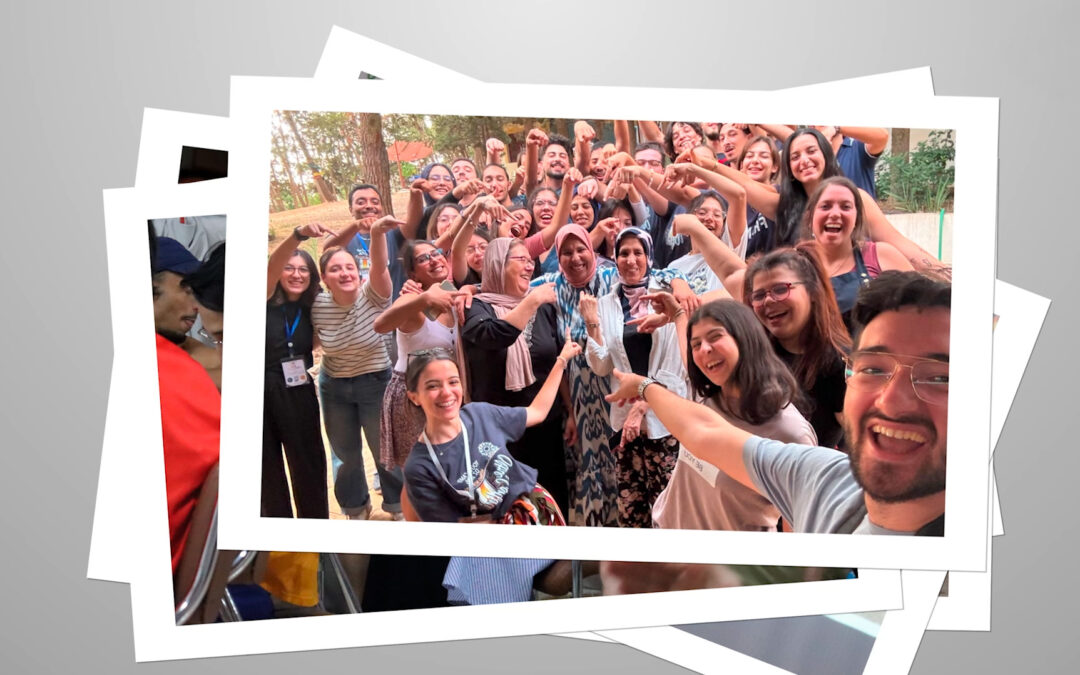
What’s Up? – New generations in action
Turn on subtitles and select your preferred language – For Arabic, click here

Turn on subtitles and select your preferred language – For Arabic, click here
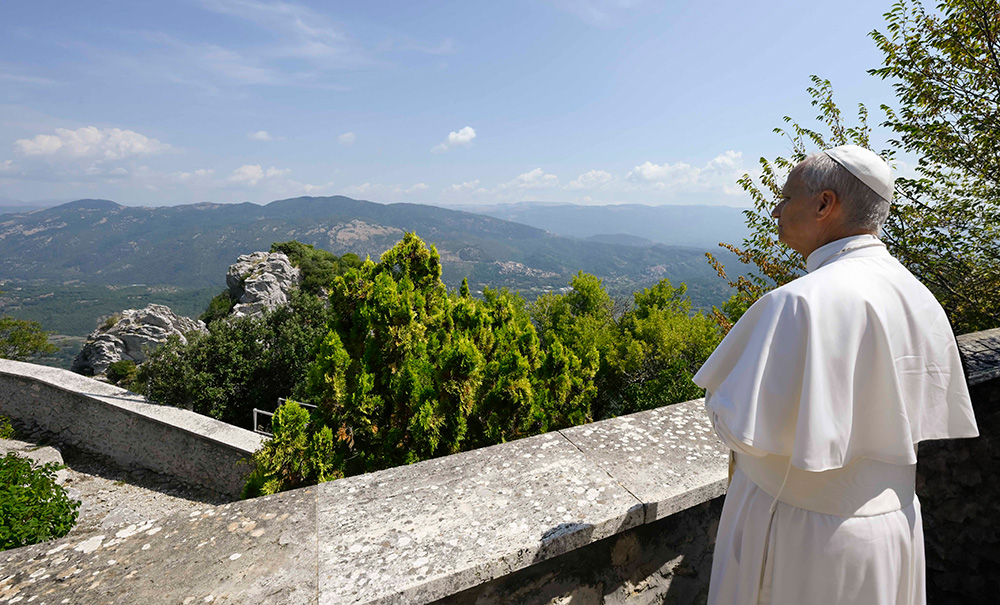
Ahead of the 11th World Day of Prayer for the Care of Creation celebrated on 1st September, Pope Leo XIV has written a message entitled “They shall beat their swords into ploughshares and their spears into pruning hooks” (Is 2,4).
It is a text to be read again and again and meditated on, starting from the title that takes up one of the most famous images of the Bible. Isaiah imagines that an object made for war is transformed into an agricultural tool. What was once used to destroy becomes a tool for producing and sustaining life. It is a beautiful image of peace and one that is closely connected to the present day. Today, fragile relationships and armed conflicts continue to destroy the environment and threaten the lives of millions of people.
Pope Leo highlights the deep link between peace, care for Creation and human dignity, inviting us to direct resources towards life and sustainability. The Pope writes. “But today, we too often witness the very opposite, as violence and war. War also leaves behind social and ecological destruction that endures for generations. Moreover, the interaction between armed conflicts and environmental degradation often creates a vicious cycle, which destroys ecosystems, contaminates essential resources, such as air and water, and undermines food security. This fuels poverty, inequality, and new social tensions that can contribute to the emergence of further conflicts.”
Creation is “nature”, everything that surrounds us! And human beings are not merely observers, but part of it. Isaiah’s hope therefore becomes for us today a call to “transform what is evil into life“. This conversion that cannot be separated from returning not only to our hearts, but to the One who heals them: the Lord. For where the individual is renewed, new possibilities open up.
The Pope says, “What has been used for destruction can be redirected towards life, towards the care of the poor, the nourishment of the hungry and the safeguarding of creation. . This is the path of an authentic ecological conversion, where the effects of our encounter with Jesus Christ become evident in our relationships with the world around us. Peace, then, begins in the heart and flows outwards to our relationships, communities and the broader world.”
Time of Creation
Every year, 1st September also marks the beginning of the Season of Creation, the ecumenical journey of prayer and commitment to the care of our Common House which concludes on 4th October, the feast of Saint Francis of Assisi. During this time, the Church, together with other Christian communities, is invited to renew its commitment to Creation, letting itself be guided by prayer, conversion and concrete gestures of care. This year’s theme, “Living Water,” explores Ezekiel 47:9 and 12 as a powerful biblical vision of hope and ecological healing. The image of living water flowing from God’s sanctuary symbolizes divine healing that regenerates.
The commitment of the Focolare communities around the world
The Season of Creation is also expressed through concrete actions. Among the many initiatives in different parts of the world, we highlight two from Latin America: Brazil and Uruguay.
In Brazil, the Decarbonize project is transforming schools into places where young people can learn about, understand and respond concretely to the environmental challenges of our time.
Students and teachers are involved in a programme of education on climate change, sustainability and environmental justice, developing not only knowledge, but also the ability to participate and take responsibility in their own communities.
The initiative grew out of the international “Decarbonize” program of the Global Education Centre, carried out in collaboration with the University of Alberta, Canada. The programme focuses on youth leadership, climate justice, the fight against environmental racism and political participation, in line with the 2030 Agenda, the Sustainable Development Goals, the Earth Charter and human rights.
The young people do not simply listen or study: they carry out research, share what they have discovered and participate in public life.
The experience became even more meaningful when students had the opportunity to participate in institutional events such as COP conferences, the Brazilian National Congress and state legislative assemblies.
Decarbonize therefore shows that educating for sustainability also means giving young people a voice, the tools and confidence, to become active citizens and protagonists in caring for our common home.
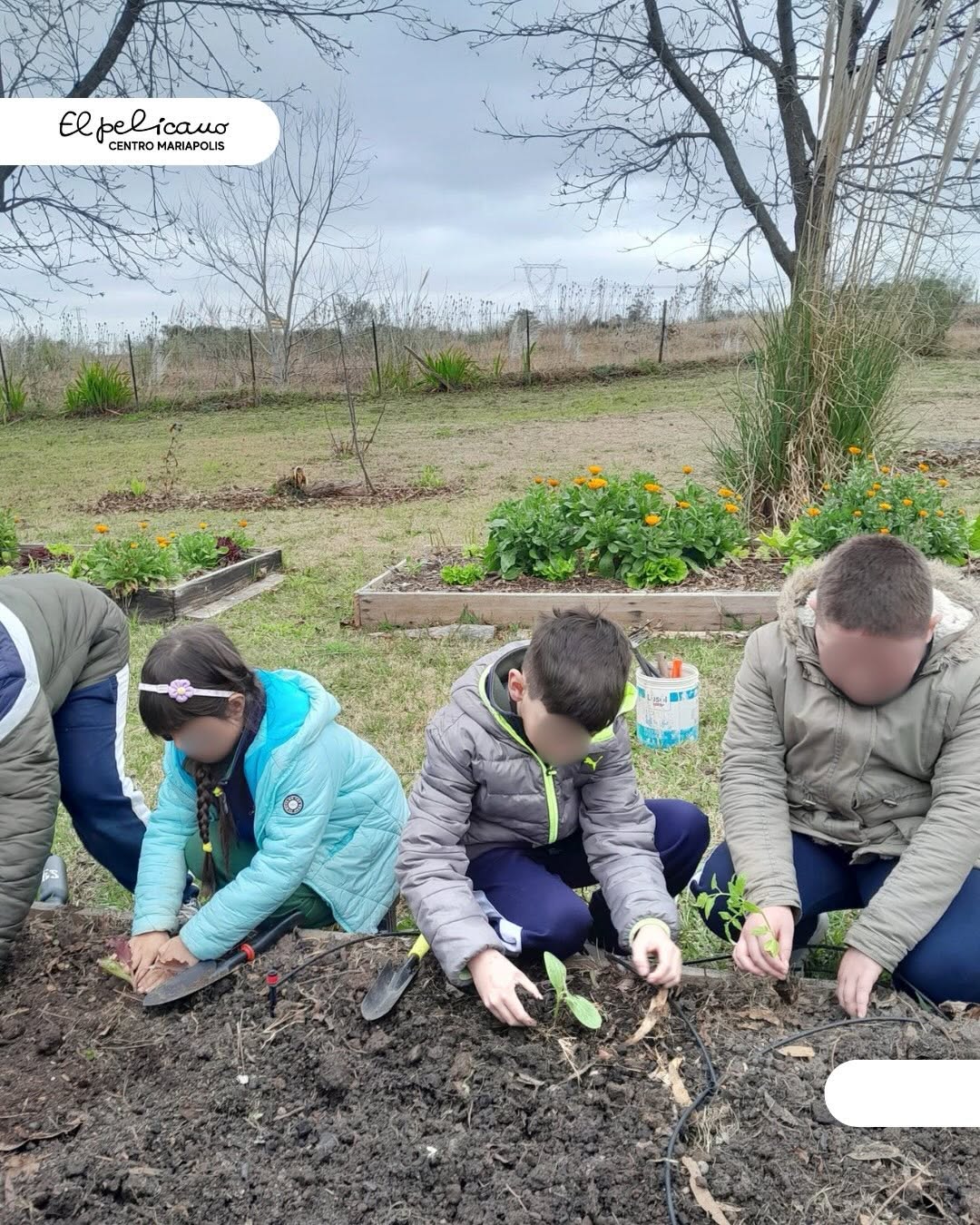
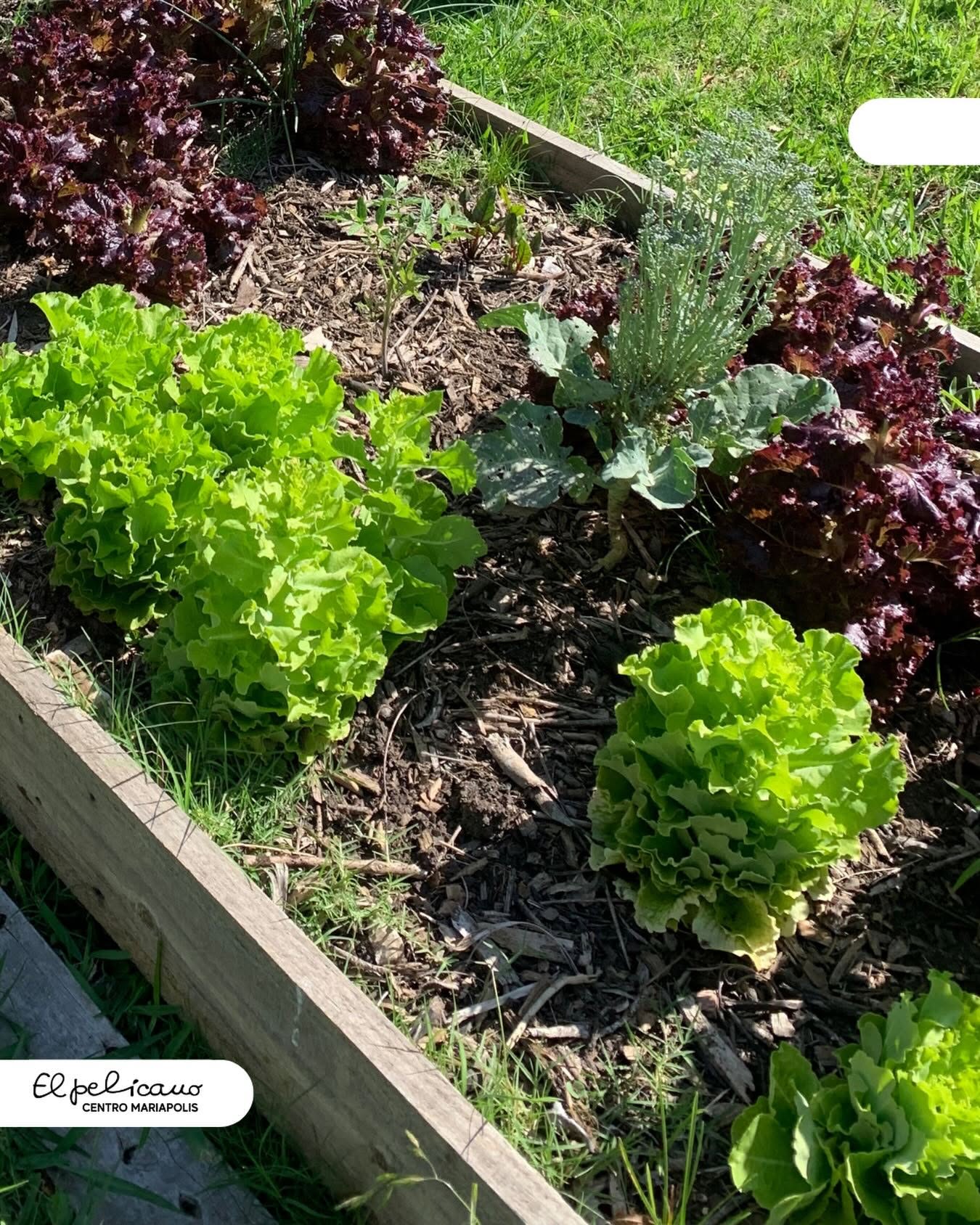

In Uruguay, a few kilometers from Montevideo, the experience of the El Pelícano Mariapolis Centre offers a practical and engaging way to educate people about integral ecology. The centre, born out of the experience of the Focolare Movement, is surrounded by nature and offers children a space where the natural world becomes a place of learning and discovery. Through outdoor educational activities, children can come into contact with the environment, observing it, getting to know it and learning to respect it.
In 2022, thisexperience took a further step forward thanks to the project “El Pelícano: Centro de Recursos Ecologico para la Educación en la Infancia” (The Pelican: Ecological Resource Center for Early Childhood Education), supported through the New Humanity Seed Funding Program.
The aim is to transform El Pelícano into a resource centre for the environmental education of children. Workshops, nature excursions, an organic vegetable garden and recycling activities become opportunities to learn through doing. A child who cultivates a vegetable garden, observes a plant, walks in the woods or learns to give new life to a waste material is not only acquiring a notion: they are building a relationship with nature.
And the experience doesn’t stop with the children. Through them, the project also aims to involve families, so that what is experienced and learned can continue in daily life.
The “El Pelicano” therefore offers us a valuable experience: ecology can be taught from early childhood through beauty, practical experience and participation, helping new generations to feel part of our Common Home and responsible for its care.
Lorenzo Russo
Photo: © Vatican Media; Facebook Centro Mariapoli “El Pelicano”
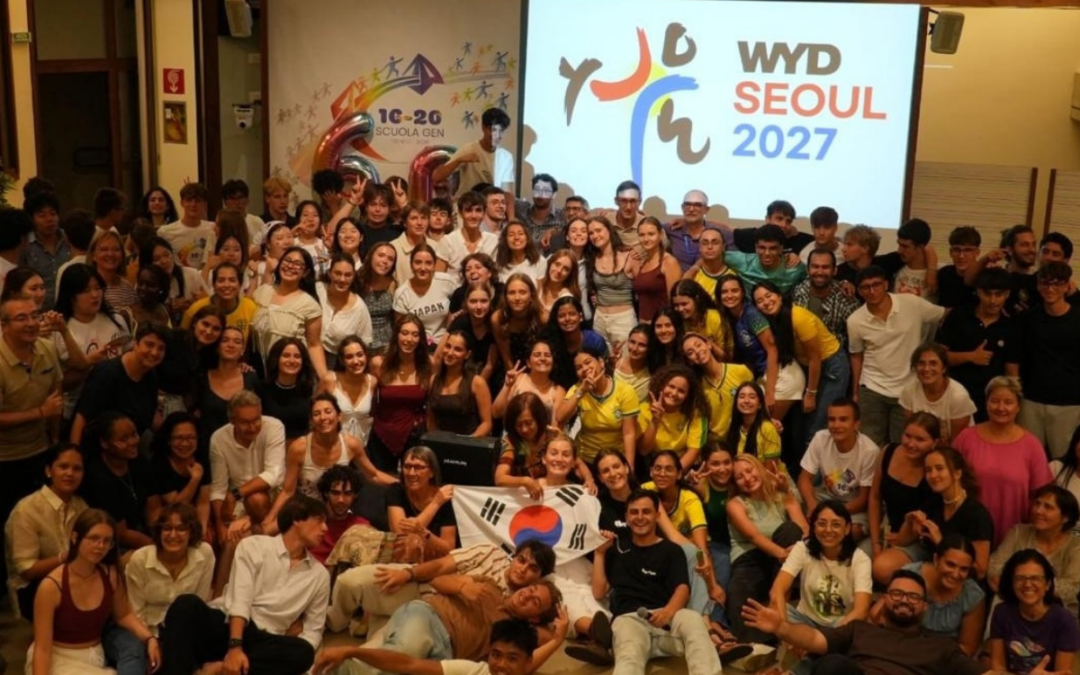
From 3rd-8th August 2027, Seoul, Korea, will host the World Youth Day (WYD) with the theme “Take courage: I have conquered the world!”(Jn. 16:33). This is only the second WYD to be held in Asia following Manila (Philippines) in 1995 and it will be the first to take place in a country with a non-Christian majority.
On 3rd August, one year before the start of the great event, the official anthem entitled Confidite, ego vici mundum was unveiled. Two versions have been proposed: the first, a more formal orchestral and choral arrangement the second, a contemporary pop version. The song communicates a clear message: even when faced with disappointments or fears, the Lord is always close to young people.
In addition, a Global Tree Planting Campaign, called Breath of life, has been launched, inviting young people to plant shrubs in their own countries. The initiative follows what was happened in Lisbon (Portugal) during the previous WYD in 2023 and is inspired by Pope Francis’ encyclical “Laudato Si ‘”.
Young people from the Focolare will also participate in the WYD. An international school for young people aged 16 to 20 was recently held in Trento (Italy) where the invitation of the Korean participants to the WYD in Seoul was enthusiastically welcomed. The coming year now marks the beginning of a journey of preparation in many countries, as Focolare youth prepare to live WYD with courage and hope, working for a world of peace and unity.
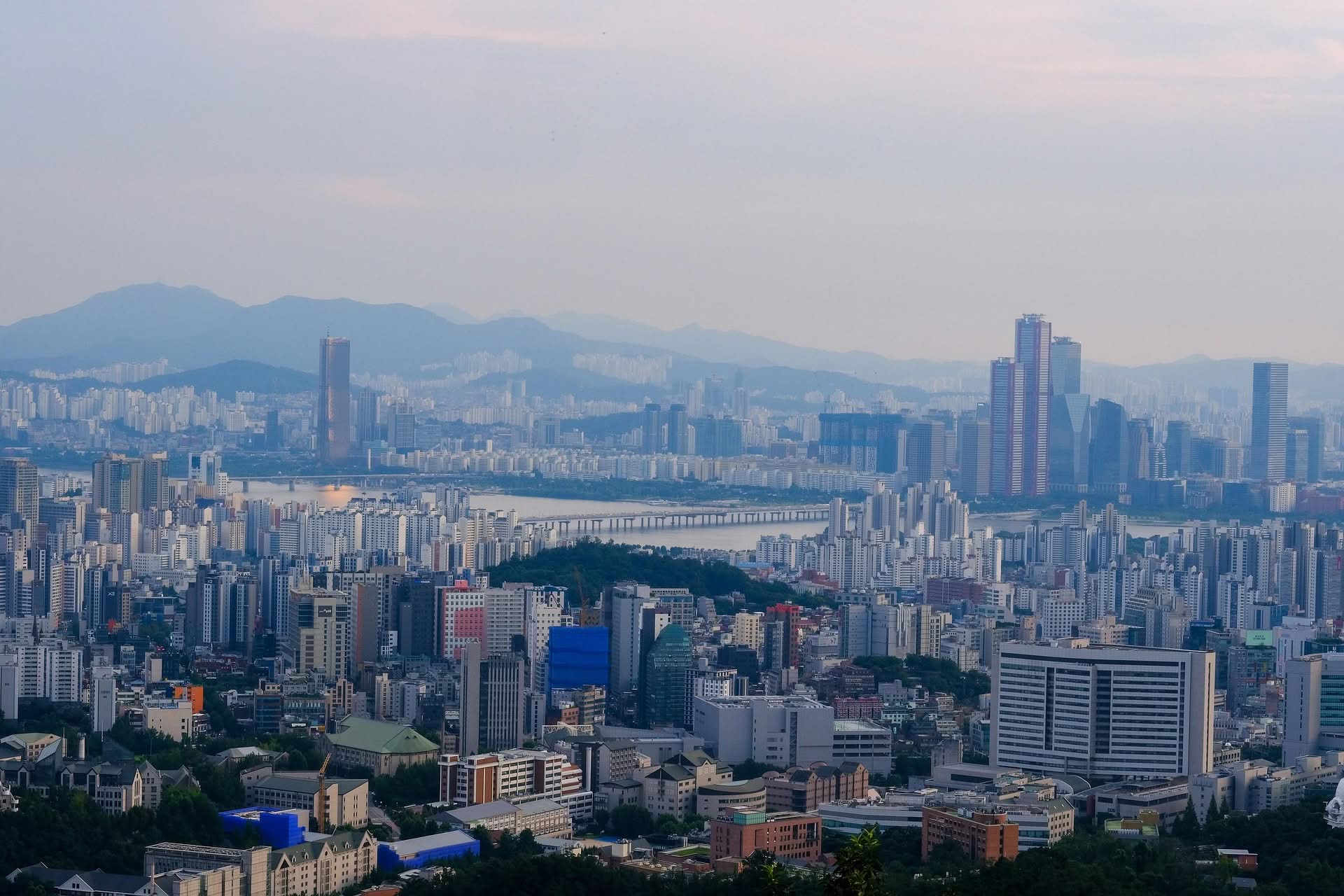
Foto: Pixabay
Farrell: Preparing together for WYD
Cardinal Kevin Farrell, Prefect of the Dicastery for the Laity, the Family and Life, told the Vatican media, “In its forty-year history, World Youth Day has grown ever richer thanks to the faith, enthusiasm and active participation of young people and local Churches”. To the Bishops and those responsible for youth ministry around the world, Cardinal Farrell renewed his invitation to accompany the young people on their journey towards Seoul 2027, “making the most of these resources in their preparation, helping them experience the pilgrimage as an authentic encounter of faith, ecclesial communion and a personal meeting with Jesus”.
Five patron saints
As is tradition for every WYD, five patron saints whose lives and spirituality offer inspiring examples of Christian witness, have been chosen as models of faith for young people. For 2027, the local organizing committee has chosen five: John Paul II, the founder of World Youth Days; Andrea Kim Taegon, the first Korean Catholic priest and a symbol of faith and courage; Francesca Saverio Cabrini, patron saint of migrants, born in Sant’Angelo Lodigiano (Italy) and who died in 1917 in Chicago, the birthplace of Robert Francis Prevost; Josephine Bakhita, the Sudanese woman who was freed from slavery, became a nun and bore witness to a faith transformed through suffering; Carlo Acutis, the fifteen-year-old Italian canonized on 7th September, 2025, a modern example of evangelization in the digital world.
The Cross, the Marian icon and the volunteers
The two symbols of WYD, the Cross and the Marian icon, arrived in South Korea in December 2025 and the following month began a national pilgrimage, through the dioceses of the country. “We will do everything possible – underlined the Metropolitan Archbishop of Seoul and President of the Organizing Committee, Monsignor Peter Soon-taick Chung – so that WYD 2027 is a celebration of hope and a witness to hospitality and solidarity”.
Meanwhile, in Seoul, many volunteers are already at work. About 400 young people are supporting the local organizing committee. They have been prepared using the texts of Pope Francis’ post-synodal apostolic exhortation “Christus Vivit” and through the method of Conversation in the Spirit. They currently are helping with the organisation of events, logistics, training of other volunteers, and communication.
For more information, visit the official website of WYD Seoul 2027 and follow the social channels of the event.
Lorenzo Russo
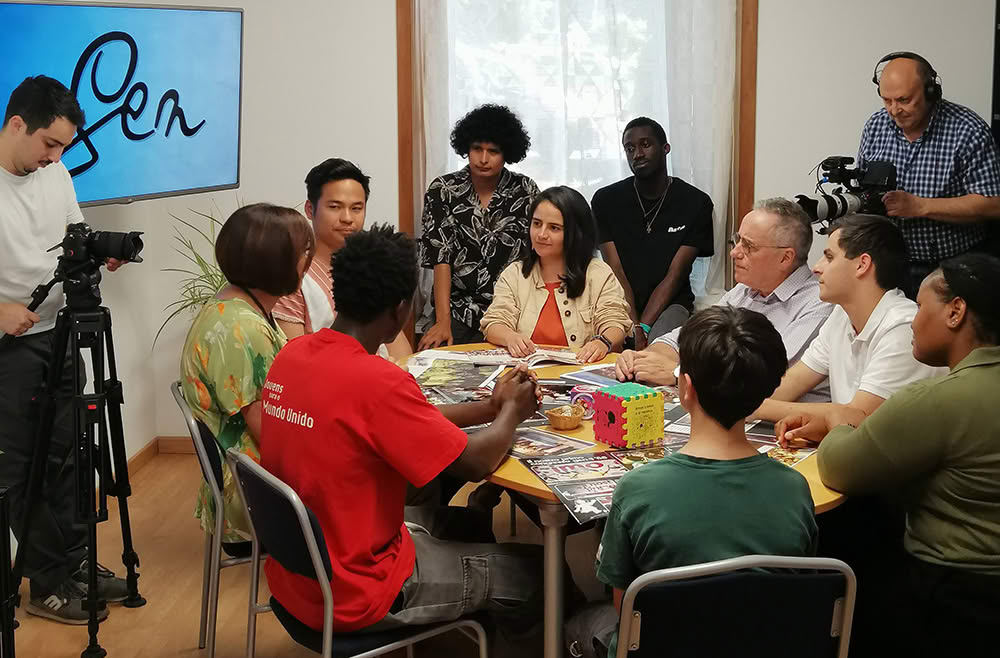
“Young people of the world, unite”: this is the invitation that Chiara Lubich extended to the younger generations 60 years ago, so that each one could answer God’s call to live for unity in a practical way. Today, this mission remains as relevant as ever and, in these extremely troubled times, continues to be a way ahead that often goes against the current. It refuses to let hatred and division have the last word. It means to journey as a family with hope and action, with a constant desire to live for a united world.
Run4Unity, the worldwide marathon of the Teens for Unity, takes place every year, on the first Sunday of May, at 12:00 in every country in the world. Imagine that while some young people are running against the background of the Egyptian pyramids, the prizes for the race just concluded in India are being awarded and in Asunción in Paraguay, preparations are underway for sporting events about to start in a big city park. Races and tournaments dedicated to peace and solidarity that, starting in Oceania and ending in the Americas, involve thousands of young people over a 24 hour period, all ready for the “start” when their time zone reaches noon. At that time they receive the relay baton from the countries of the preceding time zone and, one hour later, they pass it on to the countries of the next time zone.
A brilliant and simple idea which came from the International Centre of Teens for Unity and some Gen 3 boys and girls in 2005, after Chiara Lubich, who had just returned from a trip to India, told them about the beautiful experience she had when she had been invited to participate in a huge vent of young people of the Hindu Swandhyaya Movement who were deeply committed to sport. Chiara said, “Perhaps sport could be a way forward for young people.”
The format of Run4unity spread in the blink of an eye, adapted locally according to the different countries and the particular characteristics of each culture: sport became combined with initiatives for interreligious dialogue, development projects for those most in need, care and protection of the environment and commitment to peace and fraternity among peoples.
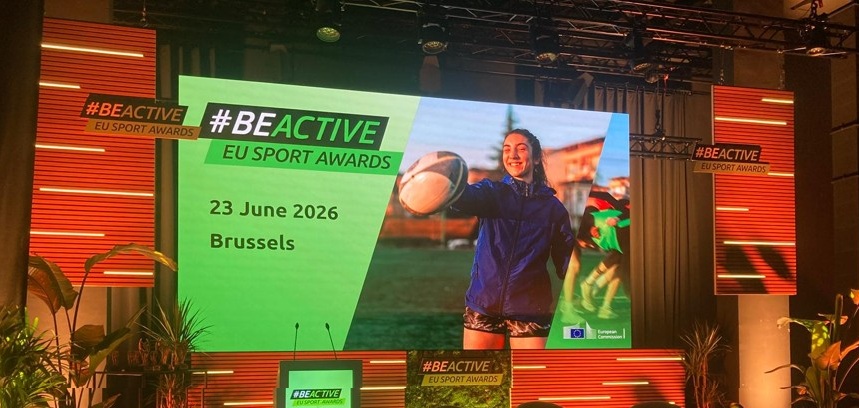
In 2025, the DG EAC (Directorate-General for Education, Youth, Sport and Culture) a Directorate of the European Commission, together with the EACEA, (the European Education and Culture Executive Agency) which manages funding programmes for education, culture, audio-visual media, sport, citizenship and volunteering launched the #BeActive EU Sport Awards.
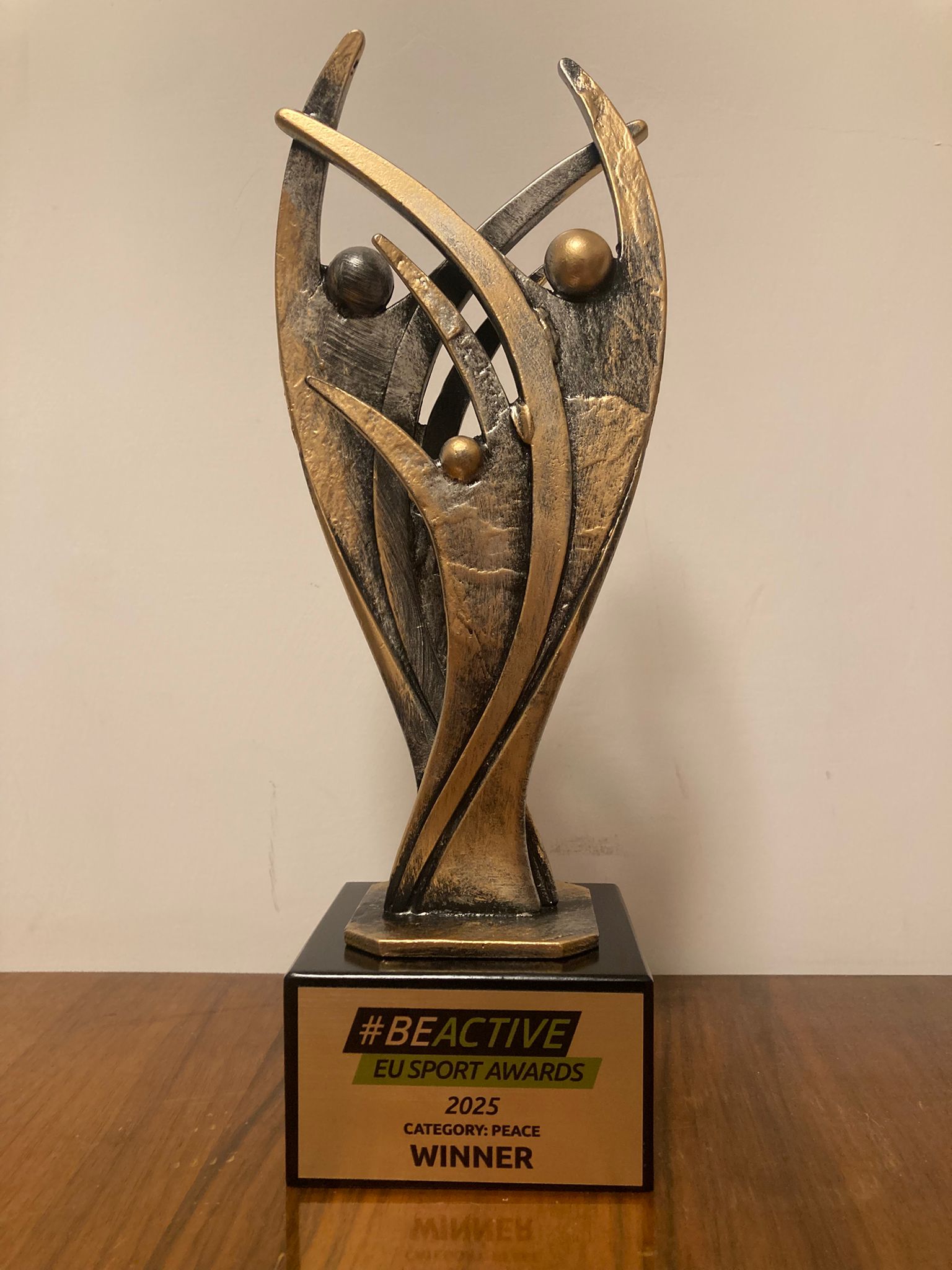
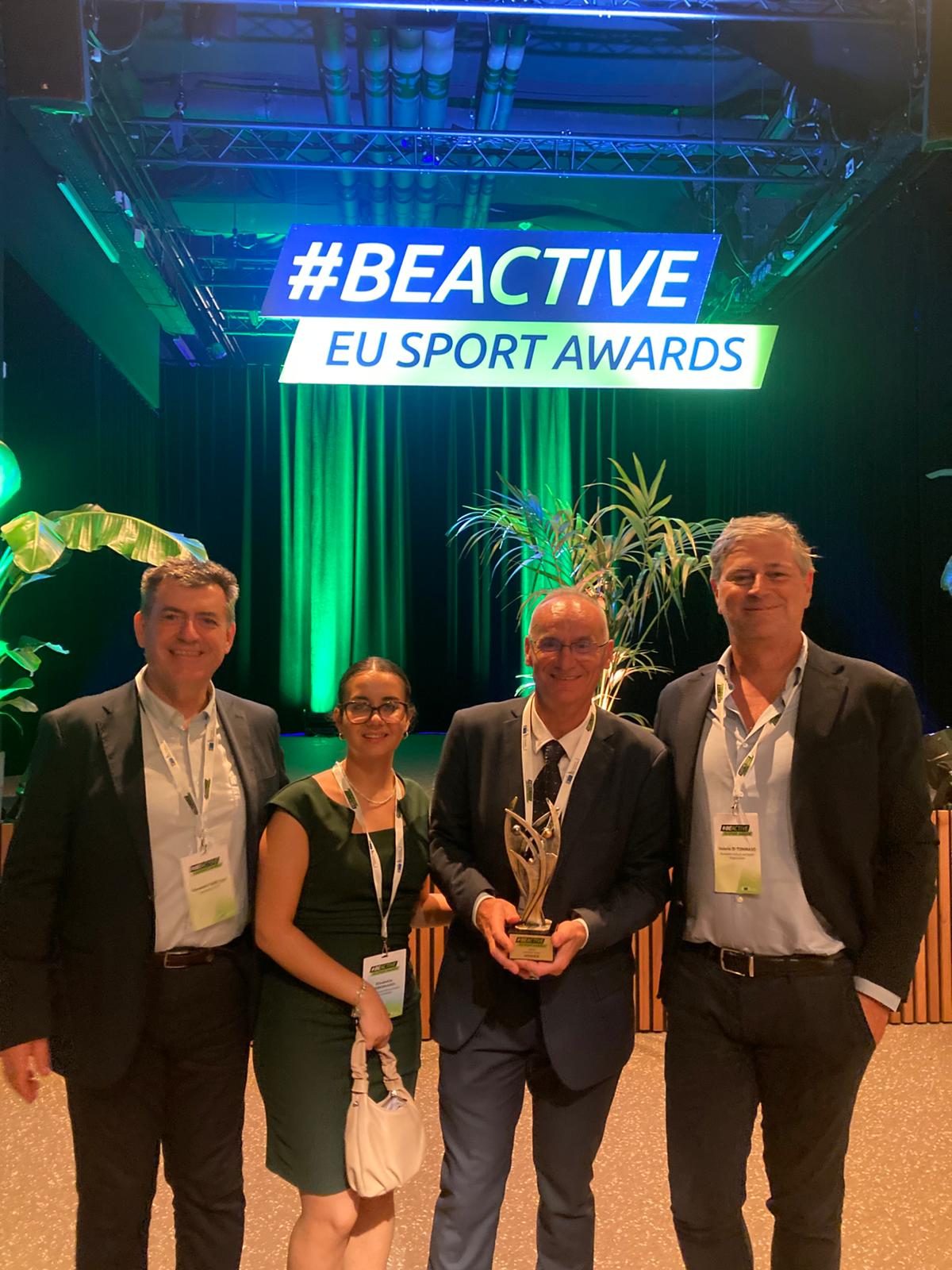
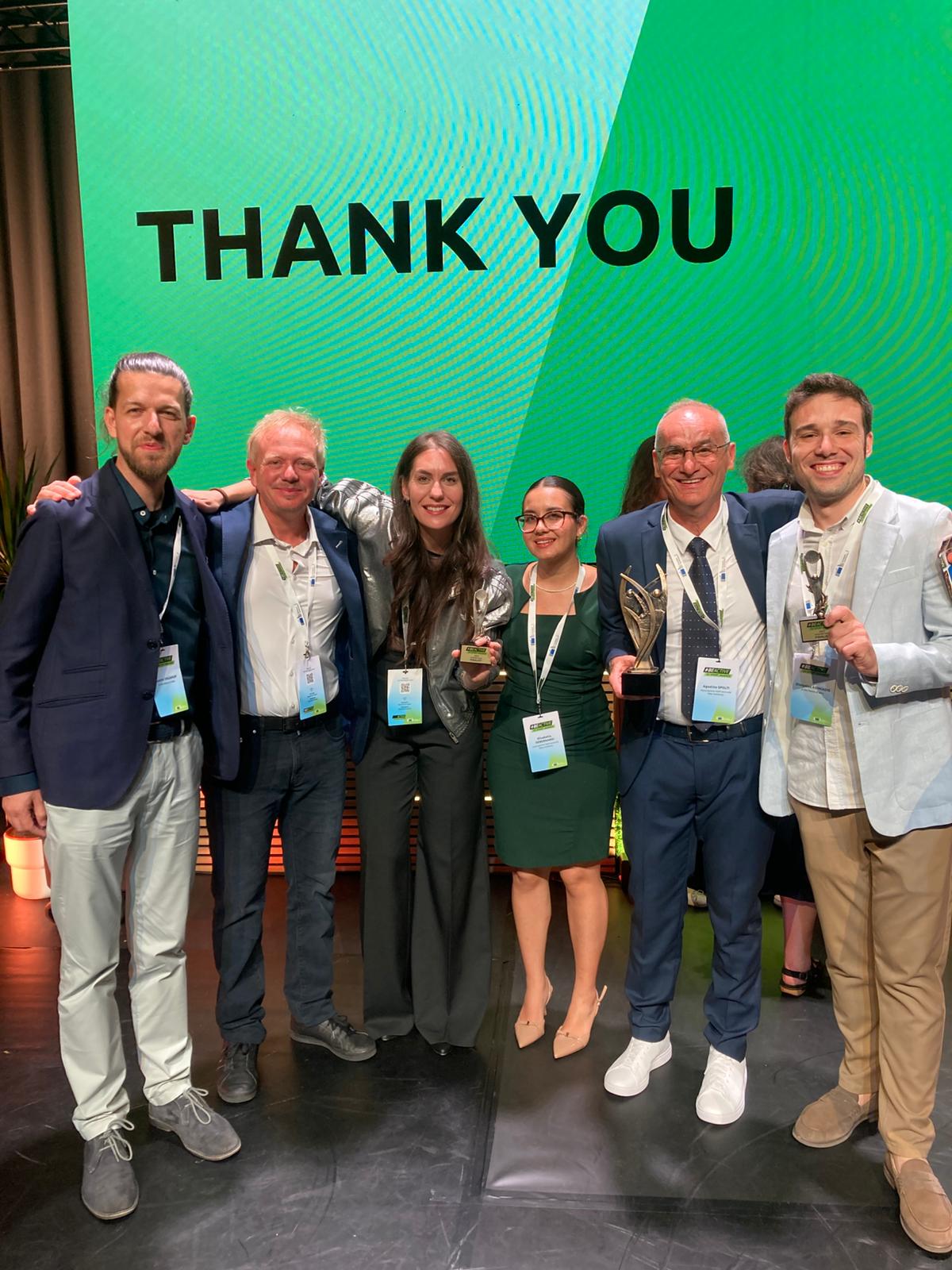
New Humanity of the Focolare Movement submitted the long standing international Run4Unity project which was selected as a finalist in the Peace category. The Run4Unity organizers said, “A few weeks ago we learned that we had been selected from among 279 sports initiatives and that we were among the 15 finalists, 3 for each category The communication included an invitation for 2 representatives of each project to go to Brussels on 23rd June, 2026 for the award ceremony,. Agostino Spolti (formerly co-responsible for Ragazzi per l ‘Unità) and Elisabetta De Bernardi (a Gen 2 from Turin who had participated in several Run4Unity events focused specifically on peace, both as a Gen 3 and later as a Gen 2) went and …we won!”.
This prestigious recognition comes in 2026, 21 years after the first Run4Unity, which this year saw relay events take place in over 100 countries, with thousands of young people, accompanied by youth leaders and adults in a fruitful intergenerational collaboration.
Sport is a way to live inclusion, concern for others, respect and growing together and – as stated in the competition announcement, it is obviously a way to form and spread a culture of peace. Agostino Spolti said, “We won because Run4Unity embodies all these elements: sport, the passing of the baton between different countries, the experience of belonging to one human family, taking time to reflect and to pray for peace with the “Time Out” and all of this has enormous educational value.”
Carlos Mana
Photo © Agostino Spolti
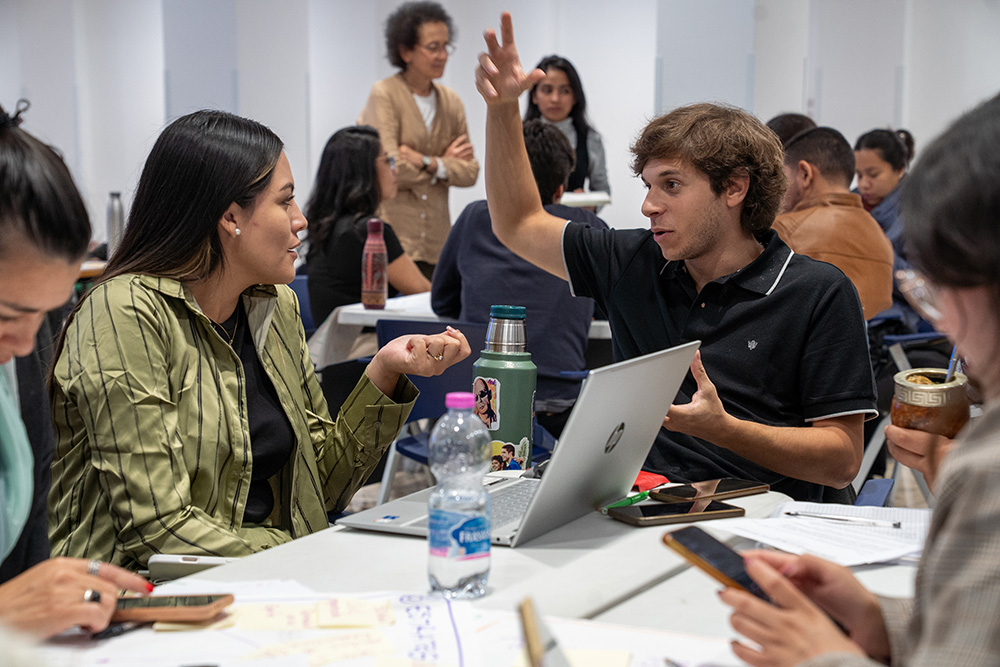
Following the profound experience shared with young people during the 2026 Hackathon, the second phase of the “One Humanity, One Planet: Synodal Leadership” programme is now getting underway. It offers a six-month virtual training course that combines in-depth study and dialogue based on participants’ diverse backgrounds, the exchange of projects and experiences, and the development of initiatives with local impact and global reach.
It is aimed at people aged between 18 and 40 who have experience in political representation, public administration, social movements, political parties and advocacy; who are committed to social and political transformation or interested in strengthening their capacity for dialogue, cooperation and collective action; and who are willing to contribute both practically and intellectually throughout the programme.
Lasting six months, delivered 100% online, completely free of charge with an estimated commitment of three hours per week, the programme aims to reach 500 young people this year.
“We are living in a historical moment marked by deep geopolitical tensions, socio-environmental crises, increasing social fragmentation, and high levels of polarization,” say the organisers in their introduction. “These challenges call upon us: they reveal the limits of traditional governance models and the urgent need for new forms of leadership capable of generating dialogue and activating processes of collective action to promote peace and unity. In this context, we have chosen a synodal style of leadership: a leadership based on listening, participation, shared responsibility, and the construction of shared solutions. If you believe that politics can be a space to regenerate relationships, promote the common good, and care for humanity and the planet, this call is for you. We invite you to become part of an international space for training and cocreation of political initiatives together with other young leaders from different regions of the world, in order to rethink governance in the face of today’s challenges”.
The deadline for applications is Friday 19 June 2026.
For more information and to apply for the programme, open the following PDF
Edited by Carlos Mana
Photo: © Joaquín Masera – CSC Audiovisivi