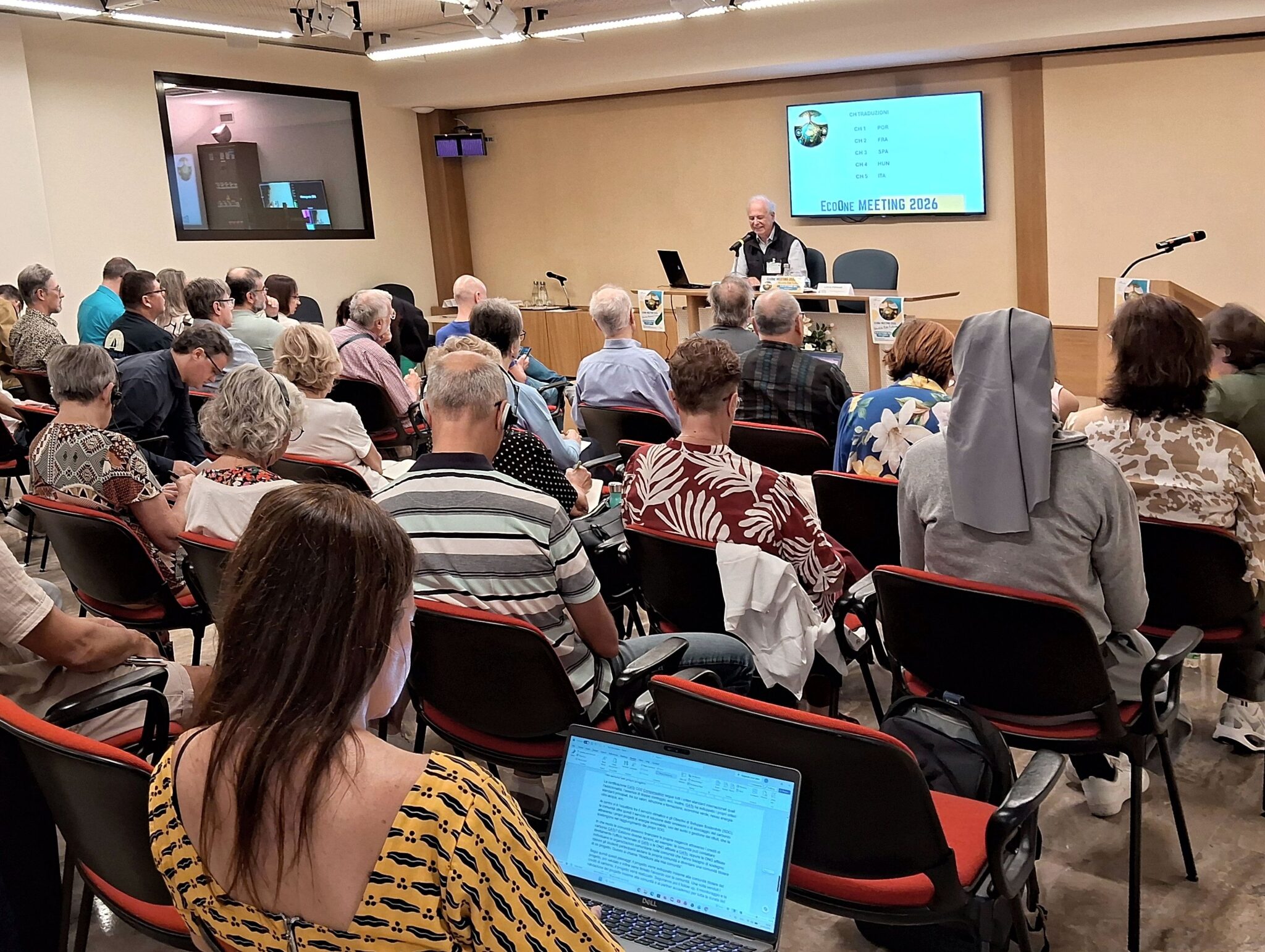
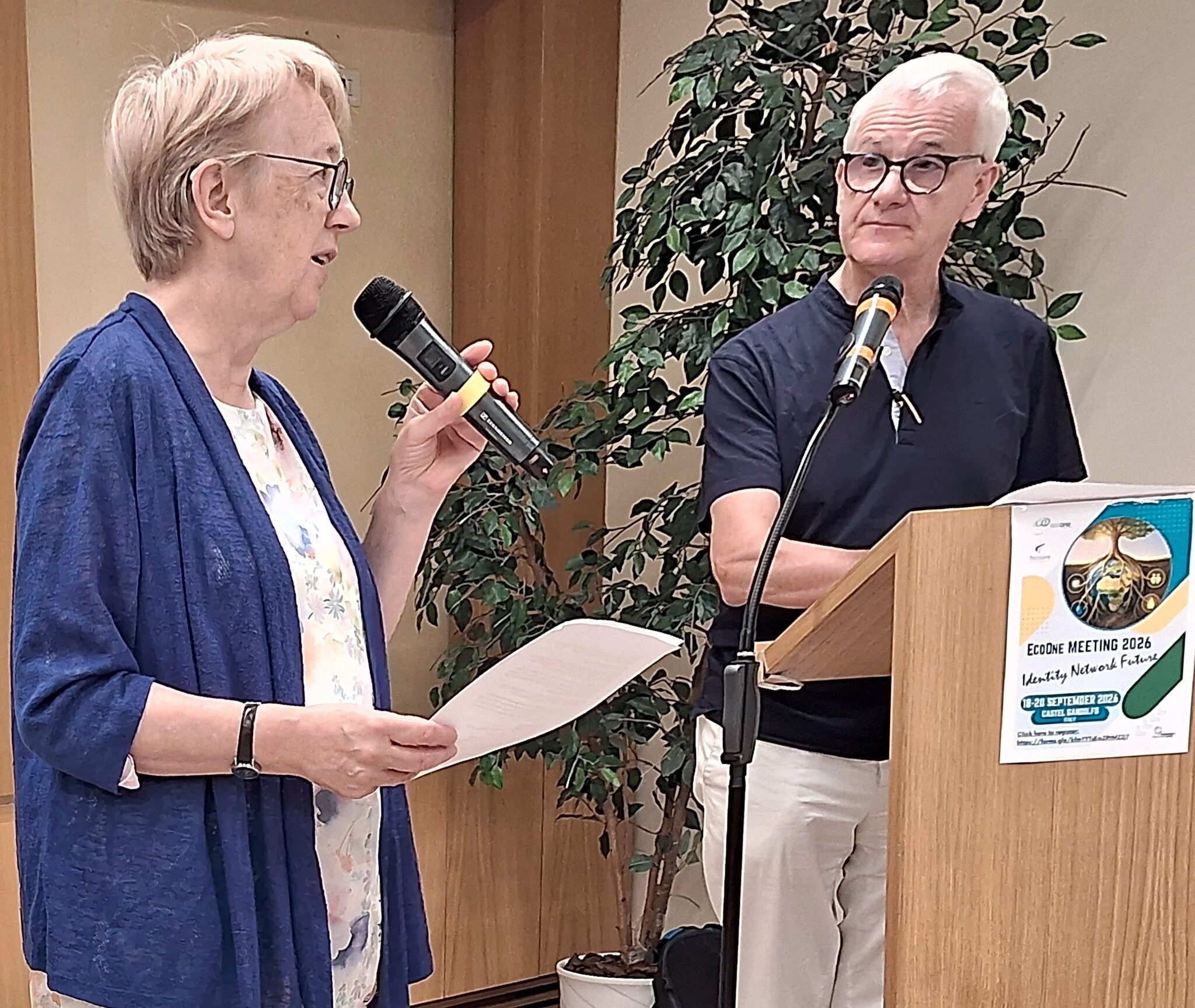
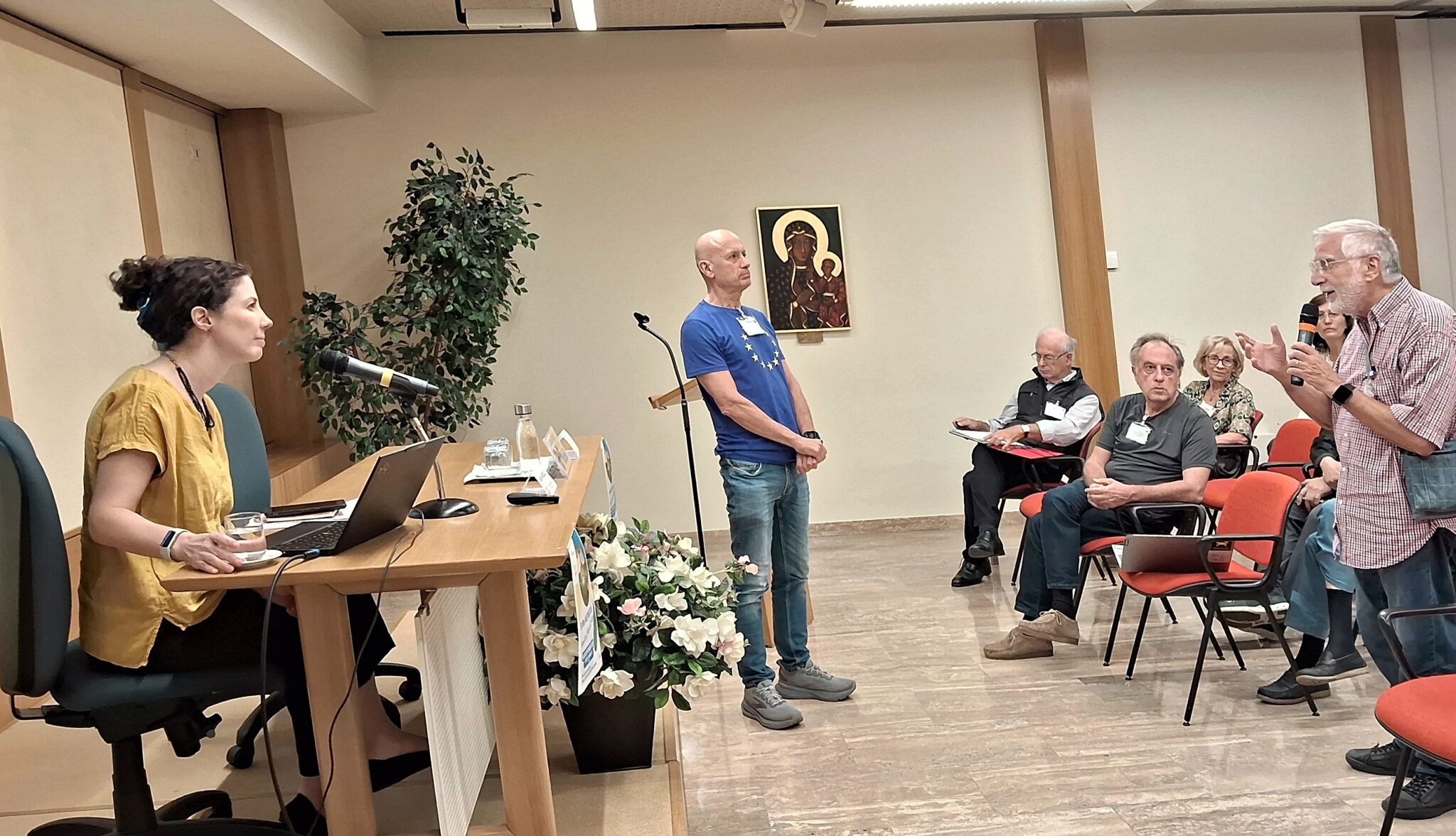
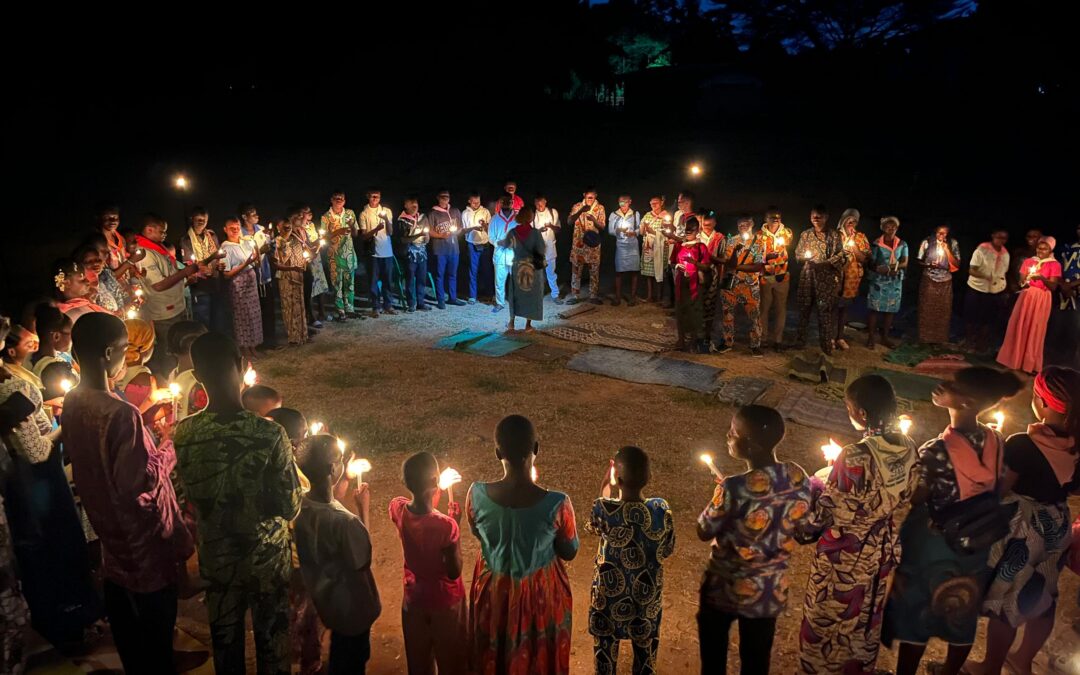
From 18th-20th September, the Mariapolis Centre in Castel Gandolfo hosted the international EcoOne meeting on the theme “Identity, network, future”. Scientists, researchers and professionals from over twenty countries across five continents came together to discuss a crucial question: how can we take care of the planet without separating environmental issues from people’s lives?
The answer that emerged from the conference was clear: the current crisis is not solely ecological, but also social, cultural and human. For this reason it cannot be tackled exclusively through technological solutions or isolated conservation measures. Instead, we need to rebuild genuine relationships between people, communities and the environment.
The Foundations of Relational Sustainability
Professor Sergio Rondinara, lecturer in Epistemology, traced the origins of EcoOne back to an intuition of Chiara Lubich’s on 27th May 1999, rooted in her mystical experience of 1949. In that contemplation of the mystery of God, a new understanding of the order of creation also emerged, perceived as a deeply unified reality.
Brazilian sociologist Vera Araújo, who spoke online, explored the human vocation to care for creation with respect. On the scientific front, Stefania Papa, an ecologist at the University of Campania “Luigi Vanvitelli” and international coordinator of EcoOne, highlighted how contemporary biology goes beyond a fragmented view of nature: life is sustained through interdependence and cooperation which are fundamental principles of ecosystems.
This awareness gave rise to EcoOne’s proposal: to conceive the world as a network of relationships to be protected and regenerated. It is a perspective that places the quality of human relationships, everyday choices and how we view others at its centre.
The Latin American Contribution
e contribution of Latin American scholars and professionals was particularly significant. They enriched the debate with a critical and constructive perspective, capable of connecting ethical-theological reflection to the challenges of social and environmental justice.
Lucas Cerviño and Gabriel Ferrero argued that the current ecological crisis reflects a deeper anthropological fracture, generated by a model of domination over nature. As an alternative, they proposed a “cosmotheandric” and life-centred vision, in which God, humanity and the cosmos are intertwined in a web of reciprocity. In this perspective, human beings are not the owners of the world, but responsible custodians of creation. The concept of “relational sustainability” derives from this, understood as the practical process of building community and ecological bonds.
Climate Justice and Social Inclusion
The round table “Living on Earth within its limits” fostered a dialogue between the Global North and the Global South, highlighting how the environmental crisis and the social crisis are two facets of a single emergency.
The Brazilian oceanographer Edison Barbieri, a researcher at the Fisheries Institute, pointed out that the crucial issue is not just rising temperatures, but above all those who suffer most from the consequences of environmental degradation. This is why he stated that there can be no true sustainability without equity, nor can there be an effective ecological transition without social inclusion.
To move beyond the logic of accumulation and consumerism, the working group proposed the concept of “energy sufficiency” and lifestyles based on moderation and interdependence. Models such as Buen Vivir, inspired by ancestral Latin American cultures and the Economy of Communion were presented, both of which are oriented towards the regeneration of relationships, reciprocity and care for our common home.
Experiences from Nigeria and the Philippines also showed how environmental protection and local economic development can go hand in hand, contributing to greater climate and social justice.
A Culture of Encounter
One of the most prominent themes that emerged was the role of culture in an era marked by polarization and fragmentation. Neurobiologist Catherine Belzung, a professor at the University of Tours, stressed the need to start from real-life situations and encounters with people in order to understand them, respect them and value their contribution.
Further grounds for hope were provided by Luca Fiorani, a researcher at ENEA and a lecturer at the Sophia University Institute. His reflections highlighted how sustainability can be understood primarily as a relationship. Science itself shows, in fact, that relationship is not merely an ethical value, but one of the fundamental conditions for the organisation of life.
Relationship was the common thread running through the entire meeting: a philosophical, theological, social and ecological reality, but above all a concrete and lived one. The event gave rise to new partnerships and a renewed passion for an integral ecology capable of engaging young people, institutions, businesses and civil society. It became clear that no one can tackle a global crisis alone: we need increasingly robust networks and everyone’s contribution.
This is perhaps the challenge that EcoOne poses for the future: to transform the paradigm of relationship into a new way of inhabiting the Earth.
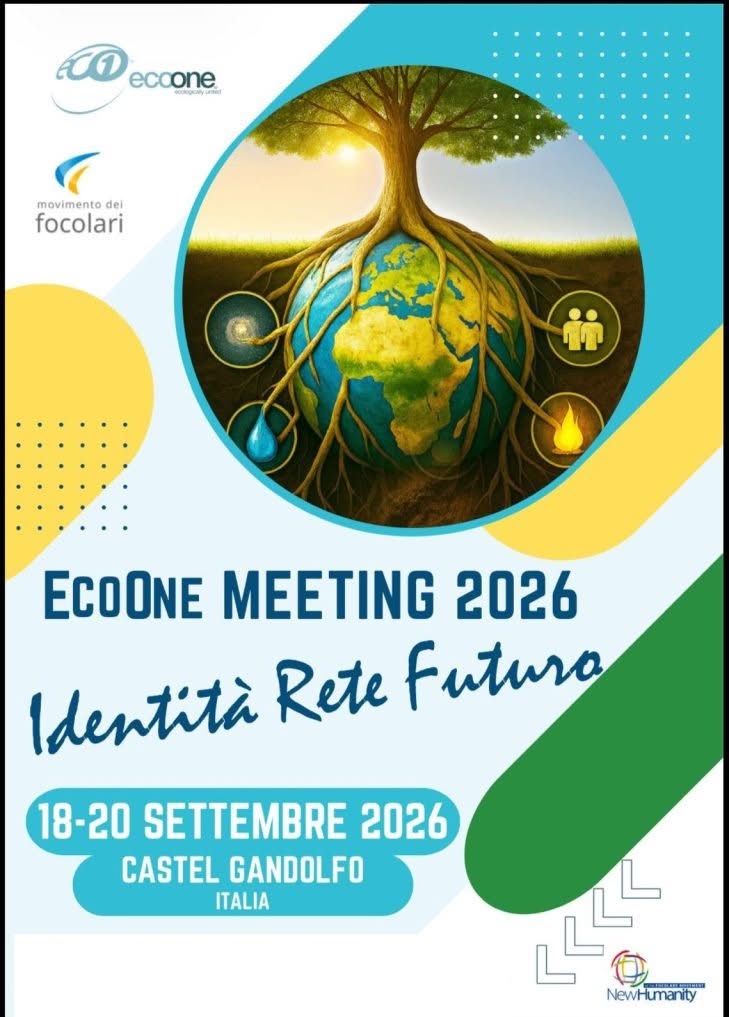
EcoOne, an expression of the Focolare Movement that brings together professionals, teachers, technicians, students and others passionate about ecology, has organized an international meeting to be held from 18th-20th September 2026 in Castel Gandolfo (Italy). Participants from all five continents will take part in three days of sharing, listening and dialogue on the care of creation.
Identity, Network and Future: these are the three key words that will shape the seminar, inviting the participants to reflect on who we are, how we are connected to each other and what goals can help us move forward together.
18th September, IDENTITY: “The cultural and spiritual roots of our commitment”.
19th September, NETWORK: “How can we respond to the challenge of the limits of the planet? Becoming agents and promoters of a culture of integral ecology”.
20th September, FUTURE: “Peace and the ecological challenge. Passing on a culture and practical pathways of relational sustainability”.
It is no coincidence that the event is taking place at this time of year. From 1st September-4th October, Christians around the world celebrate the Season of Creation, an ecumenical journey of prayer and commitment to caring for our Common Home. During this time the Church, together with other Christian communities, is invited to renew its commitment to Creation, guided by prayer, conversion and concrete acts of care.
Stefania Papa, Coordinator of EcoOne said, “The EcoOne Meeting was born from the desire to create an opportunity for encounter and dialogue between people with different experiences, skills and backgrounds, but united by their concern for the environment and the future of the planet. The goal is to bring together contributions from science, education, social engagement and spirituality, to build a dialogue capable of generating ideas, collaboration and concrete pathways. Today’s environmental and social challenges are all interconnected and require spaces for mutual listening, relationships and working together. This is why the Meeting also aims to be a place where experiences and good practice can be shared, networks can be built and existing collaborations strengthened”.
EcoOne has been promoting dialogue between science, ethics and sustainability for years, inspired by Chiara Lubich’s spirituality of unity and the integral ecology proposed by Pope Francis in Laudato Sì.
The Meeting will be a further step in this direction, a laboratory of dialogue and collaboration, where scientific reflection, care for the environment and human relationships can come together to generate new pathways to be built together. It will be a space where young people, educators, professionals and ordinary citizens can share experiences and explore ongoing projects, for the good of Creation.
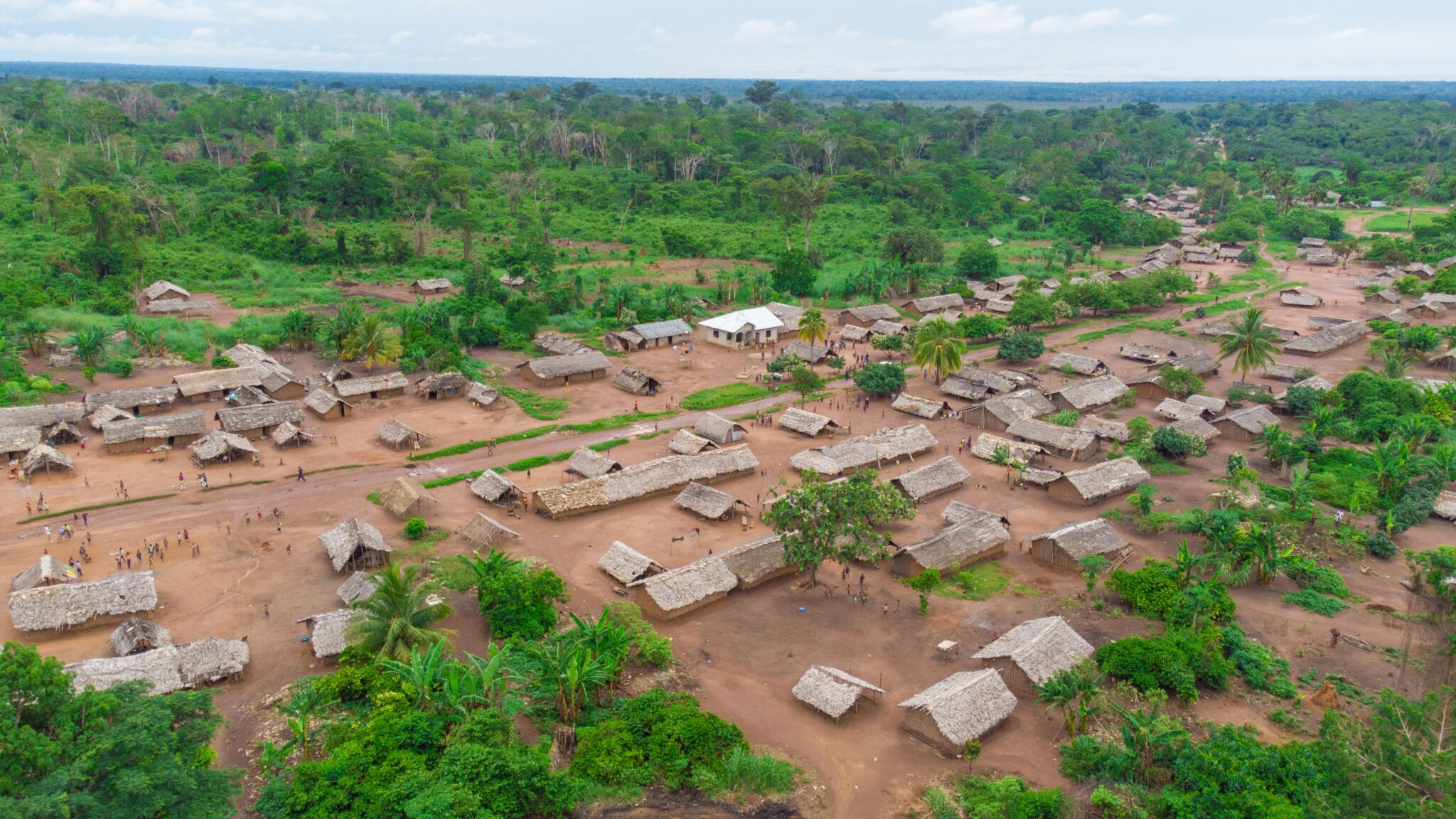
Kalera is a small village in Upper Katanga in the Democratic Republic of Congo, the birthplace of Abbot Jean Baptiste Ilunga Binsela, a priest and animator of the Laudato Sì Movement.
The region is extraordinarily rich in minerals such as cobalt and coltan, resources that power technologies and economies around the world. Yet, Jean Baptiste grew up in a very different reality. His village had no electricity, little sanitation facilities, limited access to water and other services and no local schools or adequate roads. Over the years, the community has endured repeated flooding.
Jean Baptiste left Kalera to continue his studies and become a priest. Then he returned to the village where, in 2023, something began to change.
Through his formation as an animator of the Laudato Sì Movement, Jean Baptiste deepened his understanding of the central messages of the encyclical:
Everything is interconnected: faith and creation, poverty and energy, human dignity and the economy, the minerals beneath the earth and the lives of the people who live above them.
This ecological conversion led Jean Baptiste to ask a difficult question: how could a community surrounded by resources that help power the world, remain without energy itself?
His response reminds us that conversion cannot simply remain a personal spiritual experience.
Living Water is meant to flow: it flows when contemplation becomes compassion, when faith helps us see the connections between the Earth and the people who depend on it and when that awareness leads us to action.
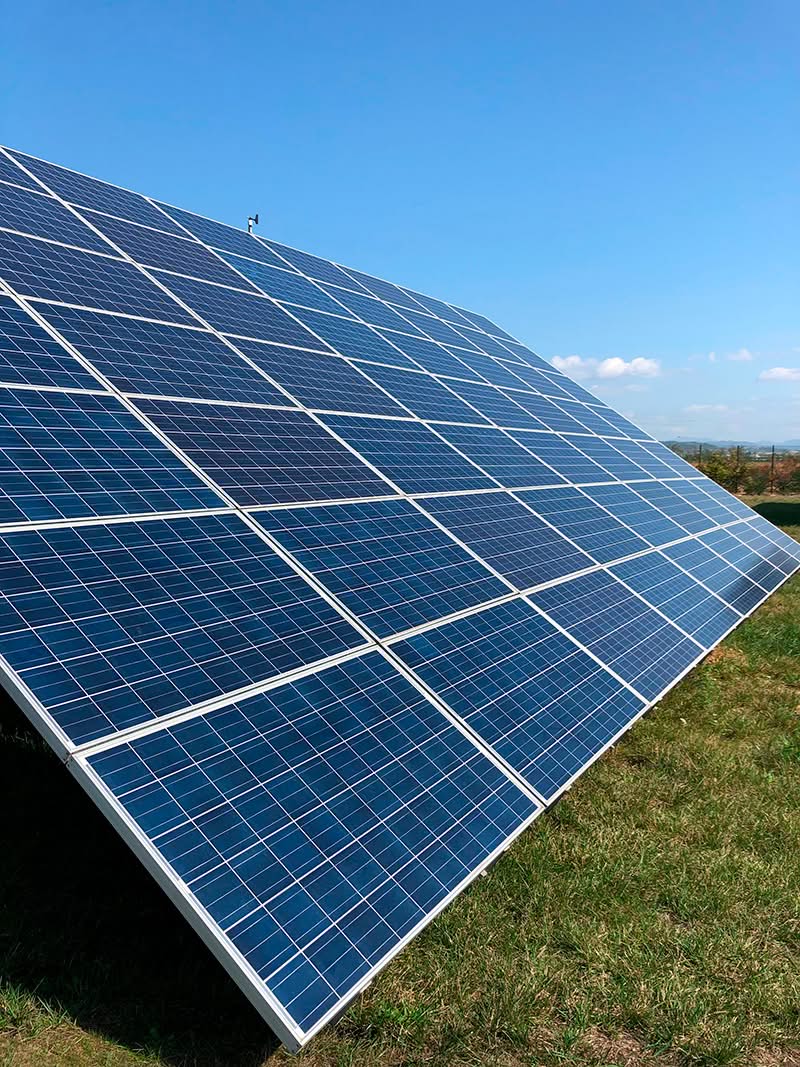
In Kalera, that flow took the form of renewable energy. Jean Baptiste started working towards achieving a fossil fuel free village. The installation of solar energy gradually opened up new possibilities. Children can now study after sunset. Families can charge their phones and stay connected. The local health centre can refrigerate medicines. The Chapel of Sant’Annarita has electricity, strengthening the pastoral life of the community.
For the people of Kalera these changes seemed almost miraculous. Jean Baptiste says they even began comparing their village to Capernaum, remembered in the Gospel as a place of healing and transformation.
Solar energy brought light. But something deeper also began to flow: hope.
When inner conversion extends outwards, in fact, it can nourish relationships, restore dignity, strengthen communities and open up new possibilities in places that have been forgotten.
The story of Jean Baptiste is one small stream flowing into in a much larger river. Around the world, many communities are finding their own way to immerse themselves in Living Water, helping to increase a river that brings healing, unity and hope to our common home in this Season of Creation 2026.
The Focolare Movement is a partner of the Laudato SìMovement. The Season of Creation began in 1989 on the initiative of the Orthodox Ecumenical Patriarch Dimitrios I, who established the Day of Prayer for Creation on 1st September. In 2007, the Third European Ecumenical Assembly extended this celebration into a month-long period ending on 4th October, the feast of St. Francis of Assisi. Finally, in 2015, Pope Francis officially added the observance to the calendar of the Roman Catholic Church, consolidating its global ecumenical character. In 2026, several Churches included the new feast, the “Feast of Creation in Christ” (Creation Sunday) in their liturgical calendar. Pope Leo XIV has approved a “Mass for the Care of Creation” for 1st September, the beginning of the Season of Creation.
Ahead of the 11th World Day of Prayer for the Care of Creation celebrated on 1st September, Pope Leo XIV has written a message entitled “They shall beat their swords into ploughshares and their spears into pruning hooks” (Is 2,4).
It is a text to be read again and again and meditated on, starting from the title that takes up one of the most famous images of the Bible. Isaiah imagines that an object made for war is transformed into an agricultural tool. What was once used to destroy becomes a tool for producing and sustaining life. It is a beautiful image of peace and one that is closely connected to the present day. Today, fragile relationships and armed conflicts continue to destroy the environment and threaten the lives of millions of people.
Pope Leo highlights the deep link between peace, care for Creation and human dignity, inviting us to direct resources towards life and sustainability. The Pope writes. “But today, we too often witness the very opposite, as violence and war. War also leaves behind social and ecological destruction that endures for generations. Moreover, the interaction between armed conflicts and environmental degradation often creates a vicious cycle, which destroys ecosystems, contaminates essential resources, such as air and water, and undermines food security. This fuels poverty, inequality, and new social tensions that can contribute to the emergence of further conflicts.”
Creation is “nature”, everything that surrounds us! And human beings are not merely observers, but part of it. Isaiah’s hope therefore becomes for us today a call to “transform what is evil into life“. This conversion that cannot be separated from returning not only to our hearts, but to the One who heals them: the Lord. For where the individual is renewed, new possibilities open up.
The Pope says, “What has been used for destruction can be redirected towards life, towards the care of the poor, the nourishment of the hungry and the safeguarding of creation.. This is the path of an authentic ecological conversion, where the effects of our encounter with Jesus Christ become evident in our relationships with the world around us. Peace, then, begins in the heart and flows outwards to our relationships, communities and the broader world.”
Every year, 1st September also marks the beginning of the Season of Creation, the ecumenical journey of prayer and commitment to the care of our Common House which concludes on 4th October, the feast of Saint Francis of Assisi. During this time, the Church, together with other Christian communities, is invited to renew its commitment to Creation, letting itself be guided by prayer, conversion and concrete gestures of care. This year’s theme, “Living Water,” explores Ezekiel 47:9 and 12 as a powerful biblical vision of hope and ecological healing. The image of living water flowing from God’s sanctuary symbolizes divine healing that regenerates.
The commitment of the Focolare communities around the world
The Season of Creation is also expressed through concrete actions. Among the many initiatives in different parts of the world, we highlight two from Latin America: Brazil and Uruguay.
In Brazil, the Decarbonize project is transforming schools into places where young people can learn about, understand and respond concretely to the environmental challenges of our time.
Students and teachers are involved in a programme of education on climate change, sustainability and environmental justice, developing not only knowledge, but also the ability to participate and take responsibility in their own communities.
The initiative grew out of the international “Decarbonize” program of the Global Education Centre, carried out in collaboration with the University of Alberta, Canada. The programme focuses on youth leadership, climate justice, the fight against environmental racism and political participation, in line with the 2030 Agenda, the Sustainable Development Goals, the Earth Charterand human rights.
The young people do not simply listen or study: they carry out research, share what they have discovered and participate in public life.
The experience became even more meaningful when students had the opportunity to participate in institutional events such as COP conferences, the Brazilian National Congress and state legislative assemblies.
Decarbonize therefore shows that educating for sustainability also means giving young people a voice, the tools and confidence, to become active citizens and protagonists in caring for our common home.
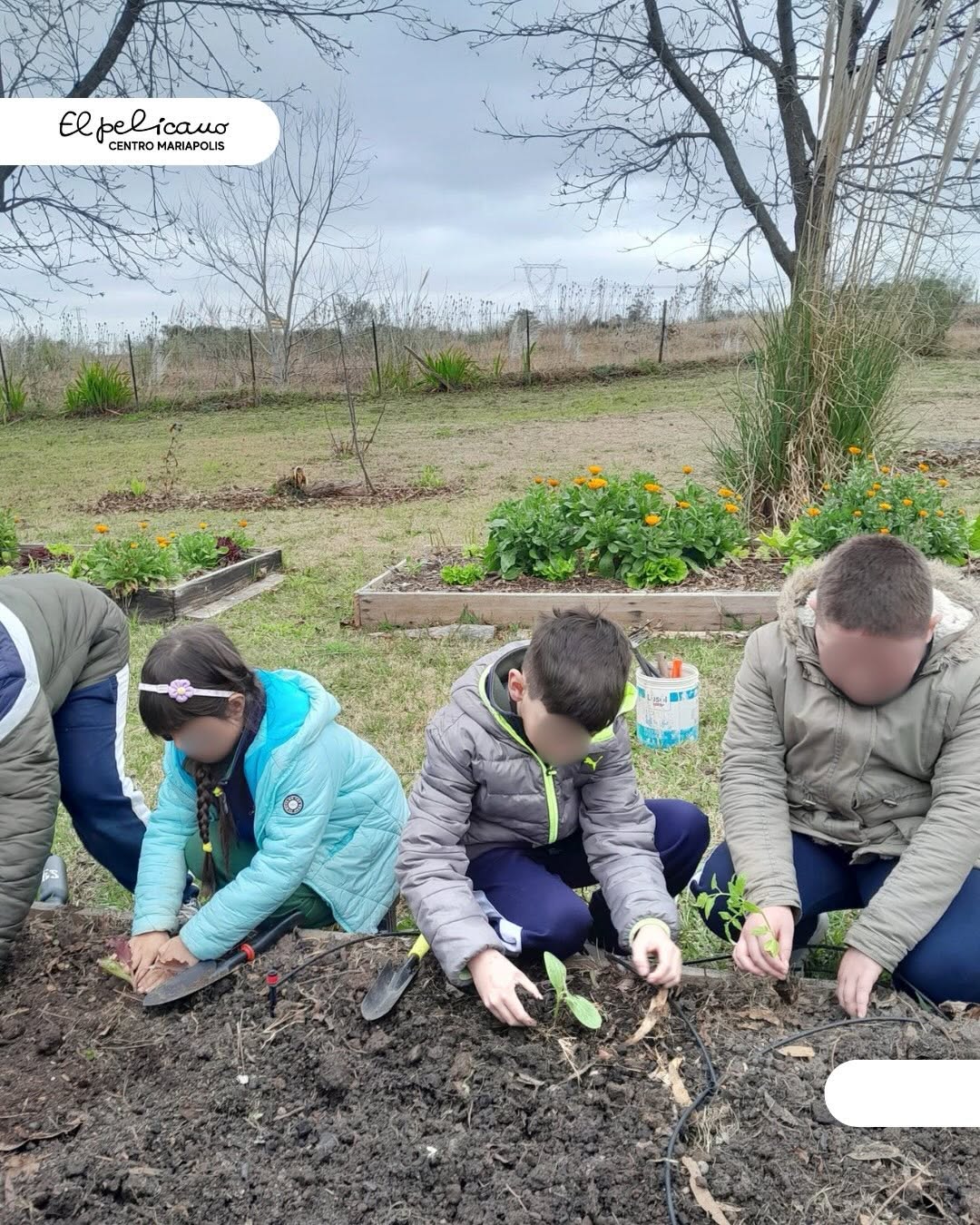
In Uruguay, a few kilometers from Montevideo, the experience of the El Pelícano Mariapolis Centre offers a practical and engaging way to educate people about integral ecology. The centre, born out of the experience of the Focolare Movement, is surrounded by nature and offers children a space where the natural world becomes a place of learning and discovery. Through outdoor educational activities, children can come into contact with the environment, observing it, getting to know it and learning to respect it.
In 2022, thisexperience took a further step forward thanks to the project “El Pelícano: Centro de Recursos Ecologico para la Educación en la Infancia” (The Pelican: Ecological Resource Center for Early Childhood Education), supported through the New HumanitySeed FundingProgram.
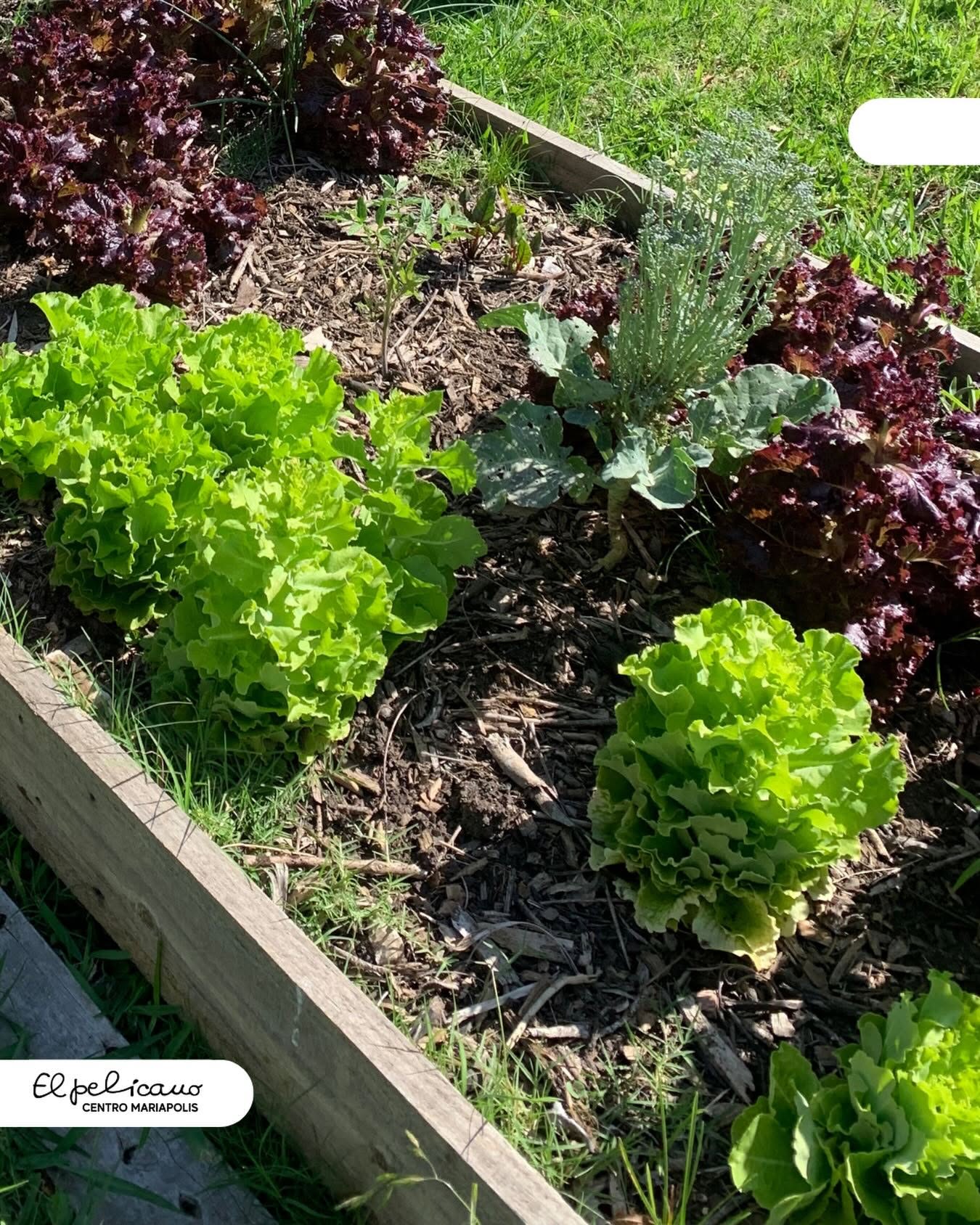
The aim is to transform El Pelícano into a resource centre for the environmental education of children. Workshops, nature excursions, an organic vegetable garden and recycling activities become opportunities to learn through doing. A child who cultivates a vegetable garden, observes a plant, walks in the woods or learns to give new life to a waste material is not only acquiring a notion: they are building a relationship with nature.
And the experience doesn’t stop with the children. Through them, the project also aims to involve families, so that what is experienced and learned can continue in daily life.
The “El Pelicano” therefore offers us a valuable experience: ecology can be taught from early childhood through beauty, practical experience and participation, helping new generations to feel part of our Common Home and responsible for its care.
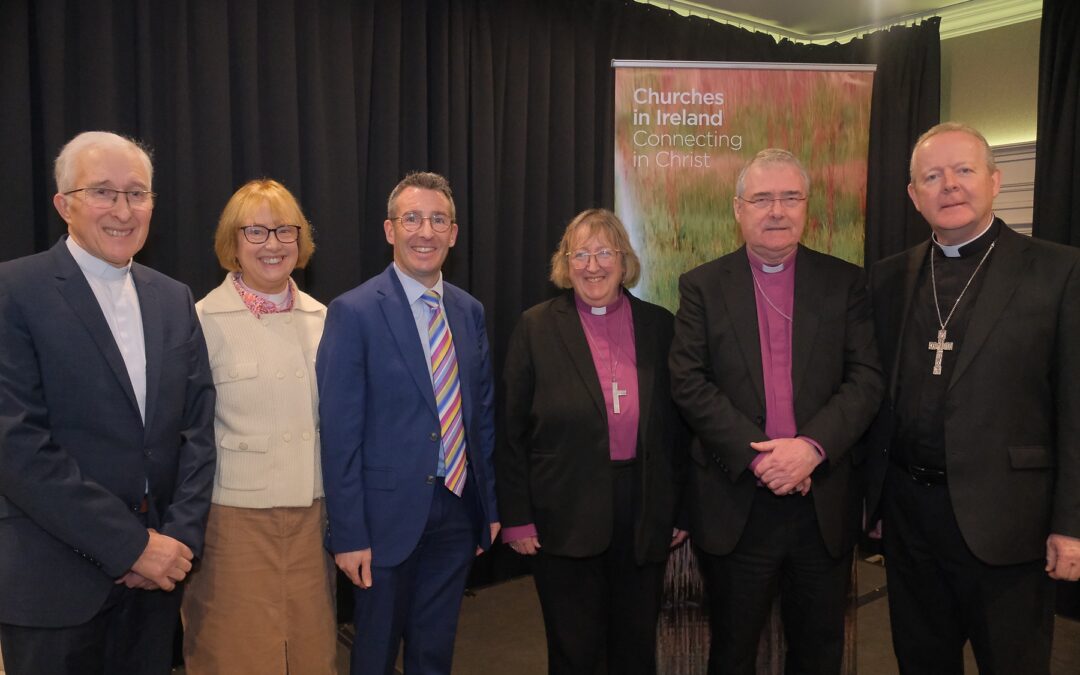
Organized by the Irish Council of Churches (ICC) and the Irish Inter-Church Meeting, the significance of the gathering was underlined by the presence of leaders from the Churches in Ireland, Archbishop Eamon Martin (Roman Catholic Archbishop of Armagh), Archbishop John McDowell (Church of Ireland Archbishop of Armagh), Rev. Dr. John Kirkpatrick (Presbyterian Church in Ireland), Rev. Dr. Heather Morris (General Secretary of the Methodist Church in Ireland) and Bishop Sarah Groves (Moravian Church and President of the ICC).
Prompted specifically by the ecological crisis facing Lough Neagh, the conference opened up a vital conversation about water, justice, and our collective responsibility for the land we share.
A Vision of Integral Ecology
For representatives of the Focolare Movement in Ireland, the conference resonated deeply with the direction set by the Focolare General Assembly 2021. That Assembly called the global Movement to a “conversion to integral ecology“, a change of mindset and lifestyle that recognises the deep interconnection between human relationships, social justice and the natural world.
This vision was clearly reflected in the Newry gathering, which bridged different Christian traditions and urban-rural contexts. Fran Maher, a member of the Focolare’s Laudato Si’ group in Balbriggan, emphasized this aspect: “I was impressed with all the speakers, especially Gail Heffner when she spoke about repairing relationships.” Hilda Killian from the Dublin Archdiocese added: “It was a wonderful opportunity to meet and share with other churches. I had conversations that confirmed to me that we are more united than we think”—a timely reflection on the eve of the Week of Prayer for Christian Unity.
Expert Perspectives and Moral Urgency
Keynote speakers addressed the ecological crisis through multiple lenses: Minister Andrew Muir, MLA: Political and legislative responsibility; Hilary Marlow: Biblical and theological foundations; Jim McAdam: Scientific and agricultural research; Gail Heffner: Educational and community reconciliation.
Their contributions underlined a shared conviction: ecological damage is inseparable from social injustice. Meaningful change requires both personal conversion and structural transformation. Archbishops Martin and McDowell offered complementary reflections, emphasizing the need to listen to scientific evidence while cooperating across civic and political leadership.
Voices from the Ground
A distinctive strength of the conference was the participation of local groups already engaged in practical action. From restoring habitats and protecting waterways to environmental education, parishes and schools shared experiences rooted in their specific locales.
Participants were reminded that faith calls us to be “doers, not merely hearers.” This was made tangible through personal and communal pledges: Planting native trees and protecting pollinators; conserving water and reducing consumption; working with farmers as stewards of the land; strengthening parish-based prayer and building bridges across communities.
From Castel Gandolfo to Newry
The Newry conference stands in continuity with the Raising Hope Conference held in Castel Gandolfo last October. That international gathering emphasized hope grounded in concrete action and unity, themes that echoed strongly in the Canal Court Hotel. Both events affirm that integral ecology is not an optional extra, but a core dimension of living the charism of unity today.
Looking Ahead: Living Water
Looking to the future, participants were encouraged to support initiatives addressing the roots of the crisis, including advocacy for a Just Transition and engagement with the Fossil Fuel Non-Proliferation Treaty.
There was also a strong call to prepare for the Season of Creation 2026, which will focus on the theme “Living Water.” For the Focolare community in Ireland, this offers a concrete opportunity to deepen education and action around water as a source of life, communion and justice.
Archbishop Eamon Martin recalled the Irish saying: Ní neart go cur le chéile—there is no strength without unity. The Newry conference served as a powerful reminder that when we walk together, listening, learning and acting, even small steps can become a living current of hope.
The concluding residential week of the first year of the two-year political action training programme will be held from 26th January-1st February 2026. The programme is promoted by the New Humanity NGO of the Focolare Movement in collaboration with the Pontifical Commission for Latin America
L’evento, con la metodologia dell’Hackathon, vedrà la partecipazione di 100 giovani leader dei cinque continenti, impegnati nei propri Paesi in ambito politico e sociale, di diverse culture e convinzioni politiche. Dopo mesi di intenso lavoro online, i giovani si ritroveranno a Roma in presenza per tradurre il percorso di apprendimento, che hanno condiviso da remoto, in proposte di incidenza politica: la sfida che dovranno affrontare è quella di ideare processi e strumenti idonei ad affrontare i punti di crisi che emergono nell’esercizio del potere politico, nelle relazioni e nelle istituzioni politiche.
Great attention will be paid to the participatory dimension of public policies, leading to the definition of shared pathways that will be assessed and presented during an evening open to the public, to young people and interested politicians.
“Oggi ci troviamo di fronte a problemi gravissimi – spiega Javier Baquero, giovane politico colombiano, presidente Movimento politico per l’unità/Mppu internazionale -. Ciò che va coltivata è una cultura politica che guardi all’umanità che è una e al pianeta come casa comune. A nostro parere, c’è un diverso paradigma che dobbiamo esplorare e sperimentare insieme, imparando a comporre le nostre diverse visioni a partire da alcuni valori universali”.
Argia Albanese, President of MPPU Italy agreed, “A meaningful response to the needs of our peoples cannot rely solely on the reform of institutions or from a purely managerial approach, which often seems devoid of democratic content. Our starting point must continue to be the social and community bond rooted in universal fraternity and sisterhood.”
The week concludes the interdisciplinary training focused on integral ecology, civil economy, collaborative governance and generative communication, which began in May 2025 with the support of experts from various academic institutions: Rotterdam School of Management (Netherlands), Universidade de Coimbra (Portugal), Universidad Nacional de La Plata (Argentina), Georgetown University (Washington DC), University of the Philippines, Universidade de Ribeirão Preto (Brazil), Escuela Superior de Administración Pública Bogotá (Colombia), University of Dschang (Cameroon), Sophia University Institute (Italy).
The week in Rome includes:
Two Hackathon days, in which the participants, divided into language groups, will seek solutions to collective problems.
Dialogues with experts and policy makers to connect reflection and proposals within a broad international framework.
A public meeting to present the Hackathon outcomes and to engage with politicians active at various levels and from different perspectives.
Visits and workshop activities in Rome at research and social engagement centres (which support migrants, women’s rights, climate justice, unemployment and disarmament).
Workshops to set up the global network for the second year and its governance.
There will be a much-anticipated audience with Pope Leo XIV in St. Peter’s Square on Saturday, 31st January. Representatives of the MPPU Centres who will come to Rome for the occasion will also participate and will have the opportunity to evaluate the results of the experience with the participants and to plan the next steps.
It is an intensive workshop designed to develop solutions to collective problems. The idea comes from the world of digital innovation, applying the logic of “doing together and doing it quickly” to the civic sphere.
By integrating political, administrative, economic, communication, social and technological skills, the process unfolds in several phases: analysis of problems and needs, definition of priorities and stakeholders, development of operational proposals and tools for public action.
Within the framework of the themes explored throughout the year, participants will address challenges such as corruption, oligarchic governance, media monopolies, polarization, crisis of representation and electoral abstention.
In the time available, with the support of the coaches, each group will move from problem identification to strategic proposal, building problem maps, analysing available data and designing implementable ideas. At the end, the groups will present their solutions: prototypes of intervention plans, political initiatives and cultural impact projects, participatory models and communication methods and strategies.
The added value lies not only in the ideas developed, but also in the method, which demonstrated how solutions to public problems can be co-designed with creativity and rigour, enhancing and integrating different perspectives, in the search for effective solutions to increase the quality and values of a way of living politics at the service of the unity of the human family.