
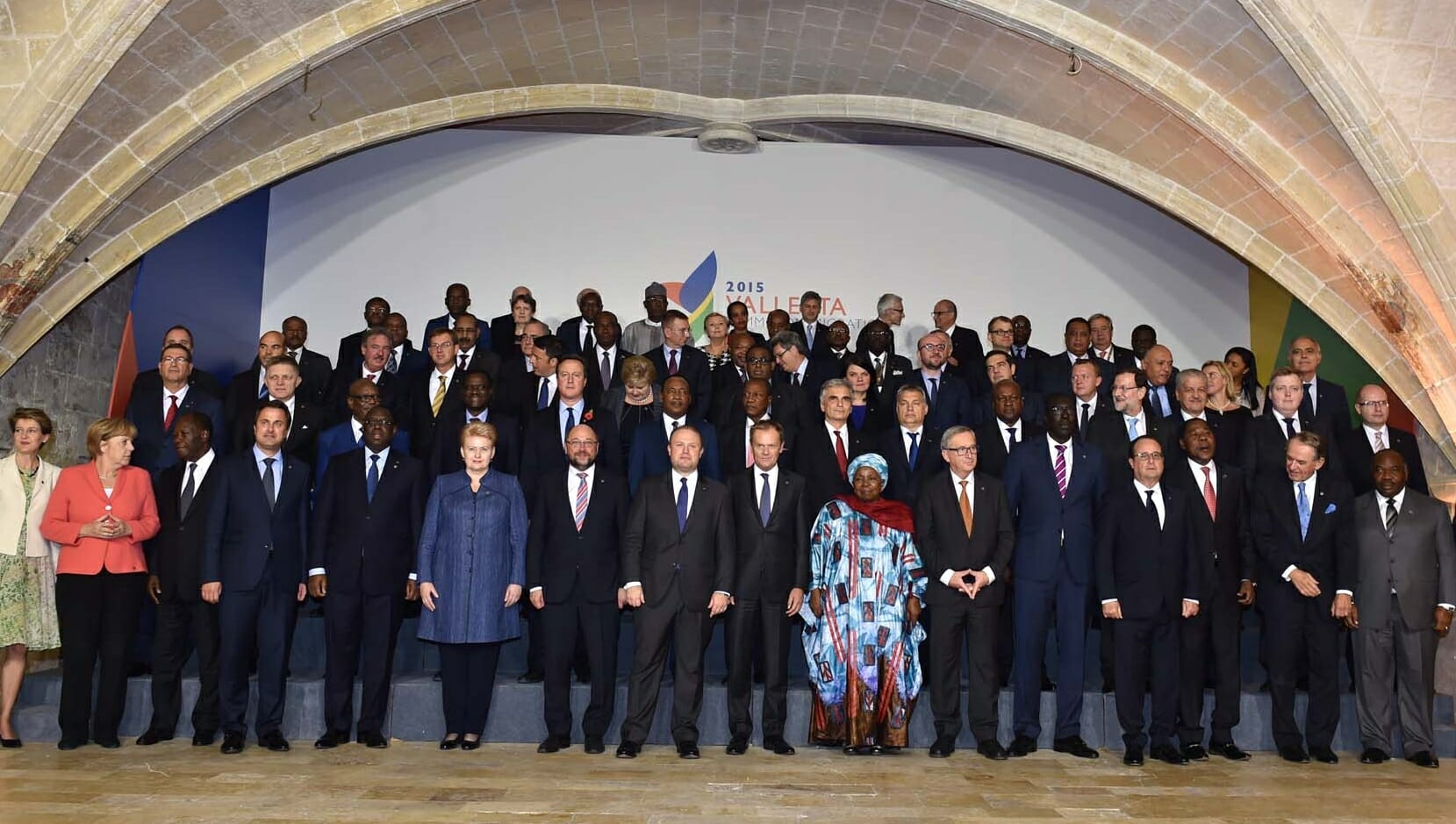
European Union and African nation leaders present at the Valletta Summit on Migration (Malta, 11-12 November 2015)
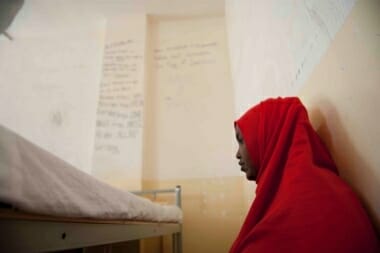 In one centre they held English classes; provided useful information about Malta; and simply spent time with the migrants. In another centre that welcomed families, they provided child care and tried to meet the basic needs of the little ones. Later, when they received permission, the Volunteers also went into the detention centres, Anna recounted: “The refugees were in rooms with bunk beds, even twelve per room, and there was not enough room for everyone. At first they were shocked, but seeing that we only wanted to befriend them, they overcame their mistrust. From English lessons we also moved on to more enjoyable moments with music and dance; and the guards remarked that they had never seen them so happy.” The young people of the Focolare Movement also became involved, inviting the refugees to events for teenagers such as the Run4Unity; and to the Mariapolis for a few days of meetings with Focolare friends and sympathisers. “Our project is beginning to gain visibility,” Anna concluded, “and we were asked to present our experience to the other Ecclesial Movements.”
0 Comments