
Sponsored by Focolare, a training plan extends with courses for parents and teachers The first courses began in Italy in 2014, although by the following year they had already spread worldwide. These are training courses for safeguarding minors that are sponsored by the Focolare Movement, aimed at educators and facilitators, as well as for parents and the wider community. Their objective is to build a network in order to increase the potential for prevention. “The more we are trained and aware, the more we are able to prevent situations of abuse,” says Viviana Colonnetti, a psychologist and psychotherapist who represents Focolare on the Commission for the Wellbeing and Safeguarding of Minors and one of the course coordinators. We posed her some questions.  What vision of children inspires the movement’s training efforts? “It’s the vision that Chiara Lubich, Focolare’s founder, passed down to us: the child at the centre of our activity is another Jesus to welcome, a person to help with their wellbeing and development. It is a vision from the Gospel that leads us to recognise the dignity of everyone and promote the holistic development of a person.” What expertise is required for adults who look after minors? “They need to be emotionally balanced people who are able to listen and show empathy, manage groups of children and any eventual conflicts that arise, work as a team, and love to play and stay with the kids.” Are legal concepts regarding relating to minors also included? “There are internal regulatory norms already within the guidelines that are valid for the entire Focolare Movement, and other legal aspects that instead need to be adapted to each specific country. These rules are translated into best practices, that is, in positive and effective behaviours to be followed. We also indicate behaviours to avoid, since situations can become risky.”
 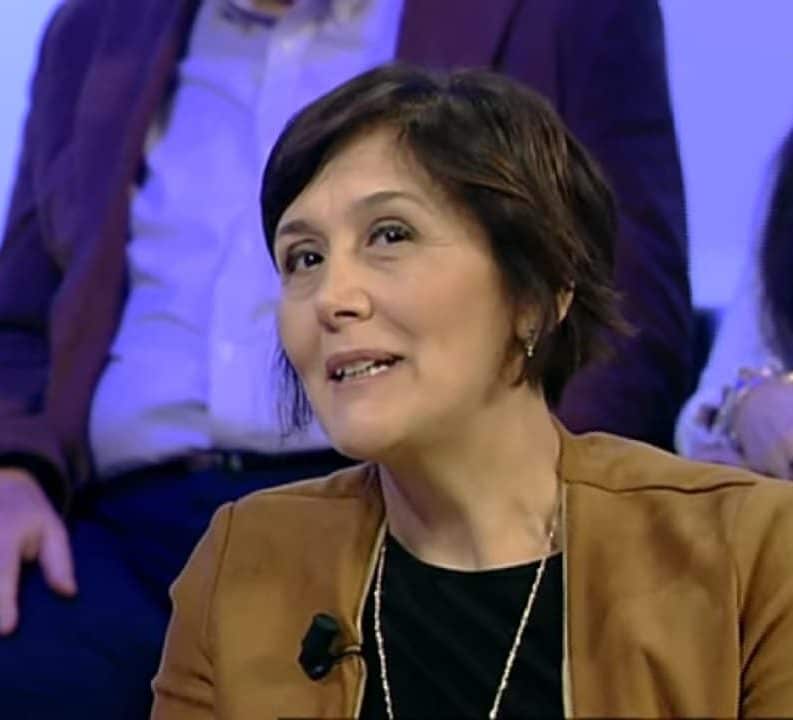 The course also covers the subject of relating to parents. What kind of relationships should be established? “We are aiming for an education pact with parents, as Pope Francis says, to work together as a team for the good of the child. This is why when we start, we propose meeting with the parents in order to structure the programme of the year together, so that the children can receive the same messages from youth leaders and facilitators that they receive at home. In addition, we propose that parents participate in some of the activities. We try to support children and teens with their difficulties, so it is important to dialogue and work together with parents.” Is the basic course the entire training? “For people in the movement who are charged with looking after children, these educative moments are part of continual training that is wider, nourished constantly with subjects that are relevant to working with minors. In addition, we have begun to work with parents and the community, after understanding that it is this fabric that guarantees the prevention of abuse. This is because, beyond the activities, it is the community that supports its members. And we have had quite positive results.” Among the movement’s representatives are also those from other agencies, associations and parishes. Have they been given a specific role? “The book Protecting childhood emerged from the experience of courses that are open to societies, associations, parishes, sports centres and organisations interested in the type of training that we offer, with our anthropological perspective. It was published last year in Argentina by Ciudad Nueva publishing. They proposed that we collect all the course material in one volume in order to reach those institutions who are not in direct contact with the Focolare. A workshop follows each presentation, which allows us to talk to professionals, educators and other people who we would not be able to reach in any other way. The book has recently come out in Brazil and will be published in Italy this coming autumn.”
Claudia Di Lorenzi


0 Comments