
Insight and realism to guide the future
The General Assembly has begun in earnest with intense dialogue and collaborative work. From the 6th to the 11th of March, everyone at the Assembly is exploring nine topics that emerged from proposals received from individuals and communities of the Movement around the world. La Asamblea General ha entrado en materia con un intenso trabajo de diálogo y co-elaboración. Del 6 al 11 de marzo, todos los de la Asamblea están profundizando en nueve temáticas emergentes de las propuestas recibidas de personas y comunidades del Movimiento en todo el mundo.
Government, participation and responsibility – There is a need for a wider, co-responsible and intergenerational participation, as well as a more synodal and transparent governance. Reflection is also given to the relationships between the International Centre, geographical areas and local communities, and to the meaning of leadership in the light of the Charism of unity.
Family – In a Movement made up of various vocations, ages and cultures, the family is a transversal topic. In some societies, its challenges are overlooked: the Assembly is discussing how to bring it back to the centre of our attention, recognising the richness and complexity of different cultural situations.
The Focolare Movement in the Catholic Church – The relationship with the Catholic Church is being deepened as an exchange of gifts: the Charism of unity grows within the universal and local Church. At the centre of the discussion is formation in dialogue and relationships with local Churches and other ecclesial movements.
Relationships between people of various Churches – Ecumenism is a crucial challenge for a Movement that brings together people from many Christian Churches. There is a need to foster a sense of “we”, using language and gestures that promote mutual respect and understanding. The Assembly is asking itself what formative, cultural and practical choices can strengthen the ecumenical dimension in every area.
Peace and integral ecology – Caring for the earth and building inclusive communities are two inseparable aspects. We are working to better define the Movement’s commitment, translating values into local and global actions: ecological projects, formation courses in peace and reconciliation between communities and nations.
Transmission of the Charism – How can we speak about our Charism of unity today? To whom and using what kind of language? In a world that has changed greatly, there is a need for new narratives capable of reaching the generations of today and tomorrow.
Dialogue and polarisation – Dialogue is a fundamental choice in a context marked by cultural, political and religious divisions, even within the Movement. We are reflecting on how to promote appropriate formation programmes and a welcoming culture that can heal divisions.
Living unity today – Forming our conscience, respecting personal freedom and living in communion are deeply felt issues. Ways to improve attitudes, structures and language are being explored so that they truly support the dignity and vocational maturity of everyone.
Communication, media and artificial intelligence – New technologies open up opportunities but also raise questions. Topics being discussed include communication strategies, the informed use of the media, the involvement of young people and the ethical aspects of the development of artificial intelligence.
Closeness that unites
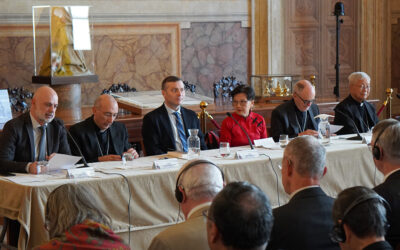
Each day begins with a meditation or reflection, led by people from various Christian Churches and followers of other religions. On the 9th of March, Rabbi David Goodman from Jerusalem and Muslim theologian Adnane Mokrani explored the theme of ‘Closeness in Jewish and Islamic traditions’: a valuable insight at a time when the Middle East and many countries are experiencing great suffering.
Physical closeness is not enough, said Rabbi Goodman. True closeness is born when we welcome the wounds of others and allow others to enter into ours. Online from Jerusalem, he gave a powerful message of hope and reconciliation: for the Assembly to be an experience of authentic closeness.
Adnane Mokrani emphasised that God is always close to us, even before we call upon him: he seeks us out and accompanies us even in danger. Closeness, he said, is what makes us fully human, because it opens us up to solidarity and allows us to share the pain of others. He left us with the image of a triangle – God, I and my neighbour – whose centre is love.
“Let us pray that, in this time of darkness, God may reveal a new step for humanity as it journeys forward.”
The programme planned for the next few days
12 – 15 March – Elections of the President, the Co-President and the general councillors
16 – 20 March – Discussions and voting on the proposed amendments to the General Statutes and regulations
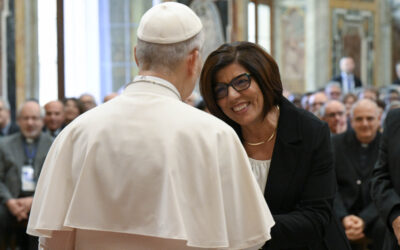
21 March – The General Assembly will be received in a private audience by Pope Leo XIV
Stefania Tanesini
with the Multimedia and Linguistic Services Communication Tea
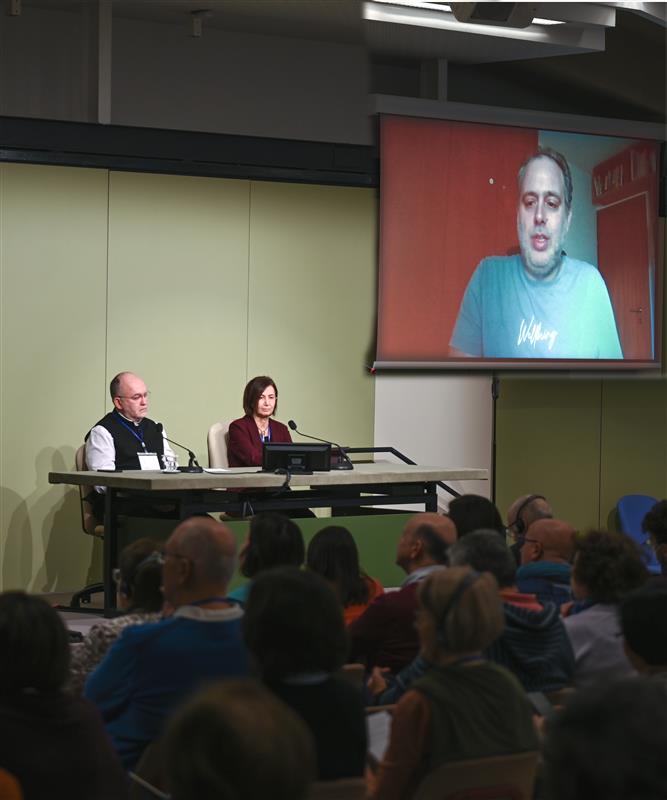
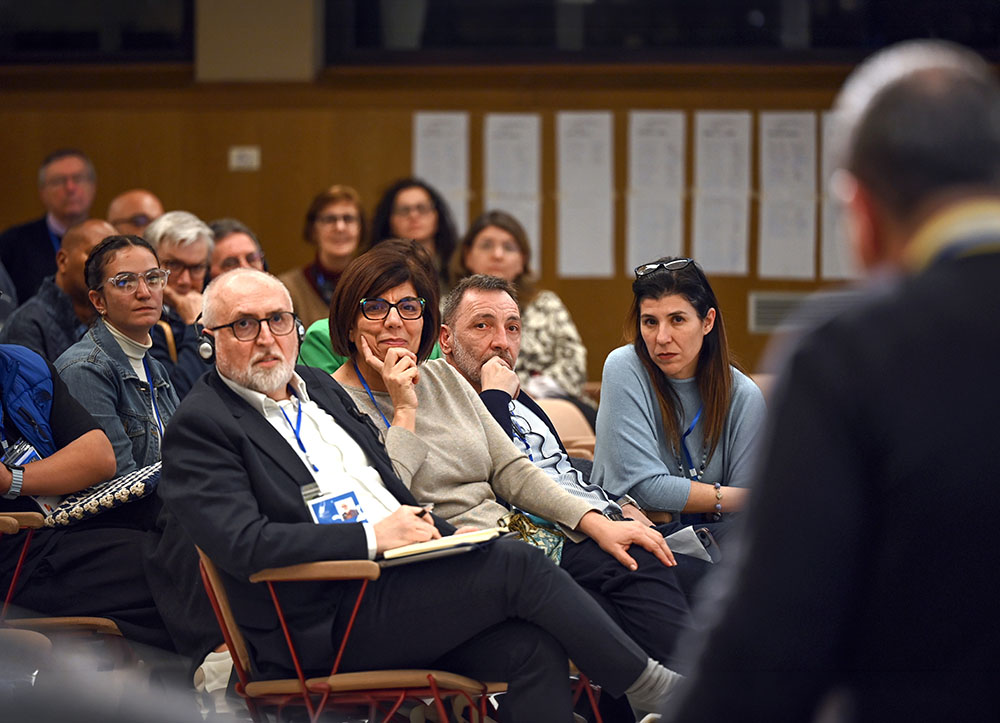
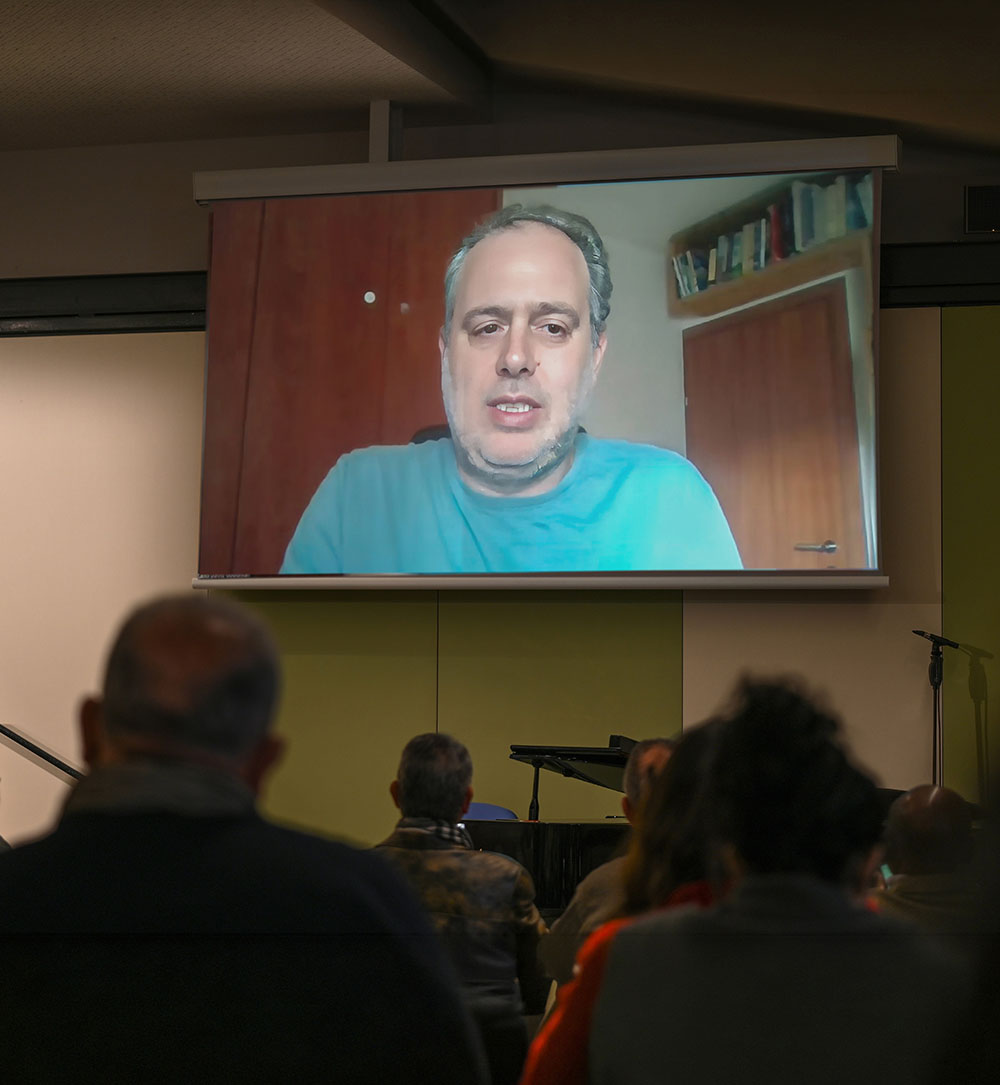
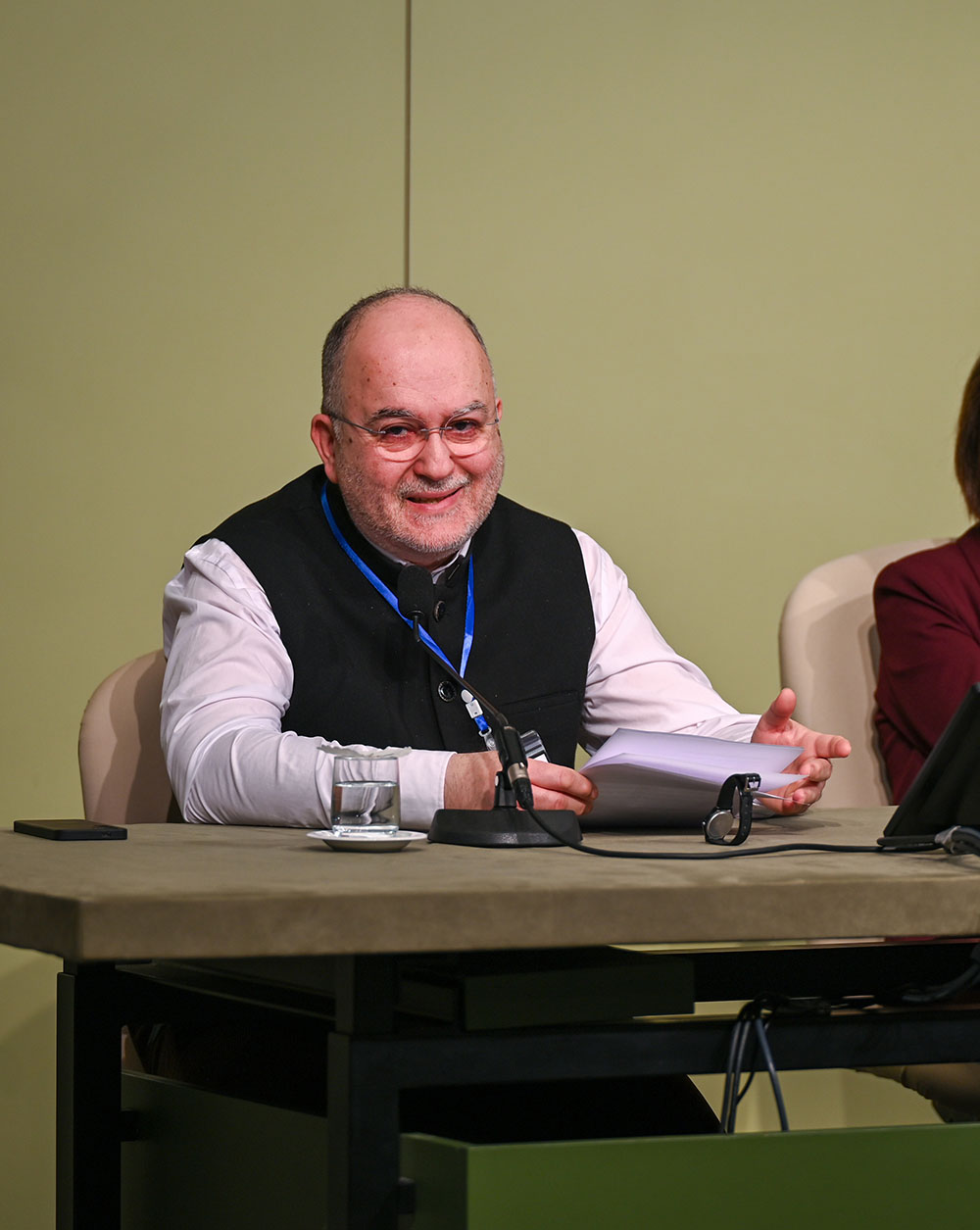
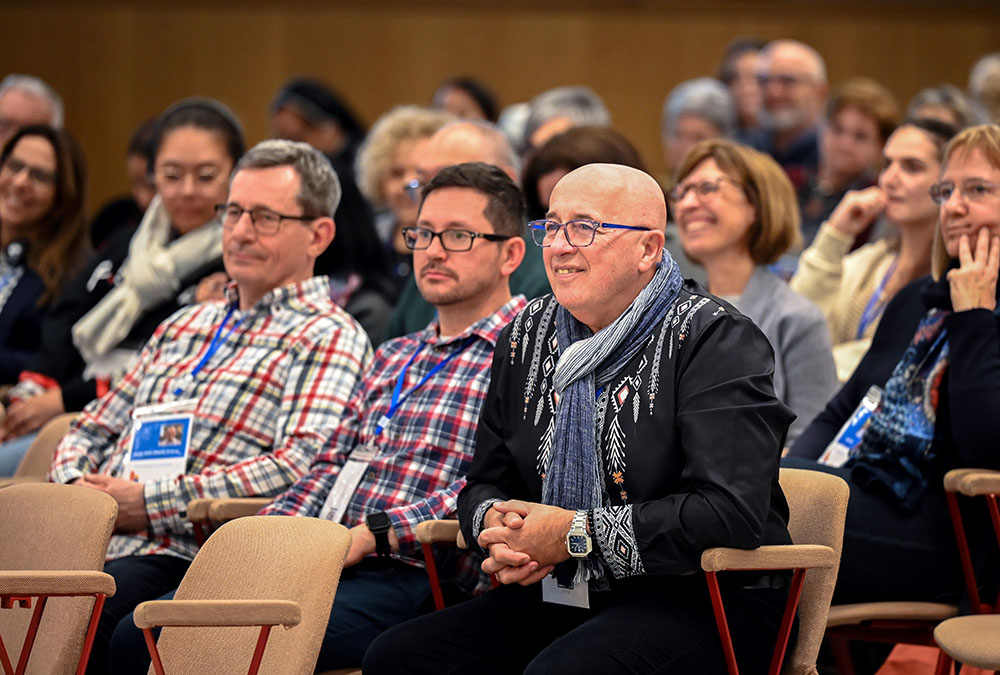
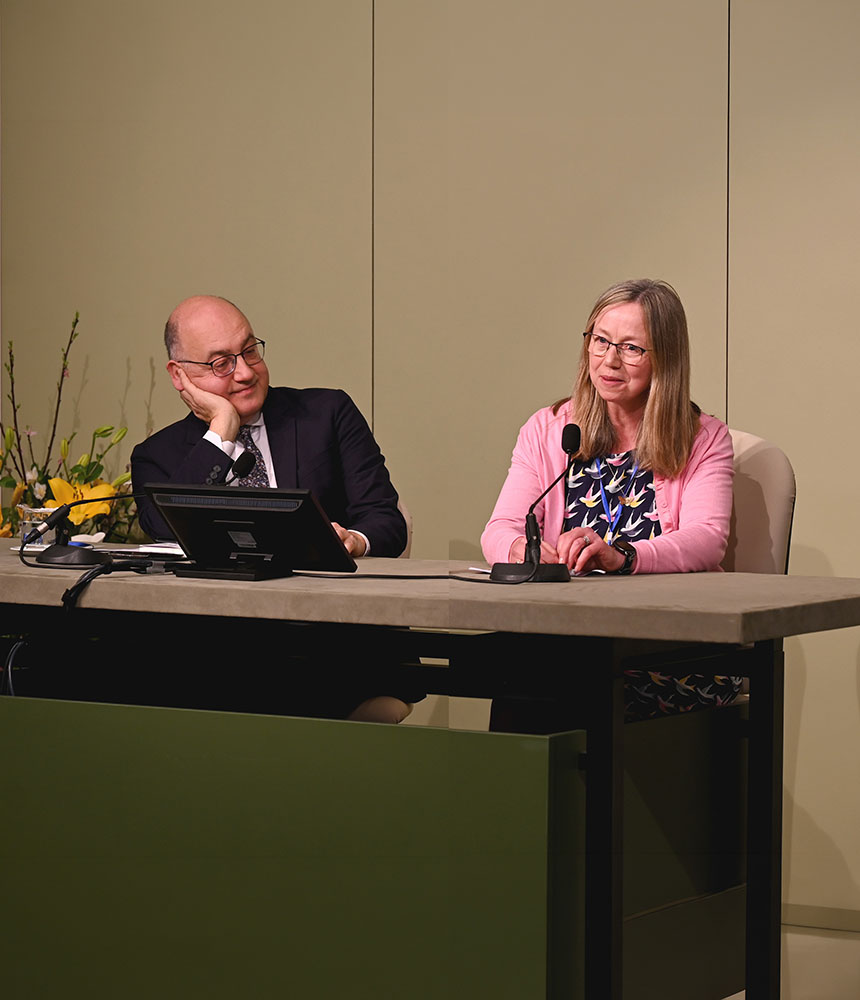
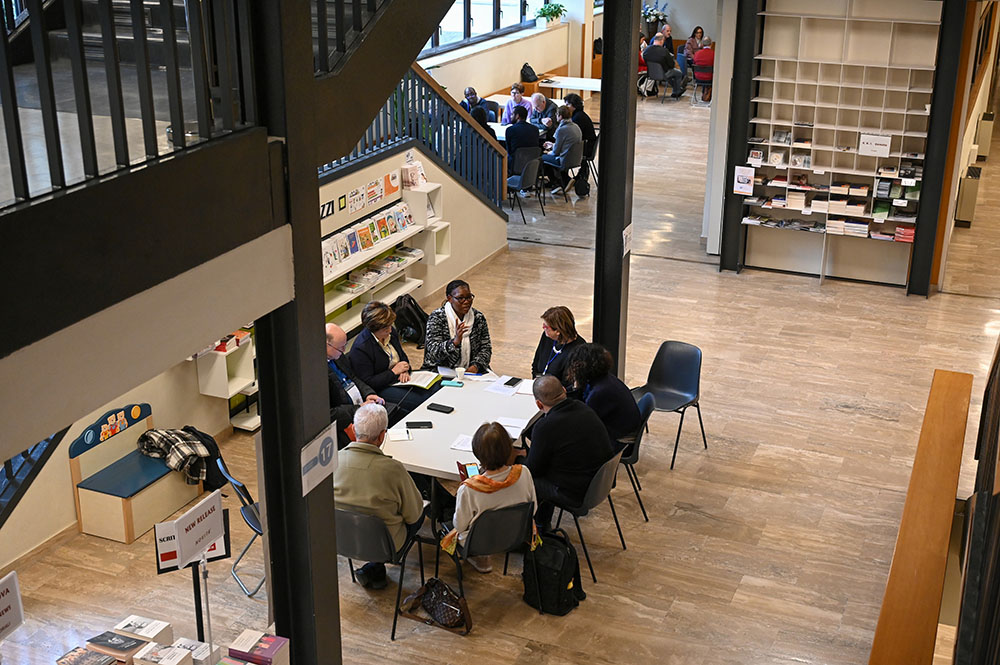
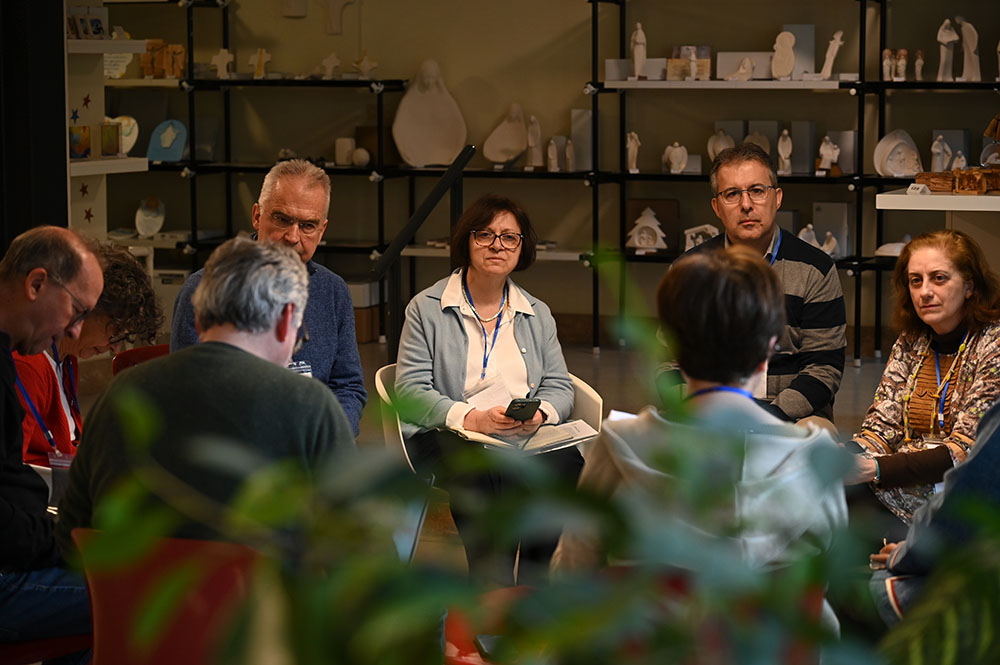
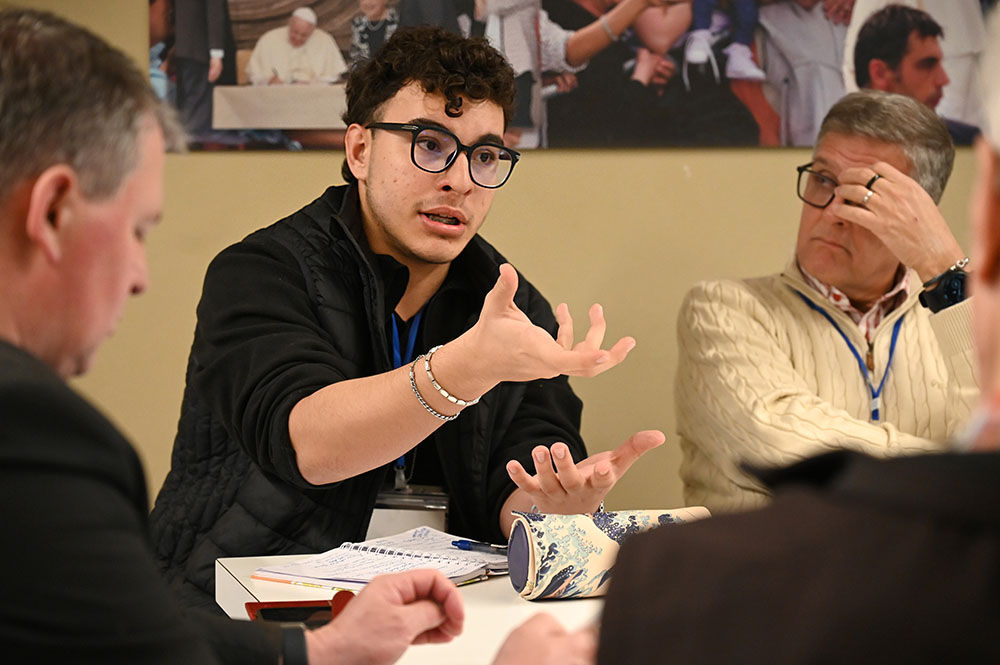
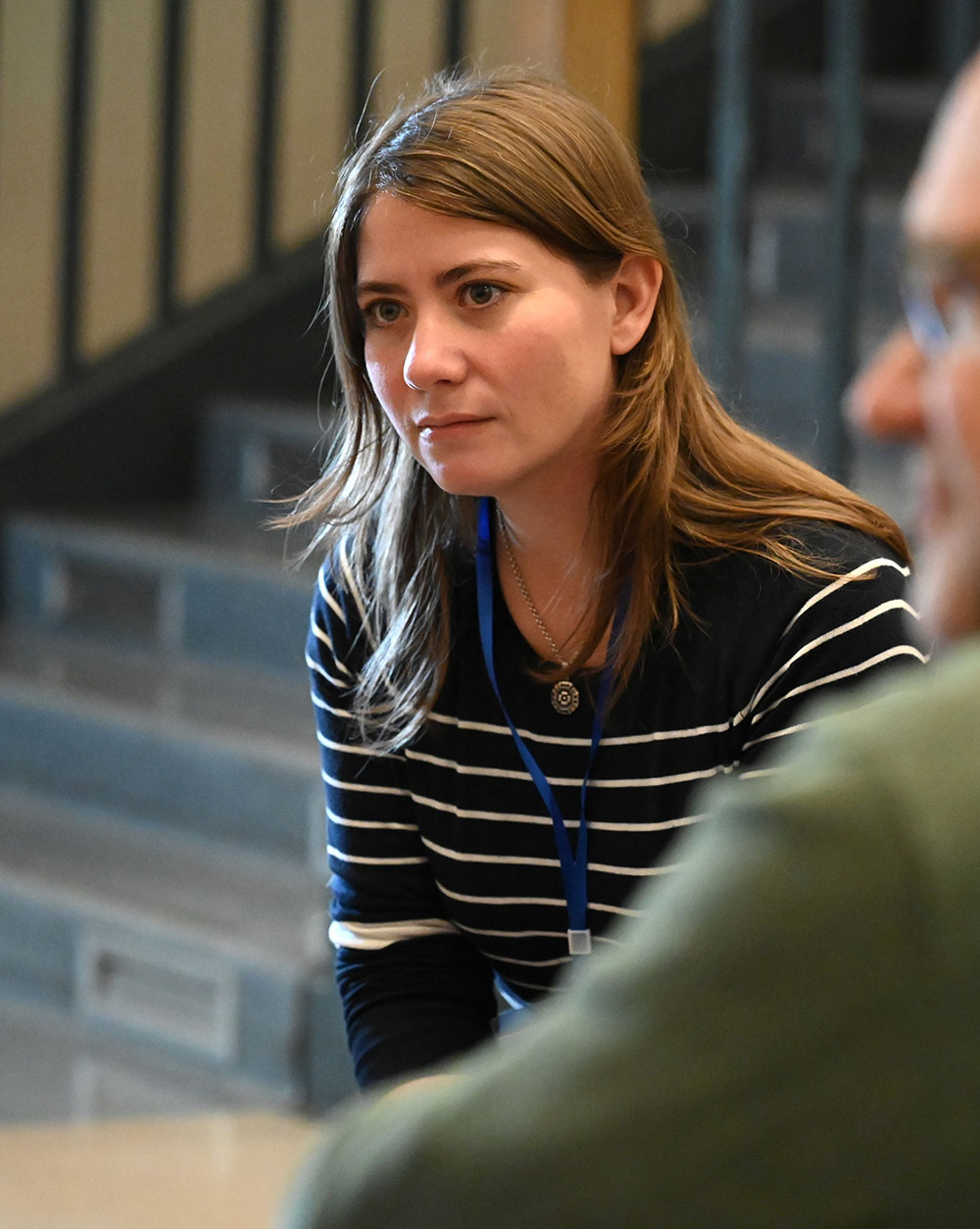
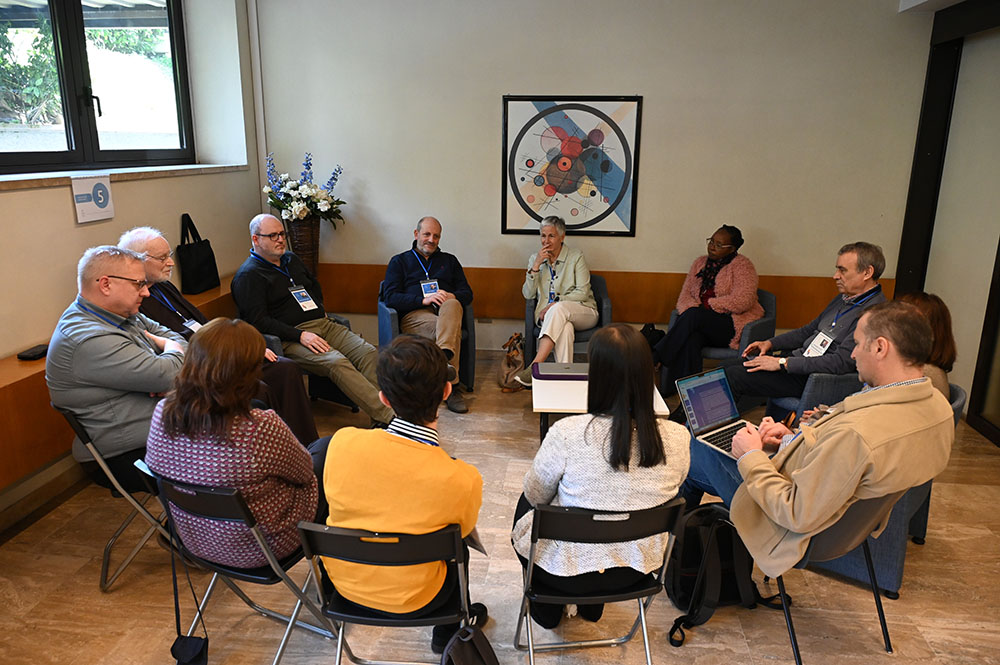
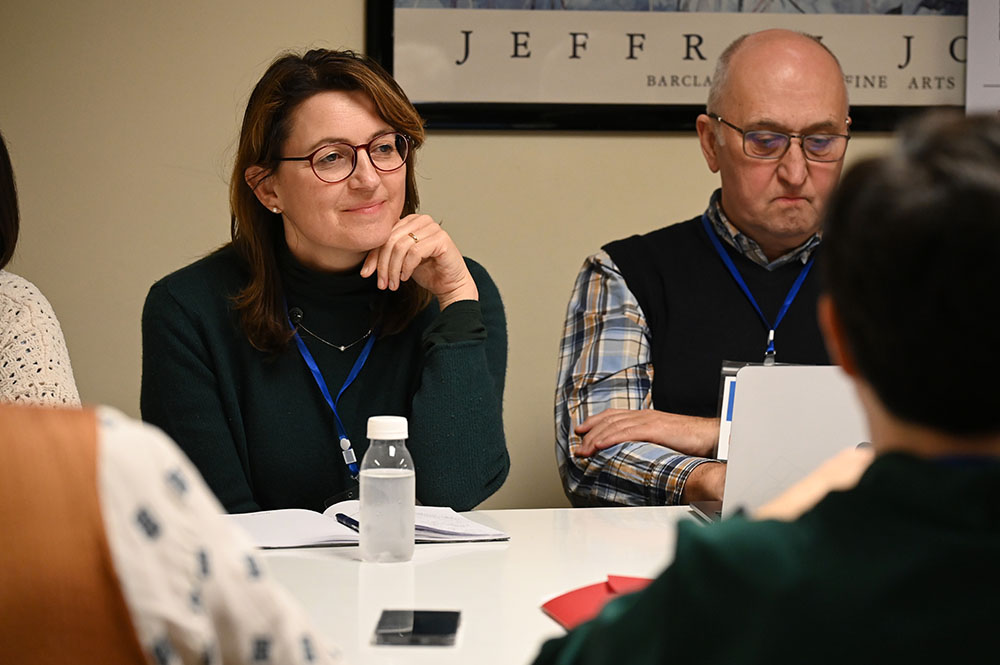
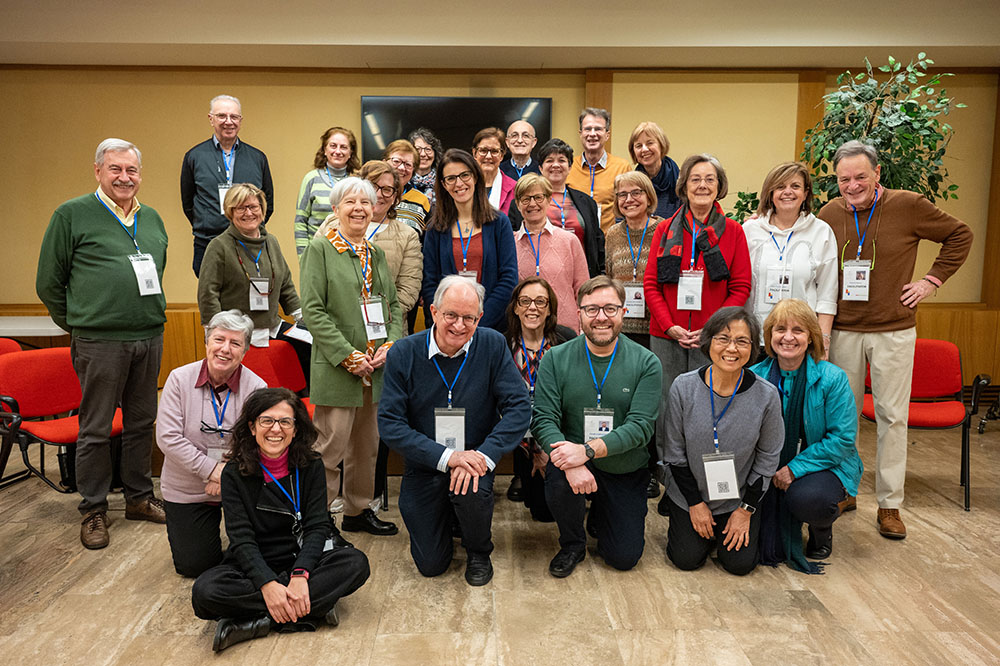
Photo: © CSC Audiovisivi
Thanks for the clear and timely updates on the General Assembly. This news service is very helpful for those of us who are following the Assembly from afar and who want to stay connected with this important moment in the life of the Movement.
Are the texts of the main inputs available? It would be great to have them in order to be able to reflect more deeply on the themes being discussed.
With gratitude to everyone who is helping to communicate the Assembly so well. Juanita Majury