
The Sophia University Institute is launching a new academic offering for the 2026/2027 academic year, marking a decisive step in the growth of the institution and in the expansion of its international academic project. The new proposal provides a complete university pathway (3+2) integrating two fully structured cycles of study: the Baccalaureate in Philosophy and Human Sciences (Bachelor’s Degree, interclass L-5/L-24) and the Master’s Degree in Philosophy, Economy of Communion and Environment (Master’s Degree, class LM-78).
The new academic proposal of the Sophia University Institute stems from a simple and radical conviction: knowledge is not merely a collection of information but a concrete tool for changing the world.
Rector Declan J. O’Byrne says, “In this time of epochal change characterized by uncertainty and fragmentation with this new academic offering, Sophia confirms its mission, assuming a strategic role in the forming people capable of combining critical thinking, interdisciplinary skills, planning and responsibility towards the common good, to lay the foundations of a different future, acting in the context of integral sustainability, the economy, social and territorial planning and innovation”.
Thanks to the institutional collaboration with the University of Perugia (Italy), both programmes allow the achievement of a double academic degree – ecclesiastical and state-recognized, with full validity in the Italian university system and international recognition.
The Baccalaureate and the Master’s
The Baccalaureate in Philosophy and Human Sciences – Bachelor’s Degree (L-5/L-24) – is a degree course that offers interdisciplinary training focused on understanding the person in their cognitive, emotional, relational and social dimensions. It prepares students to continue their studies, to access teaching paths and to take on educational, social, design and cultural roles.
The Master’s Degree in Philosophy, Economy of Communion and Environment – Master’s Degree (LM-78) – develops Sophia’s interdisciplinary method within the fields of economics, integral sustainability and governance. It forms professionals capable of understanding and guiding economic, social and organisational processes. The degree program promotes a critical reflection on contemporary economic models and encourages the search for ethical and sustainable solutions, in particular, in the fields of ecology, urban development, organizations and communities.
The focus on Economy of Communion and Civil Economy makes this path unique in the Italian and international academic landscape, offering students tools to understand and transform contemporary economic systems, to contribute concretely to the construction of sustainable, inclusive and generative economies. The proposed training prepares professionals capable of guiding corporate social responsibility processes, of developing sustainable innovation projects, of working in the regeneration of territories, of assuming roles in companies, public bodies and the third sector oriented to human development and integral sustainability.
Doctoral programmes in Human Sciences and in the Culture of Unity are also offered, completing the Institute’s academic provision.
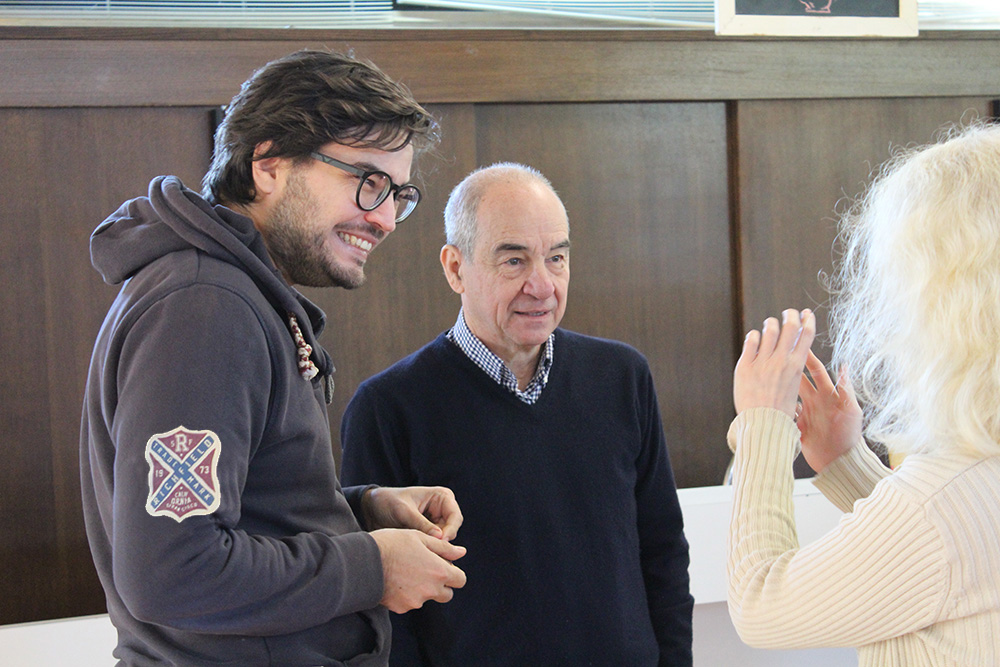
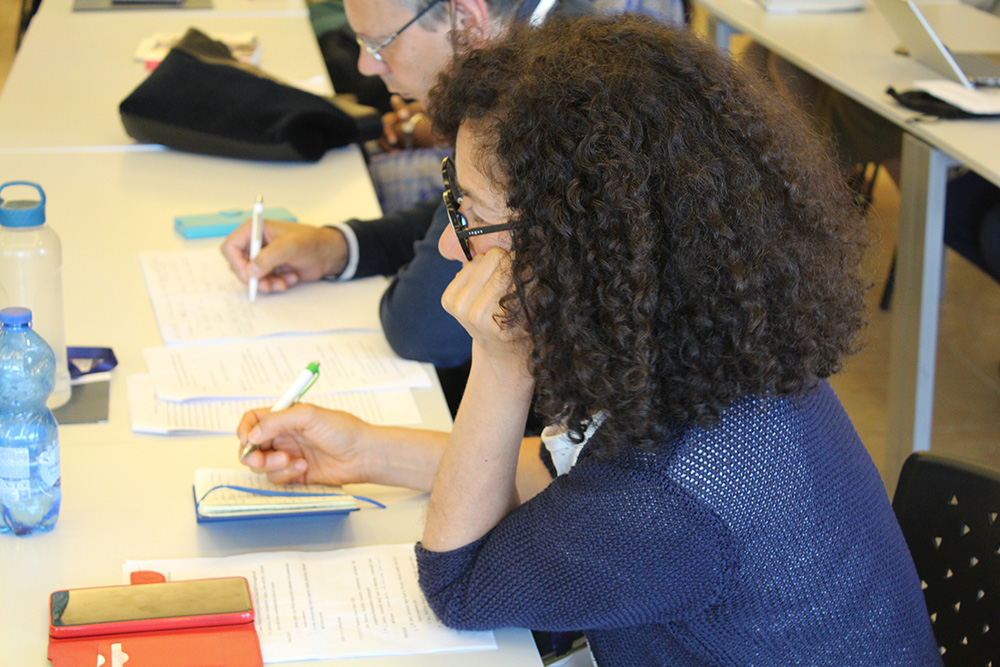
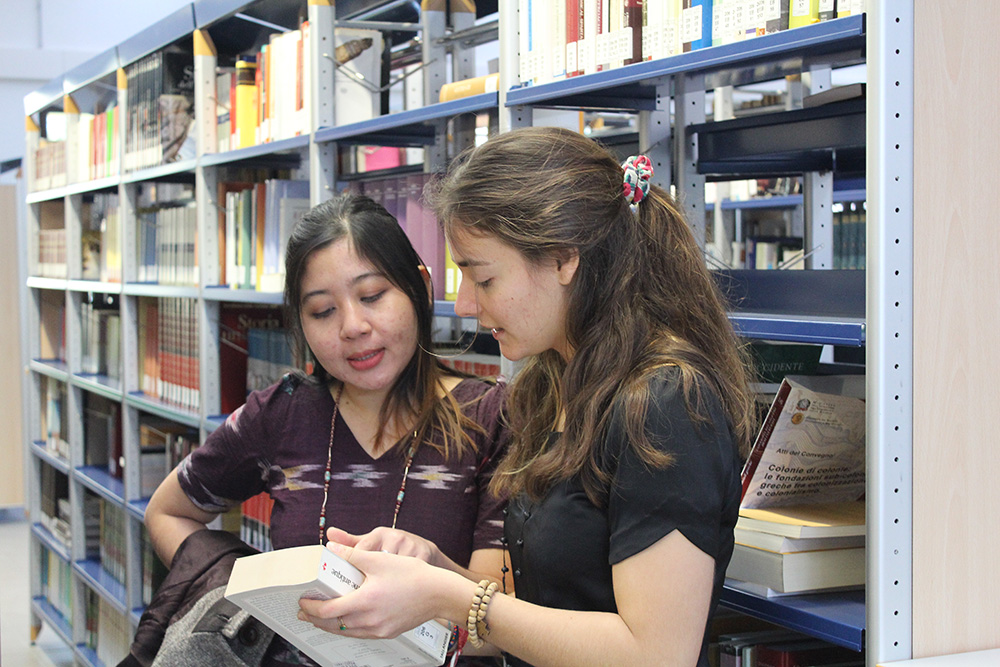
In The Heart of Tuscany
With the next academic year, Sophia will inaugurate a new educational center in Florence (at the Institute affiliated with the Theological Faculty of Central Italy), which will host the activities of the Baccalaureate. The choice of Florence allows access to the academic, professional and cultural opportunities of one of the most prestigious university cities in Europe.
The Master’s Degree remains rooted in the international campus of Loppiano, which offers an international and intercultural environment in which students from numerous countries have the opportunity to share study, daily life and educational experiences.
The strength of the academic relationship: one teacher for every five students
One of the distinctive elements of academic life at Sophia is the student-teacher ratio, which is approximately 1:5. This allows a personalized accompaniment, ongoing dialogue and a study environment that values relationships as an integral part of the learning process. The Sophia model moves beyond large, lecture-based teaching and promotes an interactive, person-centred approach focused on the quality of content and the development of critical, relational, and project-based skills.
A network of valuable partners
The quality of academic life at Sophia is further enriched by opportunities for personalised and globally oriented study experiences, thanks to a selected network of partners that support teaching activities and offer concrete opportunities for internships and professional placement in international contexts. These include: ASCES-UNITA, Sophia ALC (Latin America), Together for a New Africa, Economy of Communion Korea, Ethos Capital and Consulus.
Further info Sophiauniversity.org
Editorial Team
Photo: © Istituto Universitario Sophia


0 Comments