
The arrival of Pope Leo XIV was greeted by a warm applause from the 320 participants at the General Assembly of the Focolare Movement, who had been received in audience at the Vatican. “With that applause,” said the newly elected Co-President, Roberto Almada, “we wanted to express our joy. I was struck by his appreciative and encouraging gaze towards all those who are part of the Movement: priests, families, young people and focolarini.
Right from the outset, Pope Leo XIV drew attention to the root of the charism: “Each of you has been drawn to the charism of the Servant of God Chiara Lubich”. He emphasised that unity remains at the heart of the gift that the Holy Spirit offers to the Church and to the world today.
A people of peace called to be a shield against barbarism
The topic of peace featured prominently in the Pope’s message. He acknowledged that “also through you, God has, over the past decades, prepared a great people of peace”, who are called today “to act as a counterbalance and a shield against the many people who are sowing hatred, who are dragging humanity back into forms of barbarism and violence”. These words confirmed the work of the Assembly, which reflected on how to contribute more effectively to mending social bonds, overcoming polarisation, and promoting dialogue and fraternity in the areas where the Movement is present.
Margaret Karram, re-elected as President of the Movement, commented: “The Pope has once again emphasised how, today more than ever, there is a need for unity in a divided and war-torn world. He has placed even greater emphasis on the need to live out our vocation to fraternity more fully and more effectively. I was also struck by the Pope’s appreciation for the Movement’s work in the ecumenical and interfaith contexts, as well as in other areas.”
The responsibility of the post-foundation phase
A particularly significant point concerned the historic moment the Movement is currently going through. Pope Leo XIV recalled that: “You have been entrusted with the responsibility of keeping the charism of your Movement alive in the post-foundational phase”, a phase that does not end with the generation immediately following the foundress, but which “extends even further”. He urged the Movement to distinguish, with clarity and honesty, between what belongs to the essential core of the charism and what may change over time. He clearly stated that it is necessary to discern “which aspects of your community life and your apostolate are essential, and therefore must be maintained” and “which instruments and practices, although they have been in use for some time, are not essential to the charism… or have presented problematic aspects and therefore should be given up”.
The Pope’s words on transparency – a “prerequisite for credibility” and a right for all because the charism is a shared gift – have confirmed and reinforced a direction that had already developed in the Assembly. A Movement that adopts greater shared responsibility is the necessary step towards living out unity today.
A shared process of renewal: the guidelines for the next five years (2026–2031)
The reflection on the challenges and critical issues raised by the General Assembly has highlighted that at the root of many of the movement’s current problems lies an immature understanding of unity, the founding core of Chiara Lubich’s charism; for this reason, a process of re-evaluation and deeper reflection has been initiated at all levels.
In this context, the aim is: to work towards overcoming divisions and polarisation through the efforts of communities of the Focolare Movement living in local areas and on the “peripheries” of the world, in partnership with those who share the Gospel-based principle of unity through dialogue and collaboration; to support networks committed to promoting peace and education to non-violence; developing a integral vision of care for the planet and for people; strengthening families and communities as places of closeness and mutual support. Alongside this, it is essential to promote the ethical and responsible use of technology and artificial intelligence, involving people of all generations, and to value the contribution of young people and the richness that stems from the coming together of different experiences and sensitivities.
With an approach based on the quality of relationships, on transparency, on participation and on shared responsibility, the Movement renews its commitment to work so as to ensure that every place becomes a space for encounter and collaboration, at the service of the common good and of peace.
Stefania Tanesini
READ THE FULL TEXT OF POPE LEO XIV’S SPEECH HERE
Photo gallery
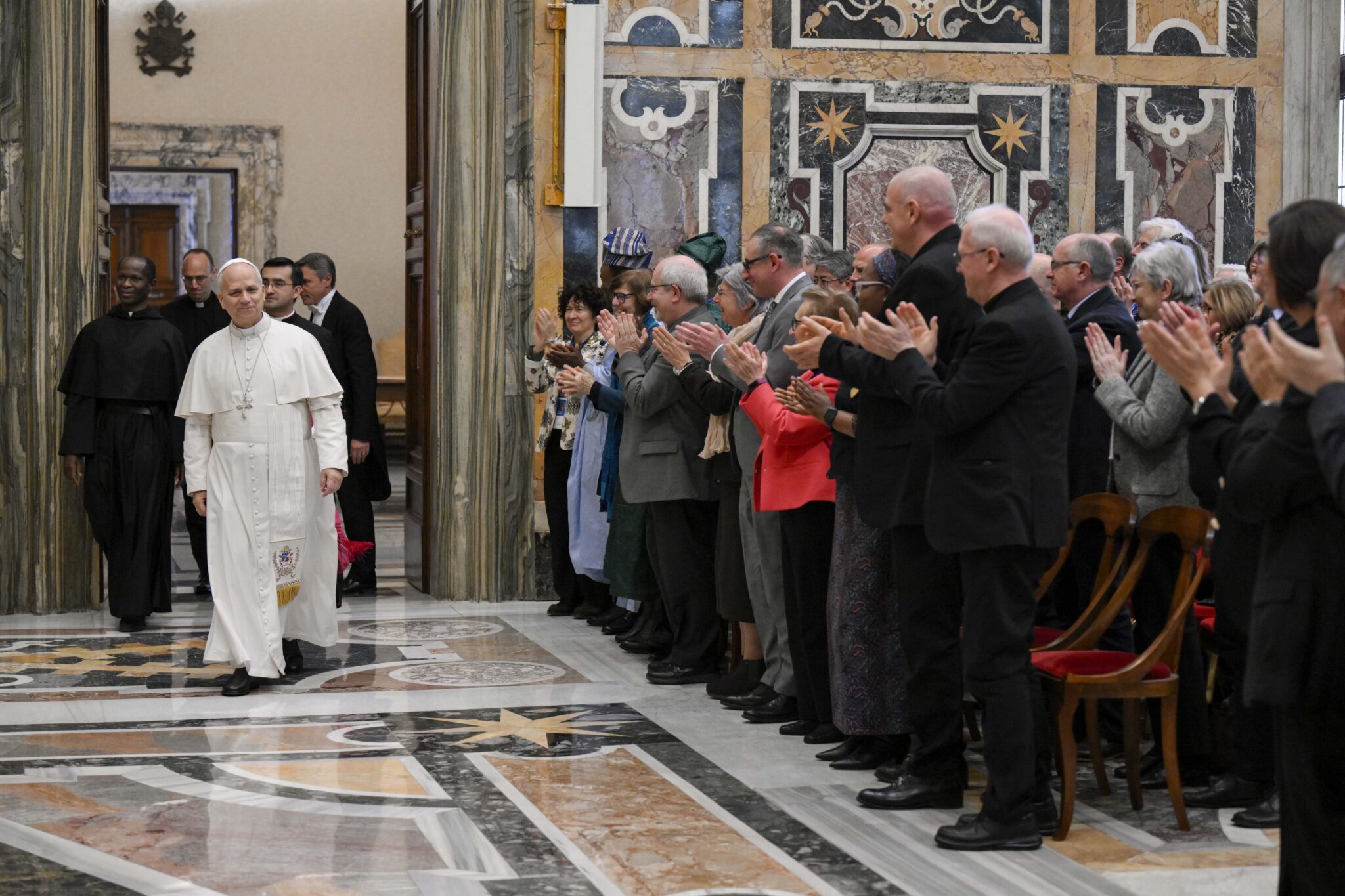
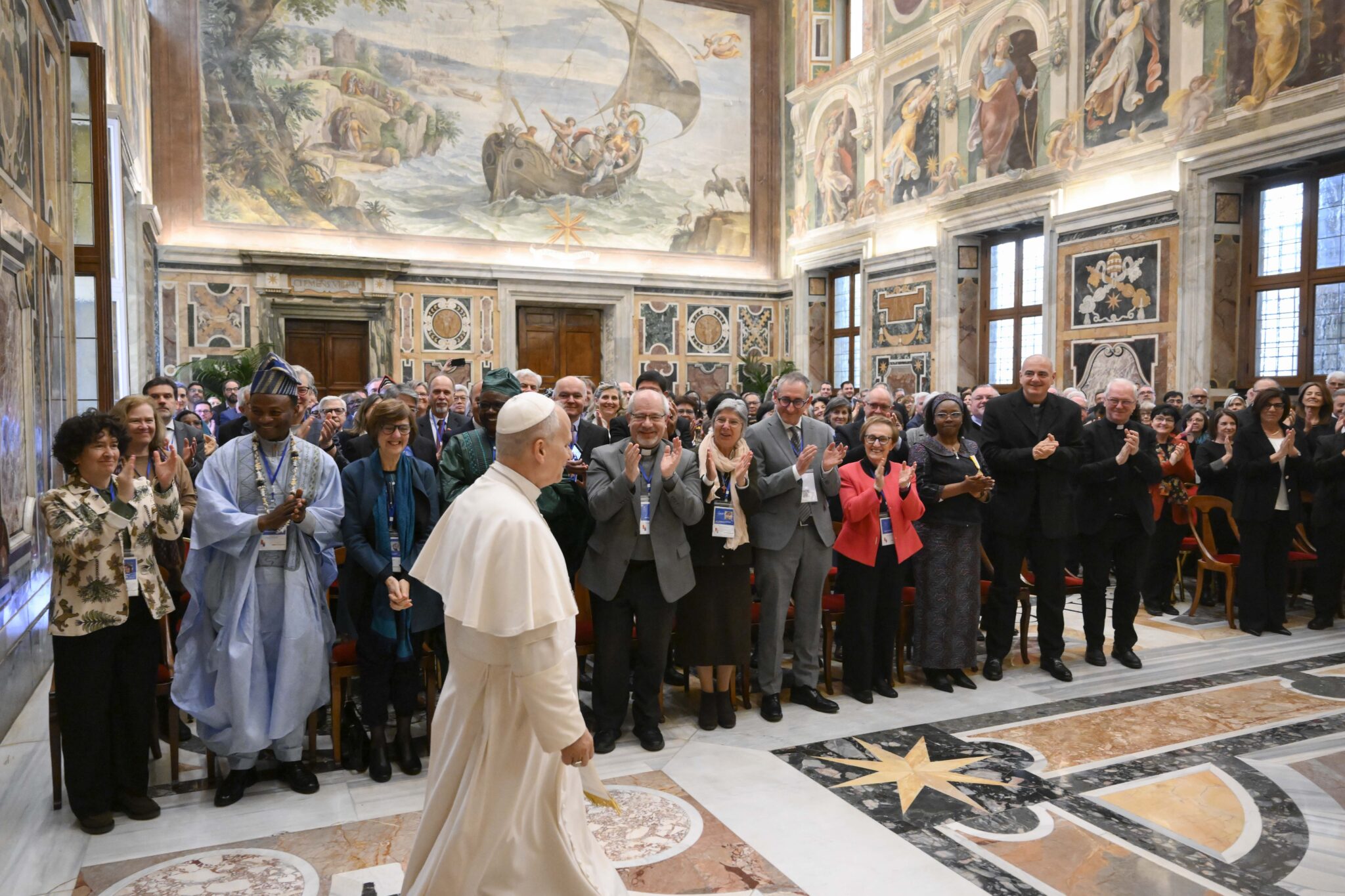
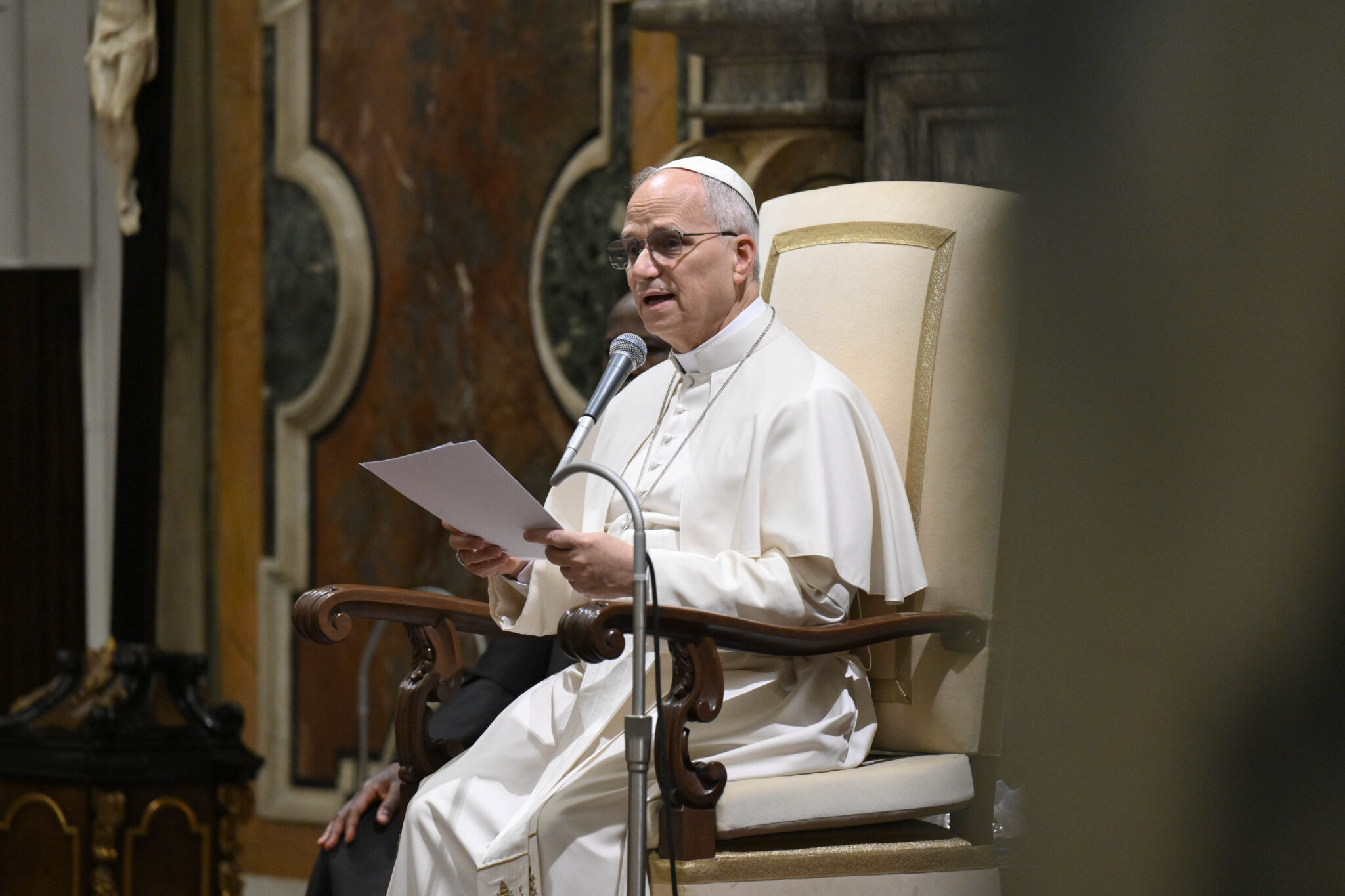
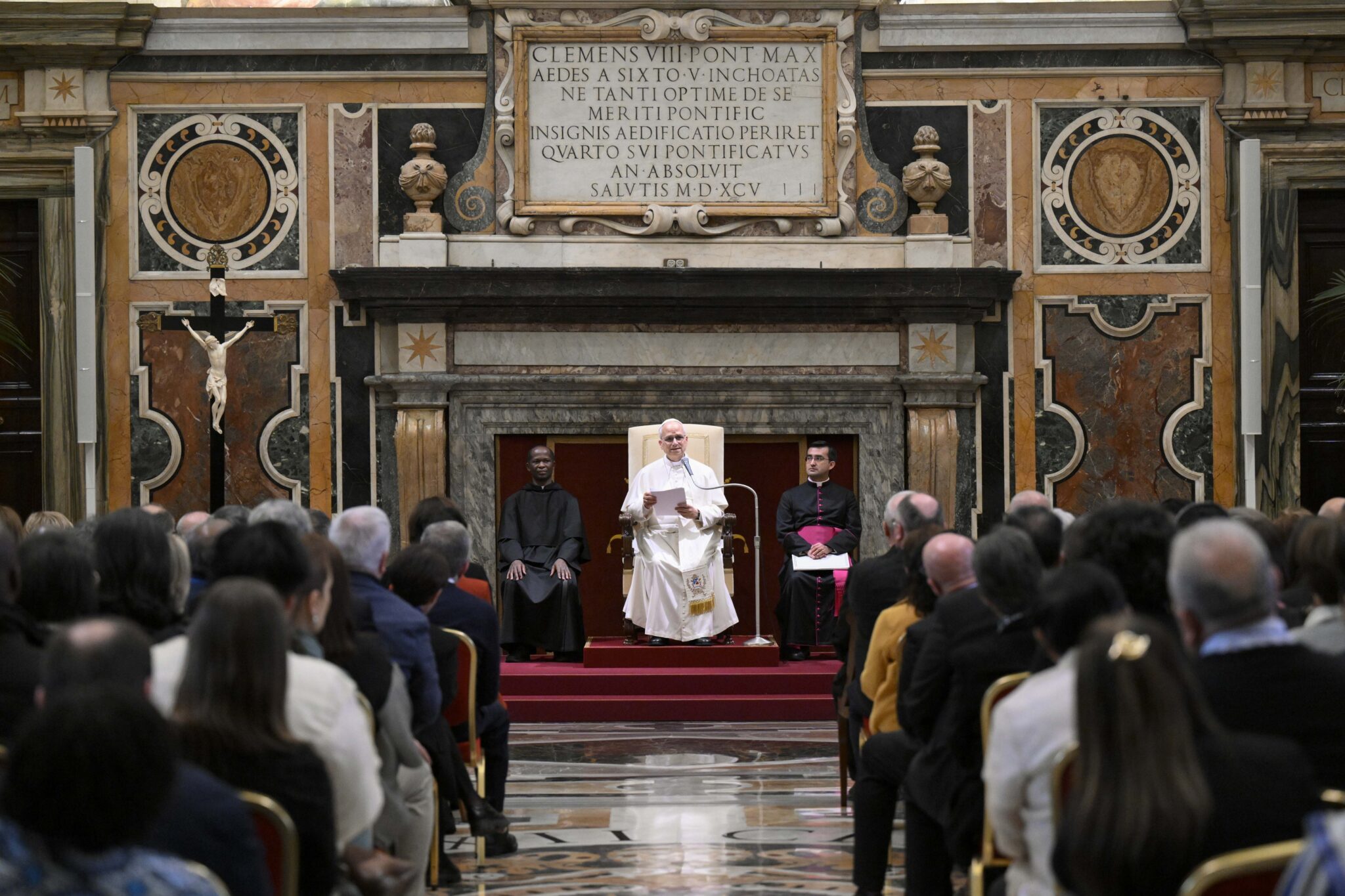
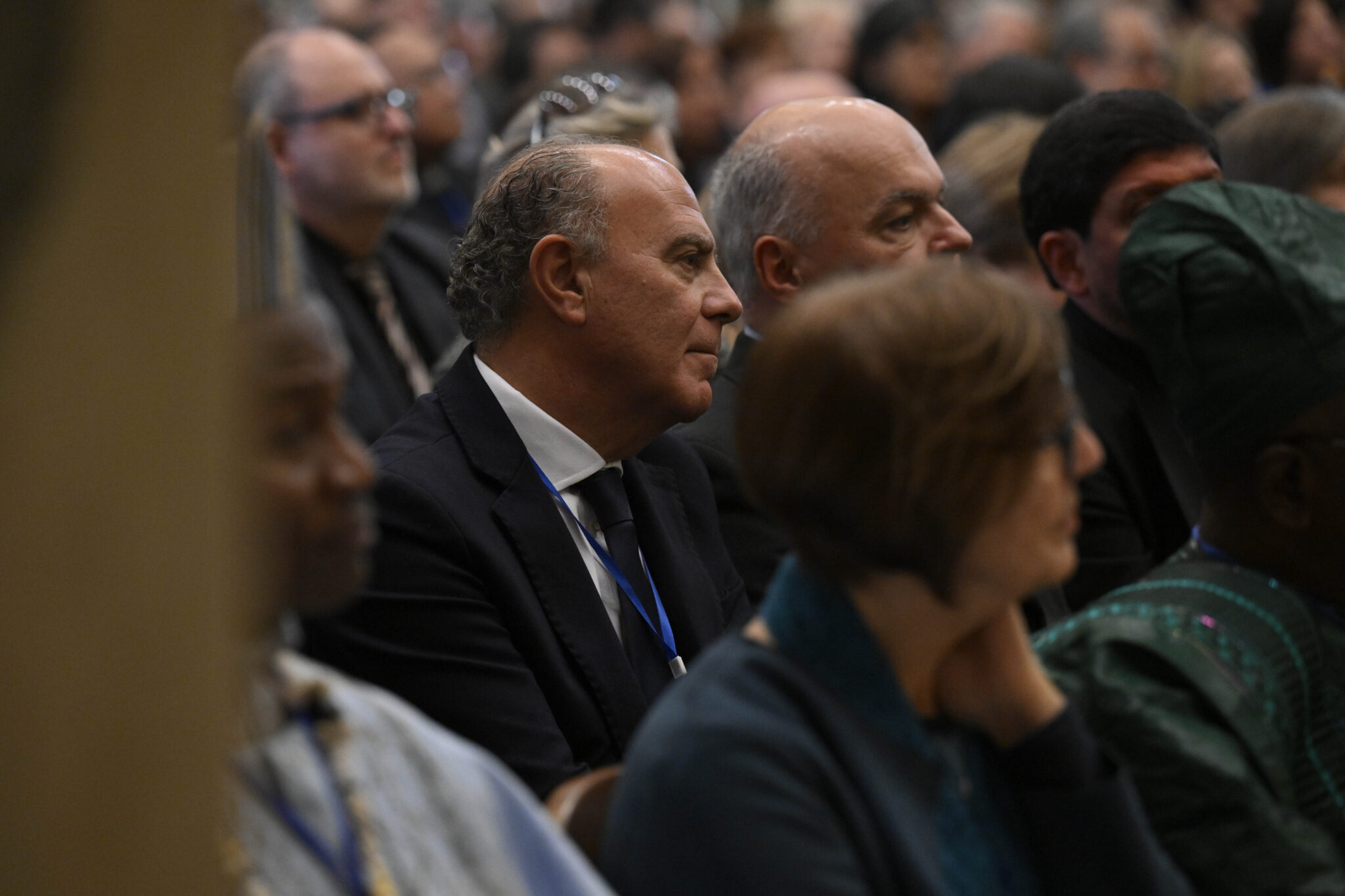
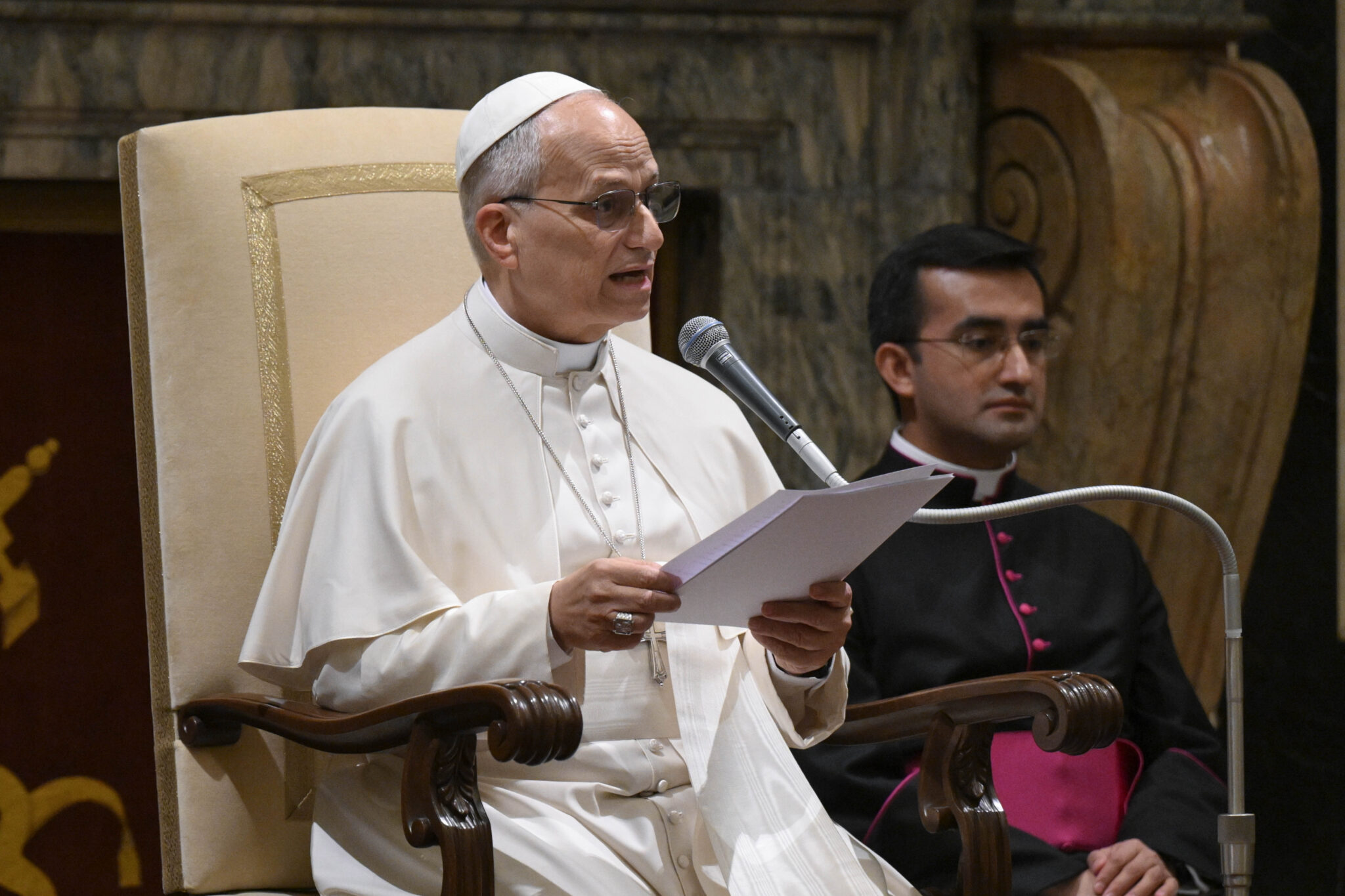
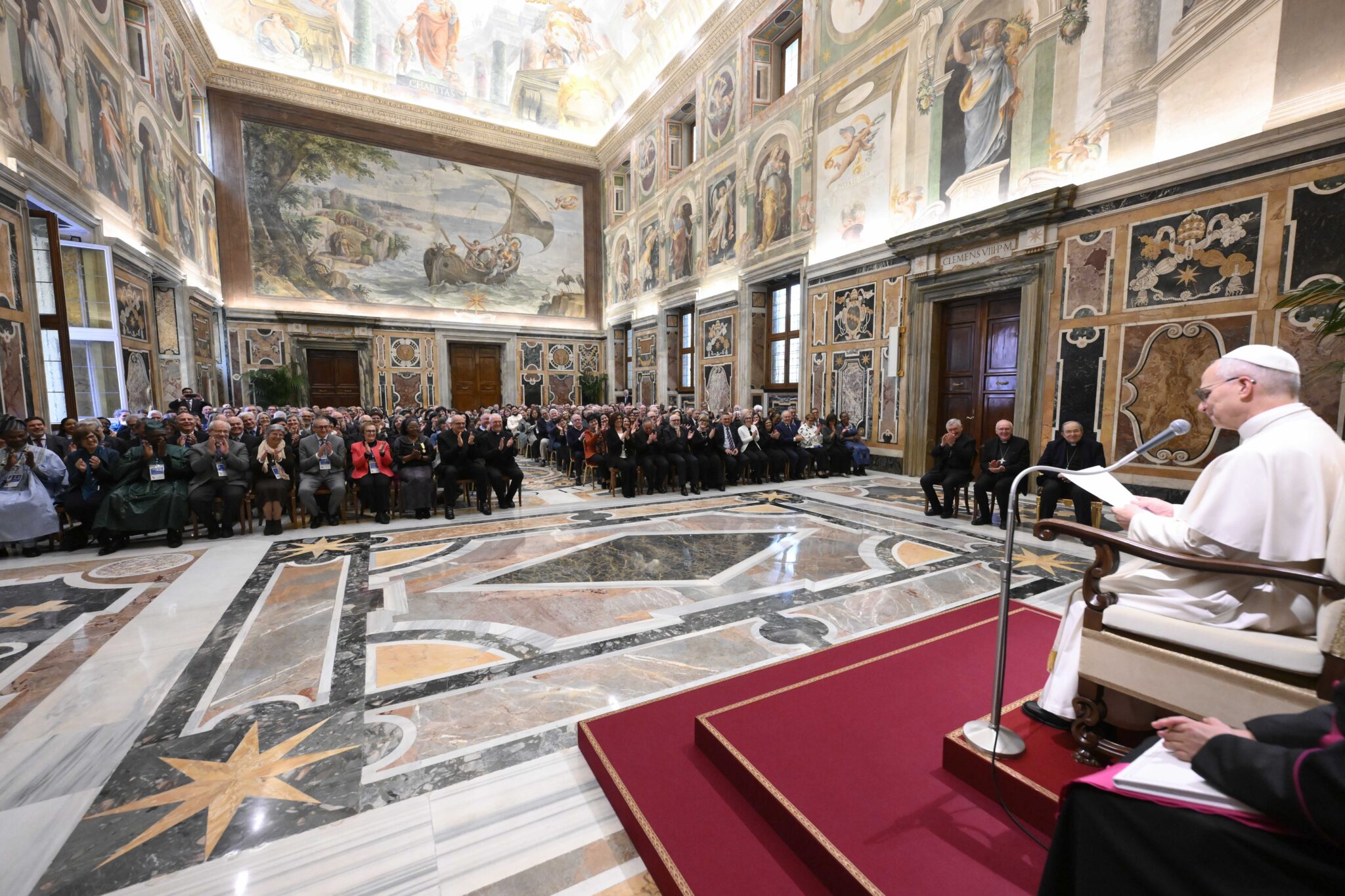
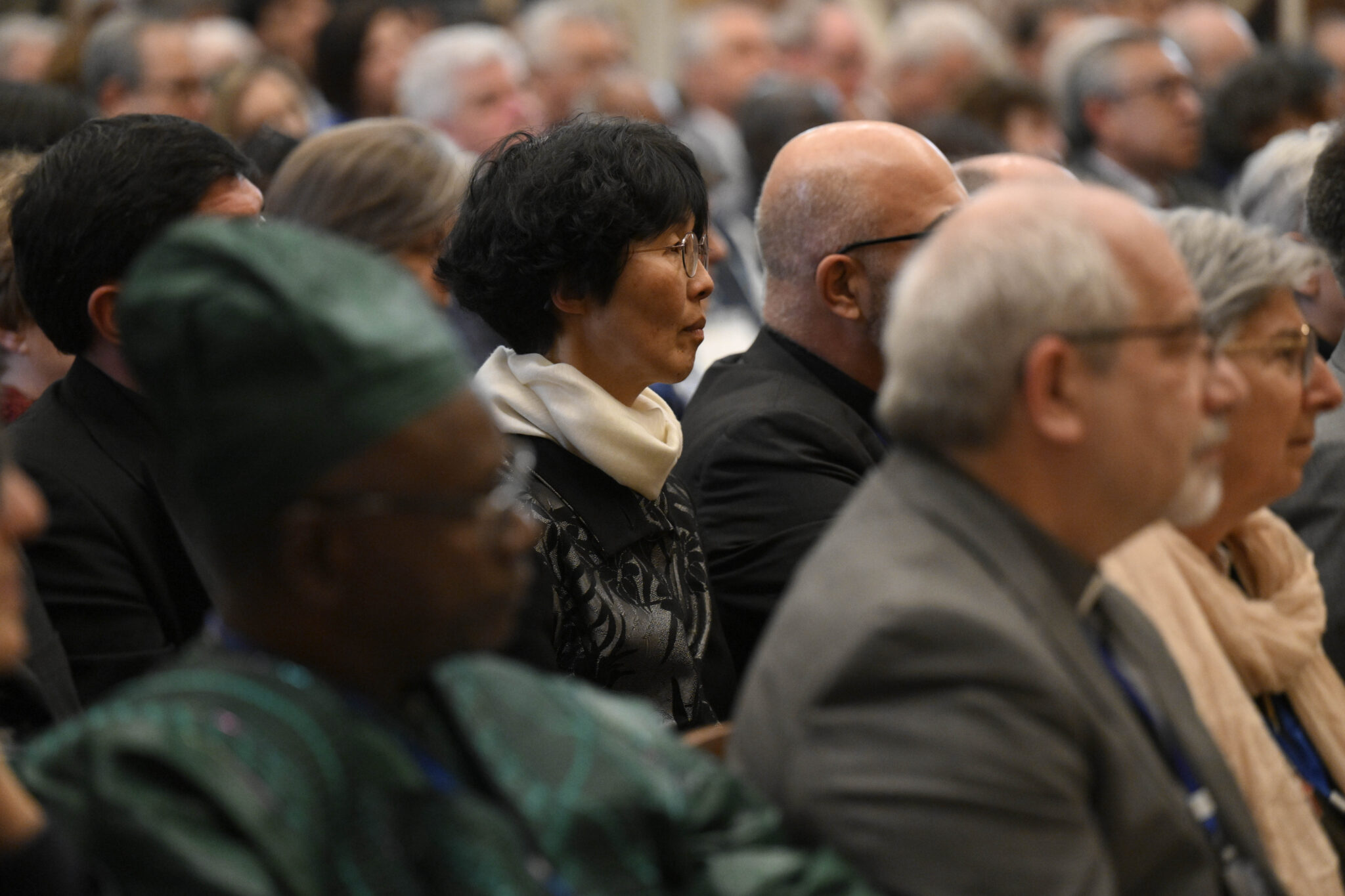
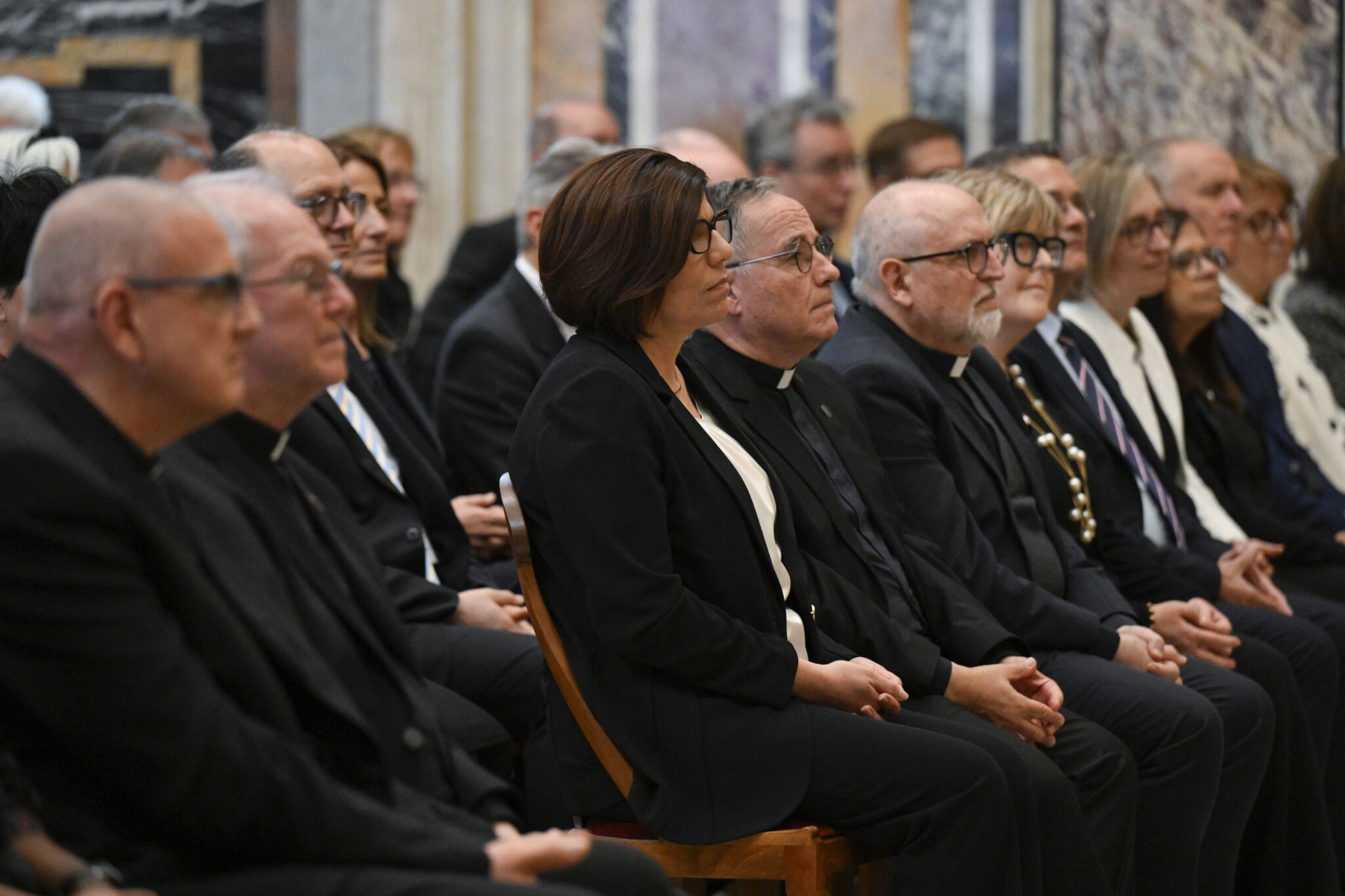
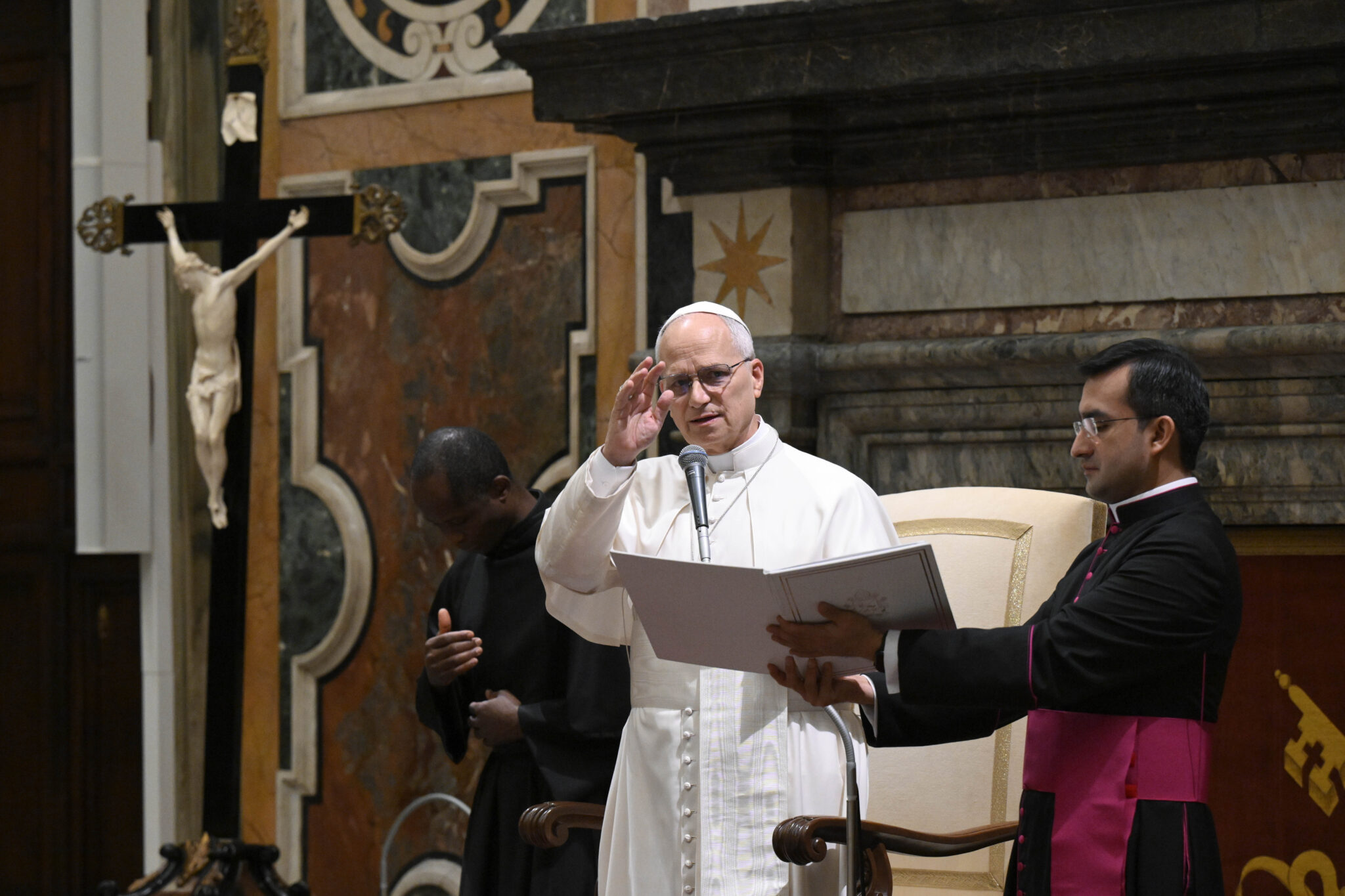
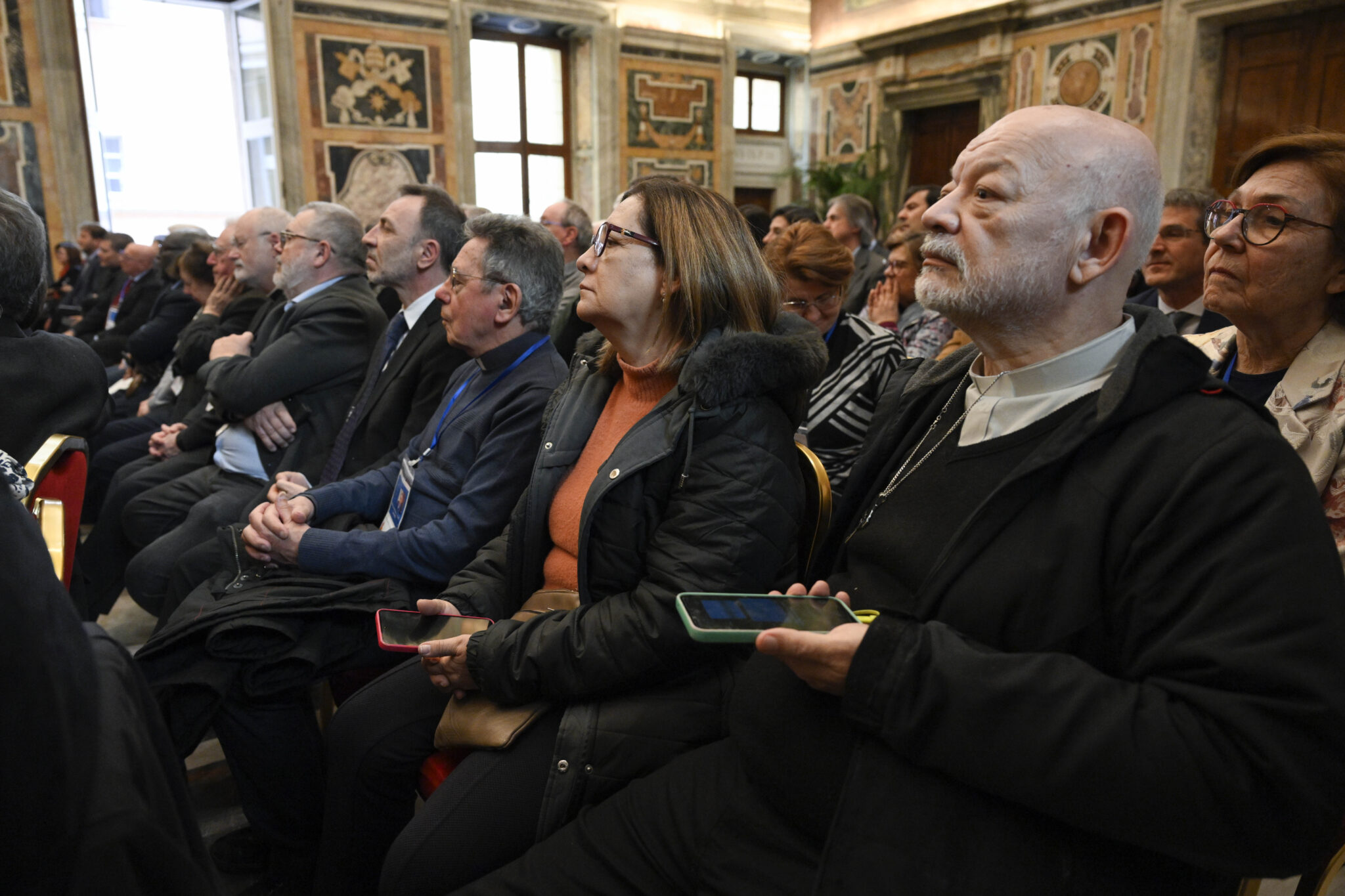
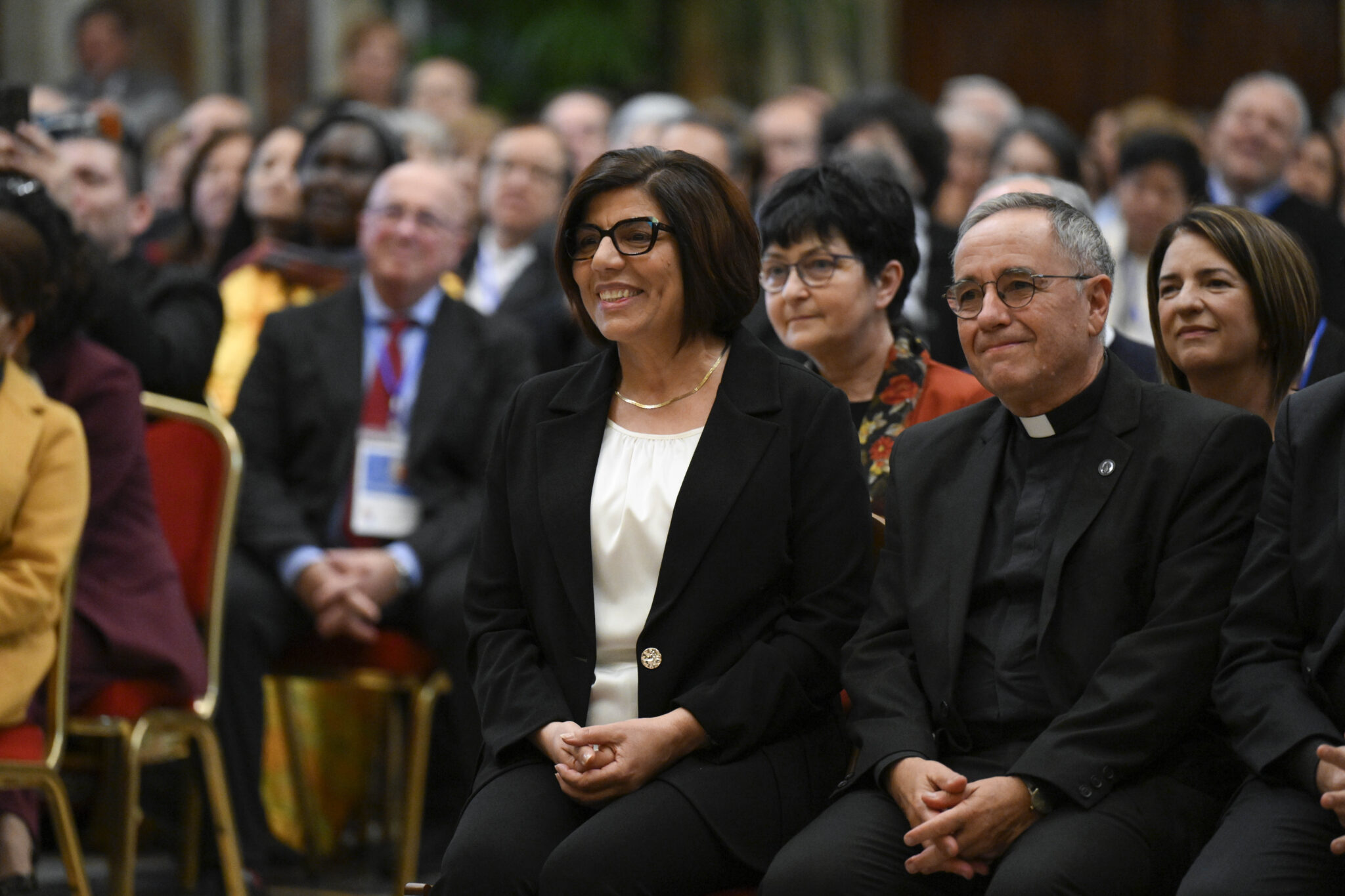
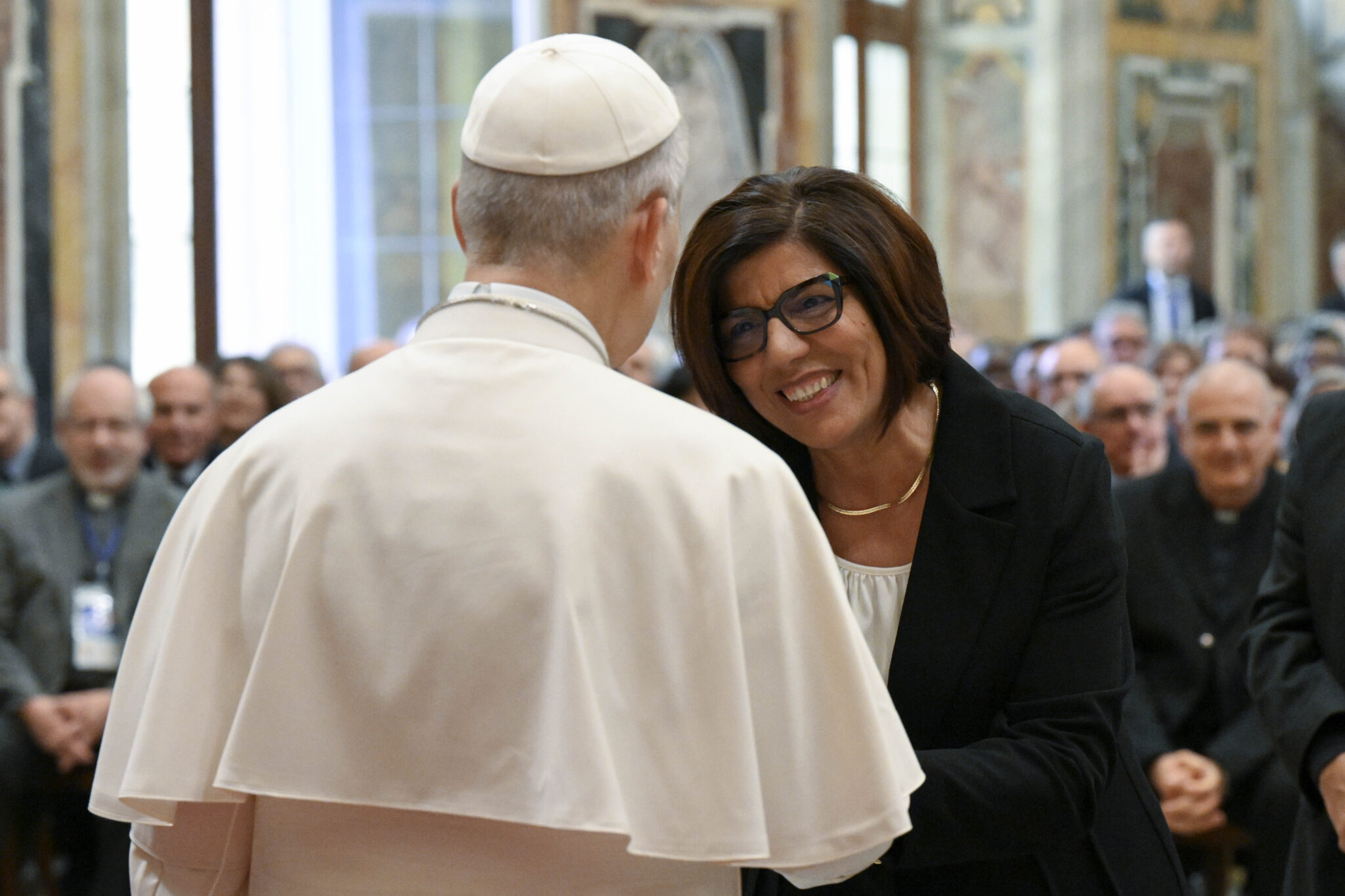
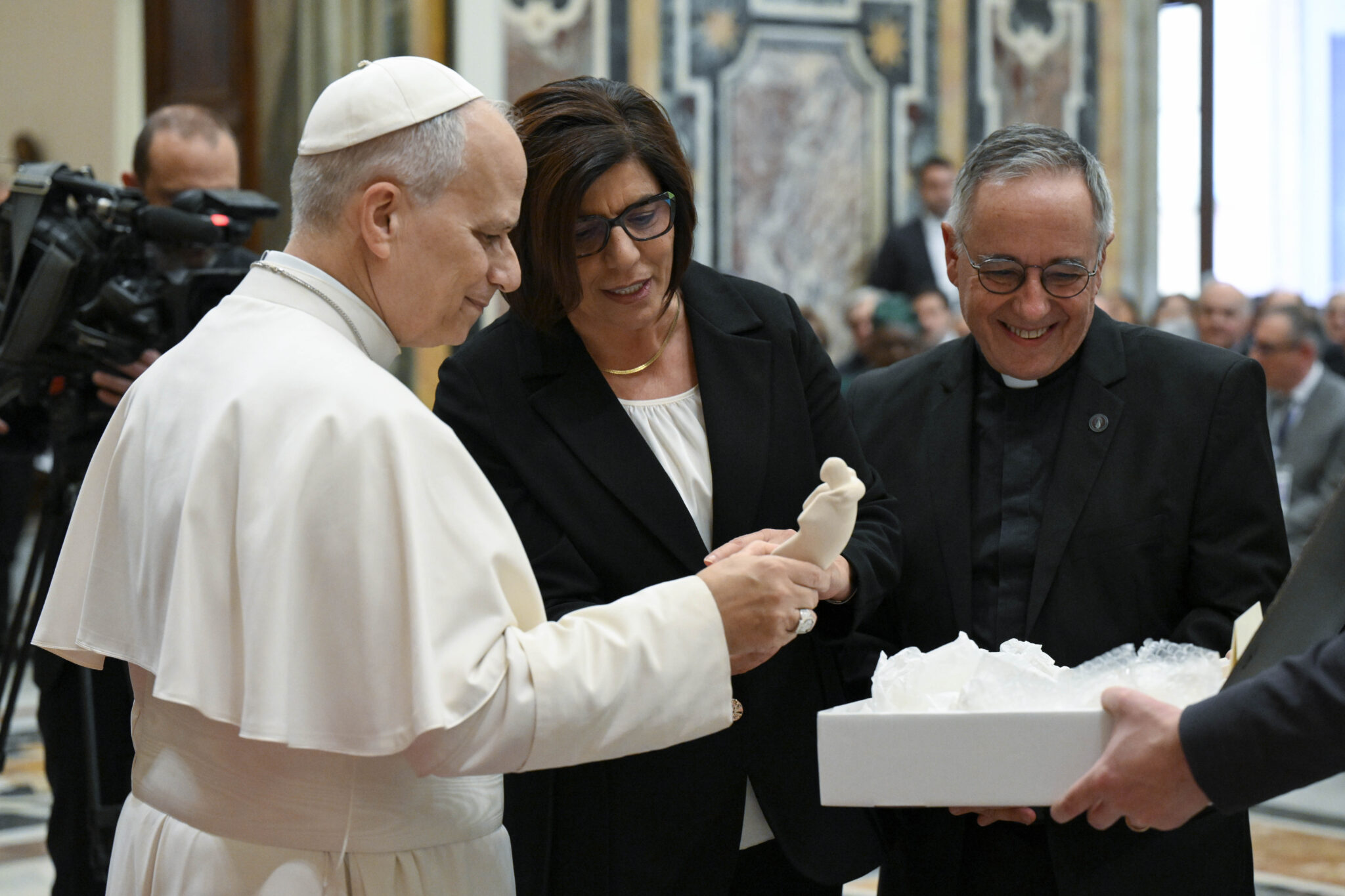
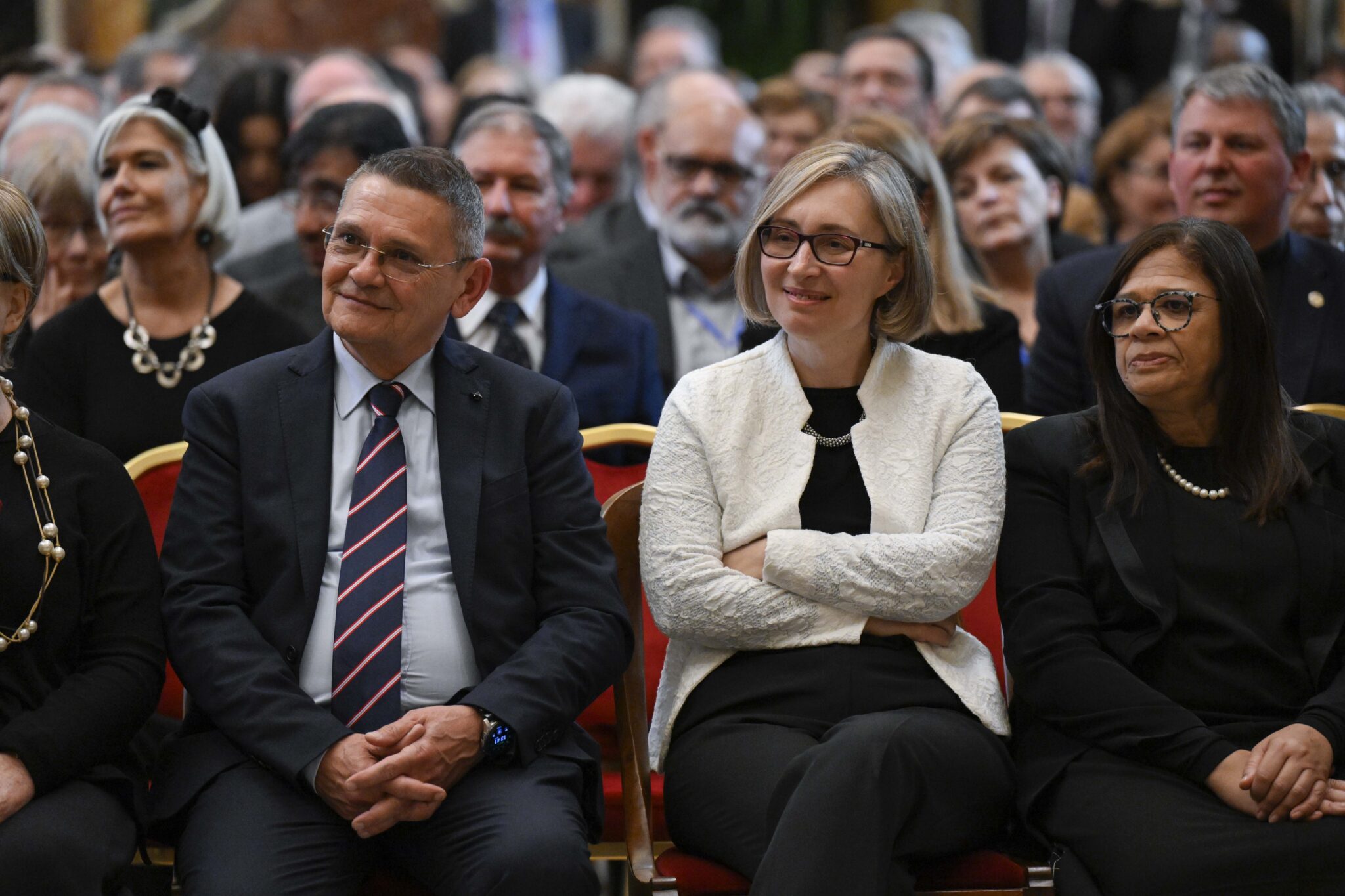
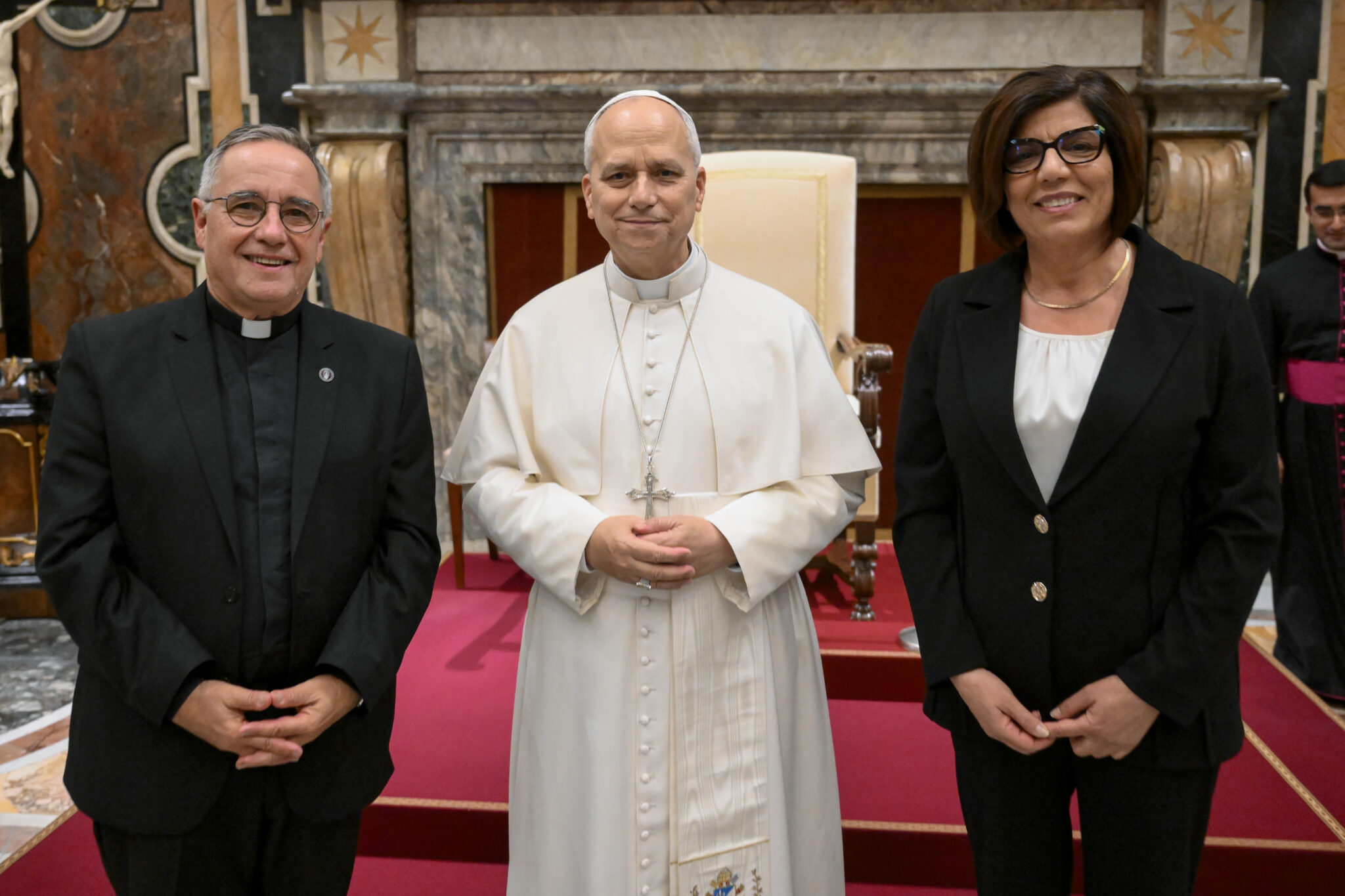
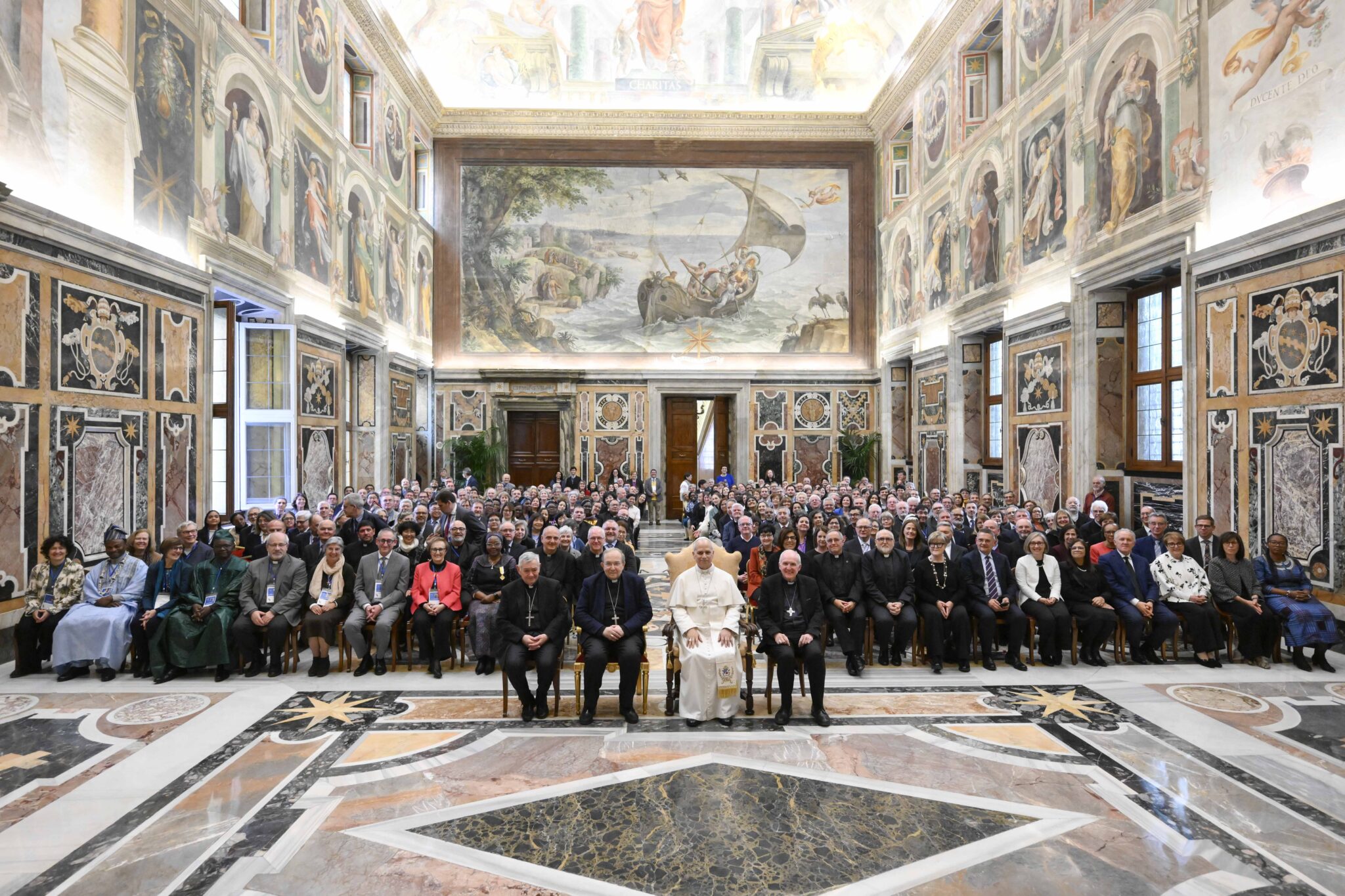
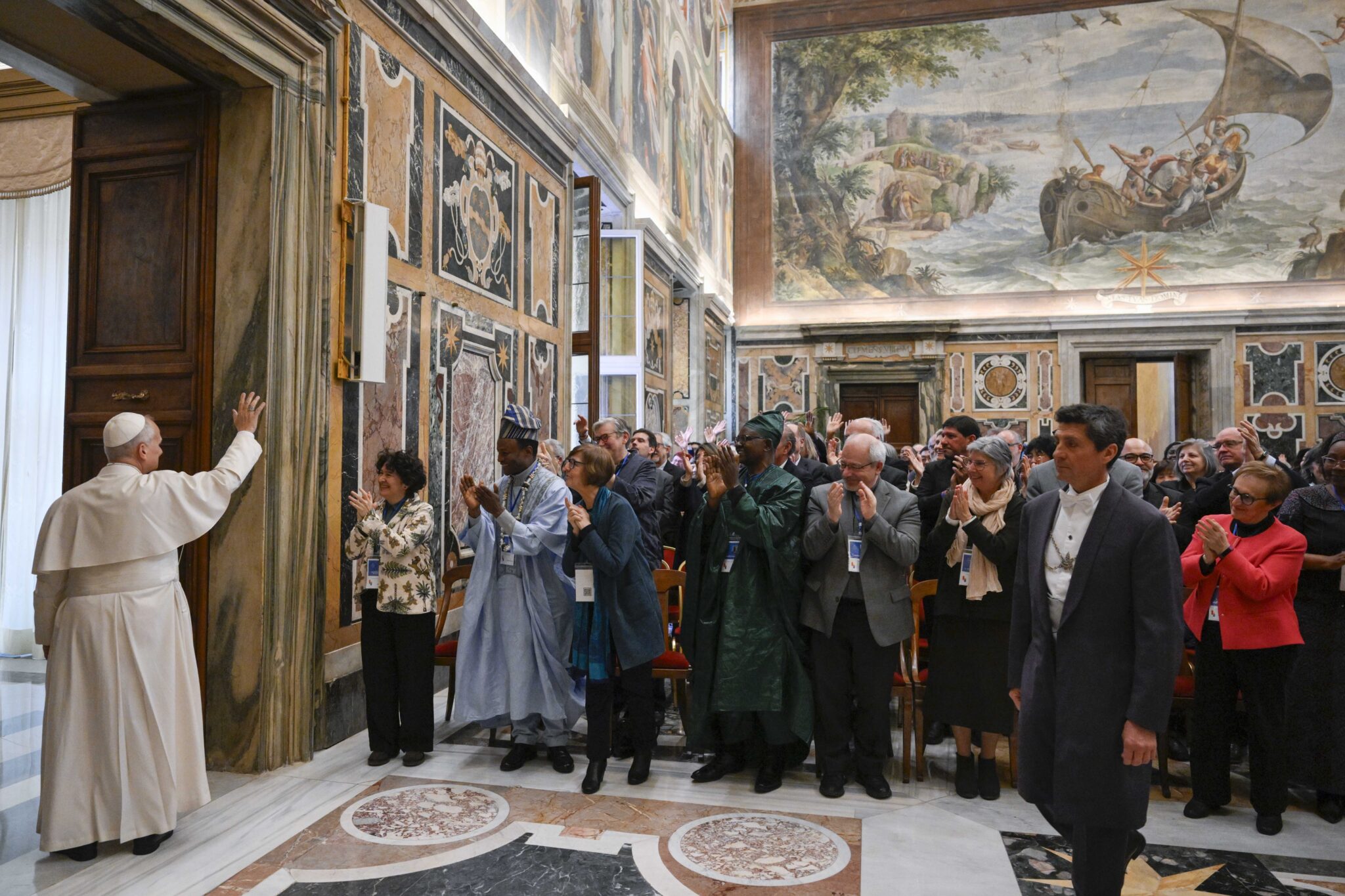
Photo: © Vatican Media
0 Comments