
Natives and migrants live side by side in this vast territory characterised by its cold and dry climate. This is Patagonia, in the extreme south of Argentina, where there are various communities of the Movement and where there has been a focolare centre since 2010. 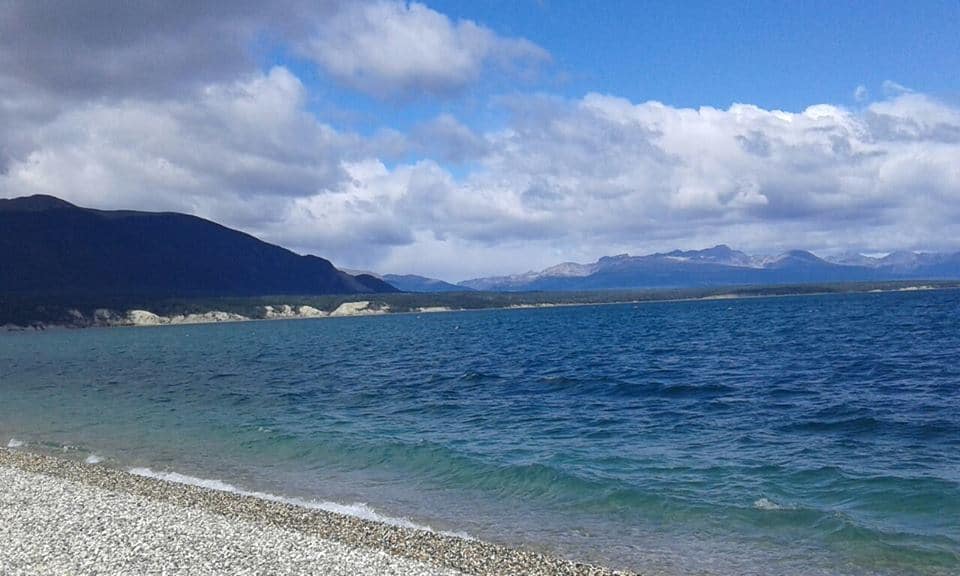 It’s an enchanting landscape with rivers, lakes, the sea, mountains and glaciers. It’s populated by many species of animals: whales, penguins, mara (or hares) of Patagonia, guanaco (similar to llamas and common in South America) and Darwin’s rhea, a large flightless bird endemic to this region and known locally as the “choique”. In this scenario with its cold and dry climate, the southernmost focolare centre in the world opened in the city of Trelew in 2010. The territory of Trelew, inhabited by the native Mapuche-tehuelche peoples, was named after the arrival of Welsh immigrants in 1865. The city is almost a natural “gateway” to the vast territory of Patagonia (1,768,165 km²), which was already home to lively groups of members of the Movement.
 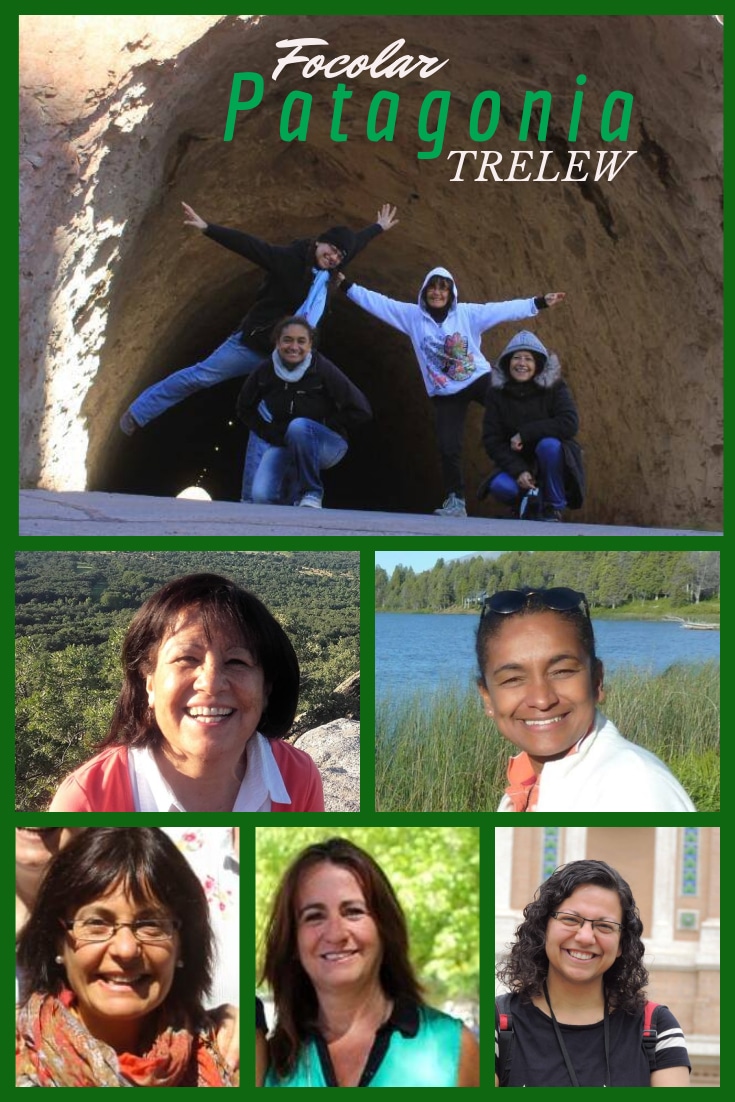 Today the focolare accompanies the communities of Neuquen, Rio Negro, Chubut, Santa Cruz and Tierra del Fuego. There are five focolarinas in the focolare – Angela Correia of Brazil, Emma Murillo of Mexico and three from Argentina: Silvia Deramo, Mónica Reina and Maria Ángel. “I am very happy to be here where Don Bosco sent Salesian missionaries, after he saw a land that he recognized as Patagonia a dream,” explains Mónica. Emma introduces herself: “For me to meet the Focolare Movement was to experience the immense love of God. The more I knew God, the more I wanted to love him, to follow Him to bring Love to the ends of the earth. And in fact … that’s where I am – right at the end of the world!! How do we live here? We try to put evangelical love into practice: at work, on the street, in the parish and in the communities of the Movement scattered throughout Patagonia.” Angela, a professor of Portuguese language at the state university, continues. “ I have experienced that trying to convey the values in which I believe, not through words, but through the way I live, has created relationships of friendship and trust with colleagues and students. I have seen many individualistic attitudes change.” Assisting the local Church in pastoral activities, engaging in the dialogue between the Churches and with people of other convictions, as well as assisting in activities to support needy families are among the activities of the Movement in this culturally rich environment and very varied society. The population is made up of people from different countries and cultures. Many move from neighbouring regions and countries in search of work and a better future. This enriches the population, but it is also a challenge, because many of these people stay only for a period of their lives, and then they return to their places of origin.
Learn from everyone
Learn from everyone
0 Comments