25 Apr 2018 | Focolare Worldwide
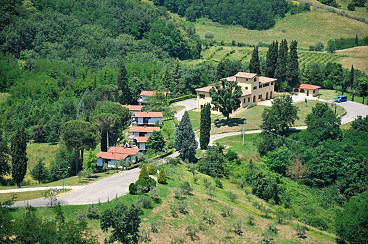
I was born in Trentino, a region of northern Italy, 67 years ago. During my adolescence, my only interests were music and art. Because of the constant arguments with my parents, I soon left school and home. A guitar, long hair, my band: this became my world. With some friends we formed a commune where we lived, playing and dreaming together. It was a place of passage, where hashish circulated. I met Anna there when I was twenty years old, and in the joy and recklessness of youth she became my partner. She occasionally used heavy drugs as well. To help her quit, I made a gesture which I later regretted bitterly: I tried them too. It was the beginning of a downwards slope that day after day led us into a bottomless pit, and the humiliation of having to find increasingly strong doses. There followed years of fear, and the alternation of euphoria, withdrawal symptoms, hospital admissions and continuous relapses. And then prison. After serving my time, we decided to leave for India to learn how to play the Tabla, a typical percussion instrument. India fascinated us, to the point of making us forget the West and its materialism, and we were able to stay away from drugs. When we returned, the impact was very hard. Italy at that time was paralyzed by political terrorism. Bewildered, we found comfort again in the arms of heroin, which helped us not to think. In an even more ruthless way, we were sucked once more into the vortex of drug addiction. Years of physical and moral decline followed. Until we reached a dramatic crossroad: madness or death. I returned to India to detoxify myself. But I went alone, so that we would not condition one another and fall back again. When I returned to Italy, I accepted, reluctantly, to stay with an uncle in Tuscany. It was the turning point. Strangely, I felt accepted and respected by him like one of the family. What animated the life of his family was the idea that God is Love, that he loves everyone personally and without conditions. This idea began to fascinate me too. On 1 May 1982, I went to Loppiano with my cousins for a meeting of young people from all over the world. Ever more convinced of wanting to make this life my own, I tried to remain in close contact with the inhabitants of the little town, who, as I discovered, had adopted the Gospel as the basis of their lives. I wanted to tell Anna about what had happened to me, and I went to Trentino to see her. Her reaction was understandably harsh, she felt betrayed. After a few months, she wrote me a letter. She was in prison, and she wanted to see me. I thanked God: from the bottom the only place to go is upwards. “Use me as an instrument for her redemption!”, I prayed. Every week I went to see her and talk to her. After she had served her time, after a year and a half, we began a new life together, constantly helped by our new family, the Focolare. The desire grew in us to get married in church. Life became calmer and more secure, and was enriched by the arrival of two daughters. Anna qualified as a nurse. But after some time, she lost her head for a colleague at work. She asked me for a separation. After struggling in vain to avoid the breakup, I found an apartment and went to live alone. Then came the first signs of an increasingly serious liver disease, which eventually required a transplant. The doctors said that I had only a few weeks to live and admitted me immediately. The time spent in hospital was precious, as I tried to prepare my soul, fixing it in God alone, with daily acts of love for the other patients, especially the loneliest ones. A compatible liver was found and the transplant was carried out. The outcome was above expectations, and after some time I was discharged. Two years ago I received a phone call: Anna was asking me to look after our daughters, because she was to be hospitalized. I rushed to her side. The diagnosis of a terminal condition had unexpectedly brought the family together. We forgave each other, grateful to be able to make this last stretch of her journey together. In her final moments, while I slowly whispered “Hail Mary” in her ear, she occasionally accompanied my prayer with a sigh. We had never prayed together before. During the final words of the “Haily holy queen” … “and after this our exile show us…Jesus” .., Anna flew to Heaven. (S. B. – Italia)
24 Apr 2018 | Non categorizzato
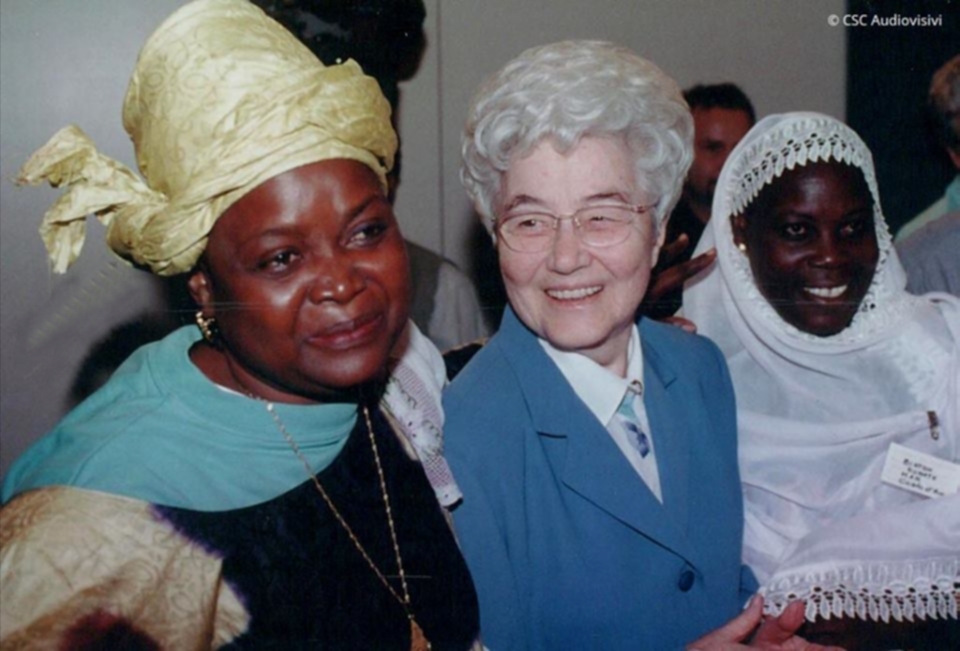
Photo: © CSC Audiovisivi
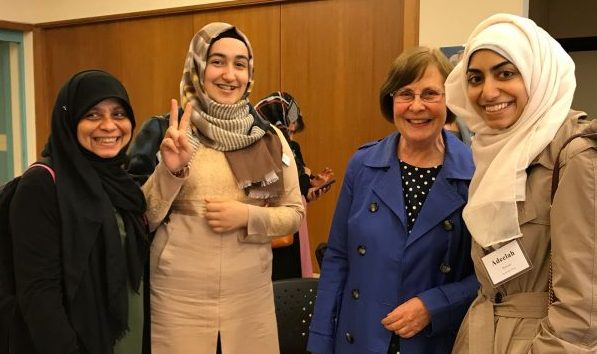
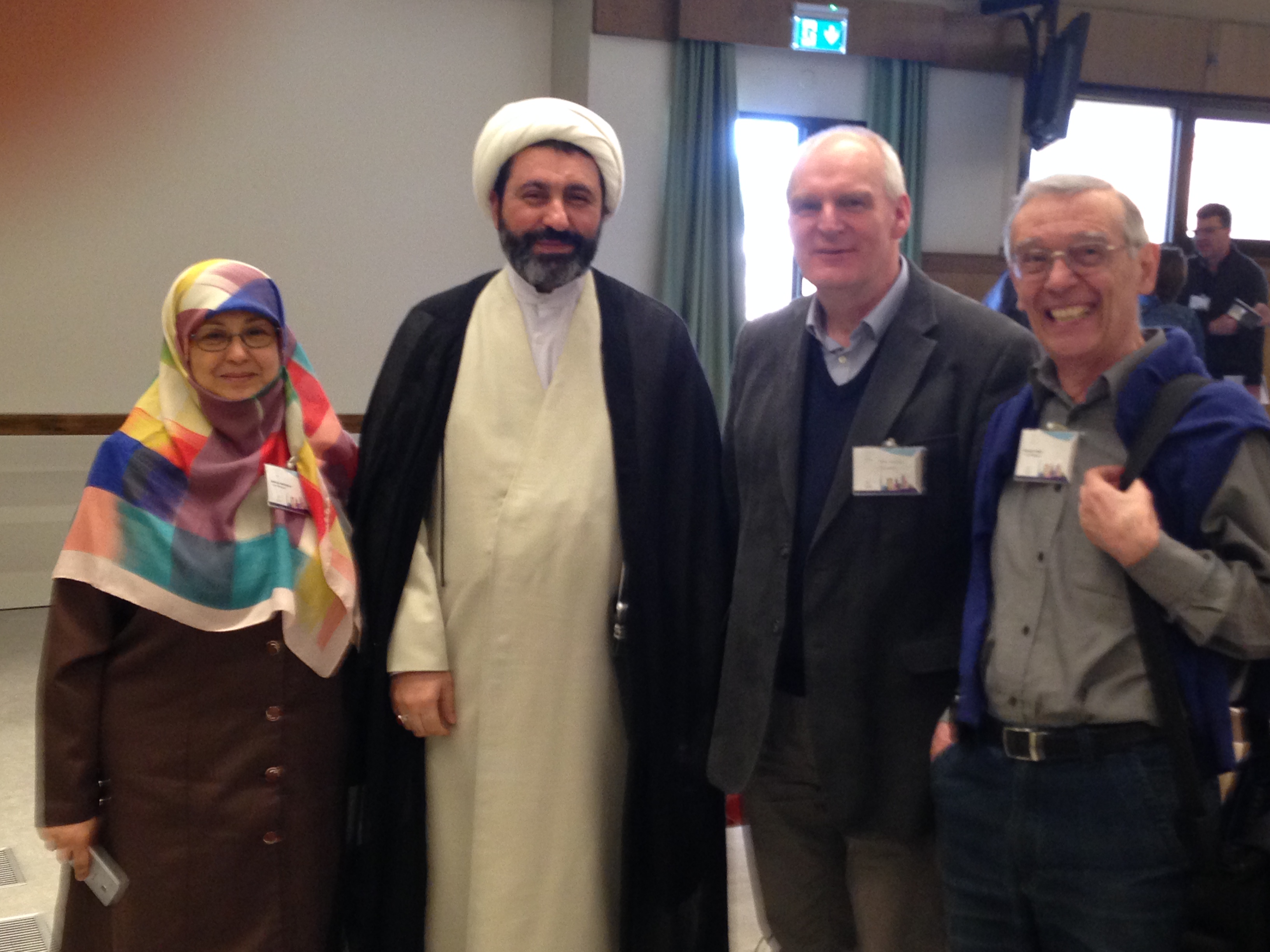 The Imam of Florence, Elizir Izzeddin, President of the Union of Islamic Communities in Italy, with whose members the Focolare Movement has shared a long, deep and fruitful collaboration, also spoke. “We’re all brothers and sisters. It’s not our goal to start a single religion, but to build bridges. With our dialogue we can encounter that hope that goes beyond the fears that have been generated by international terrorism. We work together to move beyond our fears.” Among the testimonies given, was that of the Austrian Focolare community with Syrian refugees. Hedy Lipburger recounted: “Hundreds of refugees arrived in Lower Austria in 2015. They couldn’t be ignored, so we went to help them.” Syrian refugee, Mohammad Kamel Alshhada, went on to say: “I had to leave my country, there was no other choice because, otherwise, I would have had to follow ISIS in teaching their ideas, because I’m a teacher. During the first three months in Austrian refugee camps I was depressed and without hope, we couldn’t talk with local people. Then, for the first time, several people from the Focolare spoke to us and took an interest in us. We felt accepted and appreciated, as if someone had taken our hand and helped us, step after step, to begin a new life.” In the end came the testimony of strong unity between Mohammad Shomali, Director of the Islamic Centre of England, and Piero Coda, president of University Institute Sophia of Loppiano, who began “Wings of Unity”, a series of seminars for young Christians an Muslims that delve into the two faiths and into processes of dialogue and peace. Shomali affirmed: “if we sincerely ask God to guide us so that we can understand one another better, God will guide us. We have to ask God to talk to us together. In 2016, Piero Coda embraced this idea of mine at Loppiano and said we should come up with a name for this project which was clearly from God. Thus the name “Wings of Unity” popped up. Piero Coda continued: “I sensed that that God had a clear project in this. So I proposed a pact to Shomali: “Do we want to ask God to take our heart in his own hands, our mind? He welcomed the idea with joy.”
24 Apr 2018 | Focolare Worldwide
103 years ago, this huge tragedy was the first on the deplorable list of disasters that occurred in the 20th century: the Armenian genocide. Recalling it, in 2016, Pope Francis made an appeal: “Having seen the pernicious effects to which hatred, prejudice and desire for dominion led in the last century, I express my lively hope that humanity will learn from those tragic experiences the need to act with responsibility and wisdom to avoid the danger of a return to such horrors. May all join in striving to ensure that whenever conflicts emerge between nations, dialogue, the enduring and authentic quest of peace, cooperation between states and the constant commitment of international organizations will always prevail, with the aim of creating a climate of trust favourable for the achievement of lasting agreements that look to the future”.
23 Apr 2018 | Non categorizzato
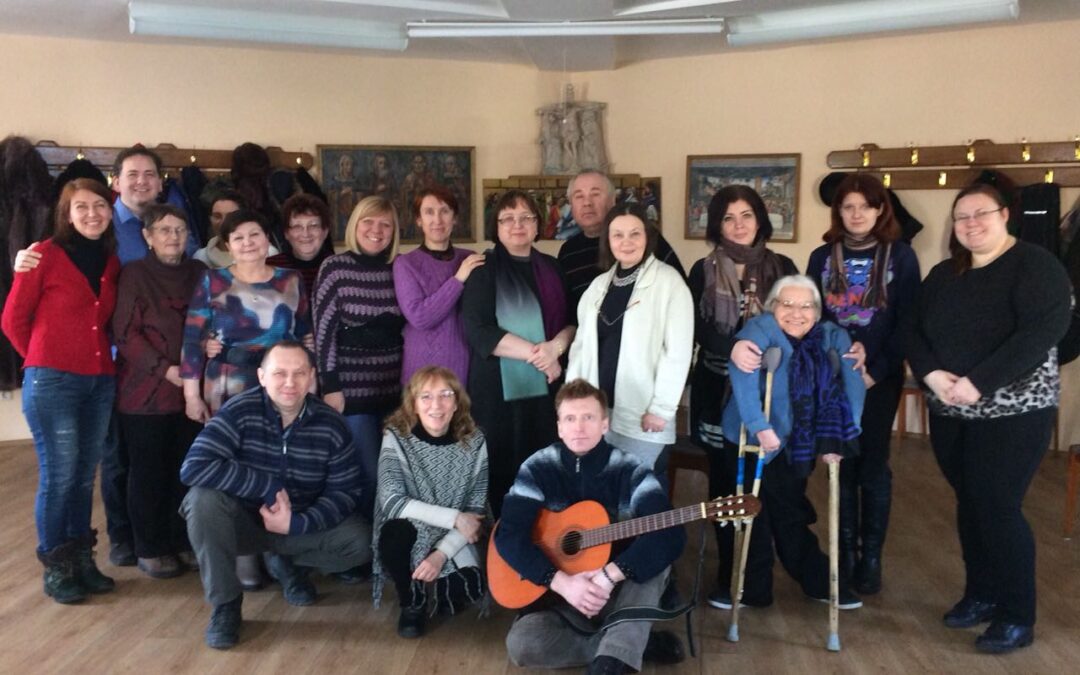
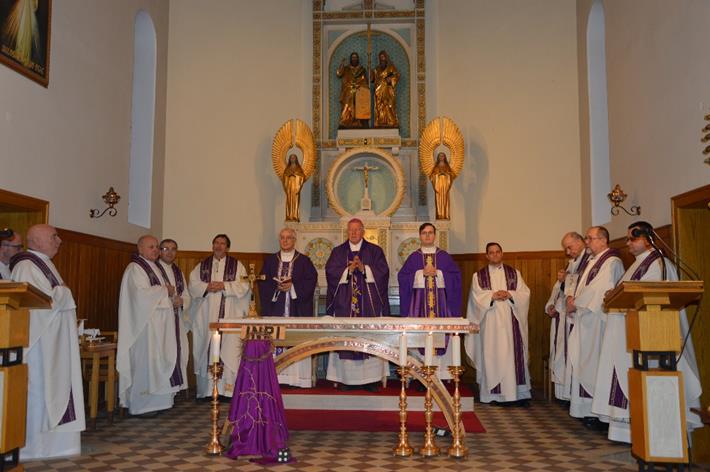 “Ten years after her death, we’re here to remember a great woman», announced the Archbishop of Belgrade, Serbia, Most Rev Stanislav Hočevar while celebrating an anniversary Mass on 14th March. He continued, “At a time when darkness overshadowed the world, a new Light illuminated Chiara’s heart. Even as sin, hatred and evil were creating divisions, Love came close, connecting and unifying, to restore and rebuild. Today, as in those times, surrounded as we are by the chaos of social, cultural and historic conflicts, we too are called to enkindle a new light of understanding, unity and cooperation.” Connecting, coming close, uniting, rebuilding’: these words convey something of the global celebration which began in March and is still ongoing; each event an occasion to recall and relaunch the spiritual legacy of the Focolare founder, Chiara Lubich. «If I was to leave this earth today and you were to ask for my last words, the last word on our Ideal, I would say, sure that you would understand exactly what I mean: Be a family.” Chiara said this back in December 1973, but her words, her legacy, touch hearts today as powerfully as ever, as seen in the news arriving from all over the world of encounters and actions inspired by this anniversary.
 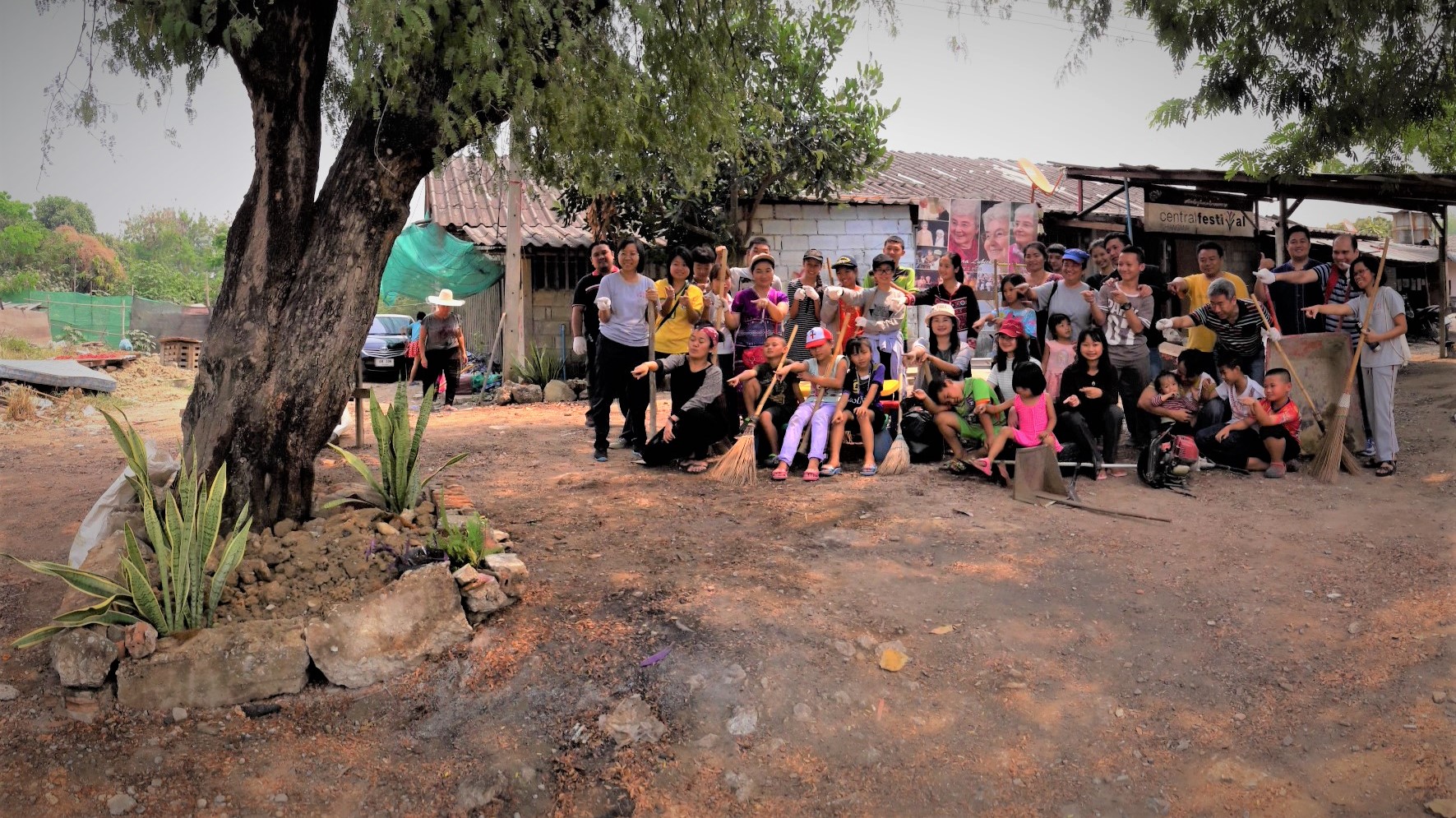 First to the mountainous region of Northern Thailand with its hundreds of elaborately-decorated Buddhist temples, to the city of Chiang Mai. Sixty members of the Focolare community, from five different ethnic groups (Thai, Karen, Akha, Lahu, Kachin), together with others from the Philippines, gathered together to mark the anniversary by offering practical assistance to a rural community in need, the Kachin tribe. As the Focolare members explained, “After celebrating Mass, we set off from the city, adults and children alike, on the 7km journey to a rural village where our friends of the Kachin tribe live in very simple and at times difficult conditions. At their request, we cleared a patch of land and prepared it as a playground for the children. When we had finished transforming that space, we realised that the biggest transformation had actually happened within our hearts and in the relationship among us, as we worked together under the burning sun. In that small place, we experienced the presence of God. We saw how we can work with Him to change the world, one village at a time.”
 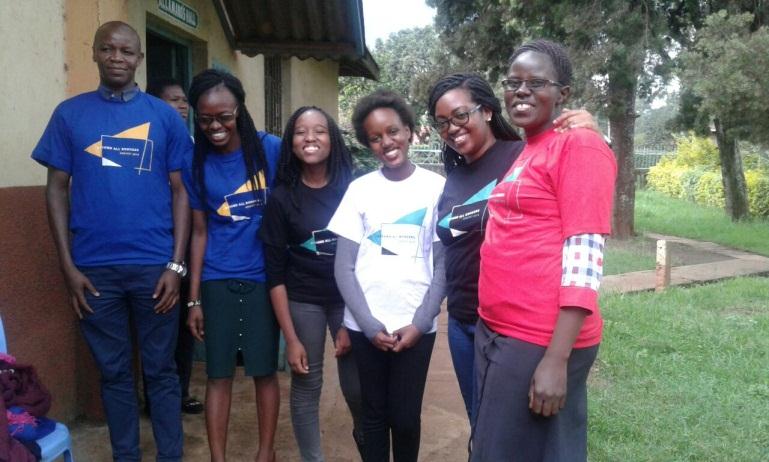 In six regions of Kenya, each in their own way subject to socio-political tensions and at times openly violent conflicts, the local Focolare communities held a series of day meetings proposing a message of unity, more needed than ever to tackle the challenges and difficulties of this multi-ethnic multi-faith nation. Venues included Garissa, eastern Kenya, where tension remains high between Christians and Muslims, Amukura and Seme in the west, Mombassa on the coast, as well as Karatina in the central region and Meru in the North East. “Chiara continues to guide us to this very day,” was the general reaction.
 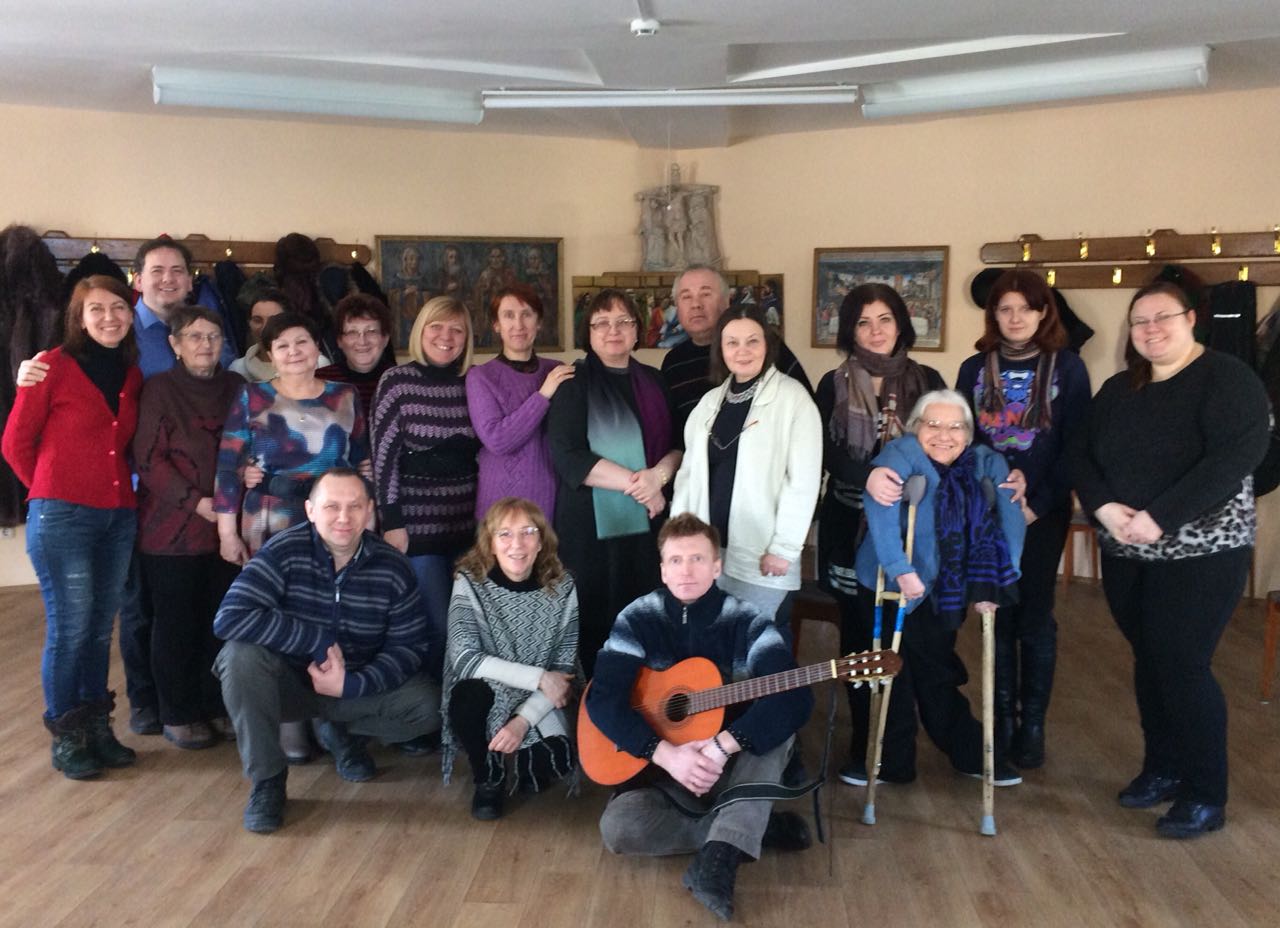 The presence and participation of religious leaders and Church representatives in numerous events was appreciated around the world. In Warsaw, Poland, the head of the Methodist Church sent a warmly-received message, and the Papal Nuncio conveyed greetings from Pope Francis. In Russia, a gathering in Moscow recalled with renewed joy the pioneering era of the 1970s when the first Focolarini arrived in the then Soviet Union. Nearly 2,000km away on the eastern slopes of the Ural Mountains, a Focolare community met in Chelyabinsk. While 4,000km from Moscow, in Central Siberia, a 3-day “Mariapolis” at Krasnojarsk also reflected Chiara’s call to be “a family”. Chiara Lubich’s “legacy” rang out loud and clear in Dublin, Ireland, the city preparing to host the forthcoming World Meeting of Families in August. Particularly moving were testimonies of care and support between the generations inspired by Chiara’s life and words. In Stockholm, Sweden, a group of young people prepared an abundant supper for the whole Focolare community. Over the meal, the conversation revealed the lasting effects of the spirituality of unity in each person’s life. Yet another characteristically “family” celebration. Chiara Favotti
![Nomadelfia and the law of fraternity]()
23 Apr 2018 | Focolare Worldwide
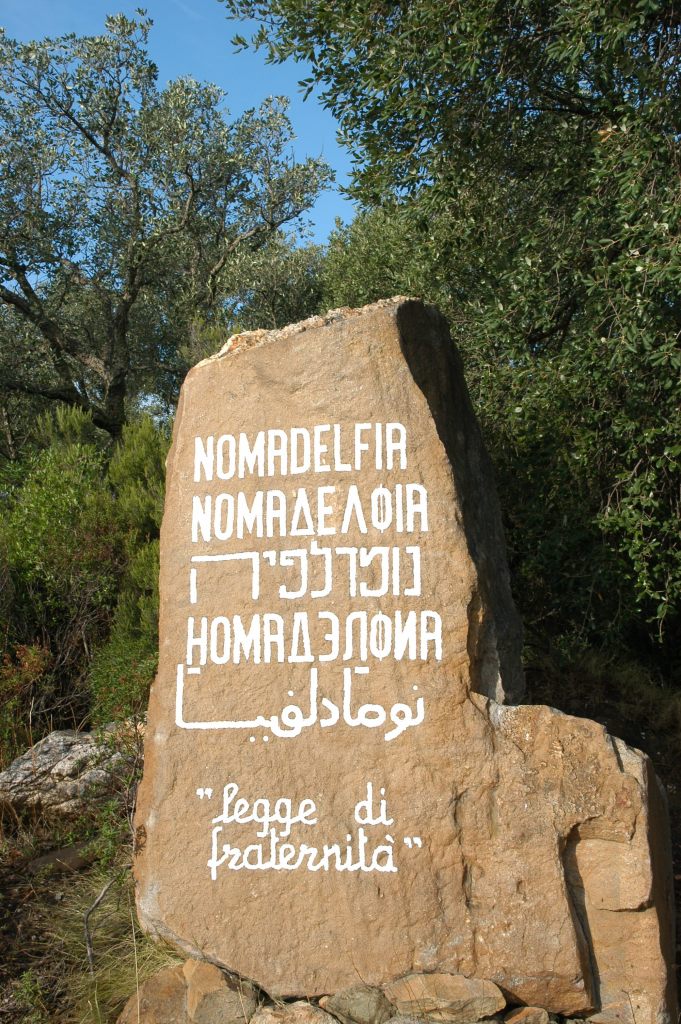
Copyright © 2018 Nomadelfia
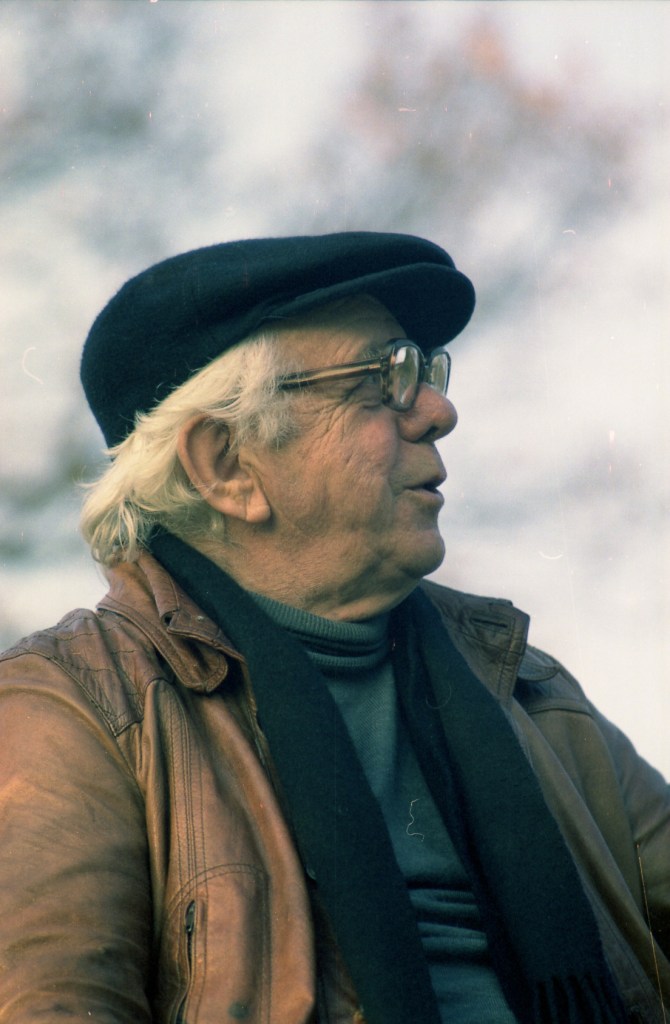
Fr. Zeno Saltini. Foto © 2018 Nomadelfia

22 April 2018: Official visit to the international centre of the Focolare Movement in Rocca di Papa (Rome). ©CSC Audiovisivi
