23 Apr 2018 | Non categorizzato
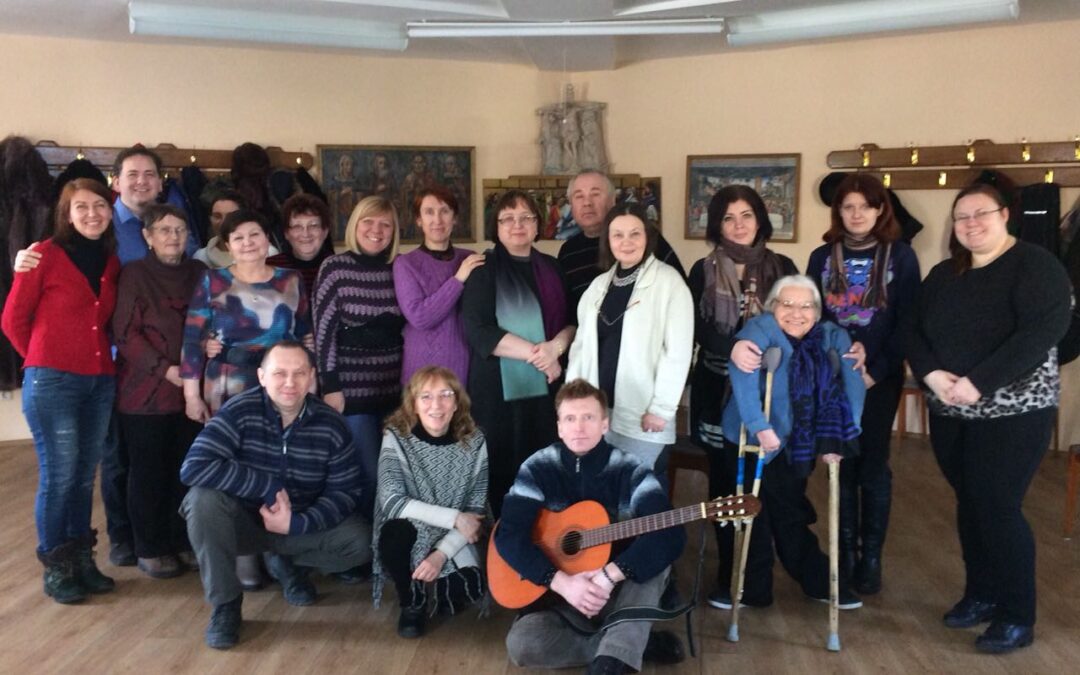
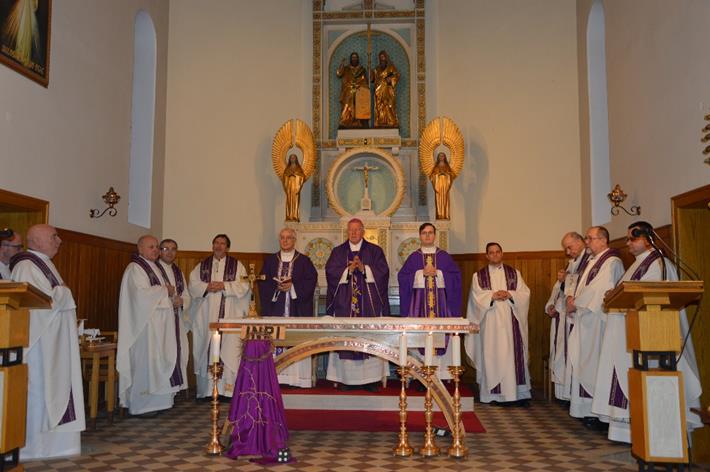 “Ten years after her death, we’re here to remember a great woman», announced the Archbishop of Belgrade, Serbia, Most Rev Stanislav Hočevar while celebrating an anniversary Mass on 14th March. He continued, “At a time when darkness overshadowed the world, a new Light illuminated Chiara’s heart. Even as sin, hatred and evil were creating divisions, Love came close, connecting and unifying, to restore and rebuild. Today, as in those times, surrounded as we are by the chaos of social, cultural and historic conflicts, we too are called to enkindle a new light of understanding, unity and cooperation.” Connecting, coming close, uniting, rebuilding’: these words convey something of the global celebration which began in March and is still ongoing; each event an occasion to recall and relaunch the spiritual legacy of the Focolare founder, Chiara Lubich. «If I was to leave this earth today and you were to ask for my last words, the last word on our Ideal, I would say, sure that you would understand exactly what I mean: Be a family.” Chiara said this back in December 1973, but her words, her legacy, touch hearts today as powerfully as ever, as seen in the news arriving from all over the world of encounters and actions inspired by this anniversary.
 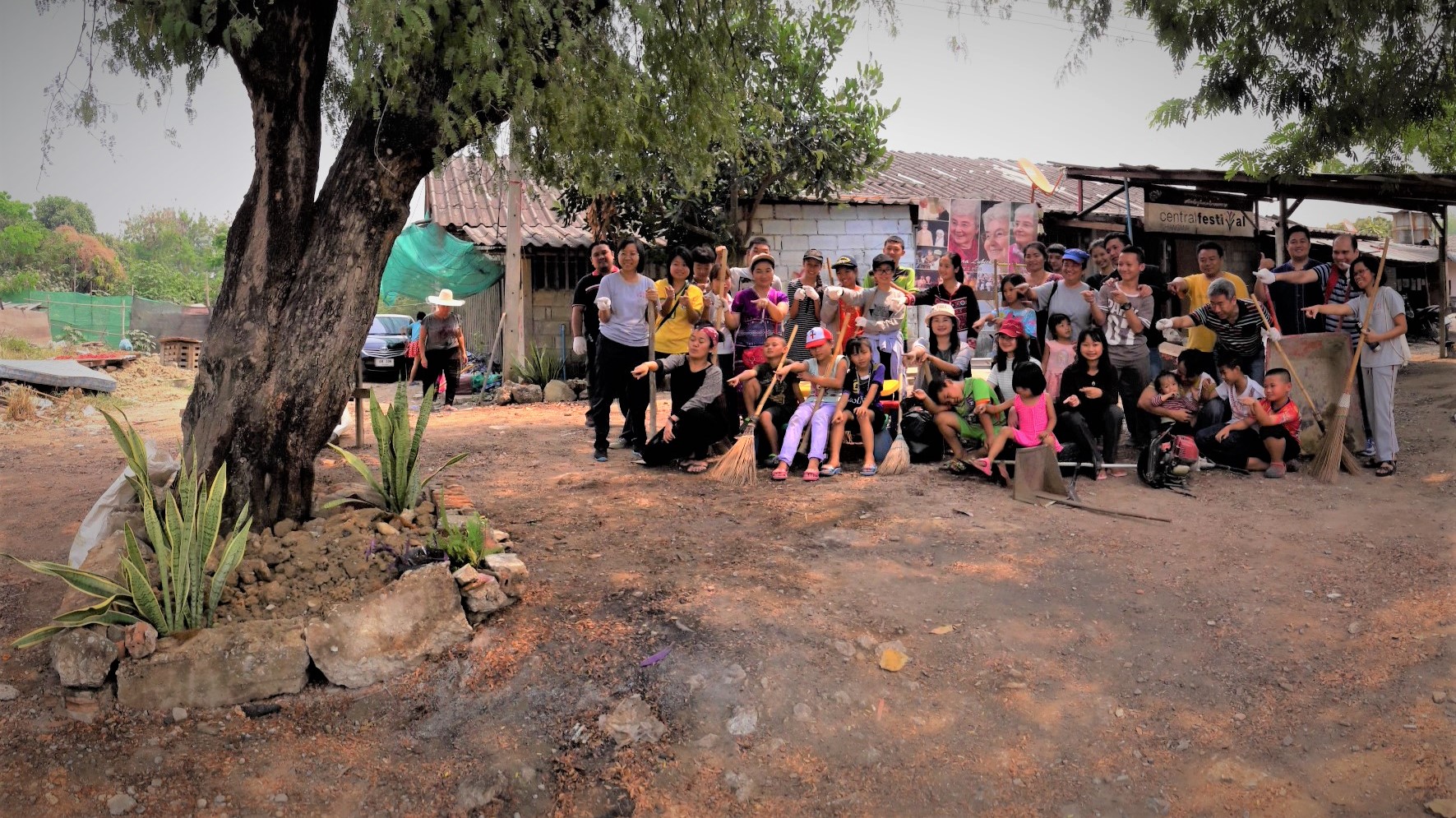 First to the mountainous region of Northern Thailand with its hundreds of elaborately-decorated Buddhist temples, to the city of Chiang Mai. Sixty members of the Focolare community, from five different ethnic groups (Thai, Karen, Akha, Lahu, Kachin), together with others from the Philippines, gathered together to mark the anniversary by offering practical assistance to a rural community in need, the Kachin tribe. As the Focolare members explained, “After celebrating Mass, we set off from the city, adults and children alike, on the 7km journey to a rural village where our friends of the Kachin tribe live in very simple and at times difficult conditions. At their request, we cleared a patch of land and prepared it as a playground for the children. When we had finished transforming that space, we realised that the biggest transformation had actually happened within our hearts and in the relationship among us, as we worked together under the burning sun. In that small place, we experienced the presence of God. We saw how we can work with Him to change the world, one village at a time.”
 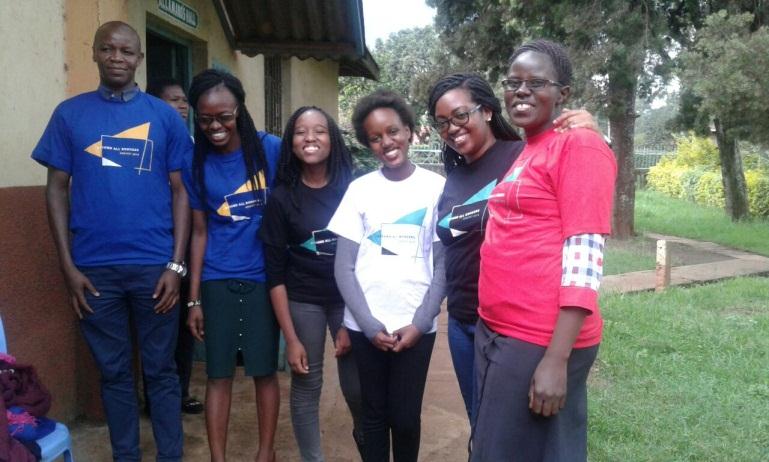 In six regions of Kenya, each in their own way subject to socio-political tensions and at times openly violent conflicts, the local Focolare communities held a series of day meetings proposing a message of unity, more needed than ever to tackle the challenges and difficulties of this multi-ethnic multi-faith nation. Venues included Garissa, eastern Kenya, where tension remains high between Christians and Muslims, Amukura and Seme in the west, Mombassa on the coast, as well as Karatina in the central region and Meru in the North East. “Chiara continues to guide us to this very day,” was the general reaction.
 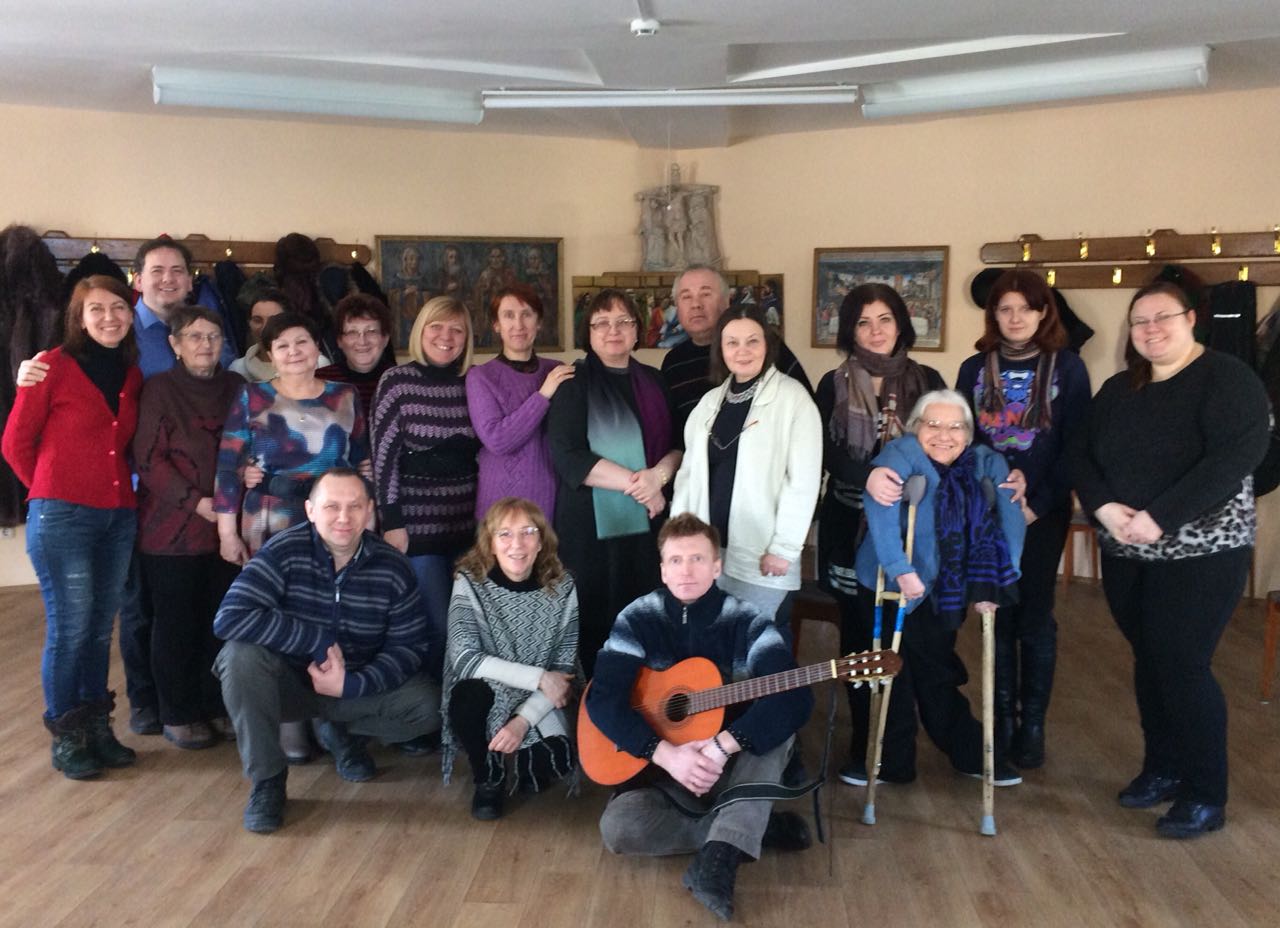 The presence and participation of religious leaders and Church representatives in numerous events was appreciated around the world. In Warsaw, Poland, the head of the Methodist Church sent a warmly-received message, and the Papal Nuncio conveyed greetings from Pope Francis. In Russia, a gathering in Moscow recalled with renewed joy the pioneering era of the 1970s when the first Focolarini arrived in the then Soviet Union. Nearly 2,000km away on the eastern slopes of the Ural Mountains, a Focolare community met in Chelyabinsk. While 4,000km from Moscow, in Central Siberia, a 3-day “Mariapolis” at Krasnojarsk also reflected Chiara’s call to be “a family”. Chiara Lubich’s “legacy” rang out loud and clear in Dublin, Ireland, the city preparing to host the forthcoming World Meeting of Families in August. Particularly moving were testimonies of care and support between the generations inspired by Chiara’s life and words. In Stockholm, Sweden, a group of young people prepared an abundant supper for the whole Focolare community. Over the meal, the conversation revealed the lasting effects of the spirituality of unity in each person’s life. Yet another characteristically “family” celebration. Chiara Favotti
![Nomadelfia and the law of fraternity]()
23 Apr 2018 | Focolare Worldwide
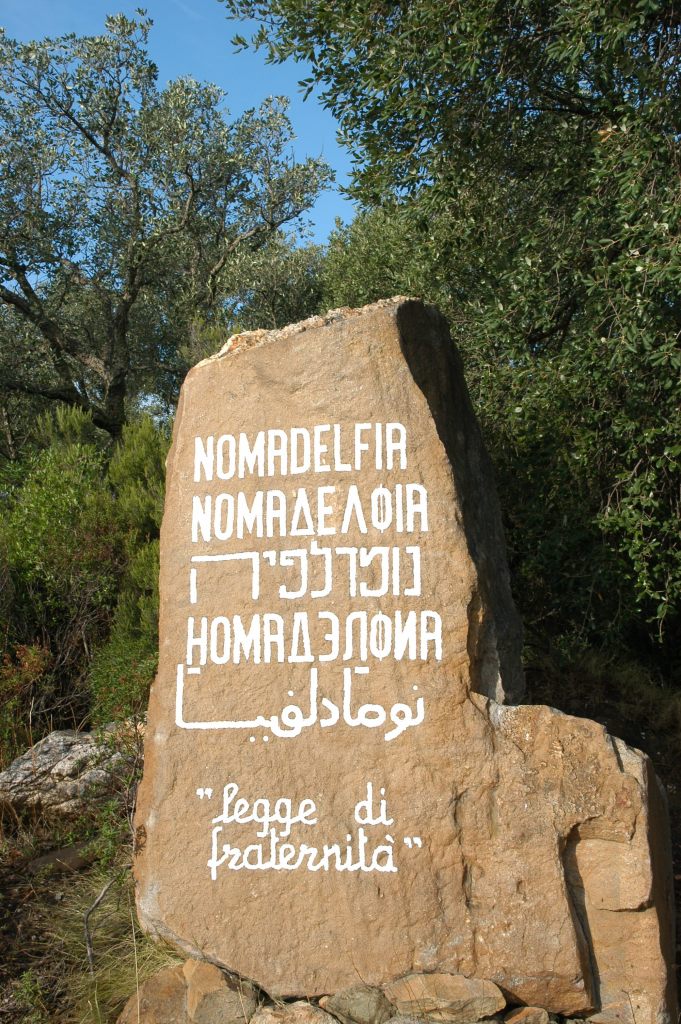
Copyright © 2018 Nomadelfia
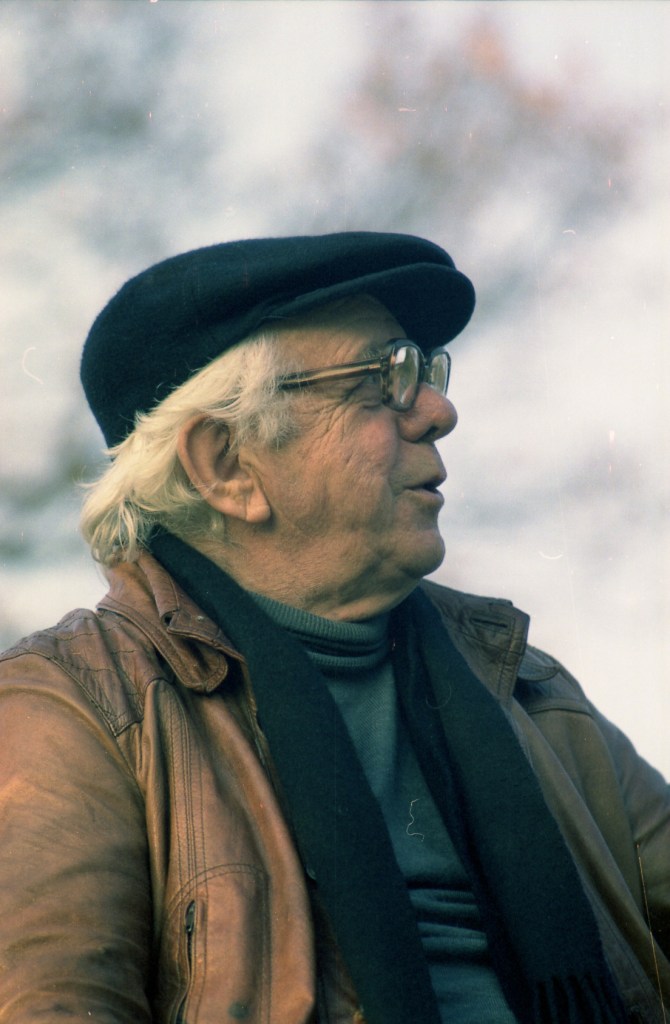
Fr. Zeno Saltini. Foto © 2018 Nomadelfia

22 April 2018: Official visit to the international centre of the Focolare Movement in Rocca di Papa (Rome). ©CSC Audiovisivi
21 Apr 2018 | Non categorizzato
Earth Day is celebrated yearly, the day after the spring equinox. It is the biggest environmental manifestation of the planet, promoted by the United Nations to encourage the protection of the Earth. The idea of creating an “Earth Day” was discussed for the first time in 1962, and finally took form in 1969, following the environmental disaster caused by the seepage of oil from a well in the open sea of Santa Barbara, California. In the last editions, the Day involved up to a billion people in 192 countries in the world, and became a planetary, educational and informative event on themes of pollution, desertification, destruction of the ecosystems, and the depletion of nonrenewable resources. But also included is individual responsibility towards sustainable consumption, as inspired by the idea of the “Common home” of mankind.
21 Apr 2018 | Non categorizzato
“We are not victims of chance or swept up in a series of unconnected events; on the contrary, our life and our presence in this world are the fruit of a divine vocation!” This is what Pope Francis reminds us of in the very first words of his message for the 55th World Day of Prayer for Vocations, which is addressed in a special way to young people. The Day of Prayer is scheduled for April 22, and its theme will be: “Listen, discern and live the Lord’s call.” The relationship between young people, faith and vocations will also be central to the upcoming synod in October. “On that occasion,” the Pope observed, “we’ll have an opportunity to see how at the centre of life there is a call to happiness that God extends to us.” The young people and youths of the Focolare were reminded of Chiara Lubich’s words, which she spoke to them in 1998: “God calls to a variety of different paths: He calls to a variety of missions and tasks; for example, he calls young men to the priesthood, to be another Christ; he calls men and women to all those colourful flowerbeds that are the Religious Families in the Church; he calls men and women to the modern ecclesial movements, to consecrate themselves to God both individually and communitarily, or to start families that are actually many little churches. And remember: God calls at all ages; he also calls teenagers and children. He calls everywhere on earth.”
21 Apr 2018 | Non categorizzato
We must not cease praying for peace to return. … In this moment, we should all feel called to follow determinedly a life style which corrects, at least within us (and through the communion of saints in many others) the mistake that has been made. Human beings have not done the will of God, the will of the God of peace. They did their own will. We must do all we can, as never before, to carry out God’s will perfectly. “Not my will but yours be done”. Today these words of Jesus acquire an altogether special importance for us. Compared to His word, everything else must become secondary. We shouldn’t give much importance in our lives to being healthy or sick, to studying or serving, to sleeping or praying, to living or dying. What matters is to make his will our own, to be his will lived out. This is how we lived at the beginning of our Movement when, in the setting of another war, the Spirit gave us the light to understand the true value of things. Faced with the destruction caused by hatred, God revealed himself as the one ideal that does not pass, that no bomb could destroy. God Love. This was the great discovery, a spiritual bomb of such power that it made us literally forget all the bombs falling around us in the war. We discovered that above and beyond everyone and everything there is God who is love. There is his providence which makes all things work together for the good of those who love him. We discovered the signs of his love in each circumstance, even under the lash of suffering. He loved us immensely. How could we love him in return? “It is not the one who says Lord, Lord, who loves me, but the one who does my will.” We could love God by doing his will. Living like this we got used to listening ever more attentively to “the voice” within us, the voice of our conscience which emphasized the will of God expressed in different ways: through his Word, in the duties of our state in life, through circumstances and inspirations. We were certain that God would draw us into a divine adventure, at first unknown, where, as both spectators and actors in his design of love, we could give the contribution of our own free will, moment by moment. A short while later he let us perceive something of our future, helping us see clearly the purpose for which the Movement was coming about: to fulfill Jesus’ prayer in his testament, “Father, may they all be one”, working together to achieve a more united world. We can live like this now too. Have we experienced an abrupt and painful change? … Are we at times fearful and anguished, even wondering whether we are going to be killed? Or are we living life as usual, with all our daily tasks, far from any danger? For all of us what matters is what has most value: not one thing or another, but God’s will. Let’s seek to ‘listen’ putting his will in the first place in our heart, our memory, our mind. Let’s put, before all else, all our strength at his service. … In this way, Christ will remain in our hearts and we will be more together, more united, more ‘one’, sharing everything, praying powerfully for one another and for peace to return.”
