28 Feb 2018 | Non categorizzato
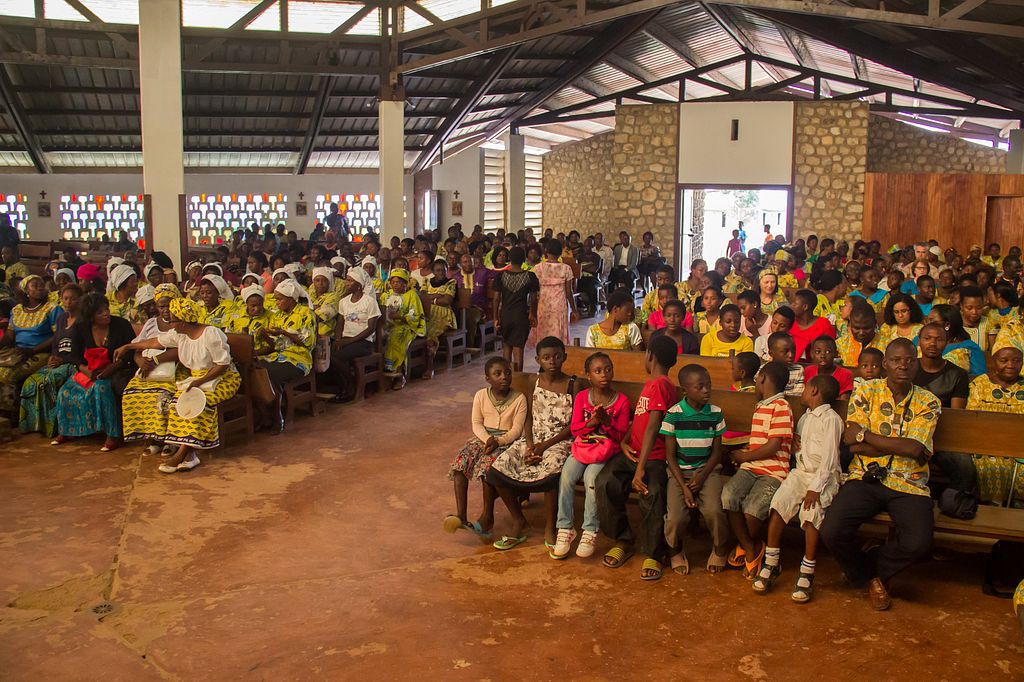 March 14, 2018 marks the 10th anniversary of Chiara Lubich’s passing away. Focolare communities throughout the world will commemorate this anniversary through a varied number of events that mark the charism’s contribution to social change. On March 3, 800 people are expected to participate in a conference held at Maria Hall of the Catholic University Hospital in Seoul, Korea. “Mary: a ‘yes’ that changes society” is the theme chosen for a meeting to be held on March 11 at Goma, Democratic Republic. Of Congo. A conference on “Chiara Lubich: a life of dialogue for peace” is scheduled to take place also on March 11, at Chicago, USA. “Conoscenze plurali” is the title of the convention which will take place on March 17 at the Salone dei Cinquecento of Palazzo Vecchio, in Florence, Italy. On March 18, a multi-ethnic day of social action is being organized in a tribal village at Chiang Mai, Thailand. A day’s meeting on “Chiara Lubich and social actions” will be held on March 24 at Chisinau, Republic of Moldova. These are some of the many initiatives planned. A 360º overview of the social dimension of Chiara Lubich’s charism will be presented through an artistic event scheduled for March 3, at the Mariapolis Centre, Castel Gandolfo, Rome. 2000 participants from the five continents are expected to attend. The Secretary of State, Cardinal Pietro Parolin and personalities from the fields of culture, communication and institutions are also expected to be present. This event can be followed in English, Spanish, Portugese, French and Italian via internet (http://live.focolare.org/chiaralubich/).
  For Chiara Lubich, the greatest attraction of modern times was “to penetrate to the highest contemplation while mingling with everyone, one person alongside others”. Sergio Zavoli, who was a very close friend of Chiara, defined her as a mystic of unity between heaven and earth. While speaking about the change she brought about in Trinitarian mysticism, he said: «Allowing God to dwell in the intimacy of one’s soul is making him live among men through communication between – I repeat her words – God in me and God in my brother. It is not by chance that Chiara Lubich’s thought appeals to us to put together the fragments of the inseparable, that is man, and to recompose the fractures of what is shareable, that is the community». Since the very beginning of Lubich’s experience in her native city of Trent, the social change that stemmed from her thought, gave rise to initiatives that have a very strong social hallmark. Today, these actions and works are found practically in all the world; they have the characteristics of each region and culture and they seek to give an answer to specific situations of individuals, groups and communities in need (see link). When confronted with the question about the Focolare’s focal aim today, ten years after the death of its founder, Maria Voce answered that the Movement “must definitely maintain unity with its source, that is Chiara, hence fidelity to the charism as originally passed on; it must return to its beginnings to discover the radicality and totality required from us, may be even more today. The Movement has to be developed so that it can be that instrument designed by God to spread the spirituality of communion and build the unity of the human family. It has to deepen its knowledge about the great charism God entrusted to Chiara and about ways of transmitting it to everyone, since besides its spiritual aspects, the charism has also doctrinal, social and political ones that can influence all areas”. Maria Voce expresses her conviction that today’s visibility of the Focolare Movement, where incidence on human and social realities is concerned, albeit good, “is still too localized”. Then she affirms: “I think that this visibility needs to be more effective and more extensive. May be the Movement needs to become more known even on a worldwide level. We are present almost in every country, but this, perhaps, is not evident enough. It will happen through our life: the more we live according to the charism, the more we will influence the world around, and hence become more visible”. SIF
Follow the live streaming event on 3 March at Castel Gandolfo, from 4.00pm – 7.00 pm: http://live.focolare.org/chiaralubich (in English, French, Spanish, Portuguese, German)
27 Feb 2018 | Non categorizzato
https://vimeo.com/257451488 Choose subtitles: English, Spanish and Italian
27 Feb 2018 | Focolare Worldwide
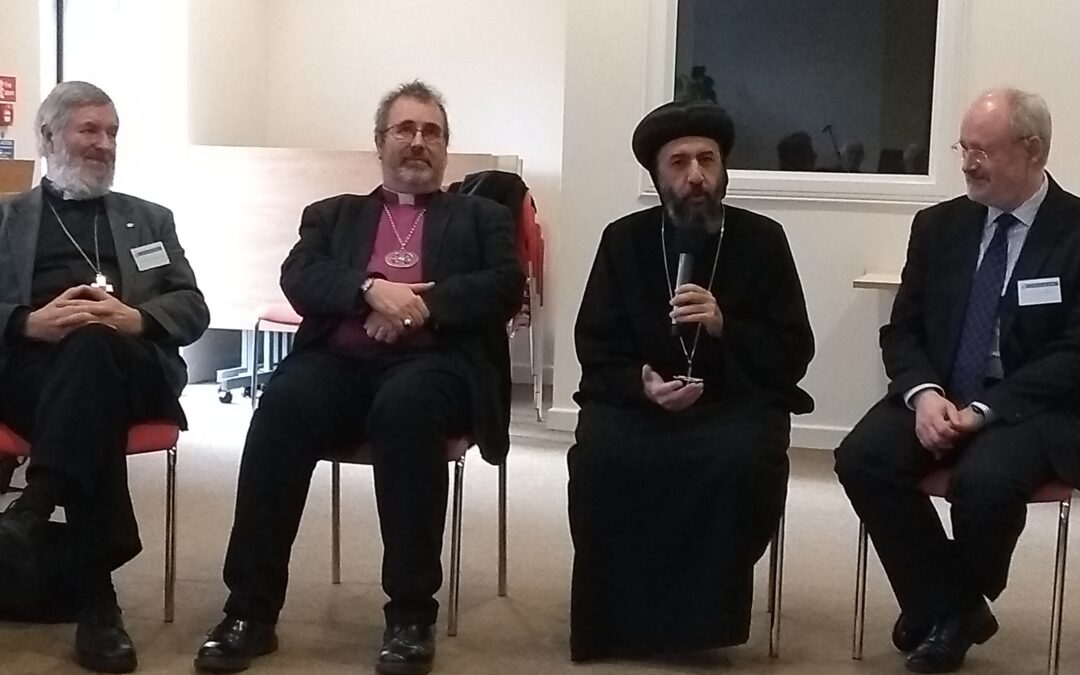
Welwyn Garden City
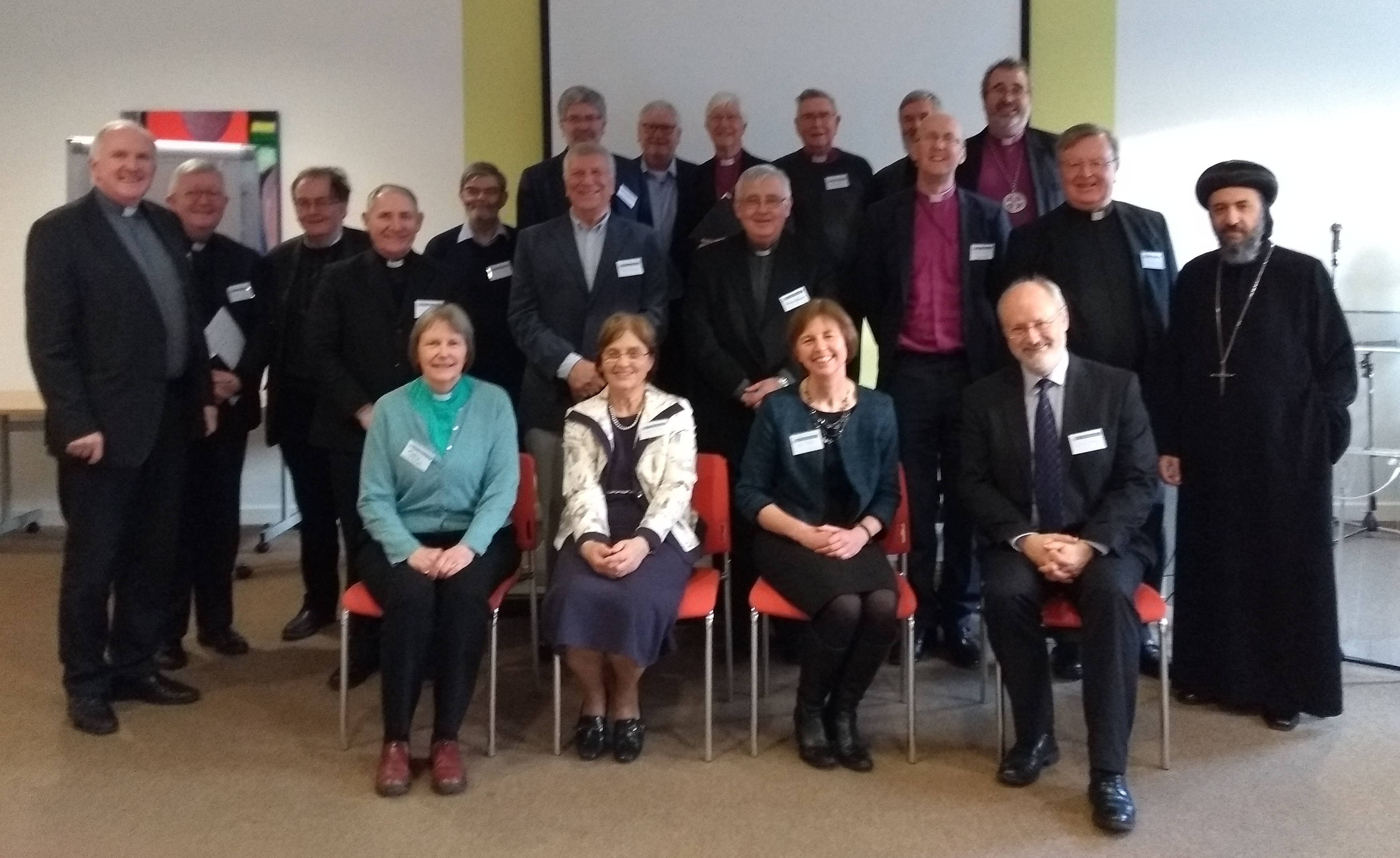 Povilus explained how, during that period, “a new and vast horizon opened up an unimaginable vision of Mary” for the founder of the Focolare Movement. She was discovered “almost as if for the first time” as a human being, “one of us”, but at the same time “imbued with the Word of God.” “Mary revealed herself as the Mother of God, Theotokos, Mary was not just, as we had thought, the young girl of Nazareth, the most beautiful creature in the world, whose love surpasses the love of all the mothers in the world. She was the Mother of God in a dimension that was completely new to us. To explain it, Chiara used an image, that of the sky enveloping the sun.” “It was a new intuition of the significance of the event that took place at the foot of the cross, of the sword that must have passed through Mary’s heart, being asked to renounce her maternity towards her divine son to take as a substitute child John. And yet Jesus in his death was giving his life to all humankind, making us all God’s children. As Mary’s role in the Annunciation was to say “yes” to something beyond herself that God was bringing about, here again, on Golgotha, what was asked of her was, as theologians have said, a “second yes.” There is a wealth of implications for our own lives that Chiara derived from this understanding of Mary Desolate. First and foremost is that of recognising Mary to be a model that can be imitated: “by loving one another we generate the presence of Jesus in our midst. Like Mary, we can offer Christ to the world spiritually.”
 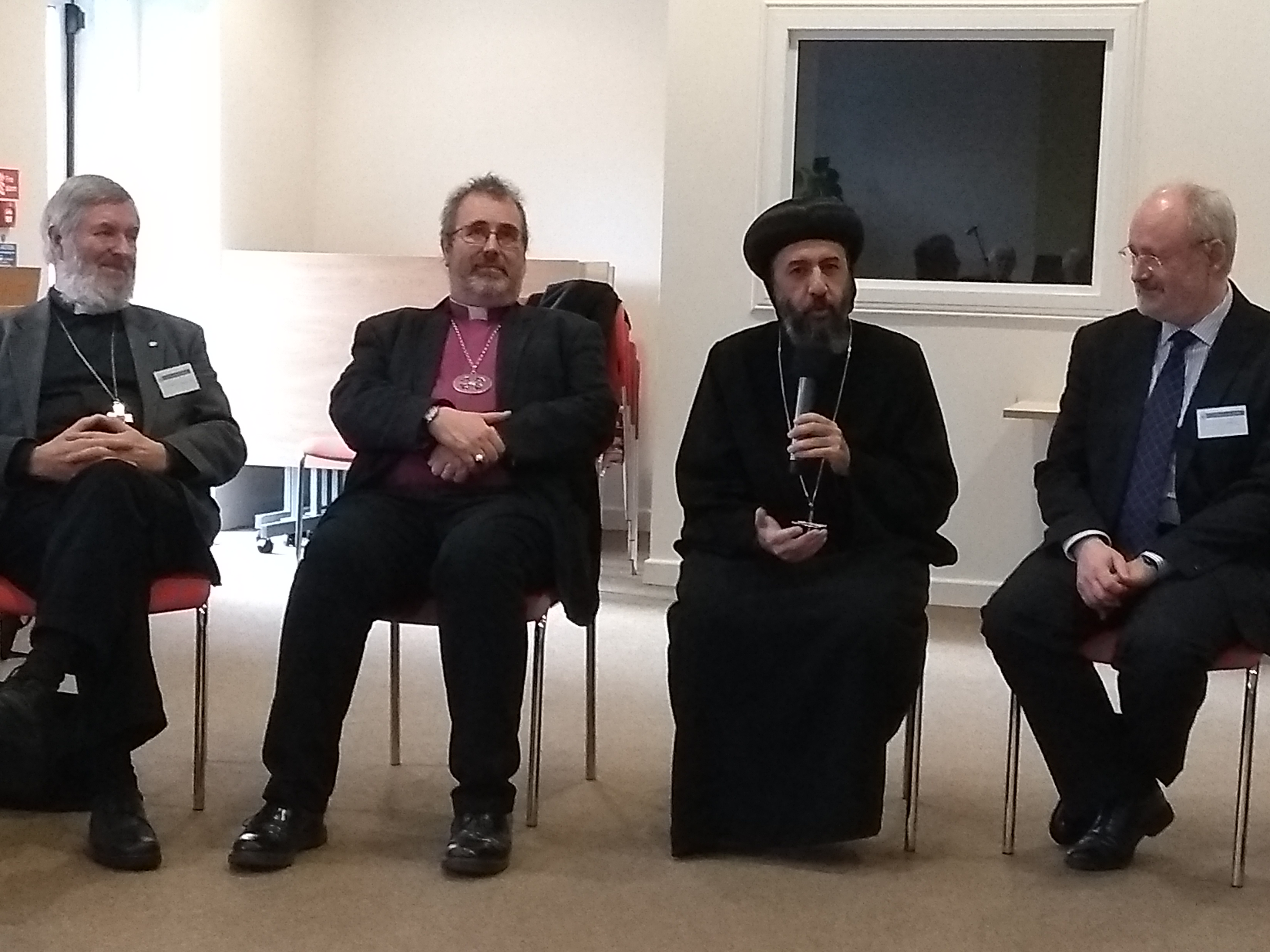 Another point that comes to new light in Chiara’s mystical experience of 1949 has to do with Mary’s place in the Church. “We know from the Acts of the Apostles that she was present at Pentecost which is often marked out as the birth of the Church. Chiara, describing her intuition of Mary’s place in the Church, from that early moment of the descent of the Spirit, used the metaphor of her being a heart: If Christ is the head of his mystical body, the Church, Mary is at its heart. Mary plays an essential role in helping the Church to respond fully to God’s project for it, which is to be a presence of Christ.” Great interest was shown in this Spirituality of Communion of Chiara Lubich’s, which aims “to increase the typical contribution of vitality, beauty and holiness that the Church, following Mary’s example, is called to bring to the world.”
26 Feb 2018 | Focolare Worldwide
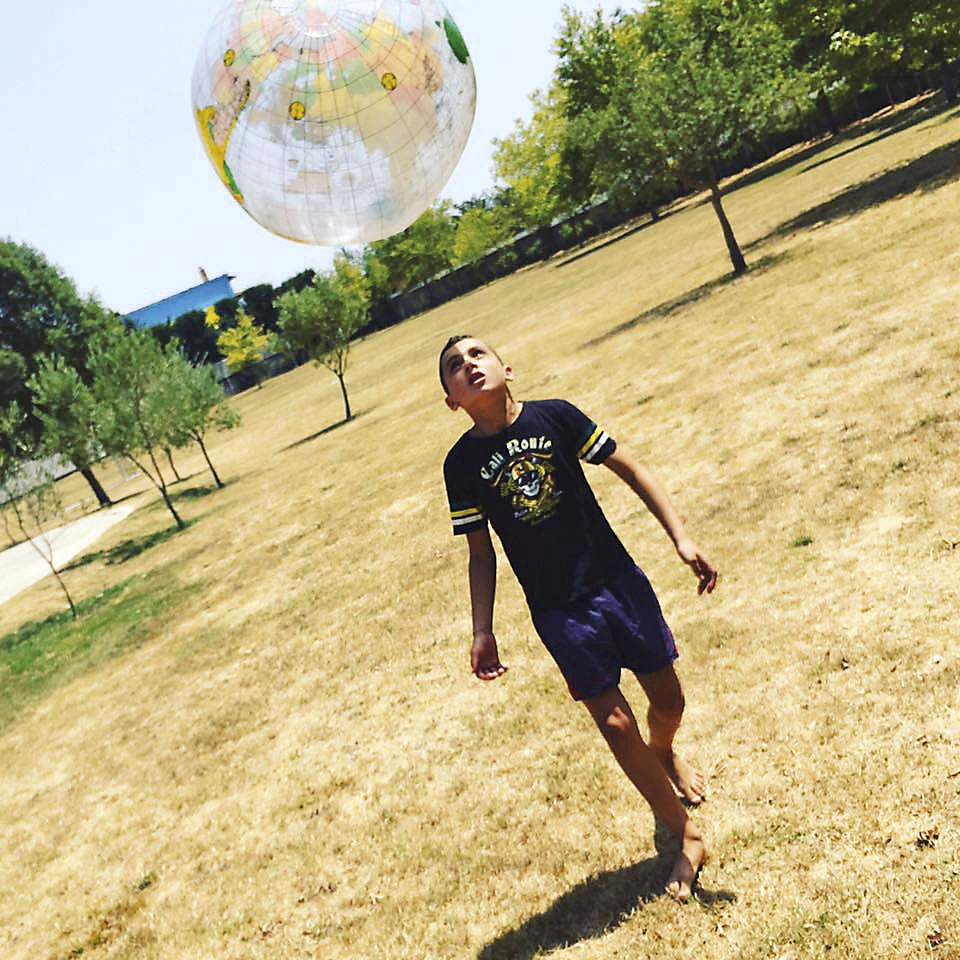 Seventeen sustainable development goals have been identified to be achieved by 2030. They are contained in the UN Agenda approved by the 193 UN member states. “Zero Hunger,” which is at the centre of an agreement signed in 2012 during a United Nations Conference in Rio de Janeiro, aims to free the world from hunger. In response to a request for collaboration sent by the United Nation’s agency, the young people and teenagers of the Focolare Movement decided to step onto the field alongside the FAO, in raising awareness among the generation that we hope will see world hunger defeated. World hunger has been on the rise again for more than a decade. It was recently reported on by the Annual United Nations Report of food safety and nutrition in the world (2017). In 2016, around 815 million people (38 million more than the year before), that is, 11% of the world population, was not sufficiently nourished. Around 155 million children under the age of five are underdeveloped (too short for their age), while 52 million suffer from chronic hunger, which means that their weight is not adequate to their height.
 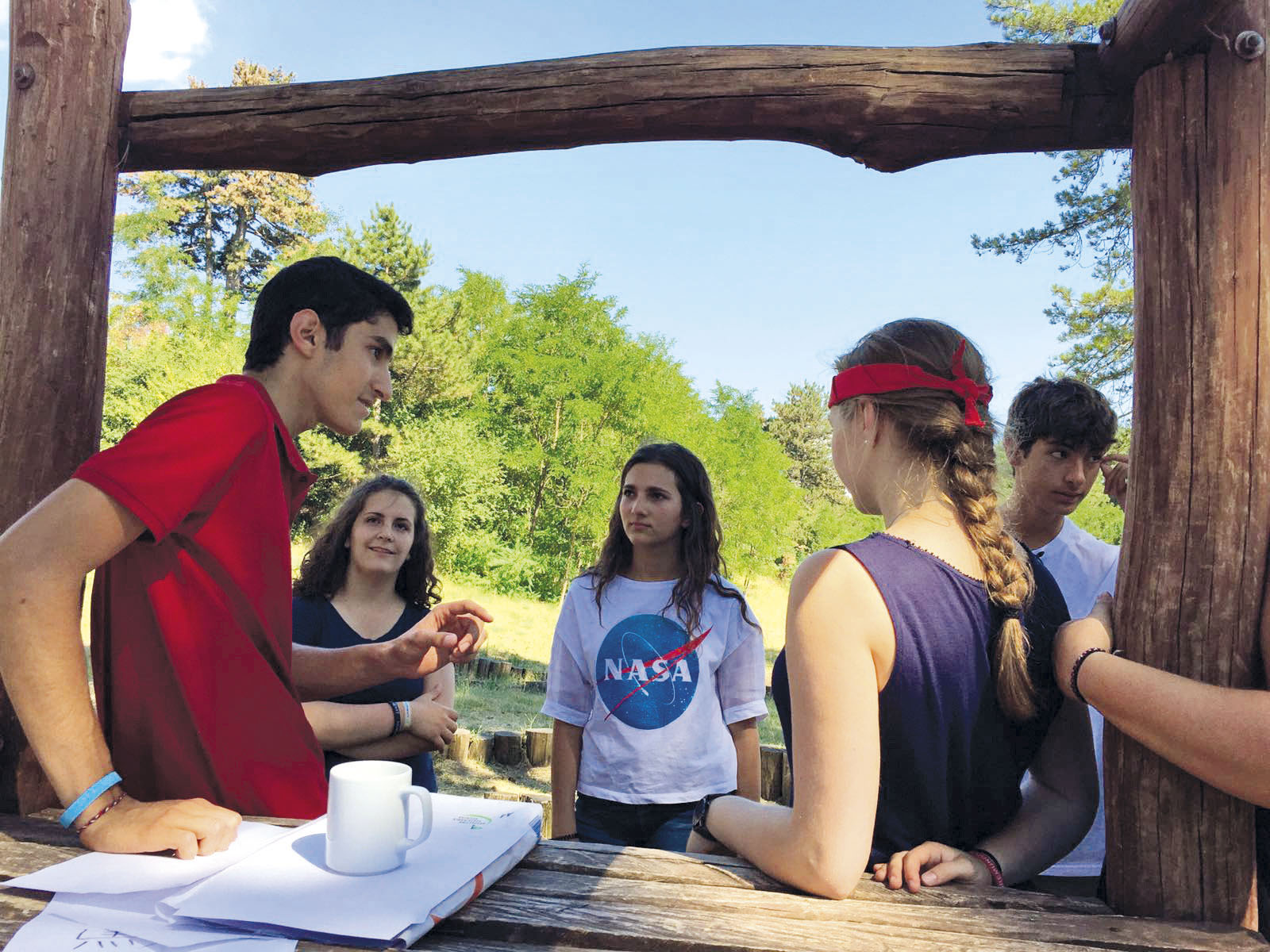 At the same time, because of a lack of healthy nourishment, 600 million people (including 41 million children) suffer from obesity, which is another face of malnutrition. The Report identified armed conflicts as the main cause of the migrations and of the shocks linked to climate change, as several of the key factors of the re-escalation of hunger and the many forms of malnutrition. Freeing the world of hunger will require urgent measures and decisions in favour of more sustainable lifestyles – from the consumer society to a change of course in international politics. But first it requires a stronger awareness and change in personal relationships. This is the message that the Focolare’s Teens for Unity and Youth for a United World have been spreading since last year along with several of their global-level projects: the need for study and becoming aware of the root causes of the problem; observing and monitoring the situation at the local level and involving as many young people, teenagers and associations as possible in: communicating and sharing experiences of working for the poor in their own local environments, for a more sober lifestyle, for dialogue, peace, the environment, welcoming immigrants, and, finally, their proposal to hold world-wide celebrations on the day chosen by the United Nations to be dedicated to the topic of nutrition (October 16).
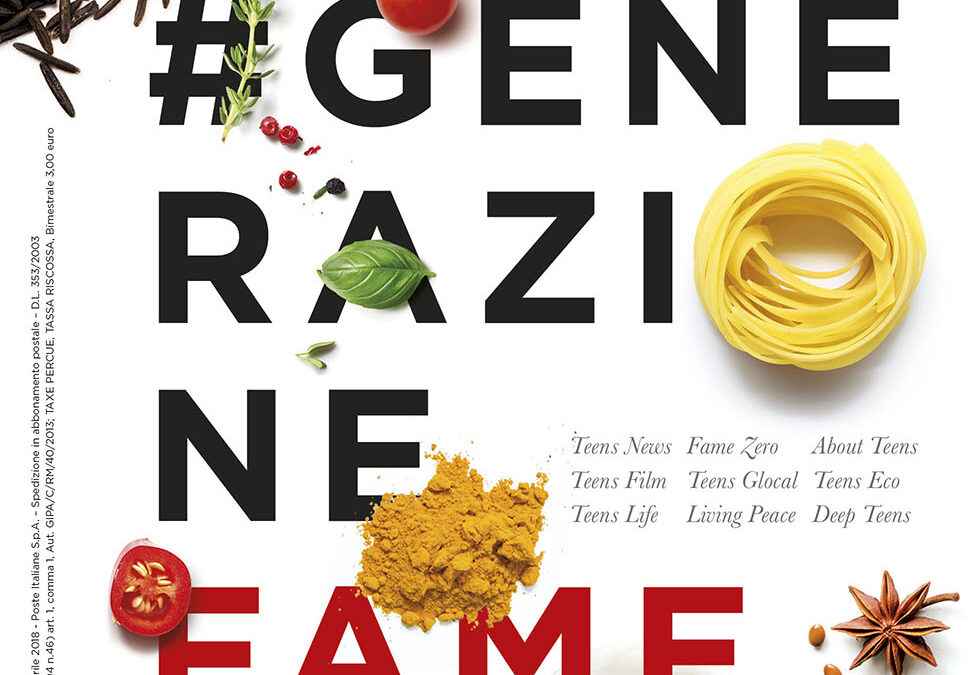
 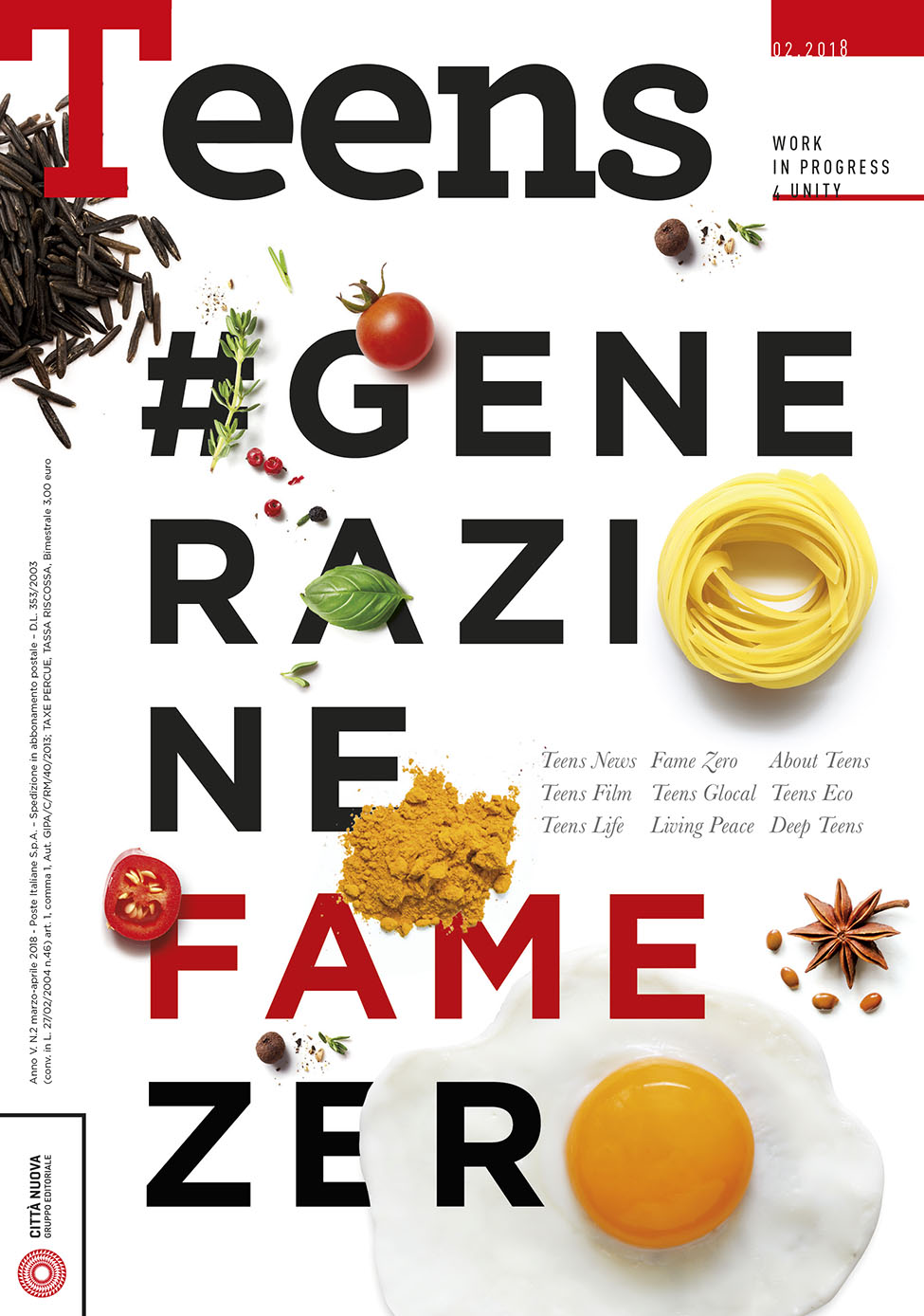 #ZeroHunger is now a regular feature of the Teens Magazine, published by Città Nuova in collaboration with the New Families Association, United World Association and the New Humanity Movement. The 2018 March-April edition will be dedicate to this topic. “What a thrill for our delegation,” write the teenagers on the editorial board, “to go into the headquarters of the FAO in Rome. Let’s get started right now so that our generation will truly be the first #GenerationZeroHunger. Teens Magazine will continue to follow this fascinating worldwide project.” The calendar shows April as the month for the publication of the Commitment Statement of the Teens for Unity, which was drawn up by teenagers from eleven countries. In May, the annual events for “United World Week” and “Run4Unity” will be entirely devoted to the topic. In June, a group of 600 children and teenagers (ages 9-12), attending an international congress of the Focolare Movement, will be the guests of the FAO for a morning of discussion and sharing on the topic. Finally, in the month of July, as part of the “United World Project” at Genfest 2018, a forum will be held on the theme #GenerationZeroHunger with the participation of the FAO. Chiara Favotti
25 Feb 2018 | Non categorizzato
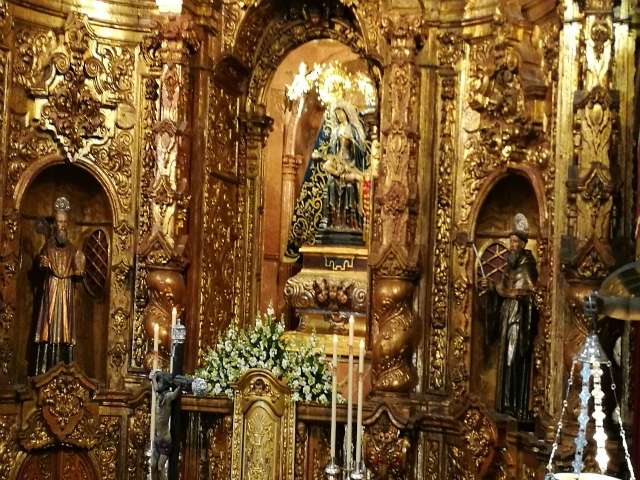
Facing the Mediterranean, to the southeast of the Strait of Gibraltar – a bridge between the two continents and one time end of the world – the city of Ceuta rises, which, along with the nearby Melilla, represents Spanish colonial remnants on the continent of Africa. Because of its strategic location on a piece of privileged coastland, the two cities have for decades have been considered possible entry ways into Europe, in spite of the dividing wall. Every day, men, women and children from the most diverse collection of African countries, escaping wars, poverty and persecutions of every kind, cross entire countries in an attempt to find a shore near the city on which to disembark. Right on this strip of land which, since 1851 has been under the Diocese of Cadice, which is in the midst of getting ready for the 600th anniversary of the arrival of the one who has been called the “Virgin of Africa,” a single block of wood representing the Blessed Virgin seated with the body of the dead Christ between her arms. In 1949, Pope Pius XII wanted her to be named the patroness of the city.
