30 Jan 2018 | Non categorizzato
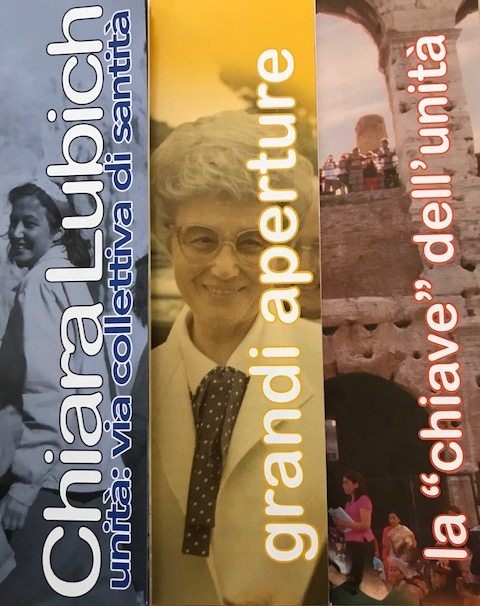
In the framework of the Cause of Beatification of the Servant of God Chiara Lubich, which opened on 27 January 2015 in the Diocese of Frascati, a practical brochure with all-encompassing contents on the figure of the Founder of the Focolare Movement has been released, and is momentarily available in Italian. The new publication aims at illustrating, in a simple communicative language, her intense life and the numberless works and initiatives she promoted. It is structured in three parts: Chiara and the charism of unity; the “great openings or dialogues in the ecumenical, interreligious and contemporary cultural fields; and her spiritual insight into the mystery of “Jesus Forsaken,” which she understood, lived and proposed as the “key” to achieving unity with God, and among peoples. The idea of preparing a biographic Profile arose from the need to divulge some of the intense work of the “collection” which the Postulation of the Cause of beatification of Chiara is doing, starting from what she said about sanctity, and of how she lived it and proposed it to all, starting from the letters she wrote in the early years of the movement. The drafting of the text was shared along all the phases of elaboration, not only by the members of the Postulation but also by experts, friends, elderly and the youth. Those who wish to receive one or more paper copies may address: Postulation of the Cause of Beatification of Chiara Silvia Lubich Focolare Movement Via Frascati, 306 – 00040 Rocca di Papa (RM) – Italia Telefono +39 06 947 981 39 – Cell. +39 389 343 9529 E-mail: postulazionechiaralubich@focolare.org

30 Jan 2018 | Non categorizzato
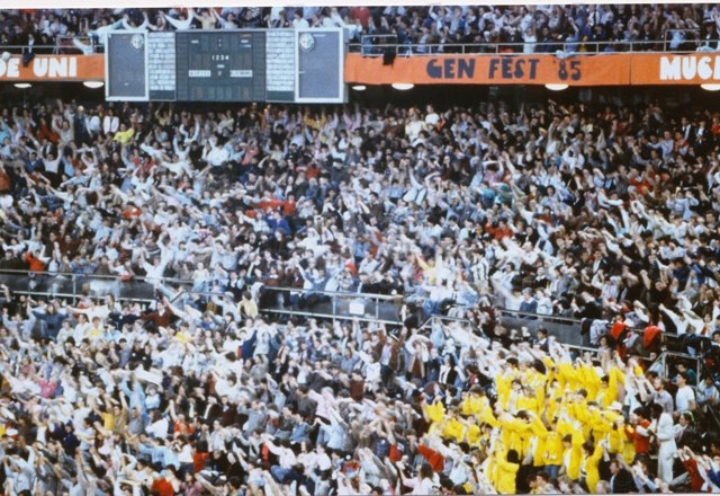
A national conference will be held on February 10 in the city of Loreto, Italy. The title of the conference will be “The City: is it a place for fellowship and solidarity?” The event is organized by the Città per la Fraternità organization which was started in 2008 and inspired by the thought of Chiara Lubich and by the life of the Focolare Movement. It currently brings together some 140 large and small municipal administrations, in spreading the spirit of unity in the local authorities. Every year the Association presents the Chiara Lubich International Fellowship Award, which is assigned to one or more municipalities. The Award is given for a project that succeeds at applying one or more aspects of the principle of brotherhood in the public sphere, and is able to show the participation of citizens in building a culture of active and inclusive citizenship. The conference will include the participation of civil and religious leaders. In the afternoon, Elena Granata, an urban scholar at the Politech University of Milan and Marco Luppi, history scholar at Sophia University Institute (SUI) will give presentations that deal with the topic of living fellowship and solidarity and to do so in a city environment
30 Jan 2018 | Non categorizzato
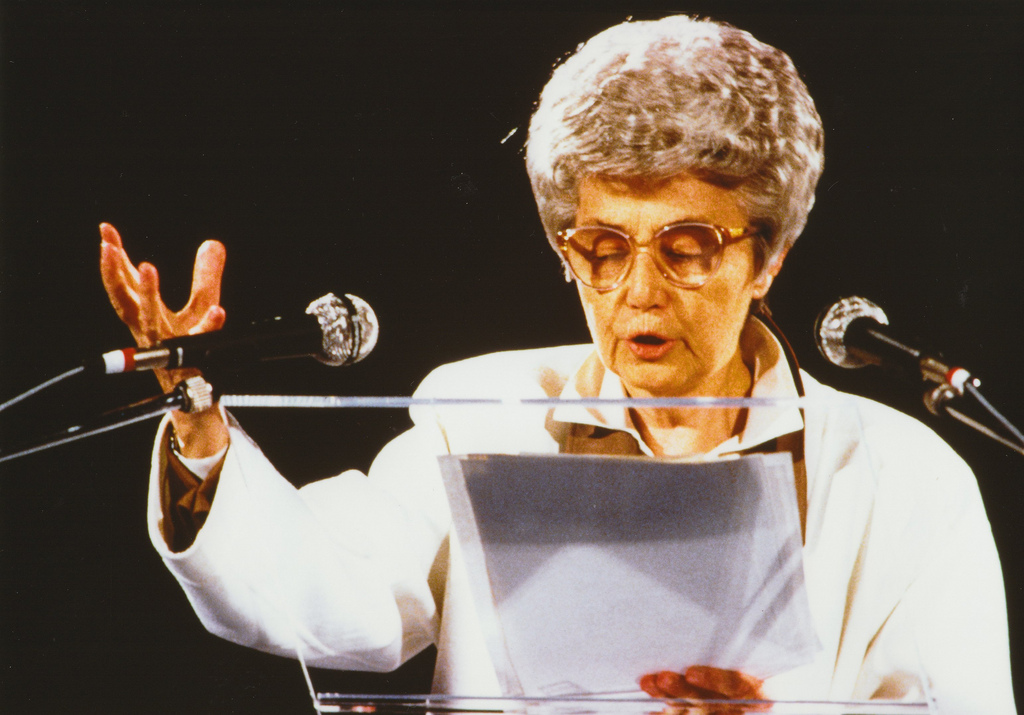 Inspired by our experience of Genfest 1980 , Andrew Basquille, Eugene Murphy and I, all students at University College Dublin at the time, started to dedicate more time to playing music together and entered a period of sustained creativity that resulted in the composition of many songs both individually and collectively. “Yes to You”, the song that we performed at the GenFest in 1985 dates from this time. Here’s how it came to be written. Chiara Lubich visited London in 1981 and most of the Focolare Community in Ireland travelled to Great Britain for the event. One afternoon, as a group of us took lunch together close to the venue where Chiara was speaking, I started to play simple chords on the piano and developed a nice melody using a slightly unusual C / Dm / G progression (on guitar I wouldn’t have naturally played such a sequence). A volunteer, Joe McCarroll, a gifted songwriter in his own right, joined me and sang the lines “So many times that I’ve said maybe” to the emerging melody. I continued with the line “So many times that I said no” and continued with the melody when Andrew joined and completed the lyric which then became the verse. Over the next two days between Andrew and myself we completed about 3 verses but didn’t know where to go for a chorus. This was eventually added – melody and lyric together – by Eugene who stamped his musical sophistication on the song by taking the chorus to Am and then to a beautiful minor / major interplay in E that reflected and emphasised a new level of conviction in the choice – “Yes to you”. We were the asked to perform the song at the Genfest and spend months practising it. On the day we waited patiently for our turn to sing but began to realise that the show was running behind time. Sure enough, we were informed that our intervention had been cut and, bitterly disappointed, I started to pack up my guitar accordingly, months of effort and practice gone down the drain. But then, very suddenly, the decision was reversed and we found ourselves taking our positions on a vast stage without a sound check and unable to make eye contact with each other. I didn’t have time to take my own guitar and was given a Spanish guitar with nylon strings, a type I was not used to playing! So we played “Yes to you” at Genfest 1985 completely out of our comfort zone, forced to depend on the strength of our relationship with each other and our desire to have Jesus in our midst. My experience at Genfest 1985 was one of validation and verification – validation of my choice to live for unity and verification that it was possible. I had many experiences of large scale events – festivals, football matches, concerts – but at Genfest there was no hatred, hostility and enmity like when rival factions meet at soccer games and the fleeting alcohol / drug induced euphoria that’s common at festivals and concerts was replaced by a deeper, more lasting joy.
Padraic Gilligan
29 Jan 2018 | Non categorizzato
A martyred country without peace, the terrorist groups compete with one another to claim the attacks. Three attacks in a week have provoked a great number of victims among the civilian population: reports talk of about 150 deaths in Kabul and Jalalabad, with over 400 wounded. In Kabul the first target was a hotel, and the second target was the Higher Council for Peace, which was not hit since the terrorist made himself explode at a checkpoint. In Jalalabad they attacked the headquarters of Save the Children, the international organization that has been operating in that area for many years. According to the UN data, last year in the country, 17 humanitarian operators lost their lives, 33 were wounded and 48 were kidnapped. Pope Francis spoke of the attacks during the Angelus of 28 January: “Up to when – he asked himself – will the Afghan people have to bear with this inhuman violence? Let us pray in silence for the victims and their families, and that those in that country will continue to work to build peace.” The Focolare Movement expresses its solidarity with the Afghan people, in the hope that a peace resolution may soon bring serenity to the country.
29 Jan 2018 | Focolare Worldwide
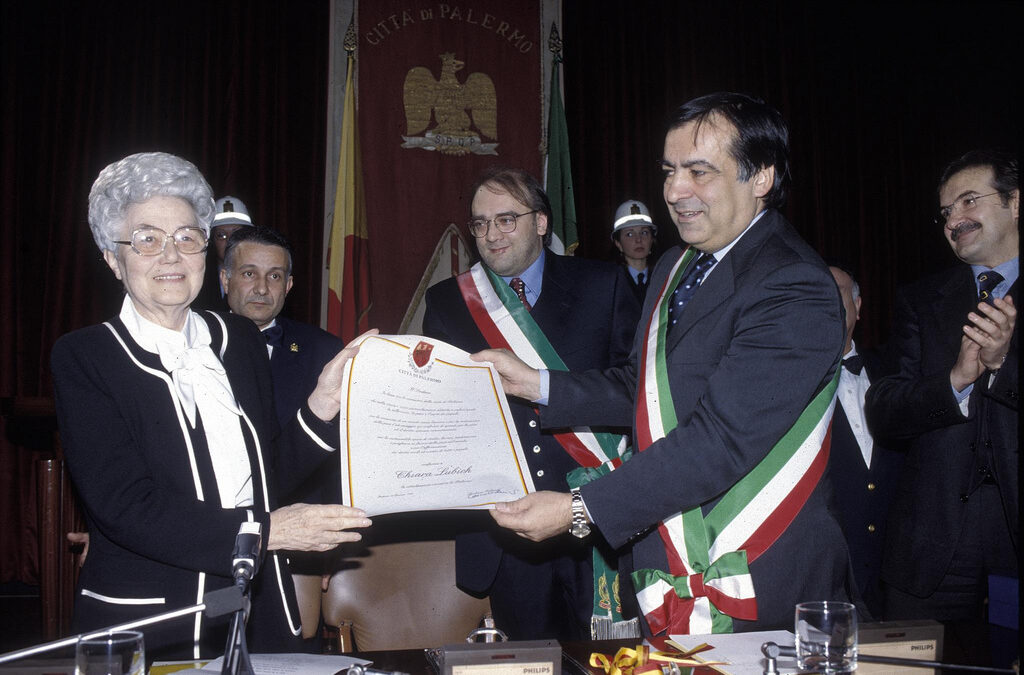
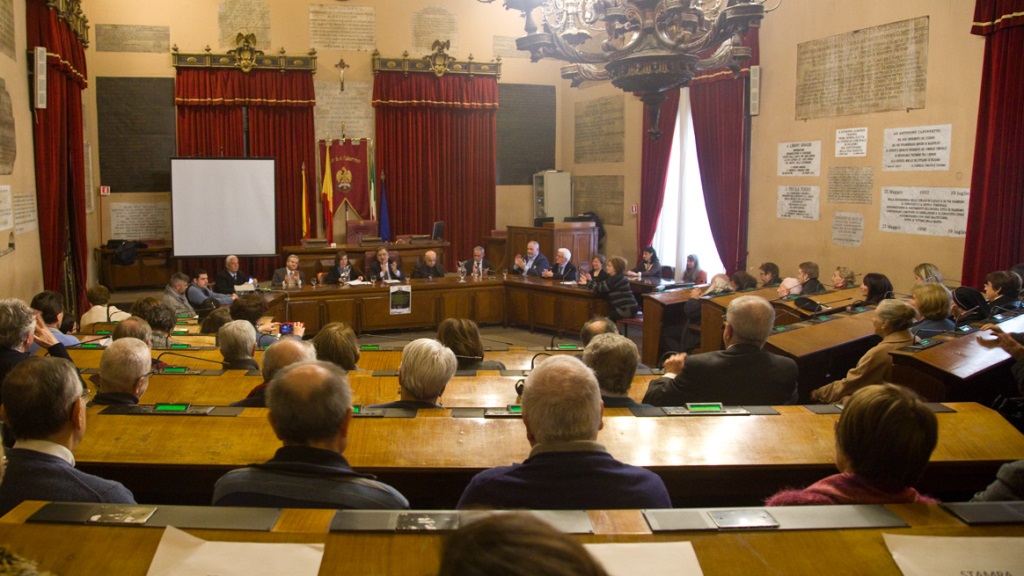
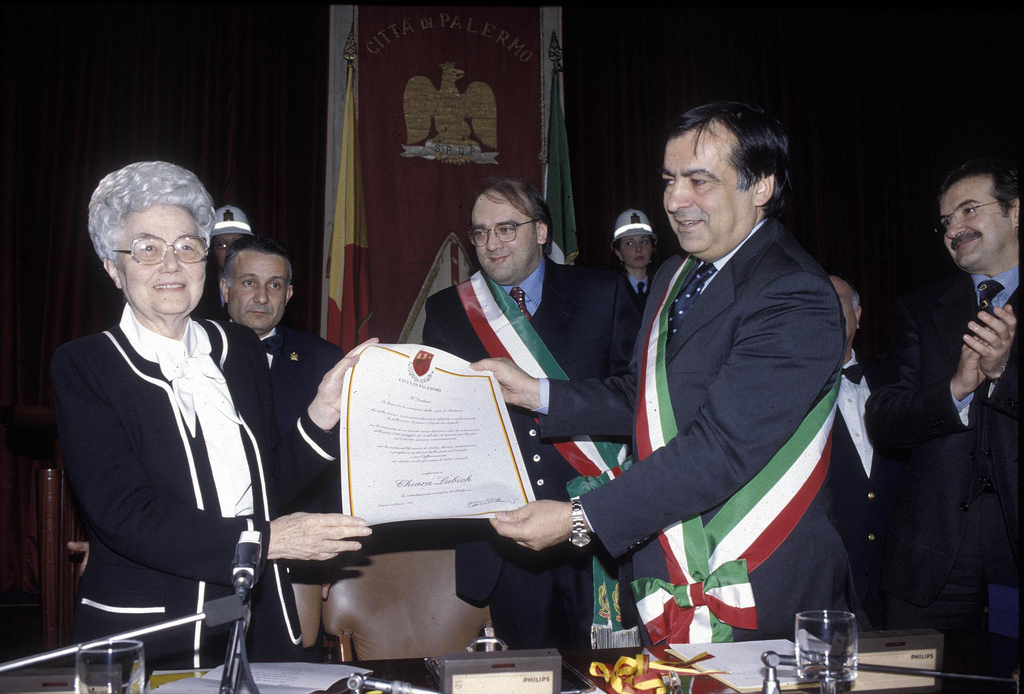
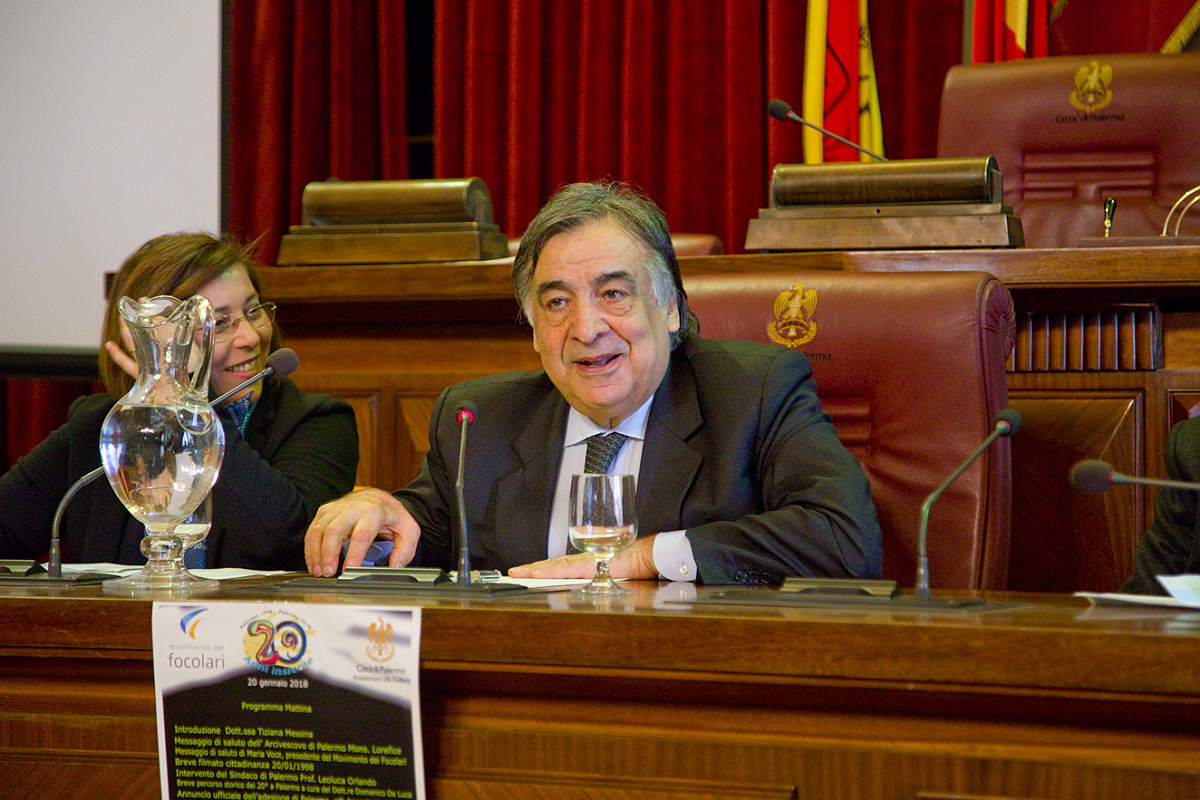 January 1998. Palermo prepared for the Grand Jubilee of the year 2000 attracting to itself the signs of light and shadow. It was a mute city, bloodied by the past and recent massacres of the mafia, but also a city determined to redeem itself and show its true countenance. January 2018. Today, the Sicilian capital appears as a “mosaic city,” an advanced expression of the dialogue between the various European cultures and the Arab world, and an outpost of Middle East culture within the European fabric. In the presence of Mayor Leoluca Orlando and the authorities of some representatives of the institutions, on 20 January the city wanted to “commemorate” – as a “commitment” to proceed in the same direction – an event which was for the city a step in its “magnificent providential design,” according to the words Chiara Lubich expressed then. During the various speeches, some aspects of the life of the Focolare over the last 20 years emerged: the social commitment and in the field of schooling, especially in some outskirt districts like Ballarò, Brancaccio and Zen, the promotion of events and the reflection on some grand themes like ecumenism, commitment toward the new generations with the start-up of schools of civil participation, and the discussion with personalities from the economic, political, cultural and art sectors. In these years the Focolare community has contributed to the journey of the entire city towards the construction of a “city of reception and rights,” with the values of fraternity and the continual pursuit of dialogue.
  “The memory of the honorary citizenship given to Chiara Lubich,” affirmed Mayor Orlando, “is an occasion to see the city’s progress, in the name of respect for the human being and the construction of a community founded on the values of unity and brotherhood: those on which Chiara had founded her movement and which today brings together millions of people worldwide. Today those values are part of the daily life of Palermo, with reception and solidarity which are the testing grounds, but also an extraordinary occasion to confirm the will of the Palermo people to build a city on a human scale and that welcomes others, as is continually demonstrated in civil society’s undertakings.”
  The Archbishop of Palermo, Bishop Corrado Lorefice, encouraged all to continue along this path of fraternity through dialogue at all levels, towards a goal “indicated prophetically by Chiara Lubich: that Palermo may become a city on the hill, to which one can refer for the achievement of God’s design for the community of people.” He added, “the celebration of such an event expresses the deep harmony between the city of Palermo and the values contained in Chiara’s charism: work for the reconstruction of unity of the human family.” Maria Voce, President of the Focolare, encouraged all in a message to “share the many moments of fraternity that have been consolidated all these years to promote acceptance, lawfulness and peace,” with the hope “that the city may increasingly stand out for its active testimony on the various fronts of dialogue, multiplying initiatives and imbuing hope and valorising the talents of all in the perspective of unity.” The adhesion to the “City for fraternity” Association, created by the Municipality of Palermo, further commits its citizens to draw inspiration from universal fraternity in every future decision and action.
