10 Nov 2017 | Non categorizzato
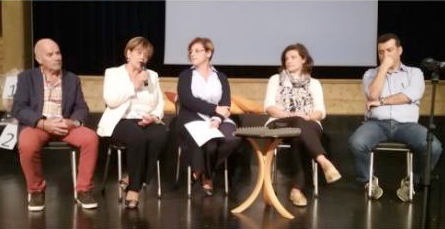
At the end of October, the Focolare Movement held a presentation day for the spirituality of unity and initiatives of the community in Greece, with testimonies of families, youths and a priest of the diocese of Athens. “The testimonials make our faith credible,” commented the Archbishop of Athens, Bishop Sebastianos Rossolatos who attended the event. “The Holy Spirit, through the centuries, has sent the charisms to renew the Church. Among these is also that of the Focolare.” An article was published in the Catholic Church’s national daily bulletin, and signed by the daily paper’s photographer, who attended a Focolare event for the first time: “It was a day for social issues concerning the future of our lives and the application of Christianity’s Golden Rule. For all, it was the start of a better lifestyle.”
10 Nov 2017 | Focolare Worldwide
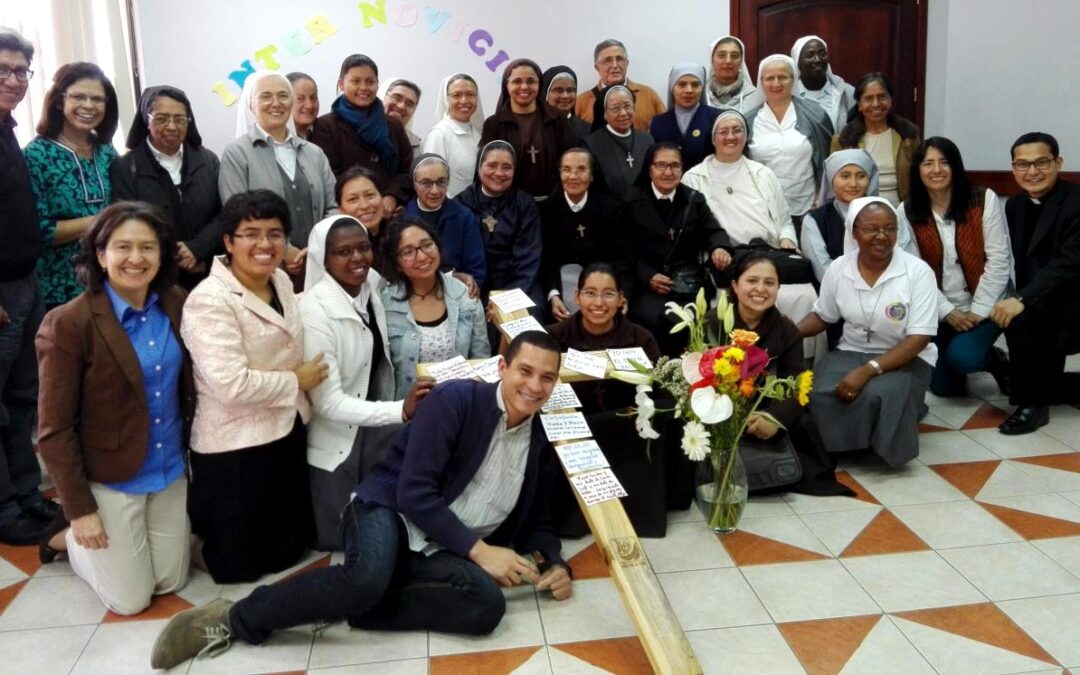
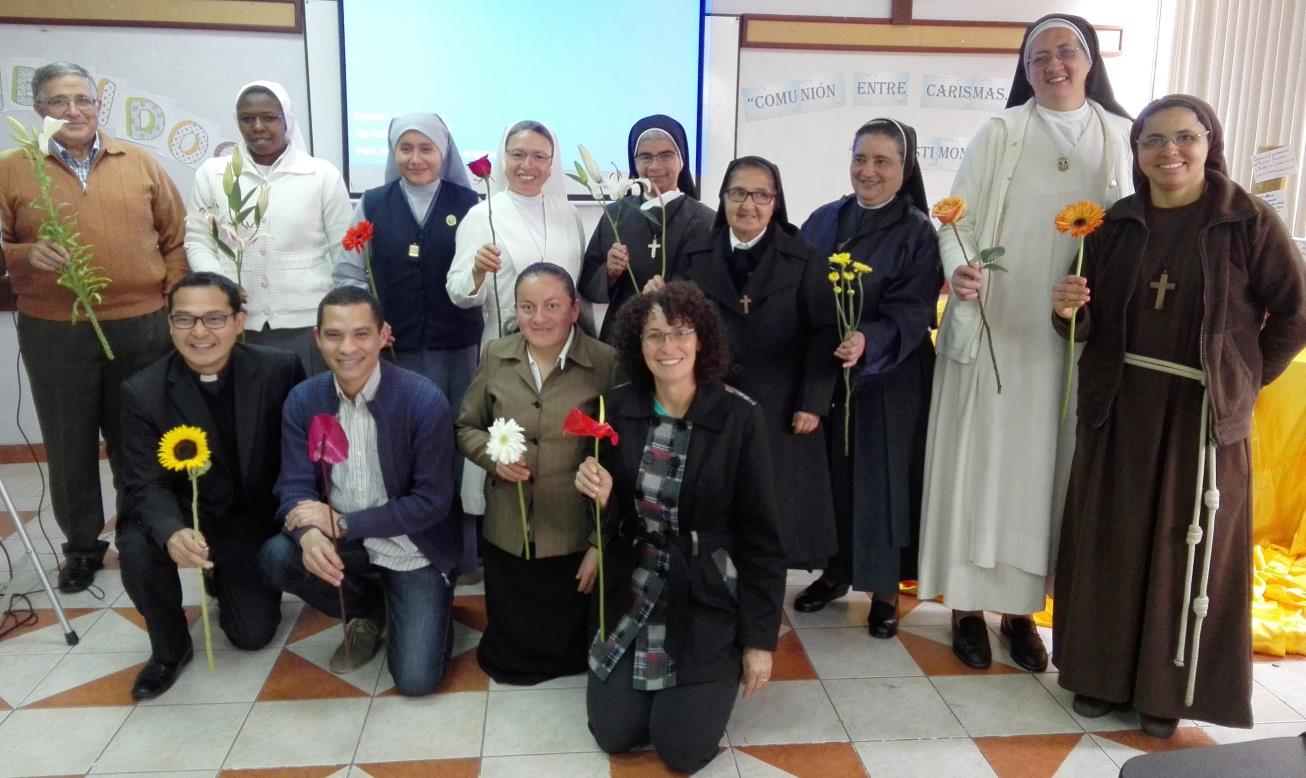 A magnificent garden of many flowers and colours – that is how the many farms appear in Ecuador that export their prized floral varieties worldwide. It is an image that Sr. Vanessa, a Franciscan youth missionary, used to introduce the spiritual retreat held 22 October in Quito, at the headquarters of the Ecuadorian Religious Conference. Sr. Vanessa had just recently finished a year at Casa Emmaus in Loppiano, the spirituality center for religious sisters who hope to go deeper into the Focolare charism. There in Ecuador she found no better example of the Church and its variety of charisms, with 27 consecrated sisters and one brother from 11 different congregations who had accepted the invitation. Utilizing a group dynamic, the young nun asked each participant to hang the word that each of the founders’ charisms was based on next to the crucifix there in the hall. This showed how the idea of each charism, brought about by the Spirit, is a new Christ unfolding throughout the centuries. Staying with her floral metaphor, each participant was given a flower that was different from the others, just as the charisms are different. They are different beauties that in communion, and in their common service of the Church, find themselves empowered and fulfilled.
 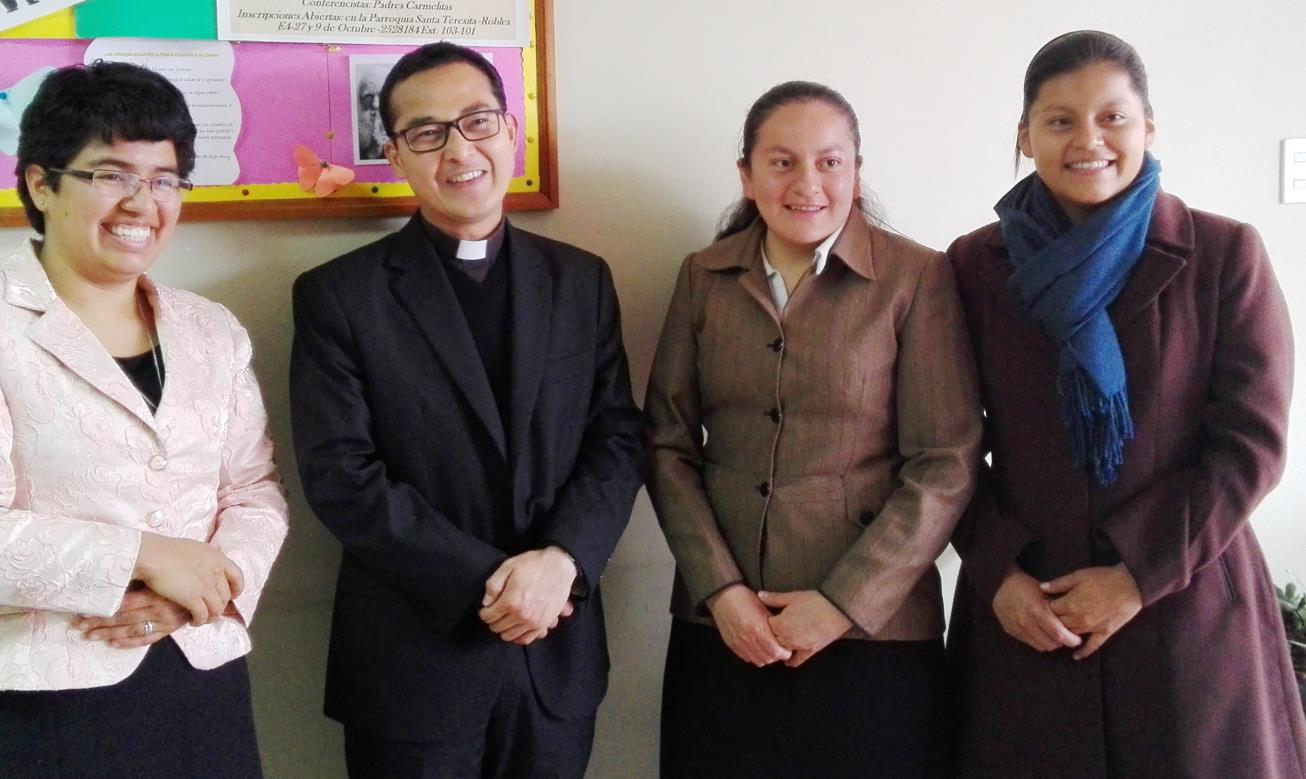 The program featured – in addition to talks that explored the value of communion between the new and ancient charisms in the Church and the truly different manner in which they developed or were nurtured – ample time for sharing. The Ecuadorian Religious Conference, in fact, had promoted the retreat with the title “Communion between charisms, a testimony of hope.” The occasion was the happy coincidence of the Mother Superior of the Little Servants of the Sacred Heart, Sr. Imelda Rizzato, visiting Ecuador. She has known about Focolare spirituality since her days in novitiate. She was able to share the impact that this spirituality had for her. Besides reinforcing her choice of vocation, it gave her a particular inclination to weave relationships of communion with those she met. In doing so, according to her superiors, she was living out the charism of her founder, Blessed Carlo Liviero, in an authentic way. In time the congregation gave her a number of responsibilities, to the point of asking her to be their highest guide. It is a role that she tries to carry out together with her sisters, with an openness and communion with other realities in the Church and other religious families. The goal is the “Church which goes forth” that the pope expects.
 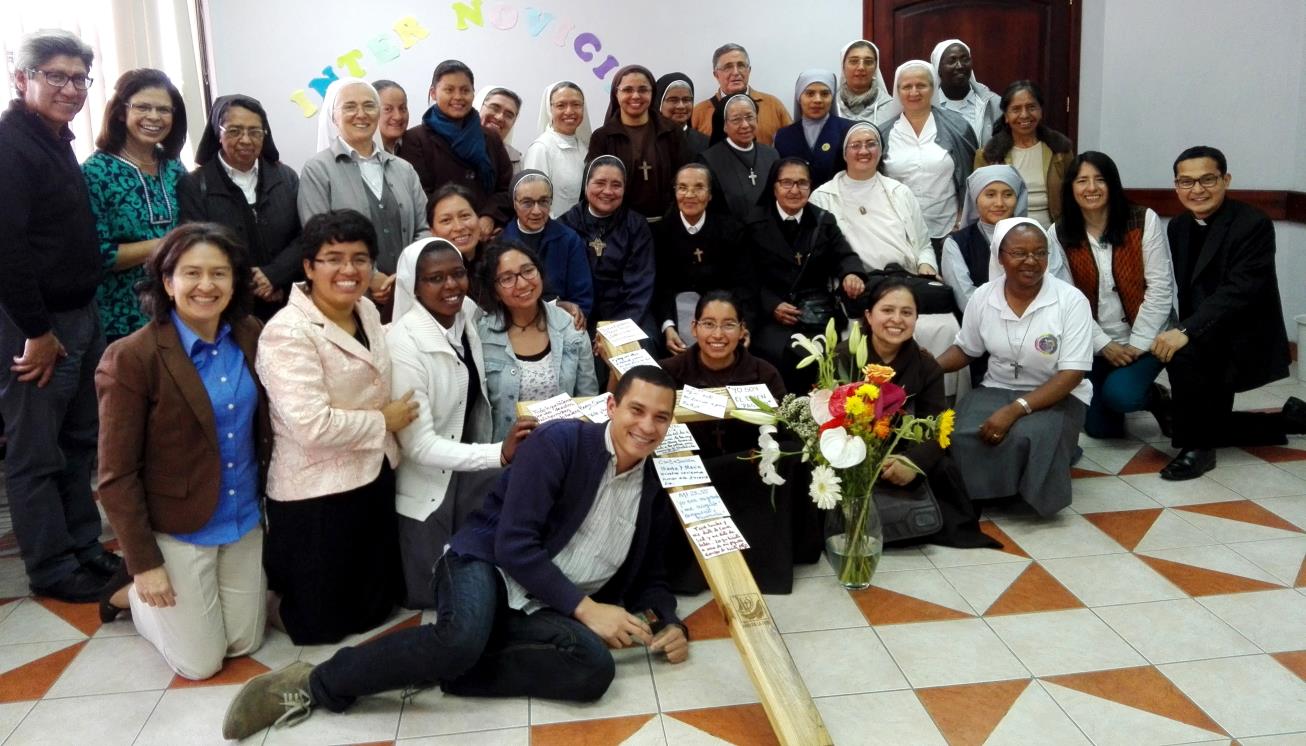 Sr Imelda and the other sisters who spoke were able to bear witness to how the charism of unity by no means conflicts with their individual charisms. On the contrary, it is a true help to accomplish what the Church expects of each charism, individually and in communion between them. News of the retreat even reached Apostolic Nunzio Monsignor Andrés Carrascosa, who not only allowed the sisters of the papal nunziature to participate, but sent his secretary to celebrate Mass. Staying for the entire meeting, the secretary said that it was a “true privilege to be there.” The day after the retreat some of the sisters wished to visit the Focolare center. They were putting down the foundations for their new path of unity between charisms in Ecuador, to open new horizons and give hope to the Church and the world.
9 Nov 2017 | Non categorizzato
On November 9, 28 years ago, the Government in East Germany declared the opening of the borders with the Federal Republic. To this announcement, tens of thousands of people in East Berlin descended on the streets armed with pick-axes, to demolish once and for all the wall dividing them from the West. The collapse of the wall was universally interpreted as the sign of a new era that had started. The East Berliners were greeted with huge jubilation by their brothers and sisters in the West, so much so that bars and cafes offered free beer for everyone! Less than a year later, on 3 October 1990, Germany was reunited definitively, thus becoming the Federal Republic of Germany. Today, the few features of what remained of the Berlin Wall have become the symbol of a historic era and a memorial to the 170 people who were killed in their desperate attempt to cross the border.
9 Nov 2017 | Non categorizzato
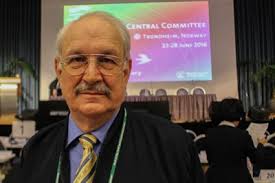
Georges “Yorgo” Lemopoulos
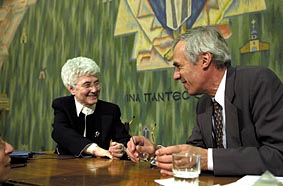
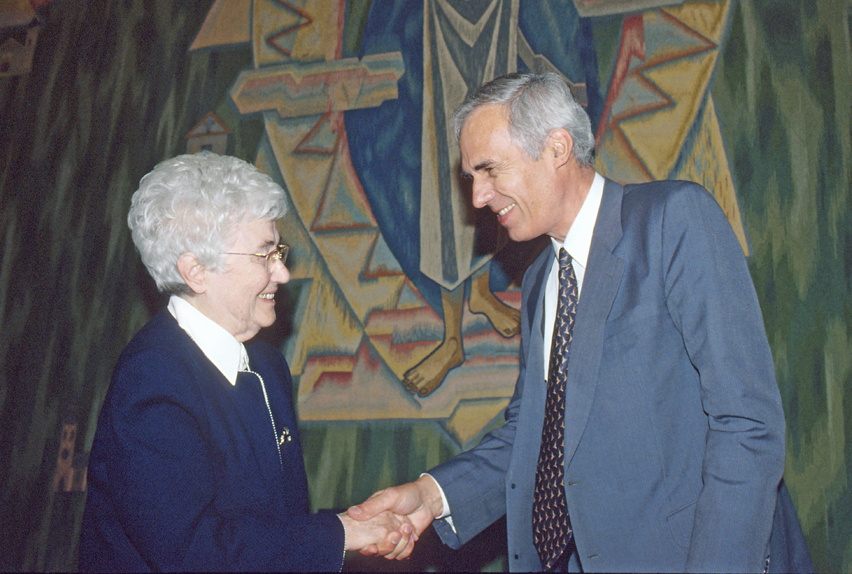
Geneva, October 2002: Chiara Lubich and Dr Konrad Raiser, who was then Secretary-General of WCC.
9 Nov 2017 | Focolare Worldwide
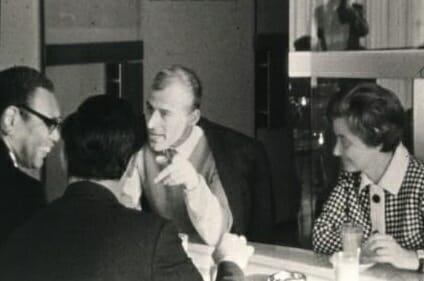
Geneva 1967: Chiara at the WCC with Philip Potter and Lukas Vischer
Geneva, October 2002: Chiara Lubich and Dr Konrad, then Secretary-General of WCC
