13 Oct 2017 | Focolare Worldwide
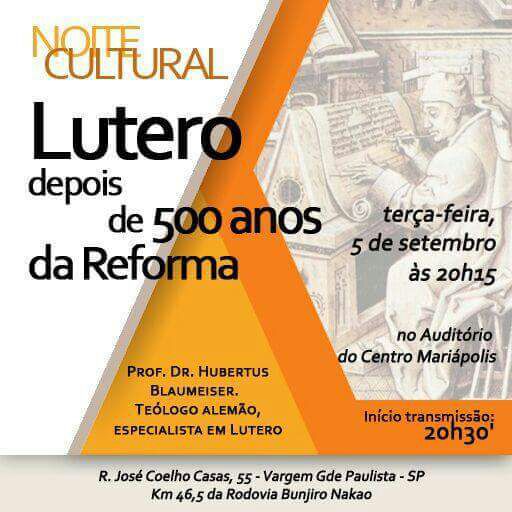 Curitiba, capital of the state of Paraná (Southern Brazil), is a city that holds many records: it has the highest educational index rates of the country, the lowest illiteracy rates and a high quality of education (The Federal University is the first in Brazil). It is considered the most eco-sustainable Brazilian city, thanks to innovative plans that have reconciled urban growth with care for the environment. In this “primacy city”, an important step was taken in the long and fruitful ecumenical journey between Catholics and Lutherans. The Commission for ecumenism and interreligious dialogue of the National Conference of Bishops of Brazil (CNBB) and the Commission for bilateral Catholic-Lutheran dialogue, in collaboration with Catholic University of Paraná (PUCPR), chose the “green city” as the venue of the Ecumenical Marian Symposium, from 1 to 3 September.
 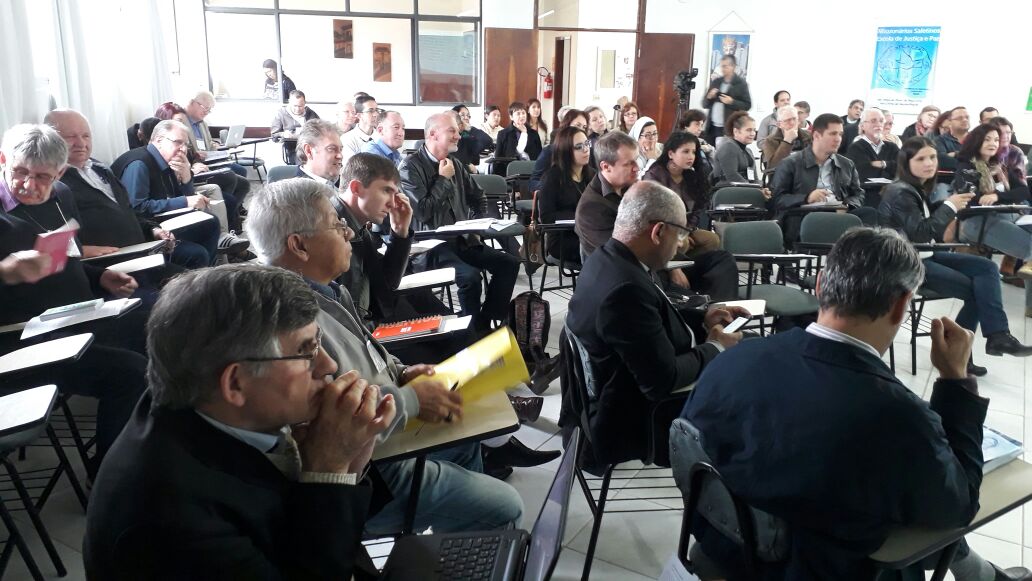 The occasion arose from two important anniversaries. The first was the third centenary of the salvaging of the statue of Our Lady of Aparecida from the waters of the Paraiba do Sul river. The Brazilian people are very familiar with the story of the group of poor fishermen who in 1717, in view of the banquet organized for the imminent visit of the governor of the São Paolo Province, after an unsuccessful day of fishing, again launched their nets into the river. To their surprise, they found a small muddy statue of “Our Lady,” first the body and then the head, entangled in their nets. Upon throwing their nets once again, these were unexpectedly filled with a great amount of fish. It was the first of a long series of miracles obtained from the “Black Virgin,” who subsequently became the patron of the Brazilian people. The second anniversary was the 5th centennial of the Protestant Reformation. The celebrations were jointly carried out with the historical event of Lund in October 2016, by the Catholic and Lutheran churches, in a spirit of communion, dialogue and thanksgiving. The Curitiba Symposium is thus part of an important ecumenical path.
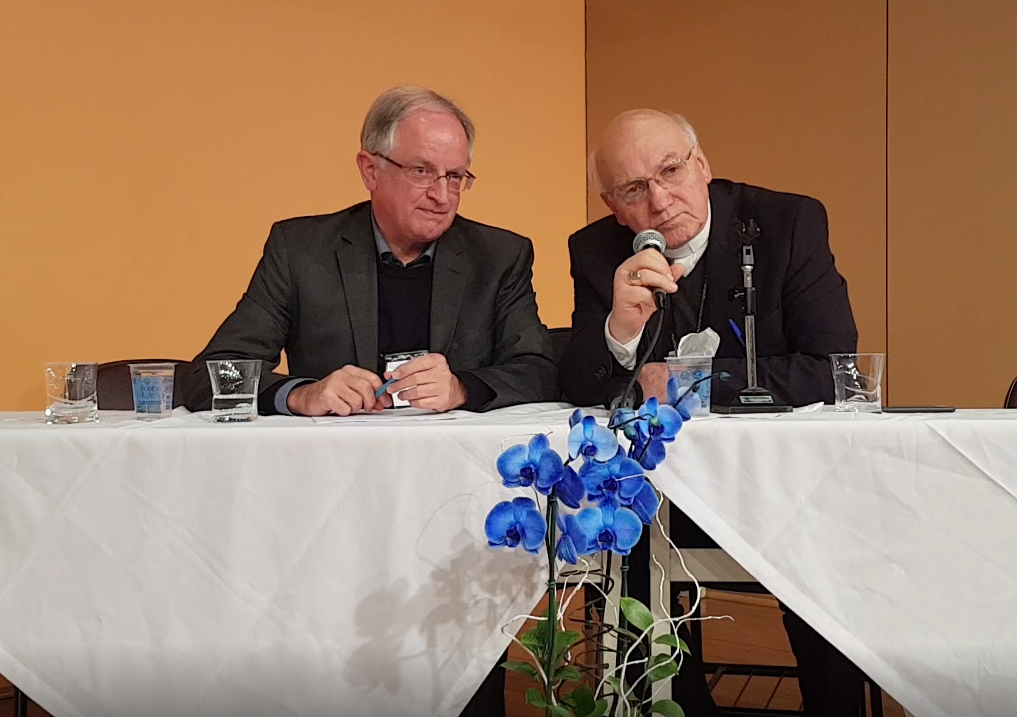
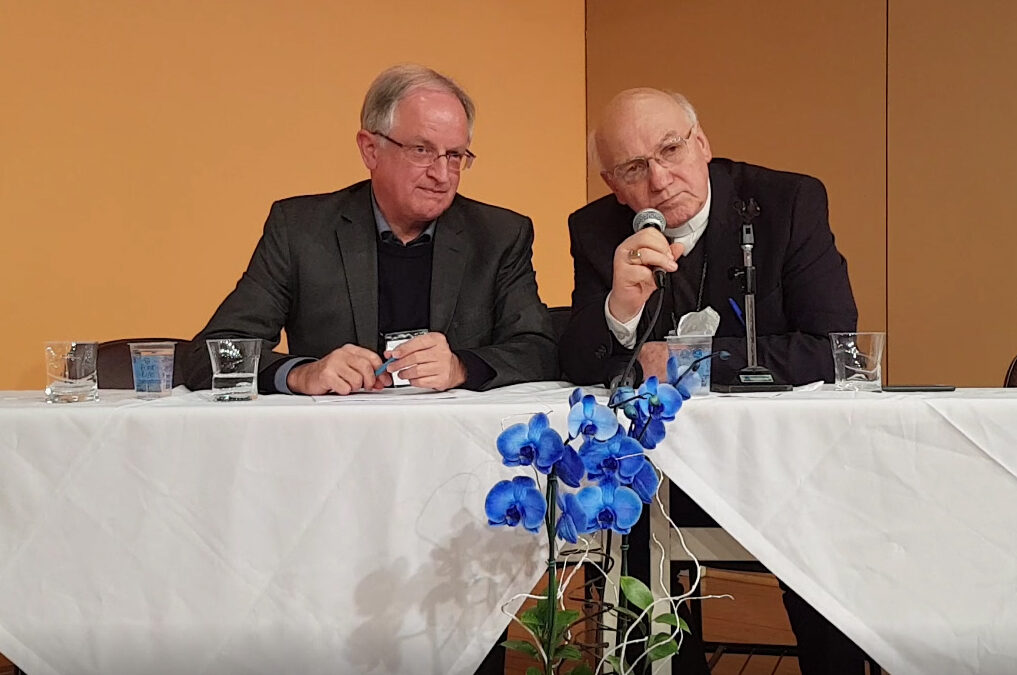
Fr Hubertus Blaumeiser and Bishop Dom Biasin, President of the Ecumenical Commission.
12 Oct 2017 | Non categorizzato
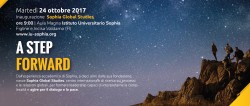
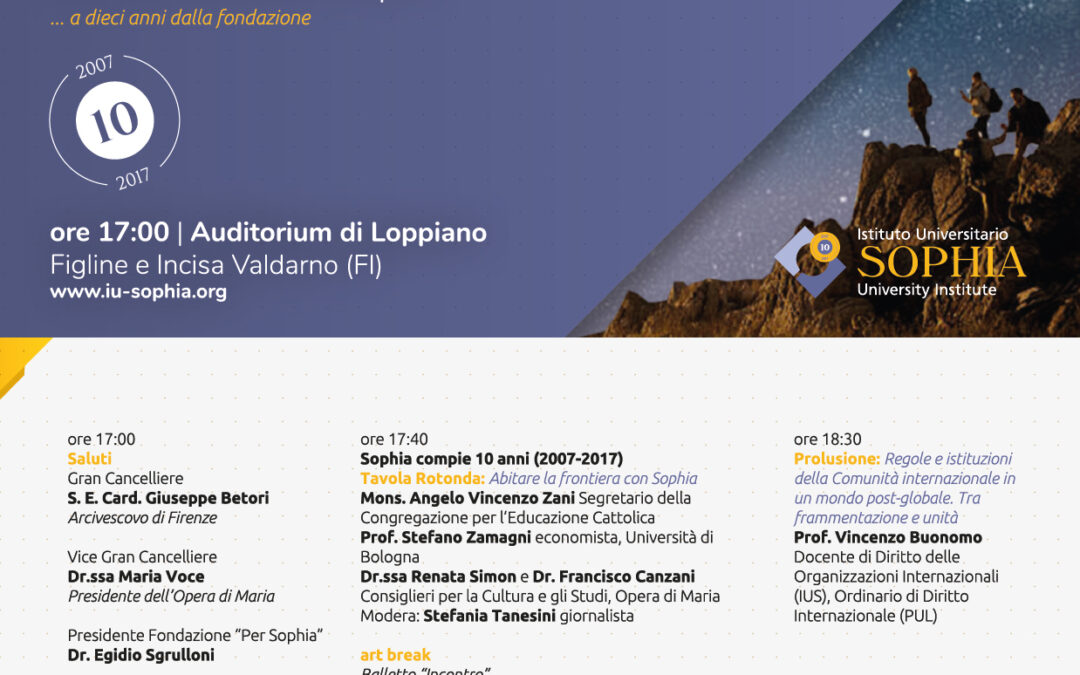
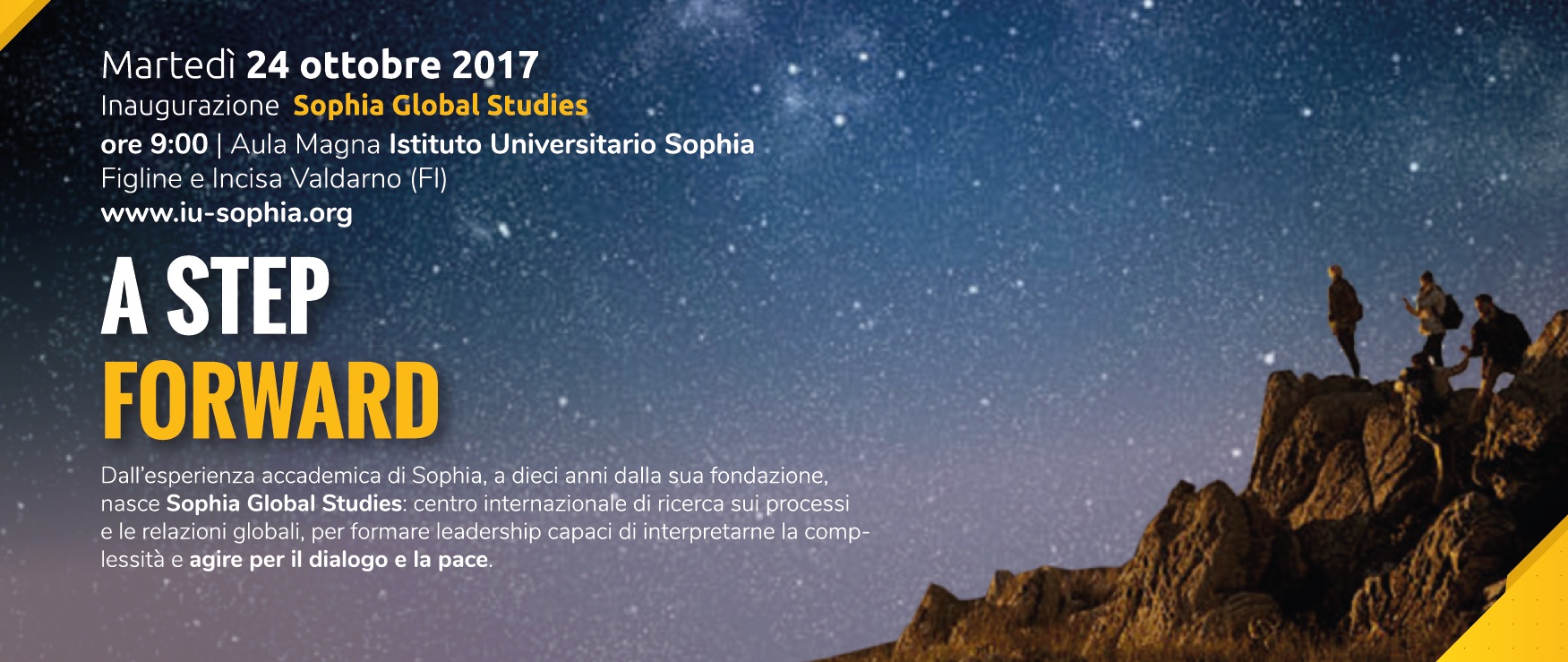 The tenth academic year of Sophia University Institute, which was formalized on December 7, 2007 by Pontifical Decree, will be launched on October 24, 2017. In the letter sent on that occasion to Chiara Lubich, who was the inspiration of Sophia, the Prefect of the Congregation for Catholic Education underscored the novelty of the Institute “that flows from the roots of the spirituality of unity and from the Movement’s rich experience.” He also asserted his best wishes for this “important project, well rooted in the academic tradition but also brave and forward-looking.” Ten year later, the Sophia academic community gratefully remembers the journey from then until now and plans strategies that will determine the near future in total faithfulness to the mission that has shaped Sophia Institute. The main event of the day will be the official opening of the new Sophia Global Studies Academic Centre. Inauguration Forum
12 Oct 2017 | Non categorizzato
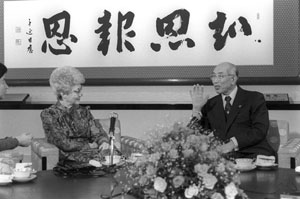
The crisis that has triggered around North Korea’s ballistic experiments and the reaction of the United States Administration have generated fears of the concrete possibility of a nuclear conflict. The old Latin adage to keep the peace prepare war is senseless today. The consequences of a conflict, furthermore with nuclear weapons, would have devastating consequences for the entire planet. Peace must be reached at all costs wherever it is strained and maintained, and wherever it has been achieved. The members of the Focolare Movement feel a growing awareness of the role each of us can play as individuals and as a community, in this process. Besides prayers, they have undertaken different types of common endeavours, often inspired by the initiatives of other organisations or movements with which the Focolare collaborates. In this sense we have to recall what the spiritual friendship between Chiara Lubich and Nikkyo Niwano, founder of the Japanese Buddhist movement, Rissho Kosei kai, has done to contribute to the cause of peace and to educate the new generations about this. “Despite the difficulties, our cooperation will make us hope that we can work for peace together,” Niwano wrote to Chiara. On the occasion of the Focolare’s 50th anniversary, the founder of the Buddhist movement and his son, Nichico, repeated this common commitment to “make our human family more united.” The Rissho Kosei kai also made itself heard over the last days with an official communication of the President-elect, Rev. Madame Kosho Niwano, to the world’s political and spiritual leaders, to renew the commitment of her movement and to ask them to leave no stone unturned in preserving peace in the Korean peninsula. The appeal draws inspiration from the ideas of the founder, Niwano, who on the occasion of his speech before the United Nations Assembly in 1978 right in the midst of the Cold War, had addressed the leaders of the USA and USSR. “Instead of risking with arms, please take the risk of peace and disarmament,” he said. Niwano, like many religious leaders of his time, among which were Paul VI, John Paul II, and Chiara Lubich, had realised the responsibility of religions in contributing to the creation and maintenance of world peace. The message Mme. Niwano also sent to Maria Voce, President of the Focolare Movement, is that of a daughter of a people that had suffered in an indescribable manner in the last world conflict that had set the political leaders of the world before the danger of the effects of sanctions that could cause unpredictable reactions. Also in the West there is a growing awareness of the danger of a nuclear escalation. On the occasion of the remembrance of the Day of Prayer for peace, established by John Paul II in 1986, the Committee for a Civilisation of Love prepared a meditation entitled Project for peace in the Korean region for the convention to be held at the convention in the Sacred Convent of Assisi (Italy) next 28 October. Read the original message
11 Oct 2017 | Focolare Worldwide
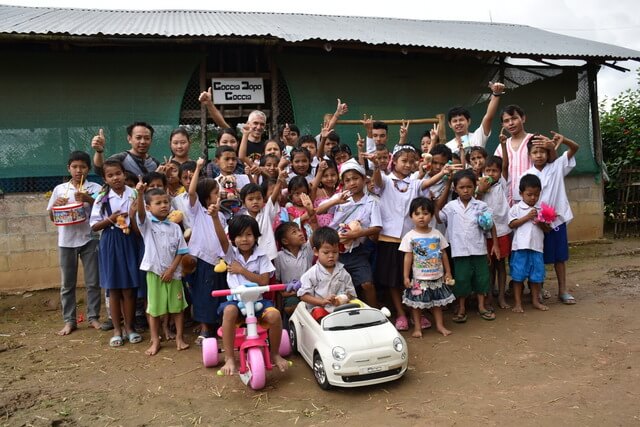
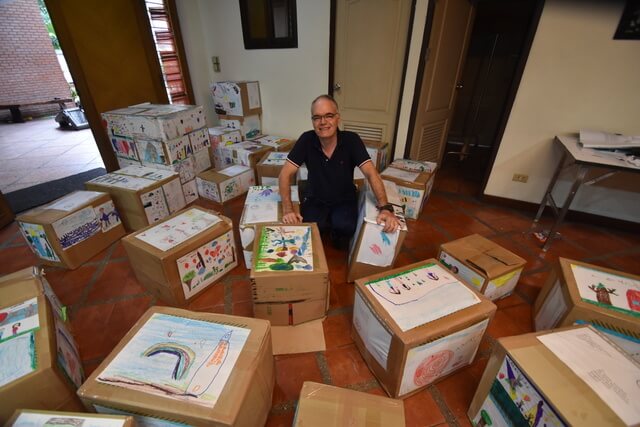 “We just got back from three days among the Karen refugees in Mae Sot, at the border with Myanmar. It was quite an experience, like any experience that brings you into direct contact with people’s pain.” Luigi Butori has lived in south east asia for many years, in one of the focolare or “hearth” communities of that region. “We loaded up the van, more than 30 crates that had arrived from Italy and took off with Glauco and Num, a Buddhist Gen. It’s now customary for us to make this 500 km journey every three or four months.” Mae Sot is a city of west Thailand close to the Myanmar border. It’s an important link with the nearby country, a place of refuge for many refugees and immigrants in general. They live in bad social and economic conditions. “These are our people,” Luigi writes. Those of them who have a job in the agricultural plants or in local industry are at times the victims of exploitation and paid starvation wages. But multitudes of refugees have found a refuge in the many camps that have been set up by international organisations that work in the border region, on Thailand territory. Many of the persecuted come from the Karen people. Their story is largely unkown. They’re simple farming folk who were forced to fun away. This is one of the many neglected conflicts which the media, however, considers to be of low intensity.
 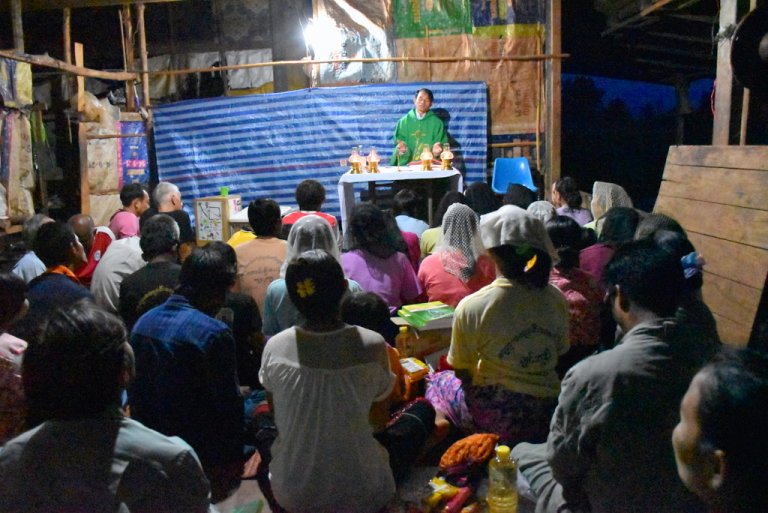 We had planned this trip a long time ago with Father Joachim, a Burmese priest who lives in Mae-Sot. Jim, another focolarino from Bangkok, met us in the morning, after a ten-hour overnight bus ride with a lot of checkpoints along the way. Every time you arrive in Mae Sot, it feels like you’re entering another world where values are changed. In the place of consumerism and comfort, we meet people without anything, yet they’re happy with the little they receive from us, and which we’ve recevied from many others from far and near. They know that we’re only there out of love for them: “This love that you bring to us is the reason why we carry on living and hoping,” they said to us more than once. We ate togetherw with them, which was a witness that spoke on its own. One evening we went into the midst of the camps and it was like walking into the middle of nothingness, with our van sinking into the mud and surrounded by the corn fields. It was all because we had to pick up a Catholic family and go to another location where forty Catholics were awaiting us for Mass. It was dark, rainy, and the place was full of mosquitos. We stood beneath a canopy in a large barn with a little bit of light. I suddenly started to think about the beautiful cathedrals in Rome where I lived five years ago. I thought about the paintings, the organs and the beautiful lights. That barn filled with mosquitos, with that gentle light and with all those people seated on the ground, seemed like a basilica to me. Because Jesus was there, spiritually, with us, in the midst of that crowd that didn’t have anything.” For several years Luigi has been the link between a schools twinning project that links Karen children in Mae Sot with those of Latina and with a group in Lucca, Italy and Poshiavo, Switzerland. With the funds and the materials gathered, it has been possible to build and start up a small school called “Drop by Drop”. “All of us in Class Four have met Luigi,” write the students from the C. Goldoni Elementary School in Latina. “We were happy to see him again, but mostly curious to hear the news about our Karen friends and their school. He showed us photographs and shared information about what’s going on up there. We were surprised to see how things that we consider totally normal – like a bathroom, a wooden bridge – for them is still something that is totally missing in their daily lives. Thanks to the Drop by Drop project we can build bridges of solidarity with our friends far away.”
10 Oct 2017 | Non categorizzato
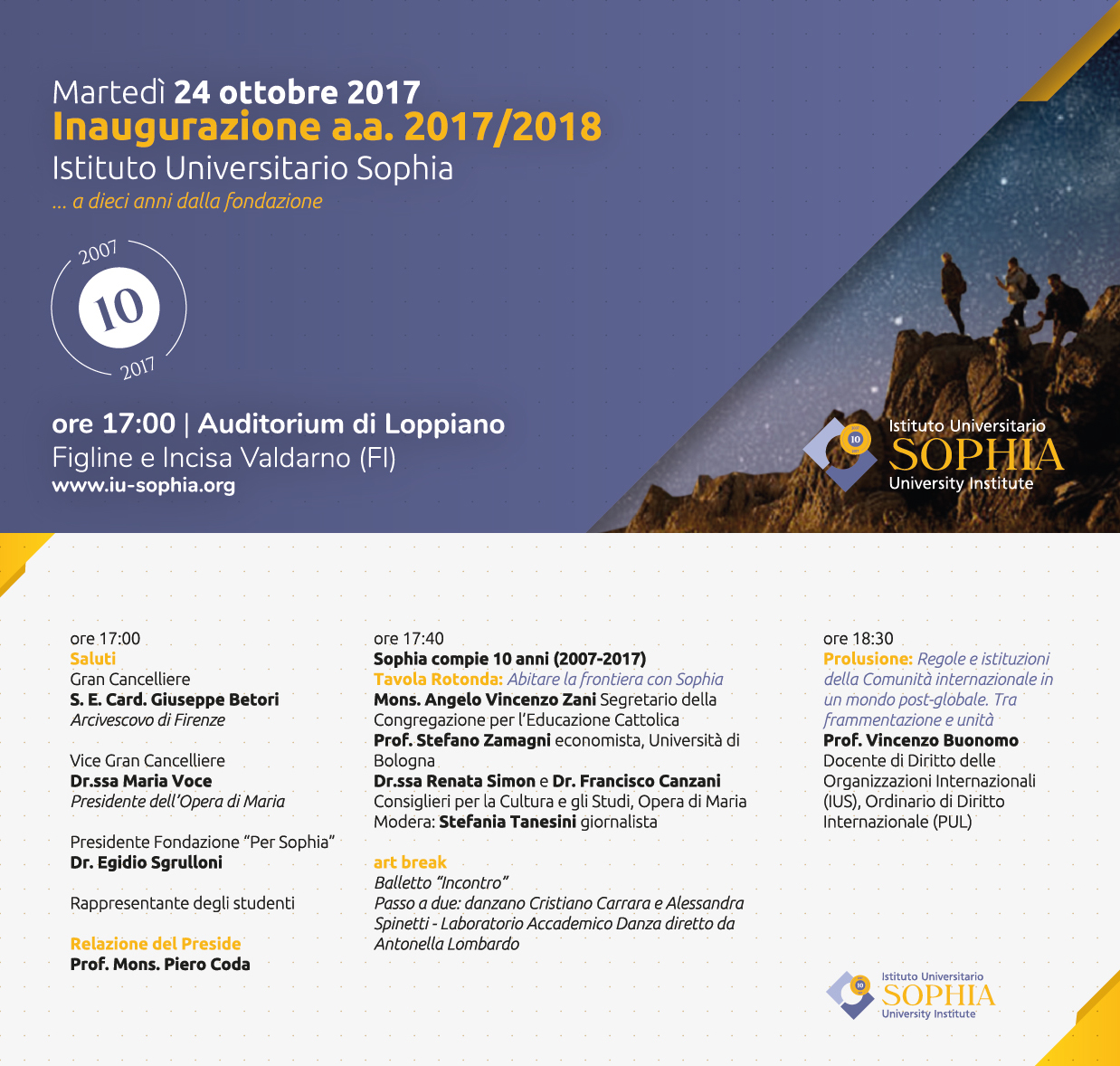 The event was divided in two parts. A forum in English will be held at 9:00 in the Great Hall of Sophia University Institute, titled Perspectives on Global Transformations. The will mark the official opening of the Sophia Global Studies Centre. At 17:00 the official inauguration of the Academic Year will be held in the Auditorium of Loppiano and include a moment of reflection on the new challenges facing Sophia. Program