30 Aug 2018 | Focolare Worldwide
A great number of displaced people waiting to return to their homes still submerged by the devastating floods, has in the meantime been gathered in 3,800 relief camps. The rescue and aid operations are brought ahead amid great difficulties due to the inaccessibility of some zones. In some cases, water and food have been launched from helicopters, given that roads and bridges have been destroyed. The local communities of the Focolare have written: “We’ve just returned from the Mariapolis (at about 300 km from Kerala) held with the members of the Word of Life groups scattered within a range of 120 km. Our hearts are with the people of Kerala which has been destroyed by the strong rains. We are still in the monsoon season, and the hot winds provoke these tropical typhoons. As far as we know, the members of the Movement are safe. A retreat had been programmed for the priests in Trivandrum (south Kerala), but it had to be cancelled since it is not safe to travel and many priests are involved in the tragedy. In the weekend, our local communities will be involved in gathering foodstuff and prime commodities to be sent to the stricken areas. We count on your prayers.” Also Pope Francis prayed for the victims and that “our solidarity and concrete support for the community will not be lacking.”
The following accounts were created for those who wish to donate:
| Azione per un Mondo Unito ONLUS (AMU – Action for a United World) |
Azione per Famiglie Nuove ONLUS (AFN – Action for New Families) |
| IBAN: IT58 S050 1803 2000 0001 1204 344 at Banca Popolare Etica |
IBAN: IT55 K033 5901 6001 0000 0001 060 at Banca Prossima |
| SWIFT/BIC code: CCRTIT2T |
SWIFT/BIC code: BCITITMX |
| Description of payment: Kerala Emergency (India) |
| The contributions paid in the two accounts with this payment description will be managed jointly by AMU and AFN. Tax reliefs are provided for such donations in many EU countries and in other countries in the world, according to diverse local norms. |
30 Aug 2018 | Focolare Worldwide
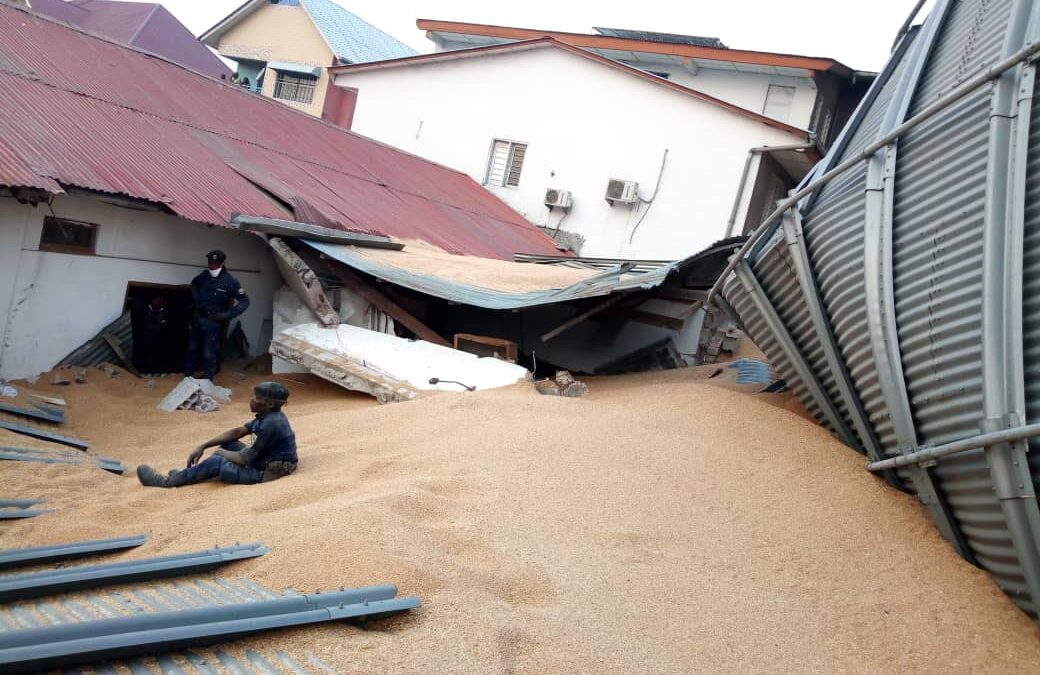
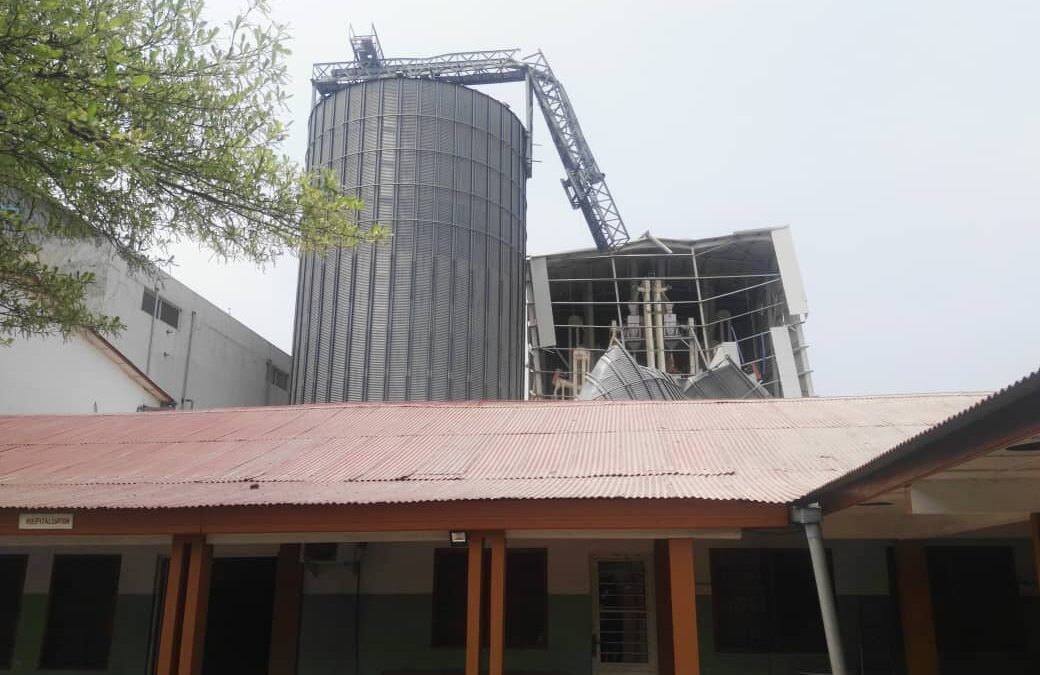
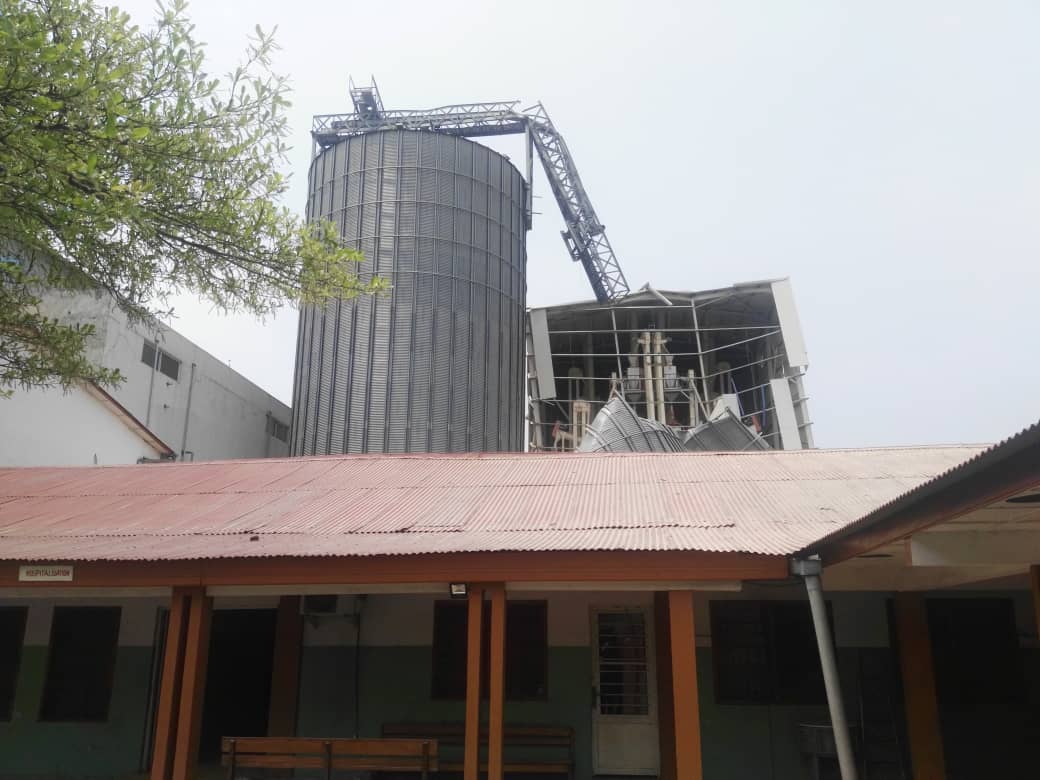 Focolare president Maria Voce wrote to the local Focolare community in the Democratic Republic of Congo: “Let us ask the Father to welcome into His Kingdom of peace all those persons who lost their lives in this serious accident, while entrusting to His love the wounded and everyone involved.” The accident occurred on the morning of August 28th in the city of Limate, north of Kinshasa. A silo containing tons of wheat, owned by flour producer FAB Congo, collapsed on part of the Moyi mwa Ntongo Hospital and an adjacent company. Under the weight of the rubble some people lost their lives, including Valentine, a member of the Focolare who was in charge of the laundry services, while other victims were in nearby buildings. “There has been an outpouring of help and support, searching for her body,” writes Aga Kahambu on behalf of the local Focolare community, with police, Red Cross and volunteers working tirelessly. Some of the victims are FAB employees, but the number is still uncertain. It is a very sorrowful time for all of us, but the unity and solidarity among so many has helped to strengthen us.”
 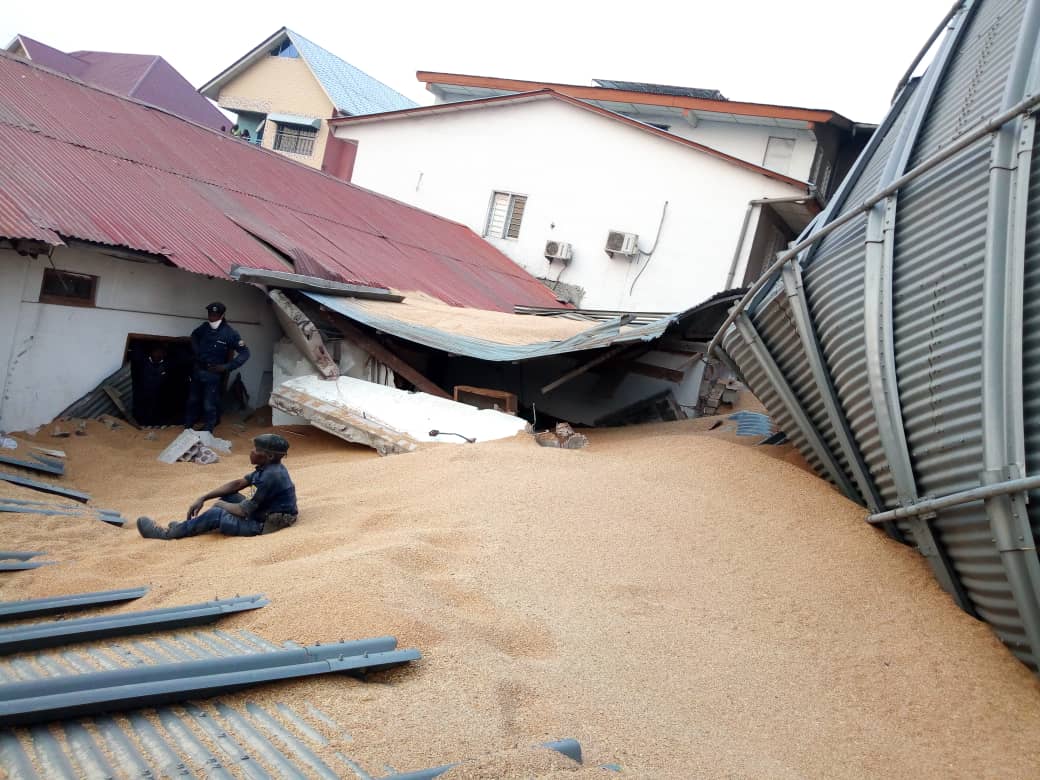 According to the local newspaper, “Actualite.cd,” the count is provisional, because the incident occurred at rush hour” and it reports “significant damage to the facilities, with the destruction of radiology, diagnostics and other departments.” Constructed in 2006 and directed by the Focolare Movement, the medical centre Moyi Mwa Ntongo is considered an excellent facility with 55 beds. Built for the care of child blindness, the centre then took on other projects, such as HIV and AIDS. Moreover, it is a model international humanitarian project: it makes use of specialists and local staff, trained both in the DRC and in Europe. In 2016, ten years after its founding, it finished a modern maternity and neonatology unit, which are essential in a country with one of the highest infantile death rates in the world. Fortunately that unit was preserved from the collapse. The ward was completed thanks to the contribution of people and agencies connected to the Focolare Movement, such as the Giancarlo Pallavicini Foundation and the gentlemen Albina Gianotti and Vittorino Giussani, financers of the Medical Centre since the day it began, and by AMU Luxemburg and AECOM Congo, as well as other supporters.
29 Aug 2018 | Non categorizzato
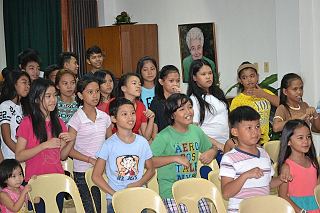
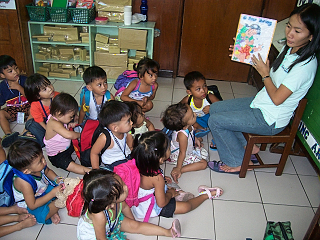 “When I was 6, my mother made me sign up to the daily social assistance program at Bukas Palad, which is a social project put on by the Focolare through its AMU (Action for a United World) and AFN (New Families) organizations. She had met a teacher who worked there. I remember her telling me, ‘There you will learn to have a smile that shines.’ My mother also participated in formation meetings and started to commit herself as a Volunteer. Initially I thought that she did it because she had nothing else to do, other than housework, but then I changed my mind when I saw that she also went on Saturdays. My father and brothers noticed she was happier. I was also attracted by the spirit of reciprocal love and unity that there was between staff members. Thanks to the project I was able to complete all my studies and graduate. I can testify that Bukas Palad had a fundamental role in most of my experiences and life choices. I remember quite well all the activities that we had at school and during the weekends with all the students. The training we received helped us become people who were sensitive to others and consider being poor not as an obstacle to doing what we want, but a gift. Through the project I met Chiara Lubich and the young people of the Focolare. Growing up in this environment, I learned that dreams can be reached if we believe that God’s love has a plan for each of us in our lives. I graduated with a degree in education from the University of Cebu, and then I passed the teacher’s entrance exam. Immediately after graduating I started working, continually accompanied by my Focolare ‘family’, who were always at my side, even when I had to face the world of work and life in general. Whether in moments that were satisfying or those that were more difficult, I had one of Chiara Lubich’s sayings with me: ‘Be family.’ When I think of Bukas Palad, I know well what it is to be a family. At first I taught in a private school for five years. Then in 2014, I requested a change to teach in public school. I was assigned to a school in Mandaue, a city that is part of the Cebu metropolitan area. Here things were completely different; there was not the same structure or systems in place that I was used to. When I had been teaching in private school, I thought that being a teacher meant having a huge heart and a brave soul. Now that I work in a public school, I believe I need a heart that is even larger, a soul that is even more courageous, and even more strength. Each time I’m tempted to leave this work behind, something keeps me here – especially the children. I see in them myself and my friends, many years ago, when we dreamt of becoming what we are now. Perhaps I will not be able to give them the same help and support that my family and I have received, but I try my best to transmit that same love to them.”
28 Aug 2018 | Non categorizzato
In a communication issued by the local headline “Actualite.cd”, the hospital’s health department reports that “seriously ill and severely injured patients were urgently transferred to the nearest hospitals” and that the priority at this time is to rescue those people “who are still under the rubble” and to give support to those who have been affected. Significant damage has been caused to facilities, such as the destruction of the radiology department, the centre for diagnostics and other sectors.
The maternity department and pediatrics, as well as an operating theatre were inaugurated two years ago. The collapse of the silos owned by the FAD Congo company caused damage to surrounding buildings including a factory, where there have been other casualties. Several authorities, including the mayor of the municipality of Limete, have arrived on the scene.
The Focolare Movement expresses its solidarity with the victims in their suffering and assures its spiritual closeness to all families involved.
