In 2025, the Focolare Movement took additional steps to make its commitment to safeguarding both structural and verifiable, with particular attention to children and vulnerable adults. This was carried out in three areas:
consolidation of regulations
organisational strengthening
educational and cultural growth
Regarding regulations, the Movement has drawn up and approved the Safeguarding Policy of the Focolare Movement, which came into effect on the 1st of January 2026. The Policy brings together values, responsibilities and practices, connects procedures and guidelines, defines codes of conduct, criteria for safe spaces with a clear focus on people who have suffered abuse, providing for listening, accompaniment and – in specific cases – support and measures for compensation.
On an organisational level, on the 2nd of September 2025, the Safeguarding Office was established, with the task of coordinating safeguarding activities, monitoring commitments and deadlines, supervising official communication and supporting local safeguarding officers. It is supported by the Advisory and Action Board: a body composed of experts in the fields of formation, communication, law, and accompaniment of people who have suffered abuse. Its task is to assess the compliance of the actions undertaken according to the founding values of the Focolare Movement, to propose guidelines and strategic plans, and to promote collaboration with external experts and networks, ensuring constant updates on current regulations and best practices in the field of safeguarding.
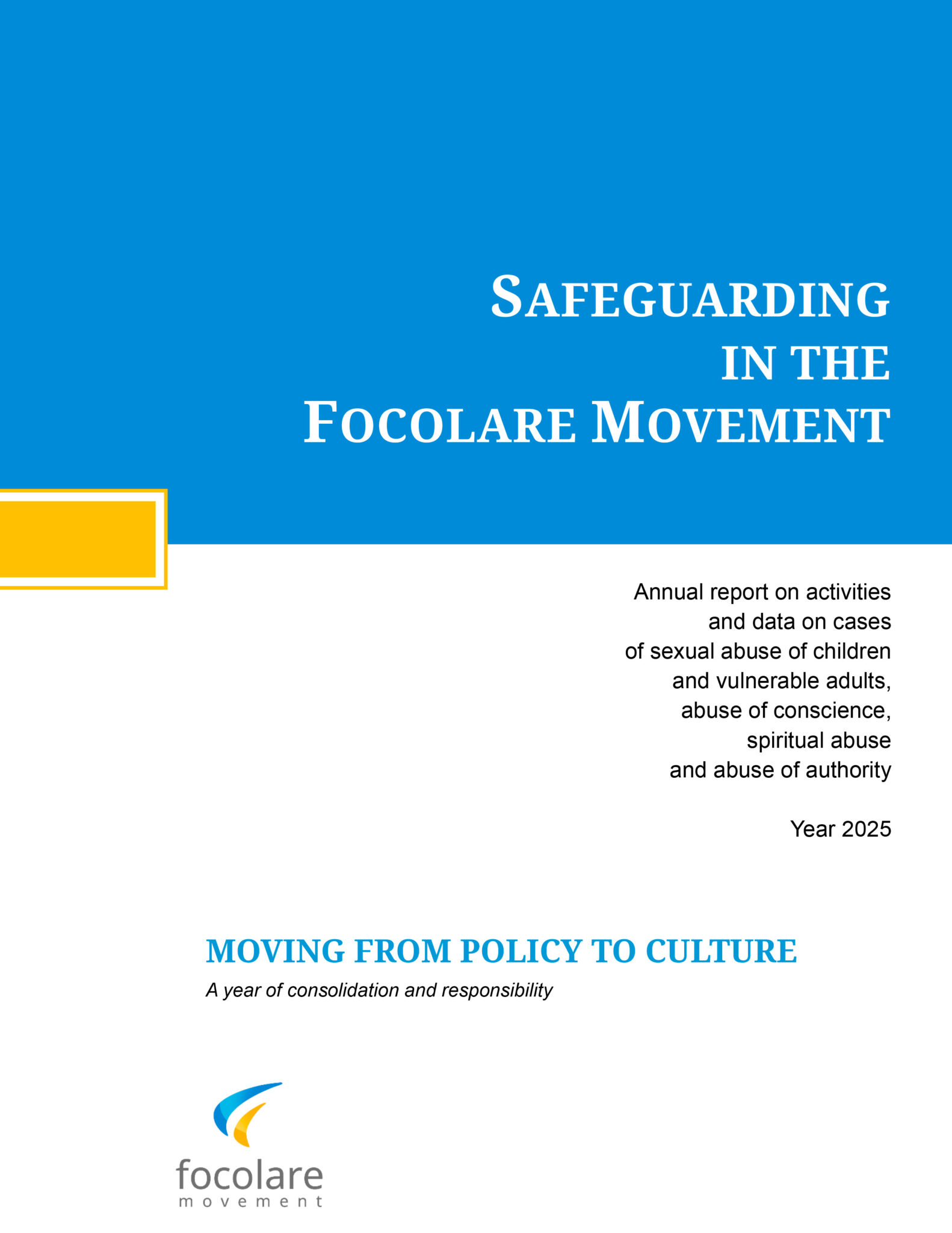
View and download the 2025 Report by clicking on the image
In dialogue with the Catholic Church, in the two-year period 2024-2025, a collaboration with the Pontifical Commission for the Protection of Minors (PCPM) was developed. The Commission examined the Procedures for handling cases of abuse, making several observations; it also requested information to include an analysis of the Movement’s policies in its own2024 Annual Report. The PCPM’s recommendations have led to a process of implementation that has already been partially completed (including the publication of the Internal Regulations of the Independent Central Commissionand the reporting of dedicated resources) and, for the remaining part, is in the process of being defined or developed (additions to be made to the General Statutes of the Focolare Movement, IT tools and institutional channels for data confidentiality).
The commitment to integral formation in safeguarding was outlined in an initial document summarising the courses and initiatives planned for the two-year period 2024–2025. The information shows the work being done to make formation more widespread, strengthen local commissions and coordinators, and at the same time highlights some critical issues that need to be addressed: continuity of formation, intercultural adaptation of materials, and improved flow of communication.
All of these steps – Policy, Safeguarding Office, collaboration with the PCPM, formation and transparency in reporting – express the desire to continue with determination on the path of prevention, shared responsibility and listening to those who have suffered an abuse, in the belief that safeguarding is an integral part of the Movement’s mission and a service to the common good.
In this perspective, the words that the Pope addressed to the participants at
the meeting ‘Building communities that safeguard dignity’ also resonate for
the Focolare Movement as a guideline to follow:
“I therefore appreciate and encourage your intention to share experiences and learning processes on how to prevent all forms of abuse and how to give an account, with truth and humility, of the steps taken to protect minors. I urge you to continue this commitment so that communities may increasingly become examples of trust and dialogue, where every person is respected, listened to, and valued.
Where justice is lived with mercy, wounds are transformed into openings for grace.”[1]
Stefania Tanesini
Interview with Bishop Alí Herrera, Secretary of the Pontifical Commission for the Protection of Minors of the Catholic Church
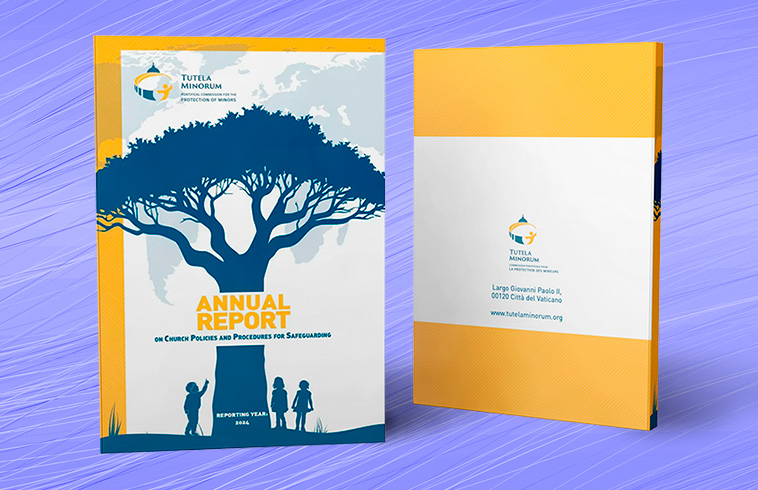
«The Church’s enduring response to abuse requires more than structural reforms: it demands active participation of all, at all levels of ecclesial life.» This could be one of the key phrases of the second Annual Report on Church Policies and Procedures for Safeguarding . In its comprehensive and detailed Report, the Pontifical Commission for the Protection of Minors documents its findings and recommendations for 2024, thanking Pope Leo XIV for his full support in this work.
A second key phrase could be this: «Victims should be central to our priorities.» For this reason, the direct listening to the victims and the survivors of abuse has been expanded in this second report. «Al di là del ruolo limitato e spesso insufficiente del risarcimento finanziario, in un approccio integrale alla riparazione sono fondamentali strumenti di riparazione come i seguenti:
assurances of welcoming listening centres for victims /survivors to be heard and believed by Church authorities
the provision of professional psychological support services
public acknowledgements and apologies
proactive and transparent communication with victims/survivors to provide timely updates on their cases
the inclusion of victims /survivors in the development of the Church’s safeguarding policies and procedures.»
During the presentation of the Report to the press, emphasis was placed on the ongoing dialogue between the Commission and the bishops’ conferences around the world, focusing primarily on prevention, transparency and applicable protection procedures. The availability of safe spaces is important in order to manage situations in a preventive manner.
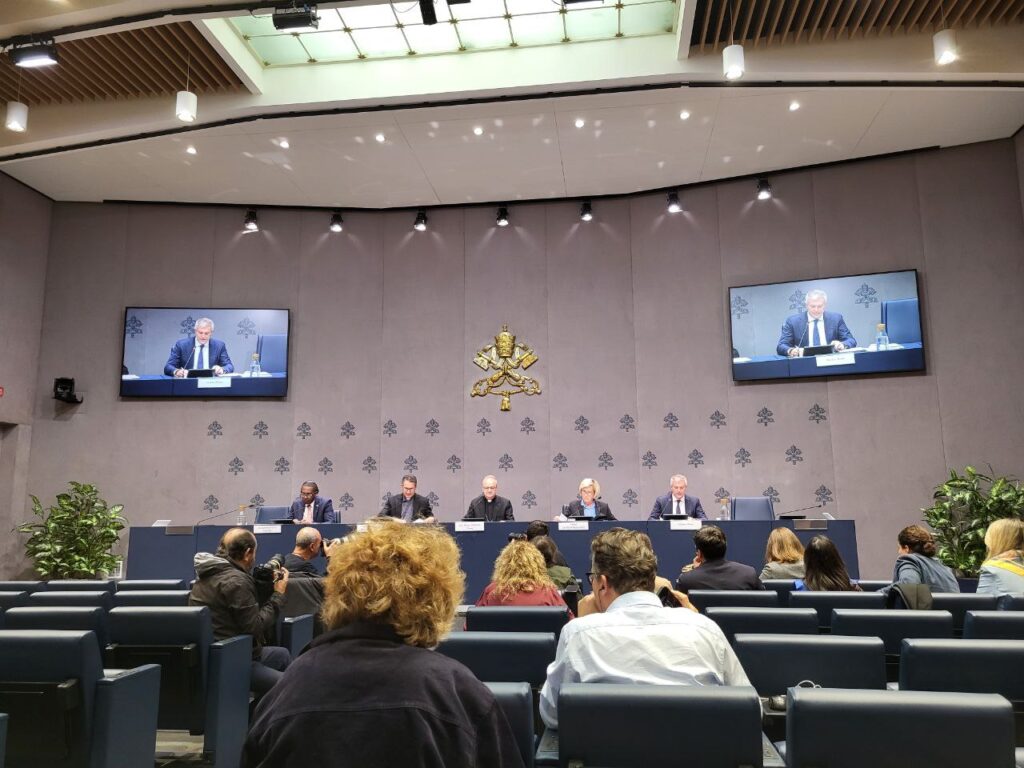
Press conference presenting the Second Annual Report of the Pontifical Commission for the Protection of Minors. From left: Prof. Benyam Dawit Mezmur, jurist, member of the Pontifical Commission; His Excellency Luis Manuel Alí Herrera, Titular Bishop of Giubalziana; Secretary of the Pontifical Commission; His Excellency Monsignor Thibault Verny, Archbishop of Chambéry, Bishop of Saint-Jean-de-Maurienne and Tarentaise, President; Dr Maud de Boer-Buquicchio, jurist, responsible for the Annual Report; Matteo Bruni, Director of the Holy See Press Office.
The cultural delays in many countries and the resistance to addressing situations and listening to people who have suffered abuse have not been concealed. Professionalism and structured dialogue are needed in local services, because victims or survivors often feel that they are not being adequately accompanied and report a lack of respect. There is also a need for a clearer canonical procedure for the dismissal and/or removal of Church leaders or staff in cases of abuse or negligence. However, there is widespread awareness of these delays and serious efforts are being made to acquire the necessary skills.
With regard to communication, this is a critical issue highlighted above all by victims, who always recall the suffering caused by the lack of transparency at the level of the universal Church and the local churches. The importance of developing training and information programmes for families on educational rights was also noted.
In the Report, the Commission launches a study on lay associations, in particular with the development of a pilot methodology to assist the Dicastery for Laity, Family and Life in accompanying aspects regarding safeguarding within these associations. This methodology is illustrated in the Report, together with an initial application in the case of the Focolare Movement.
« The Commission welcomes the important safeguarding reforms recently enacted by the Focolare Movement. While noting specific recommendations, the Commission also highlights certain particularly good practices, including the establishment of an Independent Central Commission for handling cases of abuse within the Focolare Movement; a Communication Policy concerning sexual abuse of children and vulnerable adults; and Guidelines on support and financial reparation in cases of sexual abuse.»
Among the improvements requested and the recommendations: external review and control procedures and a systematic independent review plan, at the same time taking into account the work of the Supervisory Board, which is however a useful provision within the Movement’s safeguarding system.
The inclusion in the new Procedures of a clause stating that victims/survivors should be proactively and affirmatively informed of their right to report their case to the civil authorities; to harmonize the Movement’s diverse and fragmented policies into a single, coherent document, although positively welcoming a consolidated document which is to be published shortly.
The Focolare Movement expresses its sincere gratitude for the support received from the Commission for the Protection of Minors, which over the past year has followed the Movement’s work on formation, prevention and the creation of a system of rules and procedures, offering its expertise. The work is now continuing with the study of the recommendations proposed by the Commission in this report; some will be implemented in the coming months and will be reported in the next Report on Safeguarding in the Focolare Movement, which will be published by February 2026.
We are publishing the report of the year 2024 on the activities of the Focolare Movement concerning the Safeguarding of the Person, starting with the words that Pope Francis addressed to the Pontifical Commission for the Protection of Minors and with which in fact, he updated the mandate with which he had established it 10 years ago. We feel strongly called to fulfil this ‘integral conversion’ to which the Holy Father is calling us, which is never completely accomplished, but asks us to question ourselves continuously, to have for each person a humble, always attentive, protective and welcoming attitude. He asks us to continue with perseverance on the path of formation and authentic closeness, aware of the need for change, so that each person may feel safe, loved and respected in our environments and in our various activities.
2024: listening, formation, regulations
There were three elements that characterised the past year from the point of view of safeguarding in the Focolare Movement: listening and the involvement of victims and witnesses in various capacities in the process of reparation, and the formation of the people in positions of responsibility in the movement; the expansion of courses and formation events for all participants and to continue to establish the regulations, with the updating of the document for the “Procedures for handling cases of abuse” as well as the drafting of the Guidelines for Listening and Welcoming Services.
The meeting last November of those responsible for the Movement around the world, with some people who had been affected either by sexual abuse or abuse of authority, by members of the Focolare Movement, was of fundamental importance. People told their stories of great suffering and the serious consequences on their lives and on the communities that they were or still are a part of. Also present were some family members of one of the people abused who gave their testimony of the serious impact that abuse has on all members of the family. The words of one participant expressed clearly the importance of that moment: ” Listening to these people marked a before and an after. With delicacy and clarity, they expressed to us how much the Movement has failed in what is at the heart of its charism: unity and love of neighbour, because in many cases we have not only been co-responsible in some way, for the abuse committed, but we have also left people alone to cope with their suffering ”.
In addition, the contribution of the those who have suffered abuse together with the involvement of professionals in various disciplines, from outside the Movement, have been fundamental to the work done at the International Centre and in the local areas. This included the documents that have been produced, as well as for the formation in Safeguarding of the Focolare communities around the world, together with the planning and opening of some spaces for listening and welcoming.
A Study Commission has now been set up to look at the abuses of authority and spiritual abuses that have occurred within the Movement. The aim is to investigate their causes, so as to be able to change harmful practices and implement the necessary prevention. The study, which is still ongoing, also makes use of advice from specialists from outside the movement in various fields: psychological, pedagogical and legal. This project was supported and encouraged by the Dicastery for the Laity, Family and Life and, despite being in its early stages, its great importance is recognised. So it is clear that the creation and enacting of norms and Procedures is not enough, but the dynamics, leading to the various forms of abuse, must be investigated.
Finally, regulatory documents and guidelines have been updated, developed and produced (as illustrated below), which are also the result of a fruitful collaboration with the Pontifical Commission for the Protection of Minors, which has followed and promoted the new steps taken.
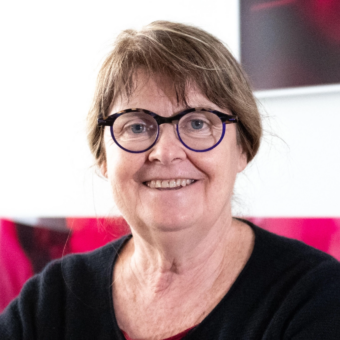
The Focolare Movement is publishing the report on its activities on safeguarding and on its data concerning abuse cases in 2023. An interview with Catherine Belzung, professor of Neuroscience and coordinator of the UNESCO Chair on Childhood Maltreatment. On 1st March, the second annual report of the Focolare Movement concerning its activities and data relating to cases of sexual abuse of minors and vulnerable adults as well as abuse of conscience, spiritual abuse and abuse of authority was published. We asked Catherine Belzung to give an evaluation of the document. Catherine is a university professor of Neuroscience in France, she is a senior member of the University Institute of France (2014) and president of the multidisciplinary research centre iBrain. Since 2022, she has been coordinator of the UNESCO Chair on Childhood Maltreatment, made up of a partnership of universities and institutions from 16 countries. She is also co-chair of the International Centre for Dialogue with Contemporary Culture of the Focolare Movement. Q: Since 2023, the Focolare Movement has decided to publish an annual report on child sexual abuse and also on abuse of conscience, spiritual abuse and abuse of authority. From your international perspective, what do you think of this decision? How do you consider this second report?A: I believe this report represents a real step forward. In fact, the last report was criticised, mainly because the places and dates of sexual abuse were not mentioned. The new report covers cases disclosed in the last 10 years and adds these clarifications: it is stated that sexual abuses were carried out on all continents (about 20 countries), with a peak of cases between 1990 and 1999, as well as during the decade before 90 and after 2000. The offences sometimes are repeated over several decades, suggesting that these are multiple repeat offenders whose abuses have continued. Some offences happened and were dealt with around 2020, indicating that people abused were able to report abuse almost in real time, which is progress. All communicated sexual abuses were carried out by men. The opposite is true for abuses of authority, which in 77% of cases were committed by women, which is in proportion with the higher number of women among those belonging to this Movement. The report also contains a detailed and clear section on the measures implemented during the year, particularly regarding formation. It remains to be understood what the root causes of these abuses are. Beyond preventive measures and sanctions, further work should be done to identify the systemic causes that could explain these figures, in order to put in place a strategy that would prevent them. Q: In this second report, the people who abuse are identified according to precise criteria set out in the Communication Policy recently published by the Focolare Movement. What do you think of this decision? A: This is an ethical conflict. On the one hand, it is a matter of believing the experience of the people abused and taking the complaints they make seriously, as well as quickly putting measures in place so as to protect them. On the other hand, it is a question of respecting the presumed innocence of the alleged abusers, of not defaming them when no final criminal conviction has been pronounced. The issue is complex and finding a satisfactory solution will no doubt require a lot of listening and dialogue. Q: The UNESCO Chair on child abuse that you coordinate came about because you came into contact personally with a case of child abuse of which you knew both one of the people abused and the person who abused. It was a case that happened in the Catholic Church in France. In this case, the social or religious community is defined as a ‘secondary victim’. What does this mean? What are the wounds that people carry, how can they be healed at a social and community level? A: Yes, in fact, this chair was set up as a result of being in contact with a person who had been abused. A contact that left a deep mark on me: I was profoundly affected by this suffering, and my desire to do something came from this. First and foremost, abuse affects the person who has been abused, who often suffers lasting psychological consequences. Sometimes, the opening up about the facts can bring out a great vulnerability in this person, which requires specific accompaniment. In turn, this also affects the person’s relatives, such as their spouse, their children, but also their parents who feel responsible for having entrusted their child to an institution that did not protect them. The devastating effects also have an impact on the entire community, as members are often unaware that within it a repeat offender was concealed, a person with whom they may have had a bond of closeness, of friendship. We may ask ourselves: why didn’t I notice anything? Another aspect concerns the bond with the institution that may have protected the abuser, sometimes in good faith, producing in people a sense of betrayal and distrust. Finally, the community may also become divided, depending on their divergent analyses, between those who take refuge in denial, and those who want to fight to prevent these things from happening again. Rectifying all of this requires a wide range of measures: it is essential to take on the responsibility of accompanying the people who have been abused and their families, but it is also necessary to restore trust in the institution that has shown its weaknesses and where there is a sincere willingness to learn from its past mistakes. It’s the actions that matter in making this happen: the institution must promote transparency by communicating very precise information, put in place clear procedures, create places for listening, establish reparation procedures and, for communities, spaces for dialogue where even opposing opinions can be exchanged. Q: The Focolare Movement is a worldwide organisation, including people from different cultures and religions who are subject to different legal systems and adopt different lifestyles. How is it possible to implement anti-abuse practices in such a multicultural and diverse environment? A: The consequences of child sexual abuse exist in all cultures, they are universal. In addition to the ongoing psychological and social impact, those who have been abused may have biological ongoing effects, such as increased stress hormones, altering the expression of certain genes and brain morphology and brain functioning. These dysfunctions continue to be present throughout the survivor’s life and may be passed on to the next generation. So it cannot be said that there are cultural variations in the severity of the consequences on those who have been abused or that there are cultures where these people suffer less: always and everywhere, it’s devastating. It is therefore necessary to put in place measures for prevention, but also for reparation all over the world. One can see that awareness of the seriousness of these situations is increasing: for example, in the Catholic Church, national enquiry commissions have been set up in many countries in Europe, North America, Latin America, but also in Australia, India and South Africa. Although suffering does not vary, what may vary is that people resist in denouncing the facts and their ability to put in place protective and remedial measures. This may be related to the fact that in some cultures talking about sexuality is taboo. The first step is to make people aware of the consequences of abuse: there are already programmes promoted by various associations that take into account the way sexuality is considered in different cultures. For example, proposing that those who listen to the suffering of people who have been abused and belong to the same culture can understand them better. This can make people want to do something about it. Prevention can also be targeted directly at children, through education about their rights: again, there are programmes, for example, based on songs. Another thing that varies is the ability of countries and institutions to take measures of protection and reparation. A respectful and non-stigmatising dialogue with those who commit abuse is the way forward: this will enable everyone to understand the seriousness of the abuse, but also to find culturally specific ways to enable people to speak up, to implement processes of reparation and to educate members of the community. Q: Both within the Focolare Movement and also in other contexts there are those who express the conviction that the time has come to move forward; that is, that it is not necessary to continue talking only about abuses, but to focus on the ‘mission’ of the Movement and on what beautiful and positive things are being generated in the world by the living out of this charism today. What is your opinion on this? A: What do we mean by ‘mission’? Is it not to advance towards universal fraternity, towards a culture that puts the suffering of the weakest first, a culture of dialogue, openness, humility? It seems to me that the fight against all kinds of abuses is precisely a way of implementing this desire, putting those who suffer in the first place. Helping to heal the wounds of those who have been abused is a way of going towards universal fraternity. This also implies accompanying the people who have abused in order to prevent reoffending. Acknowledging one’s mistakes, one’s vulnerability, in order to create solutions, taking into account the opinions of experts in this field is precisely a way to build a culture of dialogue. Fighting with determination against abuse and accompanying those who have been abused are right at the heart of this ‘mission’. Therefore we don’t need to choose between the fight against abuse and ‘mission’, because this fight is a central element of ‘mission’. In today’s context, this is a priority which is painful but necessary.
The Prefecture of Nanterre (France) issued an appeal for witnesses On Tuesday, 2 January, the Police Prefecture of Nanterre (France) issued an appeal for witnesses following the accusation of sexual abuse within the Focolare Movement in France by former focolarino Jean-Michel Merlin. The document states that the Prefecture is looking for ‘anyone who can provide information relevant to the investigation or who wishes to denounce facts of which he may have been a victim’. Jean-Michel Merlin,” the appeal explains, “has been accused of sexual abuse of children and adults committed over a number of years within the Focolare Movement. Many of the victims have come forward and denounced the acts committed against them. The Focolare expresses its complete availability to facilitate the work of the judicial authorities and to make this appeal known. They offer their support to the victims and their commitment to continue implementing measures to protect and safeguard children and individuals, so that the Movement can increasingly be a safe place for everyone. Anyone with information of interest to the investigation or who wishes to report incidents of which they have been a victim, in France or elsewhere, is invited to contact the French judicial authorities via the following address: appelatemoin-btpf92@interieur.gouv.fr
Effective today, November 20, 2023, the new Guidelines for Training in the Protection of Minors and Persons in Vulnerable Situations developed by the Focolare Movement are available. Margarita Gómez and Étienne Kenfack, Counselors of the Movement’s International Center on the aspect of Physical Life and Nature, offer us some clarifications. Illustrating the characteristics necessary to make a concrete commitment to the protection of the life and dignity of every person: this is what distinguishes the new Guidelines for Training in the Protection of Minors and Vulnerable Persons (SCVA) in the Focolare Movement, released today, November 20, 2023, International Children’s and Adolescents’ Day. A work that has seen the direct collaboration of 40 specialists and people involved in this field from all continents and that aims exclusively to provide the necessary elements so that in every country where the Focolare Movement operates, an adequate training strategy can be developed that is oriented towards prevention and eradicating any kind of abuse, both within the Movement and in the environments where its members are found (work, neighborhood, school). As early as 2013, the Movement had been engaged in training for the protection of minors, with widespread work in all the countries where it operates and a six-hour course that contained the basic principles. This training effort as of December 2022 had reached 17,000 people, and although the training was open to all, it was mainly carried out by people who had responsibility or direct contact in activities with minors. Following the report on the serious cases of sexual abuse recorded in France, published one year after the GCPS consulting survey, a strong need arose to offer targeted training to all members of the Focolare Movement of every age, vocation, nation, role. For this reason, the Guidelines are a universal tool, leaving ample room for appropriate inculturation and specific implementation in the particular context of origin. “The training is aimed at everyone, and by ‘everyone’ we mean not only the members of the Movement but also the people who work in our facilities-said Étienne Kenfack. The Guidelines, on the other hand, are aimed at the Movement leaders in the different geographical areas and their teams who will be responsible for implementing them.” The Guidelines will come into effect on January 1, 2024, for a period of 20 months ad experimentum. A period of comparison in order to gather all the changes and transformations that will be needed for the future. “The document – continues Margarita Gómez – rests on a key resource for us, and that is communion: therefore, we will work in a network, there will be an international commission and local teams that will carry out the project; there will be moments of exchange, with online links to help us resolve doubts, to share good practices. It is no coincidence that we have decided to title our training program ‘All responsible for all.’ I hope that these Guidelines will find great acceptance in our communities and that in a few months we may have given a significant boost to training in this area.”
Maria Grazia Berretta
Watch the video (activate English subtitles) https://youtu.be/OsZW-DC_E7U


 A: I believe this report represents a real step forward. In fact, the last report was criticised, mainly because the places and dates of sexual abuse were not mentioned. The new report covers cases disclosed in the last 10 years and adds these clarifications: it is stated that sexual abuses were carried out on all continents (about 20 countries), with a peak of cases between 1990 and 1999, as well as during the decade before 90 and after 2000. The offences sometimes are repeated over several decades, suggesting that these are multiple repeat offenders whose abuses have continued. Some offences happened and were dealt with around 2020, indicating that people abused were able to report abuse almost in real time, which is progress. All communicated sexual abuses were carried out by men. The opposite is true for abuses of authority, which in 77% of cases were committed by women, which is in proportion with the higher number of women among those belonging to this Movement. The report also contains a detailed and clear section on the measures implemented during the year, particularly regarding formation. It remains to be understood what the root causes of these abuses are. Beyond preventive measures and sanctions, further work should be done to identify the systemic causes that could explain these figures, in order to put in place a strategy that would prevent them. Q: In this second report, the people who abuse are identified according to precise criteria set out in the Communication Policy recently published by the Focolare Movement. What do you think of this decision? A: This is an ethical conflict. On the one hand, it is a matter of believing the experience of the people abused and taking the complaints they make seriously, as well as quickly putting measures in place so as to protect them. On the other hand, it is a question of respecting the presumed innocence of the alleged abusers, of not defaming them when no final criminal conviction has been pronounced. The issue is complex and finding a satisfactory solution will no doubt require a lot of listening and dialogue. Q: The UNESCO Chair on child abuse that you coordinate came about because you came into contact personally with a case of child abuse of which you knew both one of the people abused and the person who abused. It was a case that happened in the Catholic Church in France. In this case, the social or religious community is defined as a ‘secondary victim’. What does this mean? What are the wounds that people carry, how can they be healed at a social and community level? A: Yes, in fact, this chair was set up as a result of being in contact with a person who had been abused. A contact that left a deep mark on me: I was profoundly affected by this suffering, and my desire to do something came from this. First and foremost, abuse affects the person who has been abused, who often suffers lasting psychological consequences. Sometimes, the opening up about the facts can bring out a great vulnerability in this person, which requires specific accompaniment. In turn, this also affects the person’s relatives, such as their spouse, their children, but also their parents who feel responsible for having entrusted their child to an institution that did not protect them. The devastating effects also have an impact on the entire community, as members are often unaware that within it a repeat offender was concealed, a person with whom they may have had a bond of closeness, of friendship. We may ask ourselves: why didn’t I notice anything? Another aspect concerns the bond with the institution that may have protected the abuser, sometimes in good faith, producing in people a sense of betrayal and distrust. Finally, the community may also become divided, depending on their divergent analyses, between those who take refuge in denial, and those who want to fight to prevent these things from happening again. Rectifying all of this requires a wide range of measures: it is essential to take on the responsibility of accompanying the people who have been abused and their families, but it is also necessary to restore trust in the institution that has shown its weaknesses and where there is a sincere willingness to learn from its past mistakes. It’s the actions that matter in making this happen: the institution must promote transparency by communicating very precise information, put in place clear procedures, create places for listening, establish reparation procedures and, for communities, spaces for dialogue where even opposing opinions can be exchanged. Q: The Focolare Movement is a worldwide organisation, including people from different cultures and religions who are subject to different legal systems and adopt different lifestyles. How is it possible to implement anti-abuse practices in such a multicultural and diverse environment? A: The consequences of child sexual abuse exist in all cultures, they are universal. In addition to the ongoing psychological and social impact, those who have been abused may have biological ongoing effects, such as increased stress hormones, altering the expression of certain genes and brain morphology and brain functioning. These dysfunctions continue to be present throughout the survivor’s life and may be passed on to the next generation. So it cannot be said that there are cultural variations in the severity of the consequences on those who have been abused or that there are cultures where these people suffer less: always and everywhere, it’s devastating. It is therefore necessary to put in place measures for prevention, but also for reparation all over the world. One can see that awareness of the seriousness of these situations is increasing: for example, in the Catholic Church, national enquiry commissions have been set up in many countries in Europe, North America, Latin America, but also in Australia, India and South Africa. Although suffering does not vary, what may vary is that people resist in denouncing the facts and their ability to put in place protective and remedial measures. This may be related to the fact that in some cultures talking about sexuality is taboo. The first step is to make people aware of the consequences of abuse: there are already programmes promoted by various associations that take into account the way sexuality is considered in different cultures. For example, proposing that those who listen to the suffering of people who have been abused and belong to the same culture can understand them better. This can make people want to do something about it. Prevention can also be targeted directly at children, through education about their rights: again, there are programmes, for example, based on songs. Another thing that varies is the ability of countries and institutions to take measures of protection and reparation. A respectful and non-stigmatising dialogue with those who commit abuse is the way forward: this will enable everyone to understand the seriousness of the abuse, but also to find culturally specific ways to enable people to speak up, to implement processes of reparation and to educate members of the community. Q: Both within the Focolare Movement and also in other contexts there are those who express the conviction that the time has come to move forward; that is, that it is not necessary to continue talking only about abuses, but to focus on the ‘mission’ of the Movement and on what beautiful and positive things are being generated in the world by the living out of this charism today. What is your opinion on this? A: What do we mean by ‘mission’? Is it not to advance towards universal fraternity, towards a culture that puts the suffering of the weakest first, a culture of dialogue, openness, humility? It seems to me that the fight against all kinds of abuses is precisely a way of implementing this desire, putting those who suffer in the first place. Helping to heal the wounds of those who have been abused is a way of going towards universal fraternity. This also implies accompanying the people who have abused in order to prevent reoffending. Acknowledging one’s mistakes, one’s vulnerability, in order to create solutions, taking into account the opinions of experts in this field is precisely a way to build a culture of dialogue. Fighting with determination against abuse and accompanying those who have been abused are right at the heart of this ‘mission’. Therefore we don’t need to choose between the fight against abuse and ‘mission’, because this fight is a central element of ‘mission’. In today’s context, this is a priority which is painful but necessary.