
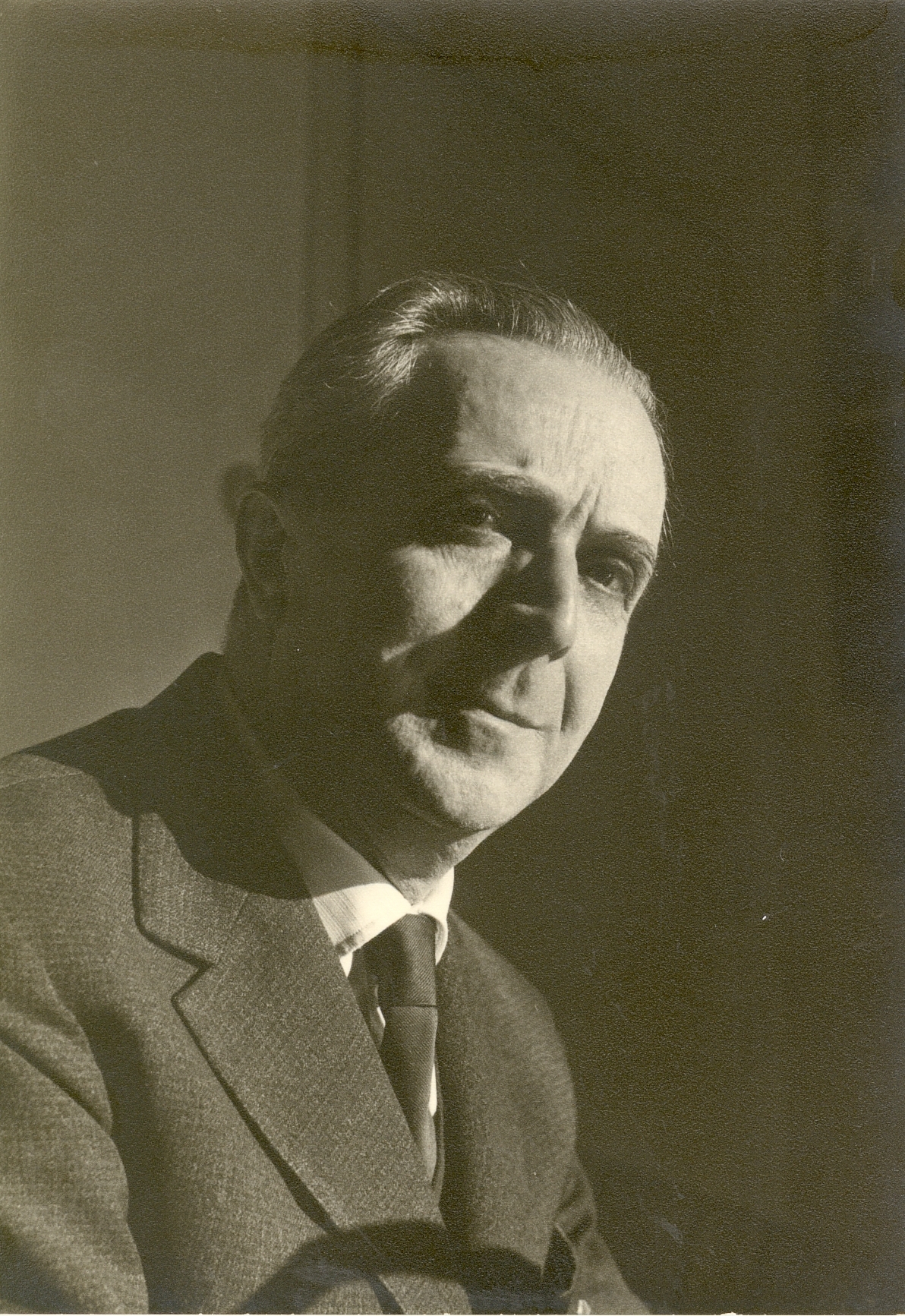
 We won’t collect any laurels for what we are doing but we will have a clear conscience. I can’t understand why entering into politics and working in the realms of public life means that a person automatically stops being a Christian. When someone is part of that world, they separate faith from what they do: they reduce doing apostolic works to a denial or rejection of something: today it is anti-communism, in the past it was anti-liberalism or a rejection of Luther…….Denial is valid but once stated, you must take action. Affirmation is even more important. The most essential affirmation is this: whenever I meet another person, whether it be in church, along the road or in parliament, I am meeting a brother or sister, a child of God, redeemed by his precious blood. I must love that person irrespective of class, how they are dressed or what attitude they have. I think that reducing things to denial or rejection is settling upon the absurd idea that there is a right to hate, to avoid positive social action and to impoverish the gospel. Believing that Christianity can be dressed up in such a deformed way, making hatred lawful, is the same as believing that Christianity is a lubricant for human passions of greed and murder. (Igino Giordani. From a letter to Fr. Primo Mazzolari, 2 February 1951.) Serving people is serving God. To serve any citizen – worker, house wife, student or nation – is working for Christ. He told us, “Whatever you do to the least of these my brothers, you do to me.” (Mt. 25:40) If you look at politics in this way, it loses all sense of hostility, hatred and exclusivism. Amidst the variety of opinions that express a richness of ideas, a Christian sees a brother or sister to love even if they belong to a different political party. Even if they reject the opinions, the Christian does not reject the other soul, born of the same Heavenly Father and true heir of his love. (Igino Giordani, The Difficulty of a Christian Today, Citta Nuova, Rome, 1976, p. 129) Catholics in politics should be advocates of the creation of a society inspired by the gospel. This demands an interior poverty, a disregard for wealth and self-importance and a morality that in politics is like oxygen to the lungs. It needs a commitment to power as service, the breaking up of privilege and social classes and to revolution … (Igino Giordani, “The Way” June 1950, p.1) By the Igino Giordani Centre
Be there to serve
Be there to serve


0 Comments