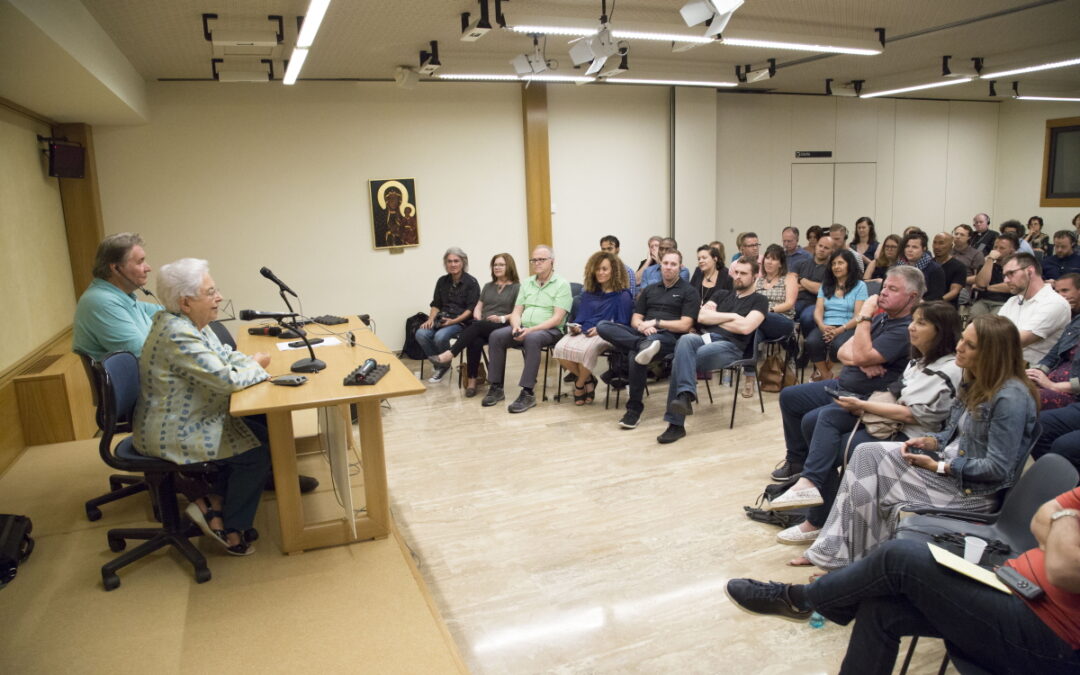
“John 17” Movement at Castelgandolfo
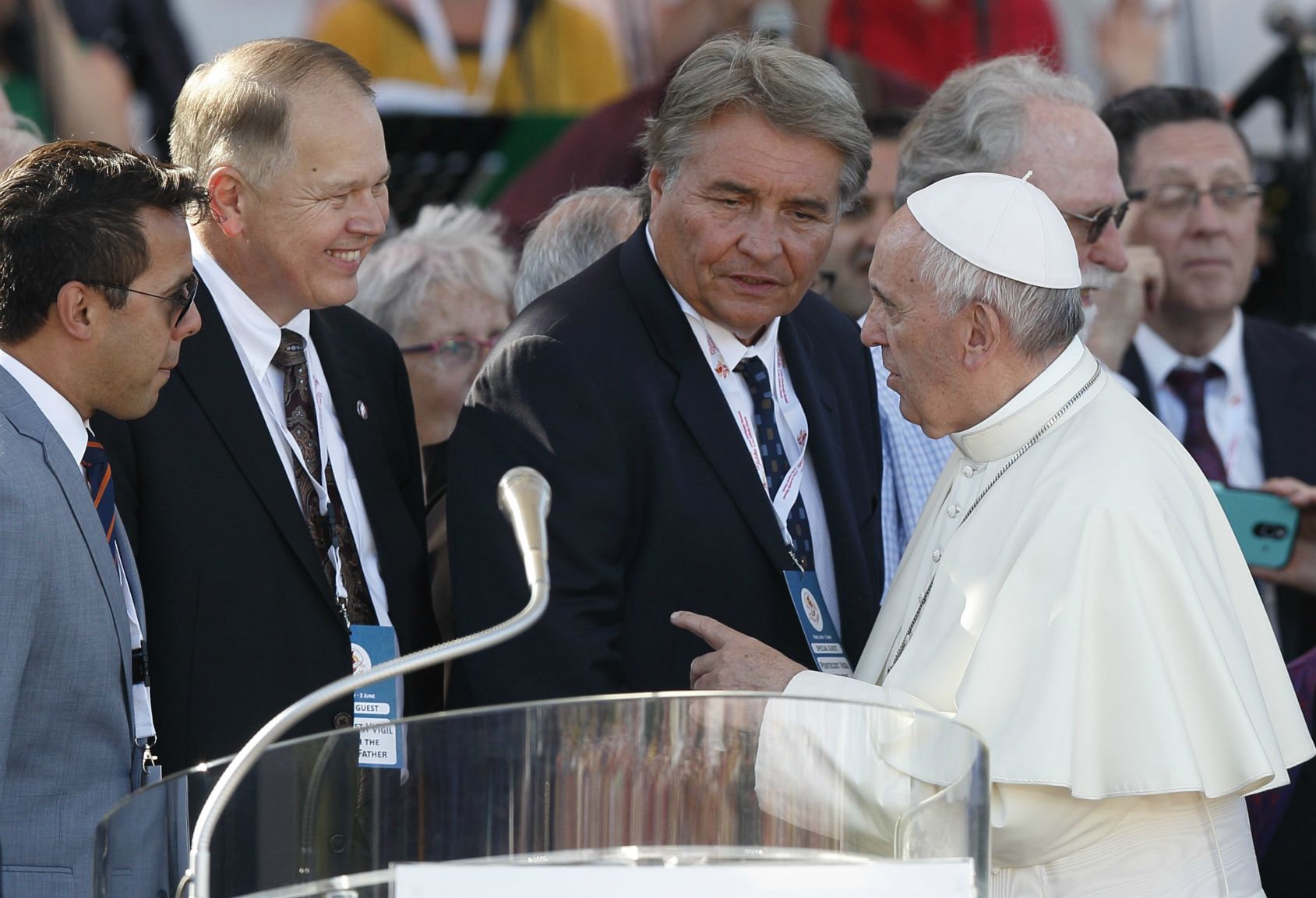
At the Vigil of Pentecost at the Circus Maximus in Rome
Photo credit: © CSC Audiovisivi-Caris Mendes

At the Vigil of Pentecost at the Circus Maximus in Rome
Photo credit: © CSC Audiovisivi-Caris Mendes
The website is up in preparation for the 2018 Synod of Bishops on “Youth, Faith and Vocational Discernment”. The site contains a questionnaire in five languages, to facilitate the widest participation of all the young people in the world, not only to receive information of the event, but also to interact and take part in the preparation.” “Let your shout be heard, let it resound in the communities and make it reach the pastors,” Pope Francis exhorted the young people. He went on: “Saint Benedict reccommended that abbots to consult the youngest members before any important decision because, “it is often to the youngest that the Lord reveals the best solutions.”
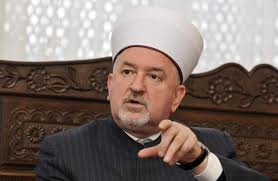
“A recipe for success doesn’t exist, but there is a recipe for failure. The recipe for failure is violence ‘in the name of Allah’”. With these words, the Grand Mufti Emeritus of Bosnia Herzogovina turned to the Muslims of Europe with an appeal. He made it on the day after the bloody attacks in London and Manchester. Like Chiara Lubich before him, and presently Maria Voce, Mustafa Ceric was once the honorary president of Religions for Peace. “This is not my faith. This is not the Allah I believe in. My faith is never the knife, it’s never terror. My Allah is Loving and Merciful. […] “I confess that I have never felt so confused and so helpless in trying to explain what is happening inside and outside my community of faith. I console myself with the thought that these are the actions of extreme minorities, just a political game by great powers to gain Muslim wealth.” The Grand Mufti had been awarded the Felix Houphouet-Boigny UNESCO Peace Prize in 2003 and the Sternberg Prize of the International Council of Christians and Jews “for his outstanding contribution to the understanding of the faith.” In 2007 he received the Theodor-Heuss-Stiftung Prize for his Contribution to the Dissemination and Strengthening of Democracy and in 2008 the Eugen Biser Foundation Prize for his efforts to promote understanding and peace between Christian and Islamic thought. Mustafa Ceric used strong words: “My faith community has many problems. The biggest one is that of delegating to others the solutions of our problems. Instead, my Community of Faith, my Ummah, must solve its problems within itself before solving the problems around it.” There are those who claim that the attacks against innocent civilians in Manchester or London are more important than the ones in Palestine, in Kabul, Mosul, Sa’an and Misurata, said Ceric. “They aren’t more important, but certainly more dangerous for the Muslims in Europe, the majority of whom have escaped from Muslim countries to seek peace and safety for their children in Europe. The peace and safety they have experienced up until now are threatened. After Manchester, London – and even before that, Berlin and Zurich – “the European Muslims have to be strong and clear not only about condemning violence ‘in the name of Allah’, but also about taking concrete measures against any form of abuse of Islam. They need to have a clear voice, a united and irrevocable voice in the struggle against the violence that is supported ‘in the name of Allah’. It is no longer a matter of individual goodwill of individuals or groups that work for interreligious dialogue. It is an existential problem for Islam and for the Muslims in Europe.” The Grand Mufti therefore launched an appeal to the Muslims of Europe to “gather together immediately around a “common word” between us and our neighbours independent of their faith, race or nationality, to swear an oath to God, to themselves and to their own neighbours in Europe: an oath to love and promote peace, security and cooperation in accordance with what we are obliged to do by our culture and Islamic faith. We must swear that we will do everything that is necessary to fight together against violence towards innocent people. We present-day generations of European Muslims owe it to our descendants who have no blame.” “This is no longer the time to hesitate!” The Mufti vehemently expressed his hope and desire for a change. “There’s no room for calculation! There are no longer excuses for putting it off, nor justifications for waiting! There is no salvation in silence! There is no future for Islam nor for Muslims in Europe if not in coexistence and in tolerance with our European neighbours!”

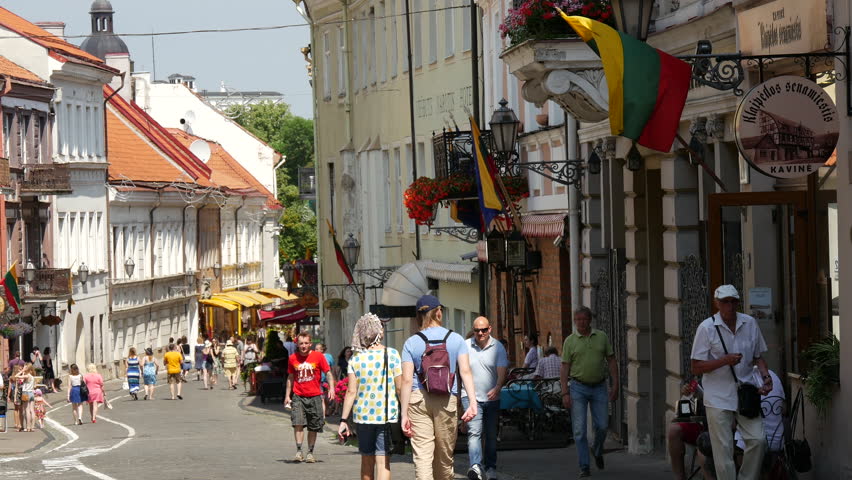
Škofja Loka
“About a year ago,” Natalija continues, “we were put to the test. In summer, the smallest of our children underwent some counselling, which is done routinely when infants reach the age of three. The psychologist’s diagnosis really surprised us: Attention Deficit Disorder. As an ex-teacher and pedagogue expert, I saw before my eyes all those children who had this type of problem and the difficulties parents had to face in dealing with it. Shocked and dazed, I went back to Ray of Sunshine kindergarten, where Damijan and I both worked. We talked things over for a long time and we realized that for our son to have the best care, one of us had to give up their job.” “We knew we had to devote all our time and energy,” says Damijan. “We were conscious of the fact that we still had a mortgage, that we were six in the family and that we were low-income earners. We explored all the financial possibilities and, despite the uncertainty, I left my job believing that God would not abandon us. We shared our situation, and consequent decision, with our work colleagues. We were grateful to each one for their understanding and support. In the following week, our choice proved to be the right one. On night, my mother, who lived with us, had a stroke and remained paralyzed. It was a shock for us all. For the first two months she was able to feed herself, but there was a subsequent stroke that led to blindness and then dementia. She therefore needed more and more care. Although challenging, we respected her desire to remain at home. In the meantime, our son’s condition improved considerably. In fact things were much calmer all round. When the children arrived home from school, there was always someone waiting for them with a meal on the table. And when Natalija arrived home from work, she was able to devote herself totally to the family. Throughout this time, though living on only one salary, we can say that we lack nothing. And even if we have to give up something, it’s not a deprivation. We are grateful to God for having supported us and for having taught us to live the art of loving, and also to reap the fruits which have won us over completely.”
For your commitment to peace, promoting a series of initiatives to convert a weapons factory in the province of Iglesias” (Sardinia, Italy). The missive, dated June 3 addressed the local community of the Focolare Movement, (New Humanities section), for all the endeavours undertaken with Amnesty International, Oxfam, Fondazione Banca Etica, Opal Brescia and Italian Disarmament Network, for the “RVM reconversion” (Multinational Arms-producing Company). The Holy Father said he was “happy to know that you are concretely involved in promoting a dignified employment, as an alternative to the manufacture of arms, in a territory that is still undergoing serious employment crises.” Lastly, he expressed his “solidarity for the commitment in spreading the culture of peace.”