4 May 2017 | Focolare Worldwide
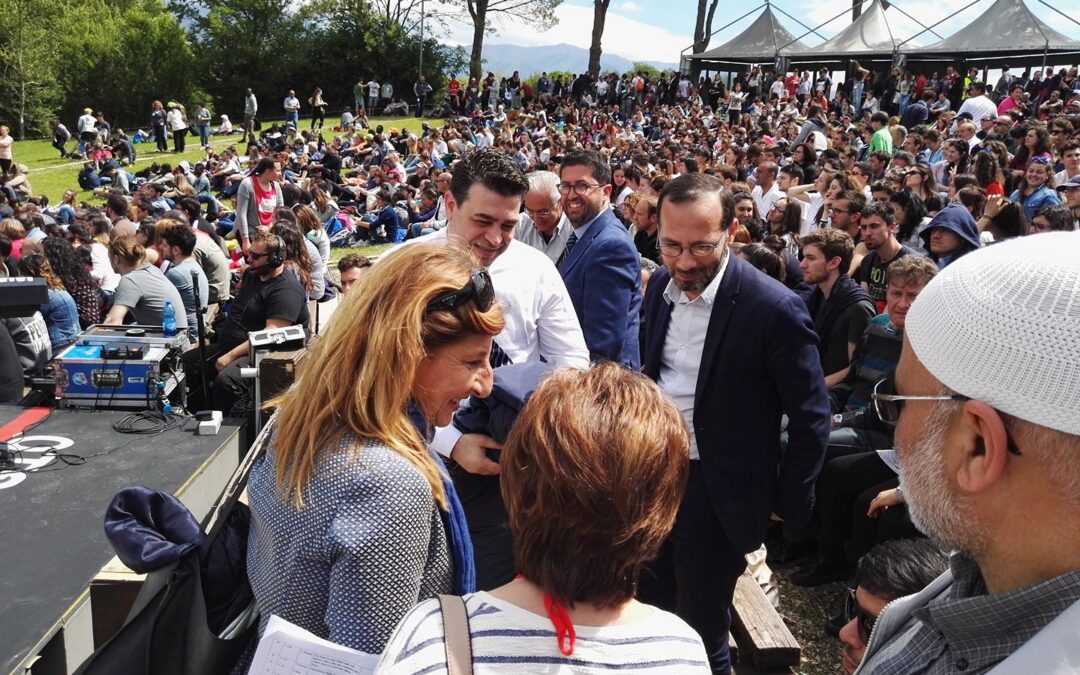
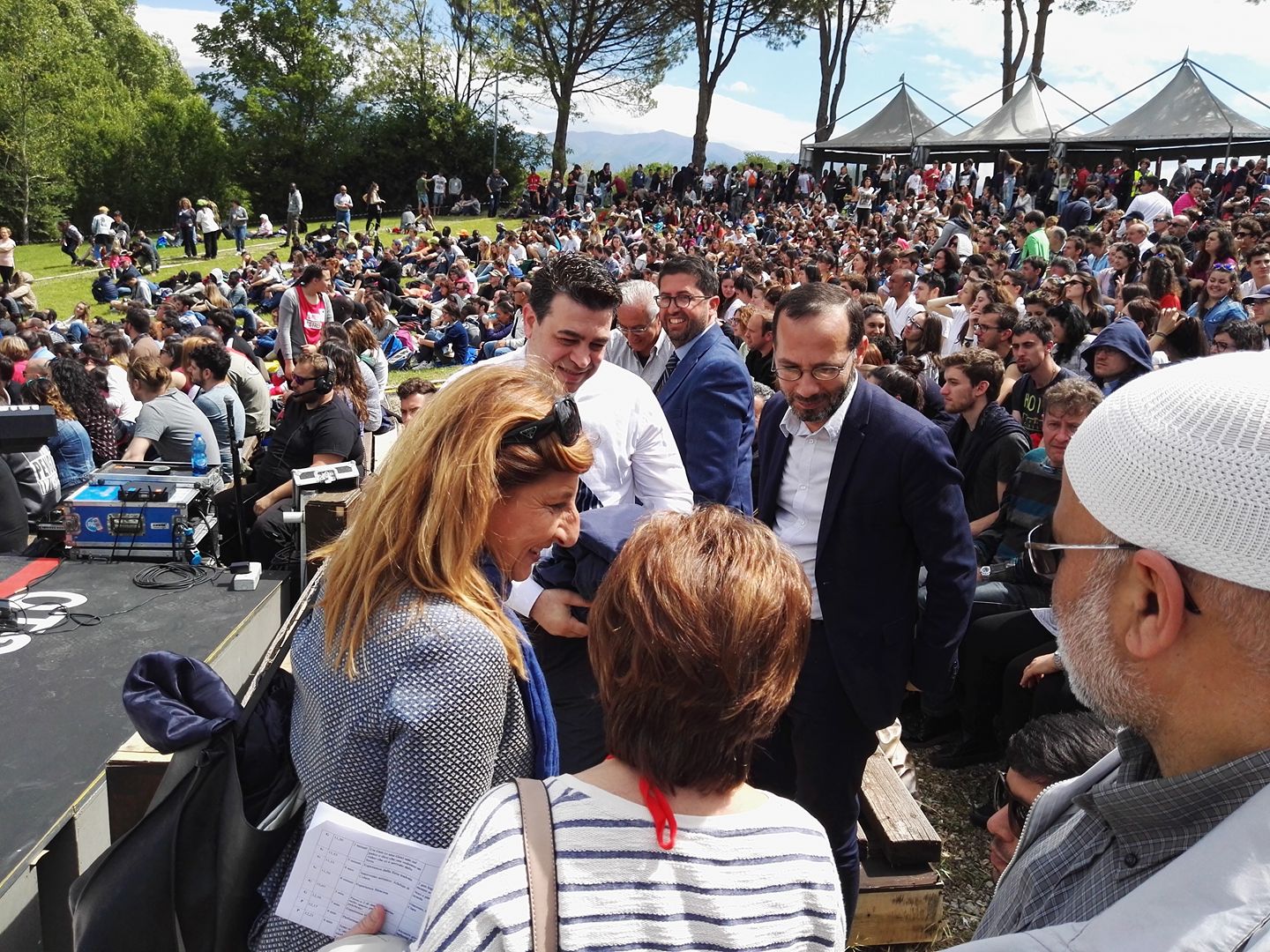
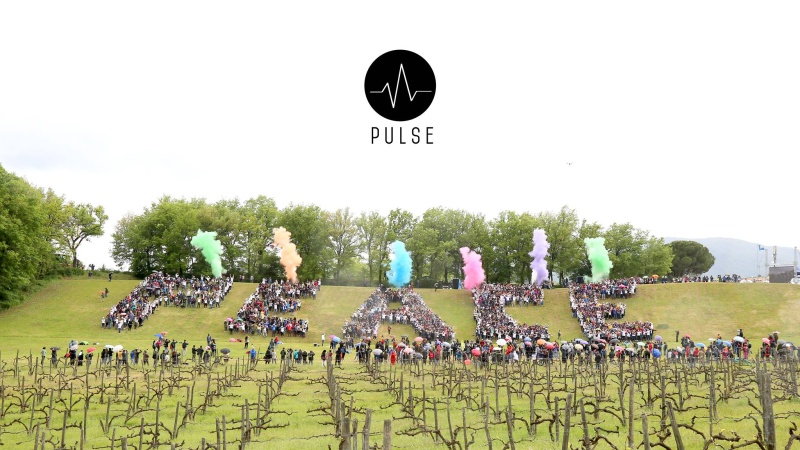 One image stood out, the word PEACE formed by the participants themselves on the front of a hill. One sound stood out, the sound of hand clapping to the same beat, a symbol of many hearts together in the boat of life where we are all migrant voyagers. On song for all, Hope is the eternal voice that guides us towards salvation. The annual appointment came to its symbolic end beneath an explosion of cannons loaded with colours – from green to fuchsia, on the first of May in Loppiano, at the International Meeting of Young People for a United World, during United World Week 2017, which was titled “Pulse: Change your heart, change the world.” Ever since 1973 when the first edition of the event was held in the small city of central Italy, a colourful crowd of crowd of thousands of young people from Italy, Europe and around the world have descended on Loppiano every May. It is a festive event that is like a model of living in peace with others, beginning from the young people, generations that are interconnected by nature and culture, and more inclined to putting up bridges rather than walls. Daily events included discussions, testimonies, music, dance, choreographies, all in the name of peace and the construction of a more united world, which has seen the commitment of the young people from t he Focolare Movement in collaboration with other associations and movements, such as New Horizons, the Community of San Egidio, La Pira International Centre, Living Peace, Robins, Barbiana, Economia disarmata, Il varco, and Non dalla guerra.There was a significant presence from the Muslim community of Italy, with support from the Imams of Massa Carrara, Teramo, Trieste and Veneto. The artistic quality was ensured thanks to the Gen Rosso and Gen Verde musical groups, DanceLab Cultural Harmony Associaton, singing performers Amara and Paolo Vallesi, who were on their way back from the Sanremo Musical Festival, and numerous other bands from different cities of Italy – all of them united by a strong desire for peace, and by the dream of a more inclusive world, more equal and fraternal. And that enthusiasm, not even the rain could wash away. While the greats of the world threaten new and ruinous acts of war, which are appalling to most, on the main stage of the natural amphitheatre of Loppiano, a series of stories “from below” were being proclaimed, real stories that if they were told enough times would change the course of history. Like the story of Mohamed, recounted by Luca, who had arrived in Italy in a boat after a dangerous crossing. Or like the story of a group of very young Christians from Syria who in a video message expressed their love for their martyred land. The forward gaze of the Harmony Dancelab Association was not a fake facade of pacifism, while it is holding Fine Arts workshops for children of the Palestinian territories with the help of Father Ibrahim Faltas from the Custody of the Holy Land.
  Heedless of all the rain, on the first afternoon, the young people began to trace the silhouette of a boat. Or perhaps the rain was precisely the missing detail, since the the journeys of today’s immigrants who are at the mercy of the waves in the hope of finding a peaceful and dignified future, are not void of threats and dangers. This is something that Giusi Nicolini, Mayor of Lambedusa, Italy and 2017 Peace Prize winner knows well. It’s raining on the hill as the message of peace is being formed, which is the theme of the musical piece by Amara and Paolo Vallesi, and it has become the theme of the day. But the brilliant colours exploding from un-warlike cannons, manage to overcome the grey clouds, the same colours that the young people gather from large sacks, before departing amidst a festive atmosphere. It represents the promise and commitment to “get their hands dirty” in bringing about a world of peace.
3 May 2017 | Focolare Worldwide, Senza categoria
“May peace be with you,” Omar Abou Baker exhorts, who has been a peace ambassador since 2016 when the World Forum of Young People for Peace, held in Egypt, named him and 47 other young people between the ages of 8 and 23 ambassadors of peace. “I belong to the Heliopolis Choir of Cairo, which was begun for the sole purpose of spreading a culture of peace. Last year we organized a celebration for World Peace Day. This was the first time we presented ourselves to different embassies, explaining who we are and what our goal is. Through our shows we managed to convey to a vast audience that included ambassadors, actors, songs and famous people, our desire to build peace in our world.” During Ramadan, a sacred month for the Muslim world, when you fast from first light until sundown, the ambassadors organized dinners for 400 people in need. Everyone got to work using their own special talents: some got food, others presented songs, recitations, dances, games, face-painting for the children . . . But mostly we put our efforts into creating personal relationships. Together with other organizations we were able to hold a marathon for athletes with disabilities. Their lives represent a constant challenge. Each ambassador was responsible for one aspect of the event. The choir prepared songs to celebrate their feats; others worked on presentations, taking pictures or running particular events and workshops. On the National Day of Orphans the children sang in the choir with us. It was a meaningful experience for them, because by expressing themselves through music, they developed a bit more self confidence.” “I believe that peace is a very high concept that is attainable only if people make every effort possible to render it real. Because peace isn’t a word in an article or a lyric in a song. It’s a common effort that should be based on a whole series of values to be lived out by each and every one of us: justice, tolerance, helping others . . . The only way to actually build a world of peace and brotherhood is to put love into action. If I’m here today,” Omar concluded, “it’s to testify both with my word and with my life, that peace is possible if it begins from me.”
2 May 2017 | Non categorizzato
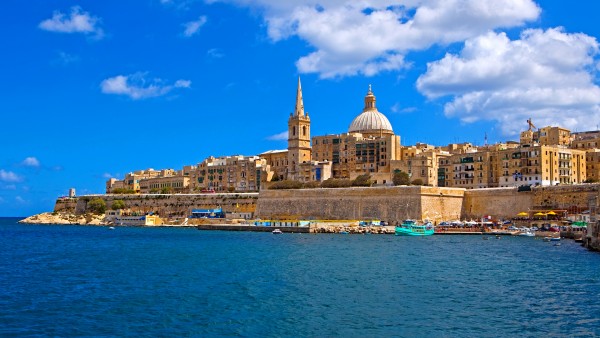
Schedule of meetings 2 May: Maria Voce, President of the Focolare Movement, will be the guest of honour at a seminar organised by Communion & Law entitled “Law as a Tool for Integration in a Multicultural Society” at San Anton Palace, Attard, with the participation of experts from various fields of immigration, education and employment. 4 May: Meeting with the President of the Republic of Malta, Her Excellency Marie-Louise Coleiro Preca. 5 May: Meeting with the Archbishop of Malta, Monsignor C.J. Scicluna. Maria Voce was invited by the Diocese of Malta, through its Ecumenical Commission, on the 40th anniversary of its founding. In that context, she will hold a public conference entitled “Dialogue or Dialogues? A Way of Life”. 7 May: The opening ceremony of the State of Europe Forum entitled “Towards a Europe of Hope, Healing and Hospitality” will take place at the Anglican Cathedral of St. Paul, and will thereafter proceed in a procession to the Catholic Co-Cathedral of St John, where Maria Voce and the Archbishop of Malta, Monsignor C.J. Scicluna, will address those present.
2 May 2017 | Non categorizzato
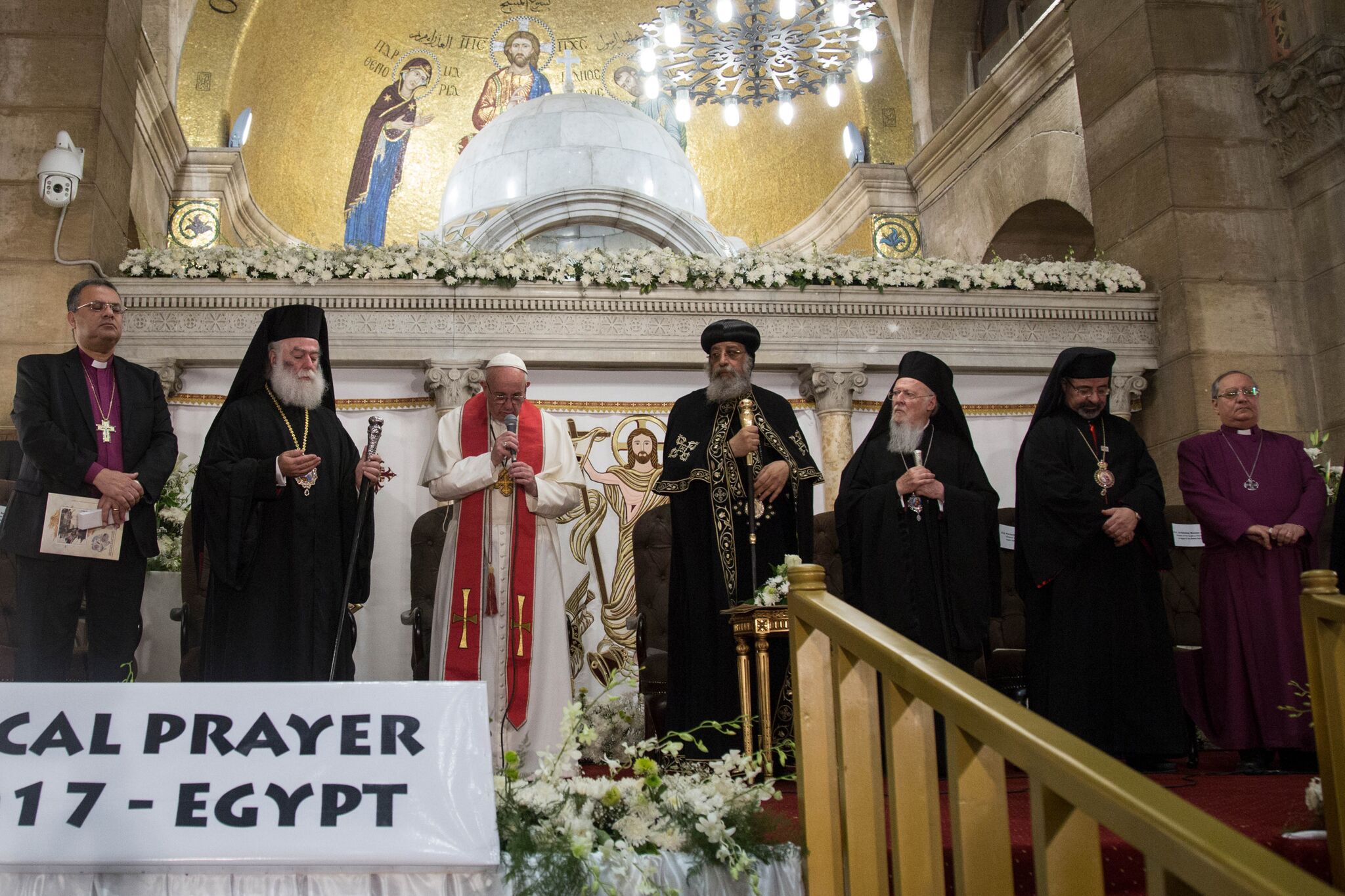
Photo: Roger Anis
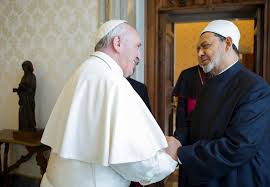 The second invitation was offered by President Al-Sisi when he visited the Vatican in 2014. He’s trying to bring ahead a culture of peace, not without difficulty. But the pope went beyond the politics, in depth. The third invitation came from the Grand Imam of al-Azhar in 2016. On that occasion the pope gave the Encyclical Laudato sii in a gesture of seeking what unites us. In my opinion it was quite courageous of the Grand Imam to offer this invitation, given the precedents. The pope’s speech at al-Azhar University was important, perhaps a beginning. Now I think time will be needed and courage to face the more delicate questions and in order to delve more deeply into the history as well . . . Now it’s up to us Egyptians to get working and moving forward.”
 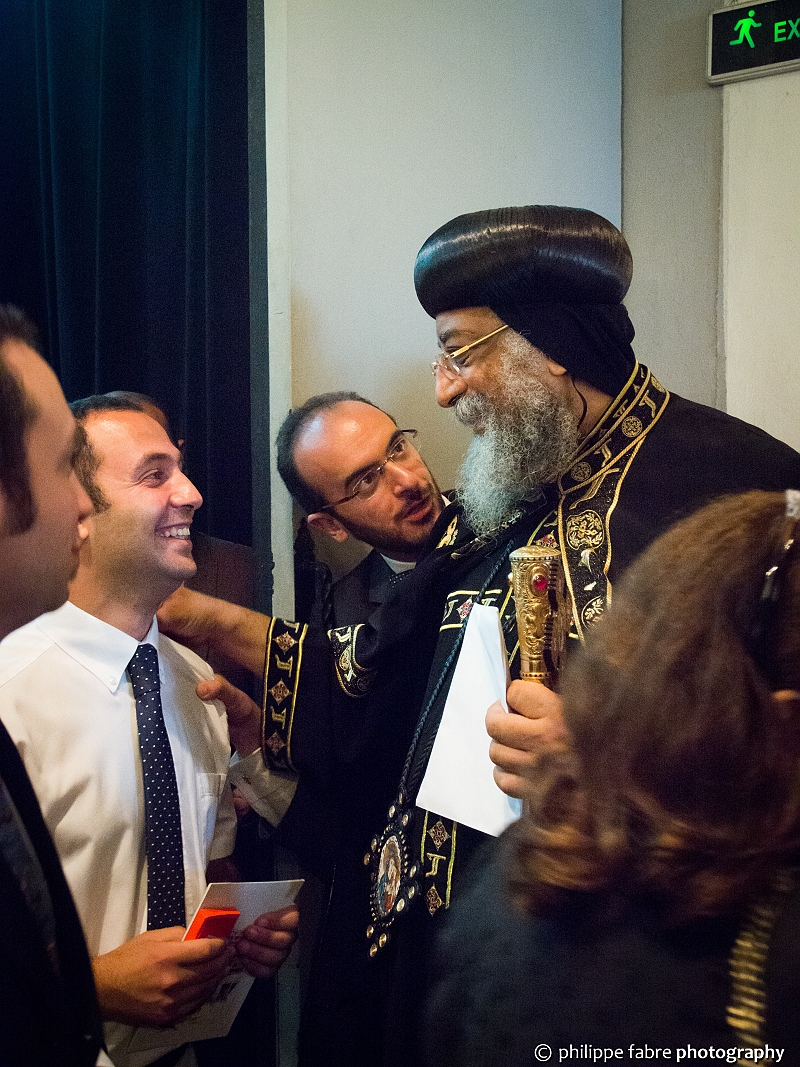 Besides these important events Pope Francis also met with Catholic men and women Religious, priests and seminarians. “He spoke to them about how a pastor should act. The Catholic community in Egypt is a minority (less than 1%), yet it’s an important reference point when it comes to interreligious dialogue, often because of the Religious: with their lifestyle, their openness to dialogue. Then it is our specific with the ‘dialogue of life’ and the help of the spirituality of unity. The week before the pope arrived, the parents of Blessed Chiara Luce Badano were here. Chiara Luce was a young person from the Focolare Movement who died at the age of 19 because of a tumor. The Catholic Church has held her up as an example of holiness for young people. Her parents travelled around the country presenting the life of their daughter who is now a Blessed. Their visit concluded with a meeting of 1500 young people who were preparing the Mass with the Holy Father. The most powerful moment of the night was getting to know the life of Chiara Luce.” In your opinion, what can change because of this brief but intense visit? I think new inroads were opened for us to follow, especially in interreligious and ecumenical dialogue. Now there’s more faith in the pope and in the Church. So I think it will be easier to move forward. We need to remain open, even though, I think, we’ll need time to ‘digest’ and understand deeply what the pope said in his various speeches. During the mass, in the homily on the disciples of Emmaus, the pope himself underscored how they spent in understanding the Risen Lord event. After this event we also feel like those disciples whose ‘hearts were burning’ because of their great joy.”
1 May 2017 | Focolare Worldwide
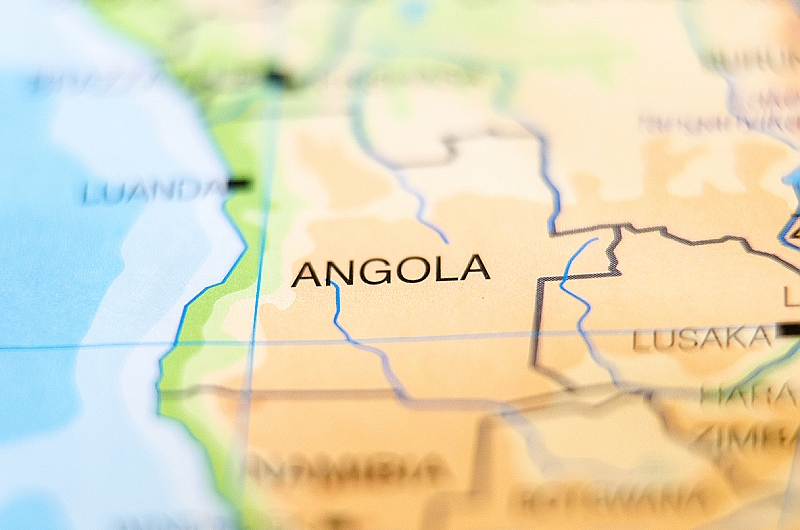
“My brother was born on 12 March 1995 in a city of Bié, south of Angola. He was a cheerful child, loved nature, and enjoyed climbing trees, gathering their fruit and bringing them to others. He had been lively and active since he was a child and had started to work. At the age of 15 he had started to reach his objectives. Not wanting to weigh on his parents, he started working as an assistant bricklayer, and then at 16, as a motorcycle and bicycle mechanic. He dreamt of becoming a doctor to help people, like our dad. Yes, this story is about my brother. Two years ago, he went to the sea with three of his friends. On their way home they were surprised by some policemen. In those days there was a big tension in the city, and a lot of violence. To prevent it, the police had set a curfew: all those who were out and about after 6 pm were arrested. It was a way of frightening criminals and assuring the population. Most of the people, however, had not been informed of this decision, and it was the first curfew day. Among these were my brother and his friend, who found themselves simply in the wrong place at the wrong time. My brother, mistaken for a criminal, was arrested. Time passed and he had not returned home. Anguished we went to search for him everywhere: in the house of our relatives, hospitals, prisons, and at the beach where he had gone. But nobody had any clue as to my brother’s whereabouts. In the end, an uncle proposed looking in the last place we would have ever wanted to go: the orbituary. His body was there. He was only 20 and with all the future before him. It was a really difficult moment, an immense suffering for our family. From the signs on his body it was clear that the policemen had been very cruel and he had suffered greatly before dying. This tragedy provoked a deep crisis, especially in my father. He had chosen to work to save human lives, and now before him was the drama of a son he was unable to help…. I knew the spirituality of the Focolare Movement for a long time, and tried to put the Gospel into practice. In giving myself to the others I had found my fulfillment, but with my brother’s death, a sentiment of hatred grew in me towards the policemen who had done this atrocity. The pain dug an unbridgeable void deep inside me. It was a long internal trial: in the depth of my heart, in fact, I wanted to start a process towards forgiveness. It wasn’t easy. Only God could fill this void and make my heart capable of mercy. In this path, the love of the Focolare community in my city was fundamental. I felt loved, welcomed and helped by all. I thus found the strength within me to make this choice. I have rediscovered the gift of peace, by building it firstly inside me, up to the point of looking at every policeman with my eyes and heart full of mercy.”
