15 Mar 2017 | Non categorizzato
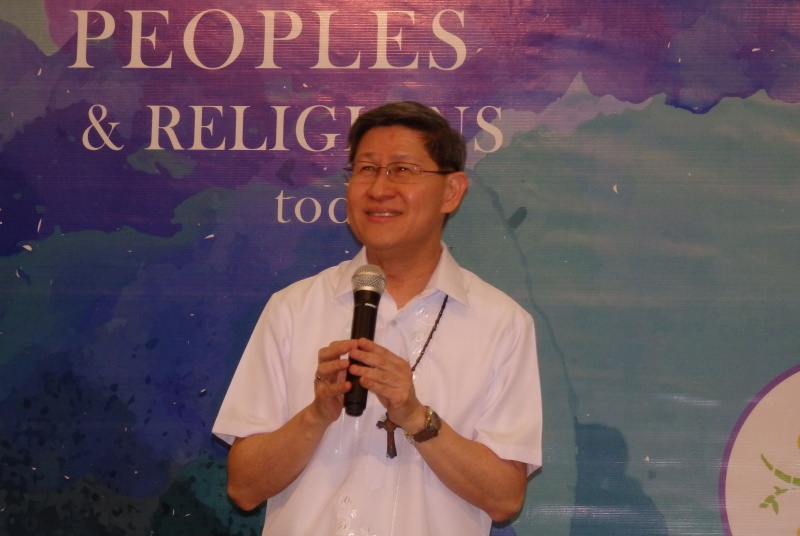
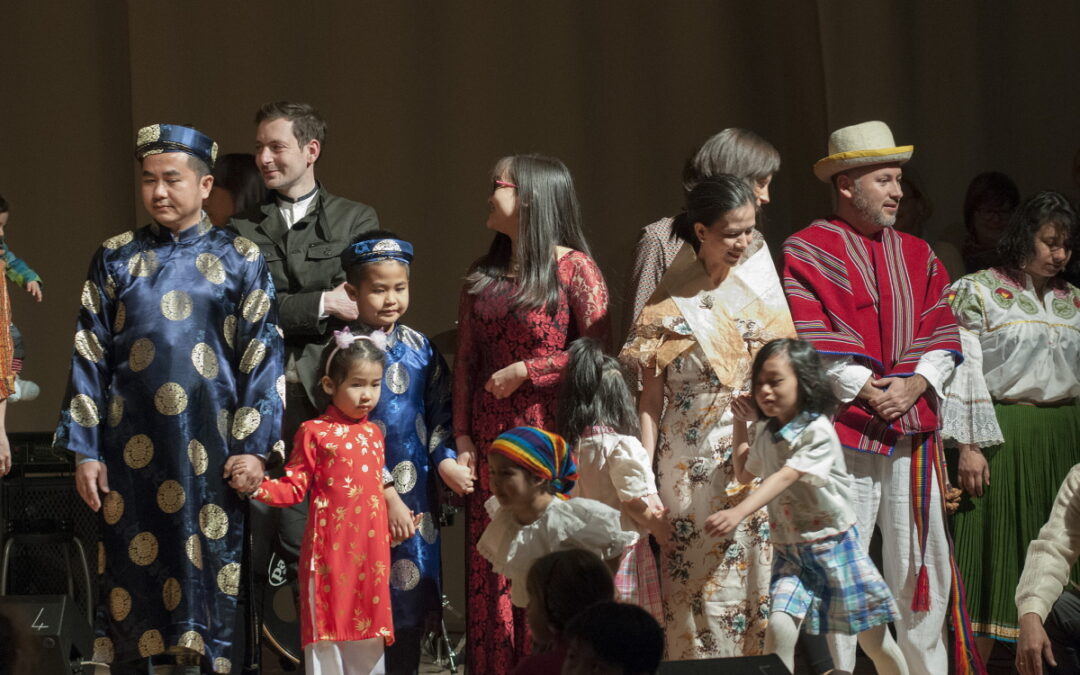
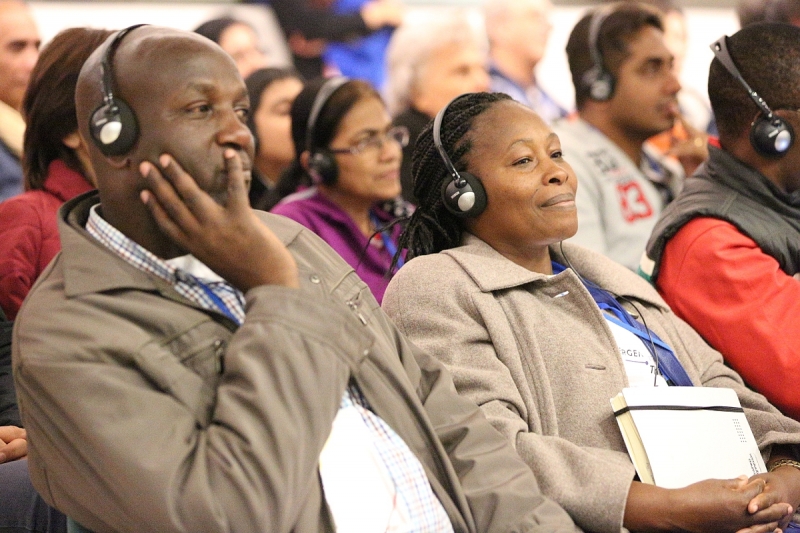
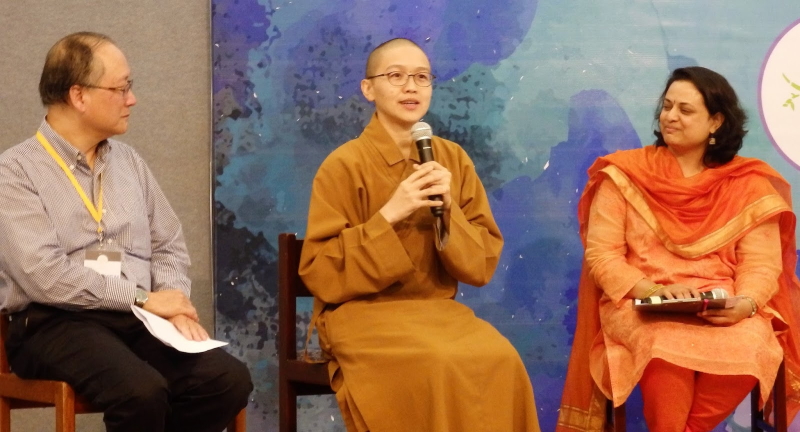 Lake Taal offers an incredibly beautiful panorama, and this year it seemed more so than usual. The temperature at the beginning of March was still perfect, and in the evenings a fresh breeze continued through the night until the mist rolled in around the time the sun rose. Every two years in this part of the Philippines (Tagaytay is a bit more than 40 km from Manila), there has been a course on interfaith dialogue, and this year the chosen title was “Harmony between peoples and religions today.” The School for Oriental Religions (SOR) was founded in 1982 by Chiara Lubich during her trip to Asia. Today the Mariapolis Pace in Tagaytay hosts a training center and various courses for young people, families, priests and seminarians. In addition to SOR, there are two social aid centers. Two hundred participants gathered at Tagaytay from March 2–5, from Pakistan, India, Myanmar, Thailand, Vietnam, China, Taiwan, Indonesia, Malaysia, Singapore, Korea, Japan and of course the Philippines. There were also some Europeans and South Americans. All saw the need for training in order to face the universal challenges that diversity brings. The course is planned to be repeated in participants’ respective countries. Cardinal Louis Antonio Tagle, archbishop of Manila and president of Caritas International, addressed the group. The Filipino cardinal opened the school by proposing the theme of harmony. Harmony: a typical Asian value. In order to achieve it, one needs to keep in mind that everything changes, and that as one moves forward, the more this change comes rapidly. “The only thing that doesn’t change is change itself,” Tagle affirmed. What is required, therefore, is to stay open and not have any fear of the unknown. In addition, one needs to know how to mediate the differences, accept opposing positions and the possibility of conflict, and to come through it greatly enriched by the differences. Tagle appealed to Catholics to play a lead role with active nonviolence. This is not about being weak, rather demonstrating that working for harmony requires people who have a prepared mind and heart for dialogue and diversity. The four days saw presentations of the successful dialogue between Christianity and the great Eastern religions in India, Thailand, Korea and Japan. Hindu-Christian dialogue was presented through life experiences, social collaboration, and shared projects between the Focolare and Gandhian movements in the south of India, including philosophical and theological reflections. Classic Hindu song was demonstrated and explained. All this occurred in an atmosphere of vital, spiritual clarity. Commonalities have surfaced after many years of dialogue, as well as differences, but these have not lessened the drive to take on dialogue’s challenges. This experience contributed to fulfilling the message of the Second Vatican Council: to build deep relationships with those of other faiths. A new way has begun that can contribute to social, political and global harmony. It is not an end in itself, but a step toward true fraternity.
14 Mar 2017 | Non categorizzato
Copyright CSC Audiovisivi – Caris Mendes
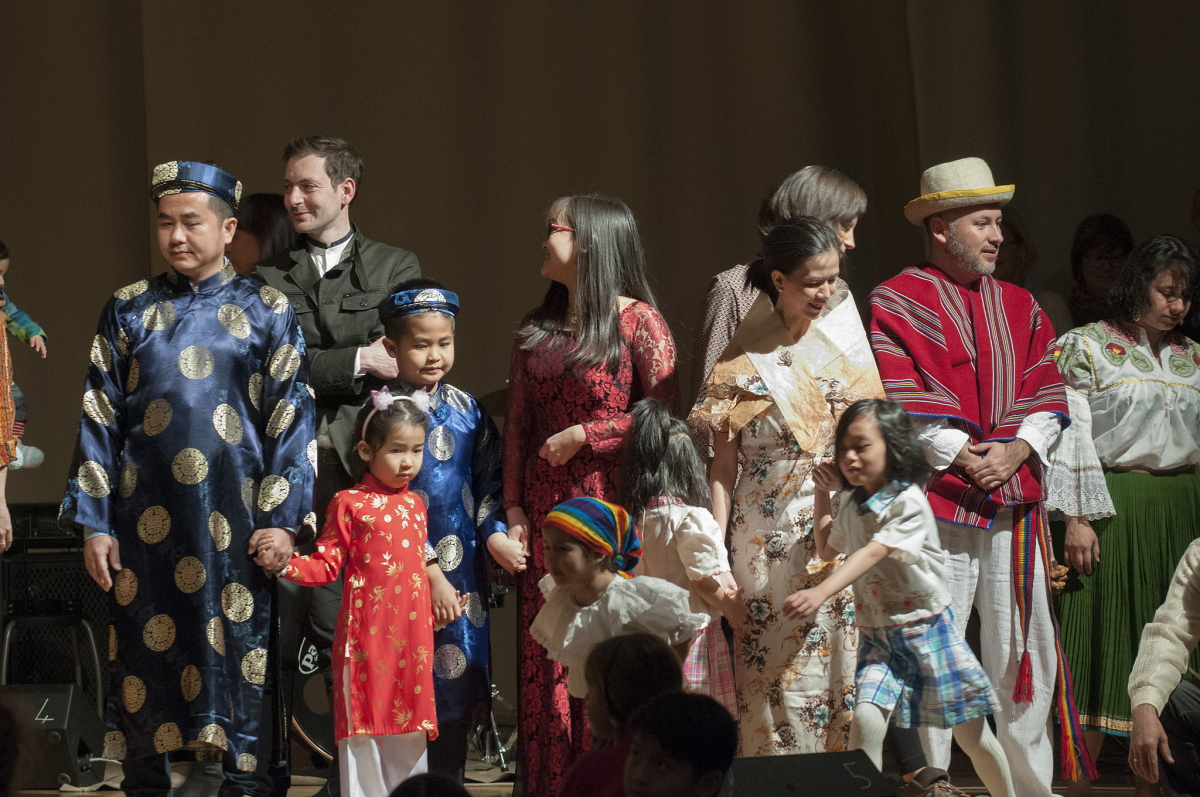
Photo: SIF – Loppiano
13 Mar 2017 | Senza categoria
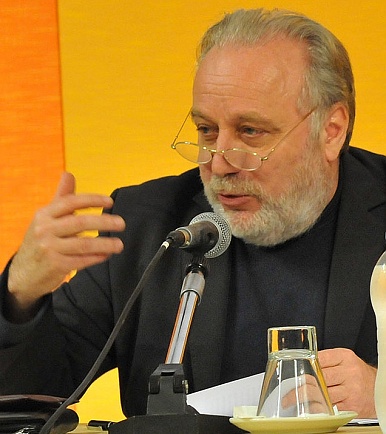
A missionary Church that lives the Gospel and shares its life with the people of God: this is the direction his pontificate is moving towards, expressed clearly and prophetically in the Evangelii Gaudium. “This regards the progressive and hard-fought awareness, Piero Coda explains, “in line with the Church’s way of being present in the world, and its mission which has to be, from top to bottom, measured on Jesus’s style.” Four years after his election, we still have not recovered from the surprise his words, style and gestures arouse in us. We find it hard to realize what is happening. With radical clarity, he evidently inspires his ministry to live the “sine glossa” – with comments and compromises. We know that the formula is that of Francis of Assisi, which undoubtedly is why Jorge Maria Bergoglio felt God’s inspiration to take his name in this particular moment of the world’s history: to declare the spirit with which he wants to animate his service as the Bishop of Rome. He says this formula orders us not to measure the Gospel according to our own yardstick but to open our hearts and minds to the endless measures set by the Gospel. But isn’t this what the Church of all time is called to? So what novelty is there? To tell the truth, in every epoch conversion and reform assume a tone and pursue a path which, being the same as always, are those and only those that respond to the queries and wounds of the time we are called to live. If the conversion we were asked of yesterday, is in a sense, the very same as that which we are called to today, and yet today, it is something else compared to yesterday under the profile of its historical expression and implementation, it is because we are called to respond to God’s voice that reminds us precisely of those words of Jesus which the Spirit wishes to highlight and make us concretise now. It will be a response to the challenges and wounds of the present. It is a matter of a progressive and hard-fought awareness, according to which the style (that is, the content and form together) of the Church’s presence in the world and its mission have precisely been measured from top to bottom, according to the style of Jesus. I was really deeply impressed by the words which Romana Guarneri with her distinctive sense of history, said to me in a feeble voice just before she died: “Christianity still has to blossom.” I think that this affirmation can be interpreted in the sense that the time has come, in which from the roots of faith in Christ, a fresh, innovative flower can and must bloom, and which can amaze us again with its rare beauty, and give us new life. What in the end does 2,000 years of history mean? Has not Christianity expressed itself only in the existence and philosophy of Europe and the West? Of course, the expressions have been providential and precious, but other than definitive and absolute. In all that Pope Francis has put in motion in the Church, the real issue at stake is huge. It may even be decisive for the Church in the unprecedented season awaiting it. Vatican II was not only a point of arrival, but more of a point of departure. None of the extraordinary heritage of Tradition has been lost, but all has to be reset in a disarmed listening to the Holy Spirit’s inspiration today. What God expects of the Church today – he said, not by chance on the 50th anniversary of the institution of the Bishops’ Synod, is enclosed in one word: synod. It is a walking together of men, women, youths, adults, and the elderly. It includes the various vocations and charisms in the Church, and different Churches, cultures religions, and visions of the world. All are involved – no one is excluded, starting from those who in some way are discarded. The mystical sense of “we” is the perfume, truth and measure of justice of a Church that “goes forth.” It is the yeast of that new cultural paradigm of that urgently postulated and invoked epochal change we are called to be the protagonists of, under penalty of the collapse and disintegration of the human adventure. Four years from his election we can say with simplicity, conviction and gratitude: Pope Francis is a gift for all of us, not only for the Catholics. This is because he urges us to become men and women that as the people of God, choose the morning star of the pathway, and as our existential and liberating code, nothing else but the beautiful, good, and joyful news of the Gospel. It will light up the fire – today as 2000 years ago – in the heart of the world.
11 Mar 2017 | Non categorizzato
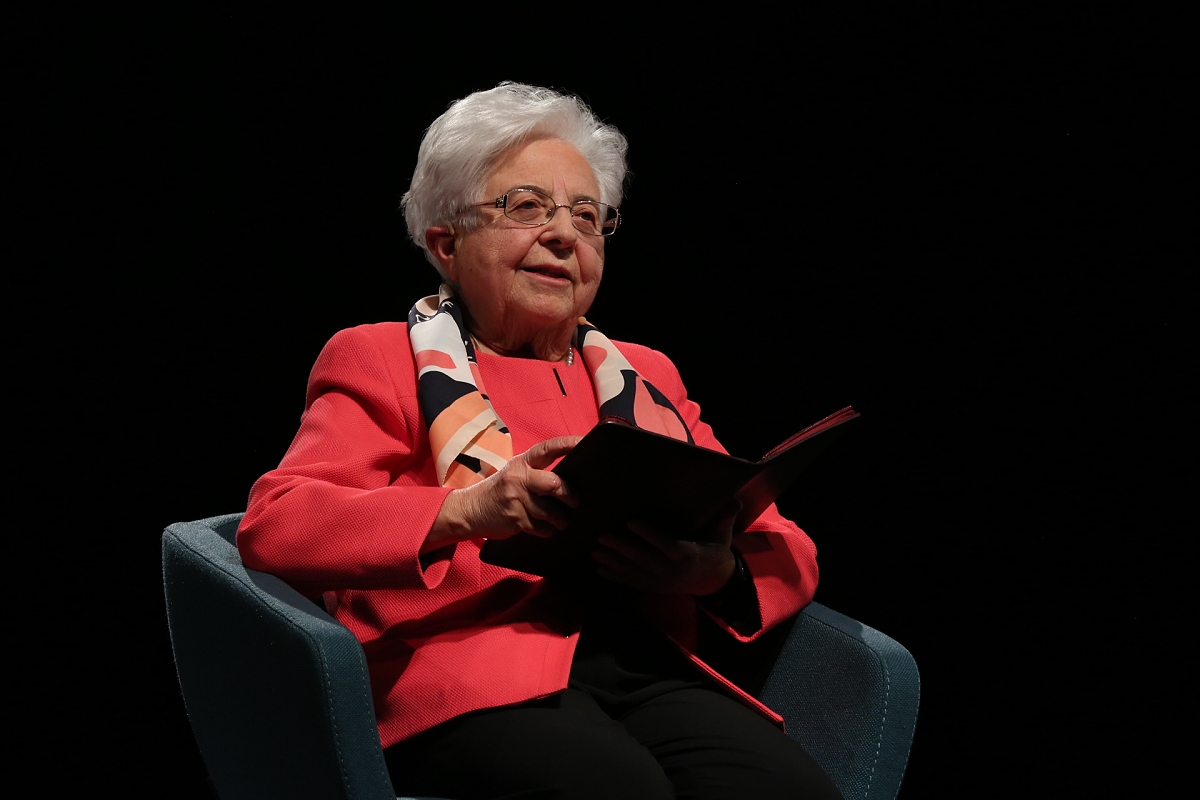
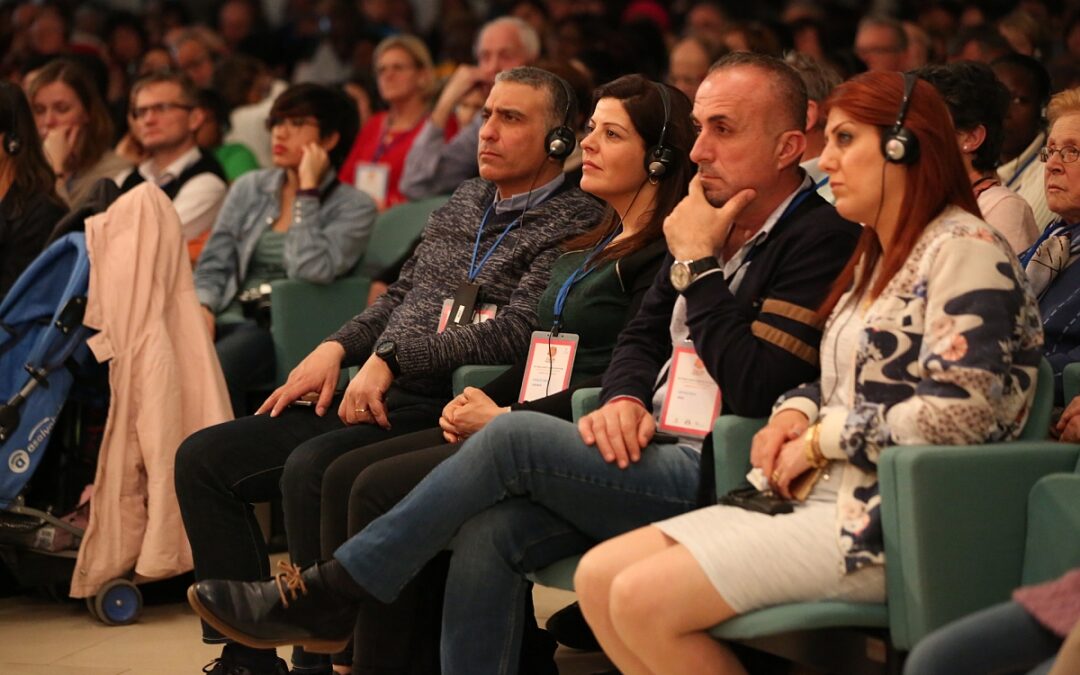
Photo credit © Caris Mendes – Archivio CSC Audiovisivi
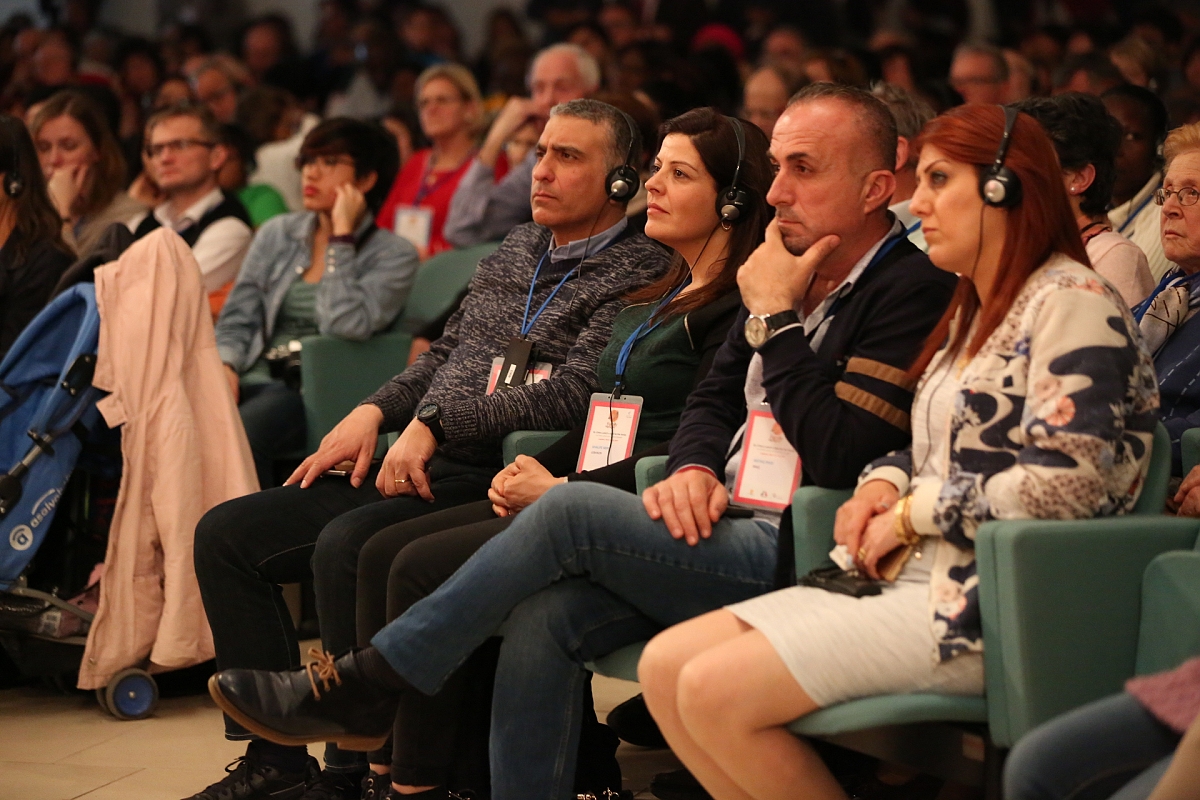
Photo credit © Caris Mendes – Archivio CSC Audiovisivi
10 Mar 2017 | Non categorizzato
Dated March 9, 2017 the Official Edict from the Bishop of Albano, Italy, Marcello Semeraro: “His authentic Christian witness is a constant invitation to the collective holiness, which finds maximum expression in reciprocal assistance while following the same path of holiness. Becoming saints out of love for one’s neighbours.” The Volunteers of God of the Focolare Moviment joyfully welcome the bishop’s initiative. Read a short biography here Contact: postulazionedomenicomangano@focolare.org
