6 Jan 2017 | Non categorizzato
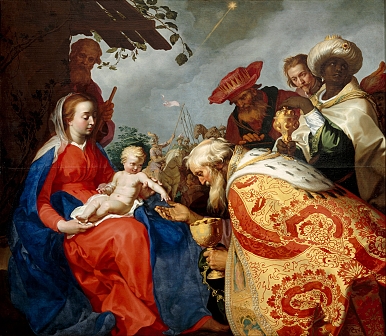
“Lord, this Christmas we entrust to You all the ones who seem far from You, the many who were once close to you but no longer are because of all the evils in the world that have taken them away from You. They don’t know You, but search for You with pure and sincere hearts. They don’t know that one day, one sweet day, You appeared on this earth as a baby. This Christmas, Lord, we entrust to You especially the ones without faith. We entrust them to You so that a ray of your Light might make its way to them, that because of their sincerity and good will the star that leads to You might shine at least for a moment so that they too will know the joy of those who acknowledge and love You. We entrust to You those who seem far from You, Lord, because we know that it was especially for these that You became a child.” Chiara Lubich, E torna Natale …, (Rome: Città Nuova, 2007), p. 59-60.

5 Jan 2017 | Non categorizzato
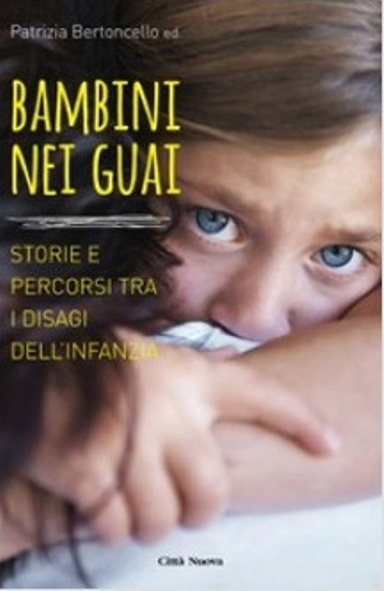 “A long stint as a primary school teacher – book curator, Patrizia Bertoncello, starts – soon led me to perceive those typical signs of distress which are more present in the peripheries than elsewhere. Often the children themselves talked about it. “Once upon a time there was a flower – Cristina, seven years old, wrote in class – her daddy-flower had left them and also mother-flower was not with him since she had so much to do and was very worried. She didn’t have time to listen to him. The flower was a rose with a thousand thorns. There were so many and pricked so much. The flower wanted to befriend the insects of the woods and the other flowers. But when they came close they got pricked so hard and ran away quickly, since she stung so much. And nothing could be done about it. In the end the rose was always alone and very sad.”(1) This is the lucid explanation she herself gave for those repeated pranks in class which isolated her from everyone. Like her, but with different problems, were the numerous children in distress, even in a world like ours that seems to be livable and protective, but not without contradictions and ambivalences weighing on the weaker sections of humanity. At times those institutions which in words advocate the rights of children, in fact, do little about it. Especially those children who cannot count on effective parents or long-lasting family relations are thus left in a sort of shadow zone, affective instability and often lacerating poverty. The lack of protection and real growth opportunities are conditions that certainly are not worthy of a society like ours. This is why I often asked myself how I could give a voice to these “invisible children,” and contribute to the building of a culture of protection and total respect for infancy.
 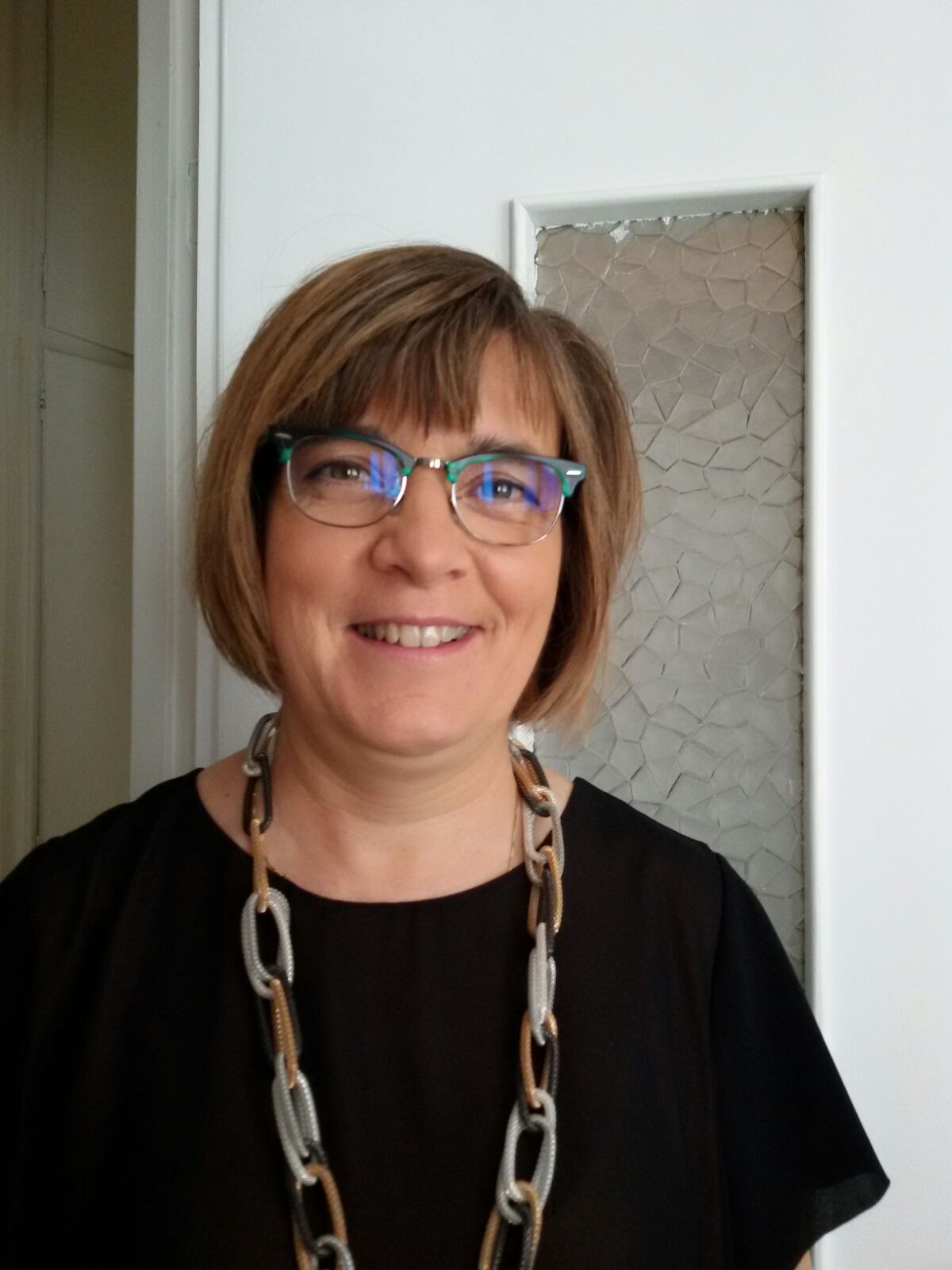 I started by trying to welcome some of my students with love, and slowly I saw that their tears dried up. I realised that to really “encounter” the world of the little ones, we have to approach each child with attention, and learn to see things through their eyes, making use of all our energies and skills to create important relationships. With other operators and professionals driven by the same educative style, I then tried to start up procedures in which the children and their families experience really educational relationships. From this cooperation the idea of a book came up, to narrate not only the stories of the “invisible children,” but also about good practices and redemptive pathways. “Children in Trouble,” said an oncologist, a social worker, a paediatrician and me, who curated the book, wants to bring out those seeds of hope and positive relations that become in some way, generators of resilience. Through that resource, many children when suitably aided are able to concretise and reach good recovery levels. The same happened to Emma. When she was eight years of age, overwhelmed by the split up of the family she had tried to commit suicide. Recently, after contacting me on Facebook, she wrote: “Dear teacher, how I miss you and the many moments we spent together! Do you remember when you read stories to us, taking on the voice of the characters? And the school trip to the sea? These will certainly never be erased from my heart and the love you showed me when all was dark around me. When I was in the hospital after the tragic event, you were there and didn’t ask me why I had done it. You were there, and that’s all. Then I returned to school with those wounds and you made everyone make those bracelets with coloured threads… but I knew that it was to help me hide those scars I didn’t want others to see…”(2) At the presentation of the book in universities and seminars, it was really surprising to see the attention and seriousness of the audience who started to take notice of that child next door, or the one who is begging in the subway or in a hospital ward. They were children who were invisible and now can return to being protagonists of their own future. By Anna Friso 1) – 2) – Patrizia Bertoncello – Bambini nei guai (Children in trouble) – Città Nuova Ed. 2015, p. 11 and p. 66
4 Jan 2017 | Focolare Worldwide, Senza categoria
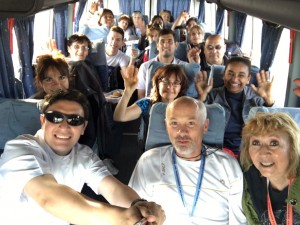 Per raggiungere Gan Gan, un villaggio che dista da Trelew poco più di 300 km, occorrono, bel tempo permettendo, 6/7 ore di viaggio. Si devono infatti affrontare i pendii della meseta di Chubut, che qui sono particolarmente impervi. In genere sono in pochi a visitare Gan Gan, che con i suoi 800 abitanti, a maggioranza indigeni mapuches e tehuelches, si è tristemente guadagnato la fama di “villaggio dimenticato da tutti”. Il 19 e 20 novembre scorso, proprio a Gan Gan si è tenuta una missione, con la partecipazione di persone venute da parrocchie e da realtà associative di Trelew. Durante il viaggio, la comitiva approfitta per rinsaldare la conoscenza reciproca e riflettere sul significato di questo spingersi verso i più poveri in risposta all’appello di papa Francesco. Ad attenderli, la festosa accoglienza della gente, con i suoi canti tipici, mentre un sacerdote li introduce nella realtà di questo tratto di altopiano dove sono ancora presenti miniere che vengono lavorate a cielo aperto, con gravi conseguenze per la contaminazione dell’ambiente. A fare gli onori di casa è un’anziana del villaggio, che nella sua lingua mapuche dà il benvenuto e presenta mons. Croxatto, vescovo ausiliare di Comodoro Rivadavia anch’egli venuto per la missione. Si inizia con la celebrazione di 5 battesimi. «Il sogno di uno di questi bambini, che ha già 4 anni – racconta una focolarina che fa parte della comitiva –, era di essere battezzato da papa Francesco. Il vescovo, ornato da tutti i paramenti, con grande amore gli spiega che il Papa è impossibilitato a venire fin quassù, ma che aveva conferito a lui il mandato di battezzarlo. Alla cerimonia è seguito un pranzo con cibo generosamente portato dalla gente e condiviso fra tutti». Poi i missionari iniziano a percorrere, in preghiera, l’intero villaggio: «Una processione che per gli scenari che si presentano ai nostri occhi – racconta un’altra focolarina presente – sembra una Via Crucis. La gente è disposta lungo la strada e racconta drammi di abbandono, solitudine, violenza, mancanza di giustizia: dalla mamma cui hanno ucciso il figlio, a quella il cui figlio è desaparecido, dalla poverissima casa di ricovero per anziani, alla cappella in desolante abbandono. Ciò che fa più impressione sono i volti della gente, anzitempo solcati da rughe di dolore e di stenti. Impressionante anche la quantità di persone che desiderano confessarsi. I sacerdoti ascoltano ininterrottamente le loro confessioni mentre la processione procede silenziosa. Altro momento forte è la messa della prima comunione con la cresima a 15 persone, alcune adulte e addirittura già nonne. A vedere come i sacerdoti si prodigano in questa realtà socialmente così lacerata, a come cercano di farsi vicini ai problemi della gente, tornano alla mente le parole di papa Francesco quando dice che i pastori debbono avere addosso l’odore delle loro pecore». Nel viaggio di ritorno viene creato un gruppo whatsapp perché tutti vogliono che l’esperienza della missione non finisca qui. Molti dicono che a Gan Gan bisogna tornare, colpiti dall’esperienza forte e profonda di essersi sentiti – pastori e laici – un unico popolo di Dio. E per aver vissuto, insieme, l’esperienza di “uscire” come Chiesa per incontrare i più deboli. Toccante l’esperienza condivisa da uno dei sacerdoti che durante il pranzo comunitario era andato a far visita ai parenti di una signora di Trelew nativa di Gan Gan. «L’impatto è stato molto forte – racconta –. Erano due fratelli di 83 e 81 anni ambedue sordi: la signora al 90% e il fratello, non vedente al 100%. Vivono in una stanza di due metri per due, con i due letti disposti a L. La porta è quasi inesistente e il pavimento di nuda terra. Il freddo che entra dalla porta e quello che affiora dal pavimento, non fa che accentuare l’artrosi di cui soffre la donna. Nel cuore mi è rimasta una ferita. Penso che la missione, che pure è andata bene, non avrebbe senso se non facciamo qualcosa per dare dignità a questi indigenti». Alla sera già arrivano le prime risposte via whatsapp al parroco: «Abbiamo trovato i soldi per rifare la porta. Mandaci le misure». Fonte: Focolares Cono Sur online
2 Jan 2017 | Non categorizzato
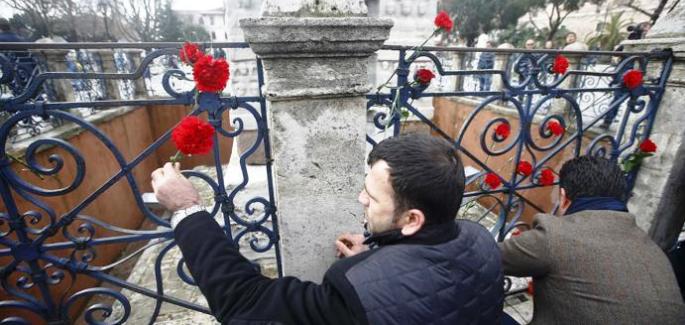
«I woke up this morning, 1 January, ready to live this day and year which was just dawning – wrote a friend from Istanbul – and the first news that hit me was that of the attack in the Reina Club Disco in the night. The immediate sense of pain and bewilderment: It can’t be true!!! After a few hours I read the word of life of the month: “If we have really experienced His love, we cannot but love in turn, and step in with courage, wherever there is division, conflict, hatred, so as to bring harmony, peace and unity. Love enables us to launch our hearts beyond the obstacle….” This is precisely said for me, for us, who want to continue believing and live for universal peace and brotherhood. The wishes we exchanged during the day with many friends are pervaded with a mixture of discouragement and hope. No! We will not allow ourselves to be overcome by those who want to make us think that peace is a utopia. And from all over the world, many people make us feel that we are not alone». And it is really true: they are not alone. Though bewildered for the enactment of so much unjust violence, we are in fact, not alone in facing the challenge to work each day for the advent of peace. We want to respond to the appeal of Pope Francis, expressed in his message for the World Peace Day we have just celebrated: «In2017, let us undertake the commitment, with prayer and action, to become people who have banned violence from their hearts, words and gestures, and build non-violent communities that take care of our common home».
2 Jan 2017 | Non categorizzato
https://vimeo.com/196291342 (Copyright 2016 © CSC Audiovisivi – All rights reserved)
