
In the daily life of the focolare, Maria Voce lived the Gospel of unity in a simple yet radiant way, expressing it with intelligence, freedom and creativity.
One quality stood out immediately: she engaged her heart, imagination and intellect in loving each person in the way that person most needed to be loved. There were no formulas or ready-made solutions. Every individual was unique, and she took that uniqueness seriously.
One of us, for example, remembers arriving at the focolare unable to eat dairy products. A small detail, one might think. But not for Emmaus. Without ever drawing attention to it, she always made sure there was an alternative available at mealtimes. It was more than simple thoughtfulness; it was her way of saying: you are important just as you are. The same was true of different dietary choices or sensitivities. She respected them with a freedom that allowed her to welcome even what others might have found difficult to understand.
With Emmaus, everything seemed possible. Not because she made grand plans, but because she knew how to listen to people’s deepest desires and help them flourish. In this way, the dream that one of us had – to spend time in an English-speaking country to improve her language skills—became, with surprising simplicity, her birthday gift to that person.
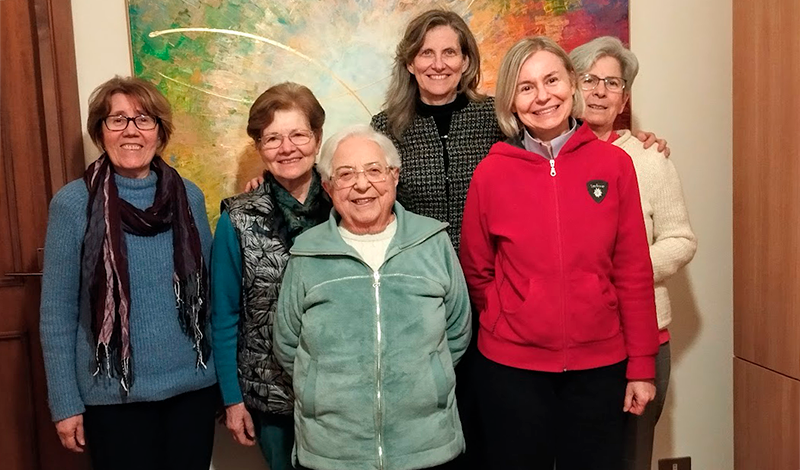
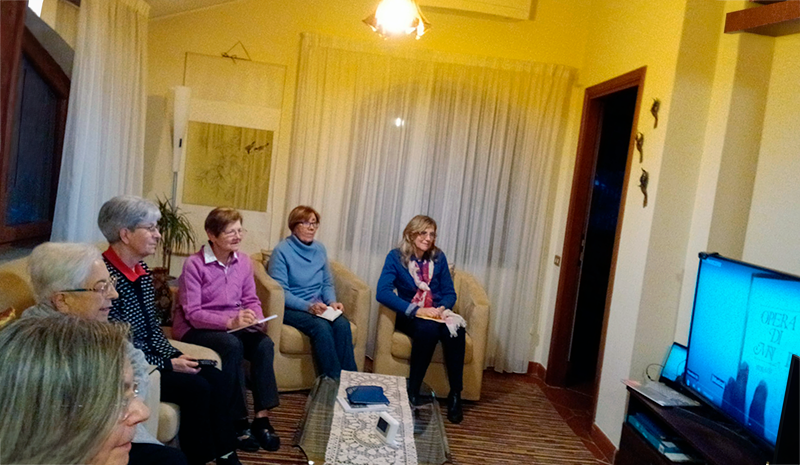
She also had a special sensitivity towards different cultures. She did not merely appreciate them; she welcomed and valued them with profound respect. On the occasion of a traditional Korean celebration, she encouraged one of us, Korean, to embrace the event fully: to wear traditional dress and observe every custom, without shortcuts. Nor did she remain a spectator herself. She wanted to participate wholeheartedly, preparing an envelope with a monetary gift, as tradition prescribes for an elder offering a gift to a younger person. It was her way of saying that every culture is a gift to be treasured.
Emmaus also knew how to recognise and nurture each person’s interests and aspirations. When someone enjoyed cultural events, she did not simply say, “Go—it will be nice.” She actively searched for opportunities nearby, suggested them, encouraged participation and, at times, even accompanied us. It was as though she made other people’s dreams her own.
And then there were the gifts. They were never given merely for the sake of giving. They were carefully considered, sought out and prepared with loving attention. Whether it was a particular watch or a walk by the sea for a birthday, each gift was a tangible expression of personal love. This attentiveness extended not only to us and to other focolare communities, but also to our families—parents, sisters, nieces and nephews.
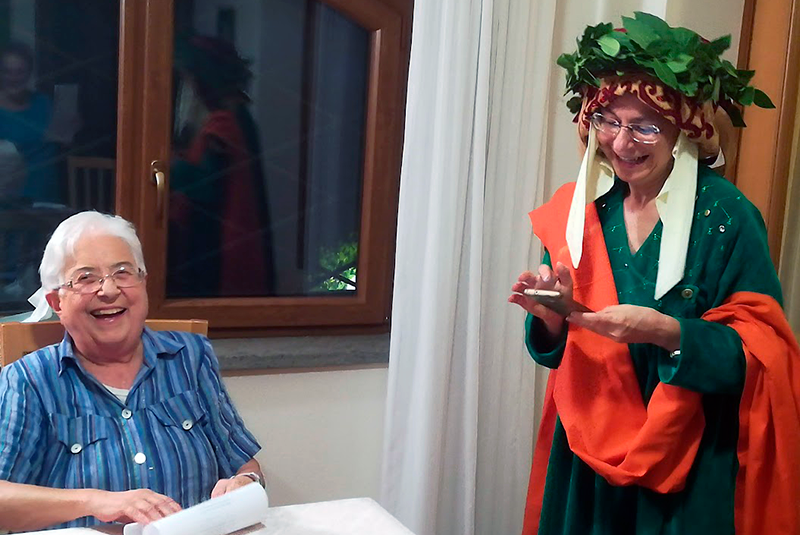
Art, too, was always present in our home and was one of her allies in fostering unity among us. How many times we sang together—she knew countless songs and poems by heart!—or staged small performances. One occasion, prepared for the Feast of the Holy Name of Mary, remains unforgettable: a joyful and imaginative reinterpretation inspired by Dante’s Divine Comedy. Shared with her and for her, it transformed a simple celebration into a profound experience of closeness to Mary.
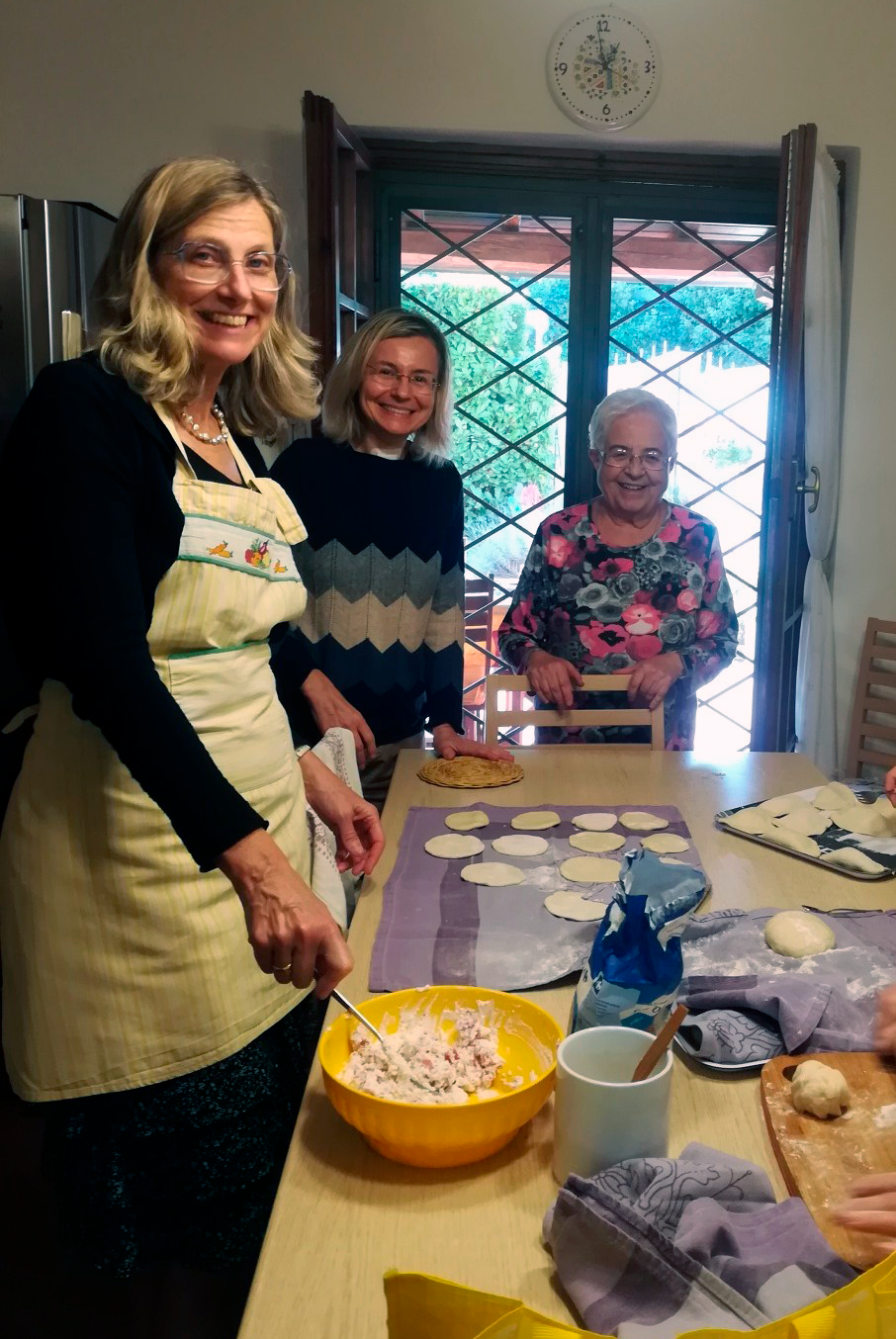
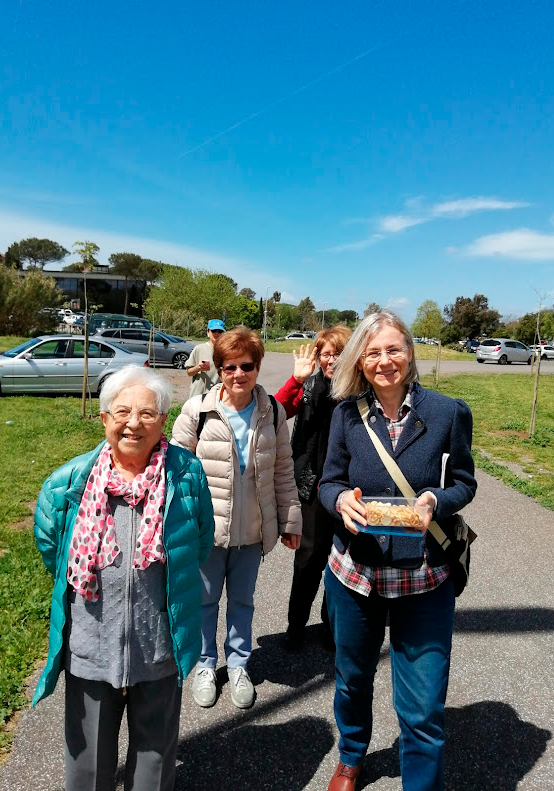
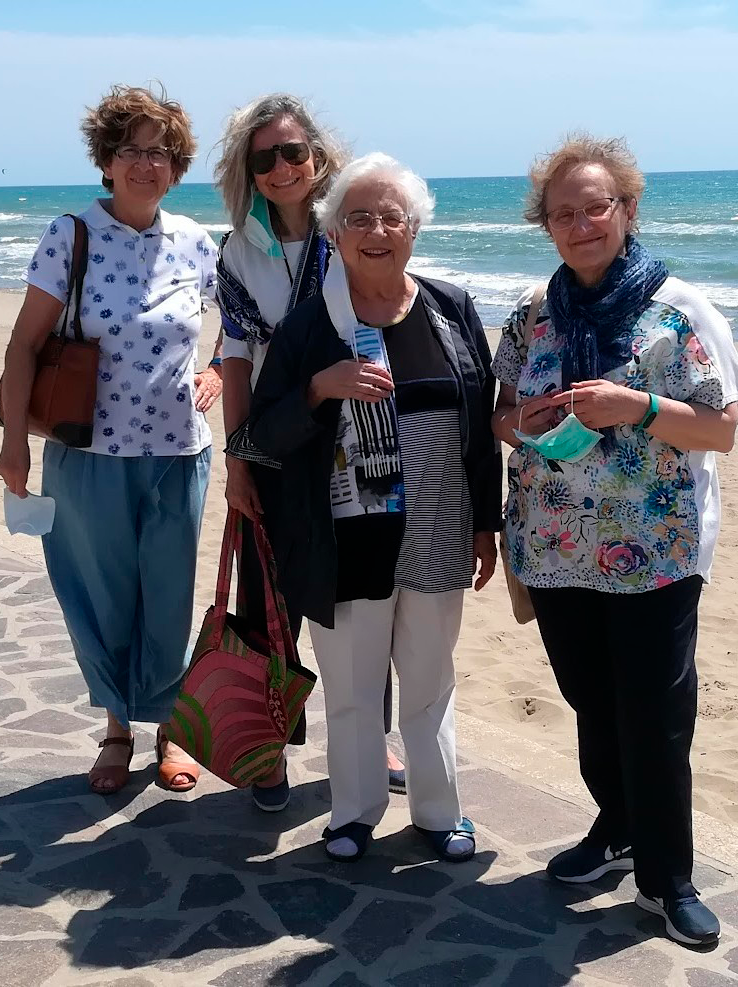
At heart, this was Emmaus’s way of living: she created family.
One episode captures this particularly well. One Sunday afternoon, without any prior notice, our entire focolare went to visit a married focolarina who had recently moved to the International Centre. Surprised, she asked through the intercom who it was. Emmaus replied simply and joyfully: “Your family!”
On another occasion, she invited us to join her where she was spending a weekend holiday. To our surprise, she had noticed in a shop several items of clothing that she thought might suit each of us. And she was right. We tried them on and chose according to each person’s taste and style, experiencing that special joy that comes when Jesus is truly present among us.
Looking back on our life with Emmaus, we can say with conviction that unity is not an abstract idea. It is something that takes shape day by day. It calls us to become personally involved in our relationships with others through the small details, thoughtful acts of care and the creativity of love. Emmaus showed us that unity becomes possible when each person truly loves and feels truly loved.
The Focolarine who lived in the Focolare with Emmaus
The photos show various moments of daily life – © Archivio CSC Audiovisivi


0 Comments