“My prayer, my hope is that these months ahead of us may truly be months of spiritual growth, of conversion …, personal conversion, but also collective conversion …. May there be mutual love, which makes us free to give everything and to have esteem for one another, respect for one another, knowing that each one of us has different ideas, different perspectives, different concepts about the Movement, different dreams… However, my conviction is that together we can have the light, together we can allow the Holy Spirit to guide this new stage of the Movement.”
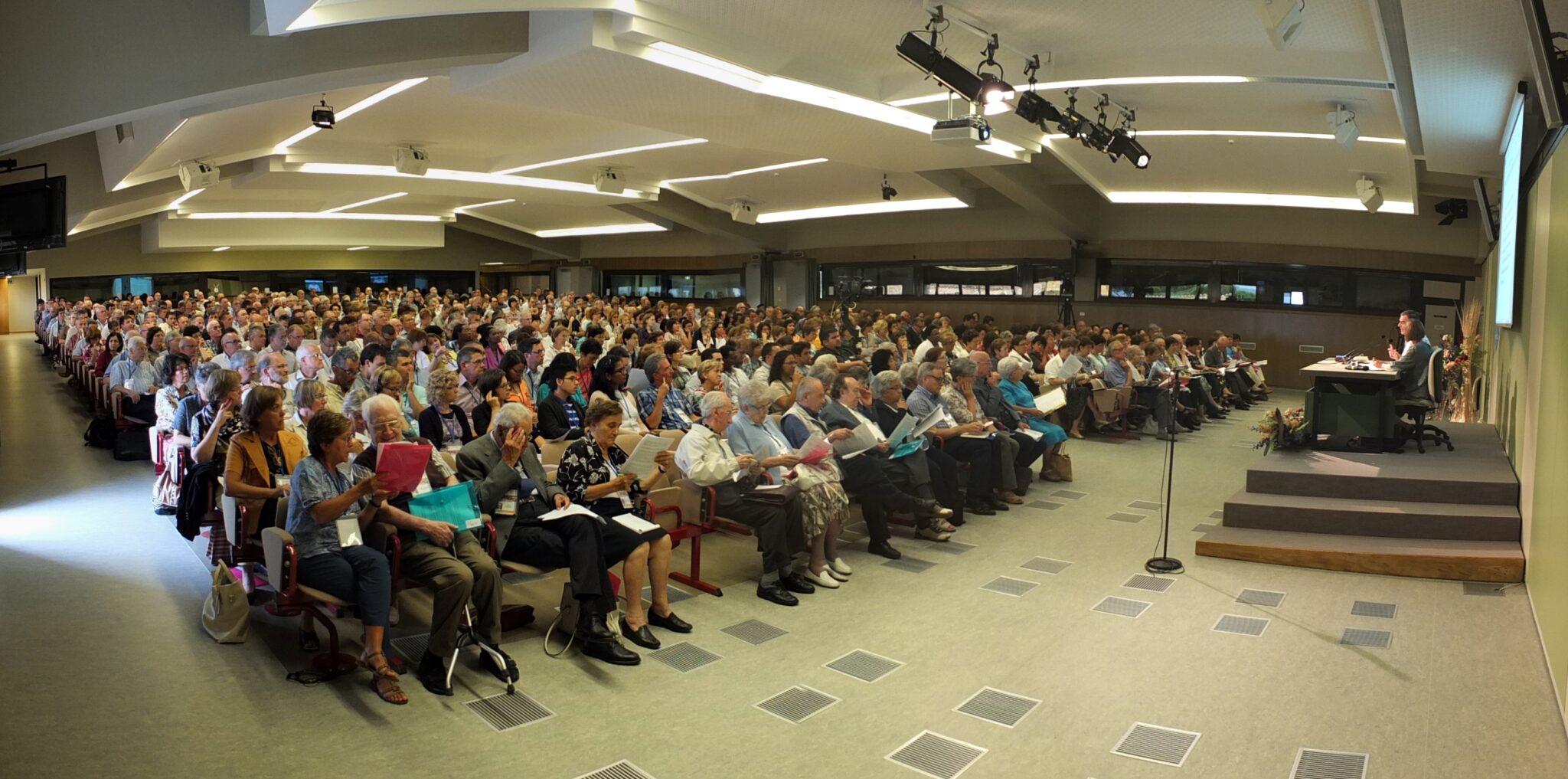
These are the words with which, on 7 December, Margaret Karram, President of the Focolare Movement, addressed those present at the annual retreat of the men and women focolarini in Castel Gandolfo. She invited everyone to look towards the General Assembly that will take place in March 2026 (2026GA), a milestone in a journey that continues the development of the Focolare Movement.
Chiara Lubich, foundress of the Focolare Movement, included a premise “to every other rule” in the General Statutes, which certainly also applies to the General Assembly, because a governing body can only be rooted in mutual love: “Mutual and constant love, which makes unity possible and brings the presence of Jesus among all, is, for those who are part of the Work of Mary, the basis for their life under every aspect.” As we announced in a previous article, following the various Zonal Assemblies that took place around the world, the consultation phase on proposed topics and amendments to the Statutes and the first phase of consultation on nominations concluded in November 2025. The list of participants and invitees has been finalised and is now definitive.
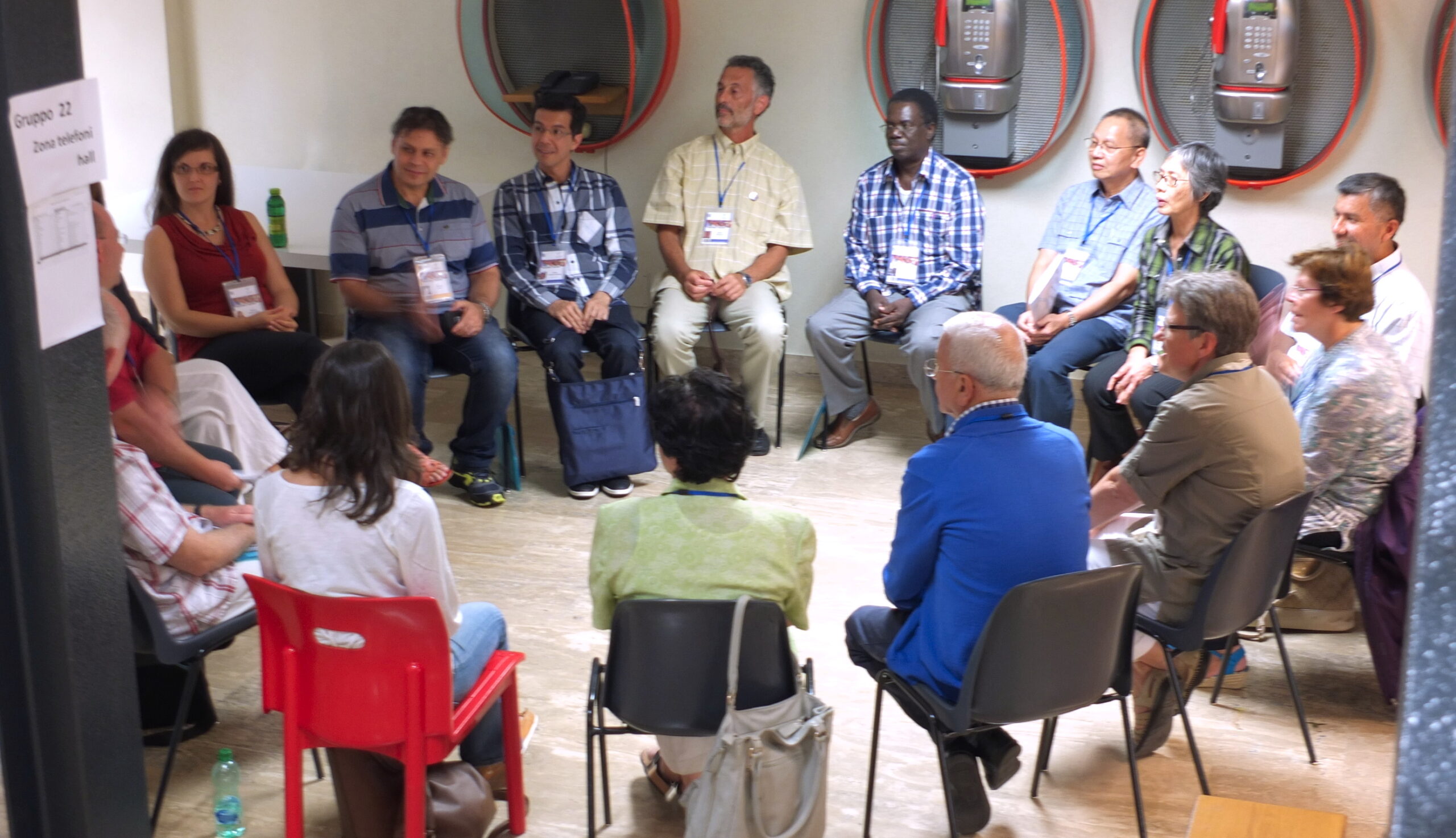
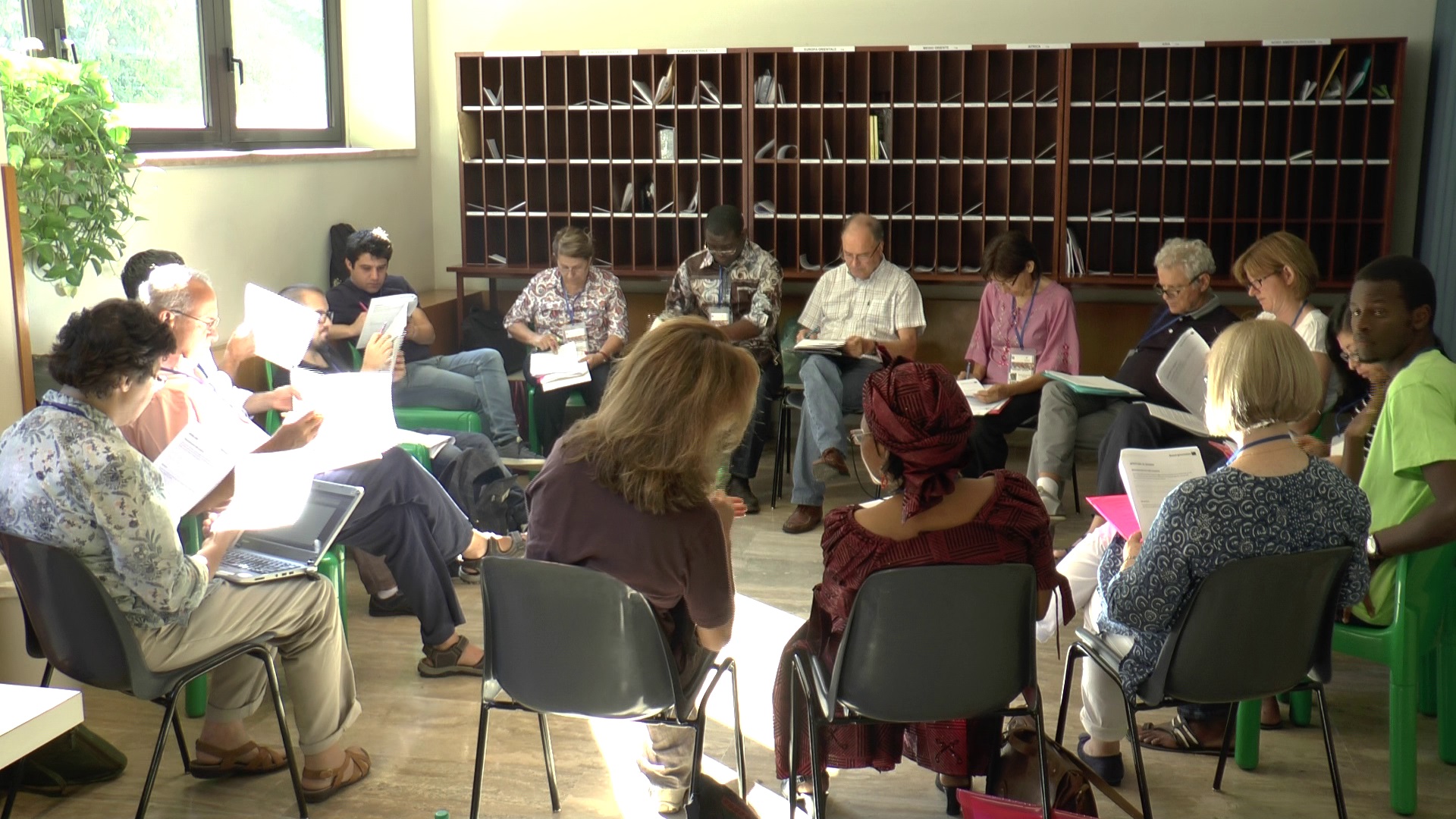
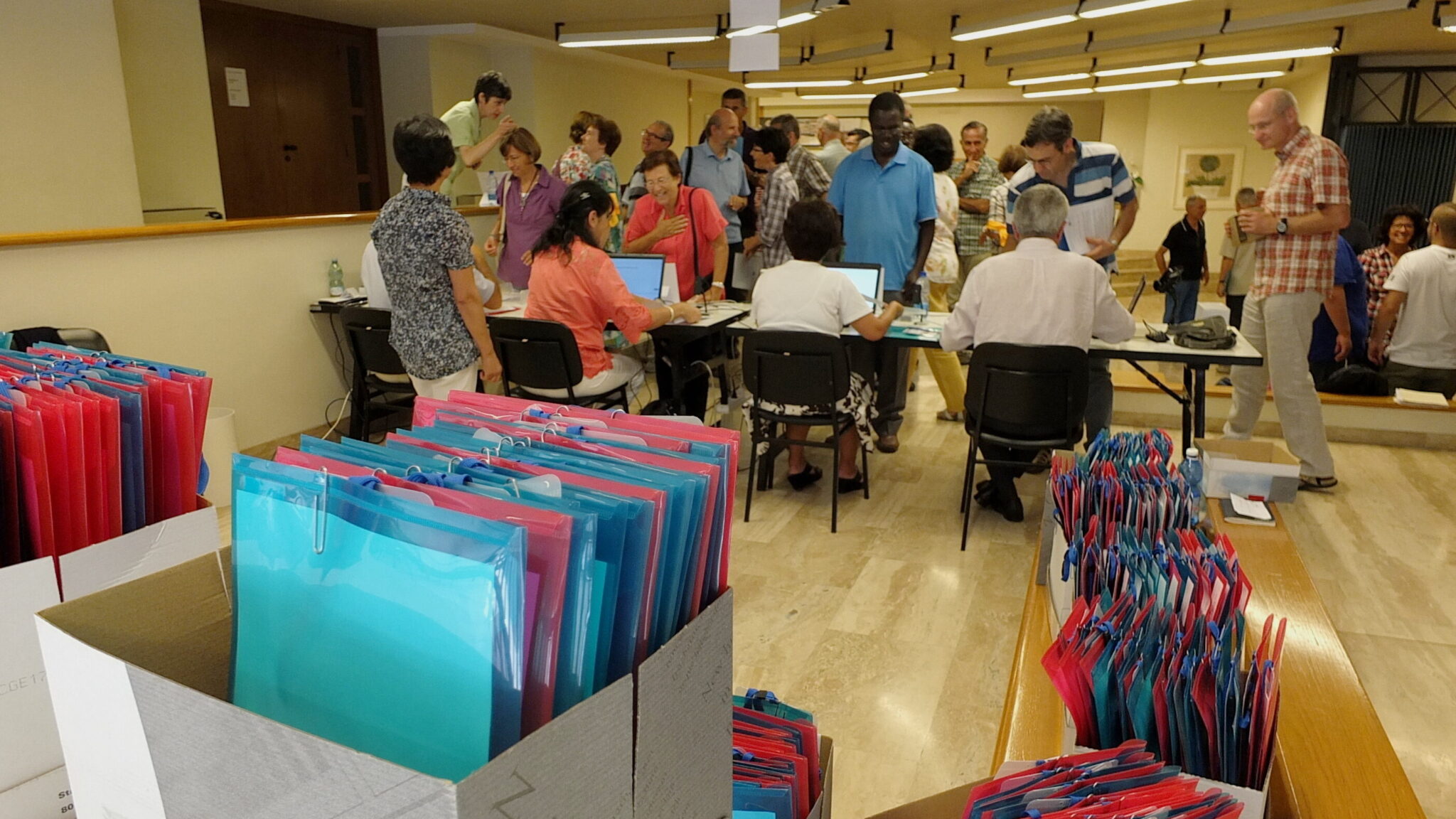
From 20 December 2025, preparations will continue with a series of meetings known as the pre-assembly process, aimed in particular at those who will be participating as elected members, members by right (ex officio), substitutes and guests at the 2026 General Assembly.
More specifically, there will be five Zoom meetings during which participants can explore various topics in depth:
20 December 2025: “Conversation in the Spirit”
17 January 2026: “How to prepare and how to live at the Assembly”
31 January 2026: “Presentation of the proposals concerning the General Statutes”
7 February 2026: “Main topics that have emerged”, Part 1
21 February 2026: “Main topics that have emerged”, Part 2
The Preparatory Commission for the Assembly (CPA) stated, “This will be a time of preparation, discernment, but above all, of sharing and will involve many people from the most diverse parts of the world. It is exciting. The participants of the Assembly will be meeting for the first time. There are certainly many challenges related to the physical distance, language and culture, but this reflects the intent of the process, which is to build unity. It is a moment in which we will truly begin to live the Assembly, in which this experience will begin to take shape.”
The aim of this pre-assembly process is to help participants to arrive at the Assembly as well prepared as possible, primarily through formation in Conversation in the Spirit, which will be adopted as a methodology in certain moments.
One of these meetings will be dedicated to a practical explanation of how the Assembly works and the legal requirements that must be fulfilled. It will also be dedicated to what should be the spiritual attitude of those who participate, in the awareness that each person represents their own context, their own communities and geographical areas, but at the same time, should keep an open mind to the Movement as a whole. There will then be a focus on the proposed amendments to the General Statutes to be presented to the Assembly. The final two meetings in February, dedicated to the main topics that have emerged from the consultations, will subsequently be made available to all those belonging to the Movement.
Ángel Bartol, coordinator with Cecilia Gatti of the CPA, said, “This pre-assembly process that is about to begin is not an isolated phase leading up to the 2026 General Assembly, but rather a new phase, an instrument to accompany us and help us continue walking together. It is like the image of a zoom lens that gradually focuses on the experience we want to live. In this process of coming together, in addition to learning what is important to the entire Movement throughout the world, it is also important to ‘get to know each other,’ to get to know the people who can fill the elected positions, to get to know their perspective and to enter into a dimension of listening and openness. It is a process in which it is important to allow ourselves to be converted and purified in order to discover what God is asking of us today.”
Preparing for the Assembly is therefore a journey that we want to undertake by committing ourselves daily to living mutual love, to the point of being worthy of the presence of Jesus in our midst. It is a process of gathering the fruit of months of work, drawing together a plurality of voices, ideas and souls and becoming a real expression not of individuals but of a body, of an entire family throughout the world, which together is taking steps towards the future.
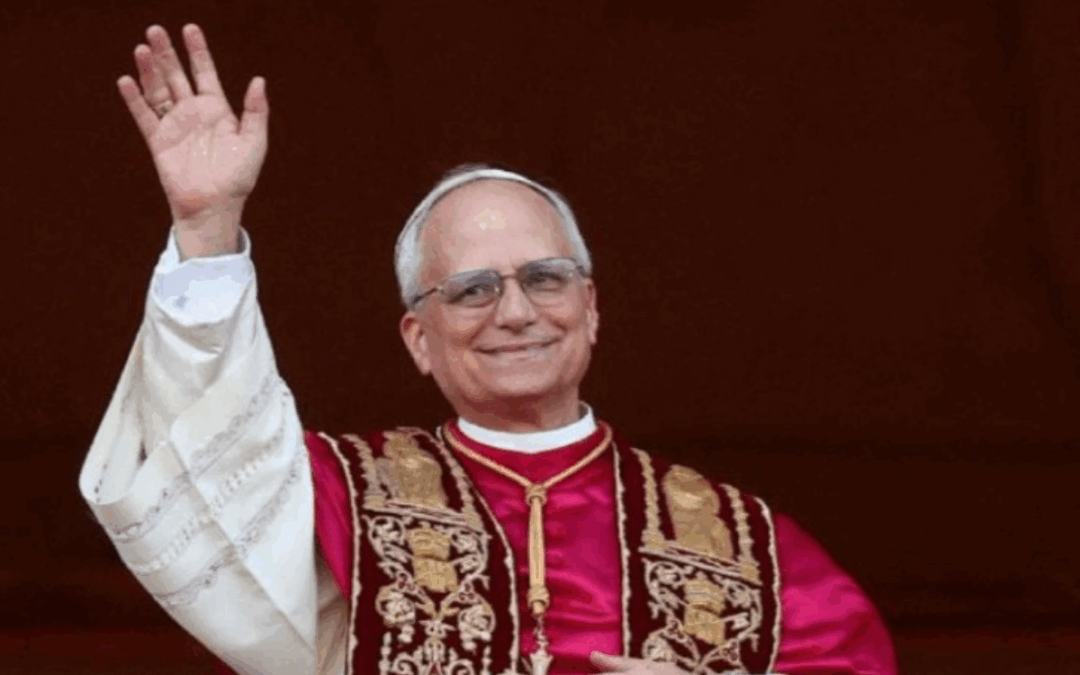
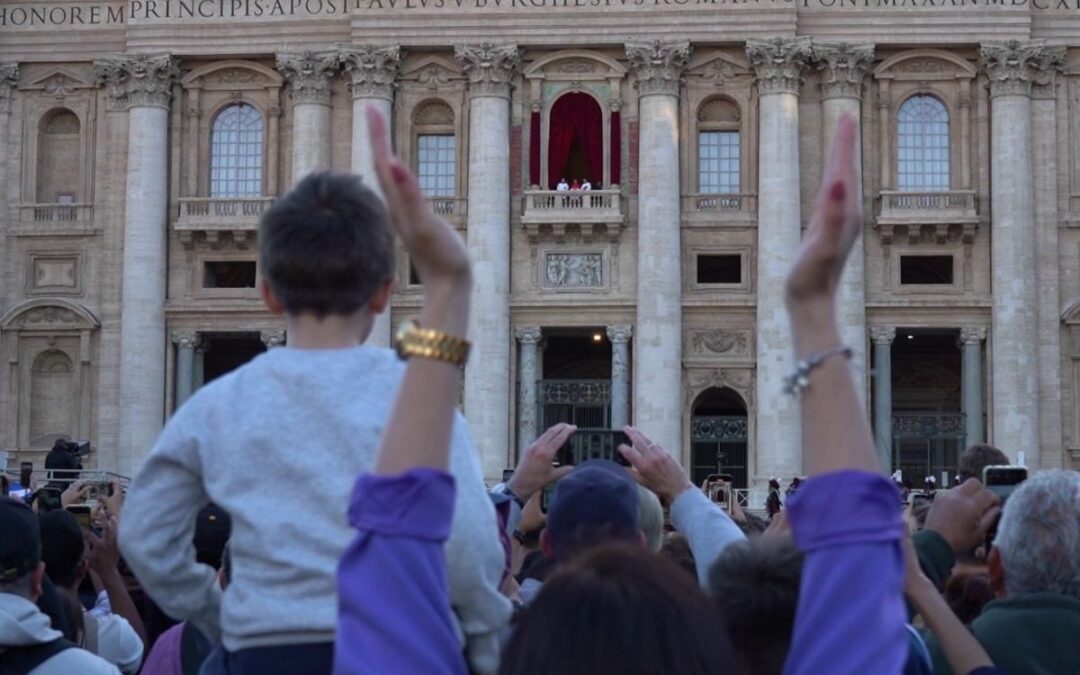
On behalf of the Focolare Movement throughout the world, I express my great joy for the election of Pope Leo XIV as the new Pontiff of the Catholic Church. We thank God for having listened to the prayers of so many people and having, with His Spirit, guided the work of the Cardinals in identifying the successor of Peter at the present time that is posing serious challenges for humanity.
Right From now, we want to assure the Holy Father of our filial closeness, our prayers and our commitment to be peacemakers, as he repeatedly emphasised in his first blessing.
Today the world is in urgent need of peace, light and hope. That is why we promise that we will continue to commit ourselves, together with the ecclesial communities in which we are inserted, to bring God’s love to all; to be open to dialogue, to be ‘one people always at peace’, bearing witness to the fact that the unity asked for by Jesus in his Testament is stronger than any division.
Moreover, we want to commit ourselves to embodying the synodal path ever more faithfully, to be able to apply it also in the various areas of society; to give our contribution so that the Church may be an open and welcoming home for every man and woman and for the new generations, especially for those who are most fragile, those who suffer most and those who are marginalised, so as to offer to all the ever new message of Christ.
Best wishes Pope Leo XIV, with all our love!
Margaret Karram – President of the Focolare Movement
A path of dialogue and welcome rooted in the Gospel is the one shared by Pope Francis with the Focolare Movement. Maria Voce Emmaus, who was President of the Movement during the first eight years of his pontificate, describes it.
Enable subtitles and select your preferred language.
It is with deep emotion that I write these lines about Pope Francis after his “flight” to the Father. I recall those many thoughtful and meaningful moments, when I was able to shake his hand and feel the warmth of his smile, the tenderness of his gaze, the strength of his words, the beating of his heart ready for a fatherly welcome. And I find it hard to believe that these encounters will no longer have a “tomorrow” or an “again” in my life.
I do not propose to make a thematic summary of Francis’ pontificate. To this end, it will be enough to review the many articles that have been published in recent days, especially the special issue of L’Osservatore Romano – just a few hours after his death – and the more or less exhaustive evaluations that will surely be published in the near future.
What moves me from within is to find that the golden thread that weaves his mission in guiding the Church, to try to be in tune with the centre of his heart and soul. And, from there, to relive the relationship he had with the Work of Mary during these twelve years.
To do this, I meditated deeply on his most recent talks, because I feel that this is where Pope Francis gave the best of himself and where you can find the key to all his thinking and to all his actions.
In the text he prepared for the Easter Mass, there is a quote from the great French theologian Henri de Lubac, who is also a Jesuit, that cannot simply be rhetorical: “it should be enough to understand this: Christianity is Christ. No, truly, there is nothing else but this.”
In my opinion, if we want to understand Francis, we must refer to this absolute: Christ, and only Christ, all Christ. From this we can understand the profound content of his encyclicals and apostolic exhortations, the choice of his journeys, his preferred options, the meaning of the reforms he undertook, his gestures, his words, his homilies, his meetings, and above all his love for those who are excluded, for those who are rejected, for women, for the elderly, for children and for creation.
‘No, there really is nothing else’. That is why one can say – using a pleonasm – that the Catholicism of Pope Francis is simply a “Christian Catholicism”. The new impulse he wanted to give the Church is based on this approach: the transparency of Christ. Because of this, on many occasions he has gone far beyond the politically correct, or rather, the ecclesially correct, without fear of being misunderstood, and without fear of being wrong, even aware of his “contradictions”. In fact, in an interview with a Spanish newspaper he said that what he wished for his successor was not to make his same mistakes.
Because of this Christological centrality, we can acknowledge that we have indeed been living – almost without realising it – with a Pope who is profoundly mystical. After all, this is how Pope Francis has thought and lived the Church: not as a religious organisation, nor as a distributor of sacraments, much less as a centre of economic, social or political power, but as the people of God, the body of Christ, which gives hospitality to humanity in His humanity. A Church, therefore, that is open to humanity, to service, because Jesus is “the heart of the world”.
To reduce Francis to a social reformer or a Pope of disruption shows a tremendous blindness. I often stared at his face when he inserted comments in his messages, for example at the Sunday Angelus. There, with the simplicity of a shepherd who passionately loves his flock, he displayed his harmony with the divine, his wisdom, his crystal-clear and straightforward faith, his profound humility.
In my humble opinion, from the centrality of Christ derive the two fundamental pillars of his magisterium: mercy and hope. Mercy is the expression of knowing ourselves as believers rooted in history, both personal and collective, with all its tragedies; hope manifests the eschatological and salvific tension that determines it. According to the Pope’s thought, there is mercy because there is hope; and it is hope that gives us a heart of mercy. Indeed, in his homily prepared for this year’s Easter Vigil, Francis affirms that ‘the Risen Christ is the definitive turning point in human history’. The important social and ecological messages of Pope Francis are misunderstood if this eschatological tension centred on the Risen Lord is not taken into account.
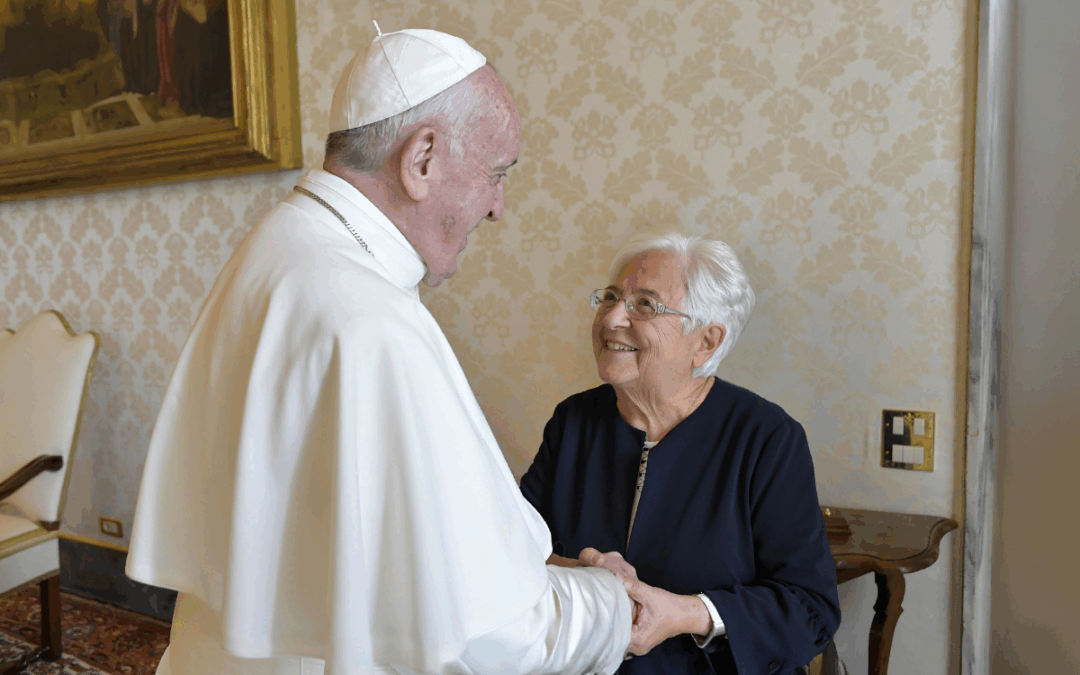
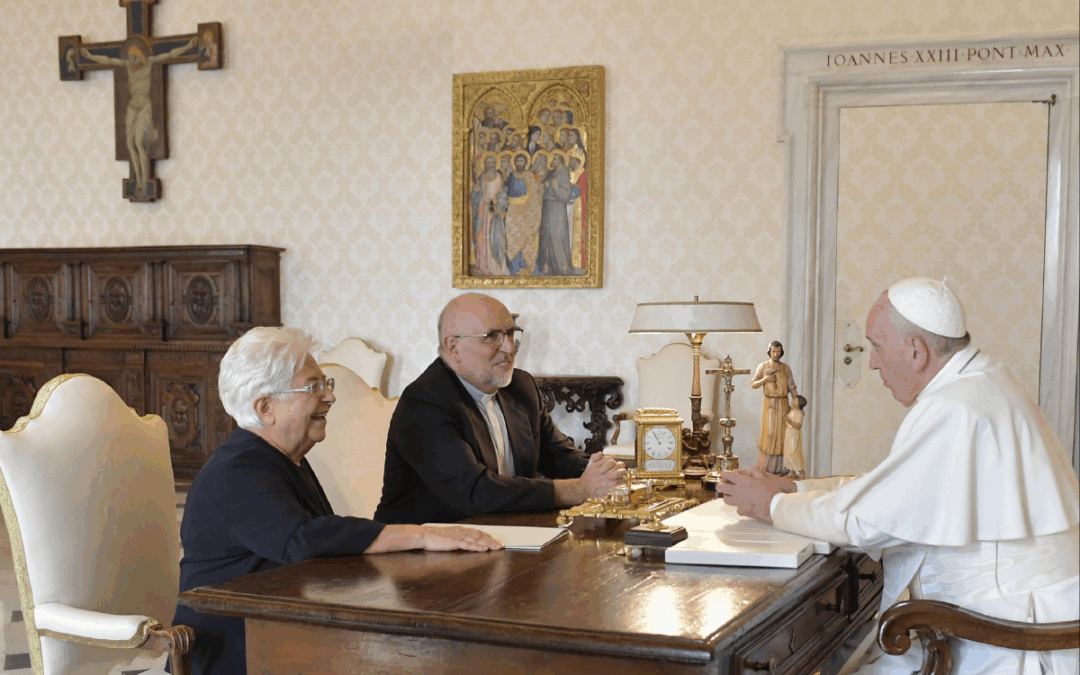
Francis’ relationship with the Focolare Movement has been very deep during the twelve years of his pontificate. He addressed ten official speeches to it: to the participants at the 2014 and 2021 Assemblies; to all those belonging to the Movement on the occasion of the 80th anniversary of its birth; to the academic community of the Sophia University Institute; to the family focolares; to the participants at the meeting of the bishops of various Churches; to the participants at the meeting on the “economy of communion”; to the participants at the interreligious conference “One Human Family”; to the citizens of the little town of Loppiano; to the Mariapolis of Rome – Earth Village. Furthermore, on one occasion, he granted a private audience to Maria Voce, the first president of the Work of Mary after Chiara, and to myself.
What emerges from these meetings is a great love and a touching pastoral concern of Pope Francis for the Movement. In the virtual ecclesial circularity between hierarchical and charismatic gifts, we can affirm that, on the one hand, the Pope has been able to grasp, value and highlight the gift that the charism of unity, with its emphasis on the spirituality of communion and its concrete achievements in very different ecclesial and civic contexts, represents for the synodal process that the whole Church is living in view of a new evangelisation. On the other hand, he has identified with extreme clarity the challenges and steps that the movement must necessarily take if it wants to remain faithful to its original charism, knowing how to go through the inevitable post-foundation crisis in a humble way, transforming it into a time of grace and new opportunities.
Pope Francis has been for the world an all-encompassing message of fraternity rooted in Christ and open to all. Fraternity is the only future that is possible. We, the people of unity, must treasure this legacy with humility, energy and responsibility.