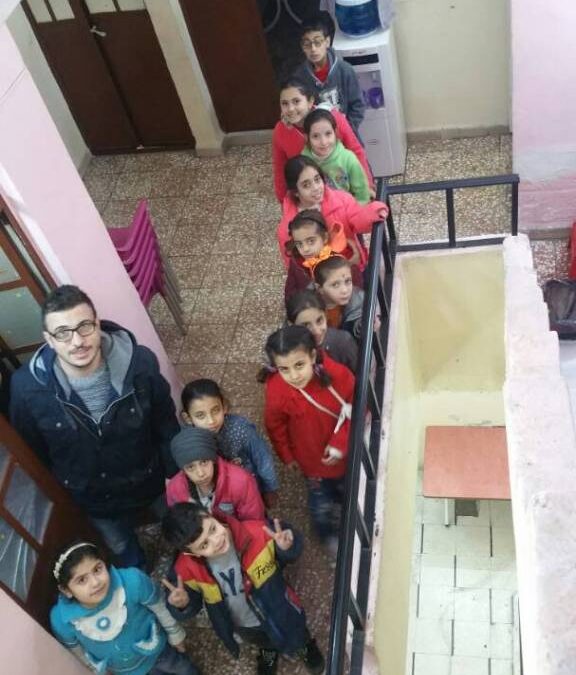
The “Children’s Home” in Damascus
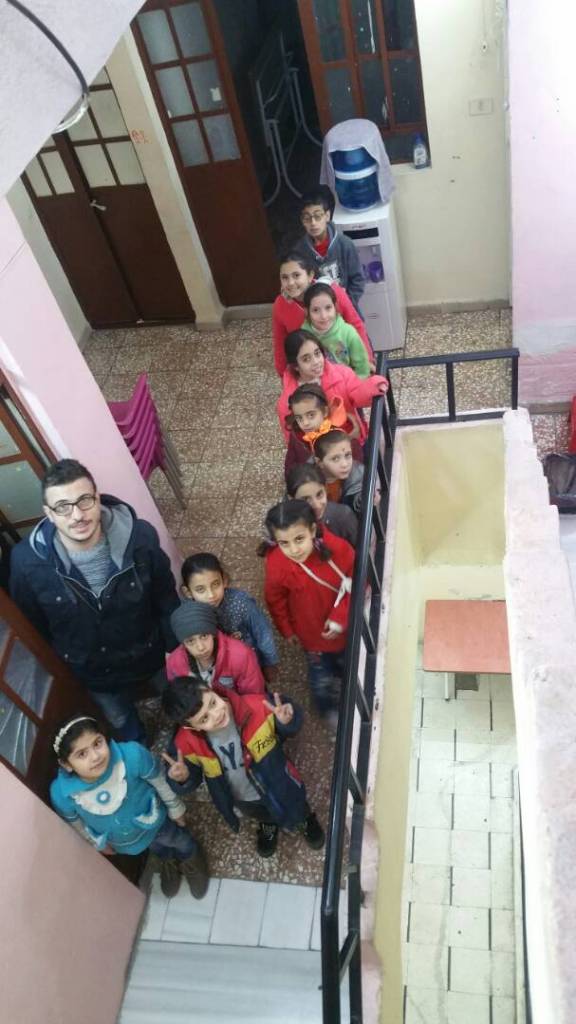
“La Maison des enfants” in Damascus, © Zéna.

“La Maison des enfants” in Damascus, © Zéna.
Chocolate Factory During the summer I travelled with a friend to Germany, to work in a well-known chocolate factory but we were given a very cold welcome by the 400 employees. One woman in particular was particularly grumpy towards me. One day, she made a big mistake that could have been very costly for her. When the section manager arrived, without even hesitating, I took the blame for the mistake. I was severely reprimanded and told that it could cost me my job if it happened again. But I was happy: I had done it to Jesus in my colleague. That gesture impressed my co-workers. From then on the atmosphere changed; we began to treat each other more cordially and, when the time came to leave, it felt like leaving a real family behind. Krisztina – Romania The Great Novelty During a meeting at the parish I remained quite struck by the joy and simplicity of one group of guys who were more or less the same age as me. For someone like me who only ran to God in times of trouble, hearing people talk about God as Love was a novelty. Without reasoning it out too much, I decided to do as they were doing. First, I started helping around the house and keeping an eye on my little sister. One Sunday, I even skipped football match in order to help my Dad put up a roof. At school, instead of studying alone as I usually did, I helped some friends with their studies. Daniel – Argentina At the Supermarket I went to the usual supermarket to pick up some things for a supper with thirty boys at our house and, since I would be busy at a meeting for a few days, I thought I would do one big shopping that I could leave at home. As I was placing the groceries onto the check-out counter, I noticed the woman behind me with only a few items. Behind her was an elderly woman with ten tissue boxes. I asked her if she wanted to go ahead of me. She told me that her husband had gone to get a case of water. When her husband came, I let him go ahead of me as well. Then, I began filling up my many shopping bags. In the end, the cashier pulled out the receipt and said to me: “Today you don’t have to pay anything!” I thought it was a joke. The cashier asked me my name. “Chiu”, I said. I heard over the loud-speaker: “Today, Miss Chiu has won 107 Euros!” I never imaged this would happen to me when I loved my neighbour behind me in the queue ! Chiu – Hong Kong Grocery Stores I run a grocery store and so I’m used to the commercial world where profit comes first – not the customer. I met several Christians who try to put Jesus’s commandment of love into practice. I thought: if they can do it, why can’t I? The next morning I thought: I don’t want to go on weighing the goods with two heavy pieces of cardboard; from now on, I’ll only use light piece of paper. I felt such a great sense of joy and freedom, I discovered that loving opened new horizons to me. Beppino – Italy
Labour Day was instituted on May 1st to commemorate the struggle of workers, which took place across all geographical and social barriers in order to safeguard their rights and improve their work conditions. “Eight hours of work, eight hours of leisure, eight hours of sleep” was the slogan coined in Australia in 1855, and shared by most of the early twentieth century trade union movements. It was above all the workers’ movements in the United States that fought the cause for the eight-hour day. The State of Illinois, in 1866, passed a law that introduced this time limit. The law came into force on 1 May 1867, and on that day a huge demonstration was organized in Chicago, with the participation of ten thousand workers, the largest protest ever seen on the streets of the American city. The manifestation was violently repressed. Much has changed since then, but still today, in many parts of the world, workers do not enjoy the same rights and dignity. For Christians, there is a profound connection between work and the identity of the human person. Jesus himself spent most of his life working as a carpenter in his father’s workshop.
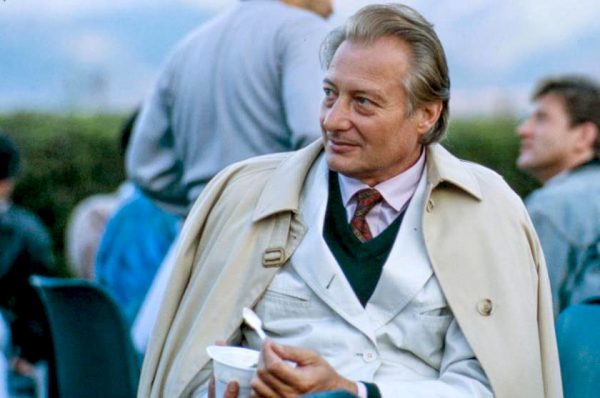
Umberto Giannettoni
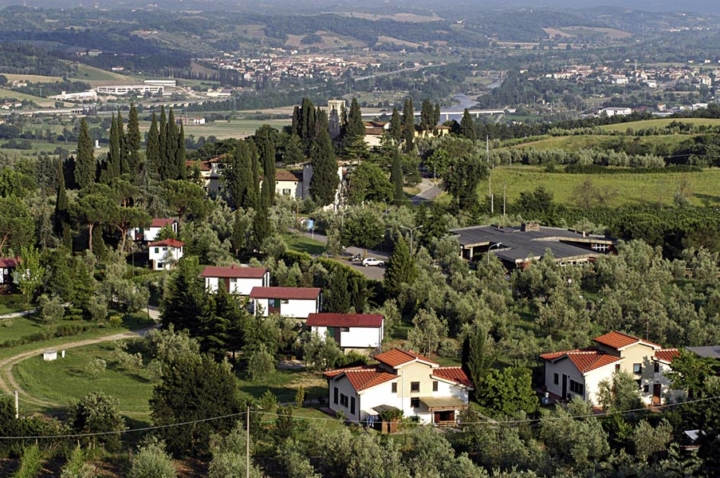
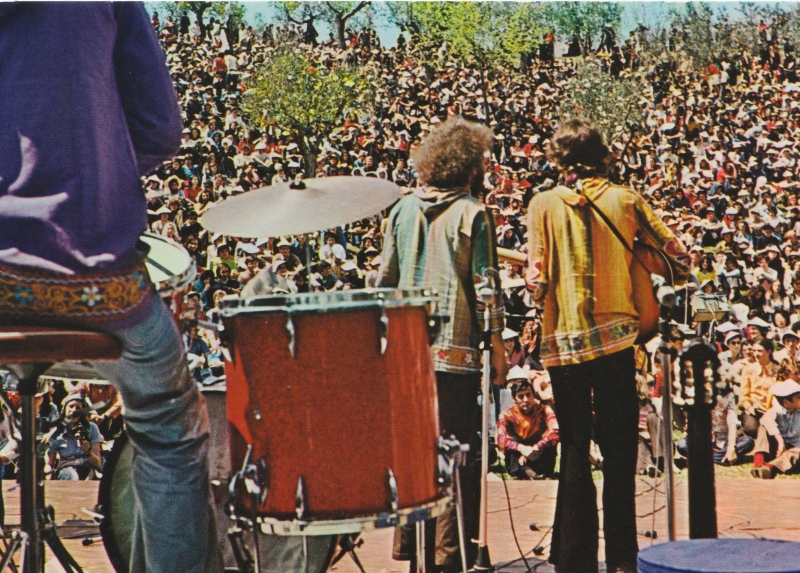 The first youth festival in Loppiano was on 1 May 1971. “After a meeting with the Prior of Taizé in Rocca di Papa (Rome), Chiara Lubich had described the town as a “town of the youth.” On a stopover in Loppiano on his way to Padua, Giorgio Marchetti, a close collaborator of Chiara, recounted what Chiara had said. This news for Umberto was like a flash of light in his soul, and he felt he had to answer Chiara immediately. During the weekend he organised an outing with the heads of the school of the focolare, to the Muraglione Pass in the Apennines. In a bar at the Pass he reflected on the possibility of holding a big meeting of young people in Loppiano, on the first of May […]. The young people of various zones and countries would be invited to participate with an artistic piece. When they left the bar, they were surprised by a particular scenery. The road was a sheet of ice. The rain had caused it after the lowering of the temperature. The vans couldn’t hold the road, and they had the impression that someone wanted to stop them from developing the decision made […].” “There was a very talented group of young people in Loppiano. Among them was Heleno Oliveira, a young Brazilian singer-songwriter, who would have been a big help for the artistic part. Everyone worked hard. On 1 May 1971 in the natural amphitheatre in Campo Giallo, we saw the arrival of thousands and thousands of young people under a splendid sun. The event, to which many in Italy and Europe had contributed, resulted to be very effective for the youth who left in the evening, happy and filled with the divine they had experienced. From Trent came Paolo Bampi, a boy affected by leukaemia, who sang a captivating song: “…but what are you seeking, what do you want…” Then came Gen Rosso with the song, “God who is Love.” Then theatre pieces and dances followed. Each single number was given a “first prize,” which the jury awarded according to various reasons: beauty, unity, content, and commitment. It was a crescendo of sincere and explosive joy which contaminated everyone. As evening came, under the rays of a sun which turned everything gold and in a solemn calm after the intense day […] we strongly felt the presence of Mary.” After a second festive meeting of the youth in 1972 with an even greater attendance, “Chiara Lubich understood that it would be an important tool for the whole youth movement. She decided to involve the World Gen Centres which would participate in the organisation of the “Genfest” of 1973, still in Loppiano. In that year, Fr. Pasquale Foresi (cofounder of the Focolare Movement) was present and gave an important speech on the call to follow Jesus. In the open-air amphitheater, there were almost 10,000 young people. That was the birth of the Genfest! Source: www.loppiano.it Live streaming: https://www.primomaggioloppiano.it/live/