17 Apr 2018 | Non categorizzato
“Walking together, serving justice and peace.” With this goal, the World Council of Churches, the worldwide organization focused on dialogue between the different Christian denominations, has reached the 70th anniversary of its founding in 1948. This year there will be a number of opportunities to look at the results of the work that has been carried out for Christian unity. At the same time, it will be an opportunity to renew the commitment toward the future challenge of full communion, to best respond to God’s calling for the unity of the human family, justice and world peace. Among the festivities, the Focolare Movement has organized an event on April 18 in Geneva, Switzerland in order to commemorate the rich collaboration between Chiara Lubich and the Focolare Movement with the World Council of Churches. The program includes a presentation by Pastor Olav Fykse Tveit, the secretary general of the council, and Jesús Morán, the co-president of the Focolare. For streaming see link
17 Apr 2018 | Non categorizzato
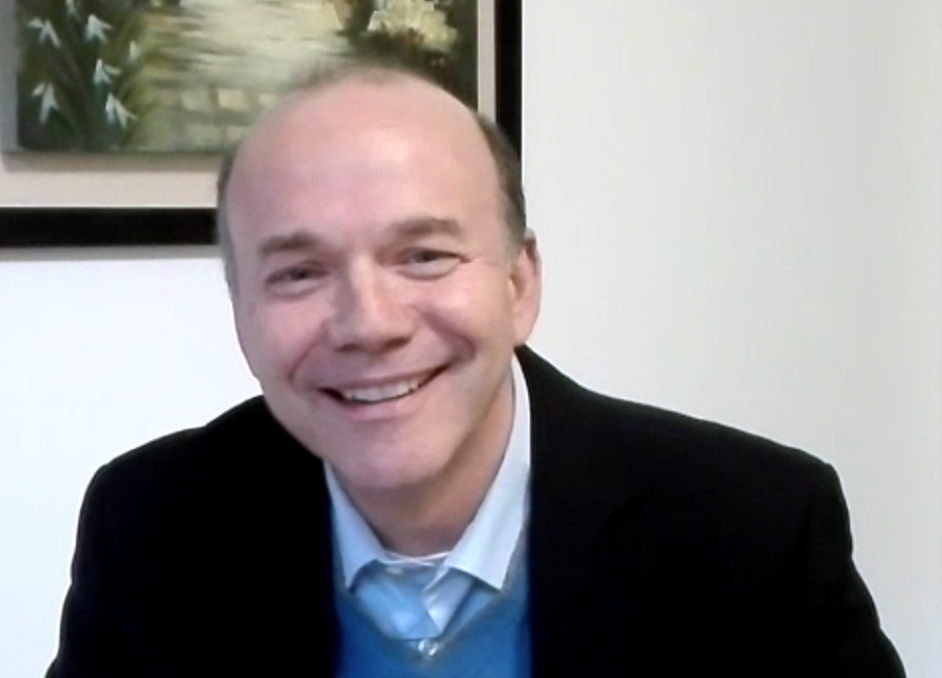
Marc St Hilaire. Focolare Movement
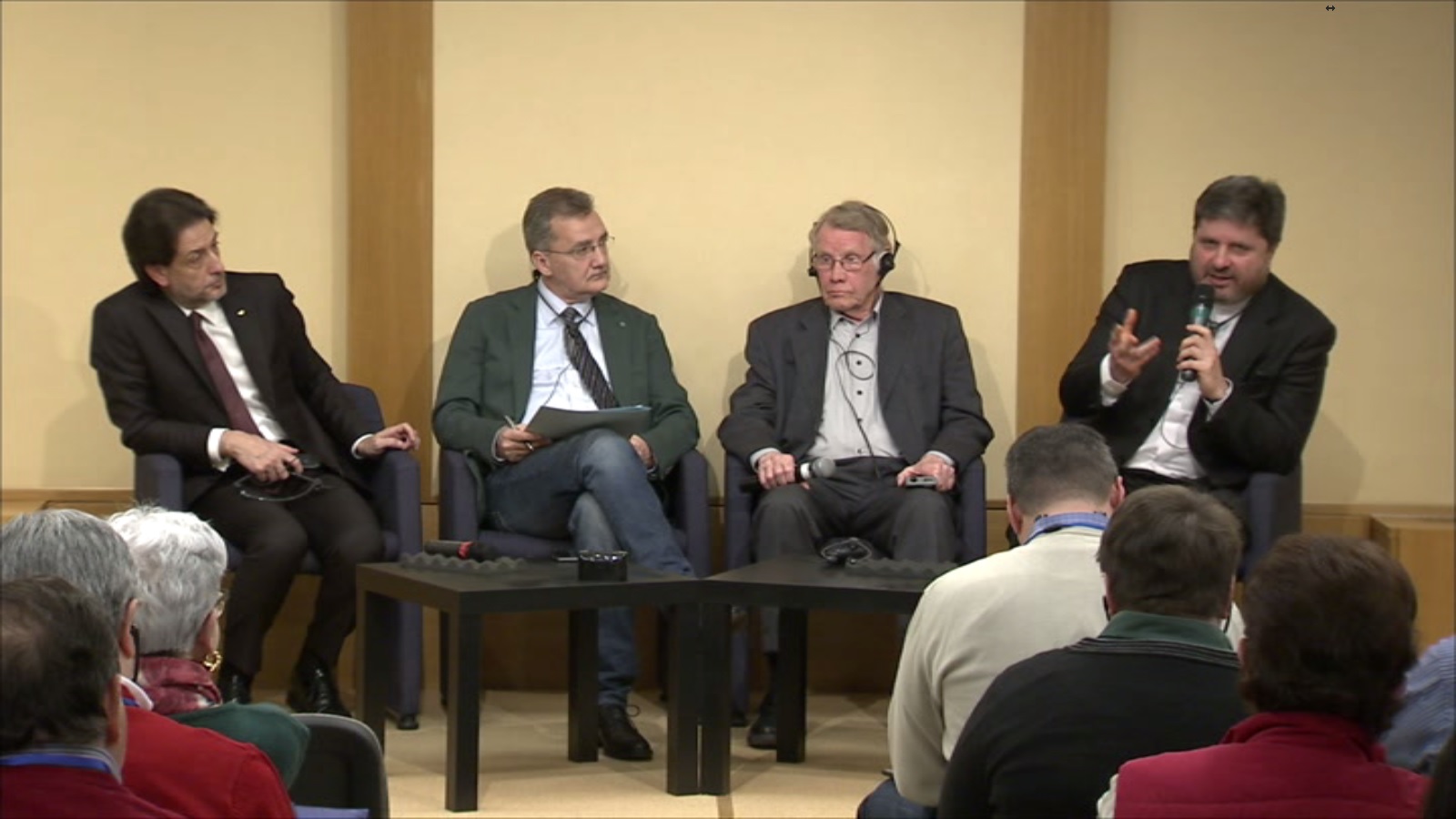
Salvatore Martinez, Aurelio Molè, P. Marmann, D. Angelo Romano
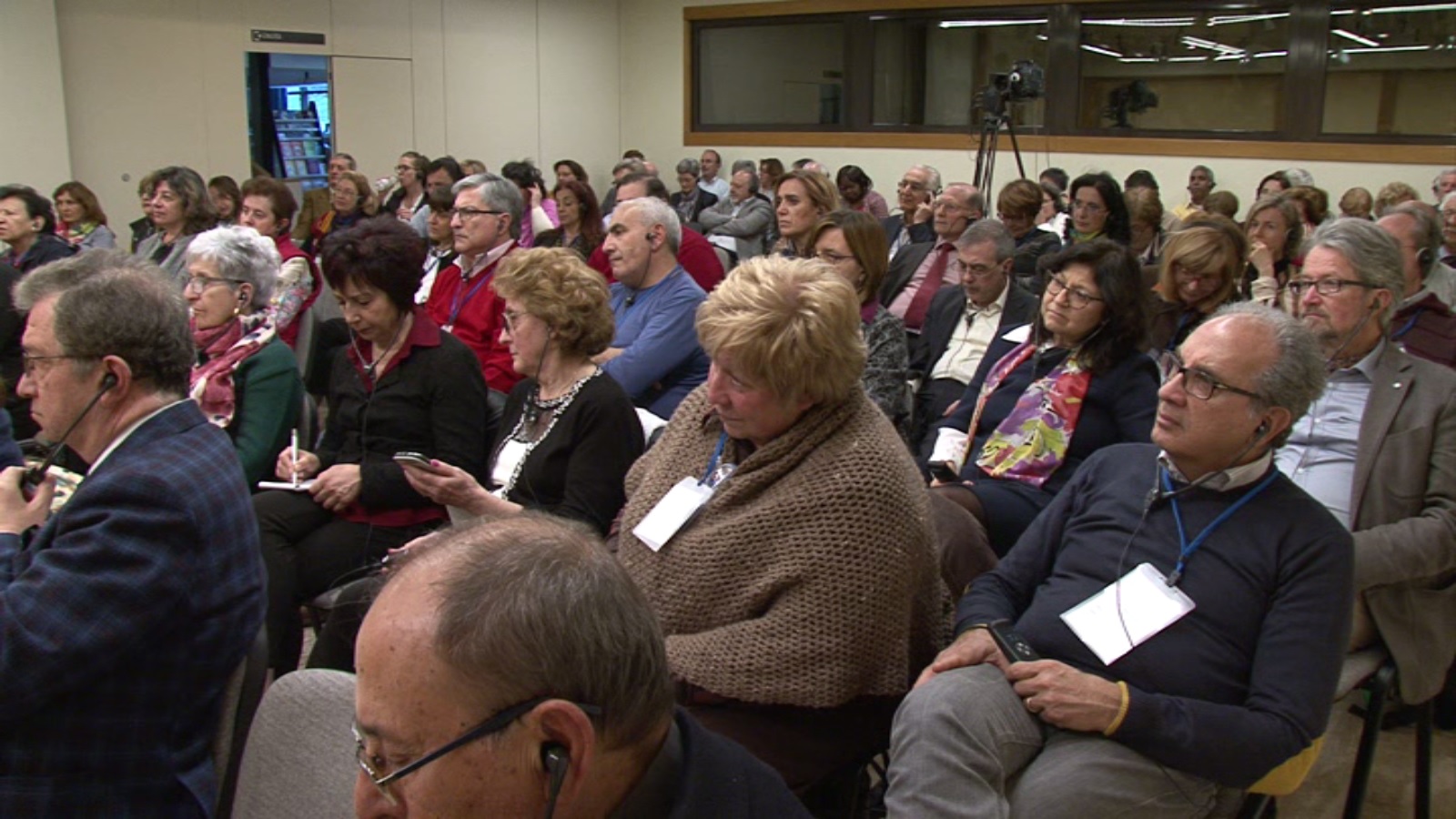 Fr Angelo Romano, Rector of the Basilica of St Bartholomew in Rome, for the Community of Sant’Egidio and in charge of dialogue, “There are sectors in which the path of communion has to grow: as Christians we cannot refuse to question ourselves about the phenomenon of migration and take steps together. Another topic to examine more deeply are the conflicts, which generate poverty and suffering and send a message that is contrary to the Gospel, which says that those who are different can never live together; whereas, we believe that the Gospel is a leaven of unity and peace, and Christians are called to provide a new perspective.” The work of the movements is an incarnation of the Gospel: “We’re the answer,” says Martinez, “of that dichotomy that many would like to put between doctrine and mercy, because the theology of the spirit is done with the life.” And proposing a Church that is poor and missionary is not in antithesis with the doctrine, but part of it: “It’s that dialogue with the world and modernity that the Second Vatican Council prophesied,” says Martinez, “which Paul VI was the first to attempt and all the popes to continue. It’s this original synthesis that the Pope asks us to give witness to: a doctrine that one incarnates in the history.” In this prospective, twenty years from 1998, the ecclesial movements appear more and more to be “the Providential answer to the needs of our time”. It is an answer that implies a constant effort towards unity, to bringing the face of Christ to the human peripheries.
16 Apr 2018 | Focolare Worldwide
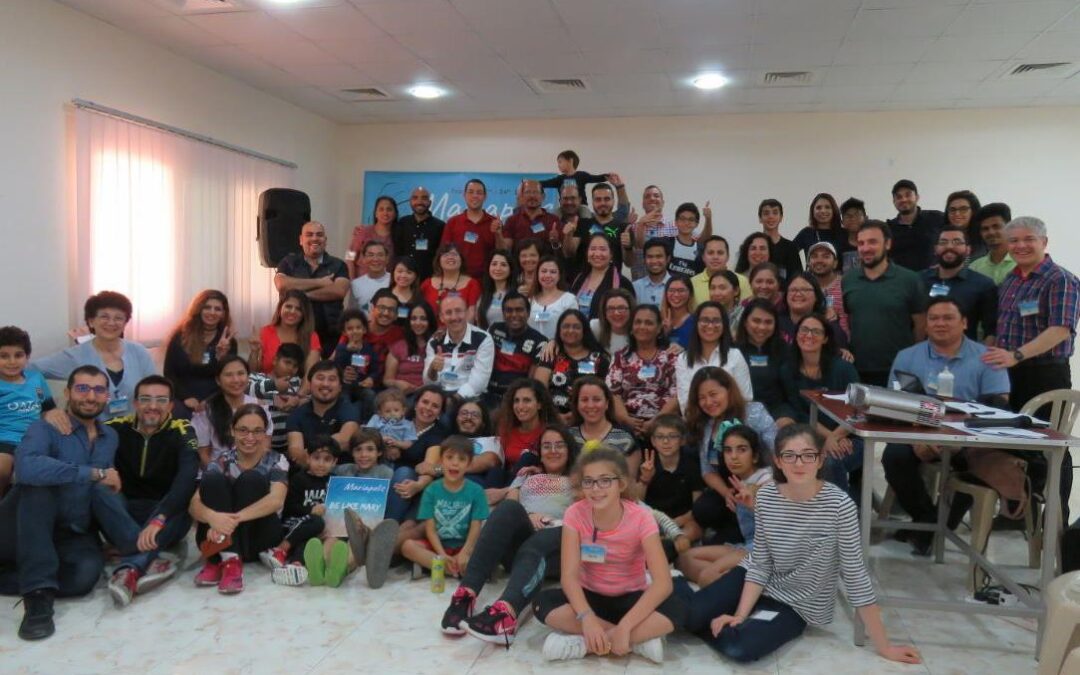
The Burj Khalifa is currently the world’s tallest building, its 160 floors rising to a dizzying 830 metres. At ground level an immense choreographed fountain is illuminated by laser beams bouncing through water jets to a constantly changing musical accompaniment. Although its “world-highest” title is under threat from the Kingdom Tower of Gedda (200 floors) and other skyscrapers rising up in various countries, the city of Dubai is synonymous with its ‘At The Top’ observation deck, offering breath-taking birds-eye views of stunning ultramodern constructions. In recent years, the so-called ‘city of dreams’ has seen one of the highest immigration rates in the world, attracting people from many different countries looking for work. This has produced a distinctively cosmopolitan environment, one not without difficulties, particularly for its foreign workers. In this high-rise ‘concrete jungle’ dwells a small community of the Focolare Movement. Many left their own countries for Dubai – like countless others – hoping to find better financial opportunities for their families. For three weeks in February this community enthusiastically welcomed Romè from the Philippines, Fadia and Susanne from Jordan and Murad from Syria, later joined by Alessandro from Italy for part of the time. Together they formed a ‘temporary focolare’ in this unique location. 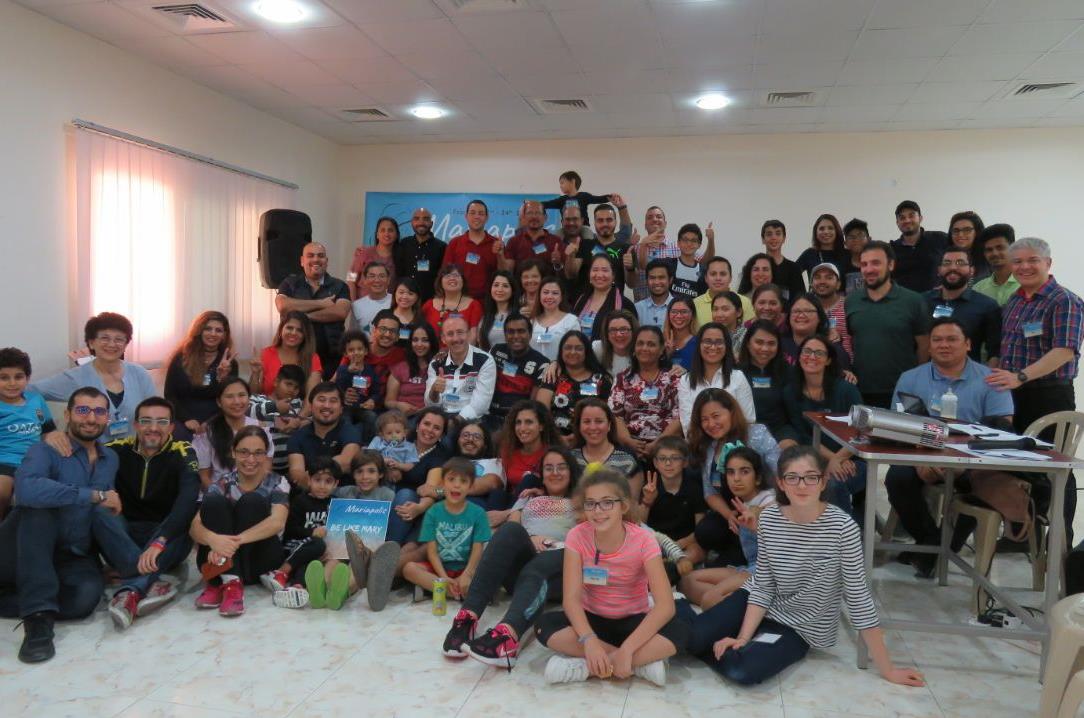 The visitors recall: “We were welcomed at the airport by a group of radiant faces. Each one of us was presented with a beautiful flower! Instantly we were made to feel at home. Our first morning in Dubai dawned with an email greeting from Focolare President, Maria Voce: ‘May Jesus be always present among you, and may He be the most beautiful gift for those you will meet!’ These words guided our steps as we entered into the heart of this community. On tip-toe we contacted one person after another, setting up appointments in their homes, in churches, restaurants, shopping centres and even in metro stations. Wherever we met, people brought items – providence – to share with others. Every moment of the day, and well into the night hours as well, provided opportunities to build a ‘shelter’ for Jesus, for Jesus among us. And what joy every time!” The visitors joined an international and culturally diverse group of Focolare animators to prepare a 2-day Mariapolis. “Our presence in Dubai was in order to serve. But each one of the 70 participants at the Mariapolis, from eleven different nationalities, gave their own active contribution. Chiara Lubich’s last wish ‘always be a family’ was evident there.” The visitors continue: “Talking with several Dubai residents, we became aware of how many worries they may have – discrimination, the fear of losing a job, the high cost of living combined with disproportionately low salaries, no permanent residence, and often no clear future. However, beneath all this, lies a ‘treasure’ hidden in each one’s heart: God, whom they have chosen as their ideal in life.” In conclusion, “We saw how it’s the life of unity lived as part of a community which helps each one withstand the daily challenges.” This – and not height in metres – is what characterizes their distinctive race to The Top. Chiara Favotti
15 Apr 2018 | Focolare Worldwide
The military intervention in Syria on the night of Friday 13th April has become the focus of international concern. After the heartfelt appeal of the Holy Father, Maria Voce, President of the Focolare, expressed, on behalf of the members of the Movement all over the world, her closeness, solidarity and prayer for the Syrian people who have been suffering immensely for seven years now. “Since we are continually in contact with our communities in Syria,” Maria Voce said, “we cannot fail to make our own their great suffering on perceiving themselves as victims of a proxy war, caused and carried out by outside interests.” “The Movement,” the President stressed, “appeals to political leaders all over the world to return to a profound and truthful dialogue, guided by the sincere search for a peaceful solution, for the good of the Syrian people and all peoples in the Middle East.”
Rocca di Papa (Italy), 15th April 2018
13 Apr 2018 | Non categorizzato
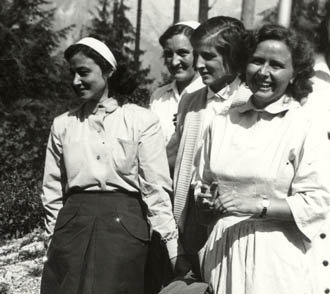 “We’ll never be able to quantify the help that we receive from our brothers and sisters. How much courage their faith inspires in us, how much warmth their love, how much their example draws us!” Chiara Lubich (1920-2008), who wrote these words, was known as someone who drew after her hundreds and thousands of people and constructed relationships with Buddhists, Muslims. She is still being followed by people with no religious affiliation and breatheing new life into politics and economy. The friendship with the first companions of Silvia Lubich whom they knew simply as “Chiara” or Clare, played no small role. It all began with a choice of God and her consecration to Him in 1943, Trent, Italy. However, quite soon it was no longer a single “I”, but a collective subject that began to move, to act, to pray and to love: Chiara and her first companions could have ended becoming anyone, but they became beacons of light on all five continents. This story has many incredible elements, but yet it’s simple. You understand it if you open and read in chapter 13 of John’s Gospel: “I give you a new commandment, that you love one another. As I have loved you, so must you love one another” (13:34). This is a commandment that can only be lived out in the company of others. When Chiara and her companions read this Gospel passage in a bomb shelter, they looked at one another very intensely as they thought about the commitment it would be. They didn’t hesitate, but said to each other: “I’m ready to love you to the point of giving my life for you.” Chiara would later consider this the cornerstone on which the entire Focolare Movement would rest. It’s certainly not something unheard of in the history of the Church, but there might be one thing new about it. Chiara immediately conveyed to her companions whatever she was living and all that the Holy Spirit was inspiring in her. The bond among them was stronger than cement, and I would like to illustrate the qulaity of their relationship that valued and freed potentials, edifying a work that was of God.
 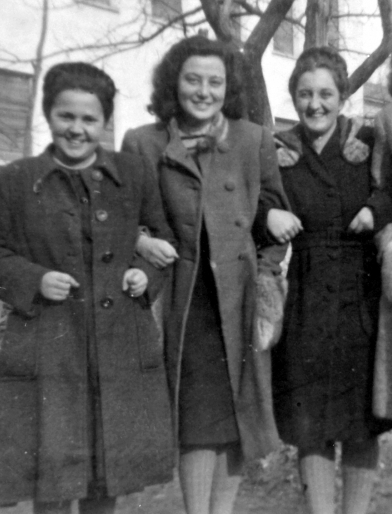 Ten years went by and it was 1954. Chiara was living with Giosi, Graziella, Natalia, Aletta, Marilen, Bruna and Eli. One day, as Chiara paused to look at them, she recalled the sentence from the book of Proverbs: “Wisdom has built her a house and set up her seven columns” (Proverbs 9:1). She was looking at the seven young women in front of her, each with her own talent, all of them united and rooted in God. These were Wisdom’s seven columns, the seven colours of the spectrum that emerge from the one light of Love. Seven interdependent aspects of love, each flowing from and into the other. Chiara entrusted Giosi with the communion of goods and the paychecks, not only the care of the poor: the red of love. To Graziella she entrusted “witness and spreading,” the orange. Natalia had been her first companion: she personified the heart of this ideal, the cry of Jesus Forsaken of love. She would carry thi secret beyond the Iron Curtain. She was the spirituality and prayer life, the yellow of the spectrum. Aletta would be remembered as the one who encouraged the members to be mindful of their health, and to form a community united in love. Chiara entrusted her with the green, Creation and physical life. To Marilen, who lived for fifteen years in the midst of a Cameroon forest, Chiara entrusted the blue: harmony and the home. Bruna was a bit of an intellectual and Chiara saw her as the one who could develop the aspect of studies: the indigo. Eli was always at Chiara’s side and helped to make sure that all the members around the world were living as one. She was entrusted with the aspect of unity and the means of communication, the violet. Some other of her first companions would also have special tasks: Dori, Ginettta, Gis, Valeria, Lia, Silvana and Palmira.
1959: Lia, Marilen, Bruna
