
Sant’Egidio celebrates its 50th
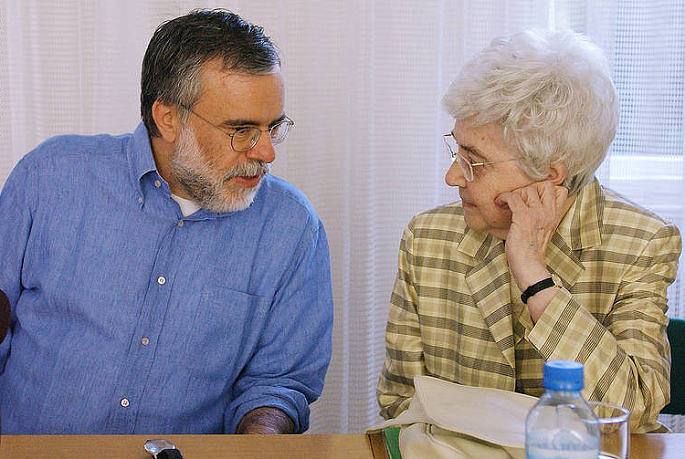
The Community of Sant’Egidio is celebrating its 50th year. A story that began on 7 February 1968, in Rome, with Andrea Riccardi and a small group of high school students who wanted to change the world. “We have discovered in all these years, along with many people worldwide, the joy of the Gospel,” declared the president of the Community, Marco Impagliazzo. “At Sant’Egidio, in the heart of the Trastevere district (Rome) – the notice diffused on that occasion said: an adventure has begun, one that has led the Community to the human and existential outskirts in the different continents, a commitment amid the poor of every condition, up to the healthcare plans to treat AIDS and statistical records, from interreligious dialogue to working for peace.” Next Saturday, 10 February, the “people of Sant’Egidio” will gather in the Roman basilica of St John Lateran for a celebration presided by the Vatican Secretary of State, Pietro Parolin. On behalf of the Focolare, president Maria Voce will attend, together with some of her staff. In her warm message she gives “ heartfelt thanks to the Holy Spirit for the charism bestowed to the Church and all of humanity and for the fruits achieved in these fifty years of life, also thanks to your fidelity.” She added that “the Community, now spread to 70 countries, has contributed and continues to contribute to building peace in the world, through a courageous dialogue at all levels and with a particular attention to the most forgotten members of society,” and recalls the peace obtained in 1992 in Mozambique and the “humanitarian corridors” in favour of refugees. Maria Voce underlines, among the many moments lived together, a “special” one: “the joyful commitment assumed together and in an altogether particular way by Chiara Lubich and Andrea Riccardi, after the historical encounter of the Movements with the Pope on the Pentecost of 1998, which has produced many fruits for the glory of God.” And concludes with her wish and that of the Focolare “to totally fulfill God’s design on your Community.” See the new site: www.santegidio.org
Day of Prayer and Fasting for Peace
On February 23rd the Focolare Movement will join the Church in a Day of Prayer and Fasting for peace and the end to all forms of violence. The day was instituted by Pope Francis in a surprise announcement before 20 of the faithful in Saint Peter’s Square for the Sunday Angelus. The Pope turned especially to the populations of the Democratic Republic of Congo and of South Sudan, which have been going through great escalation in violence and oppression, but he was also mindful of all the prolonged conflicts that are taking place in all parts of the world. This is not anything new: Pope Francis had invited “all believers, also non-Catholic brothers and sisters and non-Christians” to unite in a common moment of prayer, each in their own way, to implore together the gift of peace, while trying to understand what each of us can do to stop the violence. “The victories obtained by violence,” said the pope, “are false victories.”
India: The Rainbow Kids
Switzerland: What way should I follow?
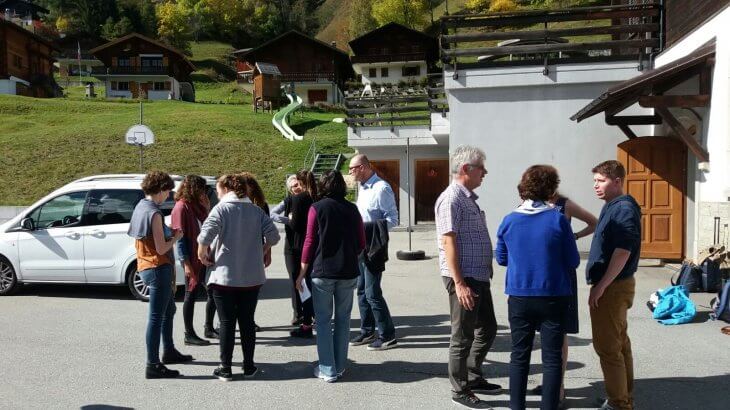
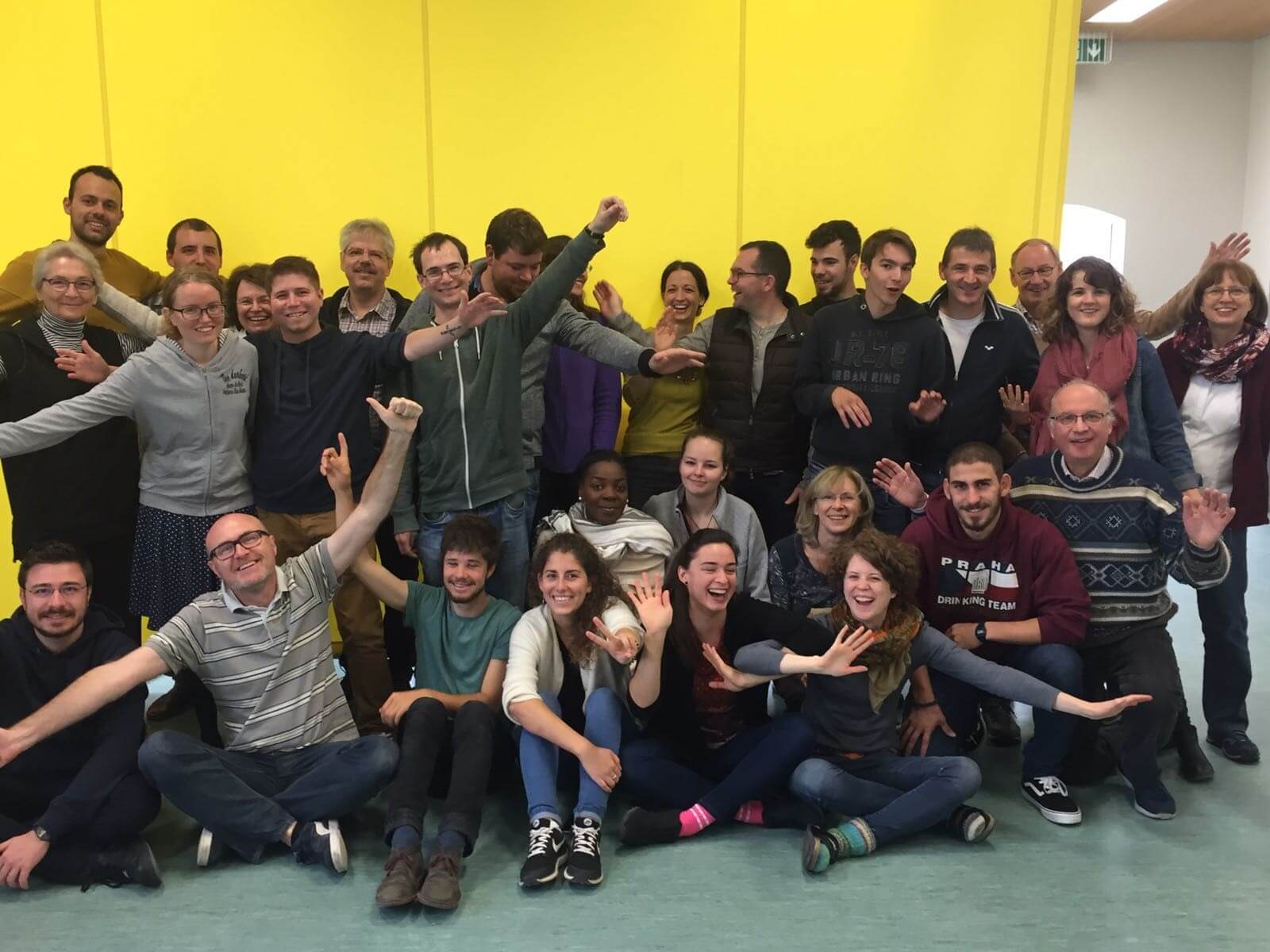 What drives a group of young people aged 18 to 34 years, from the three linguistic regions of Switzerland, to spend some days in the mountains together with eight focolare men and women, a couple of married focolarini and a priest? “The scope of “Behind the Scenes of the Focolare”, a weekend held in the splendid background of the Valais Alps, was not only to enjoy nature, but also to ask oneself, immersed in an ideal environment, a series of essential questions on the life one has lived so far and the years lying ahead. And among such queries was: What path shall I take? This question is often not easy to answer, especially when there are extraordinary and often unrepeatable possibilities from which one can choose. To consciously undertake one – the organizers thought – that it would be helpful to turn down the volume of daily vicissitudes and find a place where it is easier to listen to a suggestion, often whispered to one’s heart. “This is how we got the idea of spending a weekend together, where one can express oneself freely and sincerely, and where Jesus can speak out in the intimacy of one’s heart. A mix of deep reflection and community life, consisting of walks, games, clearing, coking, prayer, to express at best the beauty and also the “normality” of following His call, also today.”
 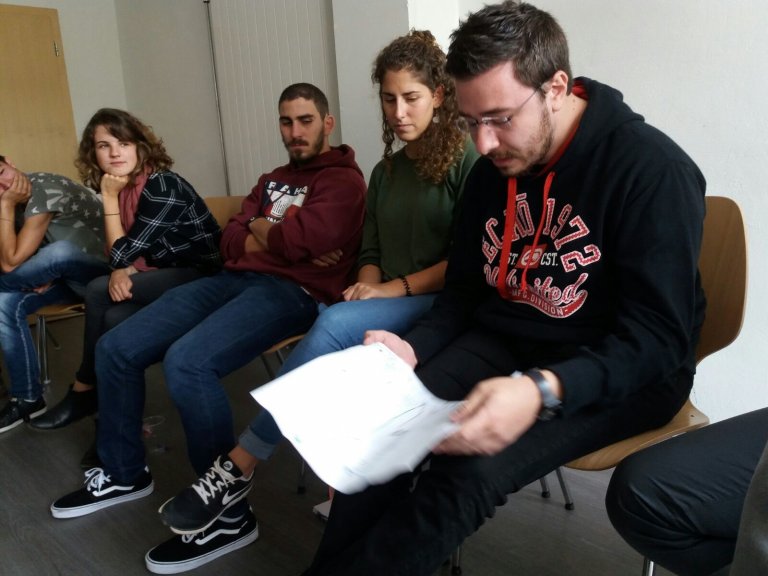 “Behind the scenes” of focolare life lies a personal call of God to achieve a community of laity, virgins and married people (each according to their status), fully immersed in the world, but imbued with the spiritual presence of Jesus among them, fruit of mutual love. It is a “presence” that wishes to bring to the world, with the objective and perspective of unity among people and societies, a more fraternal and united world that respects diversity. Some of the youths present had never investigated this possibility. Others had already decided to form a family, while others still had not posed the issue. But all had the desire to deepen a personal rapport with God and know more about this particular way of coexistence based on the model of the family of Nazareth, born from the charism of Chiara Lubich. “You live in the midst of society, and you don’t have a convent that protects you, how do you manage?” “Great, but isn’t it too difficult?” “What does it mean to follow Jesus today?” Many questions came up spontaneously and many answers were given, starting from personal experiences and the group meditations on the articles on the evangelical spirituality of unity. Kati and Istvan, a married couple, shared their own joys, difficulties and fundamental choices of their family. “I was deeply struck by the depth of the themes discussed even if I did not know you,” said one of the boys. “I came with a lot of questions and found many answers,” a girl said upon returning home. Peter, a priest remarked; “This was an unexpected weekend. Some of the boys expressed the desire to continue such sessions. This, to my mind, was the most important message of the two days spent together; we live for you and with you, in the uncertainty of the choice to make in life, but in the certainty of no longer being alone in this quest.”