26 Oct 2017 | Non categorizzato
Together for Europe (TfE) is an initiative of over 300 Christian Movements and Communities belonging to different Churches in Europe. The Steering Committee which is entrusted with a coordination role is composed of the following members: Christophe D’Aloisio (Fraternité orthodoxe en Europe occidentale), Marco Impagliazzo (Community of Sant’Egidio), Michelle Moran (ICCRS / Sion Community), Gerhard Pross (CVJM/YMCA Esslingen), Thomas Roemer (CVJM/YMCA Munich), Gérard Testard (Efesia), Maria Voce (Focolare Movement) and Fr. Heinrich Walter (Schoenstatt). In 2017, the “Friends” of TfE network will hold their annual conference in Vienna, a city that is a bridge connecting Eastern and Western Europe. A total of 120 participants from around 20 Eastern and Western European countries and 40 Movements are expected to attend. Their main aim will be to pool ideas on three topics:
- What culture is generated by the history of Together for Europe?
- What is our specific contribution to Europe?
- Dialogue between East and West: a mutual enrichment
This network of people embraces all of Europe from England to Russia, from Portugal to Greece. Their shared mission: through the upcoming meeting, to strengthen communion among their individual charisms and build united and multifaceted Europe, with strong social cohesion and cultural diversity. The meeting will open, on 9th November 2017, in the Stephansdom Cathedral of Vienna, with an Ecumenical prayer for Europe. All those who wish for peace in Europe and in the world, are invited to take part in this moment of prayer. Cardinal Christoph Schoenborn, Archbishop of Vienna, Auxiliary Bishop Emeritus Helmuth Kraetzl, Catholic Church, Archpriest Vicar Ivan Petkin, Bulgarian Orthodox Church in Austria, Chorbishop Emanuel Aydin, Syrian Orthodox Church in Austria, Patriarchal Delegate Tiran Petrosyan, Armenian Apostolic Church, Patrick Curran, Archdeacon of the Eastern Archdeaconry of the Anglican Church in Europe, together with all the present will bring before God needs and opportunities of our continent. The intention of the prayer is extremely timely: unity in diversity, peace in justice. Following personalities will address the gathering: Thomas Hennefeld, Superintendent of the Reformed Church of Austria and President of the Ecumenical Council of Churches in Austria, and Joerg Wojahn, Head of the European Commission Representation in Austria. For further information on Together for Europe
26 Oct 2017 | Non categorizzato
A group of young Columbian architects of the “De La Salle” University of Bogotà and Italians of “G. D’Annunzio” University of Pescara are undertaking a new stage of the traveling workshop, “Habitandando,” organized by the network of the Focolare Movement Dialogue in Architecture. From 24 to 28 October there will be a trip from Bogotà into the interior of the country, with stopovers in some colonial towns and the Amazon plains. From 30 October to 5 November a week of study-work will follow in the Altos de Cazuca district in the outskirts of Bogotà. This is a depressed area, lacking in primary infrastructure and renowned also for security-related problems. The objective is to design and experiment through creative projects and teamwork, architectonic and urban solutions aimed at generating change and creating spaces for the local community. This will be an extreme context at the limit of the resources, technological possibilities, and social and cultural environmental sustainability.
26 Oct 2017 | Focolare Worldwide
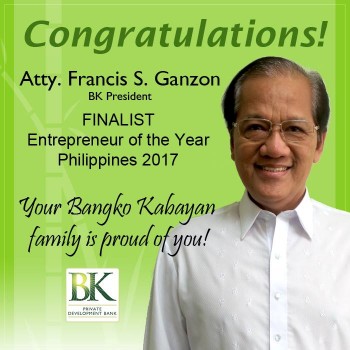
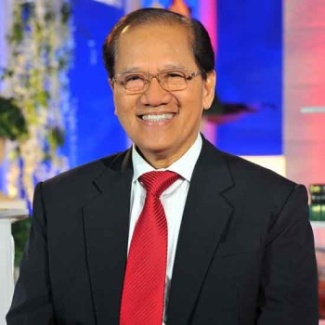 It is currently one of the biggest rural banks of the Philippines. But when Francis Ganzon (67 years old) took the helm in 1989, it only had one branch. Since then, the Institute has engaged in the support and empowering of the small and medium enterprises (SME), through the offer of quality financial systems “with a workforce united with God,” as the Bank site describes its “mission”. After obtaining his law degree, Ganzon dedicated himself to saving an institute, the Ibaan Rural Bank, Inc. (IRB), which was involved in cases of fraud. “I promoted a different work style, focusing on compliance with the laws, professionalism and centrality of the people, and promoted new practices in line with Christian values.” Ganzon embraced the spirit of the Economy of Communion, the international network of entrepreneurs engaged in putting the Social Doctrine of the Church into practice. “Subsequently, we created the Ibaan Rural Bank Foundation, with the objective of extending the microcredit programme also to deserving students with economic difficulties, through scholarships. The Asian financial crisis of 1997 also struck our bank, but we did not close down also thanks to the trust of our clients. That same year, the Bank celebrated its 40th Anniversary, and we changed its name to Bangko Kabayan (fraternity bank) as a further effort to supply people in need with the possibility to access microcredits in order to elevate their own standard of living.” “Many clients – continued Ganzon – did not have collaterals, but we considered them as worthy people. This created a rapport of mutual trust: the bank trusted people and granted loans, and the clients trusted the bank. In this way Bangko Kabayan had a strong social impact, improving the lives of many people and many small enterprises. Then it became the preferred credit provider of the SME in our region, opening 23 branches in the provinces of Batangas, Quezon and Laguna.” In the near future, Bangko Kabayan will be committed to building a balanced portfolio of loans and capital, and in investing further in the new technologies, particularly in internet banking. Up to now Bangko Kabayan has been receiving various awards. In 2007, it received the best Capital Build-up in the PremiLandbank and was ranked among the best credit institutes at global level for microcredit. From 2008 to 2011 and again in 2013 and 2015, it was nominated in the region where it has its main office, a partner of the Land Bank of the Philippines. It moreover received Microenterprise access to the MF EAGLE award for bank service from 2003 to 2007 and again in 2010 and 2011. «Determination and integrity will always be compensated,” concluded Ganzon. “I am anxiously waiting for the day in which bank transactions can be done with a handshake instead of on paper.”
25 Oct 2017 | Non categorizzato
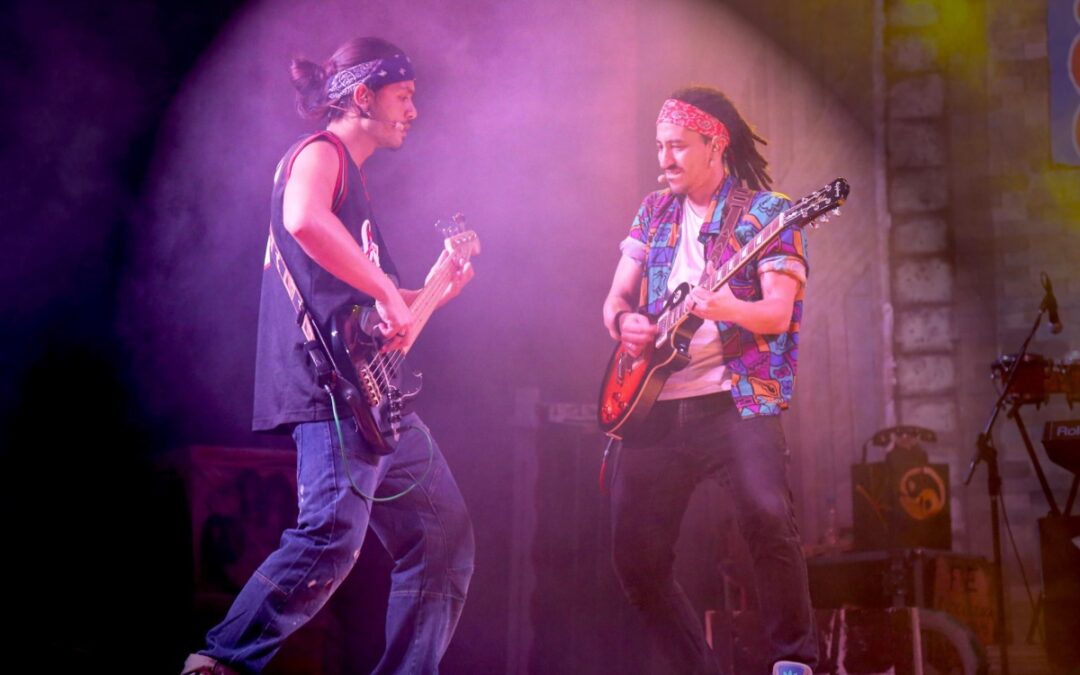
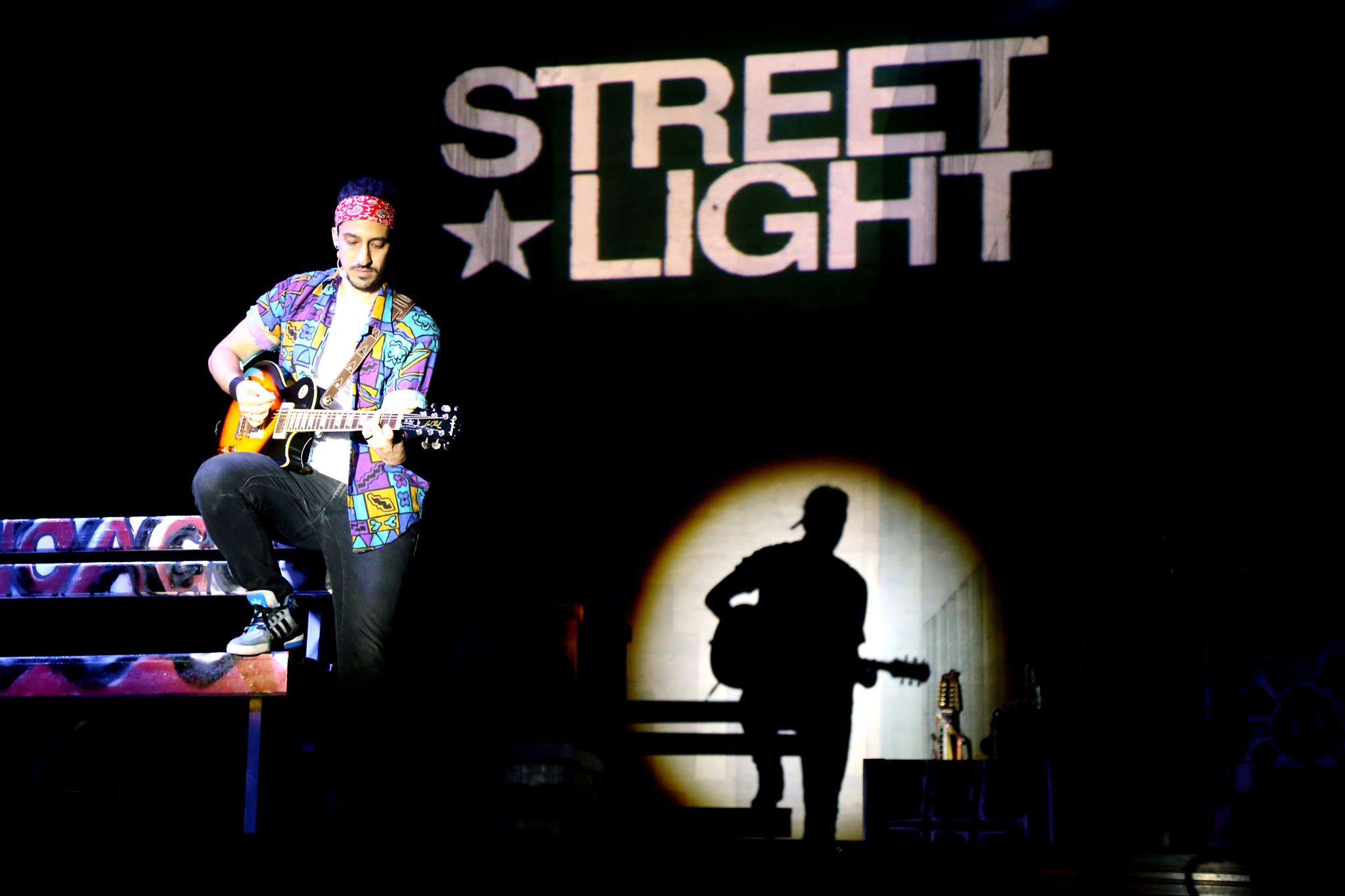 Organized by the Fazenda da Esperança, the Gen Rosso band’s Brazilian tour “Every life has a hope” is now underway. After a first stopover in the State of Santa Caterina, the tour will move on to the Central and Northern regions of the country. Joinville, ten hours by coach from Sao Paolo, is a modern city and a reference point for all dance enthusiasts, and not only the South Americans. Apart from Moscow, it is the only one that hosts a school of the Bolshoi Theater, where the old Russian method is taught. In the city of dance, from last 24 September to 1 October, nine Bolshoi ballet dancers and four others of the Cultural Centre contributed in setting up a musical. Streetlight is an original project that was staged with over 200 youths with drug addiction problems. In three days of intense work, they learnt and practiced dance steps and music, side by side with artists and youngsters, inspired by the motto one for the other. At the end, the curtain rose and the show was staged. It was not a job performed “for” the youth, but “with” the youth, said Globo TV – the most popular TV channel in Brazil – which dedicated several spots and interviews to the programme. A workshop dedicated to the educators and social workers working in the city, was held simultaneously on themes regarding the psychological, social and family processes connected to the rehab from the various types of addictions.
 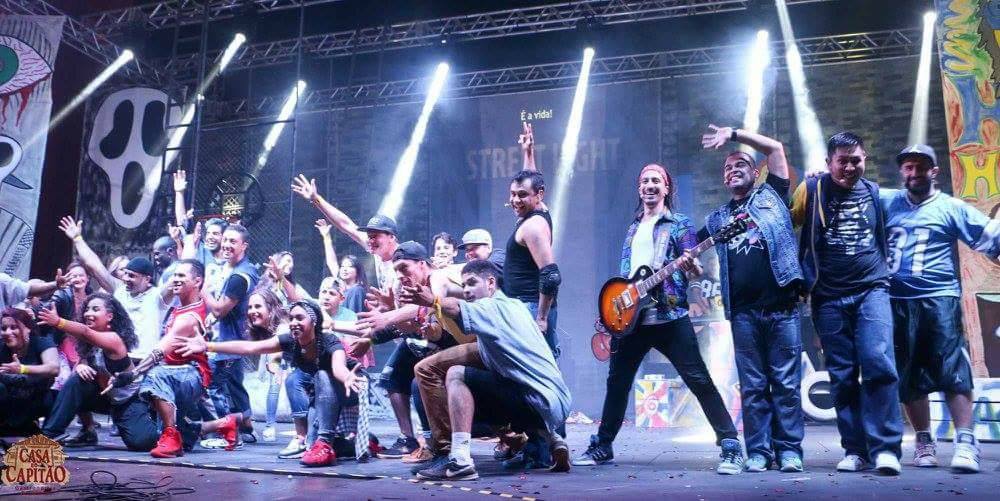 Fr. Luiz, current president of the Fazenda together with Angelucia, Nelson and Iracì, some of the pioneers of the “factory” of hope, which has spread from Brazil to Latin America, the Philippines, Africa, Russia and Central Europe, worked side by side with Gen Rosso, which for that occasion expanded its team, involving also other members of the local Focolare community. Enthusiasm among the youths involved onstage was sky-high. “It is really worthwhile to try and overcome one’s limits. I thank the Fazenda for giving us this opportunity to work with Gen Rosso”.
 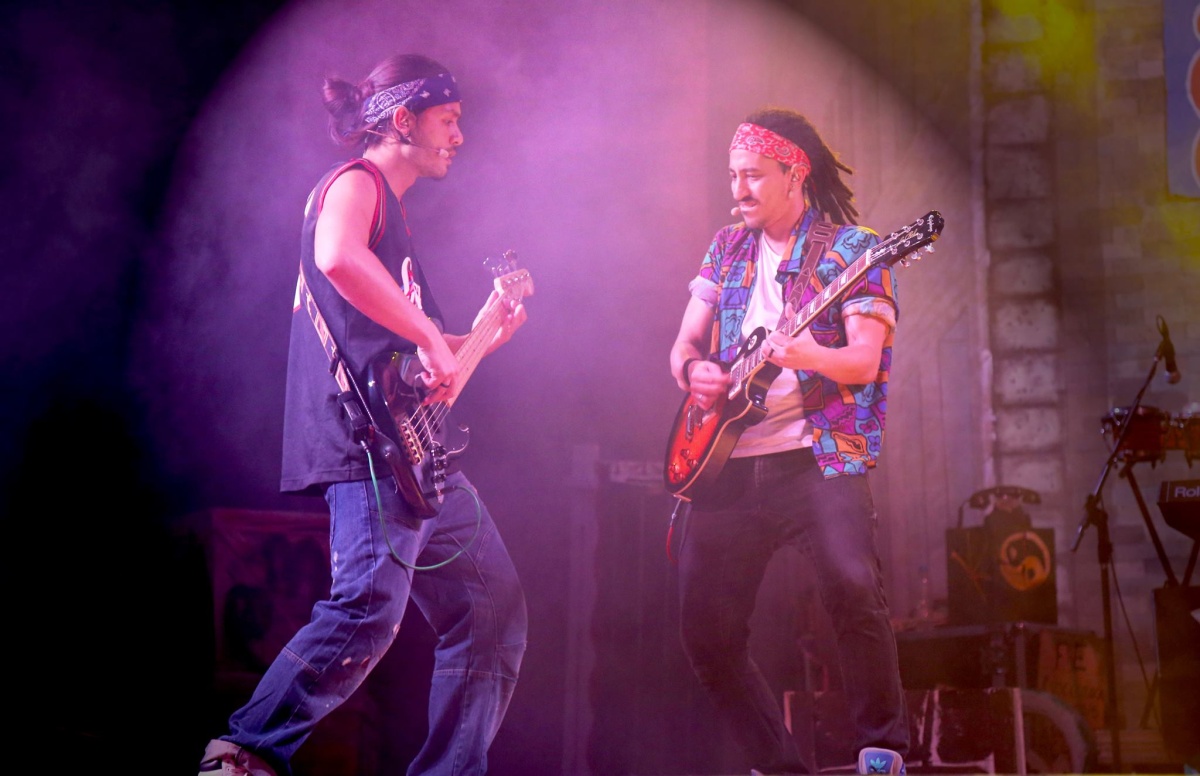 So taken by the music and the rhythm, a boy who in the past headed a violent gang, said: “The adrenalin I had experienced while doing bad things, was for me, the utmost. But I saw that one can be even happier in doing good, without drugs and alcohol. This is something new for me.” William, of the Bolshoi school: “I learned that one can dance not only with technique and discipline but also with one’s heart. It was a joyous and likewise harmonious experience expressed also with a smile.” A ballerina of the Cultural Centre said: ”Our professionalism encountered the force of a lifestyle of many youths: a surprise for me and a miracle of art for one another.” Also the public expressed surprise and enthusiasm: “I saw my city get involved.” “It is art that becomes service to society.” “You have strengthened unity among the various civil communities; a very precious experience which we must pursue in the future.” Meanwhile, after the concert in every city of the tour, the group continued the work to ensure that connections between the various social institutions engaged in the education and rehabilitation from drugs and other addictions, were consolidated and strengthened, so as not to allow the streetlights to dim. Streetlight Video.
24 Oct 2017 | Non categorizzato
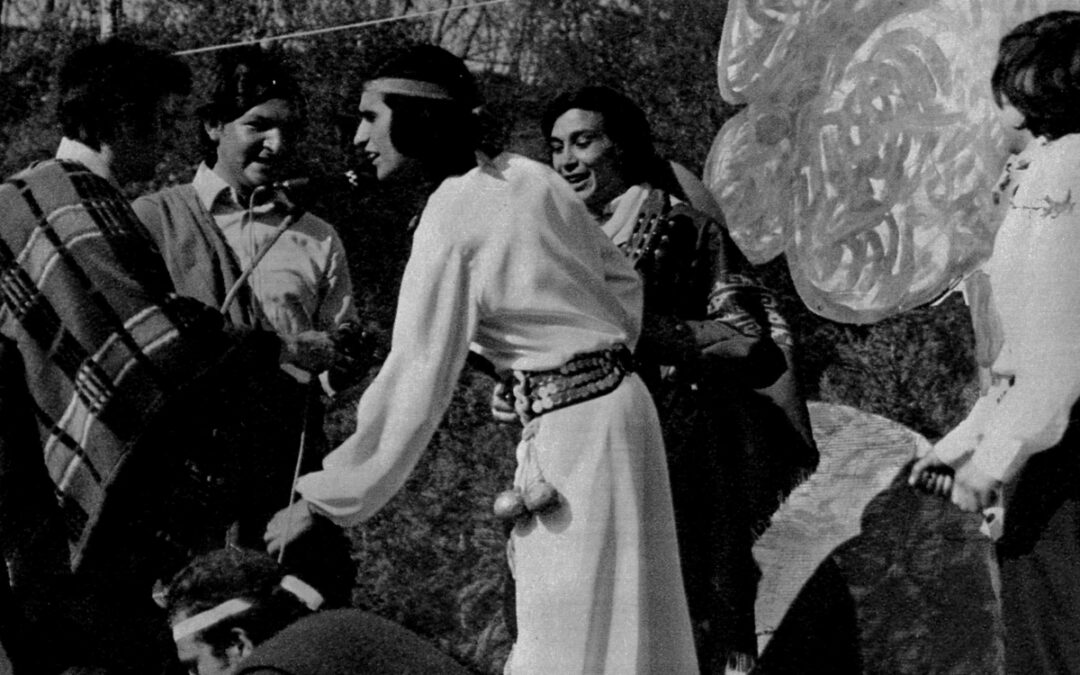
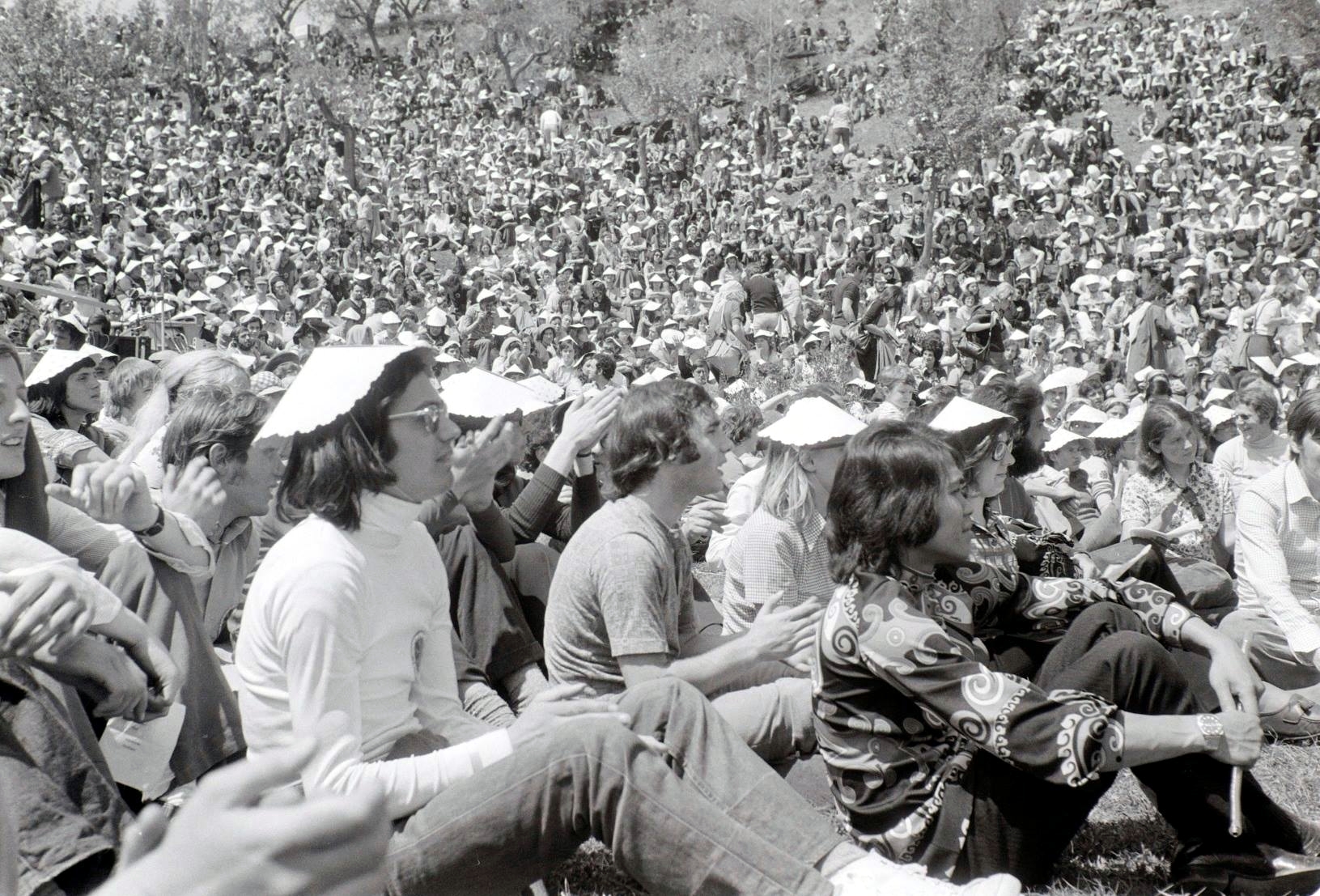 An unending line of buses filled with young people clamoured up the narrow roads that rose from Incisa Valdarno, Italy, to Loppiano. Such a long carcade hadn’t been expected and threatened to throw off the plans. Who would have expected 10,000 young people to come for what would then turn into a yearly event in many cities of the world? It was a real invasion that made all the jaws of Loppiano’s citizens drop. It began on a day of spring sunshine that burst from hearts and faces after a vigil of wind and rain: the first Genfest in history! And I was there! Yes, I was there! “Vivir para cantarlo,” García Márquez would say. “I live to sing it!” I can still see Loppiano’s natural amphitheatre in front of me, filled to the brim with young people from Italy and several other European countries, many hours of travel behind them – and also representatives from other countries around the world: like me from Argentina.
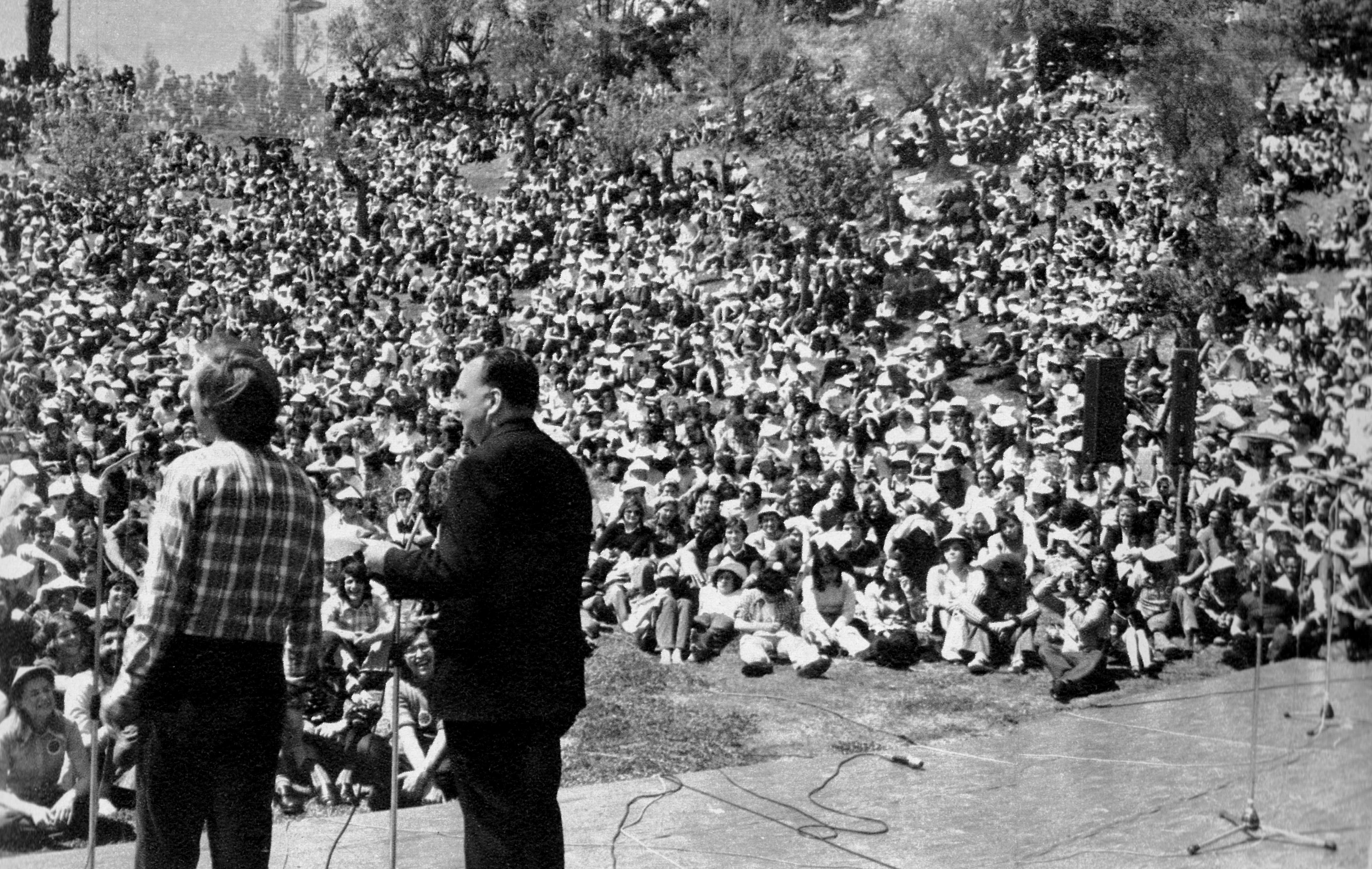
Fr Pasquale Foresi delivered a message from Pope Paul VI
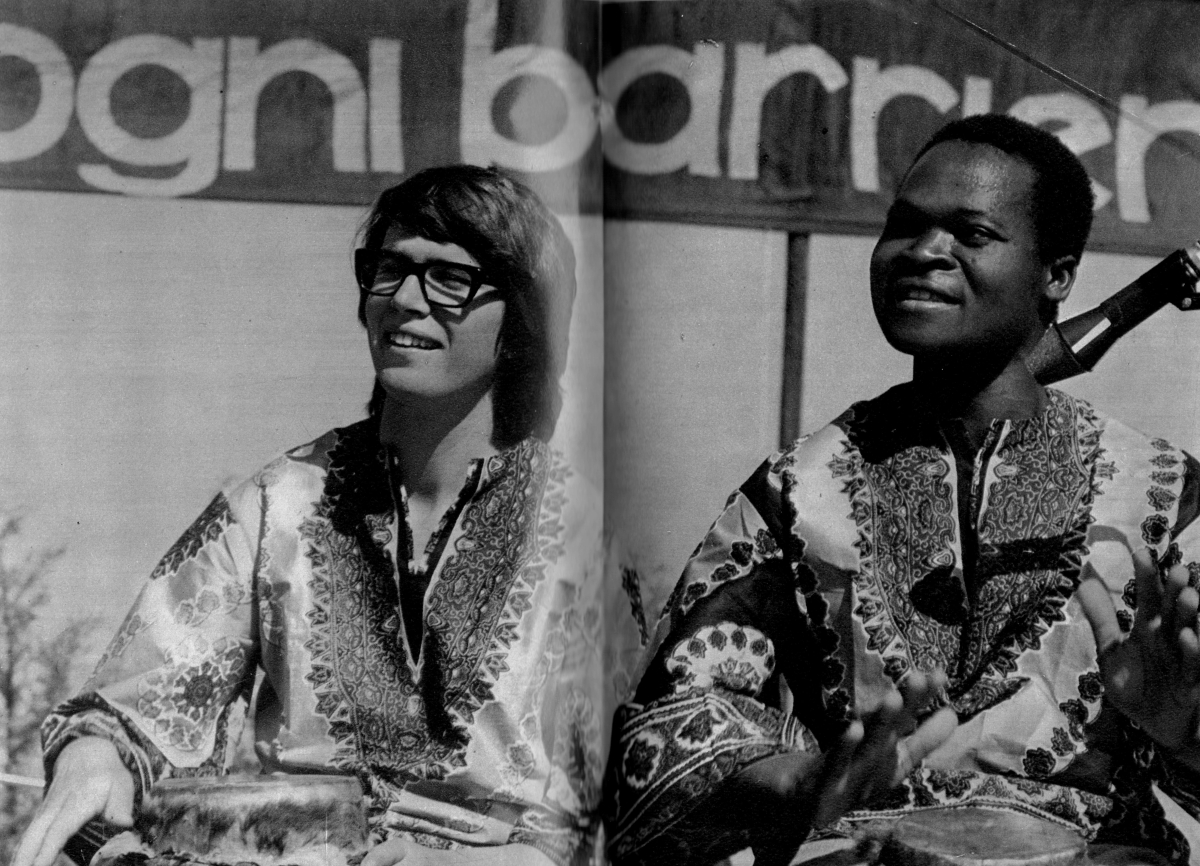
Participants from South Africa
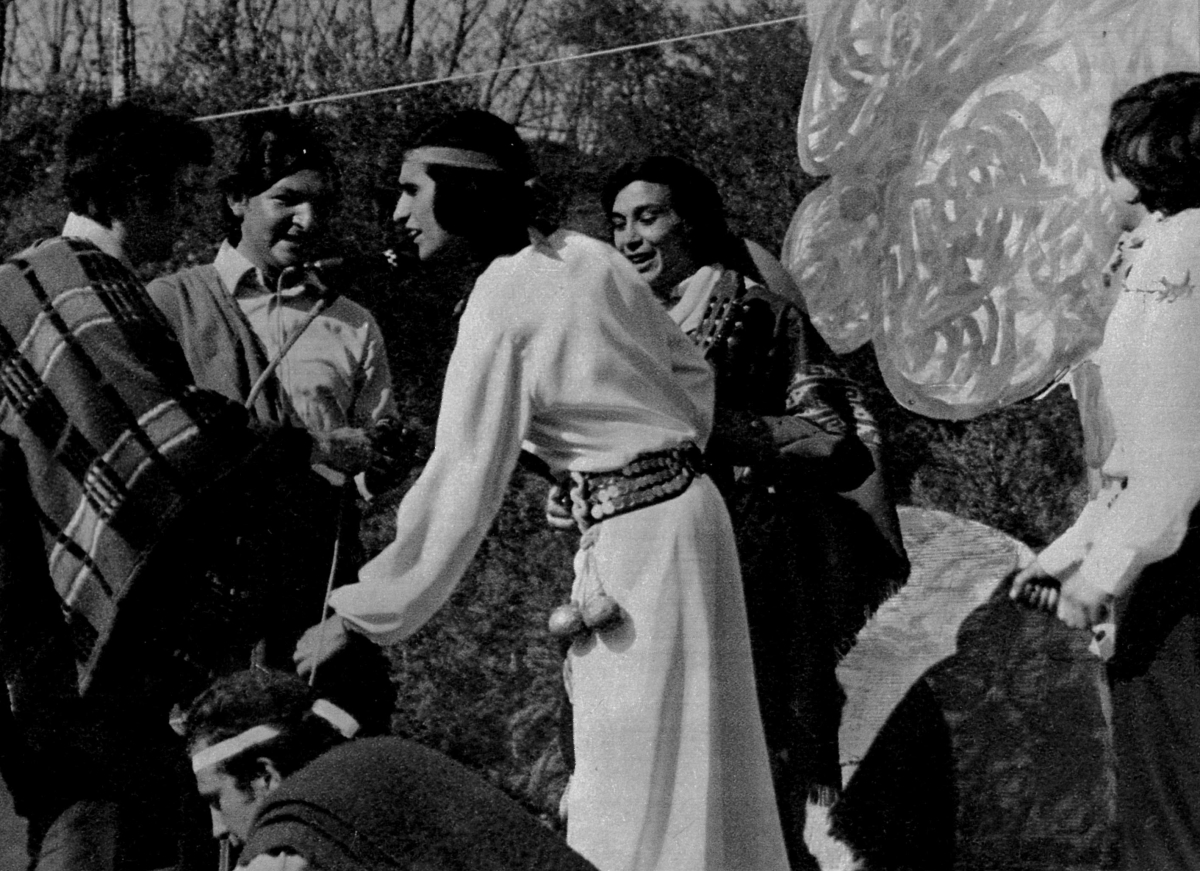
The group from Argentina
Gustavo Clariá
