23 Oct 2017 | Non categorizzato
My return “My father passed away when I was 14. My mother, who was much younger than he was, gave us children much grief. She was often out with friends drinking, and she eventually left us for someone who divided his time between her and another family. After my siblings married, I found myself living alone, blaming my mother for all my pain. I could not forgive her. Yet I still called myself a Christian. I thought about the fact that she could not give me something she had not received herself. I realised it was up to me, since I had received the grace of the Gospel, to take the first step. It was a slow process. I started by calling her every so often, visiting her with small gifts and praying for her. Once I had felt like a victim of circumstances, but now I discovered that true happiness lies in loving without expecting anything in return. Even my relationship with her partner became more and more peaceful, and I try not to judge. Now I am the bridge between my siblings and my mother, and I’m sure that little by little they will come back to her.” (Alenne, Brazil) The cup of tea “I was in a cafe’ when I noticed an elderly lady asking for a cup of tea. She was quite poor, and the owner, thinking that she wouldn’t be able to pay, refused to serve her. I didn’t have much change in my pocket, but it would have been enough. I thought it was what Jesus would have done, so I said to the owner, “Give her the tea, I’ll pay.” To my surprise he answered: “That wouldn’t be fair. Your generosity helped me understand that it is much simpler for me, as the owner here, to offer it to her.” Taking the first step was all that was needed!” (John Paul, Pakistan) A hundredfold of love “For a number of years I’ve been working at a rehabilitation center, mostly with young people who, despite their vulnerability and suffering, are fighting to get back to a normal life. We work together in the kitchen each Thursday to prepare lunch. I thought I was being useful for them, but instead I’ve experienced that the love I give always comes back hundredfold. I understood that if we make an effort to welcome others as they are, with their weaknesses and painful histories, as Jesus would with a merciful eye, we can experience hope for a more peaceful future.” (Graziella, Italy) Forgetting my shortcomings “When I speak in public, my hands shake and my head gets a bit foggy. I tried to accept this and instead try to do something tangible for others. I started with small gestures, like helping my mother with the housework, or my siblings with their homework. Or I call my grandmother, who lives alone, and I go to visit her, bringing her some flowers or something sweet. At university I try to give a hand to those who are not as successful with exams. By doing this, my life didn’t just change, but I practically forgot all about my shortcomings.” (M., Germany)
21 Oct 2017 | Non categorizzato
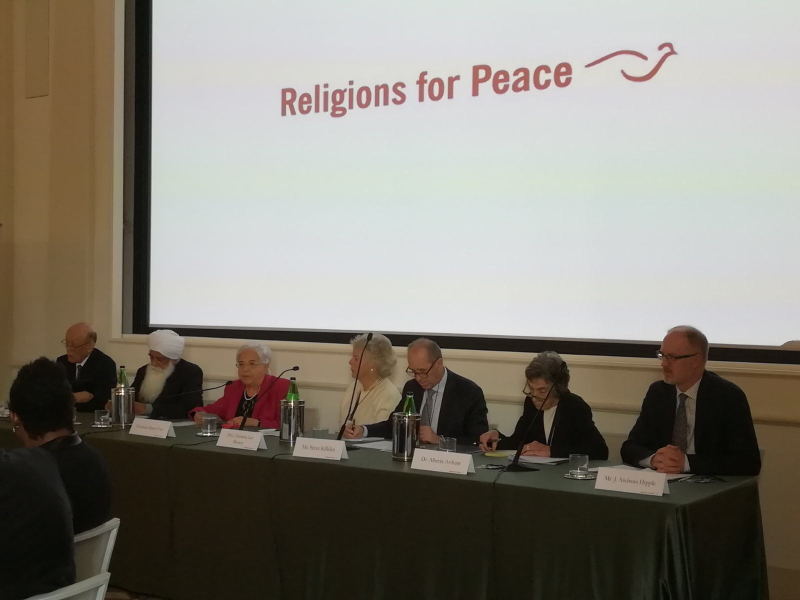 “There is a need for a common and cooperative effort on the part of the religions in promoting an integral ecology. Religions have the wherewithal to further a moral covenant that can promote respect for the dignity of the human person and care for creation”. This was a message that Pope Francis, prior to greeting the crowds at St Peter Square, addressed to the 80 delegates of Religions for Peace accompanied by Cardinal Jean-Louis Pierre Tauran, President of the Pontifical Council for Interreligious Dialogue. The Pope expressed his “esteem and appreciation for the work of “Religions for Peace”. You provide a valuable service to both religion and peace, for the religions are bound by their very nature to promote peace through justice, fraternity, disarmament and care for creation”.
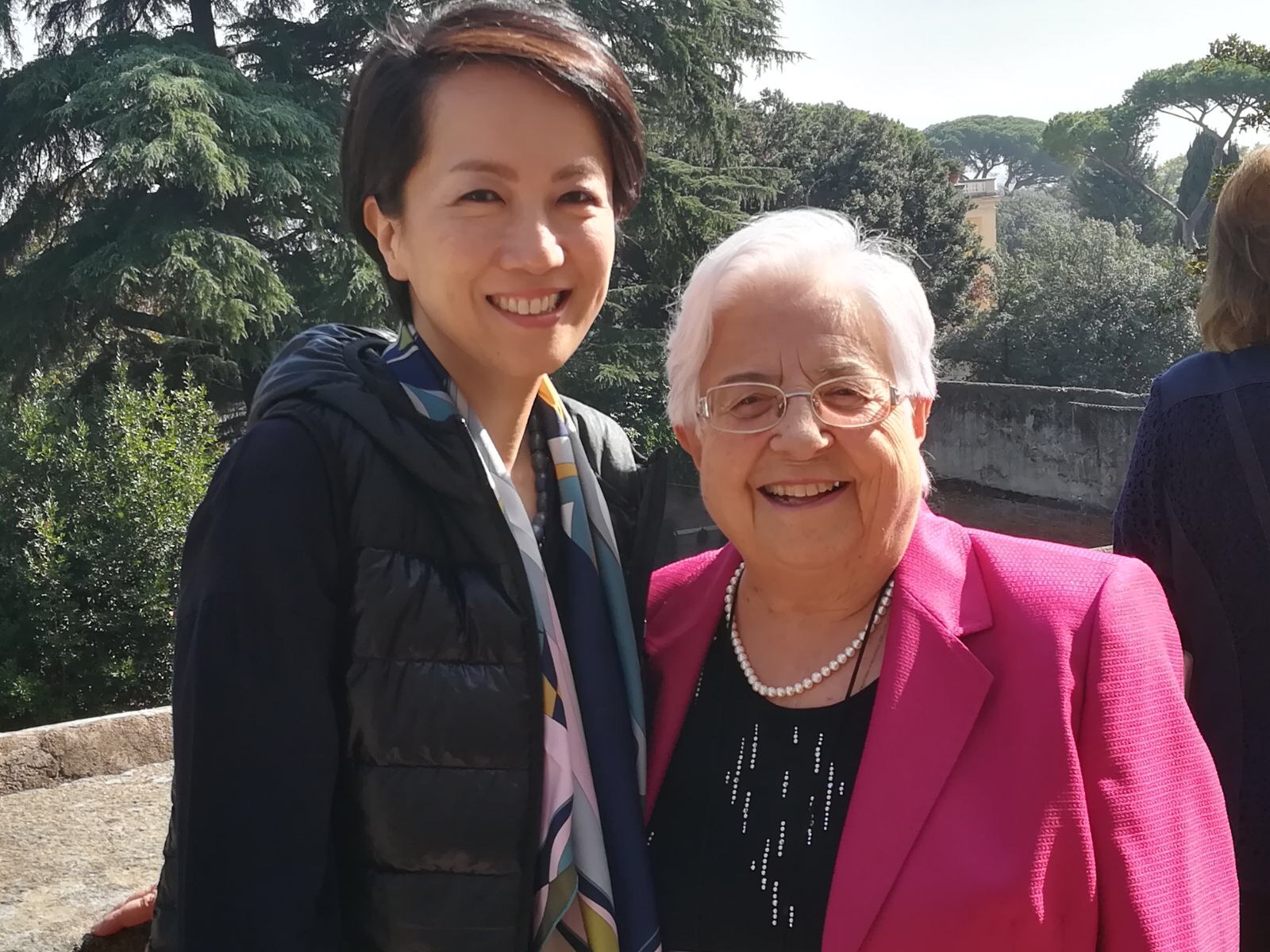
Maria Voce with Rev. Kosho Niwano, President-Designate of the Buddhist Movement Rissho Kosei-kai
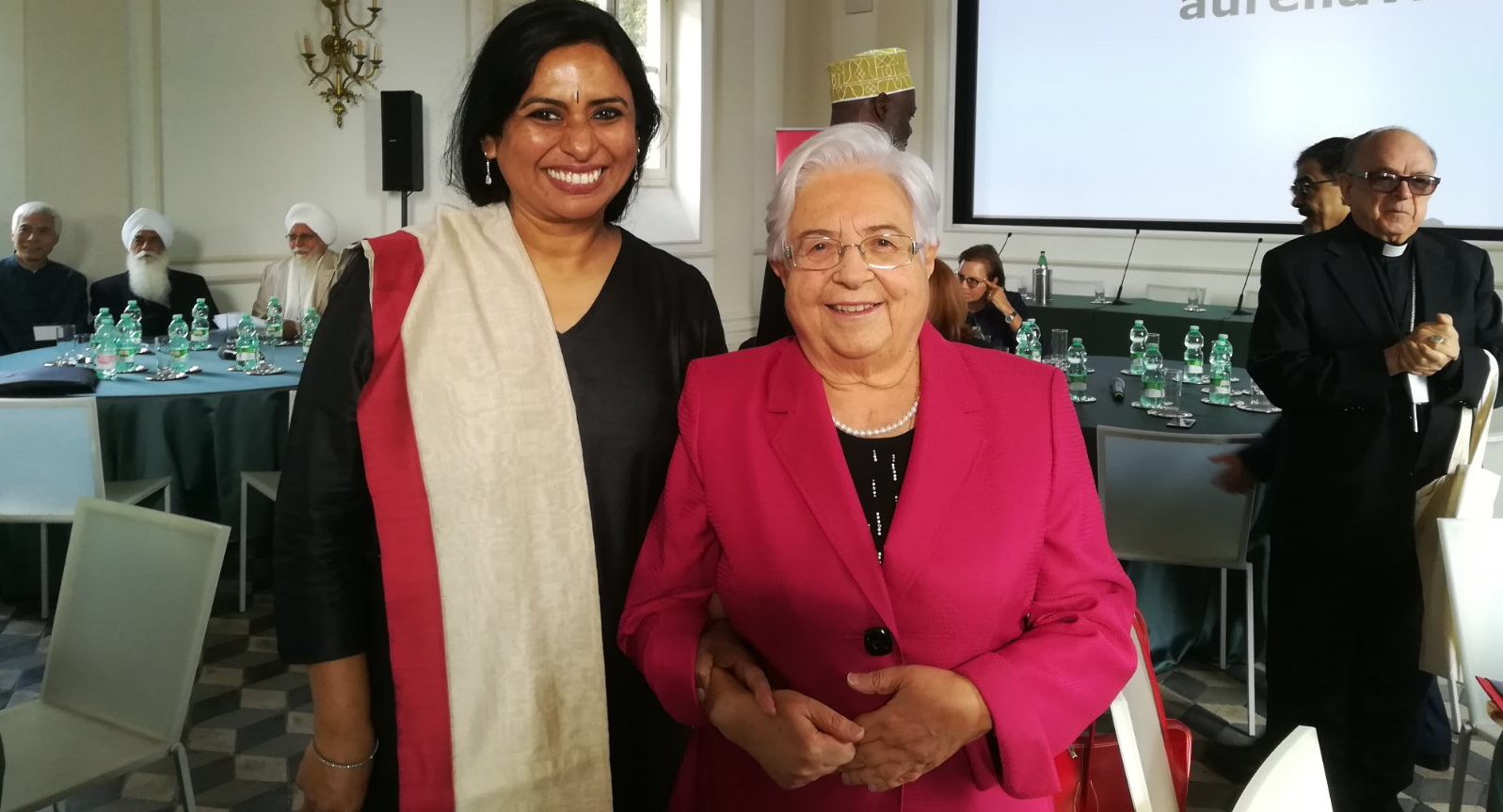
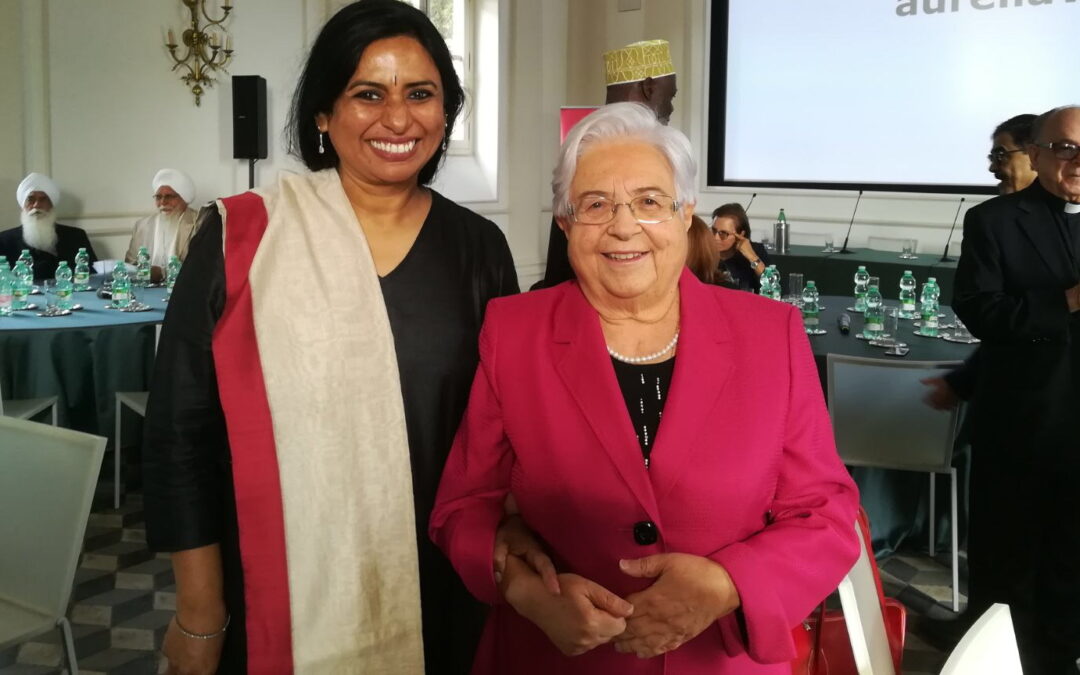
With Dr Vinu Aram, Director of Shanti Ashram and co-Moderator, Religions for Peace International.
20 Oct 2017 | Non categorizzato
The death toll of the doublé suicide attack that took place last Saturday in Mogadishu, Somalia, continues to rise. The most recent news reports of at least 300 deaths and hundreds of injured. The October 14 attack was the most serious one in recent years, with 20 schoolchildren on a school bus. At the October 18th General Audience in St Peter’s Square, Pope Francis stated: “I want to express my sorrow for the massacre. This act of terrorism deplorable, also because it rages against a people that is already sorely tried.” He concluded: “I pray for the deceased and for the wounded, for their families and for the whole Somalian people. I implore the conversion of the violent and encourage all those who are working with enormous difficulty for peace in that battered country.”.
20 Oct 2017 | Non categorizzato
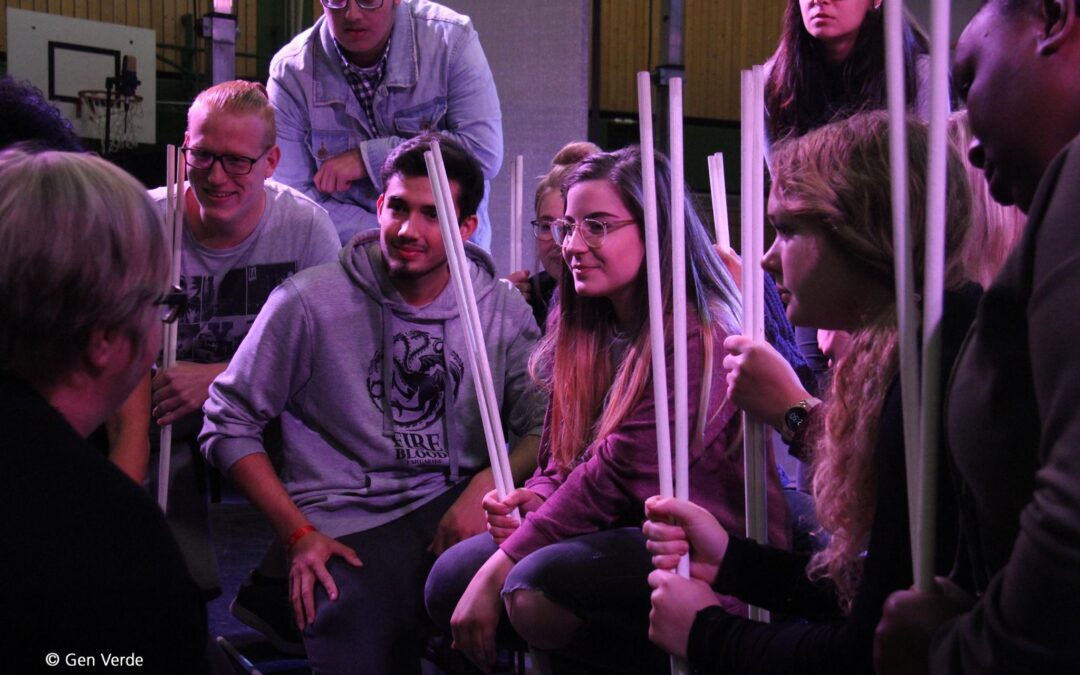
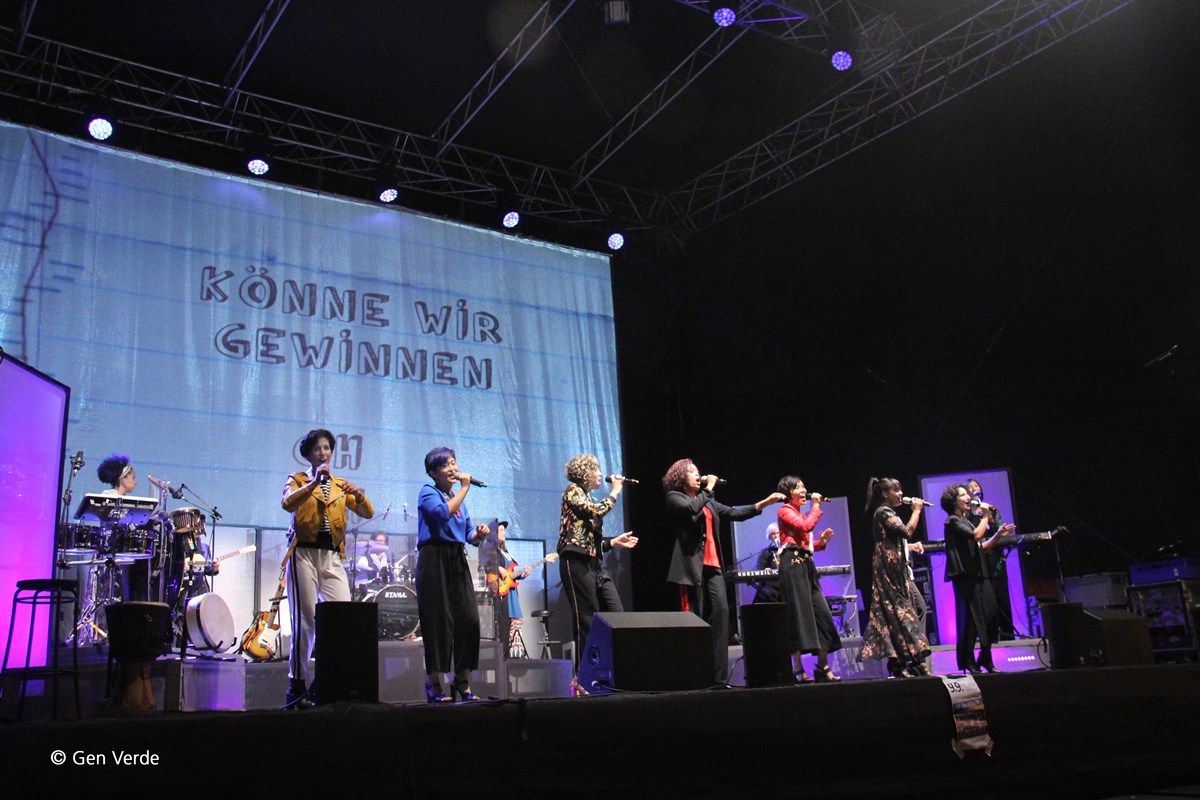
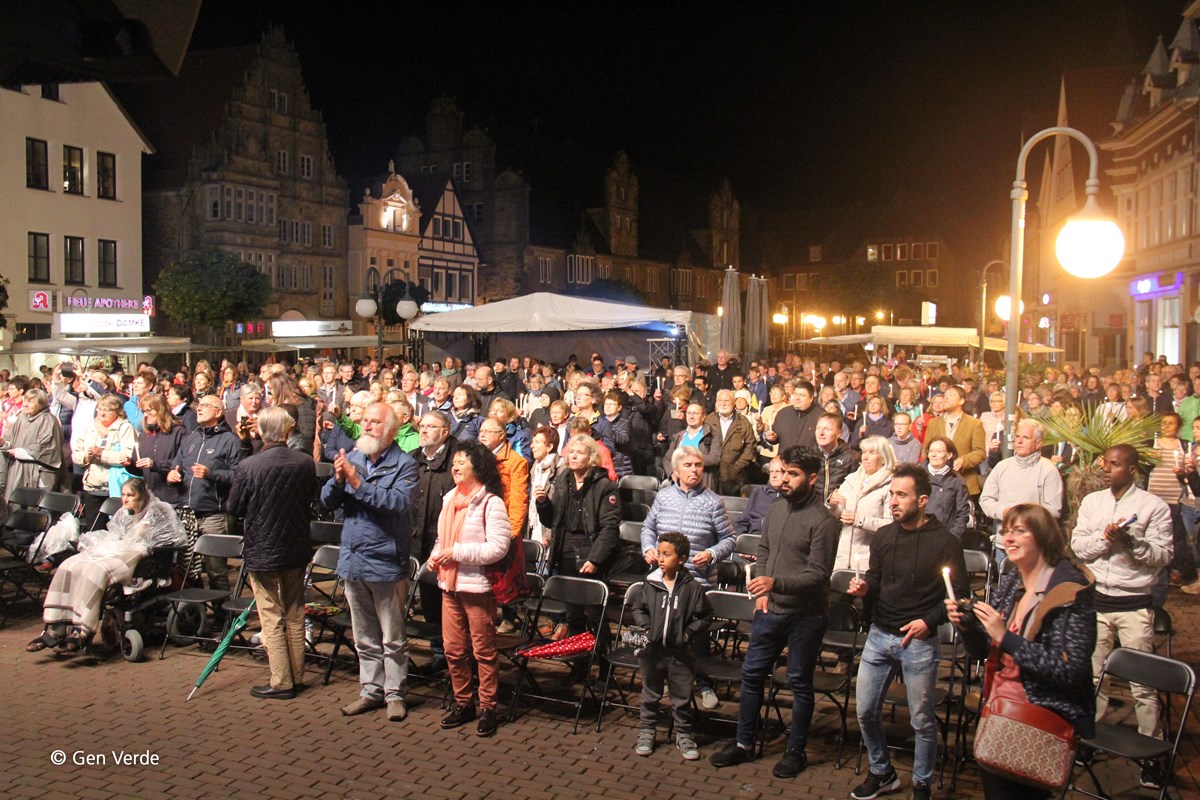 A month of dialogue, encounters and rediscovery of the “other’s” value. In a country characterized by a strong multi-ethnic feature, rhythm and music exercised a unifying power. On 9 September, in the town of Stadthagen, in the Lower Saxony region, on the occasion of the celebrations for the Reformation Jubilee, Gen Verde (22 members from 14 different countries) brought a note of internationality with the show, On the Other Side. A journey from one part of the planet to the other, recounted through personal experiences or that of entire populations, highlighted the wealth of diversity and the potential of those who find themselves “on the other side.” On 15 September in Boppard, at the local Fazenda da Esperança, community that challenges drug addiction in the perspective of a rebirth, the La vita LIVE concert became the occasion for a personal encounter between the members of the band and the experiences of the youth. The opportunity to understand that each one can take a small but huge step to change something, and to discover each other as brothers.
  The following days, Gen Verde’s typical artistic features were expressed in a Start Now workshop: an intense boot camp that lasted five days, held in each of the three stopovers, working side by side with boys and girls. During the creative stage, which comes about always in a new and unforeseeable way, the youths worked in teams to develop their own talents and potentials, co-protagonists of a fascinating experience based on mutual listening and transparency. After two days of intense work, supported by the group’s trust and respect, the youths performed with the band in the final show, in a crescendo of emotions. There were three workshop-shows: in Dortmund, where the group worked with 170 boys and girls and in Duderstadt, with the students of three schools, among which a big group of immigrants, and lastly in Mannheim, with men and women living in a big refugee camp.
 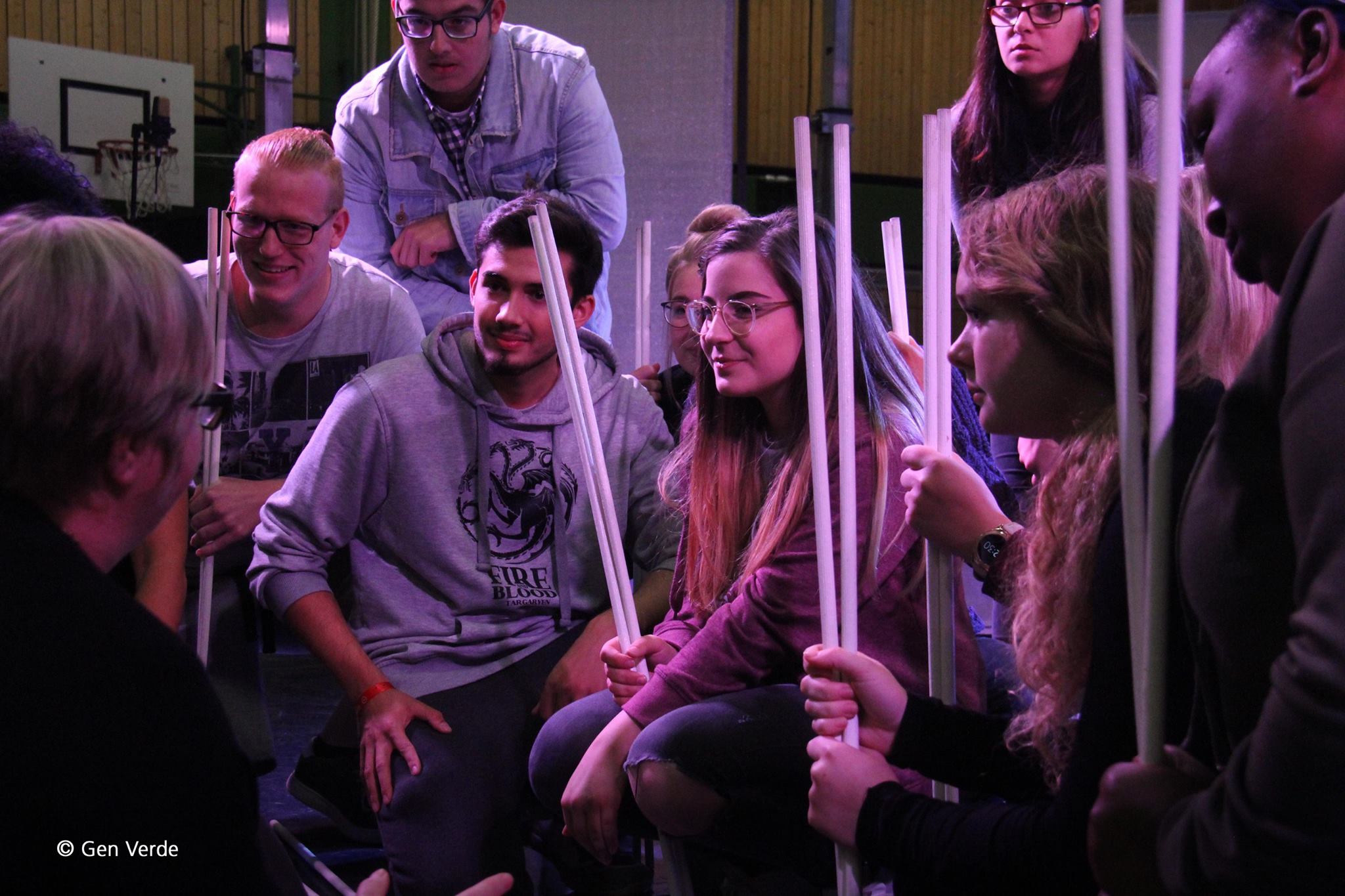 In every city, during the final show, the same miracle came about though with different characteristics: changes in life, atmosphere of deep fraternity, and the involvement even of those who were initially reluctant. “It is incredible what one can do in just two days!” exclaimed a still incredulous girl. And a young boy: “The errors did not paralyse us, but rather, we were encouraged to go on.” Particularly in Mannheim, Gen Verde met people who had suffered such heartbreaking pain, and had been subjected to barbarous treatment or had lost all their possessions. The group members recounted: “We went to visit them where they live, and they shared their stories with us. During the soiree, when we sang “Who will cry for you,” many relived moments of the tragedies they had undergone.” And the words “No one is a stranger to me” resounded like never before. Fotogallery
https://vimeo.com/236654355
19 Oct 2017 | Focolare Worldwide
The clashes have started again and the tension is high. On 22 September and 1 October the army suppressed the peaceful demonstrations, killing and wounding some of the protesters who were asking for the independence of the British-speaking regions. That same day in the Northwest and Southwest Regions (inhabited by an English minority, 20 % of Cameroon’s population), once again internet was cut off. The “English-speaking issue” is well rooted in the past. In October 2016, the English-speaking population had started to hold organized protests against its progressive marginalisation. After months of tensions and accusations of discrimination, violent repressions followed, with real guerilla actions. Fr. Antonio Mascia writes from Fontem: “This is a delicate and uncertain time from the socio-political point of view, and we do not know where it will lead to. In various cities, soldiers of the army shot at the crowd that was peacefully demonstrating and many people were arrested. We are counting on your prayers.”
