
27 Sep 2017 | Focolare Worldwide
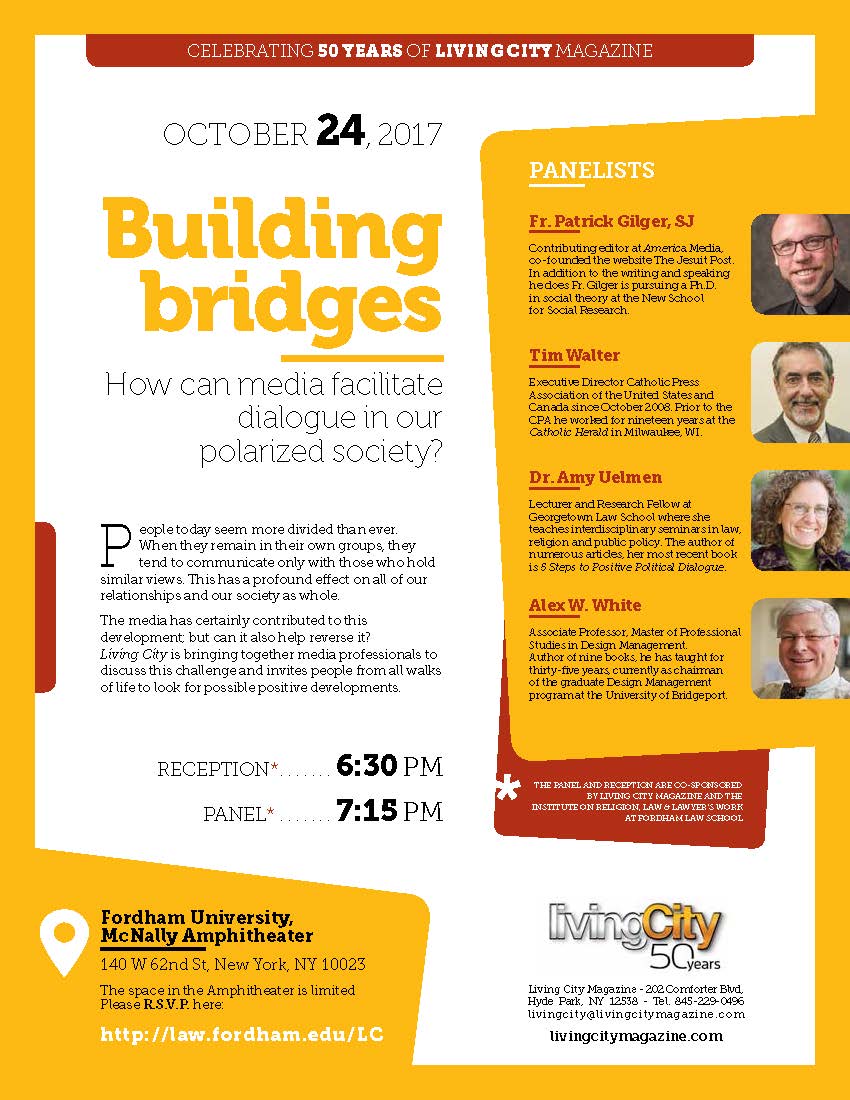 To celebrate its 50 years of activity, the English language magazine, founded in 1967 in New York as one of the 32 editions of the Focolare Movement, held a conference on 24 September entitled, “Building bridges: how can media facilitate dialogue in our polarised society?” at Fordham University in New York, with the contribution of professors and journalists. Living City is read and appreciated not only in the United States, but also in Canada, Australia, Ireland, Malta, New Zealand and many other English-speaking countries. Its readers are people of all ages and religious convictions. Recently it was awarded 5 prizes by the Catholic Press Association of North America.
27 Sep 2017 | Focolare Worldwide
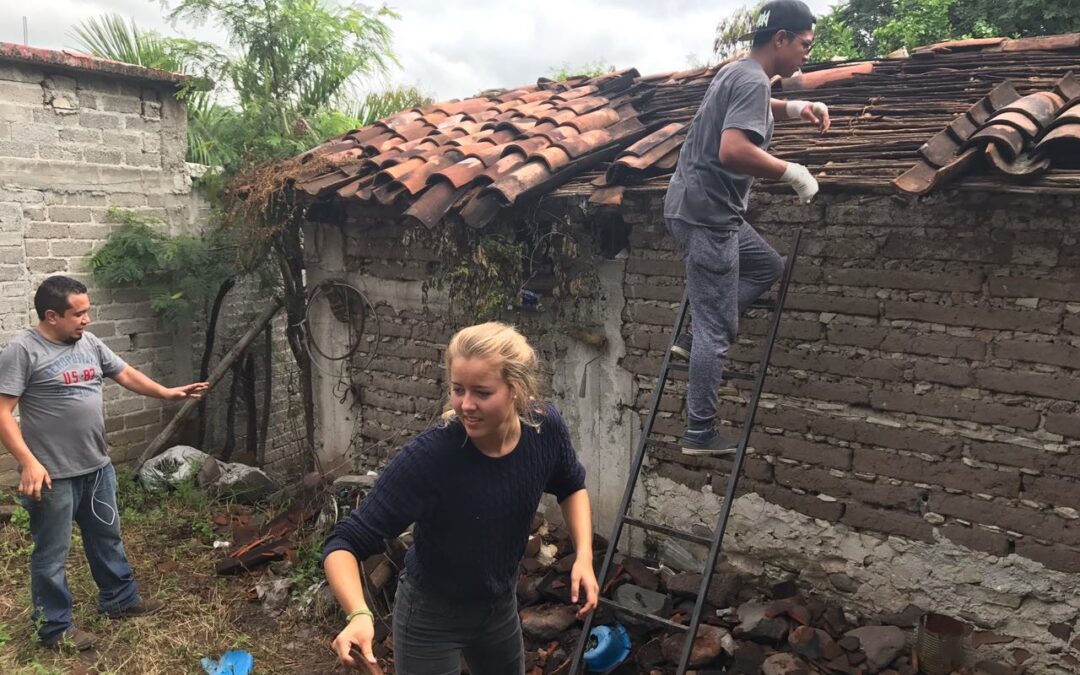
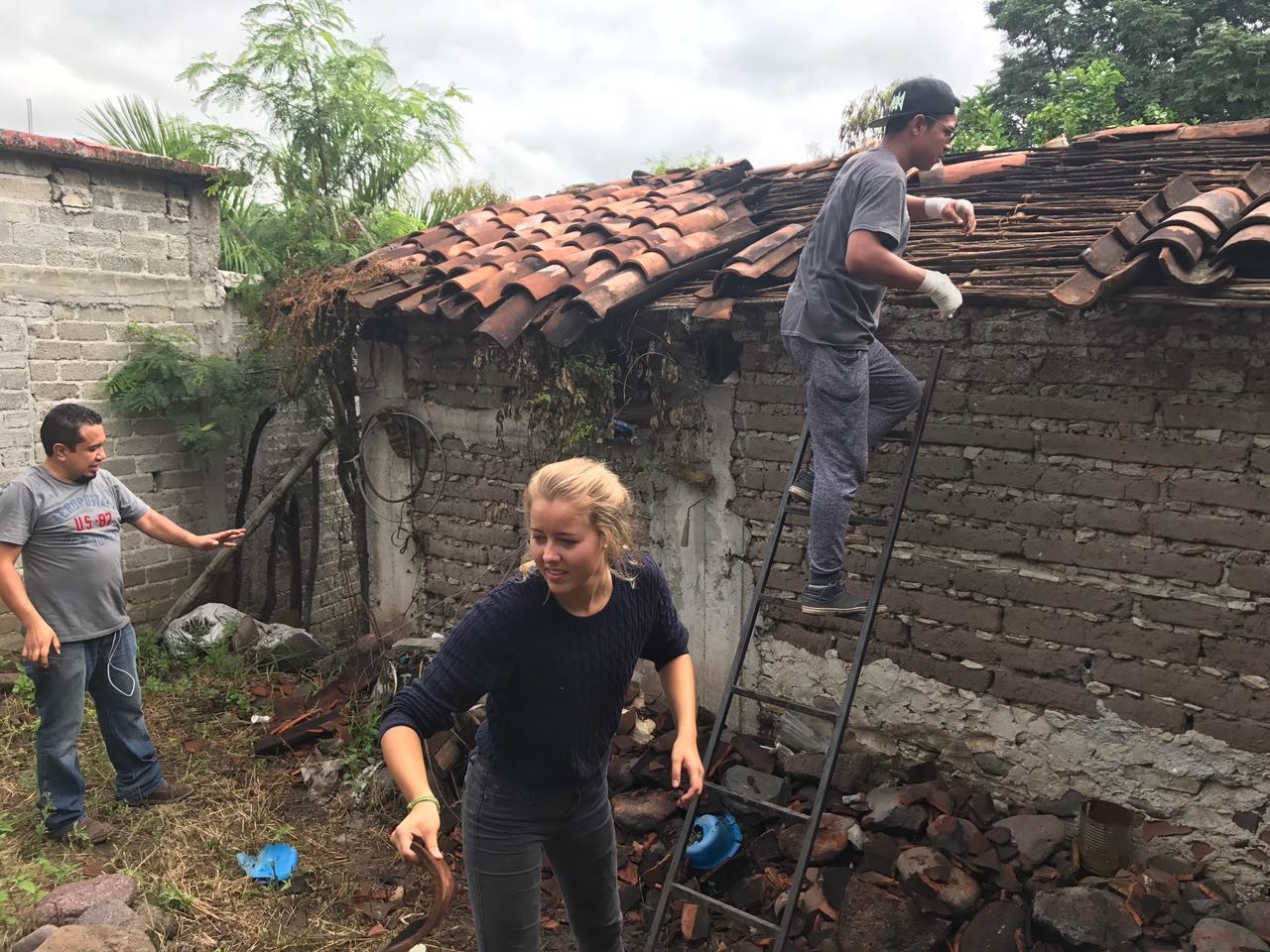
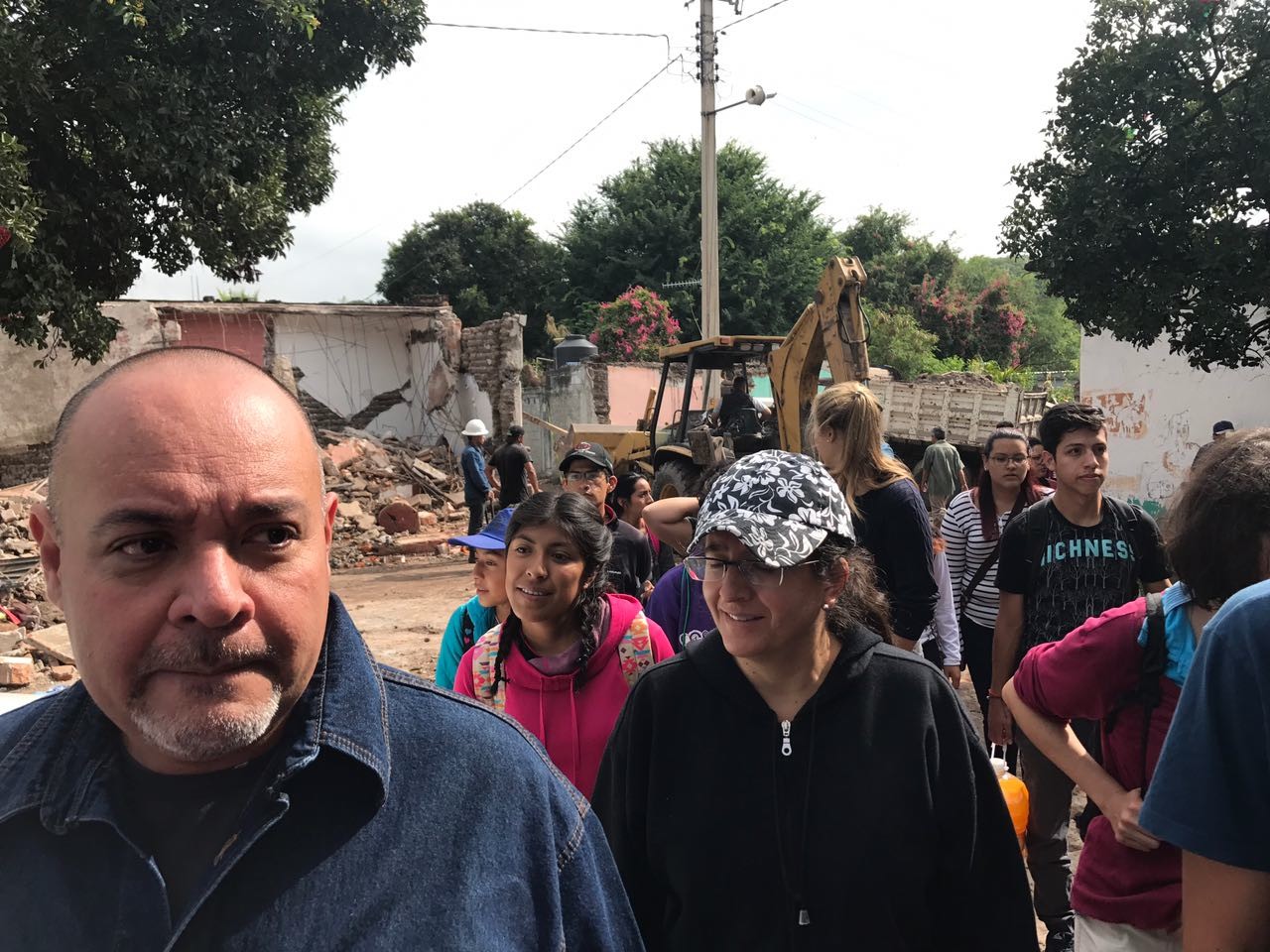 “Many of us stepped forward right away to help, along with the overwhelming majority of Mexican people, even though we were completely grasped by fear, as we tried to gather the requests for help that were coming in from every corner Mexico City and from the regions of the outback that were also hard hit. The strong sense of solidarity was everywhere. Hotels opened their doors to those who had lost homes. Doctors and psychologists offered services for free; families cooked and shared soup for everyone. Hundreds of volunteers worked hard without rest. They were all ordinary people who a few hours before were workers, sellers, housewives and employees. Once again in the midst of an emergency Mexicans showed their true colours, never losing hope and spreading joy and enthusiasm even amidst the darkest moments. Streams of people helped out in simple ways, giving the appearance of a living giant rising from the dust.
 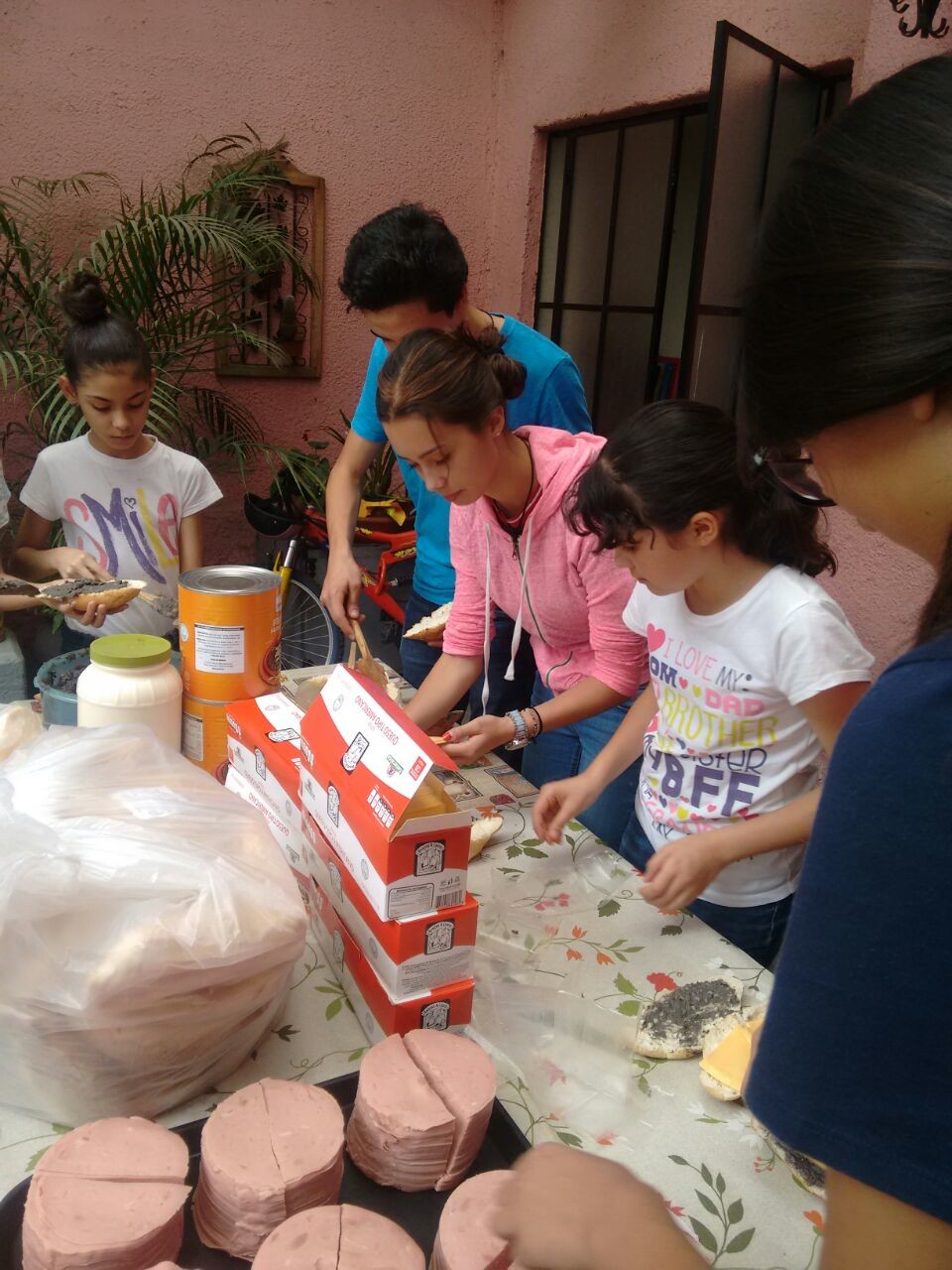 The disaster has also hit cities, such Puebla, Mexico City, Morelos, Chiapas and Oaxaca. Several members of our community offered their help, especially in Puebla and Morelos and other towns where assistance arrived more slowly. One family from Mexico City set up a collection centre in their own home, and then moved to Morelos to distribute foodstuffs and basic necessities to the neediest among the people. The young people from Mariapolis El Diamante went to Contla, located in the State of Pueblo, which was very hard hit by the earthquake. They removed rubble, loaded and delivered foodstuffs, and consoled those who had lost everything. To reach this particular community, which is located in a place that is hard to reach, they had to cross a river and pass over a deep ravine on a rope bridge they constructed on the spot. Meanwhile, the Economy of Communion group from Puebla organized an assistance project at Sant’Antonio Alponocan in another community of the region. Finally, with the goal of coordinating the efforts, we created an emergency committee in Mexico City that launched a census of the damage and of the needs.
  In those hard moments we always kept in mind the words that Our Lady of Guadalupe spoke to San Juan Diego on Mt Tepeyac, asking him to remember them always: ‘Put this in your heart, my small son: Don’t be afraid. Am I not here who am your Mother? Are you not in my shadow, under my protection? Am I not the source of your joy? Are you not in the folds of my mantle, in my embrace? Is there anything else you could need?’” All of us in the Focolare have strengthened our commitment to work for love and brotherhood, for both the physical and spiritual reconstruction of our land.” Mexico City, September 25, 2017
26 Sep 2017 | Focolare Worldwide
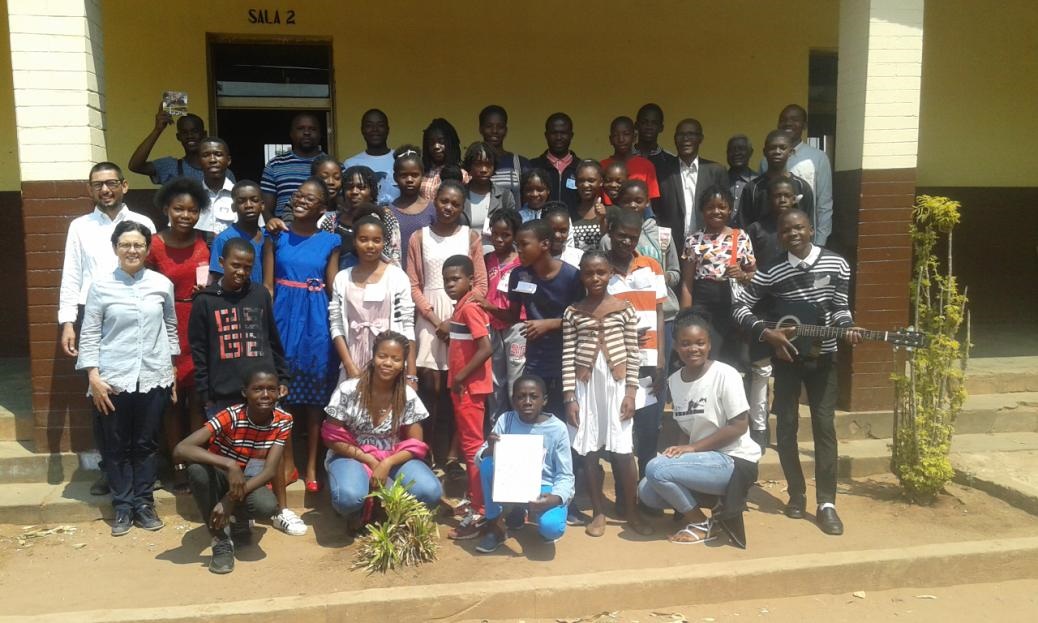
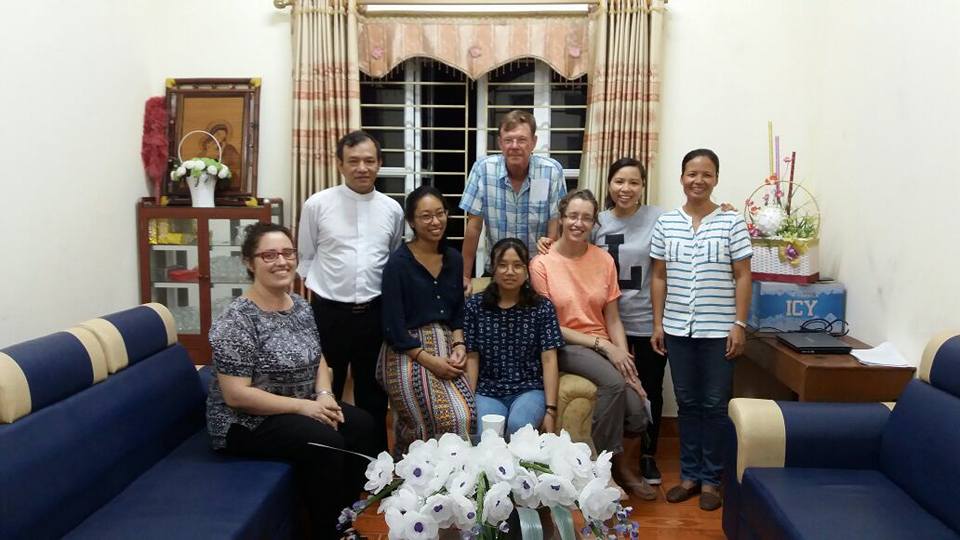 Small groups comprised of young people and adults from different callings in the Focolare Movement spend brief periods in temporary communities known in Italian as “focolares” or “hearths,” far from their homes, visiting far-away and sometimes isolated communities around the globe. This year, there were forty such hearths from Sri Lanka to the Azores, from Vietnam to Santo Domingo, from Brazil to Tanzania. They were self-financed with lots of personal sacrifice. Each community has a different story, but they all share one common denominator: the presence of a temporary hearth that helps bring new life. Idalina and Toni are a family from Portugal. They and seven other people, including some young people, left in August for Saurimo, Angola. “We stayed at the Bishop’s house, and shared our meals and many other moments of the day with him.” During their two-week stay they formed many friendships with the children and adults of the local community: “At the end of the fourteen days, they asked us when we would come back again.” Chiara Lubich’s art of loving turned out to be a great discovery for them.”
 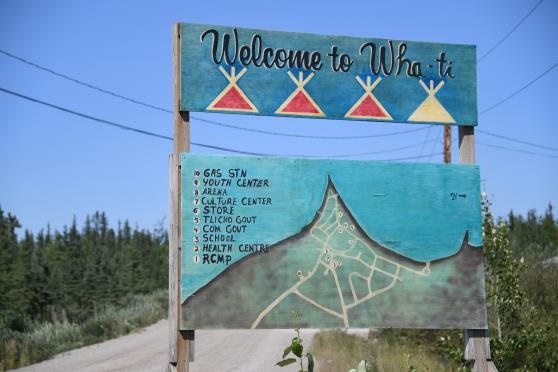 At Yellowknife, the main city of the region and Seat of the Diocese, we were welcomed by the Emeritus Bishop who has spent his life among the Native American populations of the north. Coming back from a month among Native Americans in Canada’s North West Territories, Father Harry Clark, a priest from British Columbia, Marilena and Mike Murray, a husband and wife from the state of Maryland, in USA, Maria Santana from Montreal and Ljubica Dekic from Toronto write: “From there, we took off for Wha Ti, one of four villages of the Tlicho Tribe, 40 minutes by plane. We were guests of the parish rectory. The villagers were simple folk and very reserved. One of the problems in the tribe is the communication gap between the elderly, who are rooted in Native American culture and the younger generations, who no longer use the tribe’s native language. We presented the spirituality of communion, and then focused our attention on the activities of the small Catholic community for children and adults. We also met some Lutherans and a couple of Mennonite missionaries, a very nice collaboration was begun. We went by canoe along the river and took part in some tribal events with the annual assembly of villages that happened to be taking place during that time.” In Bambio, 300 kilometres from Bangui, in the Central African Republic, one temporary “focolare” met a group of Pygmies that has been living the ideal of unity for twenty years. Fidelia writes: “The Pygmies possess so many beautiful values: loyalty, monogamy, purity a sense of the sacred. They told us their experiences in living the art of loving and the Word of Life. Each village meets once a week, from six o’clock in the morning until eight o’clock, before the day begins. The told us: “The focolare taught us to live, to love, to make ourselves one with others. There is no longer ‘you’ and ‘us’ – we’re all ‘us’. The Pygmies don’t mix with others, because they look down on us. But the focolare looked at us as equals and came to live with us, to share our sorrows and joys. They didn’t ask us to become Catholics, but they taught us love.” Someone else said: “We Pygmies have many traditional practices. But ever since we’ve been we’ve been part of the focolare, we’ve dropped a few of them. For example, when my son got sick, I didn’t turn to the witch doctor has I had done before, but took him to hospital. As soon as the focolarinies heard, they came to help me until he was well again.” The gratitude and enrichment was mutual, as the awareness that we’re one family is growing.
25 Sep 2017 | Non categorizzato
https://vimeo.com/233854454
25 Sep 2017 | Non categorizzato
In September, the Shalom Catholic Community celebrated its 35th anniversary. The Community, with which the Focolare Movement is strongly bound by a deep friendship, was born in 1982, from the initiative of some university youths led by Moysés Louro de Azevedo Filho and with the encouragement of the Archbishop of Fortaleza. Even if it’s main objective was that of hosting the youths and announcing the Gospel to them, in a short time, it spread also among families, children and people from different socio-cultural backgrounds, united by the call to live in prayer, fraternal life and service. It is currently established in South America, North America, the Middle East, Europe, Africa and Asia. Besides numerous prayer groups, the Community has opened art and culture centres, schools, homes for the aged, sick and homeless people and set anti-abortion projects, rehabilitation of drug addicts and shelters for homeless children. All our best wishes to the Shalom Community!
