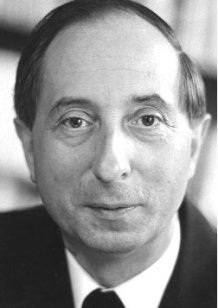
Klaus Hemmerle: “The World in Our Heart and in Our Mind”
Bishop Klaus Hemmerle

Bishop Klaus Hemmerle
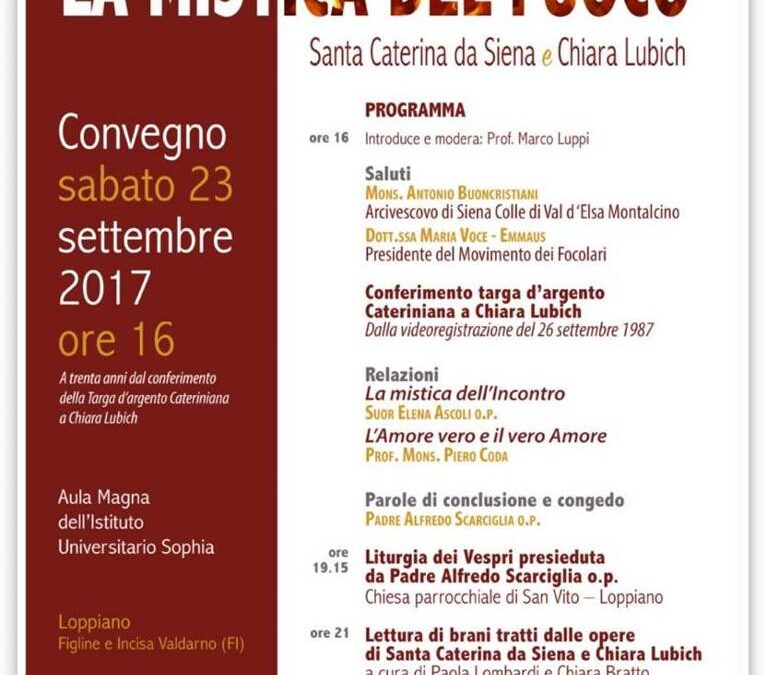
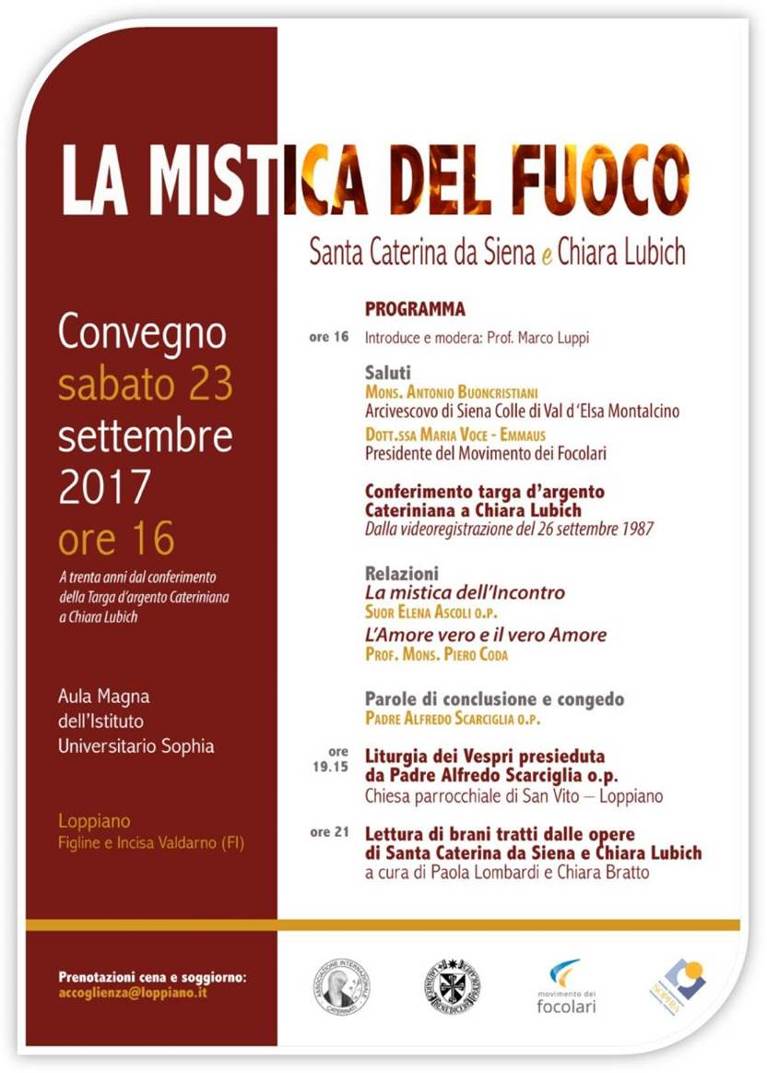 On the 30th anniversary of the conferral of the St Catherine of Siena Silver Medal to Chiara Lubich, the Community of the Dominican Fathers of Siena, Italy, will hold a gathering in collaboration with the International Catherinite Association and the Focolare, in the Focolare town founded by Chiara Lubich in 1964. The event was titled: “The Myticism of Fire in Catherine and Chiara”. Presenters included Dr Piero Coda, president of Sophia University, Sister Elana Ascoli O.P. from the International Catherinite Association and Father Alfredo Scarciglia O.P. , Moderator and Prior of the Convent of St Dominic of Siena and ecclesiastical assistant of the Catherinites. A message from Maria Voce, president of the Focolare Movement, will also be read. During the gathering a DVD recording of the conferral of the St Catherine Badge to Chiara Lubich will be shown, and actress paola Lambardi will read some writings of St Catherine. Programme
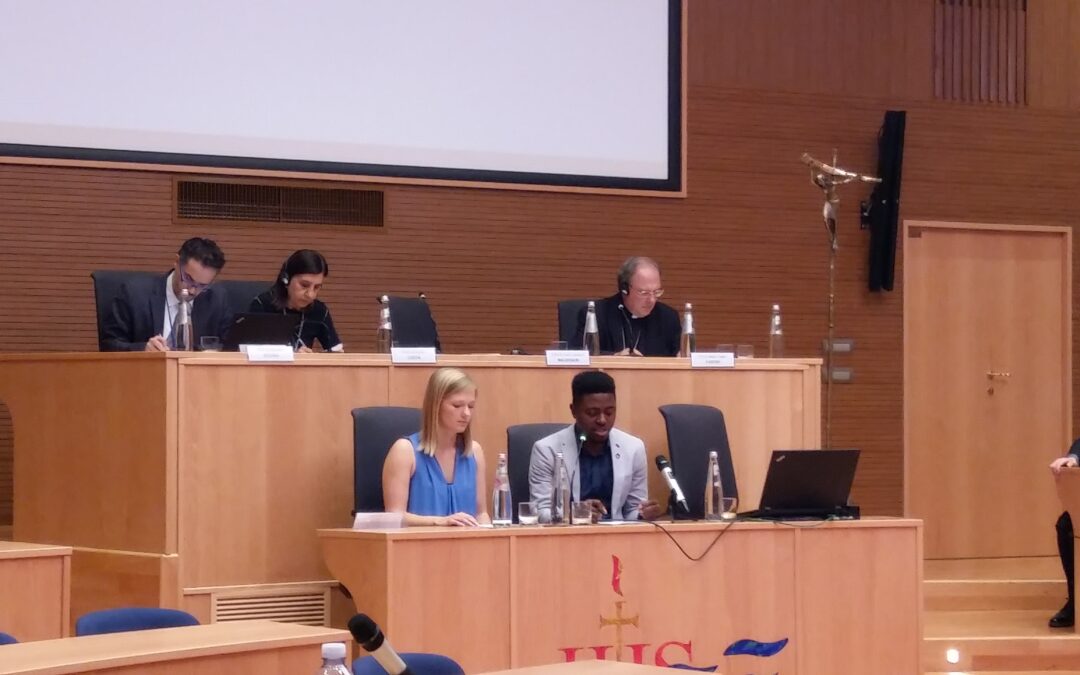
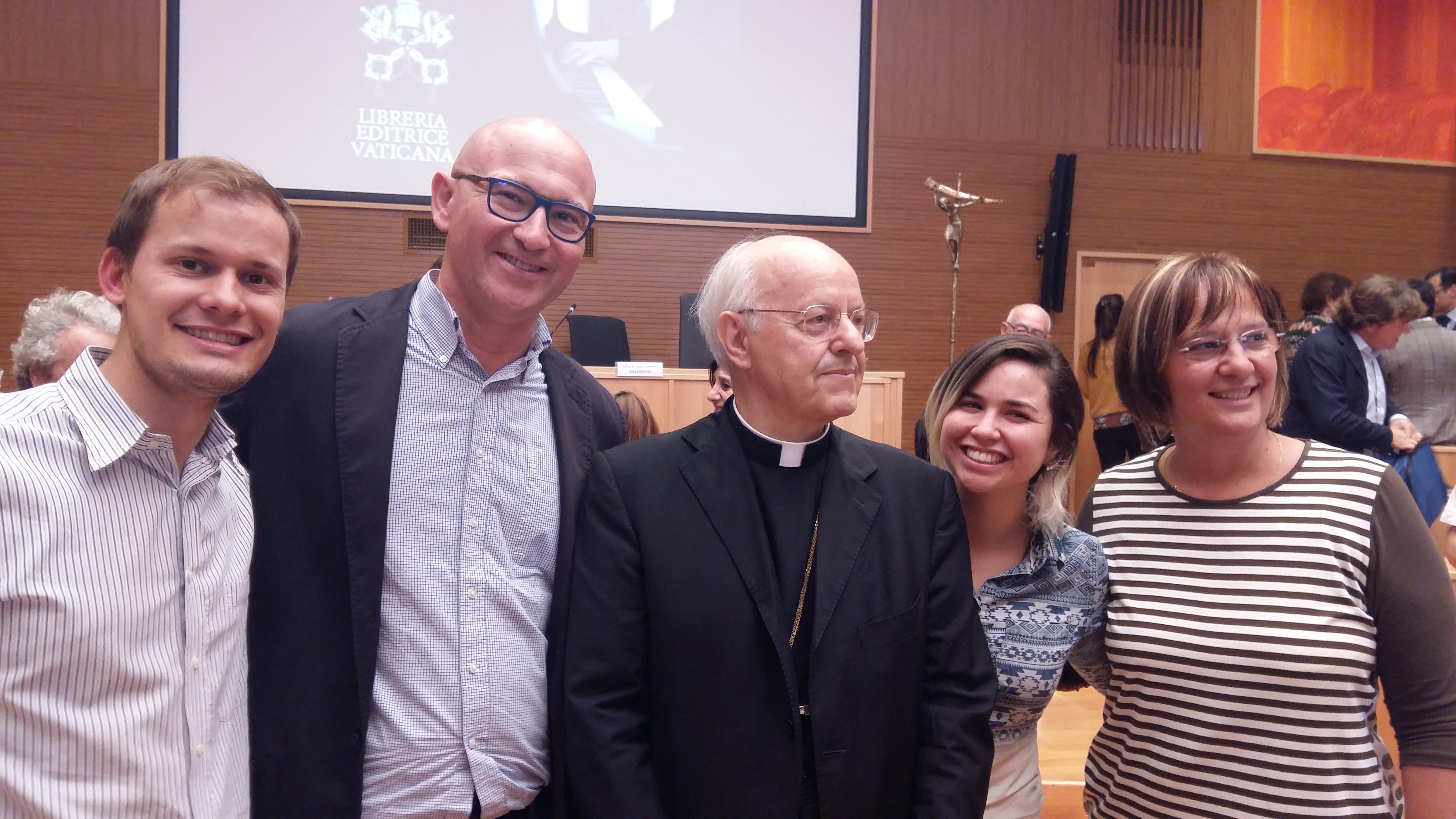 “An experience of the living Church, on a journey, in dialogue, and going forth,” are the words of Paola Pepe e Jonathan Michelon (the people responsible for the International Gen Schools of Loppiano), summarizing the experience of the International Seminar on the situation of young people. This is part of a series organized by the General Secretariat of the Synod of Bishops in preparation for the XV Ordinary General Assembly on the theme, “Young People, the Faith, and Vocational Discernment.” “We had an experience of profound communion, ‘synod training’ in contact with various ecclesiastical institutions. Since the summer we have been preparing, along with other youth of the Focolare from different countries, in order to send our contribution to the General Secretariat of the Synod,” they wrote, together with Leandro (Argentina), Marina (Brazil) and Nelson (El Salvador). The program of the Seminar was rich in content for the authoritative work by education providers, economists, communications experts, sociologists, and youth chaperones, all passionate about working with young people. Out of 82 participants from 5 continents, there were 21 young people present, who gave their valuable contribution to the work being done, reflecting on the proposals of method and content for the upcoming synod. It was very significant that the organizing body readily welcomed and implemented some of their suggestions regarding the methodology of the unfolding of the program, with greater sharing in plenary.
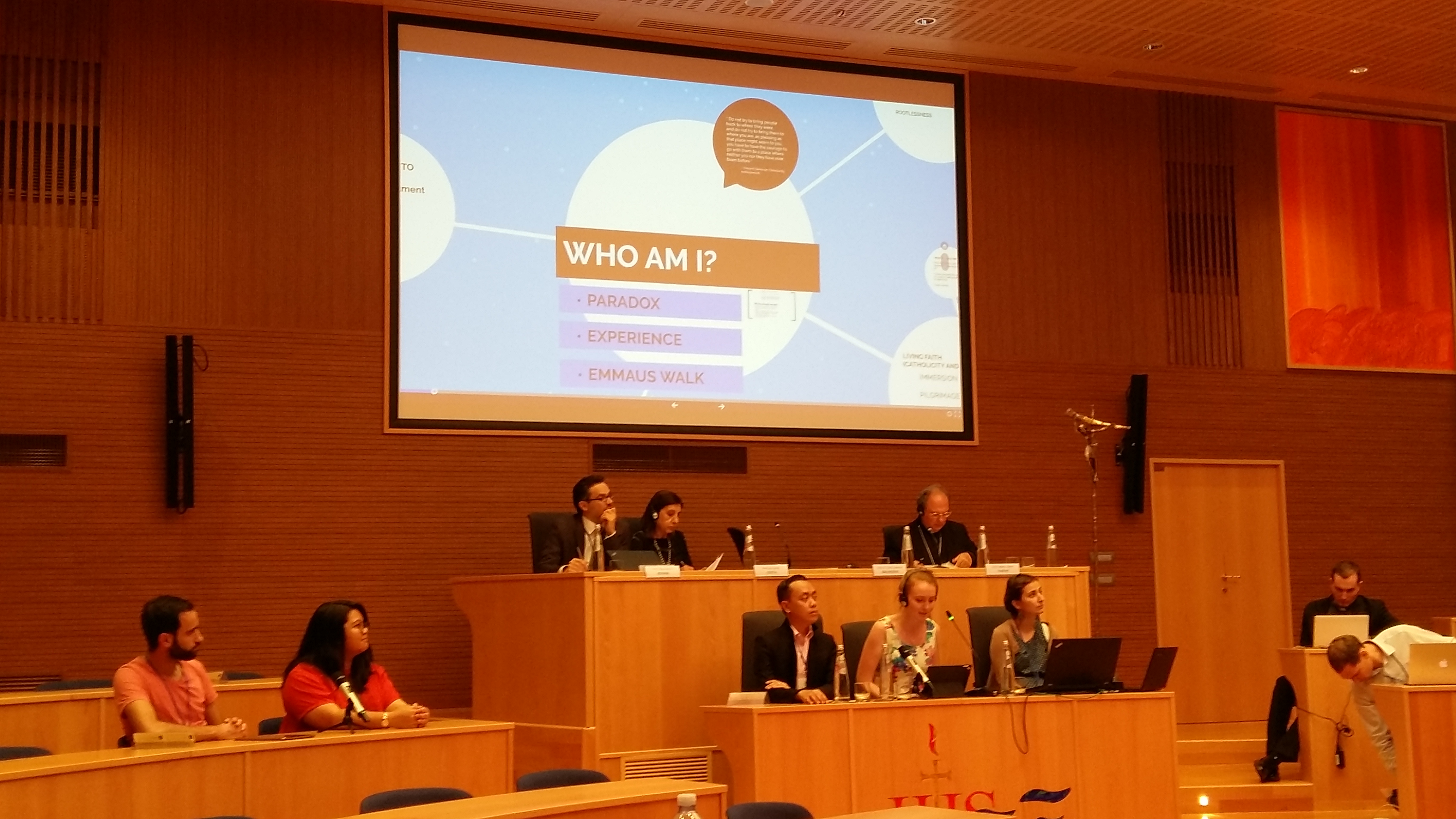 “The Biblical meditations at the start of each day led us to profound reflection. One that impressed us was the passage which brought to light that to reveal the life of Jesus to the young, one must have experienced it: how important is the testimony of life!” The various themes on young people in relation to identity, planning, otherness, technology, and transcendence proposed realistic scenarios not without their challenges but always open to hope. They talked about the importance of pastoral initiatives in which young people are the protagonists when accompanied by adults willing to live with them the search for the meaning of life. “Now we want to elaborate the experiences that we live with their educational and evangelizing value to offer to the Church.” “The seminar was a great opportunity for the Church to be open, to show what she is doing for the young; and for us to work with the Church, to change the realities of the world. The Church wants to listen to us, to know what we think, what we can do concretely, and it wants to face the difficulties with us. We did not find answers, but we proceed together,” Marina explains.
 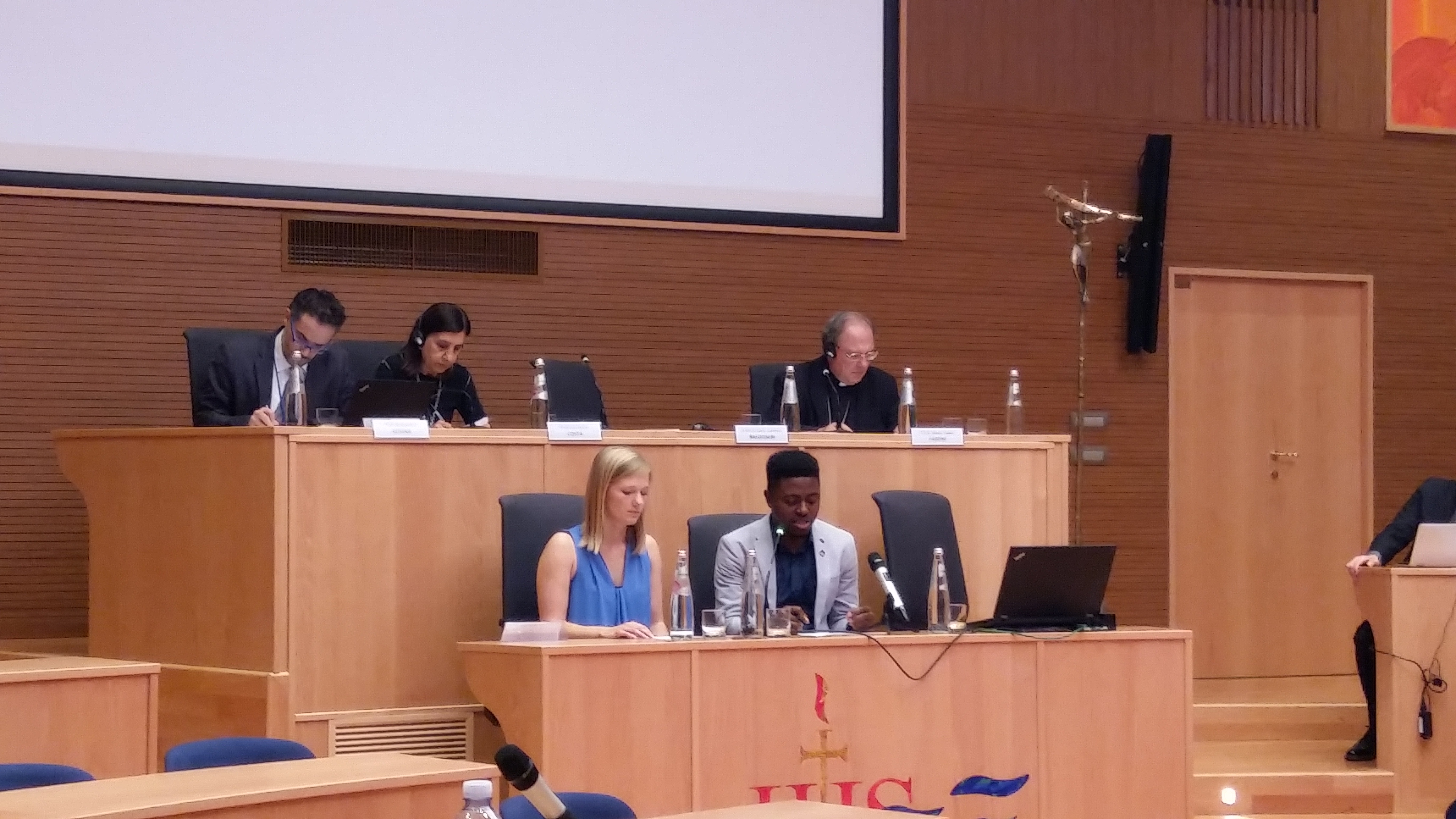 The conclusions highlight the need to build the change and become generators of life in listening to each other, young people and adults. “Concrete proposals have emerged that will be presented to the Synod Fathers. Among these, a team of young people alongside the work of the General Secretariat of the Synod to prepare opportunities for discussion and dialogue during the work of the Synod among bishops and young people and firmly engage some of them in the offices of the Holy See; a Church recognized by all as ‘home – communion – family.’ Of the days spent in Rome, we bring away so many pearls, such as in the preparatory document which speaks of young people: ‘The possibility of their blossoming depends on the capacity of our care, not by the desire to change the other but to grow together.’” “The Synod of Youth – concludes Cardinal Baldisseri, Secretary General of the Synod on Youth – can represent a part of that missionary renewal of the Church, which for the apostolic exhortation Evangelii gaudium, constitutes the challenge of this age. We must address young people not only to help us understand how to proclaim the Gospel but also to better understand what Jesus asks of His Church, what he expects from it, what to cut and what to sew again for this mission.” Another “part” will certainly be the Genfest 2018 to be held in Manila (Philippines) and also the World Youth Day (WYD) in January 2019 in Panama.
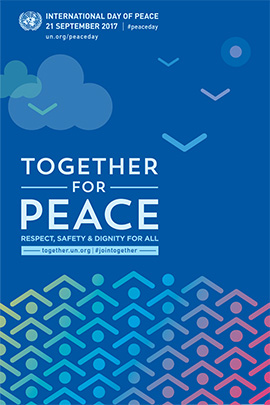
“Together for Peace: Respect, Safety and Dignity for All.” is the theme of International Day of Peace proclaimed by the United Nations each year on September 21. It aims to promote the respect, safety and dignity of all those who are forced to flee from their homes in search of a better life. Established in 1981 as the Day of Peace & Non-violence, its recurrence is an invitation to all Member States, to UN organizations, regional and non-governmental organizations, and people of good will, to implement education, training and public awareness on issues of peace, respect, support for diversity, acceptance of migrants and refugees, and to reject all forms of discrimination.
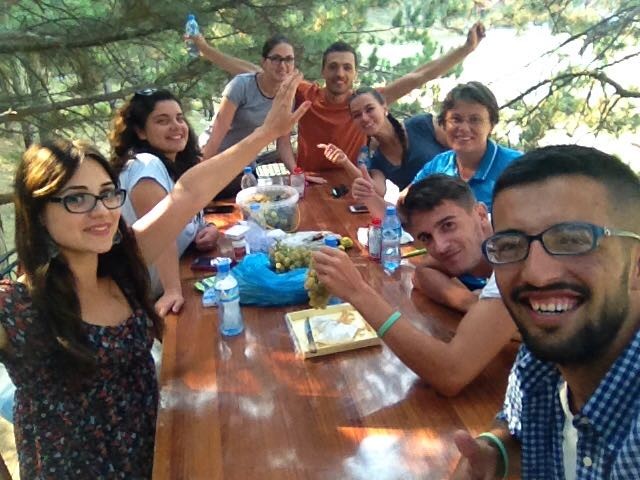
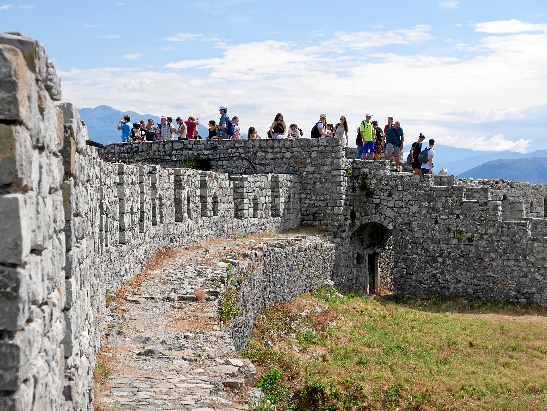 “Sunday 20 August, 2017, 5:00 a.m. From afar, I hear the call to prayer of the muezzin. The thermometer already reads 30°C. I am in a tiny log cabin in the small Village for Peace in Shkodër, in Albania. Built by the Catholic Church for the refugees during the second Balkan war at the end of 1999, it now hosts our camp, go4peace.” So begins the narrative journal of Meinolf Wacker, a young German priest, who for more than 20 years has been involved, along with other priests of the Focolare Movement, in the Balkans – a land marred by wars and divisions – in organizing “schools of peace” for hundreds of young people. His first thought in the morning is of the previous evening, just a few hours ago, and of the huge concert prepared by the youth on the square of the cathedral of Shkodër. At the conclusion of the concert, Mark, who comes from Ireland, gave voice to their appeal: “We are here from the North and the South, from the East and the West of Europe. Peace is a goal we must reach, and we must see in each person a brother or a sister. If we love each other, peace will be the outcome. It takes passion, patience, and tenacity. We want to become a generation full of passion for peace.”
 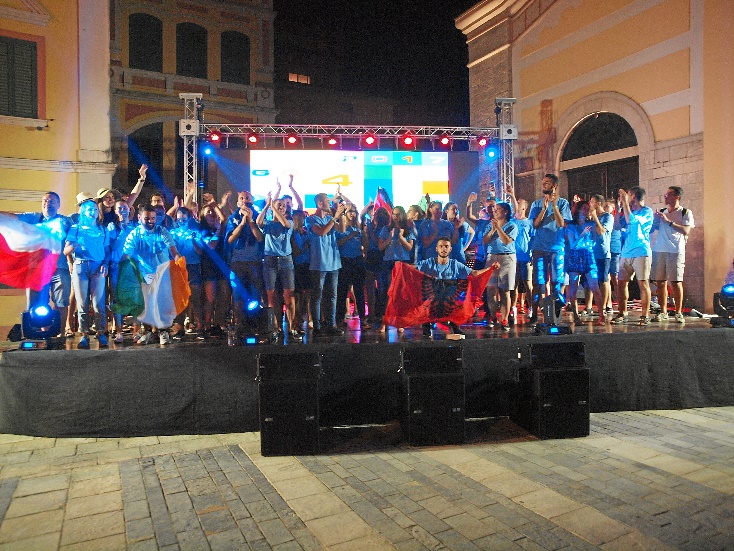 The members of the band that played that night come from Albania, Cameroon, Slovenia, Spain, and Germany, after no small difficulty. The Germans, for example, once they had arrived in Sarajevo, crossed the mountainous region of Montenegro in a rental van, almost a 40 hour drive. They had not even the time to catch their breath when they were divided into small groups to get to know one another. Every day, there was a motto to live by. “Don’t stop giving!” for example. But even looking at nature could inspire a new motto, like seeing a cow resting in the field, taking her time as she chewed her cud. In a hectic, frenzied world, one needs to stop every once in a while, and “ruminate” interiorly on whatever God wants to say to us. “At the beginning of the camp,” writes Meinolf, “we stopped on the famous Mes Bridge, in the town of Mes. Standing united, hand in hand, all the participants, Muslims, Protestants, Catholics, or of other worldviews, we entrusted ourselves to the mystery of God, in silence. During the week there were 31 workshops that gave the youth the chance to come into contact with the people of that town. Each day more than a hundred children awaited us in Fermentim, on the periphery of Shkodër, where a community of sisters works daily.” Here the youth make key chains and work on the painting and flooring of the nursery school and the house of a family. “Other stops on the tour included the Museum of St Stephen’s Cathedral, in Shkodër, where we remembered the 38 martyrs killed during the communist regime from 1945 to 1974, the Museum of Memory with the horrors committed in those years, and the visit to a mosque. In an interreligious workshop we talked about the relationships between religions in the Balkans. We also planted some trees, painted a few houses in the village, and met the children entrusted to the sisters of Mother Teresa. The day always ended with a festive dinner in the village. “Along with Christoph and Tobias from the agency, 18frames Film+Media Produktion from Hamburg, we prepared the campaign, ‘Yourope,’ in order to engage young Europeans in ‘showing their face’ to demonstrate a Europe without barriers. A videoclip made during the camp, with our faces on a black background, ends with the invitation to send us other brief videos with the same initial phrase: I show my face … Armela took a small mascot from my car – a moose – put it on her shoulders and continued: I show my face because I am from Albania, studying in Austria, sitting in a French car with a German driver and a young friend from Sweden. In a few days more than 50 thousand people had viewed the clip.” Two participants share: “When I heard, a year ago, that the camp would be held at Shkodër, I was skeptical. I come from Albania and I know the mentality of my country. Throughout the preparations, I helped as much as I could. The first two days went well. But when the workshops began, there was so much confusion. ‘Welcome to the chaos!’ I thought. But then, everything turned out differently from how I had imagined it. At the end of the closing concert, I had to explain the campaign, ‘Yourope.’ I could see true joy in the eyes of everyone in the audience! Love had been stronger than the obstacles!” “The evening masses were not empty rituals, but deep faith lived out, which overwhelmed me. The explanations on the meaning of suffering and on the encounter with Jesus in suffering helped me a lot, and I continued to ‘ruminate’ on these for a long time.” See video clip