Sanctity open to all
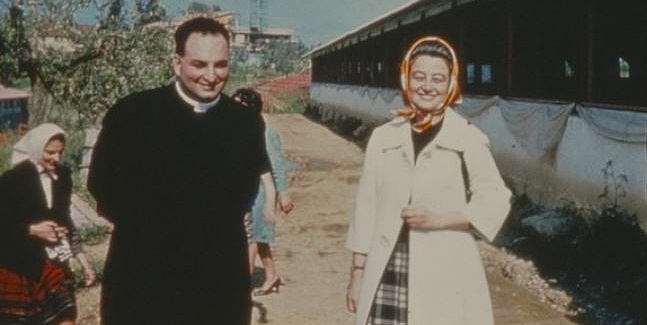
Chiara Lubich with Fr Pasquale Foresi. Photo credit: Loppiano archives

Chiara Lubich with Fr Pasquale Foresi. Photo credit: Loppiano archives
Chantal Grevin
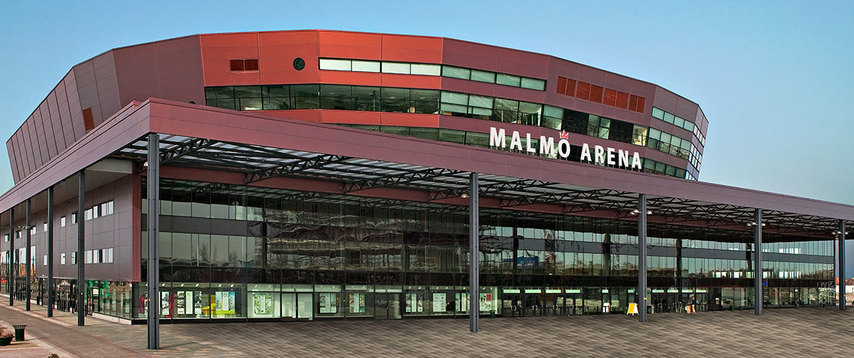 For the first time in 500 years Pope Francis, Bishop Munib Younana and General Secretary of the Lutheran World Federation, Rev Dr Martin Junge, will sign their names to the invitation for the 500th Anniversary of the Lutheran Reform in a highly significant gesture. Equally significant is the title that was chosen for the event: “From Conflict to Communion – Unity in Hope”. The event will be held on October 31st with an ecumenical service at the Cathedral of Lund, followed by a public ceremony at Malmö Stadium in Sweden. The Joint Declaration on the Doctrine of Justification (1999) was already a milestone for Catholic-Lutheran ecumenical dialogue, an important historical document that this year will serve as the theological basis the search of unity in the one Church of Christ. There has been a long history of friendship between the Focolare Movement and Lutherans. It was precisely the encounter with them that made Chiara Lubich realize that the spirituality that God had entrusted to her was not meant only for Roman Catholics.
  The history: On January 14, 1961, Chiara Lubich had been invited to speak about the spirituality of unity to the Lutheran Sisterhood of Mary. Among the listeners were several Lutheran pastors, including Klaus Hess and his wife Amalie, founders of the Brotherhood of the Common Life in Germany. A few months later the Hess couple visited Rome to know more about the Focolare Movement and the Catholic Church. On May 24, 1961, Chiara founded “Centro Uno” for the unity of Christians and, in June 1968 she inaugurated the Ecumenical Centre at the permanent Mariapolis in Ottmaring, Germany. Meanwhile the Focolare spirituality was being welcomed by bishops, Catholics, Evangelicals and Lutherans in East and West Germany. The spirituality of unity was also spreading in Sweden, and more than half the people at the Mariapolis were Lutherans. In 1982 bishops from different Churches began to attend the Movement’s annual gatherings for Catholic Bishops Friends of the Focolare. In 2015 there were 6 Lutheran bishops from three countries at the Focolare meeting for bishops in Constantinople. In 1988, Chiara was awarded the Augsburg Peace Prize. In 1999, she was an invited guest at the historic signing of the Joint Declaration on Justification in Augsburg. She was invited to compose a prayer that she recited at that solemn celebration. In 2003, the then Lutheran bishop of Munich, Johannes Friedrich, visited the Internationals Centre of the Focolare Movement with a delegation. Chiara spoke to them about Jesus Forsaken: “He presented himself (…) as the model to be imitated in every trial and especially in the pains of disunity; (…) [Jesus] Forsaken is also [the] light for recomposing full visible unity”[1]. In 2009, Focolare president Maria Voce was invited to the celebration of the 10th anniversary of the Joint Declaration. Since she will not be able to attend the 500th Anniversary of the Lutheran Reform, she will be represented by Friederike Koller and Ángel Bartol who are the Central Delegates of the Work of Mary.
See: Statement issued from the 35th Ecumenical Meeting of Bishops friends of the Focolare Movement.
[1] Città Nuova 2003, 10, p 35
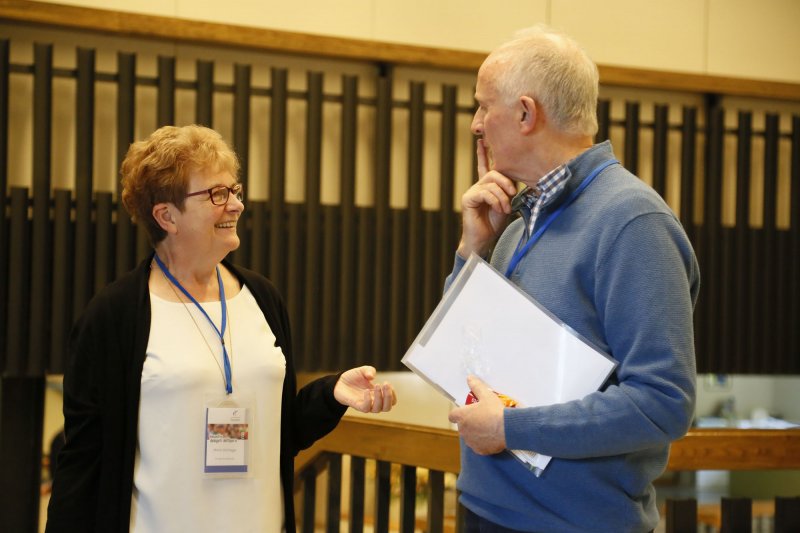
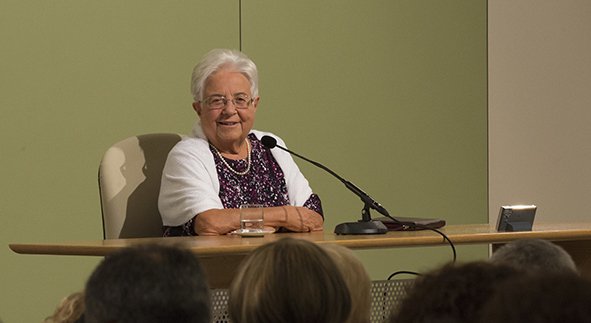 It was the first time that this international meeting was held in three installments for: the Americas and Oceania; Asia, Africa and the Middle East; and Europe. The gatherings were held one after the other and were attended by the delegates of the zone, people who are following than one nation or territory and some councilors. Some 90 people attended each gathering, men and women representing numerous communities that are working at promoting the spirit of unity around the world. They were welcomed by Focolare president Maria Voce who expressed gratitude to God for this harvest event and the life that has been generated by the charism of Chiara Lubich. She also introduced the spiritual theme for the year ahead: the mystery of Jesus Forsaken as the Key to Unity. “Jesus came to the earth,” she recalled, “to take on all the sufferings of humanity and to ensure that with Him it would be possible to pass from Cross to Resurrection.”
 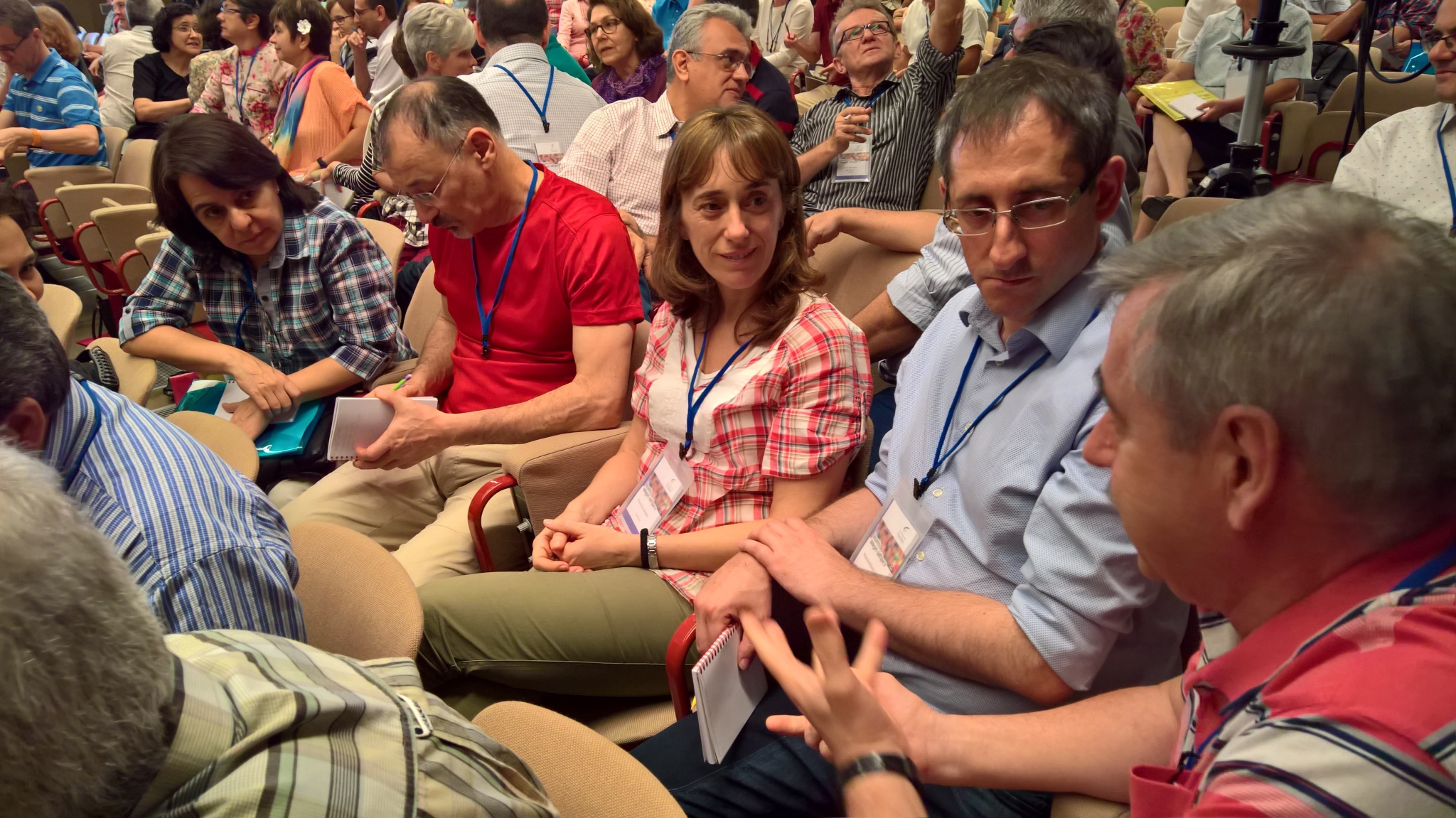 There was much sharing during the three days of intense work. It began with a discussion on the needs of young people in today’s world in the Americas and Oceania with its social and technological development but left with many spiritual needs. Other regions seemed to be in need of strategies for nurturing true values. “But it was not a matter of figuring things out sitting around a conference table,” Ray Asprer explained, “but of developing an awareness that the Holy Spirit will suggest what today’s society needs to get from the charism of unity.” “In Oceania,” Vania Cheng added, “we need to get closer to the Aboriginal populations and face up to the challenge of secularization. From there we can move on to bravely sowing the seeds of the Gospel that spread on their own.” “Even though there are many challenges,” said Gabriela Melo from Latin America, “our communities live communion and reciprocity. And this grows the faith that a united world is not a utopia.”
 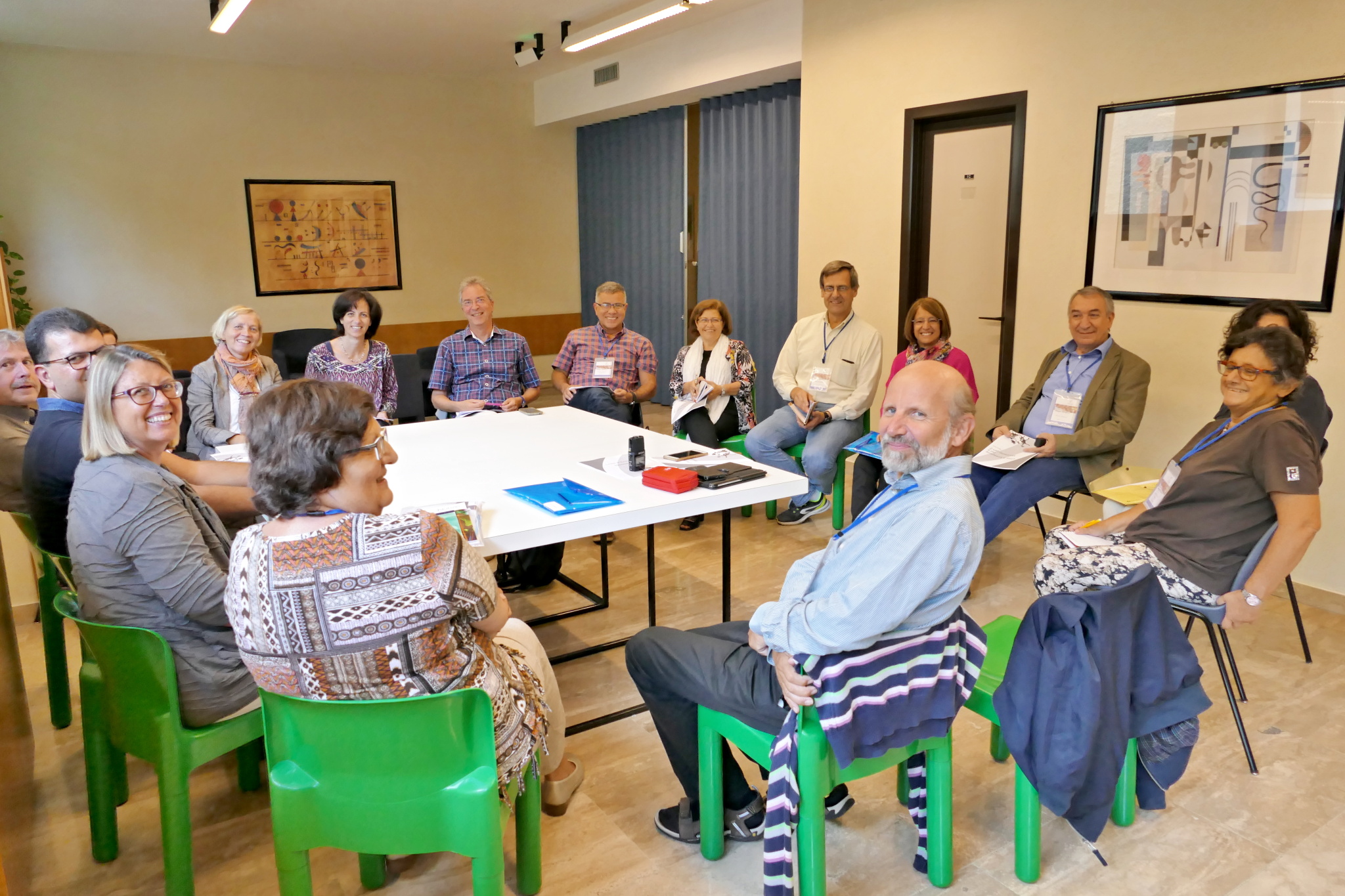 The gathering among the three major regions of Africa, Asia and the Middle East was quite significant, each with its own particular problems, especially the Middle East where they are going through a drama that seems to have no answers. Precisely in the region where Jesus lived and died, it is necessary to not only support the people, but also defend the “culture of the Resurrection.” “Regarding Africa,” Joseph Assouad remarked, “the great value of inculturation was highlighted. These peoples have long been on the journey towards Truth, and we must not go there thinking that we are starting from zero!” Roberto Catalano spoke about the Asian continent, saying that it had much to offer the world regarding social and political life. He also underscored the importance of interreligious dialogue in the Asian region and the contribution offered by the Focolare School of the Great Religions in Philippines. Finally, there was Europe, from Siberia to Portugal. The world is waiting for unity from this continent, human and spiritual values, an ability to dialogue especially with Islam which is coming more and more into view in so many regions. Severin Schmit stated: “Above all, the world is waiting for Europe to find a dignified solution for the refugees.” The challenges are many: secularization, Relativism and the new generations. They deserve answers and proposals that are the result of communion amongst the geographic regions of the continent. “These problems,” Margherita Karram said, “have stimulated growth, motivation and greater creativity, building a network among many people in Italy, for example, where they have taken action in welcoming.” Many new insights and answers emerged from the meetings and much motivation. Everyone left certain of the need to trust and be open to others as Pope Francis suggests, because this will open new and unimagined paths. Focolare co-president, Jesús Morán, recalled: “Jesus told Mary Magdalene to go and inform her brothers and sisters that He would go before them to Galilee. What is Galilee? Galilee is the world outside the Holy City, outside the walls of Jerusalem, outside the walls where Jesus died. It’s the world. Jesus goes before us there, he speaks to us there – in the world.”