«Shocked by the news of the sudden death of our dear Frère Roger Schutz, we join the entire Community of Taize in this moment of prayer and deep pain. He had committed his whole life to God and his brethren, and has been crowned with the palm of martyrdom. Frère Roger was a constructor of peace, and a prophet of hope and joy. “God wants us to be happy,“ he had written to me about two months ago, and now we think of him in the fullness of joy in the heart of the Trinity. We are particularly close to you in this situation. We hope that the deep 40-year friendship with Frère Roger and the Community of Taizé, will continue even now that he has gone to Heaven.» Chiara Lubich So also today, we wish to remember him as a builder of peace, and a prophet of hope and joy.
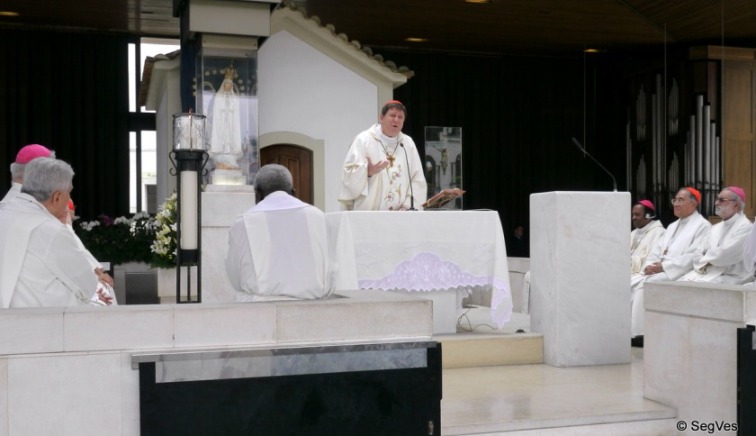
Every summer bishops from around the world gather for a preriod of rest and sharing of their lives while reflecting on being a Church that is instrument and sign of unity in the great variety of settings of the global society that is marked by so many tensions and contradictions. This year they met in Braga, Portugal. “In the Church today it is the moment of unity and communion, the moment when we are being invited to have a collective experience of God. We’re not here only because we’re each bishops, but because we’re brothers. We’d like to be a body of brothers like the first Apostles with Jesus.” These words were spoken by Cardinal João Bráz de Aviz during their Mass inside the Chapel of Apparitions as the 67 bishops from 27 countries made a pilgrimage to Fatima on August 4th. At the conclusion of the gathering Cardinal Francis Xavier Kriengsak Kovithavanij, Archbishop of Bangkok, Thailand summarized their experience in the following way: “We were really happy during these days. We’ve lived like brothers. We felt free and able to open our hearts to one another. Our only Teacher was truly among us. We felt that we were living in the house of Mary.” The bishops were welcomed at Mater Ecclesia Apostolic Centre near the Shrine of Our Lady of Sameiro, by Dom Jorge Ortiga, Archbishop of Braga. It was an appropriate setting for reflecting on the current world scene with international political expert Pasquale Ferrara, and the reform of the Church in the wake of Pope Francis with theologian Piero Coda. It was against this background that the bishops questioned themselves on how to be bishops with a synodal approach and put into practice a culture of shepherding that is marked by communion. Plenary and small group meetings, walks and meals together were all opportunities to put in common painful situations and signs of hope: the anguished cry that rises from the Church in the Middle East; the growth of fruitful integration between basic ecclesial communities and new Movements and Communities in a large diocese of Brazil that offers a significant example of the Letter Iuvenescit Ecclesia (The Church that Rejuvinates), which was published in June by the Congregation for the Doctrine of the Faith; the challenges and potential of inculturation in a pluralistic context like India; the fruits that can come forth when a bishop and his auxiliaries live the common life and when a bishop manages to make himself a brother and friend of his priests; the arduous task of evangelization in a place like Madagascar that is marked by poverty. The two-day visit by bishops from other Churches – two Lutherans and one Syro-Orthodox – and an afternnon meeting with seven bishops from Portugal was mutually enriching. The spiritual part of the meeting had two main themes: Christ Crucified, which is one of the carindal points of the spirituality of unity; and love for the Church. These were presented in talks by Focolare president, Maria Voce (Jesus Forsaken, God’s Window & Humanity’s Window); and by co-president Jesús Morán (The Ecclesial Genius of Chiara Lubich and the Charism of Unity).
After Jesus had died and the Holy Spirit had appeared, Mary disappeared into obscurity. She had accomplished her mission and returned to living in her own element: silent service. She solved the problem of old age by seeking refuge in God, almost a second childhood of the spirit. She teaches how to die. The dying process that provokes fear, in Mary, the Mother, became a returning to her origins by constantly losing herself in God: Life that never ends. And that losing of herself in the Eternal was the death of Mary. It came on the day when the Apostles could do it on their own. But it wasn’t death as we intend it or experience it, but rather something short and sweet that theologians express with a variety of terms: pause, transition, transit, falling-asleep, life-giving-death. . . That virgin body would have been contaminated by the process of decomposition; whereas, having suffered with Christ it couldn’t but immediately rise to glory with Christ. What Resurrection was for Christ, the Assumption was for Mary: a double victory of body and spirit over death. In our times there is the terrifying spectre of the destruction of millions of human beings if not all humankind by atomic weapons, or environmental pollution. There is no way out of it other than reproducing the victory of Jesus and Mary. We must spiritually become Jesus and Mary, agents of life, and this is done by inserting our human nothingness into Divine omnipotence. If we join together in living the Gospel we become the mystical Christ, and if we are made Mary we give Jesus to society, and then war will no longer make sense and the atomic weapon will become a museum piece. There will be peace: the one heart and one soul of a community gathered around the Mother, and its blessed fruit will be unity, the unity of the Living. By rising from this bloody swamp of the earth, to the Heaven of Mary, the Fairest Star of the Sea, we come to a better understanding of the meaning of her Assumption which is the ultimate seal on her unique privilege as the Virgin Mother of God. The materialist should also be moved by this, since it represents the exaltation of the physical body by the power of the Spirit. In Mary we celebrate the redemption of matter and exalt the physical universe that is transfigured into a Temple of the Most High. It’s enough to contemplate even for a moment with the knowledge of love, the place of Mary who rises from earth to Heaven through the cosmos to the full grasp of her identity and of her role. She is the masterpiece of creation. Mary is humble, because no outward highness elevates her; silent, because no human voice seems to be able to define her; poor, because no earthly ornament seems able to decorate her. She speaks only with the language of God’s Word whose richness is only Wisdom of God, grand with the grandness of God. So identified with the Lord, Mary is the human expression of the greatness of the Trinity’s very mind and of its love. She is the Queen – Mistress and Servant – of the Lord’s Dwelling, who opens the doors and lets the children in, occupying herself with welcoming everyone into the palace of the Father, for the glory of the Son in the Seal of the Spirit. She provides mortals with an idea of God who infinitely dominates and overwhelms their intelligence. As if to mediate the power, the wisdom and the love of the ineffable Trinity, God wished to manifest all his power in her. In his infinite originality which humankind would never have tapped, the Creator invented Mary in whose womb the Eternal Word became flesh in our midst and, in his humanity, God became accessible and the Divine Love became part of our home life. Mary among us brings God into our midst. She is the Gate of Heaven. She is taken into Heaven in order to gather the children into the Father’s house. That is why they call on her even a hundred times a day, that she might pray for them now and at the hour of death. (Igino Giordani, Maria modello perfetto, (Rome: Città Nuova, 2012 [1967]), p. 157 – 163.
La prima reazione è stata di gratitudine. Nella Iuvenescit Ecclesia il Movimento dei Focolari vede un invito a proseguire nel cammino che l’ha accompagnato fino ad oggi. In particolare il richiamo alla «reciprocità tra doni gerarchici e doni carismatici», alla loro «coessenzialità» sembra interpretare appieno l’esperienza maturata, giorno dopo giorno, dalla nuova realtà ecclesiale fondata da Chiara Lubich. Con l’intervista a Maria Voce, presidente del Movimento dei Focolari, proseguiamo il ciclo dedicato all’approfondimento della lettera della Congregazione per la dottrina della fede, su cui nelle scorse settimane sono intervenuti Salvatore Martinez, presidente nazionale del Rinnovamento nello Spirito Santo e don Julián Carrón, presidente della Fraternità di Comunione e liberazione. «Il documento – sottolinea Maria Voce – parla chiaro: la Chiesa è una, è “un corpo” chiamato a incarnare il mistero di comunione della vita trinitaria. Protagonista del ringiovanimento della Chiesa è lo Spirito Santo che agisce, in particolare, attraverso i carismi. Il documento riconosce dunque ai movimenti una cosa importante: la capacità, se corrispondiamo alla grazia, di rivitalizzare la Chiesa. Con uno scopo chiaro: contribuire a immettere la vita di Dio negli ingranaggi della vita sociale, farla “toccare” dagli uomini e donne immersi nella complessità del nostro mondo. Il punto centrale del documento è la reciprocità, la coessenzialità nella vita della Chiesa tra doni gerarchici e doni carismatici. Si tratta di un richiamo esplicito all’insegnamento conciliare. Sì, mi pare che la lettera ponga in maniera inequivoca una pietra miliare di notevole portata dottrinale, sia nel riferirsi al Concilio Vaticano II, sia nel riconoscere una “convergenza del recente magistero ecclesiale” sulla coessenzialità: medesima origine e medesimo fine dei doni gerarchici e dei doni carismatici, tema che in questi anni non era stato recepito sufficientemente e aspettava un approfondimento. Una coessenzialità che voi sottolineate far parte da sempre della vostra esperienza. Dagli inizi il Movimento dei Focolari ha teso a questo intimo rapporto con chi nella Chiesa aveva il carisma del discernimento. Lo si vede, ad esempio, dalla lunga storia della sua approvazione, inseguita con determinazione adamantina e fiducia totale, a volte nella sofferenza, da Chiara Lubich e da quanti generavano con lei questa nuova creatura. La narra lei stessa nel suo libro “Il Grido”. I riconoscimenti poi, come si sa, sono arrivati abbondanti. Anche altri rappresentanti di Chiese cristiane hanno voluto esplicitare il proprio riconoscimento, a cominciare dal patriarca ecumenico Athenagoras I, dal vescovo luterano Hermann Dietzfelbinger, dal primate anglicano Michael Ramsey e da tanti altri. La lettera sottolinea che non può esistere contrapposizione tra Chiesa delle istituzioni e Chiesa della carità. Che significa da una parte rinunciare a ogni presunzione istituzionale, dall’altra all’autoreferenzialità. In che modo si possonoevitare questi rischi? Vivendo ciascuno per lo scopo per cui la Chiesa esiste: l’umanità intera. Nel concreto e nel locale avviene poi il reciproco implementarsi con la ricchezza di ciascuno. La fraternità universale esige l’impegno di tutti e richiede infiniti piccoli passi. Dal 30 giugno al 2 luglio, ad esempio, 300 movimenti e comunità nati in seno alla Chiesa cattolica e a molte altre Chiese si sono dati appuntamento a Monaco, in Germania. ‘Insieme per l’Europa’, è un cammino iniziato nel 1999 e che continua insieme per il bene di questo continente, che deve riscoprire se stesso e ha gravi doveri verso il resto del mondo. E per realizzare l’armonia di cui parla il documento, come e dove bisogna operare? Credo che dobbiamo procedere con fiducia sulla strada che indica. Forse occorre approfondire maggiormente le conseguenze del riconoscere la coessenzialità tra doni gerarchici e carismatici. Bisogna pensare come avviare nella pratica una profonda e concreta partecipazione di ambedue aspetti ai vari livelli della Chiesa. Non basta la constatazione, mi sembra che si debbano trovare anche le modalità operative per procedere insieme. Uno slogan per il documento potrebbe essere quello di “Unirsi per una Chiesa in uscita”. Come interpretare questo impegno? Quella dei dialoghi è la via percorsa dai Focolari, manifestatisi via via con chiarezza, legati a fatti precisi e a incontri con persone concrete. Non quindi strategia, ma sostanza della relazione nel vicendevole riconoscimento e nel reciproco amore. Da qui il maturare del dialogo all’interno delle proprie Chiese, tra le chiese cristiane, con le altre religioni, con persone di riferimento non religioso, con la cultura contemporanea. Alcuni interpreti sottolineano come papa Francesco sia spesso un tantino severo verso i movimenti. È così? Non lo ritengo severo. Trovo sintonia fra le sue parole e gesti e il vissuto dei movimenti. È uno dei Papi che più è entrato in contatto con essi partecipando a manifestazioni o nelle udienze. Così con il Rinnovamento nello Spirito, Cammino Neocatecumenale, Comunione e Liberazione, Schoenstatt… Lo ha fatto anche con i Focolari ricevendo i 600 partecipanti all’Assemblea generale del 2014. Certe sue precisazioni che ad osservatori esterni possono risultare rimproveri, spronano i movimenti a vivere il proprio carisma, ad essere più fedeli allo Spirito Santo per meglio contribuire alla Chiesa comunione. Nitide le sue parole dello scorso aprile nella sua inaspettata visita alla Mariapoli di Roma a Villa Borghese. Con un’immagine, ha sottolineato l’importanza e la capacità dei movimenti di vivificare i vari ambienti: «trasformate i deserti in foresta». L’ultima parte del documento contiene l’invito a guardare a Maria. Un “richiamo” che in qualche modo fa parte del vostro stesso essere Movimento. Maria è la carismatica per eccellenza e ciò la pone al centro della Chiesa nascente, custode della presenza del Risorto fra gli apostoli che, in una Chiesa che non sapeva ancora di essere tale, solo lei poteva bene interpretare. «La dimensione mariana della Chiesa precede la sua dimensione petrina», scrive Giovanni Paolo II nella Mulieris dignitatem: infatti non siamo i cristiani a “fare” la Chiesa ma è il Risorto che ci precede. Da qui il richiamo al Movimento dei Focolari, chiamato dal suo specifico carisma a generare Gesù spiritualmente laddove i suoi membri vivono. Una vocazione descritta negli Statuti con parole forti: essere – per quanto è possibile – una continuazione di Maria, proprio in quella sua specifica opera di dare al mondo Cristo. Il vostro obiettivo, mi corregga se sbaglio, è edificare tutti insieme la civiltà nuova dell’amore. Dove bisogna operare soprattutto in questi tempi? Quali le periferie in cui è necessario essere presenti? Le periferie sono là dove c’è un di più di sofferenza. Papa Francesco non smette di indicarle. Non sono solo le povertà materiali ma anche quelle spirituali: la perdita di senso, lo smarrimento delle radici cristiane in un’Europa logorata dal consumismo, dall’edonismo, dal potere economico e tecnologico, la devastazione del creato, le stragi, il dramma umanitario dei rifugiati e le migrazioni di massa, i tanti conflitti armati. Le periferie sono infinite. Non si tratta di fare tutti insieme la stessa cosa, ma di lavorare insieme con lo stesso scopo: trasformare il deserto in foresta. Riccardo Maccioni, 7 agosto 2016 Pdf dell’intervista
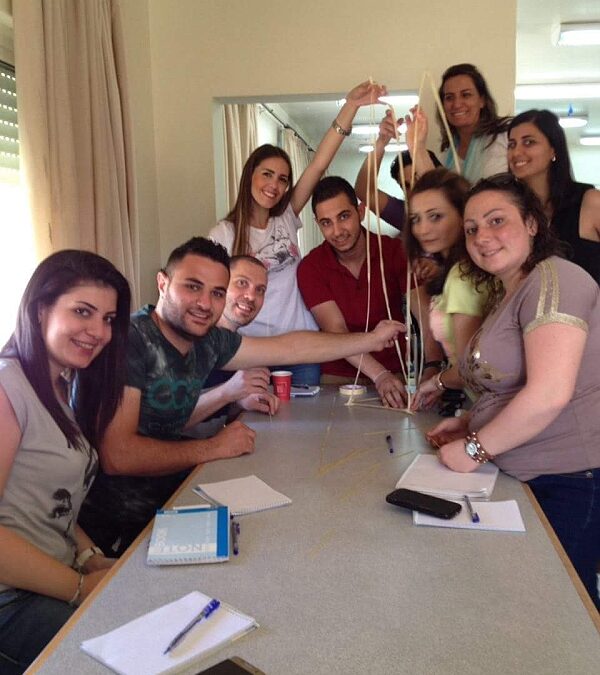
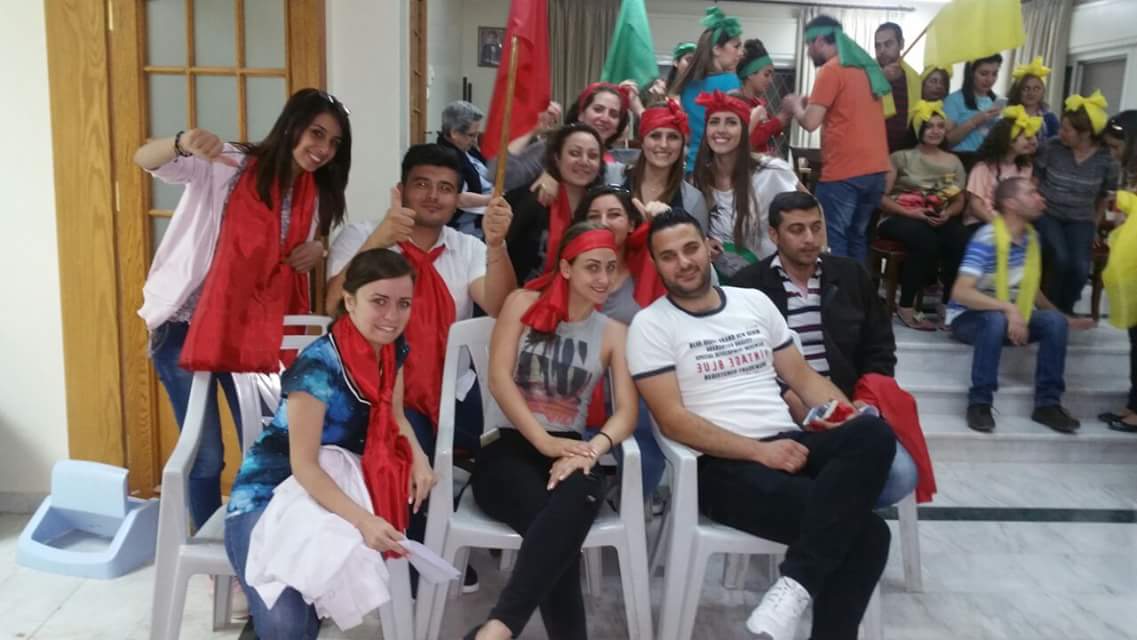
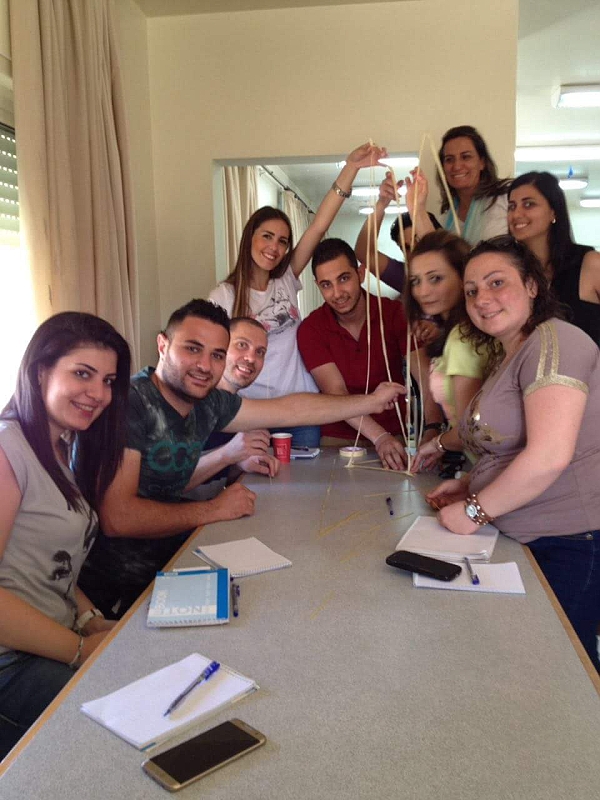
“I learned to transform the negative into positive and transmit it to my friends and not to despair in the face of difficulties.” Said in a context like that of Syria, where the young people live “under continuous psychological pressure” each word weighs differently. “Sad to say, there is continuous news from Syria about civilian war victims, especially in Aleppo,” Pope Francis reminded all once again in the Angelus of 7 August. He continued saying “It is unacceptable that many innocent people – and many children – have to pay the price of the conflict, which is that of closed hearts and the lack of will of those in power.” He then urged all to take everything to heart and personally support the Syrian brothers and sisters with their prayers and solidarity. War is stressful even if there are seeds of hope, and it is what we must continue to focus on. “We felt that we had to do something different with the youth, to support them from the spiritual and human standpoint,” recounted Lina Morcosand Murad Al Shawareb, educators of the Focolare Movement, «and this is why we thought of inviting Sr Noha Daccache, Lebanese, of the Sacred Heart, and university professor specialising in social sciences. We chose to deepen, in this year of mercy, the concept of “Mercy and prayer in our daily lives.” “Already during the preparations – through the iPhone application WhatsApp – there was a great sense of maturity,” seen also during the three-day event (from 10 to 12 June). Sr Noha’s reflections on mercy and prayer, and the Sacred Scriptures also seen in relation to their spiritual lives, triggered questions and reflections. “But on the first day we realised that we were all stressed out due to the situation we were undergoing. So we first held a dialogue session, after which someone suggested a moment of prayer. It was a moving moment with songs and meditations, where the youth said spontaneous prayers and with faith, asked for the gift of Peace.” “On the second day, we delved deeper into the various aspects of life that hindered us from fully corresponding to what God asks of us each day. On the last day instead, Chiara Lubich’s article, ‘Better than yesterday’, was really enlightening since it gave us a concrete key to always love Jesus better.” A girl wrote, “I understood that I had to live the present moment solemnly, to offer the pain and live it for Jesus; all the rest is secondary. While praying I felt that Jesus was saying to me: I am with you.” As she was leaving, Sr Caccache said “You people are really outstanding – I shall keep you in my heart and pray intensely for Peace.” Maria Chiara De Lorenzo

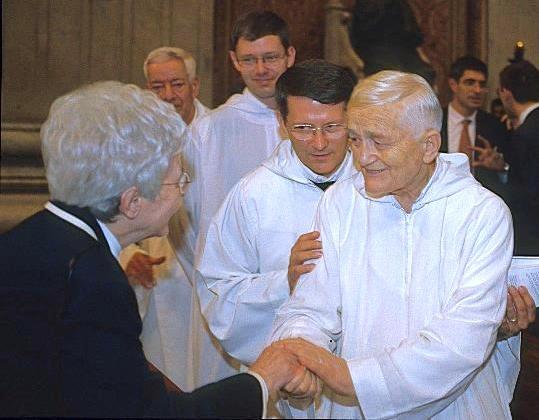
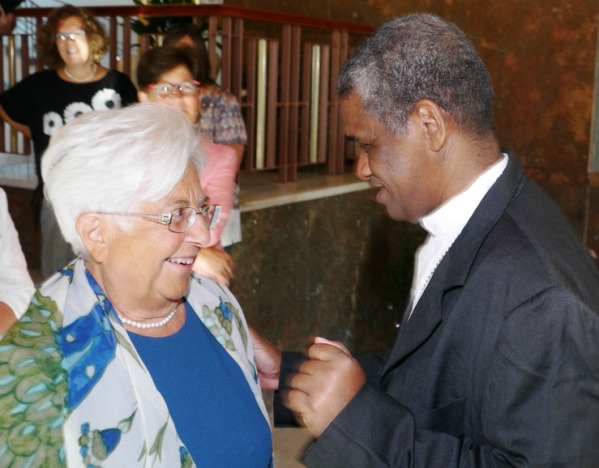
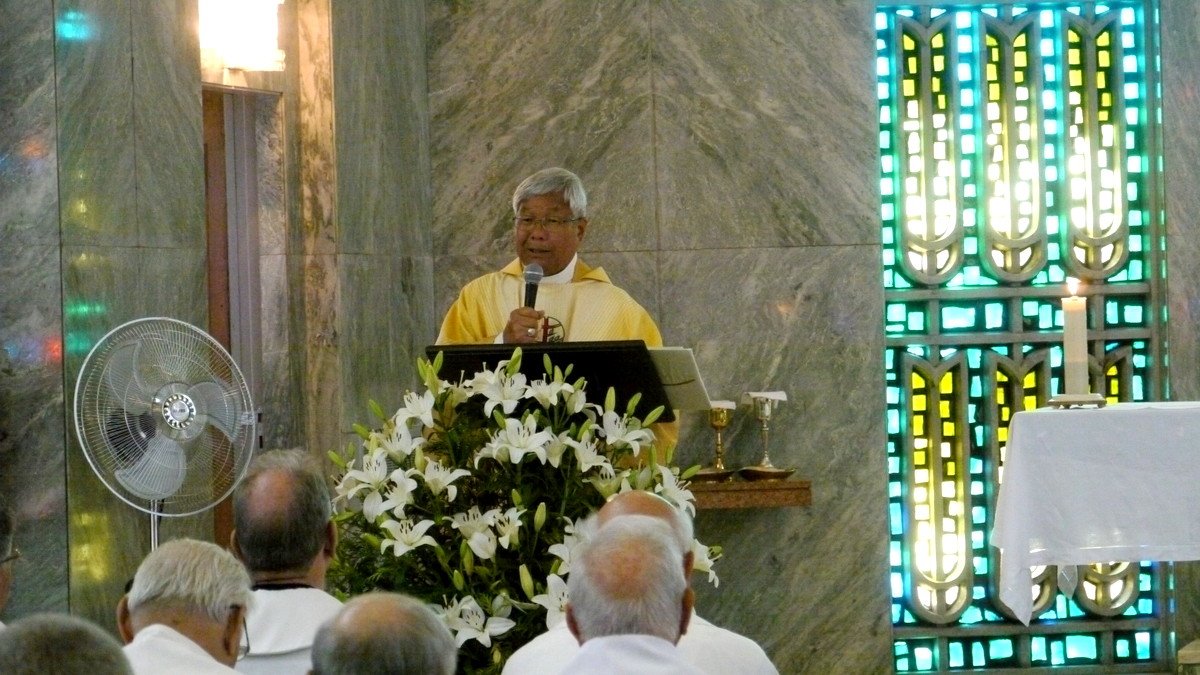 Every summer bishops from around the world gather for a preriod of rest and sharing of their lives while reflecting on being a Church that is instrument and sign of unity in the great variety of settings of the global society that is marked by so many tensions and contradictions. This year they met in Braga, Portugal. “In the Church today it is the moment of unity and communion, the moment when we are being invited to have a collective experience of God. We’re not here only because we’re each bishops, but because we’re brothers. We’d like to be a body of brothers like the first Apostles with Jesus.” These words were spoken by Cardinal João Bráz de Aviz during their Mass inside the Chapel of Apparitions as the 67 bishops from 27 countries made a pilgrimage to Fatima on August 4th.
 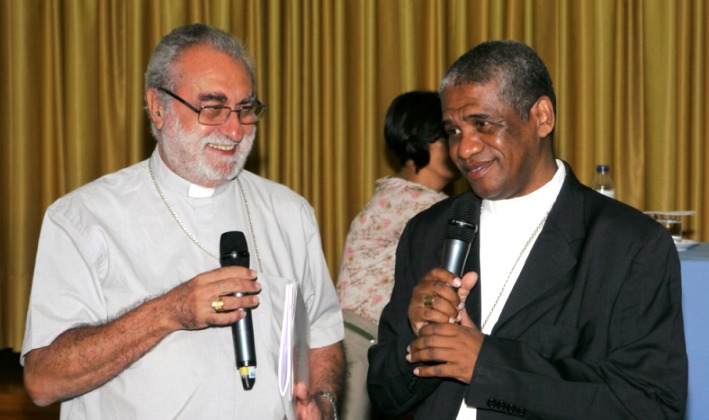 At the conclusion of the gathering Cardinal Francis Xavier Kriengsak Kovithavanij, Archbishop of Bangkok,
  Plenary and small group meetings, walks and meals together were all opportunities to put in common painful situations and signs of hope: the anguished cry that rises from the Church in the Middle East; the growth of fruitful integration between basic ecclesial communities and new Movements and Communities in a large diocese of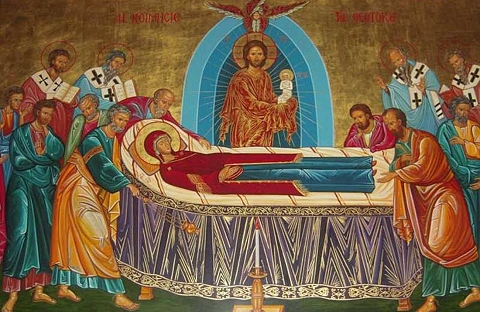

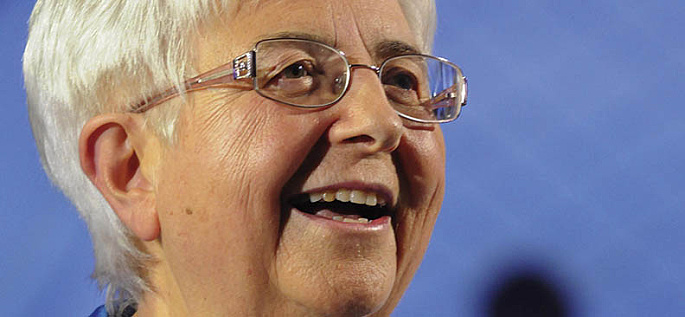 La prima reazione è stata di gratitudine. Nella
  Una coessenzialità che voi sottolineate far parte da sempre della vostra esperienza. Dagli inizi il Movimento dei Focolari ha teso a questo intimo rapporto con chi nella Chiesa aveva il carisma del discernimento. Lo si vede, ad esempio, dalla lunga storia della sua approvazione, inseguita con determinazione adamantina e fiducia totale, a volte nella sofferenza, da Chiara Lubich e da quanti generavano con lei questa nuova creatura. La narra lei stessa nel suo libro “Il Grido”. I riconoscimenti poi, come si sa, sono arrivati abbondanti. Anche altri rappresentanti di Chiese cristiane hanno voluto esplicitare il proprio riconoscimento, a cominciare dal patriarca ecumenico Athenagoras I, dal vescovo luterano Hermann Dietzfelbinger, dal primate anglicano Michael Ramsey e da tanti altri. La lettera sottolinea che non può esistere contrapposizione tra Chiesa delle istituzioni e Chiesa della carità. Che significa da una parte rinunciare a ogni presunzione istituzionale, dall’altra all’autoreferenzialità. In che modo si possono evitare questi rischi? Vivendo ciascuno per lo scopo per cui la Chiesa esiste: l’umanità intera. Nel concreto e nel locale avviene poi il reciproco implementarsi con la ricchezza di ciascuno. La fraternità universale esige l’impegno di tutti e richiede infiniti piccoli passi. Dal 30 giugno al 2 luglio, ad esempio, 300 movimenti e comunità nati in seno alla Chiesa cattolica e a molte altre Chiese si sono dati appuntamento a Monaco, in Germania. ‘Insieme per l’Europa’, è un cammino iniziato nel 1999 e che continua insieme per il bene di questo continente, che deve riscoprire se stesso e ha gravi doveri verso il resto del mondo. E per realizzare l’armonia di cui parla il documento, come e dove bisogna operare? Credo che dobbiamo procedere con fiducia sulla strada che indica. Forse occorre approfondire maggiormente le conseguenze del riconoscere la coessenzialità tra doni gerarchici e carismatici. Bisogna pensare come avviare nella pratica una profonda e concreta partecipazione di ambedue aspetti ai vari livelli della Chiesa. Non basta la constatazione, mi sembra che si debbano trovare anche le modalità operative per procedere insieme. Uno slogan per il documento potrebbe essere quello di “Unirsi per una Chiesa in uscita”. Come interpretare questo impegno? Quella dei dialoghi è la via percorsa dai Focolari, manifestatisi via via con chiarezza, legati a fatti precisi e a incontri con persone concrete. Non quindi strategia, ma sostanza della relazione nel vicendevole riconoscimento e nel reciproco amore. Da qui il maturare del dialogo all’interno delle proprie Chiese, tra le chiese cristiane, con le altre religioni, con persone di riferimento non religioso, con la cultura contemporanea. Alcuni interpreti sottolineano come papa Francesco sia spesso un tantino severo verso i movimenti. È così? Non lo ritengo severo. Trovo sintonia fra le sue parole e gesti e il vissuto dei movimenti. È uno dei Papi che più è entrato in contatto con essi partecipando a manifestazioni o nelle udienze. Così con il Rinnovamento nello Spirito, Cammino Neocatecumenale, Comunione e Liberazione, Schoenstatt… Lo ha fatto anche con i Focolari ricevendo i 600 partecipanti all’Assemblea generale del 2014. Certe sue precisazioni che ad osservatori esterni possono risultare rimproveri, spronano i movimenti a vivere il proprio carisma, ad essere più fedeli allo Spirito Santo per meglio contribuire alla Chiesa comunione. Nitide le sue parole dello scorso aprile nella sua inaspettata visita alla Mariapoli di Roma a Villa Borghese. Con un’immagine, ha sottolineato l’importanza e la capacità dei movimenti di vivificare i vari ambienti: «trasformate i deserti in foresta». L’ultima parte del documento contiene l’invito a guardare a Maria. Un “richiamo” che in qualche modo fa parte del vostro stesso essere Movimento. Maria è la carismatica per eccellenza e ciò la pone al centro della Chiesa nascente, custode della presenza del Risorto fra gli apostoli che, in una Chiesa che non sapeva ancora di essere tale, solo lei poteva bene interpretare. «La dimensione mariana della Chiesa precede la sua dimensione petrina», scrive Giovanni Paolo II nella Mulieris dignitatem: infatti non siamo i cristiani a “fare” la Chiesa ma è il Risorto che ci precede. Da qui il richiamo al Movimento dei Focolari, chiamato dal suo specifico carisma a generare Gesù spiritualmente laddove i suoi membri vivono. Una vocazione descritta negli Statuti con parole forti: essere – per quanto è possibile – una continuazione di Maria, proprio in quella sua specifica opera di dare al mondo Cristo. Il vostro obiettivo, mi corregga se sbaglio, è edificare tutti insieme la civiltà nuova dell’amore. Dove bisogna operare soprattutto in questi tempi? Quali le periferie in cui è necessario essere presenti? Le periferie sono là dove c’è un di più di sofferenza. Papa Francesco non smette di indicarle. Non sono solo le povertà materiali ma anche quelle spirituali: la perdita di senso, lo smarrimento delle radici cristiane in un’Europa logorata dal consumismo, dall’edonismo, dal potere economico e tecnologico, la devastazione del creato, le stragi, il dramma umanitario dei rifugiati e le migrazioni di massa, i tanti conflitti armati. Le periferie sono infinite. Non si tratta di fare tutti insieme la stessa cosa, ma di lavorare insieme con lo stesso scopo: trasformare il deserto in foresta. Riccardo Maccioni, 7 agosto 2016