6 Nov 2018 | Focolare Worldwide
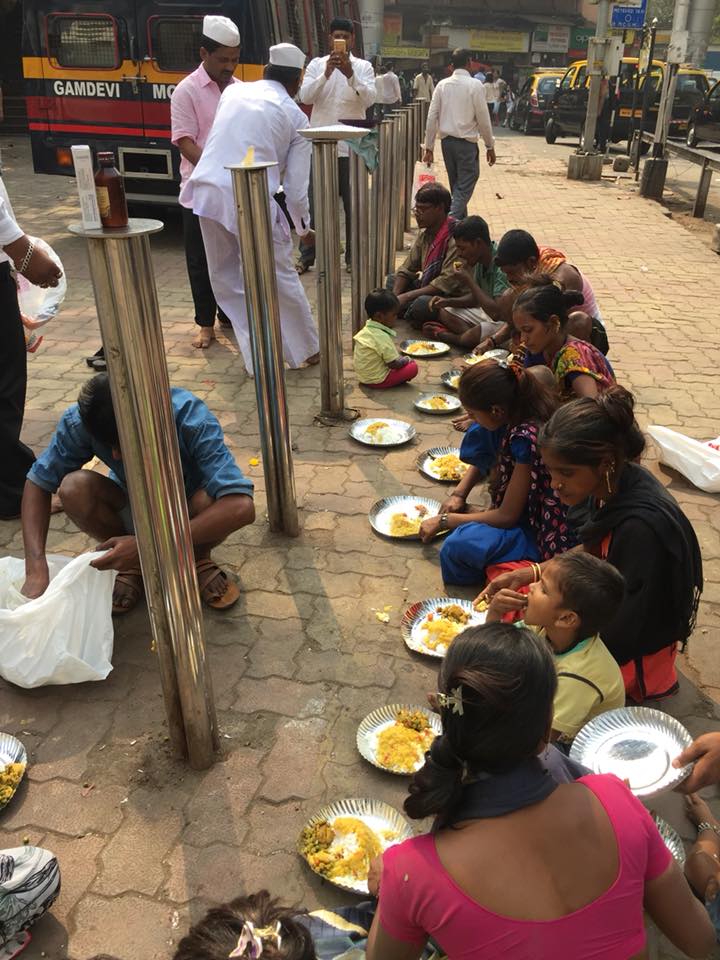 With one of the fastest growing economies, India is a country which is racing toward constant improvement in life expectancy, literacy rates and health conditions. However, of the 1.2 billion inhabitants of the country, the conditions of those living in the poorest regions are still difficult. Despite its status as an economic power, mortal malnutrition persists. Every evening in India, 200 million people try to fall asleep despite the gnawing hunger. And every day, 3,000 children die of hunger. In Mumbai, where thousands of people go for cancer treatments, Sunny of the Focolare community, wrote: “During the treatments, the families sleep on the road or around the hospital, in the lack of all necessities.” This is an alarming situation of poverty, especially if compared with the data related to the growing waste of perfectly whole foodstuffs, thrown away at the end of wedding banquets, rites, and family parties. The country is one of the world’s main producers of foodstuff, but is likewise one in which a good part of these goods are wasted. Among the causes are also the shortage of transport and warehousing systems especially the “cold chain” system: according to estimates in 2017 of the Indian Ministry of Agriculture, the value of the losses connected to foodstuff wastes (not only in terms of farming goods and foodstuffs, but also in the use of water and energy) could range between 8 and 15 billion dollars yearly.
 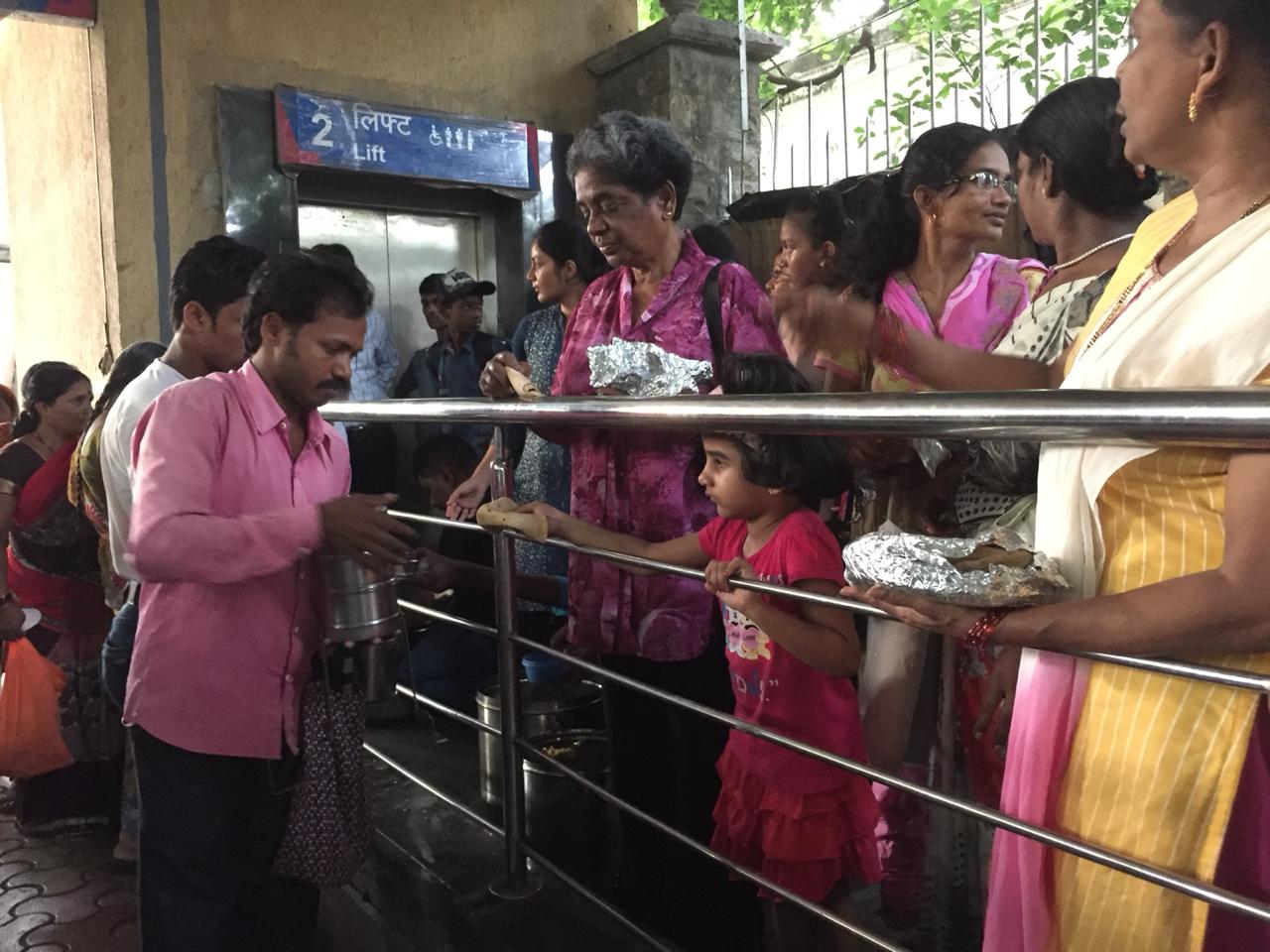 From 2017 onward the nonprofit RotiBank has been working to gather food rejects or those freshly prepared from food companies, like hotels or cafeterias, and involving them in a safe way in the slums or for homeless people. “Roti” is a typical, round Indian bread, from a dough of whole-bran flour and water, baked also on stones. After having received a van as a gift, RotiBank is now working to increase the number of vehicles and staff. Many of the people benefited are children or labourers who do not get a minimum salary to be able to survive. The non-profit initiative avails of a chain of volunteers who, after their normal work hours, participate in the collection and distribution of leftover food. “It is essential – the presentation of the initiative says – to redistribute the leftovers, and perfectly edible food intended for the dumpsite, to people who are really in need.”
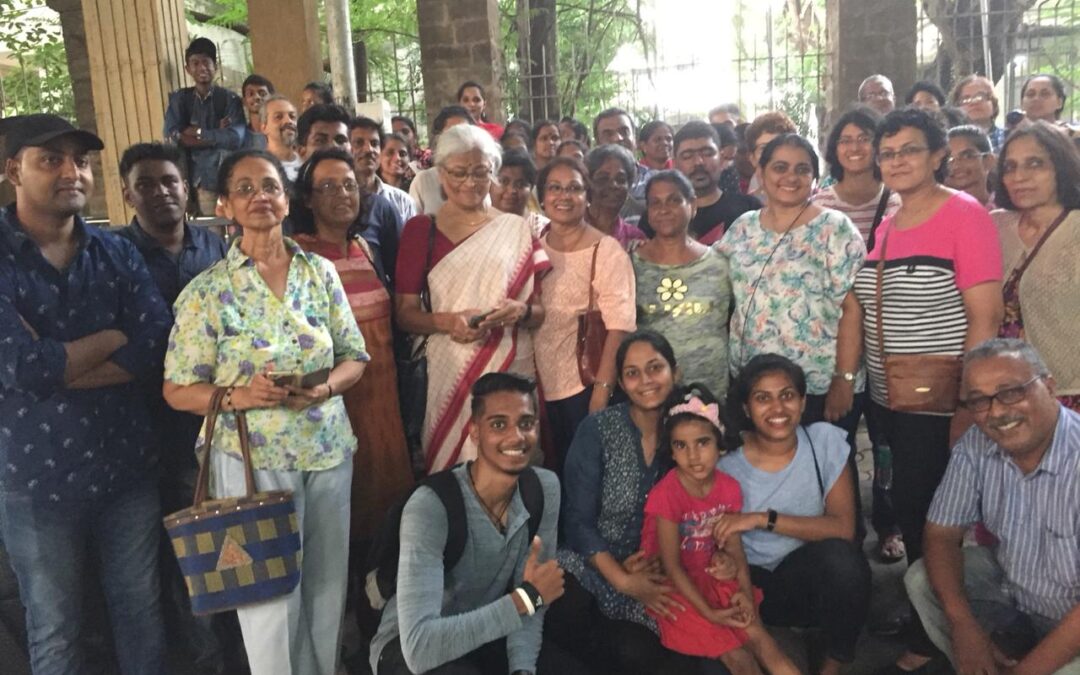
 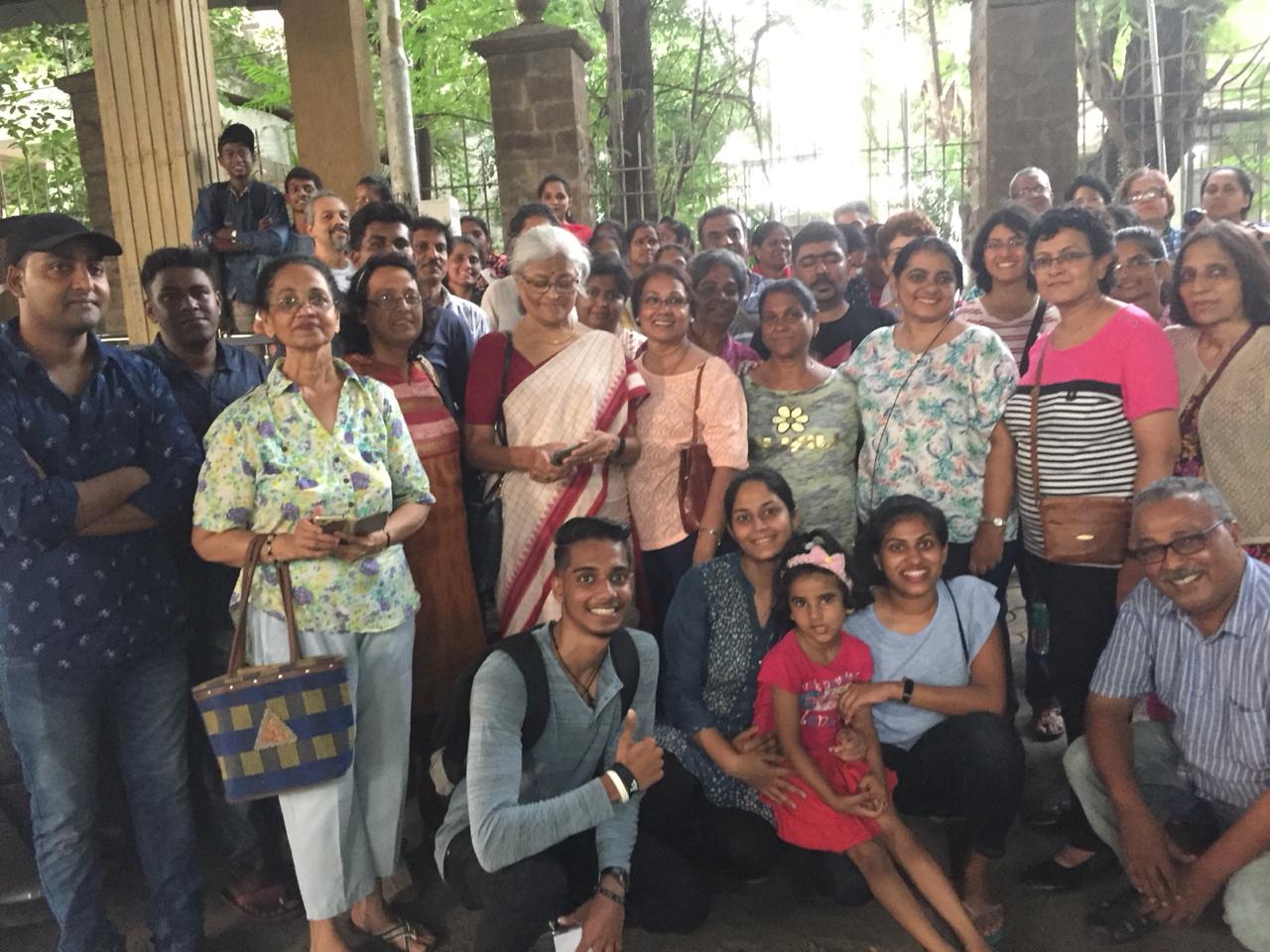 Sunny explained: “We decided to start our battle with an awareness afternoon in support of this non-profit organisation. About 45 members of the Mumbai Focolare community placed themselves at disposal to serve the meals. It was an occasion for us to verify our own shopping methods, and realise that every day we can put something aside to allow these families to have their lunch. It was moving to see how many people were waiting to receive a bit of food. One of the participants said: “I’m so happy to be part of this experience. I shall never forget the expression on the faces of the people queueing up.” Perhaps all of us should see it. Chiara Favotti
5 Nov 2018 | Focolare Worldwide
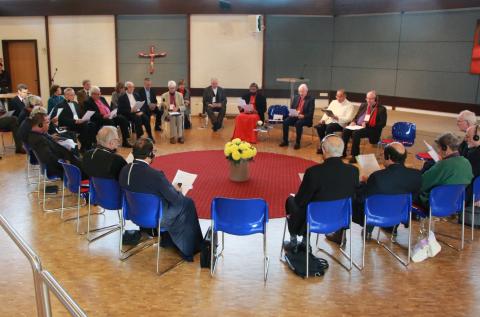
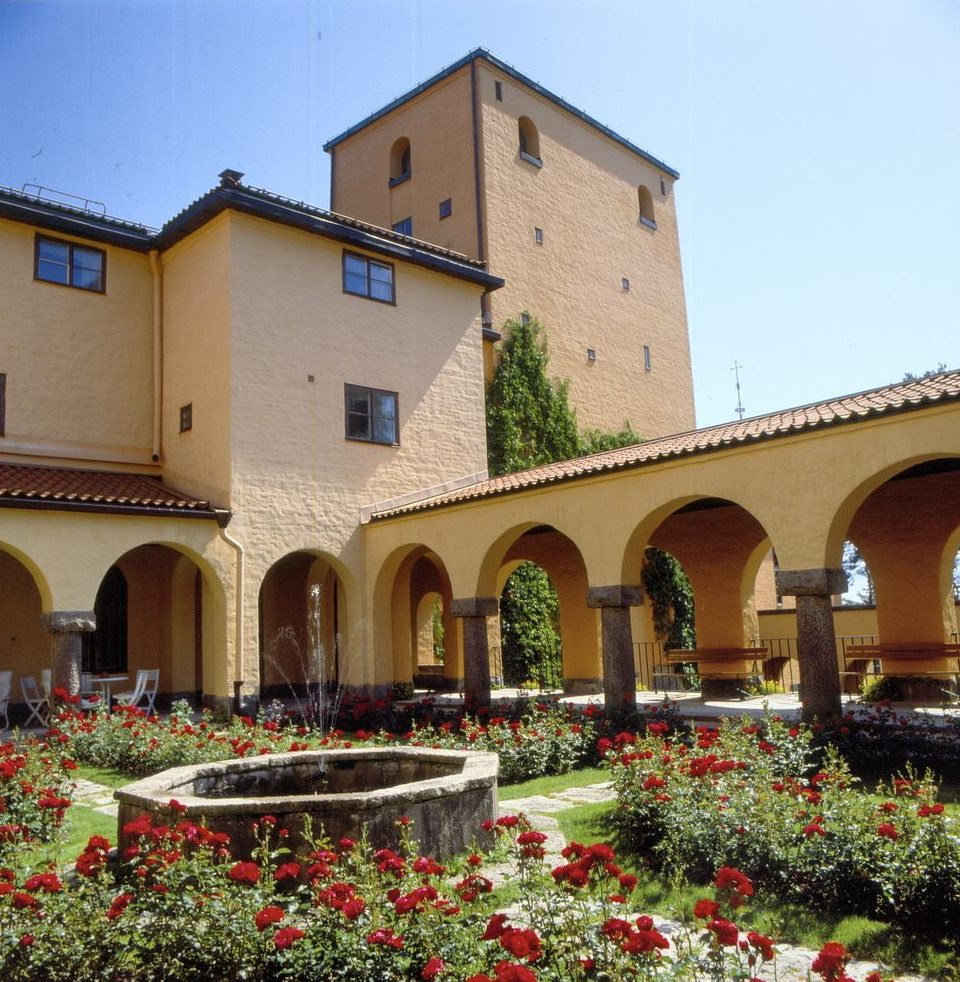 The 40 bishops, who are friends of the Focolari and come from various Christian Churches, have decided to meet in Sweden because of its profound significance in the ecumenial journey. The meeting will be taking place two years after the Lund event, one that has given a new impetus to ecumenical dialogue. In the joint declaration signed by Pope Francis and Bishop Munib Youman, who was then President of the Lutheran World Federation, one reads: “We pledge to witness together to God’s merciful grace, made visible in the crucified and risen Christ. Aware that the way we relate to one another shapes our witness to the Gospel, we commit ourselves to further growth in communion rooted in Baptism, as we seek to remove the remaining obstacles that hinder us from attaining full unity. Christ desires that we be one, so that the world may believe (cf. John 17:21)”. The periodic meetings of these bishops, who also wish to go deeper into the spirituality of unity that stemmed from Chiara Lubich’s charism, aim towards a communion that is a witness to the Gospel. They were held in Jerusalem, Constantinople (Istanbul), London, Augsburg, Katowice and other cities of significant importance in the ecumenical journey. The participants attending this 37th meeting belong to 12 Christian Churches and come from 18 different countries; they will reflect on: “The Spirit’s breath of life and today’s world”. Maria Voce, president of the Focolare Movement will also be present and she will speak about “The Holy Spirit, Soul of the Church in the experience and thought of Chiara Lubich”. Other related themes will range: from the ecumenical challenge in different geographical regions to the meaning of reconciliation in today’s culture; from the Church’s renewal to synodality. Space will also be dedicated to the joint commemoration of the Reformation (2017) and its meaning for the Churches today. Stefania Tanesini
3 Nov 2018 | Non categorizzato
“In Jesus, God simply made himself our brother. He did not only stand beside us, but he entered into us, into our hearts, into our wounds. In doing so he made the wounds of man his own, and thus the wounds that burn in humanity became God’s in this man, Jesus of Nazareth. When he says, ‘I am the way,’ all we need to do is look to the open wound in his side, and there we will find the way. This is certainly not easy; it’s not obvious, either. Yet if we try, if we attempt it, if we risk it, we will realize that he is the way.” (from a homily in 1993) “In Jesus in shows how God, who up to now in the history of his people seemed to have been silent, had not fallen asleep, had not fallen mute. He comes, gathers his poor people and takes them in. He doesn’t do it, however, with lightning action produced by his omnipotence, but in a smaller way, the way of Jesus, the hidden way of service: the way of the cross.” (from a radio interview on September 17, 1978) “Jesus was accused of being a friend to sinners and tax collectors, for having kept ‘bad company.’ His behavior certainly left himself open to misunderstandings. You might say it was a simple criticism of the established order, simple likable eccentricity, or simple protest against the establishment and fixed values. But no: for Jesus, in whom God’s heart beat, he cared for everyone and everything. He didn’t care about those on fringes just in themselves, but rather in that they were part of the whole. “He too is a son of Abraham” (Luke 19:9) is how Jesus himself justified, to the so-called ‘gentlemen’ and those who pretended an external legality, his friendship with Zacchaeus the tax collector.” (from an article in December 1973)
1 Nov 2018 | Non categorizzato
The saints are great men and women who, having seen their greatness in the Lord, risk for God, as his children, everything that is theirs. They give, demanding nothing. They give their life, their soul, their joy, every earthly bond, every richness. Free and alone, launched into infinity, they wait for Love to bring them into the eternal kingdom; but, already in this life, they feel their hearts fill with love, true love, the only love that satisfies, that consoles, that love which shatters the eyelids of the soul and gives new tears. Ah, no one knows who a saint is! He or she has given and now receives, and an endless flow passes between heaven and earth, joins earth to heaven, and filters from the depths rare ecstasy, celestial sap that does not stop at the saint, but flows over the tired, the mortal, the blind and paralyzed in soul, and breaks through and refreshes, comforts and attracts and saves. If you want to know about love, ask a saint. Chiara Lubich, Essential Writings, New City Press, Hyde Park, NY, 2007, p. 116

31 Oct 2018 | Non categorizzato
Maria Voce Emmaus and Jesús Morán respectively President and Co-President of the Focolare Movement will travel to Belgium for the 60th anniversary of the arrival of the Focolare in that country. Official Focolare website https://www.focolare.org/belgium/news/60-ans-du-mouvement-des-focolari-en-belgique/
